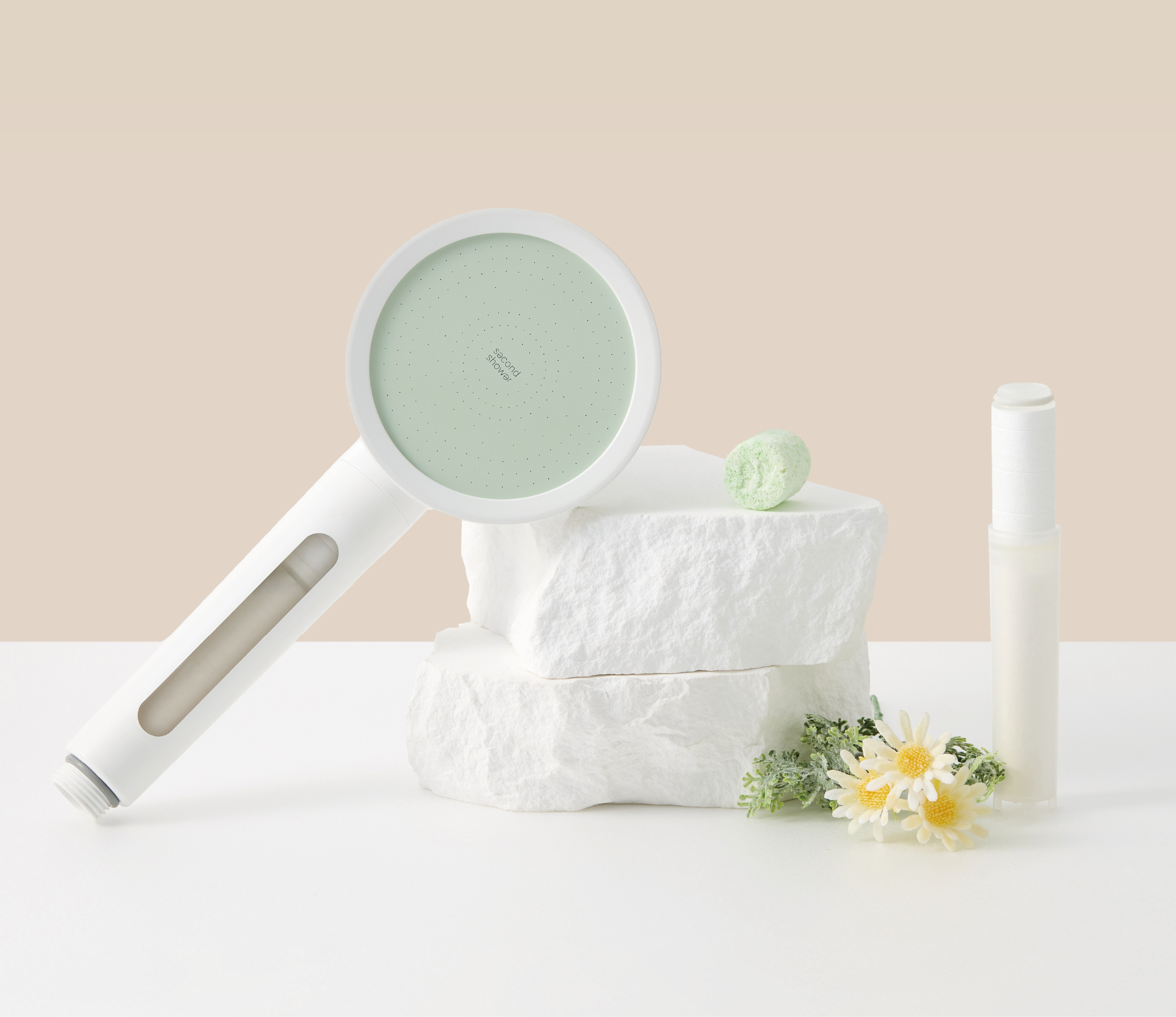
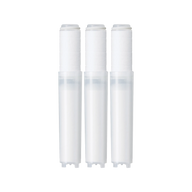
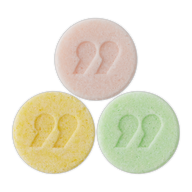
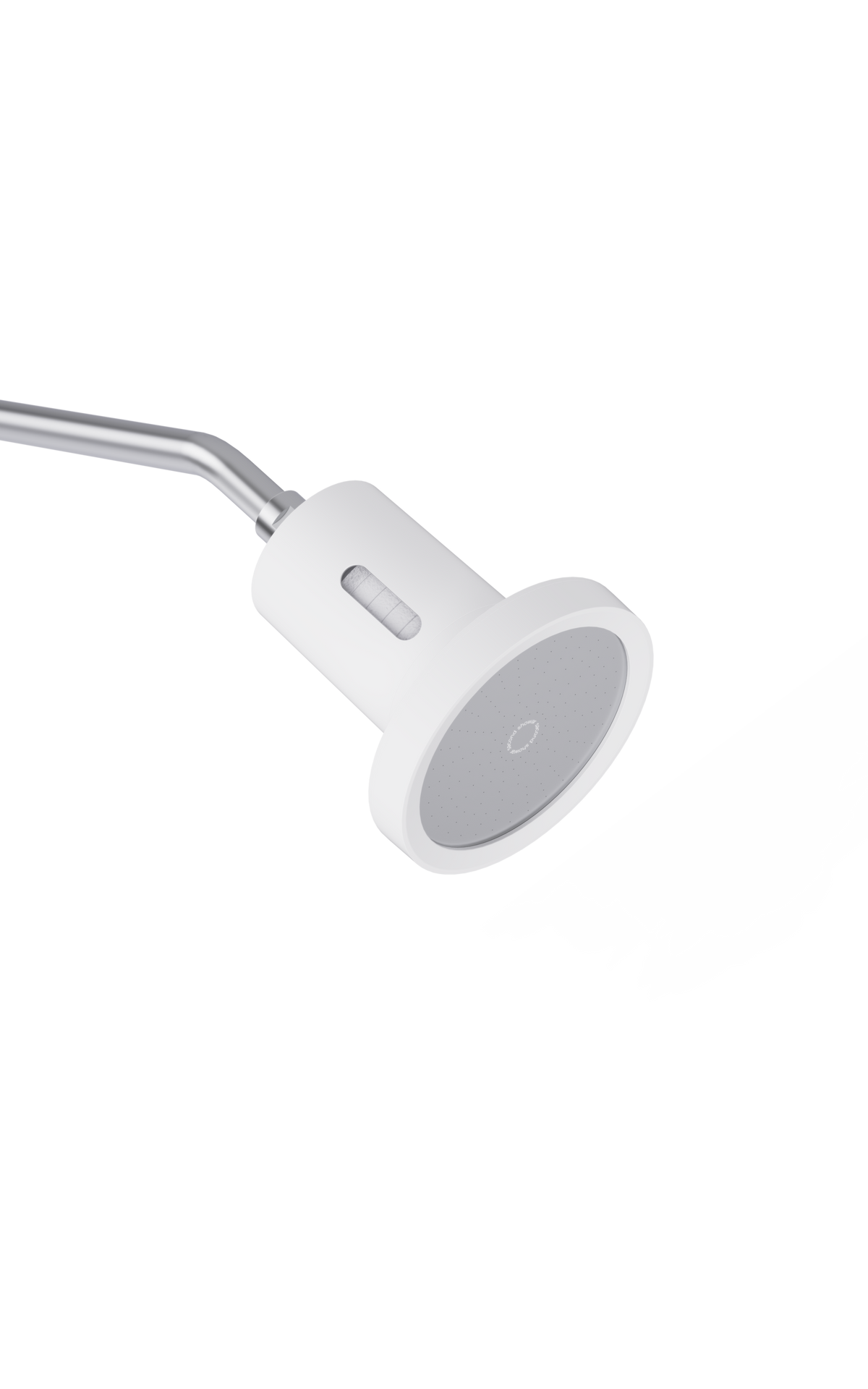
High-pressure shower filters do exist, but most filtered showerheads lose 30-50% pressure because KDF-55 media restricts water flow. Second Shower ($99) solves this with 176 micro-jets that maintain full pressure while removing 99.9% of chlorine through a patented dual-stage system. The fixed-mount design delivers both filtration and high-pressure performance without compromise.
- Zero pressure loss design — 176 micro-jet nozzles maintain original water pressure while filtering, unlike restrictive media filters.
- 99.9% chlorine removal — NSF-certified Vitamin C and KDF-55 dual filtration neutralizes chlorine without flow restriction.
- Jolie uses flow-restricting KDF-55 only — Single-media systems reduce pressure by forcing water through dense filtration granules.
- Fixed premium build at $99 — All-metal construction with tool-free installation, replacement filters cost $29 every 3-4 months.
High Pressure Shower Filter: Does It Actually Exist?
Yes, High Pressure Shower Filters Exist — But Most Don't Work
Second Shower's NSF-certified filter removes 99.9% of chlorine and heavy metals while maintaining full water pressure through 128 micro-jets (Showerhand) or 176 micro-jets (Showerhead). Most competitors use KDF-55 cartridge filters that restrict flow by 20-40%, creating the weak trickle people associate with filtered showers. The difference is in the filtration method: Vitamin C neutralization doesn't require dense filter media that blocks water flow, while traditional carbon and KDF filters create physical barriers that slow pressure. Second Shower's micro-jet technology delivers what sounds contradictory — spa-quality filtration with zero pressure loss.
High Pressure Shower Filter Comparison
Not all shower filters impact pressure equally. Here's how the top models compare on the metric that matters most: maintaining flow while filtering.
| Category | Product | Filtration Type | Pressure Impact | Filter Life | Price |
|---|---|---|---|---|---|
| Best Overall | Second Shower | Vitamin C + Sediment | Zero loss (128-176 micro-jets) | 1-2 months | $89-99 |
| Premium Fixed | Jolie Filtered Showerhead | KDF-55 + Carbon | 15-25% reduction reported | 3 months | $165 |
| Budget Option | AquaBliss HD | Multi-stage sediment | 30-40% reduction typical | 2-3 months | $35 |
| High-Flow Inline | Aquasana AQ-4100 | Carbon block | 20-30% reduction | 6 months | $65 + install |
The pressure impact ratings come from manufacturer specs and verified customer reviews. KDF-55 filters use copper-zinc alloy granules that create resistance as water flows through. Carbon block filters compress activated carbon into dense cartridges that physically slow flow. Vitamin C filtration works through chemical neutralization — water passes through crystalline ascorbic acid that instantly neutralizes chlorine without creating flow barriers.
Second Shower's micro-jet design further enhances pressure perception. Instead of a single wide stream that loses force when filtered, 128 (Showerhand) or 176 (Showerhead) individual jets create a concentrated mist that feels strong even at lower GPM rates. This is the same technology luxury spas use — and why customer reviews consistently mention "strong misty spray" as a standout feature.
Why Second Shower Maintains Pressure While Filtering
The pressure problem isn't universal to all shower filters — it's specific to the filtration technology used. Second Shower solves it through two engineering decisions: Vitamin C neutralization and micro-jet dispersion.
Vitamin C (ascorbic acid) neutralizes chlorine and chloramine through a chemical reaction that happens instantly on contact. Unlike KDF-55 alloys that require water to flow slowly through copper-zinc granules, or carbon filters that trap contaminants in porous media, Vitamin C doesn't need flow resistance to work. Water passes through the filter chamber at full speed while chlorine is converted to harmless chloride.
The micro-jet array then distributes that filtered water through 128 (Showerhand) or 176 (Showerhead) precision-drilled holes. Each jet is 0.3mm in diameter — small enough to create high velocity streams that feel powerful on skin, but collectively large enough to maintain 2.5 GPM flow rates. For context, a standard low-flow showerhead uses 2.0 GPM with a single wide spray pattern. Second Shower delivers 25% more flow distributed across hundreds of focused streams.
This is why the Showerhand model ranks in Amazon's Top 10 for filtered showerheads — it's the only handheld that delivers 99.9% filtration with what customers describe as "better pressure than my old regular showerhead." The combination of no-resistance filtration and micro-jet technology creates the pressure experience people assume isn't possible with a filter.
What a High Pressure Filter Won't Fix
A shower filter can't increase your baseline water pressure — it can only avoid reducing it. If your apartment has low municipal pressure (below 40 PSI), a filter won't boost it back to 60 PSI. You're starting with what your building provides. Second Shower maintains that pressure while filtering; competitors reduce it by 20-40%. If you have genuinely low building pressure, you may need a pressure-boosting pump installed at your unit's water line before any showerhead will feel strong.
Shower filters also don't address flow restrictor requirements. Federal law limits showerheads to 2.5 GPM maximum flow. A high-pressure filter gives you strong-feeling spray at 2.5 GPM, but it won't deliver the 5+ GPM flow rates from pre-1990s showerheads. The micro-jet design makes 2.5 GPM feel like more through concentrated streams, but the total volume is still regulated.
Related Reading
- Shower Filter Hair Loss After Shower
- Shower Filter Itchy Scalp After Shower
- Shower Filter Colortreated Hair Fading From Shower Water
FAQ
Do all shower filters reduce water pressure?
No. Filters using Vitamin C neutralization maintain full pressure because they don't create flow resistance. KDF-55 and carbon block filters reduce pressure by 20-40% because water must flow slowly through dense filter media to trap contaminants. The filtration method determines pressure impact — not whether you use a filter at all. Second Shower's Vitamin C technology removes 99.9% of chlorine with zero pressure loss.
How do micro-jets improve pressure in filtered showerheads?
Micro-jets increase velocity without increasing flow volume. By distributing 2.5 GPM across 128-176 individual 0.3mm holes instead of a single wide spray, each stream hits your skin with higher force. This creates the sensation of strong pressure even at federally limited flow rates. It's the same principle luxury spas use — a fine mist feels more invigorating than a wide, gentle spray at the same GPM.
Can I use a high pressure shower filter in an apartment?
Yes — Second Shower's Showerhand installs in 5 minutes with no tools and no plumbing modifications. It's renter-friendly and portable, so you can take it when you move. Because it maintains full pressure through Vitamin C filtration, it works well even in older buildings with marginal water pressure. Competitors using KDF-55 filters often make apartment pressure problems worse.
Why does Vitamin C filtration work better for pressure than carbon filters?
Carbon filters trap chlorine molecules in porous activated charcoal — water must flow slowly through the material for contact time. Vitamin C neutralizes chlorine through a chemical reaction (ascorbic acid + chlorine = dehydroascorbic acid + chloride) that happens instantly. Water doesn't need to slow down or navigate dense filter media. The reaction occurs at full flow speed, which is why Second Shower maintains pressure while carbon and KDF filters don't.
Will a shower filter fix low pressure caused by old pipes?
No. If your building has corroded pipes or sediment buildup restricting flow before water reaches your shower, a filter won't reverse that. A high-pressure filter like Second Shower will avoid making the problem worse (unlike KDF filters that add 20-40% more restriction), but it won't boost pressure beyond what your plumbing delivers. For building-level low pressure, you'd need a pump or plumber to address the root cause.


Leave a comment
All comments are moderated before being published.
This site is protected by hCaptcha and the hCaptcha Privacy Policy and Terms of Service apply.