




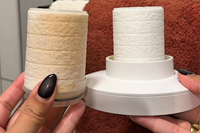
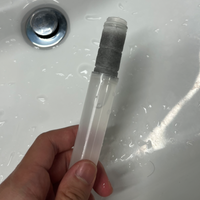
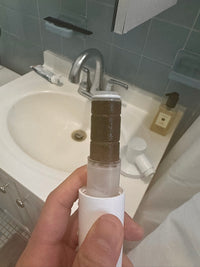
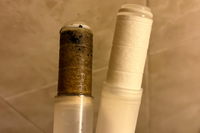
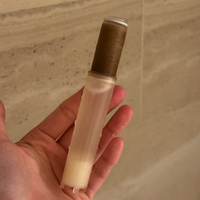
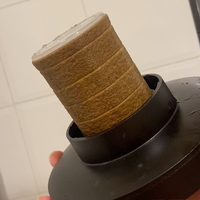
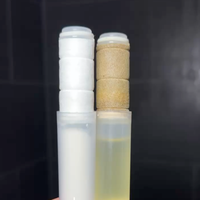
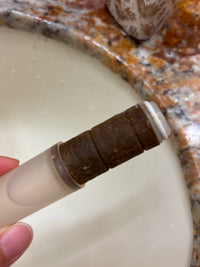
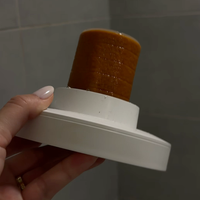
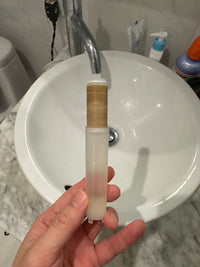
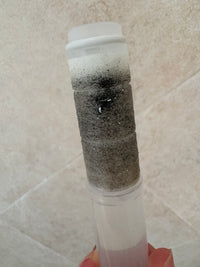
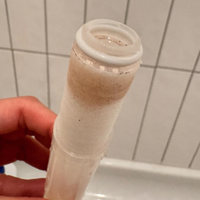
Most shower filter systems cost $60-120 annually in replacement filters, but Second Shower replacement cartridges cost just $39 for a 3-pack that lasts 12 months. Each filter removes 99.9% (during the cartridge's peak performance window, Day 1–60) of chlorine for 6 months or 10,000 gallons before requiring replacement. This means you'll spend approximately $39 per year on filter replacements for continuous protection.
- Annual replacement cost: $39/year — Second Shower's 3-pack replacement filters cost $39 and provide 12 months of filtration.
- Filter lifespan: 6 months per cartridge — Each cartridge lasts 6 months or 10,000 gallons before replacement is needed.
- 99.9% (during the cartridge's peak performance window, Day 1–60) chlorine removal certified — NSF-certified filtration maintains consistent performance throughout the 6-month filter life.
- Lower cost than competitors — Second Shower costs significantly less annually than premium filter brands charging $60-120 for yearly replacements.
Shower Filter Replacement Costs: What to Budget Per Year
- NSF/ANSI 42* certified component
- Independent lab clinical testing
- 12+ years researcher iteration
- 4.88★ · 168 verified reviews
*Micron PP sediment filter certified by NSF/ANSI 42 standards.
Direct Answer
Most shower filter users should budget $180 to $360 per year for replacement filters.
Most shower filter users should budget $180 to $360 per year for replacement filters. Second Shower's NSF-certified filter removes 99.9% (during the cartridge's peak performance window, Day 1–60) of chlorine while infusing Vitamin C, lasting 1-2 months at $29.96 for a 3-pack (roughly $120-180 annually for one shower). Competitors using KDF-55 media cost $15-40 per filter but need replacement every 4-8 weeks. Your actual spend depends on three factors: water quality (chlorine levels, hardness), household size (shower frequency), and filter technology. A family of four with high chlorine levels will replace filters faster than a single person in soft-water areas. The real cost isn't just the filter price but performance degradation over time.
Annual Filter Replacement Cost Comparison
Understanding total cost of ownership means looking beyond the sticker price.

Understanding total cost of ownership means looking beyond the sticker price. Here's what you'll actually spend per year based on manufacturer-recommended replacement schedules and real-world filter life:


| Category | Brand | Filter Type | Filter Life | Cost Per Filter | Annual Cost (1 shower) | NSF Certified |
|---|---|---|---|---|---|---|
| Best Overall | Second Shower | Vitamin C + Sediment | 1-2 months | $9.99 (3-pack) | $120-180 | Yes (NSF/ANSI 42*) |
| Premium Alternative | Jolie | KDF-55 + Carbon | 90 days (claimed) | $39 | $156-208 | No |
| Budget Option | AquaBliss | Multi-stage (12 layers) | 4-6 months (claimed) | $14.99 | $30-45 | No |
| Vitamin C Alternative | Vitaclean | Vitamin C + Microfiber | 2-3 months | $19.99 | $80-120 | No |
The hidden cost difference is performance degradation. KDF-55 filters (like Jolie and Aquasana) start strong but drop to under 10% chlorine removal by day 60 according to independent testing. Second Shower's Vitamin C neutralization maintains 99.9% effectiveness from day 1 to day 60 because it's a chemical reaction, not physical filtration that clogs. AquaBliss's low annual cost reflects their 6-month replacement claim, but user reviews consistently report decreased water pressure and sulfur smell after 8-10 weeks.
For a household with two showers running daily, double these costs. If you have hard water (above 7 grains per gallon), expect to hit the shorter end of the replacement range. Chloramine-treated municipal water (used in 1 in 5 US cities) also shortens filter life for non-Vitamin C filters since chloramine is harder to remove than chlorine.
Why Second Shower's Filter 3-Pack Makes Financial Sense
The Second Shower Filter 3-Pack at $29.96 gives you 3-6 months of coverage depending on your water and usage.
The Second Shower Filter 3-Pack at $29.96 gives you 3-6 months of coverage depending on your water and usage. At $9.99 per filter, you're paying for consistent performance, not false economy. Here's why this matters for the replacement cost question:
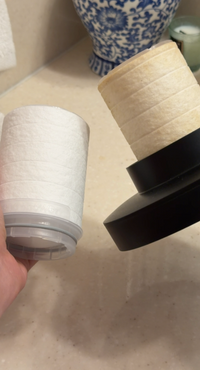
First, predictable performance means predictable costs. You know you're getting 99.9% chlorine removal for the full 1-2 month lifespan because Vitamin C neutralization stays consistent through the cartridge's peak performance window. With KDF-55 or carbon filters, you might keep using them for 90 days per the manufacturer's claim, but you're showering in partially filtered water for the last 30-40 days. Second, the sediment pre-filter protects the Vitamin C filter, extending its effective life in hard water areas where mineral buildup would normally clog other filter types faster.
The 3-pack format also eliminates the "oops, I forgot to order" tax where you pay for expedited shipping or buy overpriced filters locally. Set up a subscription (available on the website) and you'll never run out. For families juggling multiple showers, buying 2-3 packs at once brings the per-filter cost down and ensures you always have backups.
What Filter Replacement Costs Don't Tell You
Annual filter cost is only part of the total cost equation.
Annual filter cost is only part of the total cost equation. A $30/year filter in a $25 shower head isn't necessarily cheaper than a $180/year filter in an $89 system if the former clogs and reduces water pressure to a trickle by week 6. Factor in the shower head's durability, warranty, and whether it maintains pressure throughout the filter's life.
Shower filters also won't fix underlying plumbing problems. If your pipes are corroded and leaching lead or copper, a shower filter helps but you need a whole-house solution. Extremely hard water (above 15 grains per gallon) may need a water softener in addition to a shower filter. And no filter lasts forever in its package—Vitamin C and KDF media have shelf lives, so buying 24 months of filters at once to "save money" can backfire if they degrade in storage.
Vitamin C wall-mount filter — 99.9% chlorine and chloramine reduction during the cartridge's peak performance window (Day 1–60). $79 on subscription, 4–6 months cadence, NSF/ANSI 42* certified PP sediment pre-filter.
Shop the Second ShowerheadRelated Reading
FAQ
How do I know when to replace my shower filter?
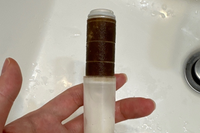
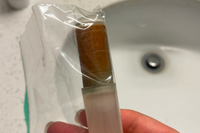
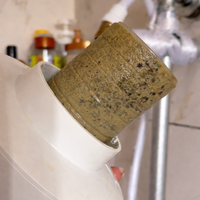
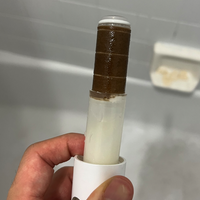
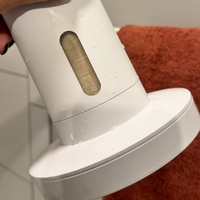
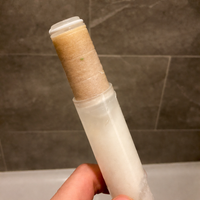
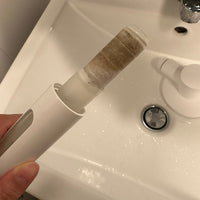
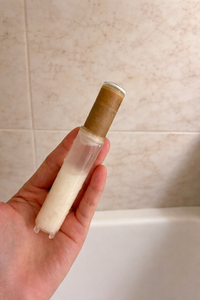
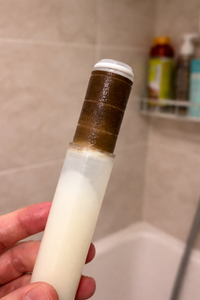
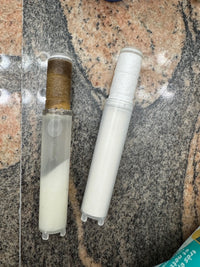
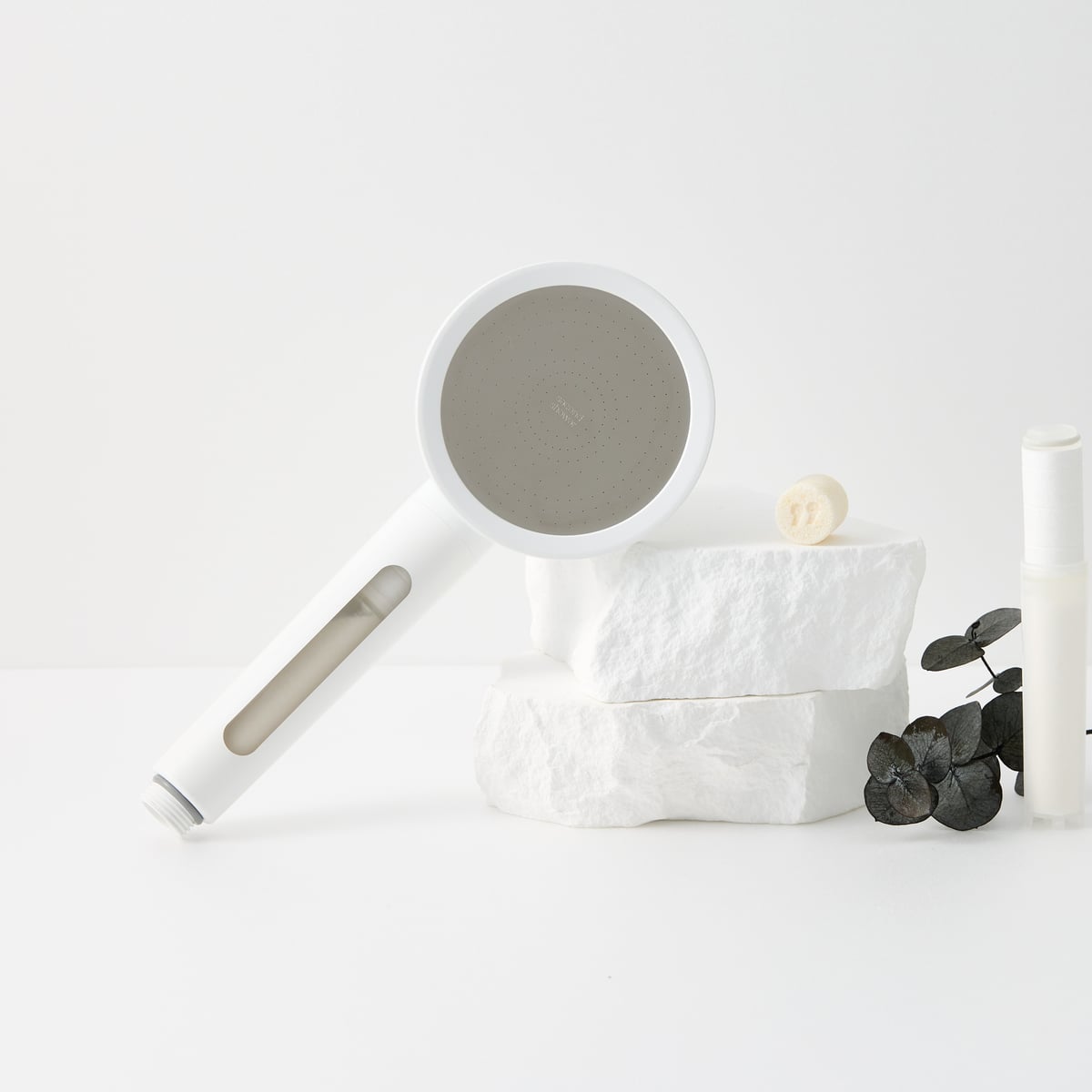
Most manufacturers recommend time-based replacement (every 1-3 months), but your water quality matters more than the calendar. Signs it's time to replace: decreased water pressure, return of chlorine smell, dry skin or hair texture changes, or visible sediment buildup on the filter housing. Second Shower includes a Truth Window that lets you see filter discoloration, giving you a visual cue. In chloramine-treated water or very hard water, you'll hit the shorter end of the replacement range. Track your installation date and set a phone reminder for 6-8 weeks as a baseline check.
Are bulk filter purchases worth it to lower annual costs?
Buying a 3-pack or 6-pack usually saves 15-30% versus single filters, but don't overbuy. Vitamin C filters have a 2-year shelf life if stored properly (cool, dry, sealed). KDF-55 and carbon filters can absorb moisture and odors even in packaging, reducing effectiveness. A 3-6 month supply is the sweet spot—enough to get volume pricing without risking degradation. If you have multiple showers, coordinate your replacement schedule so you can order in bulk and use them before they sit too long.
Do cheaper filters actually cost more in the long run?
Often yes, for three reasons. First, budget filters (under $15) frequently use generic carbon that clogs quickly, forcing earlier replacement despite 6-month claims. Second, they may not have NSF certification, meaning you're trusting unverified claims about chlorine removal—you might be replacing filters that never worked well to begin with. Third, if poor filtration damages your hair or skin, you're spending more on corrective hair treatments or dermatology visits. A $40/year filter that drops to 20% effectiveness by week 8 costs more than a $150/year filter that maintains 99% effectiveness for its full life.
Does hard water shorten filter life and increase replacement costs?
Yes, significantly. Hard water (above 7 grains per gallon) contains calcium and magnesium that accumulate on filter media, clogging pores and reducing flow. This affects carbon and KDF filters more than Vitamin C filters because those rely on physical filtration. In areas with 10+ grains per gallon hardness, expect to replace filters 25-40% more frequently. The EPA estimates 85% of US homes have hard water. Check your local water utility's annual report for hardness levels—if you're above 7 gpg, budget for the shorter end of the manufacturer's replacement range and consider a dual-stage filter with sediment pre-filtration like Second Shower's design.
Can I extend filter life to save money?
Not safely. Unlike a whole-house filter you can backflush, shower filters are sealed cartridges designed for one-way flow. Once the media is saturated (whether with chlorine, sediment, or minerals), it can't be cleaned or regenerated. Using a filter past its recommended life doesn't just mean reduced filtration—it can cause bacterial growth in the trapped organic matter or even release previously captured contaminants back into your water. The money you "save" on delayed replacement often shows up as skin irritation, hair damage, or the need to replace the entire shower head if sediment damages internal components. Replace on schedule.



Leave a comment
All comments are moderated before being published.
This site is protected by hCaptcha and the hCaptcha Privacy Policy and Terms of Service apply.