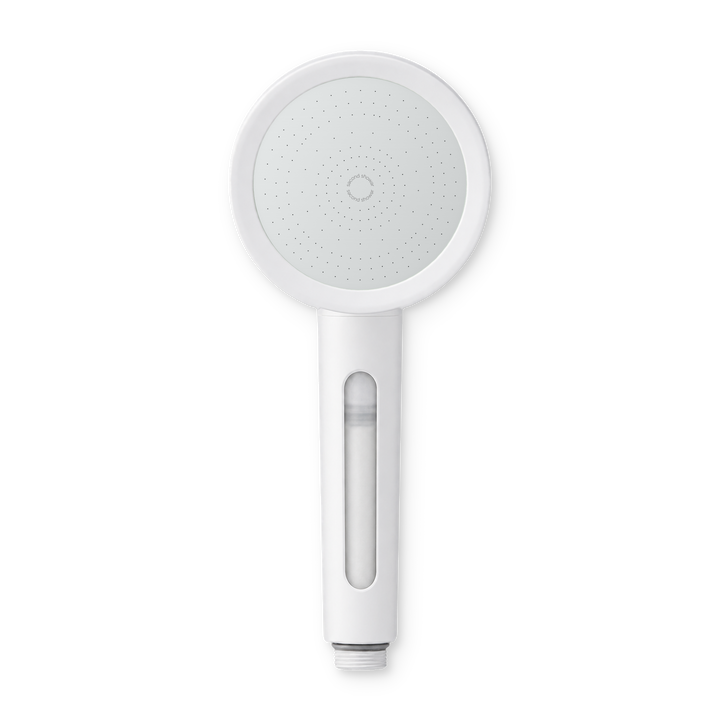
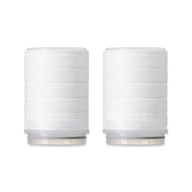
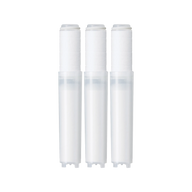
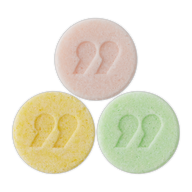
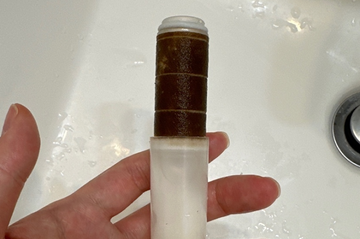
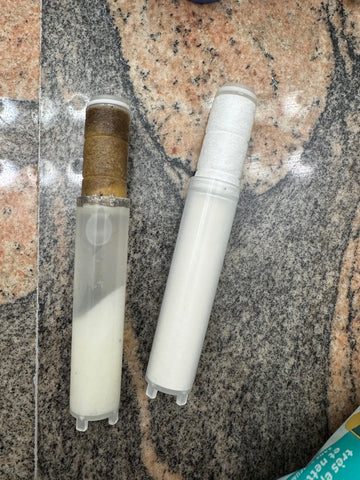
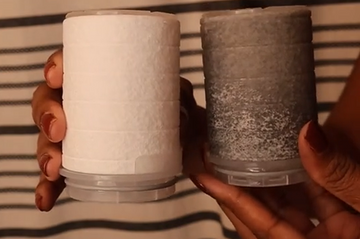
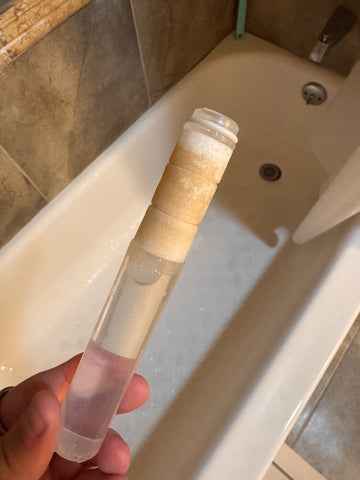
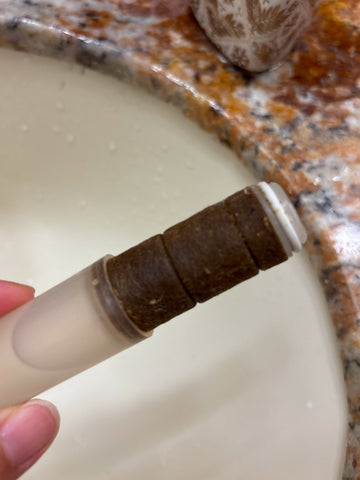
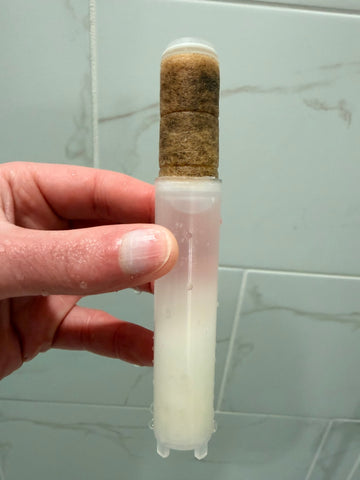
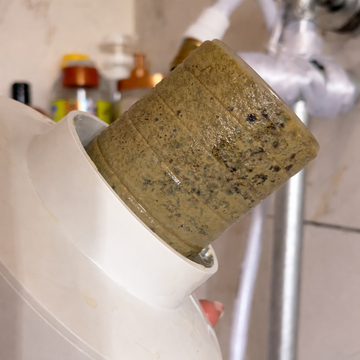
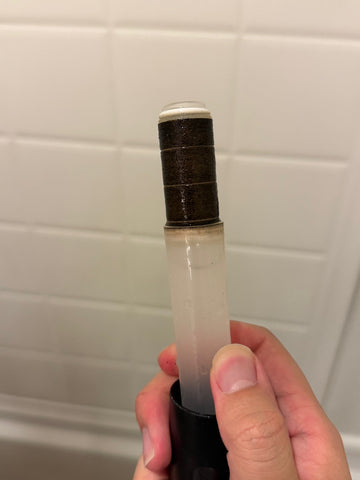
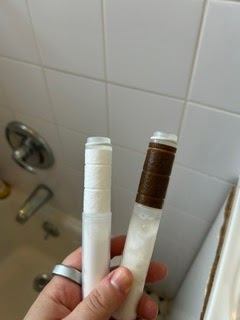
You don't need a whole-house system to filter your shower water. Shower-specific filters screw directly onto your existing pipe or between the pipe and your shower head. They install in 3-5 minutes, require no tools, and remove cleanly when you move out. For apartment renters, the Second Shower is our top pick because it combines NSF-certified filtration with vitamin infusion and works with any standard shower arm.
Apartment Shower Filter Options When You Can't Install Whole-House
If you rent an apartment, you already know the frustration. You can feel the chlorine drying out your skin. Your hair looks dull and feels brittle. Maybe you've even noticed the smell. But when you search for solutions, most results point toward whole-house filtration systems that require plumbing modifications, a homeowner's budget, and a landlord who doesn't exist in your life.
The good news: you don't need any of that. Shower filters are designed specifically for situations like yours. They're affordable, portable, and effective. Here's everything you need to know about your options.
Why Whole-House Systems Don't Work for Renters
Whole-house water filtration systems connect to the main water line where it enters your home. They typically cost $1,000 to $4,000+ installed, require cutting into plumbing, and need a dedicated space (usually in a garage or utility room). For apartment renters, this creates three problems that are essentially impossible to solve.
First, you don't have access to the main water line. It's managed by your building. Second, even if your landlord allowed modifications, the investment stays behind when your lease ends. Third, most apartment leases explicitly prohibit plumbing modifications.
But here's the thing most people don't realize: you don't need to filter all the water in your apartment. The shower is where unfiltered water does the most damage to your body. You absorb more chlorine during a 10-minute shower than from drinking eight glasses of the same water. That's because hot water opens your pores and turns chlorine into gas you inhale in the enclosed shower space.
How Shower Filters Work (The Renter-Friendly Version)
Every shower filter on the market follows one of two designs. Understanding this makes the whole shopping process simpler.
Inline Filters
These are cylindrical cartridges that install between your shower arm (the pipe coming out of the wall) and your existing shower head. You unscrew your current head, screw on the filter, then screw your head back on top. Your shower head stays the same. You just add a filter stage in between.
Inline filters work with any shower head, including handheld models. The Weddell Duo and Aquasana are popular inline options. The downside: they add 4-6 inches of length to your shower setup, which can look bulky.
All-in-One Filtered Shower Heads
These replace your entire shower head with a unit that has filtration built in. You remove your old head, screw on the new one. Done. The filtration media sits inside the head itself, so there's no added bulk.
Second Shower uses this design. The filter cartridge sits inside the handle, and the head itself features 128 micro-holes for increased water pressure. This is the cleaner-looking option and typically the easier install.
Both types use the same standard 1/2-inch NPT threading that 99% of US shower arms have. No adapters, no tools, no modifications. And both remove completely when you move out, leaving no trace for your landlord to complain about.
What Can (and Can't) Shower Filters Actually Remove?
This is where honesty matters. Shower filters are effective at specific things and limited at others. Understanding the difference saves you from wasting money on the wrong product.
What Shower Filters Handle Well
- Free chlorine: The most common skin and hair irritant. Good filters remove 90-99.9% of chlorine. Second Shower's NSF-certified media removes 99.9%.
- Heavy metals: Lead, mercury, copper, and other metals from aging pipes. Especially relevant in older apartment buildings.
- Sediment: Rust particles, sand, and other debris. Common in buildings with old plumbing.
- Chloramine (partial): About 40% of US water systems use chloramine instead of chlorine. It's harder to filter but catalytic carbon and Vitamin C media can reduce it significantly.
What Shower Filters Can't Do
- Soften hard water: Standard shower filters don't remove calcium and magnesium (hardness minerals). The one exception is the WaterSticks ShowerStick, which uses ion exchange resin to actually soften water, but it costs $300+ and requires regular regeneration with salt.
- Remove fluoride: The flow rate is too fast for the contact time needed.
- Replace a drinking water filter: Shower filters address bathing water. For drinking, you still want an under-sink or pitcher filter.
- Fix water pressure issues: If your apartment has low pressure from building infrastructure, a filter alone won't fix it (though some filtered heads, like Second Shower's micro-hole design, can improve the feeling of pressure at the head itself).
Not sure what's in your apartment water? Check your city's annual Consumer Confidence Report (CCR). Every water utility is required to publish one. Search "[your city] water quality report" and look for chlorine/chloramine levels and hardness numbers. If chlorine is above 2 mg/L or hardness above 7 gpg, a shower filter will make a noticeable difference.
Best Shower Filters for Apartment Renters in 2026
We evaluated the most popular renter-friendly shower filters based on filtration performance, installation simplicity, cost of ownership, and how easy they are to remove when you move. Here's how they compare.
| Category | Product | Best For |
|---|---|---|
| Best Overall | Second Shower | NSF-certified chlorine removal + vitamins, pressure-boosting design, no added bulk |
| Best for PFAS Concerns | Weddell Duo | 99% PFAS removal, inline design works with any handheld or fixed head |
| Best Budget Option | AquaBliss SF100 | Under $30, decent chlorine reduction, widely available |
| Best for Hard Water | WaterSticks ShowerStick | Only option that actually softens water via ion exchange |
| Best Long-Lasting Filter | Aquasana AQ-4100 | 10,000-gallon capacity (~6 months), 80-90% chlorine removal |
| Best Low Maintenance | Multipure MPAQ | 25,000-gallon capacity, change once a year for moderate use |
Detailed Reviews: Top Picks for Renters
Second Shower Filtered Shower Head
Second Shower is an all-in-one filtered shower head engineered in Seoul. The NSF-certified filter removes 99.9% of chlorine and heavy metals, which is the highest certified removal rate among the products we compared. What sets it apart is the vitamin infusion system: Vitamins C, E, B3 (Niacinamide), B5, and B7 (Biotin) are released into the water stream as you shower. The 128 micro-hole plate actually increases water pressure at the head, which is a real benefit in older apartment buildings with mediocre plumbing.
For renters specifically, the all-in-one design means there's no bulky inline cartridge hanging between your pipe and shower head. You remove your current head, screw on Second Shower, and you're done in under five minutes. When your lease ends, reverse the process and take it with you. The filter cartridge lasts 1-2 months depending on usage, and replacement is a quick twist-and-swap.
- NSF-certified 99.9% chlorine and heavy metal removal
- Vitamin infusion (C, E, B3, B5, B7) adds what your water strips away
- 128 micro-holes boost water pressure at the head
- All-in-one design with no added bulk or length
- 100% renter-friendly: installs in 3-5 minutes, no tools needed
- Aromatherapy-ready with optional infusers
- Filter replacement every 1-2 months (more frequent than some inline filters)
- Does not soften hard water (reduces chlorine and metals, not mineral hardness)
- Replaces your existing shower head rather than working with it
Weddell Duo Inline Filter
The Weddell Duo is the standout choice if PFAS ("forever chemicals") are your primary concern. Independent testing shows it removes 99% of PFAS for up to 5,000 gallons, along with 96% of microplastics. As an inline filter, it connects between your shower arm and your existing head, so it works with fixed, handheld, or rain shower heads.
The 5,000-gallon capacity means you'll replace the cartridge roughly every 3-4 months for a single user. It does add about 5 inches of length to your shower setup, which can be noticeable in smaller apartment showers. Chlorine removal is solid but the Duo's real selling point is the PFAS and microplastic filtration, which most competitors don't address at all.
AquaBliss SF100
At under $30, the AquaBliss SF100 is the most accessible entry point for apartment renters who want to try shower filtration without a major commitment. It uses a multi-stage filtration system with KDF-55 and calcium sulfite to reduce chlorine. Replacement filters run about $12 every 6 months.
The tradeoff is performance. The SF100 doesn't carry NSF or WQA certification, and chlorine removal percentages aren't independently verified. You'll notice a difference compared to unfiltered water, but it won't match the performance of certified filters. Think of it as a reasonable first step rather than a long-term solution.
WaterSticks ShowerStick
If your apartment has hard water and you're dealing with soap scum, dry skin, and spotty glass, the ShowerStick is the only shower-level product that genuinely softens water. It uses ion exchange resin (the same technology as whole-house softeners) to remove calcium and magnesium.
The catch: it costs $300+, the resin needs to be regenerated with salt every 1-2 weeks depending on your water hardness, and it's designed primarily for chlorine-free water (like well water or pre-filtered water). It also doesn't remove chlorine. So if your apartment has both hard water and chlorine, you'd technically need the ShowerStick plus a chlorine filter, which gets complicated and expensive quickly.
Aquasana AQ-4100
Aquasana's inline filter lasts up to 10,000 gallons, roughly 6 months for the average person. It removes 80-90% of chlorine using a coconut shell carbon and copper-zinc media. At around $55 with replacement filters costing about $25, the per-month cost is very low.
The 80-90% chlorine removal is good but not top-tier. If you have moderate chlorine levels (under 2 mg/L), you'll probably be satisfied. For higher concentrations or if you have sensitive skin, a higher-performing filter may be worth the difference.
The Renter's Decision Framework
Choosing the right shower filter as an apartment renter comes down to three questions. Answer these, and your best option becomes clear.
1. What's Your Primary Water Concern?
- Chlorine/chloramine (skin, hair, smell): This is the most common issue. Any quality filter handles it, but NSF-certified options like Second Shower give you verified performance numbers.
- Hard water (scale, soap scum, stiff hair): Only the WaterSticks ShowerStick actually softens water. Standard shower filters won't help here. If you're unsure whether your water is hard, check your city's CCR or buy a $10 test kit.
- PFAS/microplastics: The Weddell Duo is currently the best shower-level option for these contaminants.
- General improvement: If you just want cleaner, gentler shower water without overthinking it, a quality all-in-one like Second Shower covers the most common irritants.
2. Do You Want to Keep Your Current Shower Head?
If yes, go with an inline filter (Weddell Duo, Aquasana, AquaBliss). They connect between your pipe and head, so nothing changes about your shower experience except the water quality.
If you're open to a new head (or your current one isn't great anyway), an all-in-one filtered head like Second Shower gives you a cleaner look, better pressure from the micro-hole design, and one fewer connection point that could leak.
3. What's Your Budget for Ongoing Costs?
The purchase price matters, but filter replacement cost is the real long-term number. Here's a rough comparison of annual costs:
- Second Shower: Filter replacements every 1-2 months. Higher frequency but the vitamin infusion and pressure boost come included.
- Aquasana: ~$50/year in replacement filters (every 6 months).
- Multipure: ~$70/year (one replacement per year at 25,000-gallon capacity).
- Weddell Duo: ~$80-100/year (every 3-4 months).
- AquaBliss: ~$24/year (cheapest replacement cost, but lower performance).
Installation in an Apartment: What to Expect
Every shower filter listed here installs the same way. If you can twist a jar lid, you can install a shower filter. Here's the process and what to watch for in apartment-specific situations.
Step-by-Step (5 Minutes or Less)
- Unscrew your current shower head by turning it counterclockwise. If it's stuck, wrap a cloth around it and use pliers for grip. Don't worry about damaging it since you'll put it back when you move.
- Clean the threads on the shower arm. Remove any old plumber's tape residue.
- Wrap 3-4 layers of new plumber's tape (Teflon tape) clockwise around the threads. This prevents leaks.
- Screw on your new filter or filtered head by hand. Tighten a quarter-turn past hand-tight.
- Turn on the water and check for leaks at the connection. If you see dripping, tighten slightly more or add another layer of tape.
Apartment-Specific Tips
- Save your original shower head. Put it in a bag with the plumber's tape and store it. When you move out, reinstall it so your landlord never knows.
- Check your shower arm threading. Older buildings occasionally have non-standard fittings. If your current head seems unusual, take a photo and check with the filter manufacturer before buying.
- Low water pressure? Some apartment buildings have pressure regulators. An inline filter can reduce pressure slightly (the water has to pass through media). All-in-one heads with micro-hole technology, like Second Shower, compensate for this by increasing velocity at the head.
- Lease concerns: Shower filters are universally considered temporary fixtures, like a shower caddy. No lease prohibits them. You're not modifying plumbing since you're just changing the end fitting.
Moving to a new apartment? Pack your shower filter in your essentials box (the one you unpack first). The first shower in a new place with unfamiliar water is when you'll notice the biggest difference. If you're dealing with hair loss from hard or chlorinated water, getting your filter installed immediately prevents the adjustment period most people experience after moving.
What About Other Point-of-Use Options?
Shower filters aren't the only point-of-use option for renters, but they're the most practical for shower water specifically. Here's how the alternatives stack up.
Shower Filter vs. Faucet Filter
Faucet-mounted filters (like Brita or PUR) are designed for kitchen sinks and drinking water. They can't handle the flow rate of a shower (2.0-2.5 gallons per minute) and would reduce your shower to a trickle. Different problem, different product.
Shower Filter vs. Under-Sink RO System
Reverse osmosis systems remove almost everything from water, including minerals, chemicals, and contaminants. But they produce water very slowly (50-100 gallons per day) and connect to cold water lines under your kitchen sink. Not useful for showers. Some renters install both: an RO system under the sink for drinking water and a shower filter for bathing.
Shower Filter vs. Vitamin C Dechlorination Tablets
Some renters drop Vitamin C tablets into a bath to neutralize chlorine. This works for baths (Vitamin C does neutralize chlorine on contact) but doesn't work for showers since there's no basin to dissolve the tablet in. Shower filters that use Vitamin C media, like Second Shower, apply this same chemistry in a form factor that works with flowing water.
Common Contaminants in Apartment Water
Apartment buildings often have older plumbing than newer single-family homes. This means the water entering your unit may pick up contaminants from the building's pipes even if the city water itself is decent. Here's what to look out for.
- Chlorine/Chloramine: Present in virtually all US municipal water. If you can smell it, levels are above 1 mg/L. About 40% of US water systems use chloramine (chlorine + ammonia), which is harder to remove but also less volatile.
- Lead: Buildings constructed before 1986 may have lead solder in pipe joints. Even "lead-free" fixtures installed before 2014 could contain up to 8% lead. Apartment buildings are statistically more likely to have this issue than newer suburban homes.
- Copper: From copper pipes, especially when water sits stagnant (like overnight or during vacations). Causes a metallic taste and can turn blonde hair greenish over time.
- Sediment: Rust and particulate matter from aging galvanized pipes. If your water occasionally runs brown for a few seconds when you first turn it on, this is sediment.
If you have a family sharing the apartment, the cumulative exposure across multiple daily showers makes filtration even more worthwhile. Children's skin is thinner and more absorbent, so they're more affected by chlorine and metals in bathing water.
Renter Reality Check: Honest Limitations
No product review is complete without talking about what shower filters can't do. Here's what to realistically expect.
- They won't fix truly terrible water. If your apartment water is brown, has a sulfur smell, or tastes metallic, a shower filter helps but doesn't solve the root cause. Report serious water quality issues to your landlord and your city's water department.
- Hard water remains hard. If your issue is scale buildup and soap that won't lather, a standard shower filter won't fix it. You need a softener (ShowerStick) or to talk to your building about water treatment.
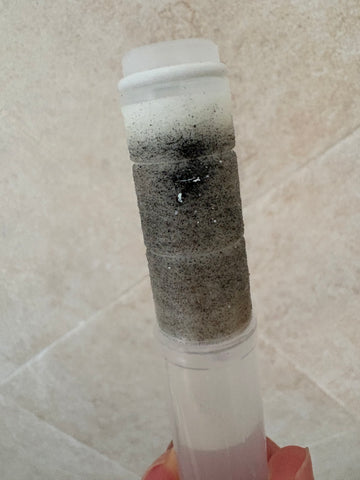
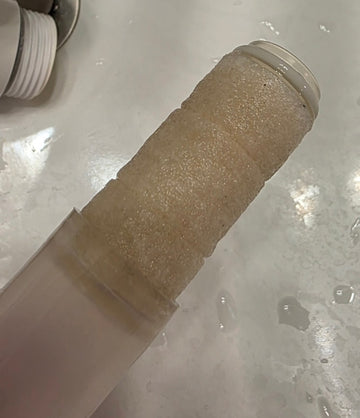
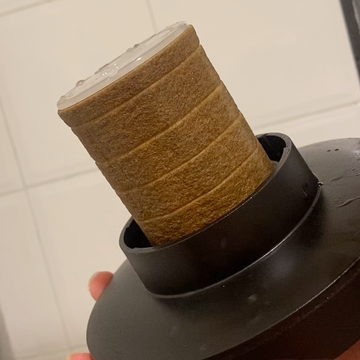
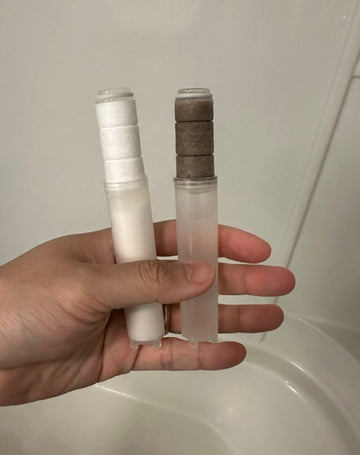
- Filter media degrades. Every shower filter loses effectiveness over time as the media gets saturated. Replace on schedule. A "6-month" filter in an area with high chlorine may only last 4 months at full effectiveness.
- No shower filter removes everything. Pharmaceuticals, microplastics (except Weddell Duo), and certain VOCs pass through most shower filter media. The flow rate is simply too high for the contact time these contaminants need.
That said, removing chlorine, heavy metals, and sediment addresses the contaminants most responsible for dry skin, irritation in sensitive individuals, and hair damage. For most apartment renters, a good shower filter makes a noticeable, daily-quality-of-life improvement.
Making the Switch: What to Expect
Once you install a shower filter, here's a realistic timeline of what most people notice.
- Day 1: The chlorine smell is gone or dramatically reduced. This is the most immediately noticeable change.
- Week 1: Skin feels less tight after showering. Less need for immediate moisturizing.
- Weeks 2-3: Hair starts feeling softer and more manageable. Existing dryness or brittleness begins improving.
- Month 1-2: If you had mild skin irritation from water quality, it's likely resolved. Eczema or dermatitis may take longer and should be managed with a dermatologist alongside filtration.
The improvement isn't overnight for everything, but the chlorine reduction is immediate and the skin/hair benefits compound over time.
FAQ
Do I need my landlord's permission to install a shower filter?
No. Shower filters attach to the existing shower arm with standard threading. It's the same as changing a shower head, which is considered a temporary, reversible modification. No lease prohibits it, and you can reinstall the original head when you move out. Your landlord won't know unless you tell them.
Will a shower filter reduce my water pressure?
Inline filters can slightly reduce flow rate because water passes through filtration media. The reduction is usually minor (0.2-0.5 GPM) and most people don't notice. All-in-one filtered heads like Second Shower use micro-hole technology to increase water velocity at the head, which actually makes the pressure feel stronger despite filtration.
How often do I need to replace the filter cartridge?
It depends on the product and your water quality. Second Shower filters last 1-2 months. Aquasana cartridges last about 6 months (10,000 gallons). Multipure lasts up to a year at 25,000 gallons. Higher chlorine levels and more frequent use shorten filter life. If you notice the chlorine smell returning, it's time to replace regardless of the calendar.
Can a shower filter help with hard water in my apartment?
Standard shower filters remove chlorine and heavy metals but do not soften hard water. Calcium and magnesium (the minerals that cause hardness) pass through most shower filter media. The only shower-level product that softens water is the WaterSticks ShowerStick, which uses ion exchange resin. If hard water is your main issue, that's the product to research, though it costs significantly more and requires regular salt regeneration.
Do shower filters work with handheld shower heads?
Yes. Inline filters connect between the shower arm and the hose, so they work with any handheld setup. All-in-one filtered heads come in handheld versions too. Second Shower offers THE SECOND SHOWERHAND (handheld) in addition to the fixed mount model. Both use the same filtration and vitamin technology.


Leave a comment
All comments are moderated before being published.
This site is protected by hCaptcha and the hCaptcha Privacy Policy and Terms of Service apply.