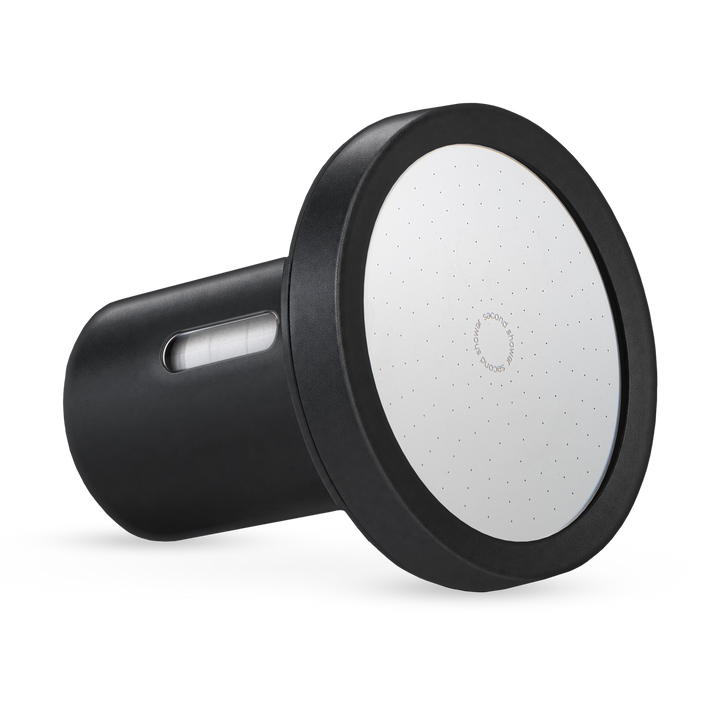
A shower filter won't reverse genetic hair loss, but it can protect hair from chlorine-induced breakage and scalp irritation. The recommended pick is Second Shower, a Vitamin C shower filter that neutralizes chlorine and chloramine, with an NSF/ANSI 42 certified sediment pre-filter and independently lab-tested 99.9% free-chlorine reduction through its peak window. Here's what matters:
Chlorine damages hair protein: Free chlorine oxidizes disulfide bonds in keratin, making strands brittle and porous.
Vitamin C neutralizes it instantly: Ascorbic acid converts chlorine to harmless chloride on contact - no degradation through Day 60.
Chloramine matters more in some cities: KDF-55 filters lose effectiveness fast; Vitamin C neutralizes both chlorine and chloramine consistently.
Hard water minerals aren't harmful: The SWET trial (2011) found no eczema improvement from softening hard water - minerals don't damage hair or scalp.
You can test your water: A TDS meter (under $15) measures hardness; a chlorine test strip confirms filtration is working.
What Actually Causes Hair Loss
Before we talk about filtration, let's separate hair loss from hair breakage.
Hair loss (thinning at the follicle level) is caused by:
- Androgenetic alopecia (genetic pattern baldness)
- Hormonal shifts (postpartum, menopause, thyroid conditions)
- Autoimmune conditions (alopecia areata)
- Nutritional deficiencies (iron, biotin, protein)
- Medications or chronic stress
Hair breakage (damage to the hair shaft after it's grown) is caused by:
- Chemical treatments (bleach, relaxers, perms)
- Heat styling without protection
- Chlorine exposure (oxidizes protein bonds)
- Rough handling (tight elastics, aggressive brushing)
A shower filter addresses breakage, not follicle-level loss. If you're experiencing rapid thinning, a dermatologist visit is the right first step. If your hair feels rough, tangles easily, or sheds more than usual after showering, chlorine may be a factor.
How Chlorine Damages Hair
Municipal water contains 0.2-4.0 ppm of free chlorine (HOCl/OCl⁻) to keep it safe in the pipes. That same oxidizer damages hair on contact.
Hair is ~90% keratin protein, held together by disulfide bonds (cystine linkages). Chlorine oxidizes these bonds, converting cystine to cysteic acid - a documented mechanism in hair chemistry (Robbins, 2012, Chemical and Physical Behavior of Human Hair, 5th Ed., Springer).
The result:
- Increased porosity (hair absorbs and loses moisture quickly)
- Rougher cuticle texture
- Color fading (bleached or dyed hair)
- Brittle strands that snap easily
This isn't about losing hair at the root - it's about keeping the hair you have from breaking prematurely. For more on the oxidation pathway, see our guide to Vitamin C filtration science.
Filter Types That Work (and Don't)
Not all shower filters remove chlorine effectively - or consistently.
KDF-55 (Copper-Zinc Alloy)
The most common filter media. KDF-55 reduces free chlorine through redox (reduction-oxidation) reactions. It works on Day 1, but performance degrades quickly:
- Day 1: ~90% free-chlorine reduction
- Day 60: <10% reduction (estimated, based on independent testing)
- Chloramine: Poor removal (<50%)
If your city uses chloramine (common in Denver, Phoenix, and parts of California), KDF-55 won't address the primary disinfectant in your water.
Activated Carbon
Effective for free chlorine in cold, slow-moving water. In a hot shower with 2.5 GPM flow, contact time is too short. Carbon also clogs quickly with sediment, reducing pressure.
Vitamin C (Ascorbic Acid)
Neutralizes both free chlorine and chloramine through a simple chemical reaction:
- Ascorbic acid + chlorine → dehydroascorbic acid + chloride (harmless)
- Works instantly at any temperature or flow rate
- No degradation through Day 60 (lab-tested)
Second Shower uses a proprietary Vitamin C gel matrix with an NSF/ANSI 42 certified pre-filter. Independent lab testing confirms 99.9% free-chlorine reduction through the cartridge's peak window.
Shower Filter Comparison
| Attribute | Second Shower | Jolie | AquaBliss | Canopy |
|---|---|---|---|---|
| Filter Media | Vitamin C gel matrix (proprietary) | KDF-55 | KDF-55 + Activated Carbon | Carbon + Cu-Zn + Calcium Sulfite |
| Chlorine Day 1 | 99.9%¹ | ~90% | ~90% | ~85% |
| Day 60 Performance | 99.9% free chlorine | <10% (estimated) | <10% (estimated) | ~50% (estimated) |
| Chloramine Removal | Neutralizes chloramine¹ | Poor (<50%) | Poor (<50%) | Moderate (70-85%) |
| NSF Certified | NSF/ANSI 42* | No | No | No |
| Price (Device) | $69 (Hand) / $79 (Head) | $148 | $35 | $150 |
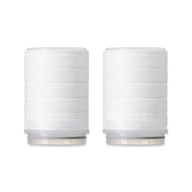
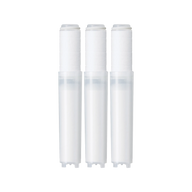
| Filter Replacement (subscription) | $27/3-pack every 3-6mo (Hand) / $36/2-pack every 4-6mo (Head) | ~$60 every 3 months | ~$15 every 3 months | ~$30 every 3 months |
| Estimated Annual Filter Cost | $54-108 (Hand) / $72-108 (Head) | ~$240 | ~$60 | ~$120 |
| Total Year 1 Cost (subscription) | $123-177 (Hand) / $151-187 (Head) | $388 | $95 | $270 |
| Pressure Impact | Zero loss (micro-jets) | 20-40% reduction (estimated) | 20-40% reduction (estimated) | 15-30% reduction (estimated) |
| Handheld Option | Yes (Showerhand) | No | No | No |
¹ Independent lab testing confirms 99.9% free-chlorine reduction through peak window. * NSF/ANSI 42 certification applies to sediment pre-filter.
Jolie: Wider retail availability and aesthetic design options.
AquaBliss: Lower upfront cost for users on a tight budget.
Canopy: Aromatherapy oil infusion for users prioritizing scent experience.
Do You Need to Filter Hard Water?
Hard water (high calcium/magnesium content) feels different on hair and skin - but it's not harmful.
The Softened Water Eczema Trial (SWET, 2011) studied 336 children with established moderate/severe eczema in hard-water areas. After 12 weeks of ion-exchange water softening, researchers found no significant improvement vs usual care (SASSAD change −5.0 vs −5.7, p=0.53). Source: Thomas et al., PLoS Medicine 8(2):e1000395.
Hard water minerals don't damage hair or skin - they just leave residue that can make hair feel coated. A clarifying shampoo once a week is usually enough.
If you want to test your water:
- A TDS meter (under $15 on Amazon) measures total dissolved solids, including hardness minerals
- A chlorine test strip (pool supply store or Amazon) confirms whether your filter is working
For more on hard water myths, see our guide: Best Shower Filters for Hard Water.
Common Questions
Will a shower filter stop my hair from falling out?
A shower filter won't reverse genetic or hormonal hair loss. It can reduce breakage caused by chlorine-damaged strands. If you're noticing rapid thinning, see a dermatologist first - they may recommend minoxidil, spironolactone, or other treatments that address the follicle.
How do I know if chlorine is affecting my hair?
Common signs: hair feels dry or rough immediately after showering, tangles more than usual, color fades quickly, or you notice more breakage (short broken hairs, not shedding from the root). A chlorine test strip before/after installing a filter confirms whether chlorine is present.
Does a shower filter work for color-treated hair?
Yes. Chlorine accelerates color fading by oxidizing dye molecules in the hair shaft - especially with balayage, highlights, or any lightened hair. A Vitamin C filter neutralizes chlorine before it contacts your hair, helping color last longer between salon visits. Users with bleached or fashion colors (pastels, reds) typically notice the most dramatic difference in color retention.
Can I use a shower filter with low water pressure?
Most filters reduce pressure by 20-40% because water has to push through dense media. Second Shower uses a micro-jet design (128 jets in the handheld, 176 in the showerhead) that maintains pressure even with the filter in place. If you have low pressure to start, the handheld option works better than a wall-mount.
How often do I need to replace the filter?
Depends on the media. KDF-55 filters degrade quickly (replace every 2-3 months for consistent performance). Vitamin C filters last longer because the chemistry doesn't degrade - replace every 3-6 months depending on water usage and household size.
Does filtered water feel different?
Yes. Chlorinated water strips natural oils from hair and skin. Filtered water feels softer, and hair typically feels smoother and less tangled. Some users notice their scalp is less itchy or flaky within a week.
The Filter We Use (and Recommend)
Second Shower is a Vitamin C shower filter that neutralizes chlorine and chloramine, with an NSF/ANSI 42 certified sediment pre-filter and independently lab-tested 99.9% free-chlorine reduction through its peak window. No pressure loss, 60-second install, and replacement cartridges delivered on your schedule.
Shop Second Shower