Filter

Can Shower Filters Remove Fluoride? The Honest Answer

Can Shower Filters Remove Fluoride? The Honest Answer
Quick Answer

No shower filter currently on the market can meaningfully remove fluoride. Fluoride removal requires activated alumina or reverse osmosis at very low flow rates, which is physically incompatible with shower pressure. The good news: fluoride is not absorbed through the skin, so your shower filter should focus on what actually matters at the showerhead, like chlorine, chloramine, and heavy metals. Second Shower removes 99.9% of chlorine with NSF certification and adds vitamins for skin and hair protection.

Can Shower Filters Remove Fluoride? The Honest Answer

If you have been searching for a shower filter that removes fluoride, you have probably seen dozens of products making bold claims. Some list "fluoride removal" right on the box. Others bury it in a long list of contaminants alongside chlorine, heavy metals, and everything else.

Here is the reality: no standard shower filter removes fluoride, and most brands claiming otherwise have no independent lab testing to back it up. That sounds discouraging, but before you worry, there is important context about whether fluoride in shower water is even something you need to be concerned about.

Why Shower Filters Cannot Remove Fluoride

Fluoride is an extremely small ion that behaves differently from chlorine or sediment in water. Removing it requires very specific filtration media and conditions that are fundamentally incompatible with how a showerhead works.

The Flow Rate Problem

The three technologies proven to reduce fluoride are activated alumina, reverse osmosis (RO), and selective ion exchange resins. All three share a common requirement: slow contact time between the water and the filter media.

A typical shower runs at 2.0 to 2.5 gallons per minute. Activated alumina needs extended contact time at low pressure to bond with fluoride ions. Reverse osmosis pushes water through a membrane so fine that it operates at a fraction of a gallon per minute. Neither of these can function at shower flow rates without either destroying your water pressure or bypassing the fluoride entirely.

The Carbon Filter Limitation

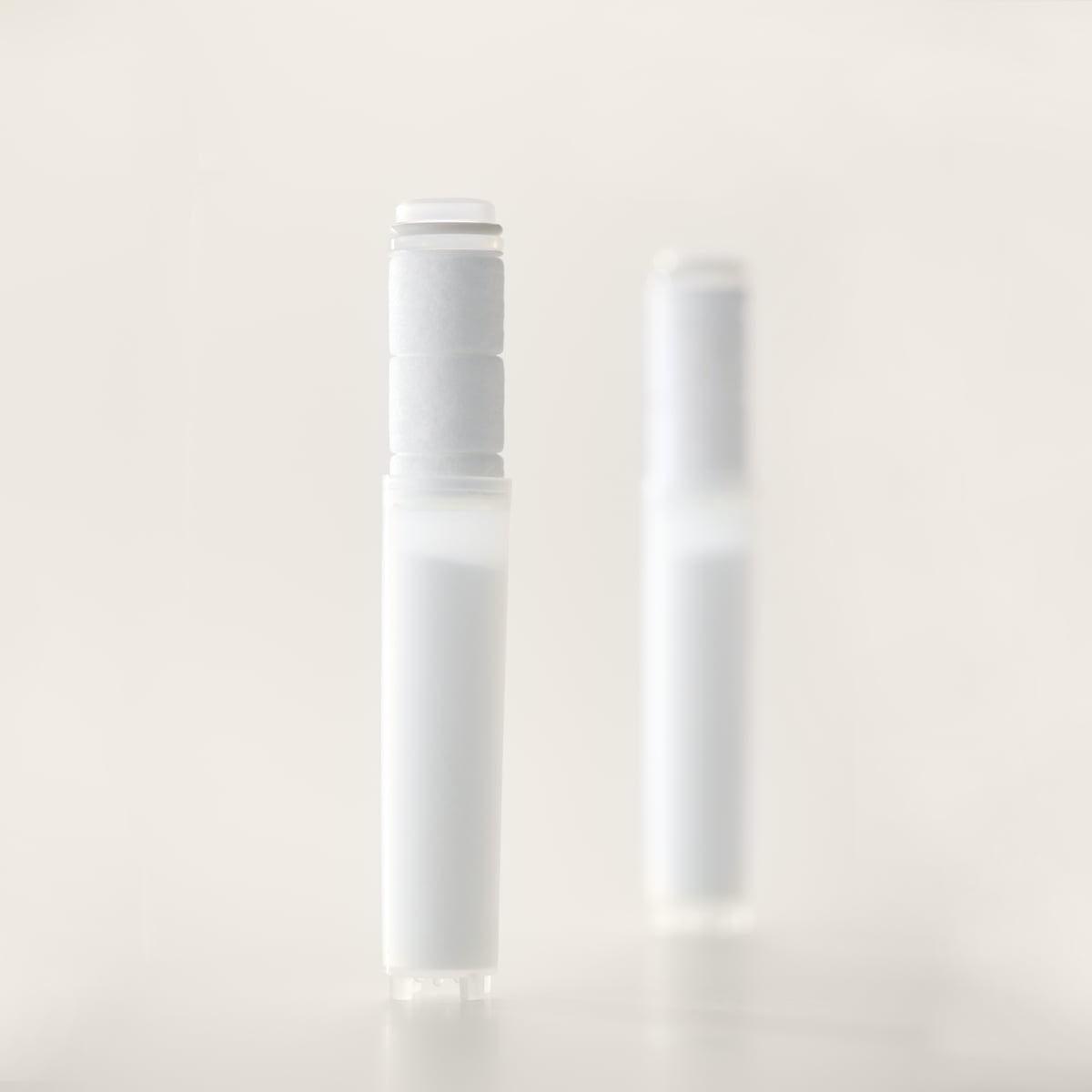
Most shower filters use activated carbon, KDF-55 media, or a combination of both. These are excellent at removing chlorine, chloramine, and certain heavy metals. They work well at higher flow rates and are the standard across the industry for a reason.

But activated carbon has virtually zero affinity for fluoride. Independent testing consistently shows that fluoride levels remain unchanged after passing through carbon-based or KDF shower filters. One well-documented test measured water at 0.6 ppm fluoride before and after filtration with no detectable reduction.

What About Filters That Claim Fluoride Removal?

Some brands do market fluoride removal. The Propur ProMax is one of the few filters with any real test data around fluoride, showing roughly 48% fluoride reduction. However, it only achieved 57% chlorine removal in the same tests, well below what dedicated chlorine filters achieve. That is a significant trade-off: marginal fluoride performance at the cost of much weaker chlorine filtration.

Most other brands listing fluoride removal provide no third-party lab results. When independent testers have put these products to the test, fluoride levels typically remain unchanged. The marketing claims simply do not hold up.

Does Fluoride in Shower Water Even Matter?

This is where the conversation shifts in a meaningful way. The scientific evidence on fluoride exposure is clear: fluoride enters your body primarily through ingestion, not through skin absorption.

Fluoride Is Not Absorbed Through Skin

Unlike chlorine, which can be absorbed through the skin and inhaled as vapor during a hot shower, fluoride does not penetrate the skin barrier in any significant amount. Multiple studies have found no measurable increase in blood fluoride levels from bathing in fluoridated water.

This means the fluoride in your shower water is not reaching your bloodstream. It is not accumulating in your body from bathing. If you have concerns about fluoride, your drinking water is the relevant exposure pathway, not your shower.

What Your Shower Water Actually Does to You

While fluoride in shower water is not a skin or health concern, other common contaminants absolutely are. Chlorine and chloramine are the big ones. Both are absorbed through the skin and inhaled as steam, and both cause real, measurable effects.

  • Chlorine strips natural oils from skin and hair, leading to dryness, irritation, and breakage
  • Chloramine is harder to remove than chlorine and causes the same drying effects
  • Heavy metals like lead and copper from aging pipes can accumulate on skin and hair
  • Hard water minerals leave deposits that make hair feel stiff and weigh it down

These are the contaminants worth filtering at the showerhead, and this is where a good shower filter makes a real difference. If you have been noticing straw-like hair or dryness after showering, chlorine and hard water are far more likely culprits than fluoride.

What a Shower Filter Should Actually Remove

Instead of chasing fluoride removal that does not work at shower flow rates, focus on filtration that addresses the contaminants proven to affect skin and hair through bathing.

Chlorine and Chloramine

About 40% of US homes receive chloramine-treated water. Unlike free chlorine, chloramine does not evaporate when water sits out and is more persistent on skin. A quality shower filter using catalytic carbon or vitamin C neutralization can effectively handle both.

Heavy Metals

Lead, mercury, copper, and other metals can leach from pipes between the treatment plant and your showerhead. KDF-55 media and certain carbon blends are effective at reducing these to safe levels.

Sediment and Rust

Older buildings and municipal systems with aging infrastructure can send visible particulate matter through your taps. Multi-stage filtration with a pre-filter mesh catches these before they reach your skin.

Pro Tip

If fluoride in your drinking water is a concern, invest in an under-sink reverse osmosis system for your kitchen tap. That is the only proven residential solution for fluoride. For your shower, focus on chlorine, chloramine, and heavy metal removal, which are the contaminants that actually affect your skin and hair through bathing.

Comparing Shower Filters: Fluoride Claims vs. Proven Performance

To help cut through the noise, here is how popular shower filters stack up when it comes to what they actually remove, with honest notes on fluoride claims.

Category Product Best For
Best Overall Second Shower NSF-certified 99.9% chlorine removal + vitamin infusion for skin/hair. No false fluoride claims.
Best Chloramine Focus AquaYouth Targets chloramine specifically. No fluoride removal. Good for cities using chloramine.
Marginal Fluoride Reduction Propur ProMax Only filter with tested fluoride data (~48%), but weak chlorine removal (57%).
Best Budget AquaBliss Affordable entry point. Decent chlorine removal. No fluoride capability.
Best for PFAS Weddell Duo 99% PFAS removal, 96% microplastics. No fluoride removal.
Marginal Fluoride Reduction

Propur ProMax Shower Filter

The Propur ProMax is the only shower filter with published test data showing any measurable fluoride reduction, approximately 48%. However, this comes with a significant trade-off. Its chlorine removal rate is only around 57%, well below the 90%+ that most quality shower filters achieve. If your primary goal is protecting your skin and hair from shower water contaminants, the weak chlorine performance makes this a hard recommendation.

Best for PFAS

Weddell Duo

The Weddell Duo stands out for its focus on emerging contaminants, particularly PFAS ("forever chemicals") and microplastics. It claims 99% PFAS removal and 96% microplastic filtration for up to 5,000 gallons. It does not claim fluoride removal, which actually speaks to its credibility. A good option if PFAS is your top concern, though it is a newer product with a shorter track record.

What About Whole-House Fluoride Removal?

If reducing fluoride throughout your home is genuinely important to you, a showerhead filter is not the path. The realistic options for fluoride removal are point-of-use systems designed for drinking water.

Under-Sink Reverse Osmosis

RO systems are the gold standard for fluoride removal at home. They push water through a semi-permeable membrane at low pressure, removing 90-95% of fluoride along with most other dissolved solids. These install under your kitchen sink and serve your drinking and cooking water.

Activated Alumina Filters

Activated alumina has a strong affinity for fluoride ions and can remove 90%+ when the water flows slowly through a sufficient bed depth. These are available as countertop or under-sink units. They require periodic media replacement and work best at slightly acidic pH levels.

Why These Do Not Work for Showers

Both technologies require flow rates far below what a shower needs. An RO system typically produces 50-75 gallons per day, while a 10-minute shower uses 20-25 gallons. You would need a large storage tank and a separate plumbing line, making it impractical and expensive for bathing purposes. For renters, it is essentially impossible without major modifications. If you are renting in a city with challenging water, a showerhead filter that focuses on chlorine and heavy metals is the practical move.

The Renter Perspective

If you are renting, your filtration options are limited to what you can install without modifying plumbing. That typically means two things: a filtered showerhead and a countertop or pitcher water filter for drinking.

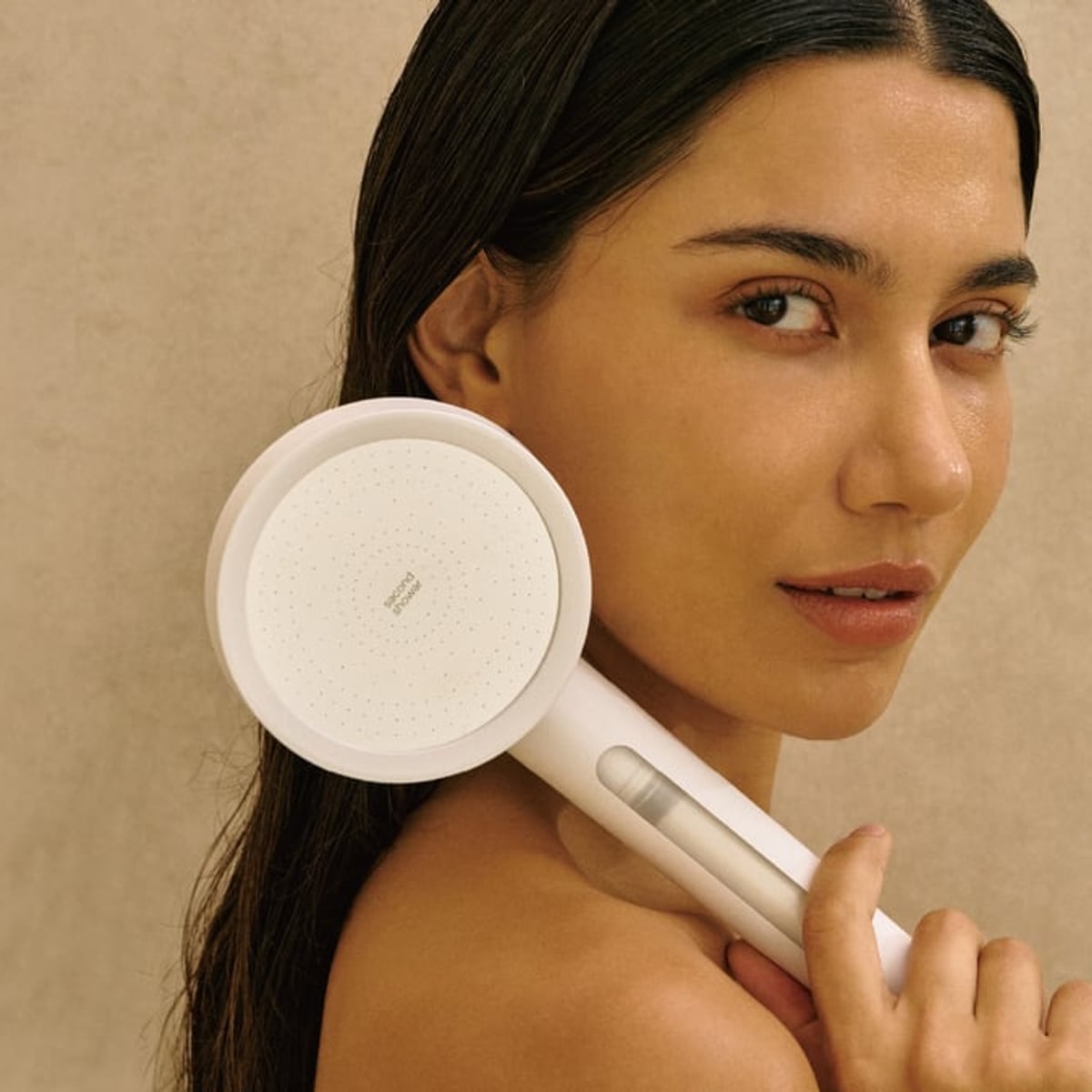
For your shower, a renter-friendly filtered showerhead like Second Shower threads onto your existing shower arm in minutes with no tools and no landlord approval. It handles the contaminants that actually matter for bathing: chlorine, chloramine, heavy metals, and sediment.

For fluoride concerns, a countertop reverse osmosis unit or an activated alumina pitcher filter can reduce fluoride in your drinking water without any permanent installation. This two-pronged approach gives you the most practical coverage without modifying anything in your rental.


FAQ

Do any shower filters actually remove fluoride?

No shower filter has been independently proven to fully remove fluoride at standard shower flow rates. The Propur ProMax showed roughly 48% fluoride reduction in testing, but its chlorine removal was only 57%, significantly below industry standards. Most shower filters claiming fluoride removal have no third-party lab data to support the claim. Fluoride removal requires activated alumina or reverse osmosis at very low flow rates, which is incompatible with shower use.

Is fluoride in shower water harmful to my skin or hair?

Current scientific evidence indicates that fluoride is not meaningfully absorbed through the skin during bathing. Fluoride enters the body primarily through ingestion, not dermal contact. The contaminants that do affect your skin and hair through shower water are chlorine, chloramine, and heavy metals. These strip natural oils, cause dryness, and can lead to irritation and hair breakage.

What is the best way to remove fluoride from water at home?

The most effective home solutions for fluoride removal are under-sink reverse osmosis systems and activated alumina filters. Both are designed for drinking water and operate at low flow rates. An RO system typically removes 90-95% of fluoride. These are point-of-use installations for your kitchen tap, not for whole-house or shower use.

What should I look for in a shower filter if not fluoride removal?

Focus on NSF-certified chlorine removal, heavy metal reduction, and chloramine handling. These are the contaminants proven to affect skin and hair through bathing. Look for third-party lab testing rather than unverified claims. Vitamin infusion is a bonus that actively supports skin and hair health beyond just removing harmful substances. Avoid any filter that lists fluoride removal without providing independent test data.

Can I install a fluoride filter on a shower in a rental apartment?

No practical fluoride filtration system exists for shower use in a rental. Fluoride removal requires activated alumina or reverse osmosis at low flow rates, which means dedicated plumbing and storage tanks. For renters, the best approach is a filtered showerhead for chlorine and heavy metals (installs in minutes, no tools) combined with a countertop RO unit for fluoride-free drinking water. This covers both exposure pathways without any permanent modifications.

Filter What Actually Matters in Your Shower

NSF-certified 99.9% chlorine and heavy metal removal with vitamin infusion for healthier skin and hair. No false promises, just proven filtration.

Shop Second Shower

Reading next

How to Know If Your Shower Filter Needs Replacing

Leave a comment

All comments are moderated before being published.

This site is protected by hCaptcha and the hCaptcha Privacy Policy and Terms of Service apply.