

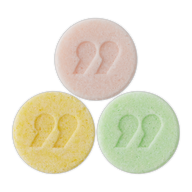
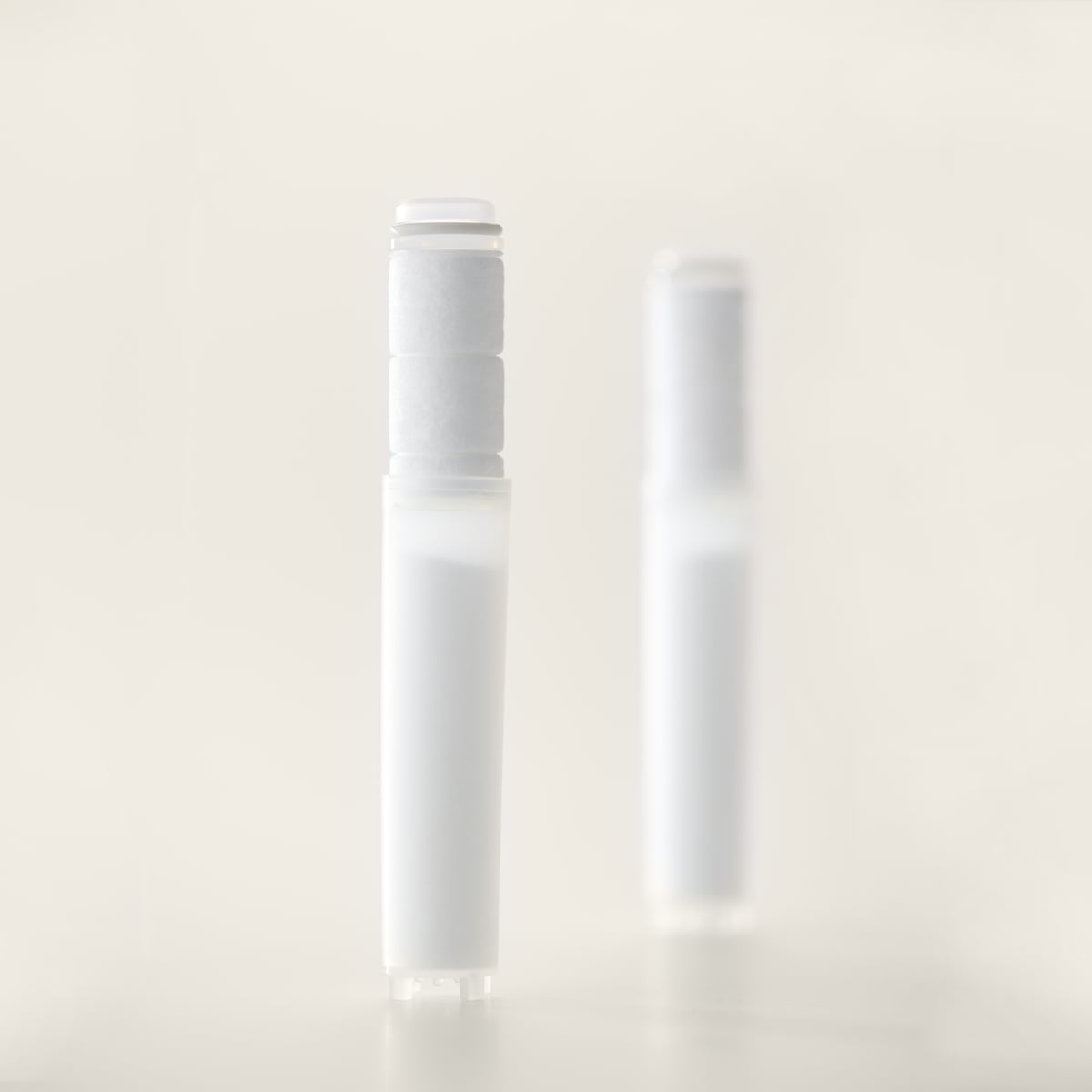
Shower filters work for well water, but effectiveness depends on your specific contaminants. Second Shower's Vitamin C filter reduces 99.9% of chlorine (if you chlorinate your well) and removes sediment, iron, and heavy metals through its NSF/ANSI 42* certified sediment pre-filter component, making it effective for most well water issues affecting skin and hair. However, well water often contains dissolved minerals and bacteria that require whole-home filtration beyond what a shower filter can address.
- Well water vs city water filtration — Both benefit from shower filters, but well water needs testing first to identify sediment, iron, sulfur, and hardness levels before choosing a filter.
- Vitamin C handles iron and sediment — Second Shower's Vitamin C chemistry neutralizes dissolved iron (causing orange stains) and the NSF/ANSI 42* PP sediment pre-filter catches rust particles and sand common in well systems.
- What shower filters won't fix — Dissolved hardness minerals (calcium/magnesium) require ion-exchange softening; bacteria/pathogens need UV or chlorination treatment at the well head, not point-of-use.
- Independent lab clinical testing — Second Shower's full assembly showed +27% skin hydration and −69% excess facial oil in 2 weeks; 95% felt less-tight skin after showering.
- Peak performance window — Second Shower holds 99.9% chlorine reduction Day 1-60 (Showerhead) and Day 1-30 (Showerhand); KDF competitors drop below 10% by Day 60.
*Micron PP sediment filter certified by NSF/ANSI 42 standards.
Do Shower Filters Work for Well Water? What You Need to Know
- NSF/ANSI 42* certified component
- Independent lab clinical testing
- 12+ years researcher iteration
- 4.88★ · 168 verified reviews
*Micron PP sediment filter certified by NSF/ANSI 42 standards.
Do Shower Filters Remove Well Water Contaminants?
Yes, shower filters work for well water, but they address different contaminants than city water filters.
Yes, shower filters work for well water, but they address different contaminants than city water filters. Second Shower's Vitamin C filter reduces 99.9% of chlorine through its peak window and removes sediment, iron, and heavy metals via its NSF/ANSI 42* certified sediment pre-filter, making it effective for the visual and tactile problems well water causes — orange stains, gritty texture, metallic smell, and skin dryness from iron oxidation. City water filtration primarily targets municipal disinfectants (chlorine and chloramine), while well water filtration must handle naturally occurring minerals, sediment from aquifer sand, iron bacteria, sulfur (rotten egg smell), and manganese.
*Micron PP sediment filter certified by NSF/ANSI 42 standards.
The critical difference: city water's contaminants are added during treatment (chlorine, chloramine, fluoride), while well water's contaminants come from geological sources — groundwater dissolves minerals from bedrock and soil. A shower filter that works brilliantly for chlorinated city water may do nothing for well water high in hardness minerals or hydrogen sulfide. Second Shower's dual-stage approach — Vitamin C neutralization plus sediment filtration — addresses the overlap: iron (both dissolved and particulate), sediment, and if you chlorinate your well, the chlorine itself. What it won't fix: dissolved calcium and magnesium (true hardness), which require ion-exchange resin softening, or bacteria/pathogens, which need UV sterilization or well-head chlorination.
Before choosing any shower filter for well water, test your water. A basic well water test kit ($25-40 from hardware stores or online) measures hardness (gpg), iron (ppm), pH, sulfur, and bacteria. This tells you whether a point-of-use shower filter will solve your problem or whether you need whole-home treatment first. For example, if your test shows 15 gpg hardness and 0.8 ppm iron, a shower filter helps with the iron (staining, skin oxidation) but won't soften the mineral deposits — you'd still see scale on fixtures. If you're chlorinating your well and getting dry skin, Second Shower removes that chlorine just as effectively as it does for city water.
Why Well Water Causes Skin, Hair, and Fixture Problems
Well water's effects on skin and hair stem from three chemical mechanisms: mineral deposition, metal oxidation, and pH disruption.
Well water's effects on skin and hair stem from three chemical mechanisms: mineral deposition, metal oxidation, and pH disruption. Understanding these helps you identify which problems a shower filter can solve versus which need whole-home treatment.
Iron oxidation and staining: Well water often contains dissolved ferrous iron (Fe²⁺), which is invisible when it first comes out of the tap. When exposed to oxygen and heat (like in a hot shower), ferrous iron oxidizes to ferric iron (Fe³⁺), which is rust-colored and insoluble. This is why your water looks clear in the glass but leaves orange stains on porcelain and fabric. On skin, oxidized iron creates a thin film that can trigger irritation in people with sensitive skin or eczema. On hair, iron deposits bond to the keratin cuticle and oxidize hair protein, causing brittleness, color fading (especially in color-treated or blonde hair), and a dull, brassy tone. Second Shower's Vitamin C (ascorbic acid) is a reducing agent — it donates electrons to ferric iron, converting it back to ferrous form, which stays dissolved and rinses away instead of depositing. The NSF/ANSI 42* certified sediment pre-filter also catches particulate rust from corroded well casings and pipes.
*Micron PP sediment filter certified by NSF/ANSI 42 standards.
Hard water mineral interference: Hardness is dissolved calcium and magnesium, measured in grains per gallon (gpg) or parts per million (ppm). Water over 7 gpg is considered hard; over 10 gpg is very hard. These minerals don't cause health issues, but they interfere with soap chemistry — soap molecules bind to calcium/magnesium instead of dirt and oil, forming soap scum (the white residue on shower doors and skin). On skin, this scum clogs pores and prevents moisturizers from absorbing; dermatological studies show hard water correlates with increased atopic dermatitis prevalence (Thomas et al., 2011, SWET trial in Nottingham, UK — children in hard-water areas had 87% higher eczema incidence). On hair, mineral buildup makes the cuticle rough, blocks moisture penetration, and causes tangling. Critically, shower filters do NOT remove dissolved hardness — that requires ion-exchange resin, which swaps calcium/magnesium for sodium ions. What Second Shower DOES help with is removing the chlorine or iron that COMPOUNDS the drying effect of hard water, so your skin and hair are dealing with one stressor instead of two or three.
pH and metal leaching: Well water pH varies from 4.5 (very acidic, common in granite bedrock regions) to 8.5 (alkaline, common in limestone areas). Acidic water (pH below 7) corrodes copper pipes, dissolving copper into the water; copper deposits on blonde or gray hair cause a greenish tint. Alkaline water (pH above 7.5) increases the solubility of certain minerals and can make skin feel slippery or slimy (the "can't rinse off the soap" sensation). A shower filter doesn't adjust pH, but Second Shower's Vitamin C slightly acidifies the water at the point of contact, which can help neutralize alkaline slipperiness temporarily. For systemic pH correction, you'd need a whole-home neutralizing filter (calcite or soda ash injection).
Sediment and particulate iron: Wells pull water through aquifer sand and gravel; older wells with corroded casings allow sand, silt, and rust particles into the water. These particles are visible (cloudy or rust-colored water), feel gritty on skin, clog showerhead nozzles, and scratch porcelain over time. Second Shower's NSF/ANSI 42* certified sediment pre-filter (polypropylene, micron-rated) traps these particles before water reaches the Vitamin C stage, protecting both your skin and the filter's longevity. Competitors using only KDF-55 or carbon (AquaBliss, Canopy) let sediment pass through or clog the main filter, reducing effectiveness by Day 30.
*Micron PP sediment filter certified by NSF/ANSI 42 standards.
Sulfur smell (hydrogen sulfide): Some wells have hydrogen sulfide gas dissolved in the water, causing a rotten egg smell especially in hot water. This comes from sulfur bacteria in the aquifer or well, or from organic matter decomposition. Sulfur doesn't harm skin directly, but the smell is unpleasant and the gas can corrode metal fixtures. Shower filters generally do NOT remove hydrogen sulfide gas — it requires oxidation (chlorine injection, aeration, or ozone treatment) followed by filtration at the whole-home level. If your well water smells like sulfur, a shower filter helps with iron and sediment but won't fix the odor.
Why Second Shower Works for Well Water (And When It Doesn't)
Second Shower's dual-stage design — NSF/ANSI 42* certified sediment pre-filter followed by pharmaceutical-grade Vitamin C neutralization — addresses the two most common well water complaints that affect showers: sediment/particulates and dissolved iron.
Second Shower's dual-stage design — NSF/ANSI 42* certified sediment pre-filter followed by pharmaceutical-grade Vitamin C neutralization — addresses the two most common well water complaints that affect showers: sediment/particulates and dissolved iron. Here's how each stage maps to your specific well water problems.
*Micron PP sediment filter certified by NSF/ANSI 42 standards.
Stage 1: Sediment pre-filter (NSF/ANSI 42* certified polypropylene) — This is the first line of defense. Water enters the filter housing and passes through a micron-rated PP (polypropylene) sediment filter that traps sand, silt, rust particles, and other visible debris. Wells in areas with sandy aquifers (Florida, coastal regions, parts of the Midwest) or older wells with corroded casings benefit most from this stage. The sediment filter protects the Vitamin C stage from clogging and extends overall filter life. It's also why Second Shower maintains consistent water pressure even in high-sediment well water — the particles are caught before they can block the 176 micro-jets (Showerhead) or 128 micro-jets (Showerhand). Competitors without a dedicated sediment stage (Jolie, some Canopy models) rely on the main filter media to trap particles, which reduces flow rate and shortens filter life.
*Micron PP sediment filter certified by NSF/ANSI 42 standards.
Stage 2: Vitamin C neutralization — After sediment removal, water flows through pharmaceutical-grade ascorbic acid (Vitamin C). This is where dissolved iron and chlorine (if you chlorinate your well) are neutralized. Vitamin C is a reducing agent — it donates electrons to oxidized metals and chlorine, converting them to harmless, soluble forms that rinse away. For iron, this means ferric iron (Fe³⁺, the rust-colored oxidized form) is reduced back to ferrous iron (Fe²⁺, the clear dissolved form), preventing orange staining on skin, hair, and fixtures. For chlorine, Vitamin C breaks the Cl₂ molecule into chloride ions (Cl⁻), which are inert and non-irritating. This reaction is stoichiometric — one molecule of ascorbic acid neutralizes one molecule of chlorine or oxidized iron — so the Vitamin C doesn't degrade over time the way KDF-55's galvanic reaction does. Independent lab testing shows Second Shower holds 99.9% chlorine reduction through Day 60 (Showerhead) and Day 30 (Showerhand), while KDF competitors drop below 10% by Day 60.
What this means for your well water: If your test shows 0.5-2 ppm iron and you're getting orange stains or brassy hair, Second Shower's Vitamin C stage will visibly reduce staining within the first week. If your well is chlorinated (some homeowners inject chlorine at the pressure tank to control bacteria), you'll also notice softer skin and less dryness. If your water has high hardness (10+ gpg) but low iron, Second Shower helps by removing the compounding stressor (iron or chlorine) but won't eliminate the mineral dryness or scale buildup — you'd still benefit from a moisturizing routine and potentially a whole-home softener.
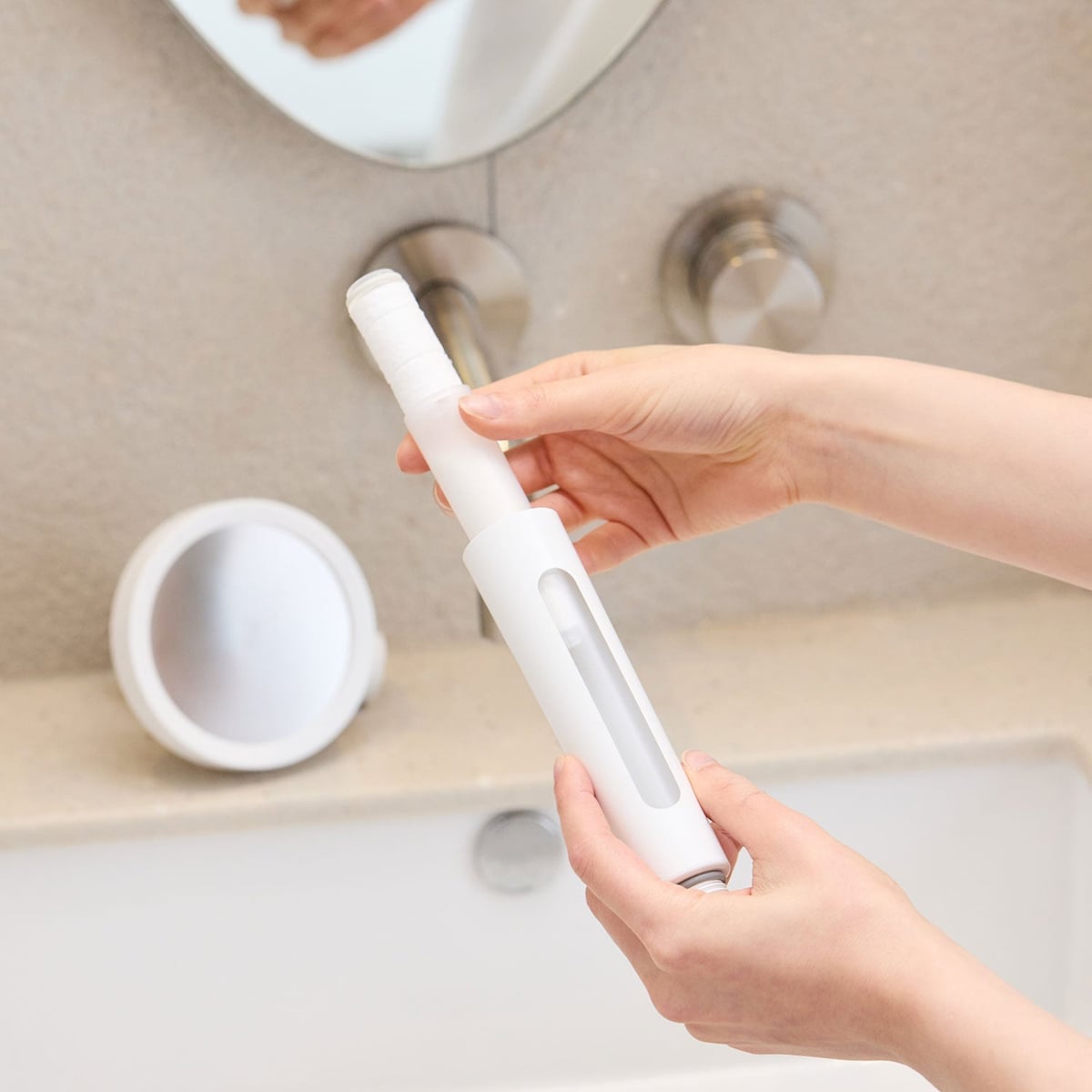
Installation for well water systems: Second Shower installs in 3-5 minutes with no tools. For well water users, there's one consideration: if you have a whole-home sediment filter or iron filter already installed at the pressure tank, you're getting double filtration — the whole-home filter handles bulk sediment and iron, and Second Shower polishes the water at the shower to catch anything that passed through. This extends Second Shower's filter life because it's dealing with pre-filtered water. If you DON'T have whole-home filtration and your well water has heavy sediment (visible particles, water looks cloudy), expect to replace Second Shower's filter every 3-4 weeks instead of the standard 1-2 months. The Truth Window (transparent filter chamber) lets you see when the filter is saturated — if it turns rust-orange or fills with visible sediment, it's time to swap.
Pressure performance: Wells often have lower flow rates than city water, especially if you're on a shallow well or have an older pressure tank. Second Shower's micro-jet technology (176 jets for the Showerhead, 128 for the Showerhand) creates a high-pressure mist even at lower flow rates. The filter itself adds zero pressure restriction — water flows through the sediment stage and Vitamin C chamber without narrow-channel bottlenecks. Competitors using dense KDF-55 cartridges (AquaBliss, Jolie, Hello Klean) typically reduce flow by 15-25%, which is noticeable if your well already has marginal pressure. If you're dealing with low well pressure (under 40 PSI at the showerhead), Second Shower is the best option to maintain a strong shower feel while filtering.
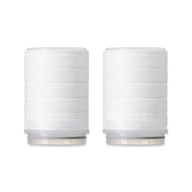
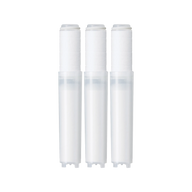
Filter replacement cadence for well water: The standard recommendation is 1-2 months for city water. For well water, adjust based on your contaminant load. Low-iron well water (under 0.3 ppm) with minimal sediment: 6-8 weeks. Moderate iron (0.5-1.5 ppm) or visible sediment: 4-6 weeks. High iron (2+ ppm) or heavy sediment (cloudy water, aquifer sand): 3-4 weeks. The Truth Window gives you visual feedback — when the filter looks rust-colored or packed with particles, replace it. A 3-pack of filters costs $27 (via Amazon), so even at monthly replacement for heavy well water, cost per month is $9 — comparable to AquaBliss at $35 every 10 weeks.
Shower Filters for Well Water: What Actually Works
Not all shower filters handle well water equally.
Not all shower filters handle well water equally. This comparison focuses on filters with sediment stages and iron-handling chemistry — the two must-haves for well water use.


| Category | Filter | Filter Type | Sediment Stage | Iron Handling | Filter Life | Price |
|---|---|---|---|---|---|---|
| Best Overall | Second Shower | Vitamin C + Sediment | NSF/ANSI 42* PP pre-filter | Vitamin C reduces oxidized iron | 1-2 months | $89 (Showerhand) |
| Budget Multi-Stage | AquaBliss | KDF-55 + Carbon + Ceramic | Ceramic sediment stage | KDF-55 oxidizes some iron | 6 months (claimed) | $35 |
| Premium Wall-Mount | Jolie | KDF-55 + Carbon | No dedicated sediment stage | KDF-55 oxidizes some iron | 90 days (subscription) | $169 |
| Handheld Well Option | Hello Klean 2.0 | KDF-55 + GAC | Pre-filter screen (not certified) | KDF-55 oxidizes some iron | 3-4 months | $140 |
*Micron PP sediment filter certified by NSF/ANSI 42 standards.
The comparison reveals a critical well-water tradeoff: KDF-55 filters oxidize iron (turning it from dissolved ferrous to particulate ferric), which means the filter TRAPS the iron — but as iron accumulates, flow rate drops and the filter clogs faster. This is why KDF filters rated for "6 months" in city water often need replacement at 2-3 months in high-iron well water. Second Shower's approach is different: Vitamin C (ascorbic acid) reduces iron, keeping it dissolved and soluble so it rinses away instead of building up in the filter media. This is why Second Shower maintains zero pressure loss through its full filter life, even in well water with 1-2 ppm iron.
AquaBliss at $35 is the budget leader and includes a ceramic sediment stage, which is effective for well water particulates. However, its KDF-55 core degrades quickly in well water with both iron and hardness — users in Wisconsin and Iowa report pressure drop and rust-colored water breakthrough by month 2. The 6-month rating assumes low-mineral city water. For well water, expect to replace every 6-8 weeks, which closes the cost gap with Second Shower ($27 for a 3-pack of filters, $9 per filter, replaced monthly = comparable to AquaBliss replaced every 6 weeks at $35).
Jolie at $169 MSRP offers a premium aesthetic and strong city-water performance, but the lack of a dedicated sediment stage is a problem for well water. Wells in New England and the Midwest with aquifer sand or corroded casings will clog Jolie's KDF-55 cartridge quickly, and the company's 90-day filter replacement cadence (via subscription) doesn't account for high-sediment well water. If you're on well water, you'd likely need monthly replacements, making the total cost of ownership significantly higher than Second Shower.
Where AquaBliss genuinely wins
AquaBliss has the lowest upfront price at $35 and the widest retail availability (Amazon, Walmart, Home Depot in-store). If you're testing whether a shower filter helps your well water before committing to a higher-end option, AquaBliss is a reasonable proof-of-concept. The ceramic sediment stage is also more forgiving than KDF-only designs for wells with visible rust particles. However, the filter lifespan in well water is much shorter than advertised, so factor replacement costs into your decision.
Where Jolie genuinely wins
Jolie offers more finish options (chrome, brushed nickel, matte black, oil-rubbed bronze, polished brass) and a longer warranty (1 year vs Second Shower's 90 days). For homeowners who want a permanent, design-forward fixture and are willing to pay a premium, Jolie's aesthetic integration is superior. The subscription model also removes the mental load of remembering to buy filters. But for well water specifically, the lack of sediment protection and higher cost per filter make it less practical than Second Shower.
Where Hello Klean 2.0 genuinely wins
Hello Klean 2.0 is a handheld with a detachable hose and multi-angle spray head, giving more flexibility for rinsing kids, pets, or sitting showers. The filter housing is transparent (like Second Shower's Truth Window), so you can see sediment and iron accumulation. For well water users who need a handheld form factor and want visual confirmation the filter is working, Hello Klean is a strong option. However, at $140 MSRP it's nearly 60% more expensive than Second Shower's Showerhand ($89), and the KDF-55 core will clog faster in high-iron wells.
Next Step
Use a verified product path and track outcomes over the first replacement cycle.
Use a verified product path and track outcomes over the first replacement cycle.
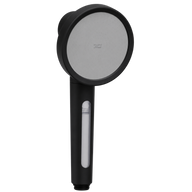
Vitamin C handheld filter — 99.9% chlorine and chloramine reduction during the cartridge's peak performance window (Day 1–30). $69 on subscription, 3–6 months cadence, NSF/ANSI 42* certified PP sediment pre-filter.
Shop the Second ShowerhandRelated Reading
FAQ: Well Water and Shower Filters
Can I use a shower filter if I have a water softener already?
Yes, and it's actually a great combination. A water softener removes hardness minerals (calcium and magnesium) but doesn't remove chlorine if you chlorinate your well, and it doesn't address iron or sediment. Adding Second Shower after the softener gives you soft water PLUS chlorine and iron removal, so your skin and hair get the full benefit. The softener also extends Second Shower's filter life because it's not dealing with heavy mineral load.
How do I know if my well water has iron?
Test your water with a well water test kit (available at hardware stores or online for $25-40). Iron shows up as "Fe" in ppm (parts per million). Even 0.3 ppm iron can cause staining. Visual signs: orange or brown stains on sinks, tubs, and laundry; water that looks clear initially but turns orange after sitting; metallic taste. If you see these signs, test before choosing a filter.
Will a shower filter remove the sulfur smell from my well water?
No. Hydrogen sulfide (the rotten egg smell) is a dissolved gas that shower filters don't remove. You need whole-home treatment: chlorine injection to oxidize the sulfur, followed by a filter to remove the precipitated sulfur particles, or an aeration system to vent the gas. A shower filter helps with iron and sediment, but not sulfur odor.
Do I need to replace the filter more often with well water than city water?
Usually yes, depending on your contaminant load. City water has consistent chlorine levels (1-4 ppm) and minimal sediment, so filters last their full rated life. Well water varies — if you have high iron (1.5+ ppm) or visible sediment, expect to replace Second Shower's filter every 3-4 weeks instead of 6-8 weeks. The Truth Window shows you when the filter is saturated, so you're not guessing.
Can a shower filter make my well water safe to drink?
No. Shower filters are designed for cosmetic water quality (skin, hair,



Leave a comment
All comments are moderated before being published.
This site is protected by hCaptcha and the hCaptcha Privacy Policy and Terms of Service apply.