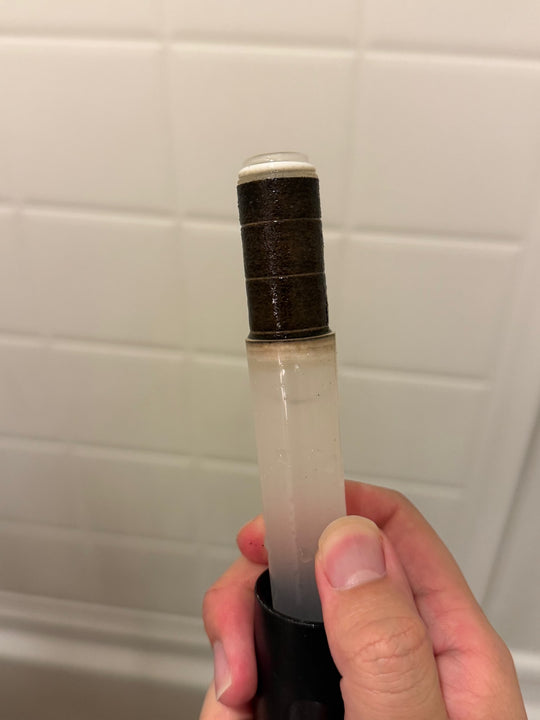
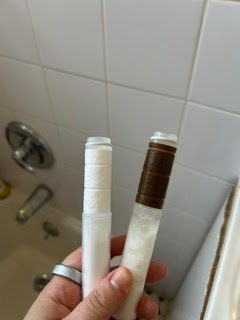
A shower wand is a handheld showerhead on a flexible hose that rests in a holder. You can use it hands-free like a fixed head, or lift it out and point the water where you need it. Beyond hair washing, it makes it easier to rinse shower walls and the tub, wash kids and pets, rinse off without getting your hair wet, and shower sitting down or with someone helping. Before you buy, check two things: whether the hose reaches where you will use it, and how the holder mounts in your shower.

What is a shower wand, and how is it different from a fixed showerhead?
A fixed showerhead screws onto the shower arm coming out of the wall and sprays from one spot. A shower wand (also called a handheld showerhead or a showerhead with a hose) connects to the same arm, but the spray head sits at the end of a flexible hose. When it rests in its holder, you shower just like you would under a fixed head. When you lift it out, the water goes wherever your hand goes.
That is the whole difference, and it matters more than it sounds. A fixed head assumes everyone is standing, about the same height, and only needs water from above. A wand drops all three assumptions.
You will see three common setups:
- Handheld only: the holder attaches at the shower arm and the wand replaces your fixed head.
- Combo: a fixed head and a wand share the arm, with a diverter to switch between them (or run both).
- Slide bar: the holder rides on a vertical bar, so you can set the wand at different heights.
What can you do with a wand besides washing your hair?
Quite a lot. Every one of these comes down to putting the water where gravity would not put it on its own:
- Rinse your body without wetting your hair. This helps on days you skip washing your hair, or if you just had a blowout.
- Rinse shampoo out faster and more completely, especially long or thick hair, by aiming at the scalp from below and behind.
- Shave your legs and rinse them without balancing under a spray coming from overhead.
- Clean the shower: rinse cleaner off the walls, glass, corners and the tub floor.
- Bathe small kids with a gentle, aimed rinse instead of pouring cups over their heads.
- Wash a dog in the tub without a bucket.
- Shower seated, or help someone else shower.
- Fill a bucket or rinse a muddy pair of boots.
Does a wand make cleaning the tub and walls easier?
Yes, for the rinsing part. Rinsing is where a fixed head is weakest: you end up flicking water from your hand or filling a cup over and over. With a wand you spray the cleaner off the walls from top to bottom, chase the residue toward the drain, and rinse the tub corners and the inside of the glass door directly.
What a wand does not do is stop the buildup in the first place. If your water is hard, it leaves mineral scale as it dries (white crust or spots on glass, faucets and showerheads), and it reacts with soap to form soap scum[1]. Rinsing with a wand gets soap off faster, but the water you rinse with is still hard water. A squeegee or a quick towel-dry after the final rinse does more about spots than any showerhead.
How does a wand help someone who sits to shower or needs help bathing?
This is where a handheld matters most. With a fixed head, a person on a shower chair or bench sits under a spray aimed at standing height, or out of reach of it entirely. A wand brings the water down to them. They can hold it themselves and rinse at their own pace, or a caregiver can direct the water while keeping the person warm and their face dry.
A few practical points for this use:
- Make sure the hose reaches the seat with slack to spare, so nobody has to stretch or lean.
- Put the holder where the person can reach it from sitting, or choose a slide bar so the height can change.
- Pick a wand with a grip that is easy to hold with wet hands.
If someone's mobility or safety in the shower is changing, a healthcare provider can advise on the full setup (seating, grab bars, non-slip surfaces). The wand is one piece of it.
Is a handheld worth it for rinsing off kids or pets?
For most families, yes. Small kids often hate water poured over their heads. A wand lets you rinse shampoo out from behind with their head tipped back, and keep the spray off their face. You can also check the temperature on your wrist before the water reaches them.
For pets, a wand turns a two-person wrestling match into a manageable job. You can rinse close to the skin through a thick coat, aim under the belly and legs, and keep the spray away from ears and eyes. Start with a low, gentle stream; a sudden blast near the face is what makes most dogs bolt.
What should you look for in hose length and the mounting bracket?
Hose length
Measure before you buy. Run a tape from your shower arm to the farthest place you will actually point the water: the far end of the tub for cleaning, the seat of a shower chair, the floor where a dog stands. Add slack so the hose is never pulled tight, which strains the connections. A longer hose gives more reach; a hose that is far too long drags on the floor and gets in the way. Match it to your shower, not to the biggest number on the box.
Mounting
- Where the holder sits: most handheld kits mount at the shower arm, which works for standing use. If someone showers seated, a holder they can reach from the seat, or a slide bar, is worth the extra effort.
- How it holds: the wand should click in firmly and stay pointed where you set it, so hands-free showering still works.
- Fit: US shower arms use a standard 1/2 inch thread, so most wands install without a plumber.
Spray and flow
A focused spray helps with rinsing and cleaning; a softer, wider spray is kinder for kids and pets. Some states limit shower flow rates, so check what flow your wand runs at and whether it comes with a lower-flow option.
Can a filtered shower wand do the same jobs?
Yes. A filter cartridge in the handle or head does not change what a wand can reach or how you use it. You still rinse walls, bathe kids and wash the dog the same way. Three things are worth knowing:
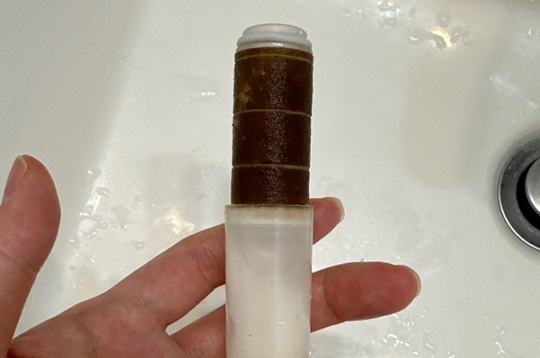
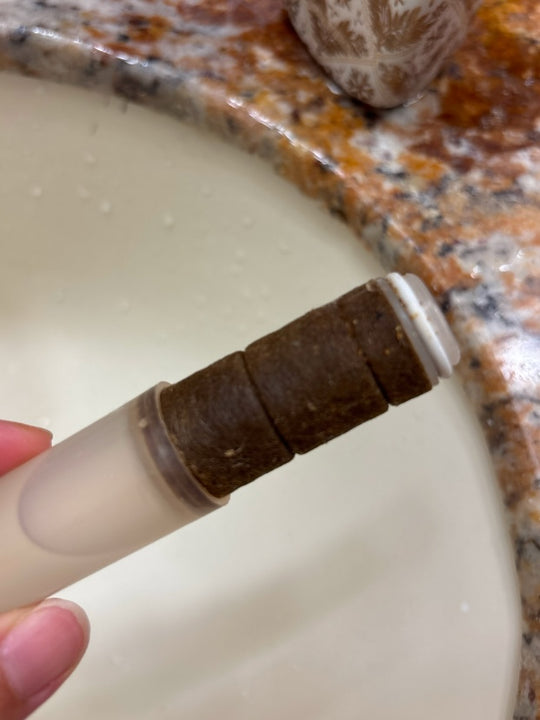
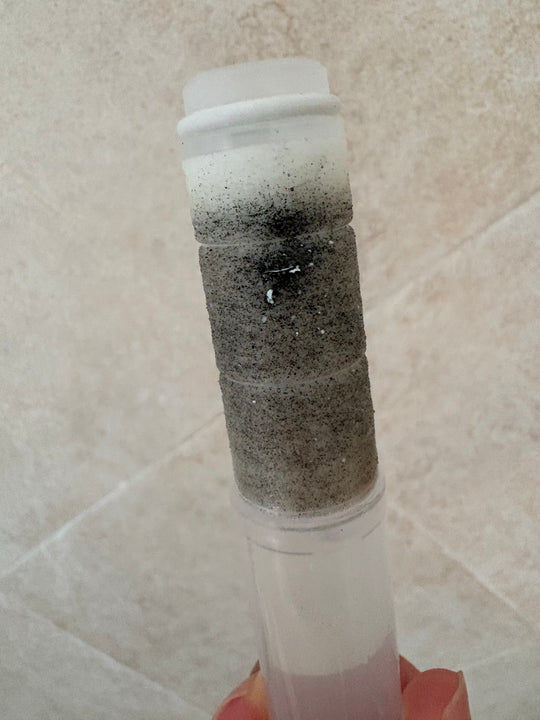
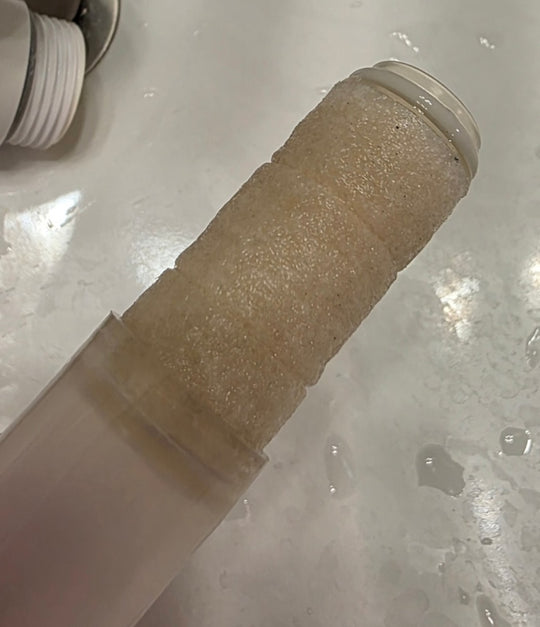
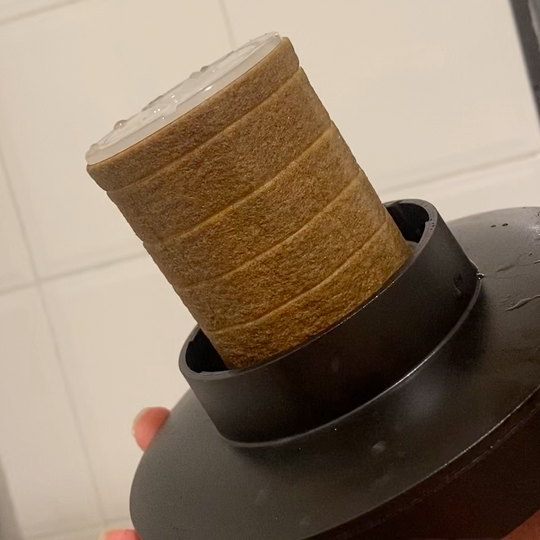
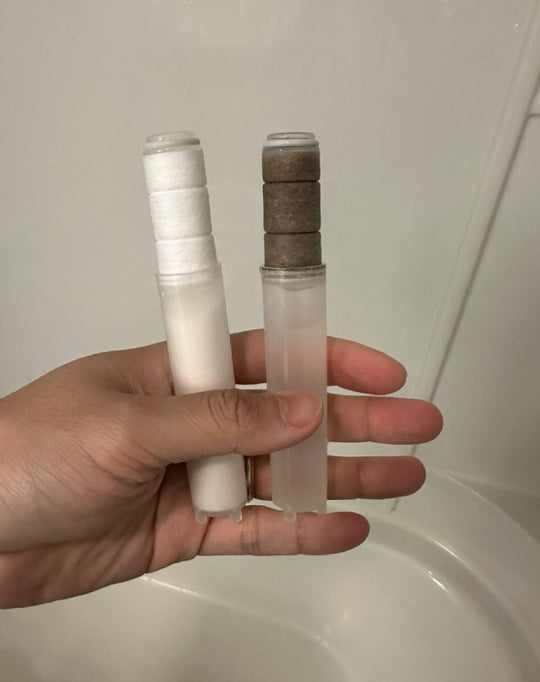
- What the filter is for. US water utilities add a disinfectant, chlorine or chloramine, whether the water is hard or soft. Chloramine is chlorine plus ammonia, made to last longer in the pipes, and more than one in five Americans have chloramine-treated water[2]. A shower filter is meant to reduce these before the water reaches your hair and skin. Your utility's annual water quality report says which one it uses[3].
- What it does not do. A shower filter does not remove hardness (calcium and magnesium). Only a water softener does that. So a filtered wand will not keep your glass free of scale spots any better than an unfiltered one.
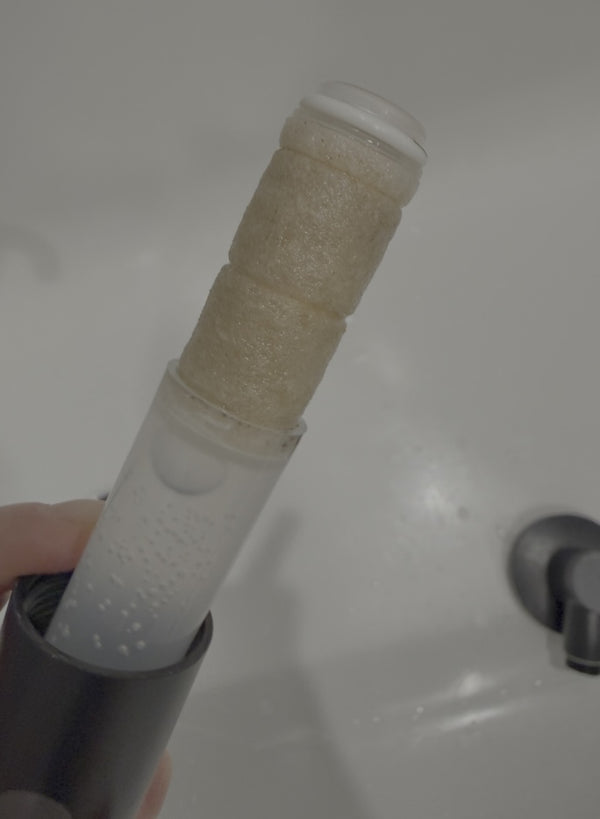
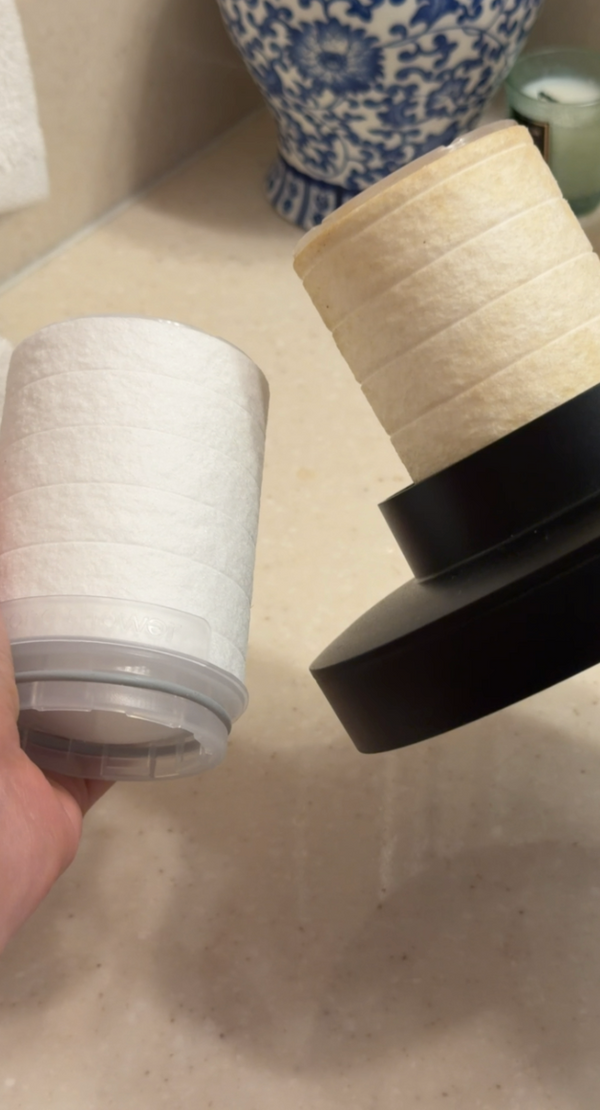
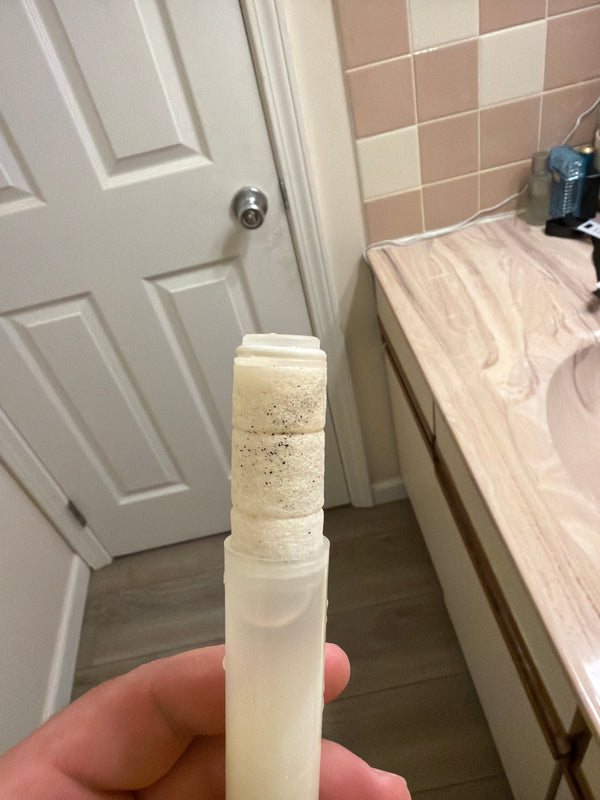
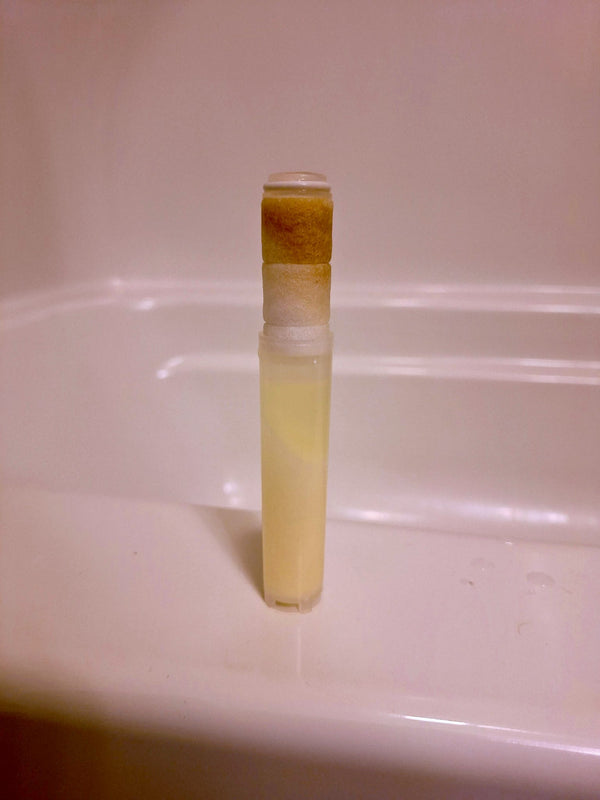
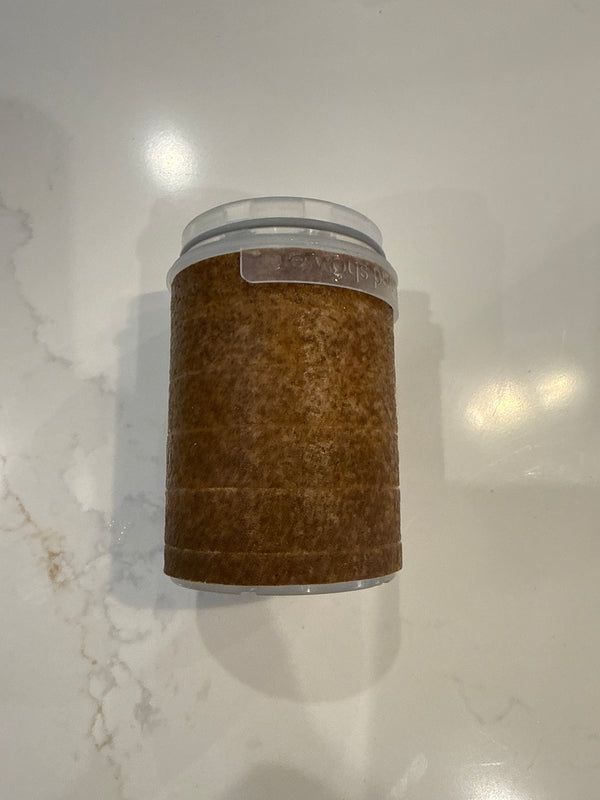
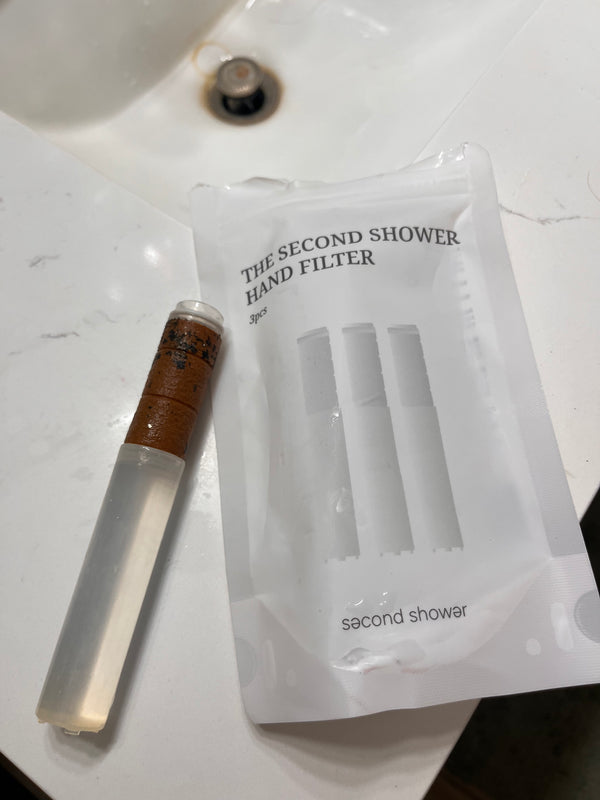
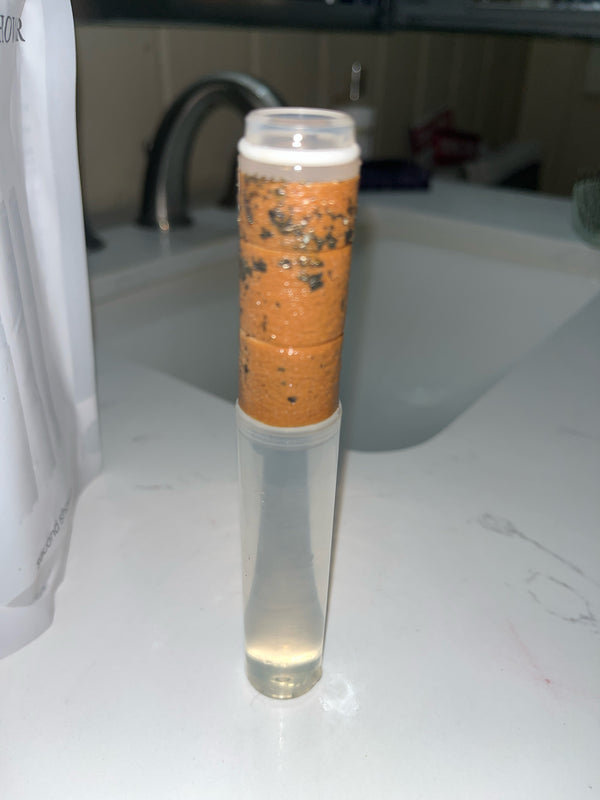
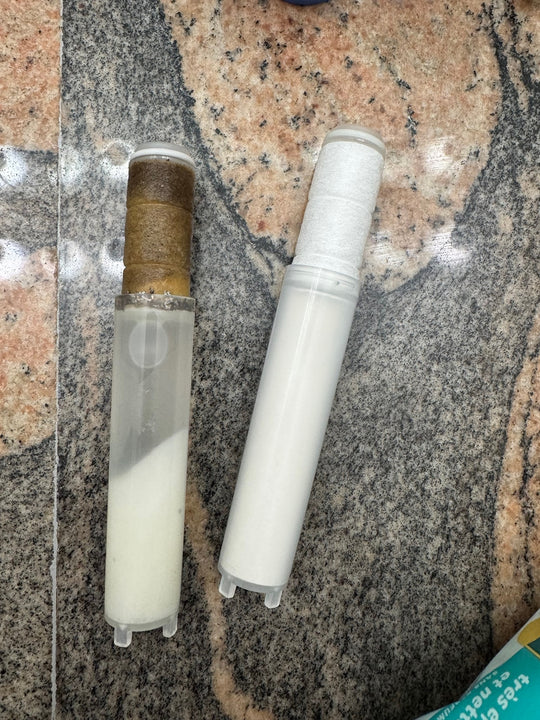
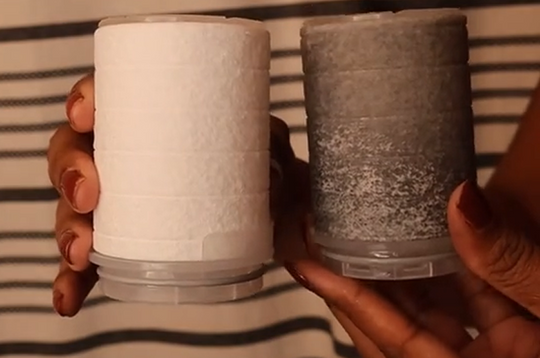
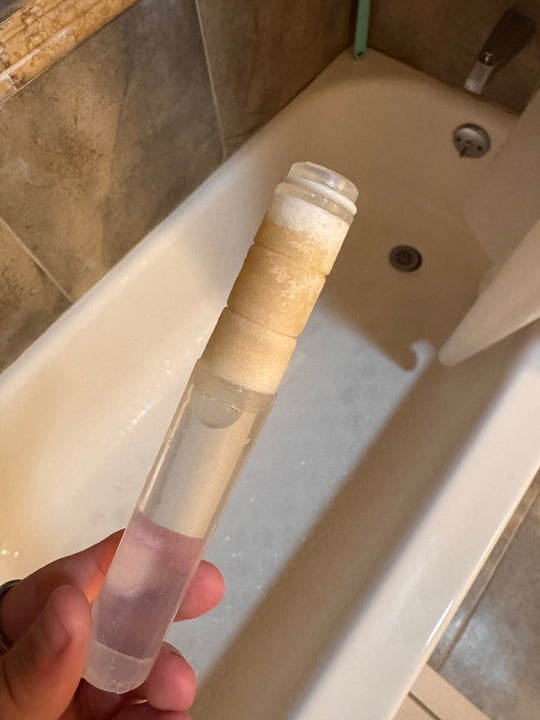
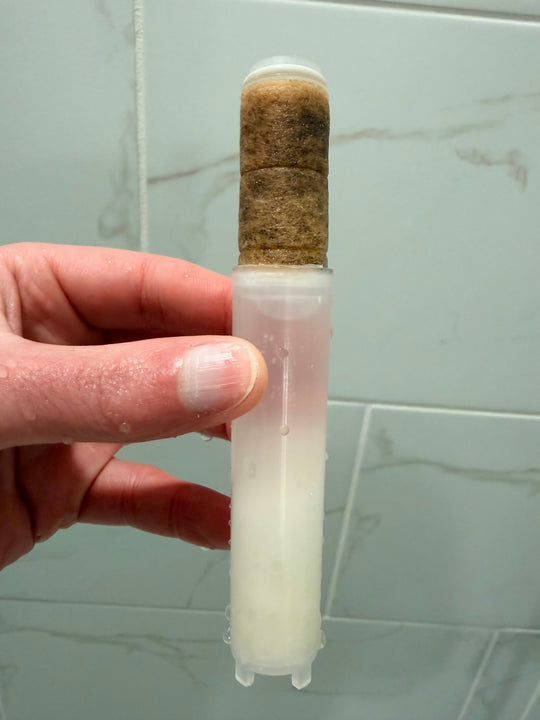
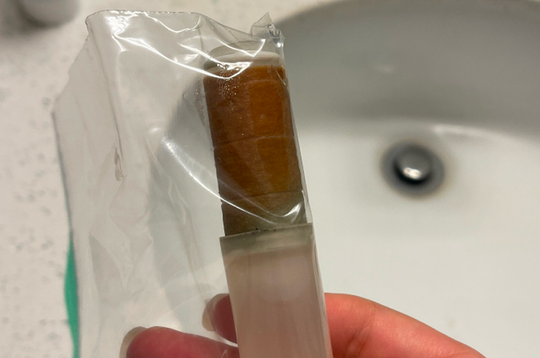
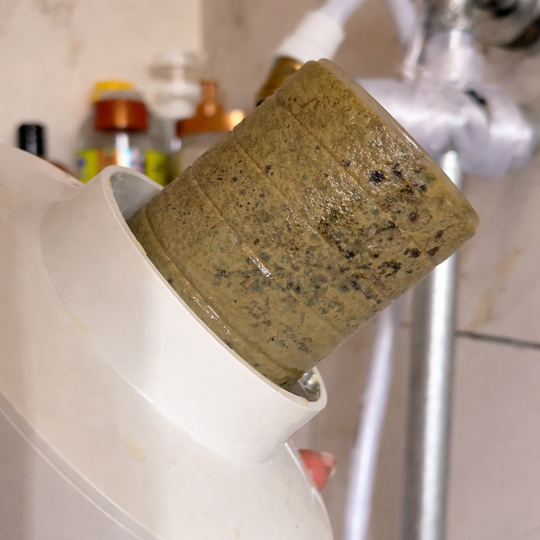
- Extra uses and filter life. Rinsing the tub or a dog runs more water through the filter. Filters are replaced on a schedule, so stick to the recommended interval rather than guessing.
Where our filtered wand fits, and where it doesn't
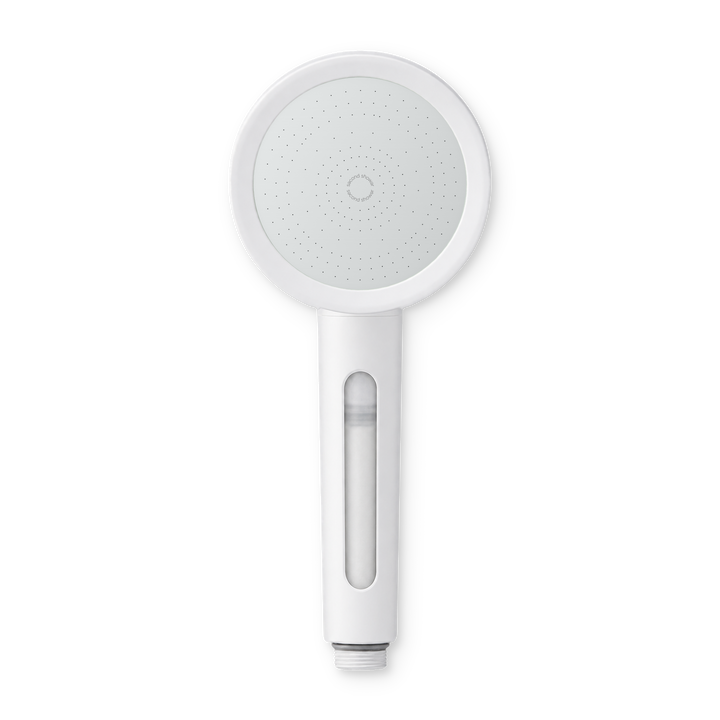
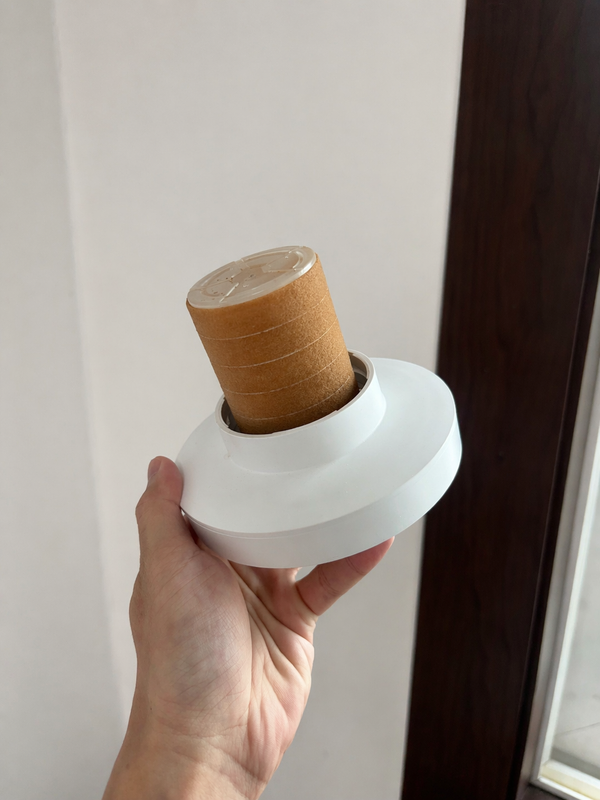
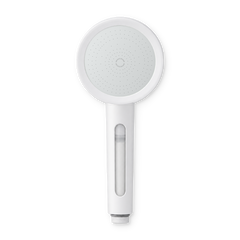
The Second Showerhand is our handheld: a shower mount and hose in the box, 128 micro-jets, tool-free install in about 60 seconds on a standard shower arm, and one filter included. It costs $89, or $69 with a filter subscription. We use an NSF/ANSI 42 certified filter*, and in independent lab testing our filter reduced 99.9% of chlorine and chloramine. It comes with 2.5 and 1.8 GPM flow regulators, so you can choose the flow that meets your state's water-efficiency rules.
Where it does not fit: it does not soften water or remove hardness, so it won't stop scale on your glass. Each Showerhand filter lasts 1 to 2 months, and we recommend a new one every 30 days. If you mostly want a wand for cleaning and pet baths and your utility's report doesn't bother you, any decent handheld will do the job. If you also want the chlorine or chloramine reduced in your daily shower, that is the case for a filtered one.
*Micron PP sediment filter certified by NSF/ANSI 42 standards.
FAQ
Is a shower wand the same as a handheld showerhead?
Yes. "Shower wand," "handheld showerhead" and "showerhead with a hose" all describe a spray head on a flexible hose that rests in a holder. You can use it hands-free or lift it out and aim it.
Can I have a fixed showerhead and a wand at the same time?
Yes, with a combo setup. A fixed head and a wand share the shower arm, and a diverter switches the water between them or runs both. A handheld-only kit replaces the fixed head instead.
Do I need a plumber to install a shower wand?
Usually not. Most wands thread onto the standard 1/2 inch US shower arm the same way a fixed head does. The Second Showerhand installs without tools in about 60 seconds.
Will a filtered shower wand stop water spots on my glass?
No. Spots and white crust come from hardness minerals, and a shower filter does not remove hardness. Only a water softener does that; a squeegee after your shower helps in the meantime.
How do I know how long a hose I need?
Measure from the shower arm to the farthest place you will point the water, such as a shower chair seat or the far end of the tub, then add some slack. The hose should never be pulled tight while you use it.