Most often, the smell is the disinfectant your water utility adds to the water. A hot shower puts it into steam in a small, closed room, so you notice it more than you do at the kitchen sink. If the smell suddenly got stronger, your utility may be switching disinfectants for a while to clean its pipes, or it may have raised the dose. Call the number on your water bill or check the utility's website to confirm. If only the hot water smells, or the smell is rotten eggs or musty, look at your plumbing or water heater.

Why does my shower water smell like chlorine at all?
US water utilities add a disinfectant so the water stays safe to use all the way from the treatment plant to your tap. The disinfectant is either chlorine or chloramine. Chloramine is chlorine plus ammonia, made to last longer in the pipes, and more than one in five Americans have chloramine-treated water.[1]
Utilities add it whether your water is hard or soft. Soft water still has disinfectant in it, and a hardness number tells you nothing about the disinfectant. So a faint pool smell in the shower is normal in most US homes. The real question is usually why it changed.
Why would the smell suddenly get stronger for a few weeks?
A few ordinary things can make the smell stronger for a while:
- A temporary disinfectant switch. Some utilities that normally use chloramine switch to plain chlorine for a set period to clean out their pipe network. Plain chlorine usually smells stronger than chloramine, so many households notice the change, and the smell fades when the utility switches back.
- A higher dose. A utility may raise the disinfectant level after a main break, during repairs or when it flushes hydrants.
- Where you live on the system. Homes closer to the treatment plant tend to get water with more disinfectant left in it than homes at the far end of the pipes.
A planned switch is usually announced ahead of time on the utility's website, in local news or in a bill insert. Utilities do not all run it on the same schedule, so the start and end dates in your utility's notice are the ones that count.
How do I find out what my water utility is doing?
- Find your utility. Its name is on your water bill. If you rent, ask your landlord or building manager.
- Check its website for notices. Look for words like "temporary disinfectant change", "free chlorine conversion" or "flushing program".
- Read your Consumer Confidence Report. Every community water system in the US must send customers an annual water quality report, usually by July 1, and most post it online.[2] It tells you whether your utility uses chlorine or chloramine.
- Look up your ZIP code. Our water lookup page is a quick place to start.
- Call. The customer service line can tell you in a minute whether something is going on right now.
Why is the smell stronger in the shower than at the kitchen sink?
It is the same water, but the shower makes it easier to smell. Hot water lets dissolved gases escape more easily, and a spray breaks the water into tiny droplets with a lot of surface area. All of that happens in a small room with the door shut and your face right in the steam, sometimes for ten minutes or more. At the kitchen sink, cold water runs into a drain for a few seconds in an open room.
Does hot water make chlorine easier to notice?
Yes. Warm water and steam carry the smell into the air, so a hot shower usually smells stronger than a cool one. If the smell bothers you, turn on the exhaust fan, leave the door open a little or run the water slightly cooler.
Is it chlorine, chloramine or something else?
Your nose gives you a rough first guess. A test tells you for sure.
| What you smell | Common cause | What to check |
|---|---|---|
| Swimming pool or bleach | Chlorine from the utility | Utility notices, a DPD test kit |
| A fainter pool smell that never quite goes away | Often chloramine | Your Consumer Confidence Report |
| Rotten eggs, mostly in hot water | Often the water heater | Compare hot and cold; call a plumber |
| Musty, earthy or sewer-like at one sink | Often the drain, not the water | Fill a glass, smell it away from the sink |
| Metallic, sometimes with grit or color | Old pipes, rust or sediment | Does it happen at every tap? |
To measure chlorine, use a DPD test kit. A TDS meter measures dissolved solids in general. It is not a hardness test, and it cannot detect chlorine.
When does the smell point to my plumbing or water heater instead?
A few quick comparisons usually settle it:
- Hot only or both? If cold water smells fine and only hot water smells, the water heater is the likely source, not the utility.
- One tap or every tap? A smell at a single sink or shower points to that fixture or its drain. A smell at every tap points to the water coming into the house.
- Just you or the whole street? If your neighbors notice the same pool smell, it is almost certainly the utility.
- Grit or discoloration? The utility is responsible for the water up to your building. The plumbing inside belongs to the building, and old pipes can shed rust and sediment.
Does your utility's disinfectant matter when choosing a shower filter?
Yes, and it is the first thing to check. Chlorine and chloramine are different chemicals, and a filter that reduces one will not necessarily reduce the other. Some shower filters only list chlorine on the box. If your report says chloramine, look for a filter that names chloramine and backs the claim with a test result. If your utility switches back and forth, you want a filter that handles both.
What a shower filter can and cannot do about the smell
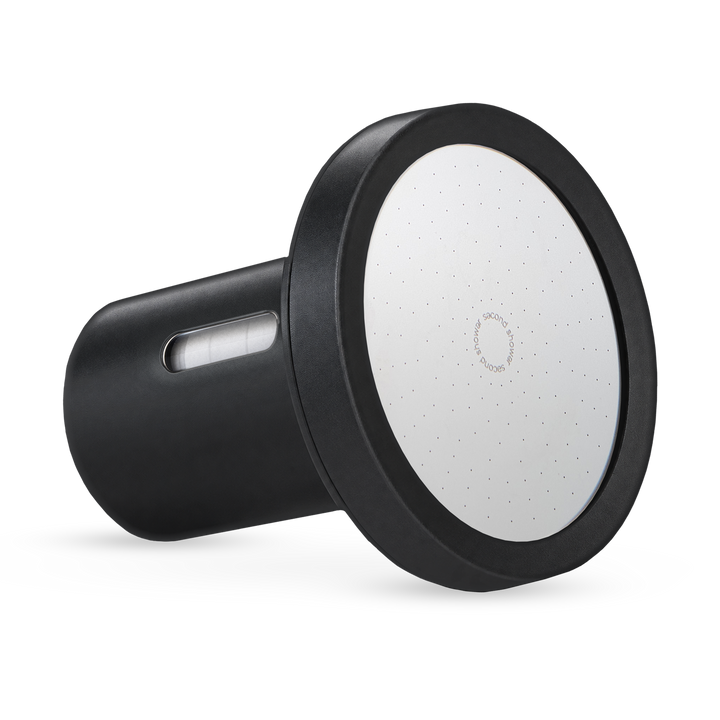
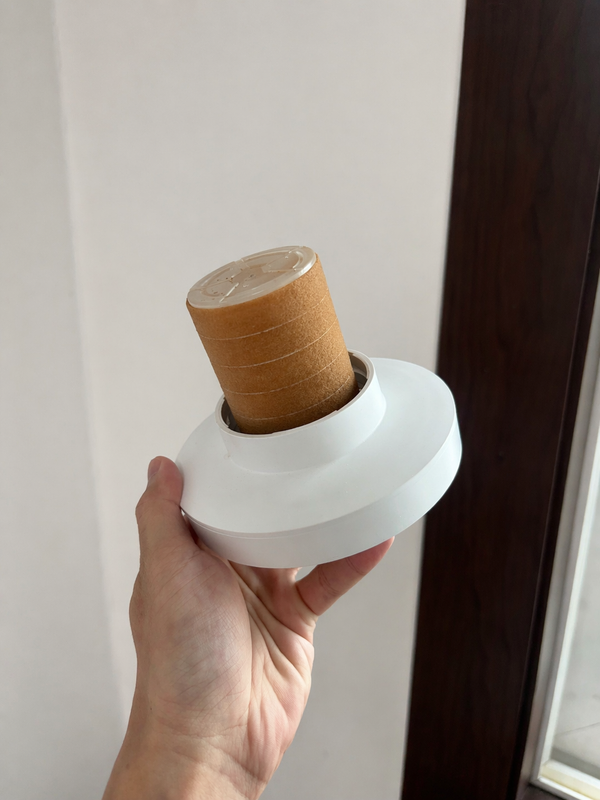
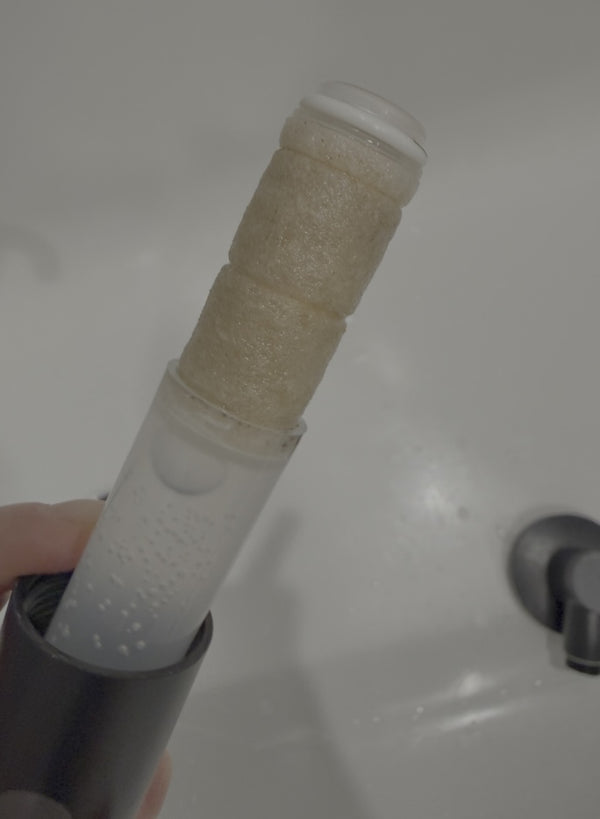
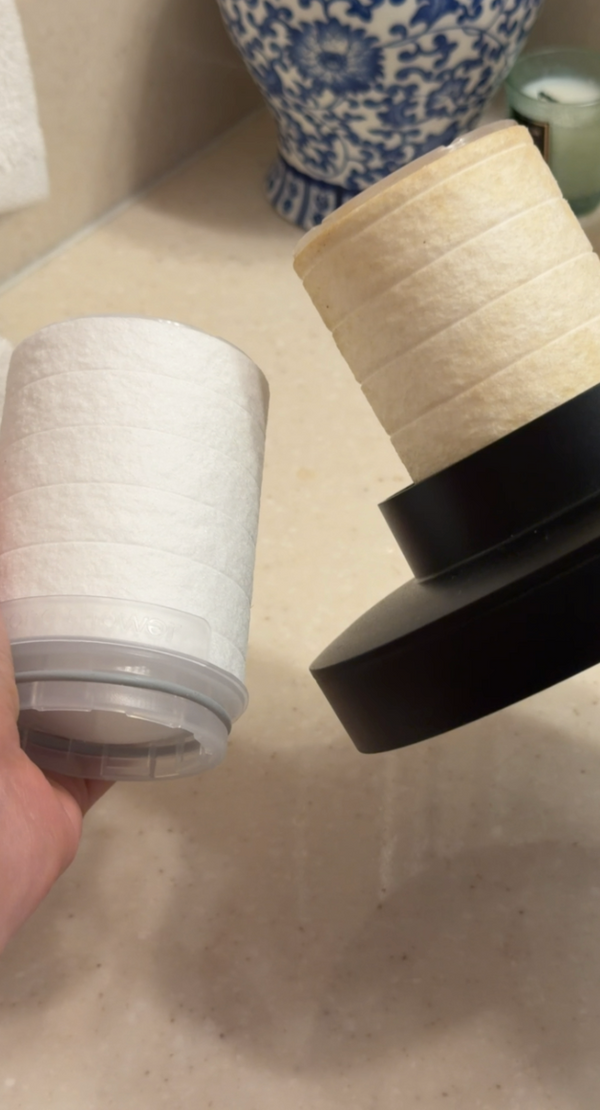
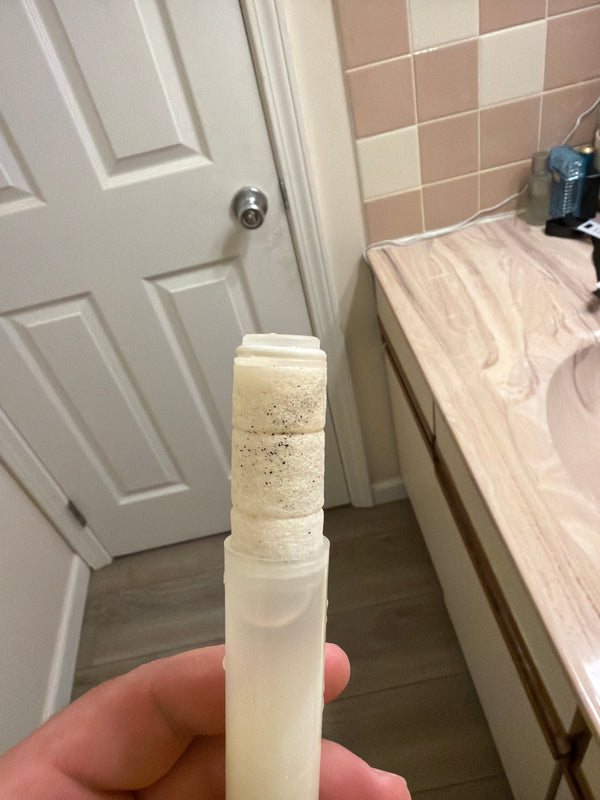
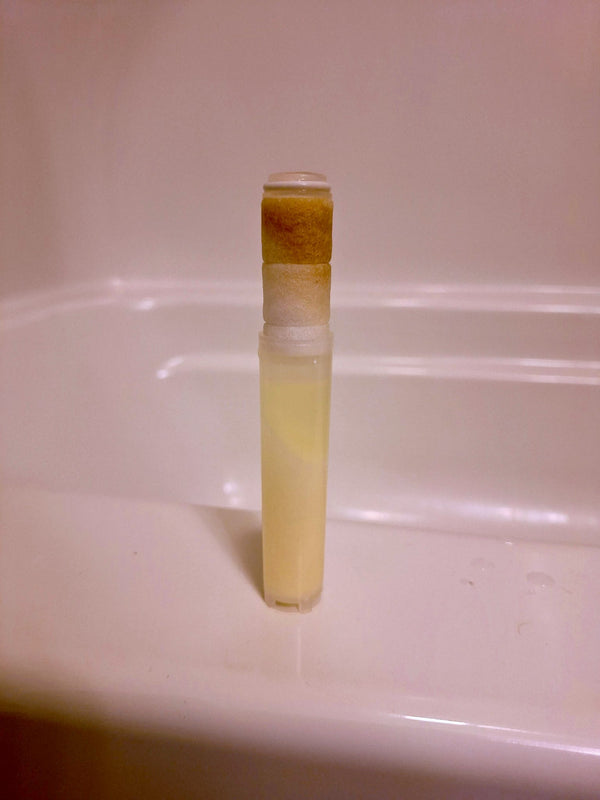
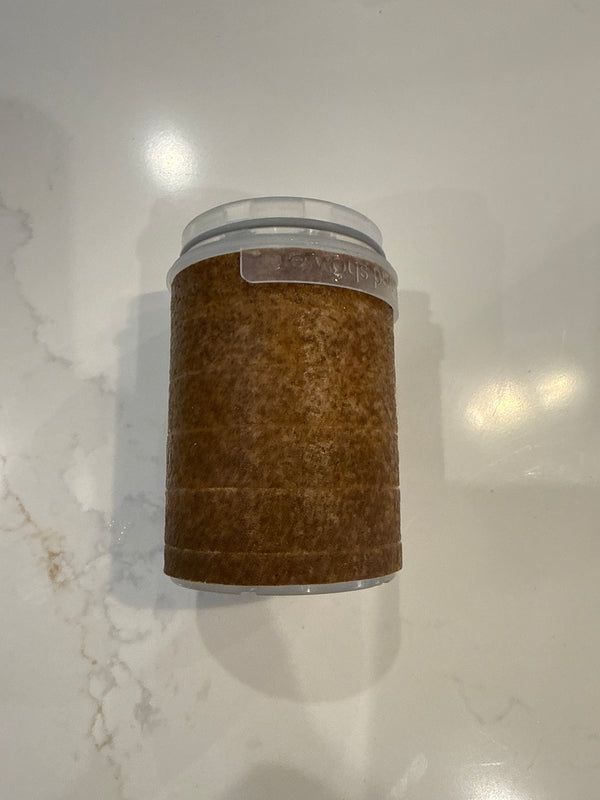
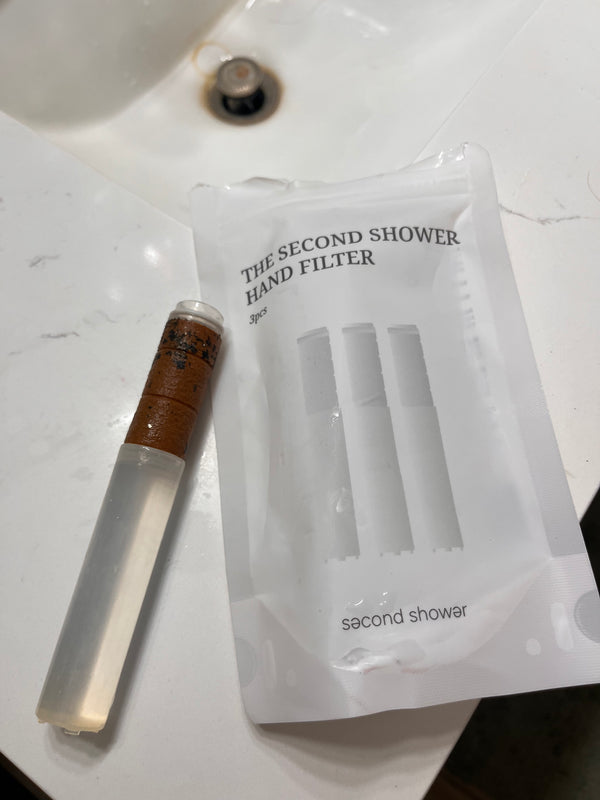
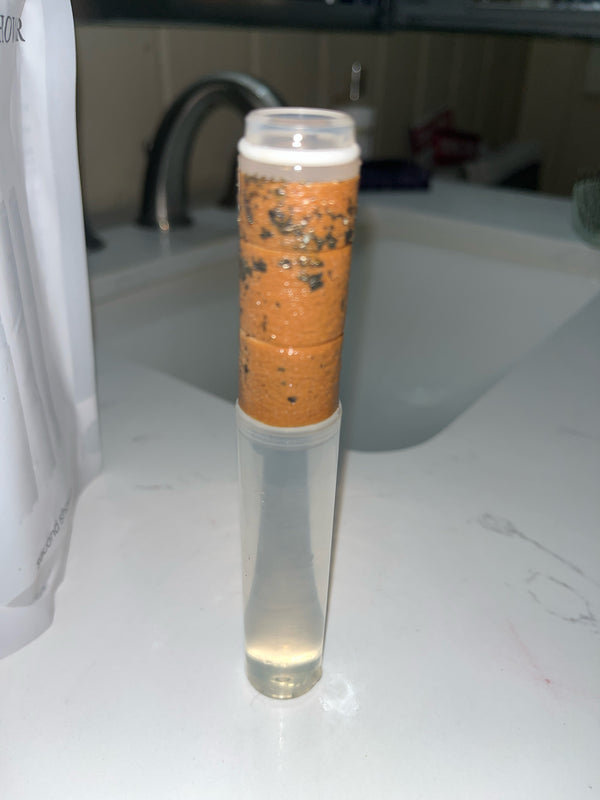
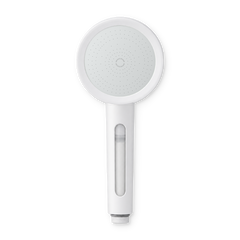
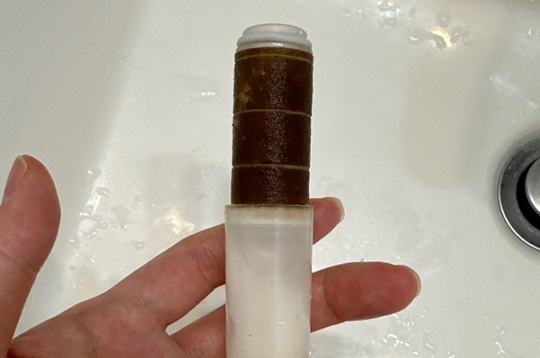
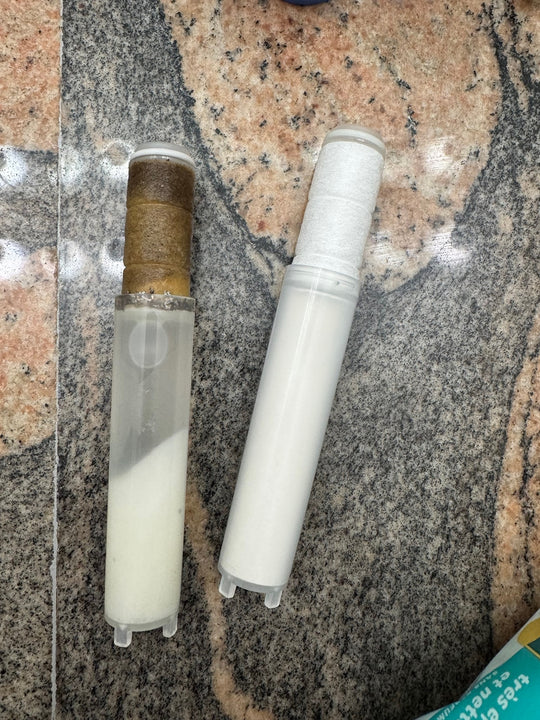
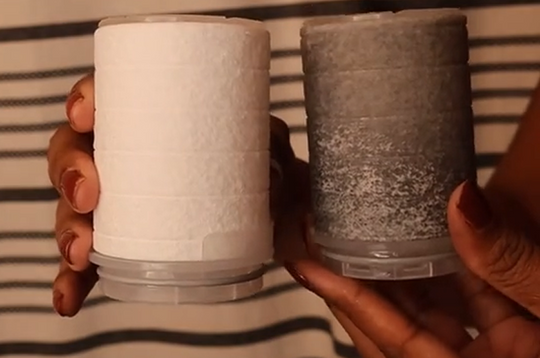
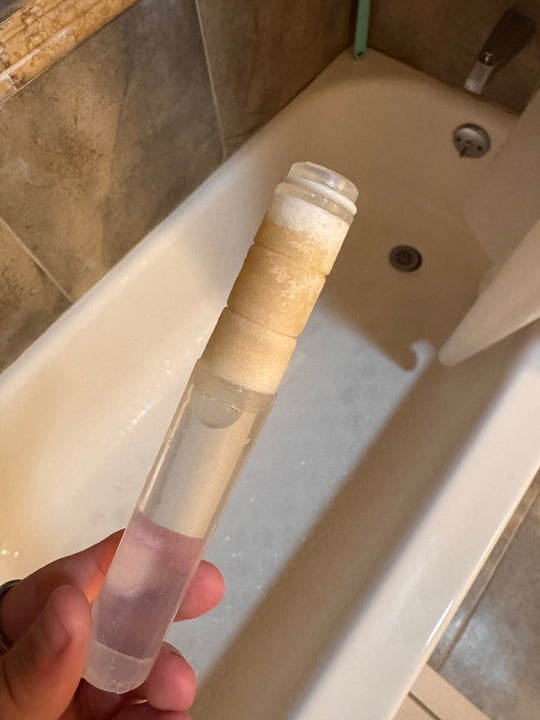
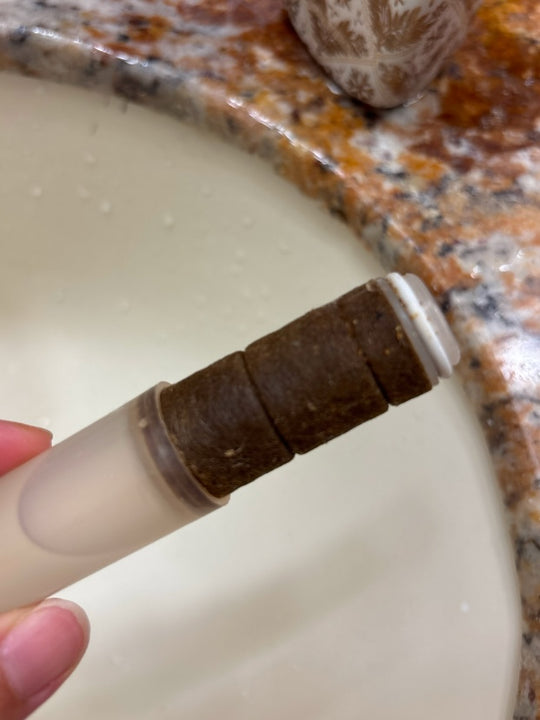
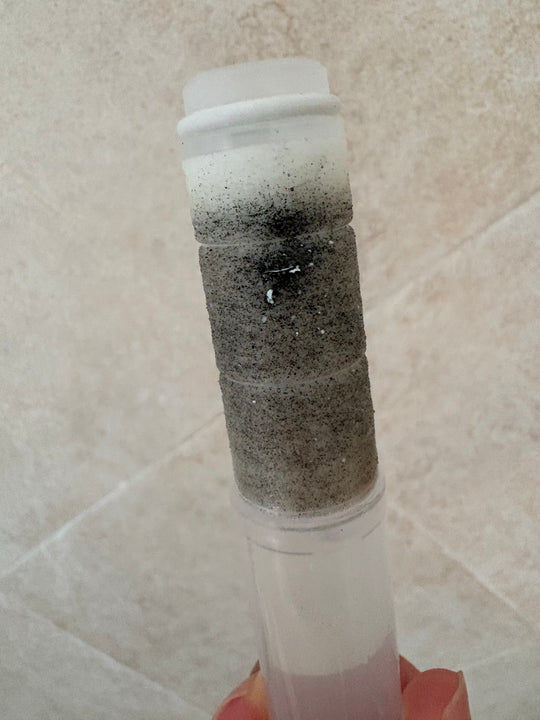
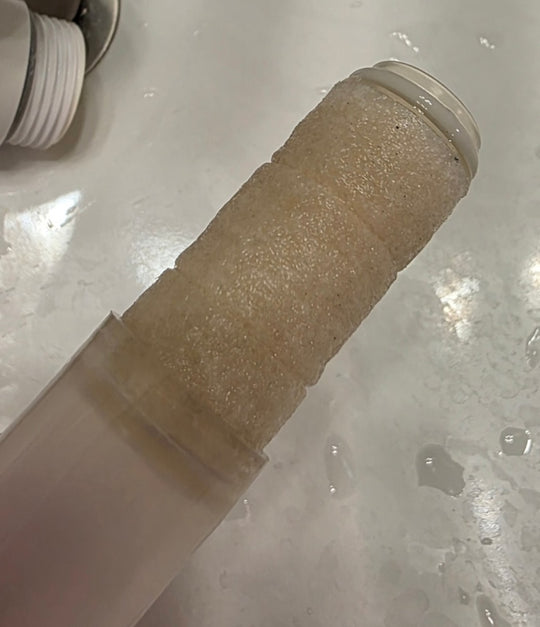
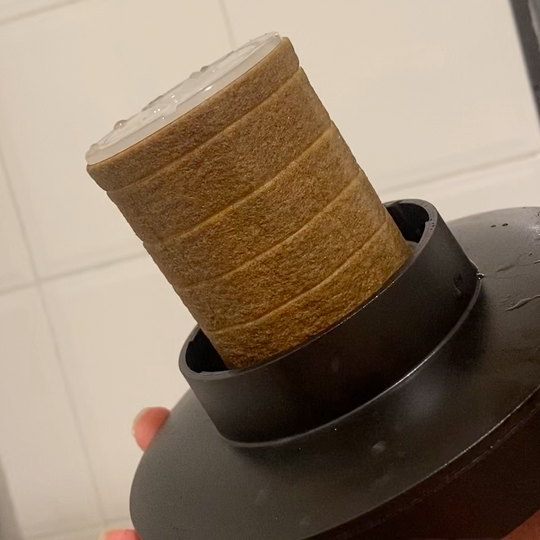
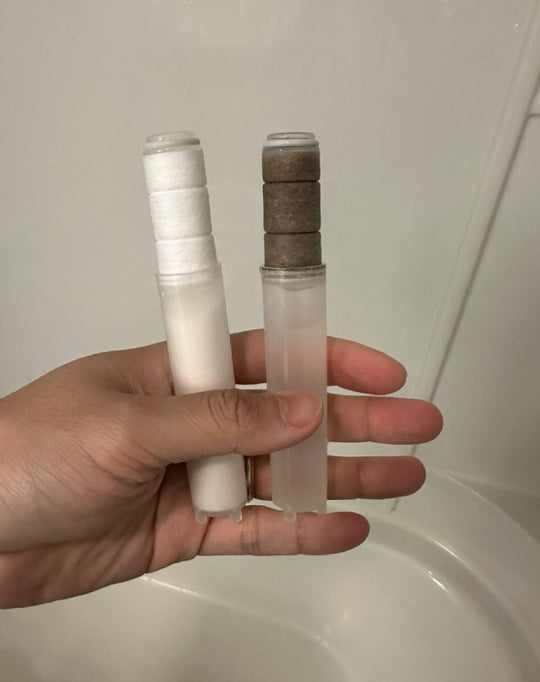
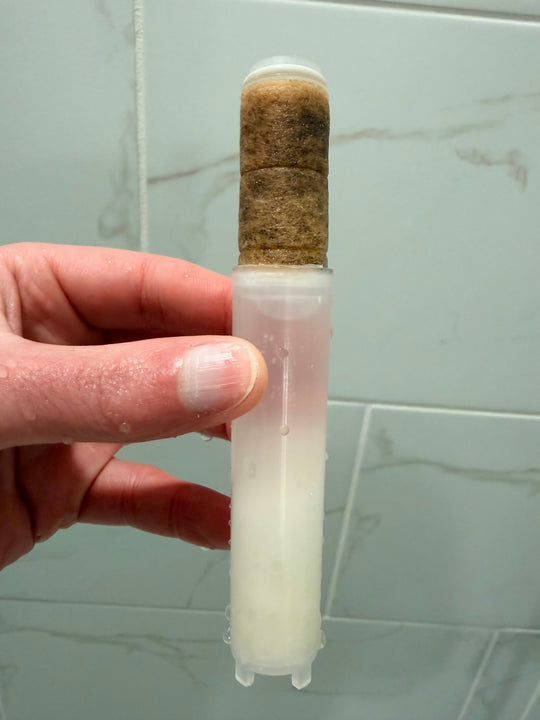
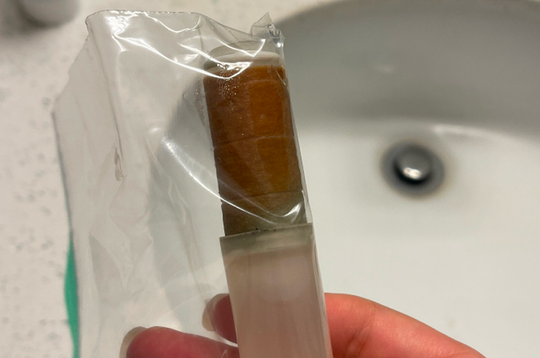
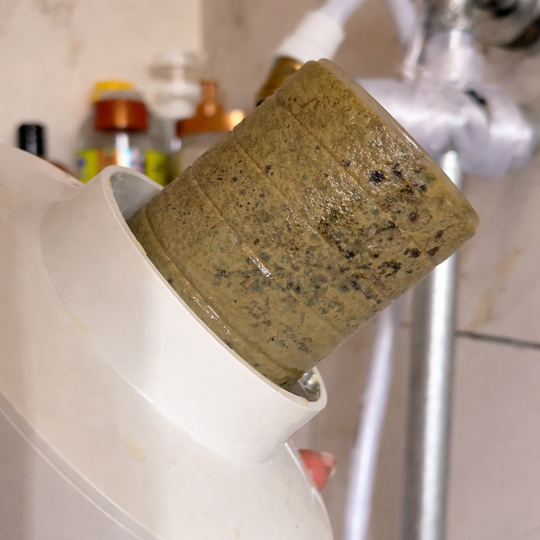
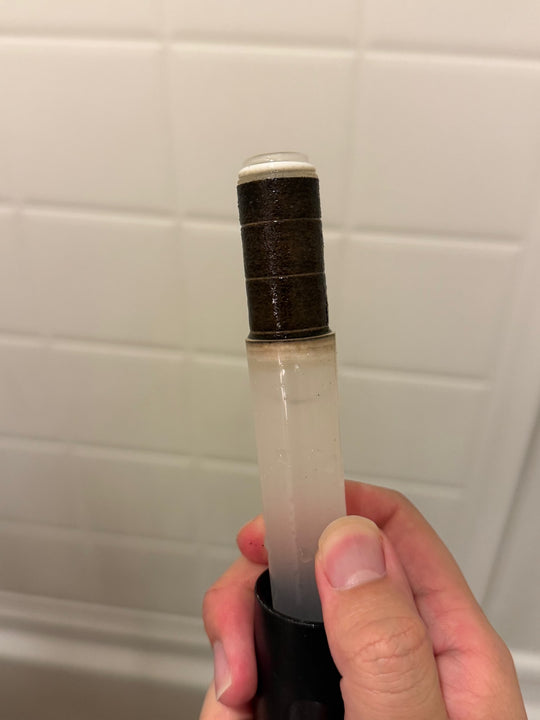
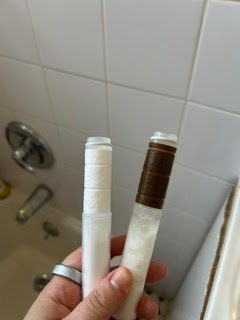
We use an NSF/ANSI 42 certified filter.* In independent lab testing, our filter removed 99.9% of chlorine and chloramine. The filter has two stages: a micron sediment pre-filter, then a Vitamin C (ascorbic acid) core that reacts with the disinfectant. The Second Showerhead costs $99, or $79 with a filter subscription. One filter is included, and we recommend a new one every 60 days. In our own testing, the 99.9% held through days 1 to 60.
What a shower filter will not do: it will not fix a rotten-egg smell from your water heater, a smelly drain or rusty pipes. It does not filter your kitchen drinking water, and it does not soften water. It also cannot tell you what your utility is doing. Only the utility can.
*Micron PP sediment filter certified by NSF/ANSI 42 standards.
FAQ
My water smells like chlorine. Is it safe to shower?
Your water utility is the authority on that, and it is required to tell customers when they need to change how they use their water. If it is running a planned disinfectant change, its notice will say whether you need to do anything. When in doubt, call the number on your water bill.
How long does a temporary chlorine switch last?
It depends on the utility. Each one sets its own schedule and usually posts the start and end dates on its website. If the smell lasts well past the end date, call the utility and also check your home plumbing.
Can I make the smell less noticeable without a filter?
Yes, a little. Run the exhaust fan, leave the door open a crack and use slightly cooler water, since steam carries the smell. None of that changes what is in the water, though.
My shower filter only says it removes chlorine. Does it handle chloramine?
Not necessarily. Chloramine is a different chemical from chlorine, so look for a filter that names chloramine and backs that claim with a test result. Check your Consumer Confidence Report to see which disinfectant your utility uses.
Can a TDS meter tell me how much chlorine is in my water?
No. A TDS meter measures dissolved solids in general and cannot detect chlorine. Use a DPD test kit for chlorine.