Yes. Tampa's 2025 Water Quality Report lists average total hardness at 211 mg/L, or 12.3 grains per gallon. That is very hard on the USGS scale. [1][3] In the shower, hard water can make soap and shampoo lather less and leave a film. Minerals can also leave scale on glass and fixtures. [3] Tampa primarily uses chloramine to disinfect its water, then switches temporarily to free chlorine several times a year. [2] A water softener lowers hardness; a shower filter addresses chlorine and chloramine. They solve different problems.
- Tampa's 2025 average: 211 mg/L, or 12.3 grains per gallon.
- The city temporarily switches from chloramine to free chlorine.
- A shower filter does not soften water.
How hard is Tampa's water?
The City of Tampa Water Department reports an average total hardness of 211 mg/L in its finished water in 2025. The same figure is 12.3 grains per gallon, another way to express hardness. Both numbers describe the city's reported average, so they are a starting point for understanding your water rather than a measurement taken at your shower. [1]
The US Geological Survey classifies water above 180 mg/L as very hard. Tampa's reported average sits above that threshold. Hardness comes from calcium and magnesium, so this number tells you about minerals in the water, not how much chlorine or chloramine it contains. [1][3]
The USGS scale also gives context for the word hard. Water from 121 to 180 mg/L falls in the hard category; water above 180 mg/L is very hard. Tampa's average of 211 mg/L falls in that highest category on the scale. The city's report expresses the same average as 12.3 grains per gallon, but the categories in the table below use mg/L. [1][3]
The report also lists an average pH of 7.88. pH and hardness describe different properties of water: the pH number is not a substitute for the hardness measurement. If you want to compare Tampa's result with the hardness categories, use the 211 mg/L figure. [1][3]
| USGS category | Hardness |
|---|---|
| Soft | 0 to 60 mg/L |
| Moderately hard | 61 to 120 mg/L |
| Hard | 121 to 180 mg/L |
| Very hard | More than 180 mg/L |
What does hard water mean for your shower?
In everyday terms, hard water can make soap and shampoo lather less easily and leave a residue or film. Minerals can also leave scale or deposits on shower glass, fixtures and showerheads. These are the shower effects to look for when thinking about hardness. [3]
A deposit on a fixture and a chlorine smell point you toward different questions. Hardness concerns calcium and magnesium in the water; chlorine and chloramine are disinfectants. Tampa reports a hardness number and describes a separate disinfectant routine, so it helps to consider each one on its own. [1][2][3]
The city's average gives you context for the water supply, while the signs around your shower give you something to look at at home. Neither a film nor a deposit tells you your shower's exact hardness in mg/L. For more on recognizing the signs, read our guide to telling whether you have hard water. [1][3]
If your goal is to lower the calcium and magnesium responsible for hardness, the relevant option is an ion exchange water softener. A shower filter has a different job: it addresses disinfectants. Knowing that distinction can save you from choosing a filter and expecting it to solve the scale on your glass. [3]
Why does Tampa water sometimes smell more like chlorine?
Tampa primarily uses chloramine to disinfect its water. Several times a year, usually in winter and summer, the city temporarily switches to free chlorine for three weeks. The city says some people notice a stronger chlorine taste or smell during the switch. [2]
The city says the water remains safe to drink during this maintenance and that boiling is not needed. Its maintenance page does not list fixed dates, so check the City of Tampa's water system maintenance page for information about the switch. [2]
The change makes more sense in the context of how Tampa treats water. The department first uses screens and settling, followed by ozone disinfection and biologically activated carbon filtration. It also uses lime and caustic soda for pH and corrosion control. Then it adds chlorine, followed by ammonia to create chloramine. The purpose of the chloramine is to keep the water disinfected as it travels through the pipes. [1]
That sequence distinguishes Tampa's primary disinfectant routine from its temporary maintenance switch. The department normally creates chloramine by adding ammonia after chlorine. During the temporary periods described by the city, it switches to free chlorine instead. Those periods last three weeks and happen several times a year, usually in winter and summer, rather than on fixed dates listed on the maintenance page. [1][2]
The 2025 report lists a highest running annual average disinfectant residual of 3.6 ppm and a range of 0.4 to 5.3 ppm. The result was within the legal limit, which is 4.0 ppm as a running annual average. The range and the running annual average are different measures, so an individual value in the range should not be compared directly with that annual limit. [1]
A stronger smell during a free chlorine period is about the disinfectant change. It does not tell you that the water has become harder: hardness refers to calcium and magnesium, while the switch concerns how the water is disinfected. The city says the water stays safe to drink during the switch. [2][3]
The takeaway: Check the city's maintenance page when you notice a change in chlorine smell. [2]
Does this number apply to your address?
The City of Tampa Water Department serves the City of Tampa and parts of unincorporated Hillsborough County. The 211 mg/L figure is the department's average for its finished water in 2025. Start by checking the utility name on your water bill before applying that number to your home. [1]
Tampa's primary source is the Hillsborough River. In 2025, the department also used 980 million gallons of treated water stored in aquifer recovery wells and bought 2.7 percent of its water from Tampa Bay Water. Those details describe the department's supply, rather than the water at every individual address. [1]
The year and the provider both matter when reading the figure. The reported 211 mg/L is an average for Tampa's finished water in 2025, not a separate result for each neighborhood or a measurement from your own shower. If Tampa is your provider, the report is the relevant starting point for the city's average. [1]
Nearby places such as St. Petersburg and Clearwater, and the rest of Hillsborough County, have their own utilities and reports. If your bill names a different provider, look for that provider's water quality report rather than assuming Tampa's average applies. A nearby address alone does not establish which utility serves it.
You can also check a ZIP code on our Your Water page. Looking elsewhere in Florida? Our Miami water guide covers that city separately.
Do you need a water softener, a shower filter, or both?
Choose based on the problem you want to solve. An ion exchange water softener lowers hardness by addressing calcium and magnesium. It is a whole home option. If the mineral hardness behind scale and deposits is your concern, a softener addresses that part of the question. [3]
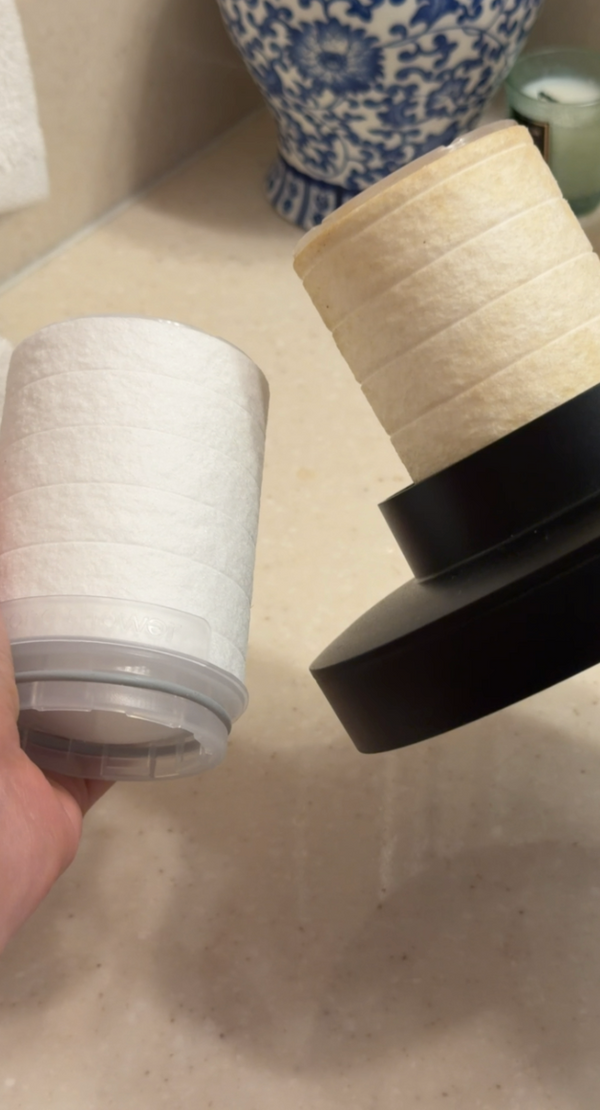
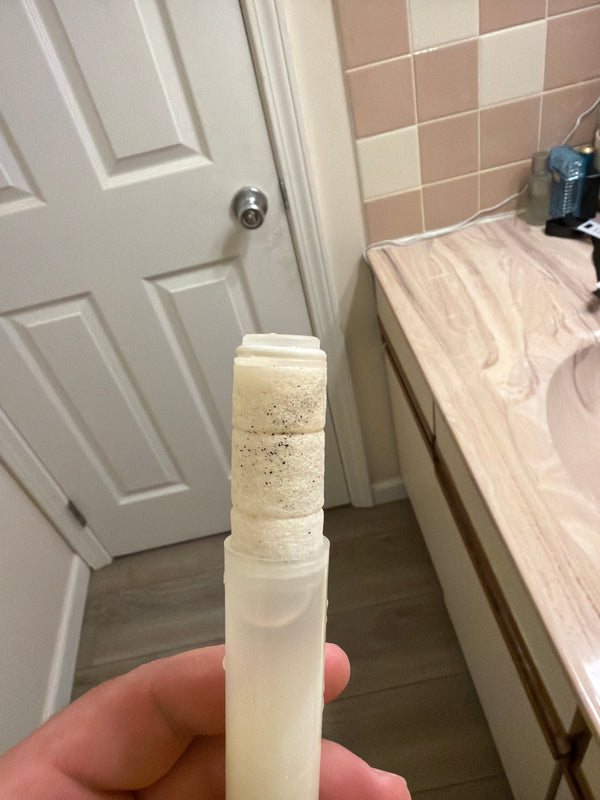
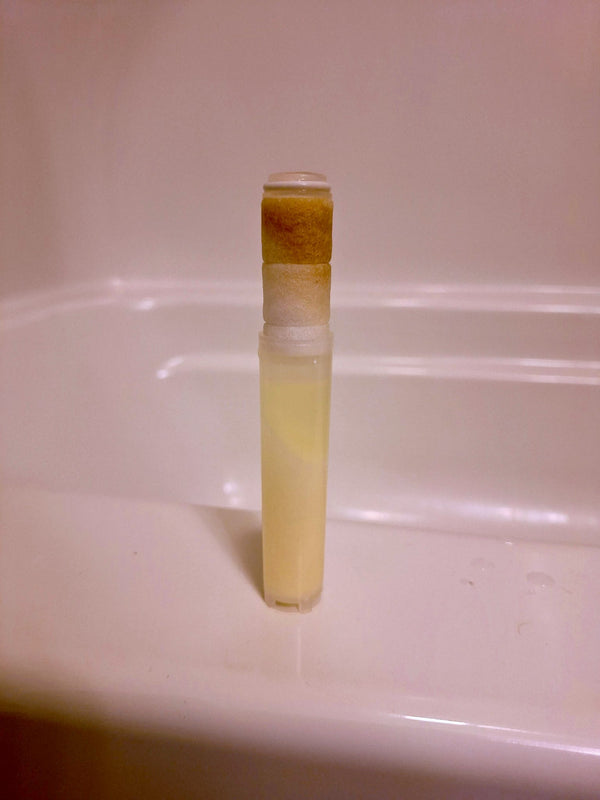
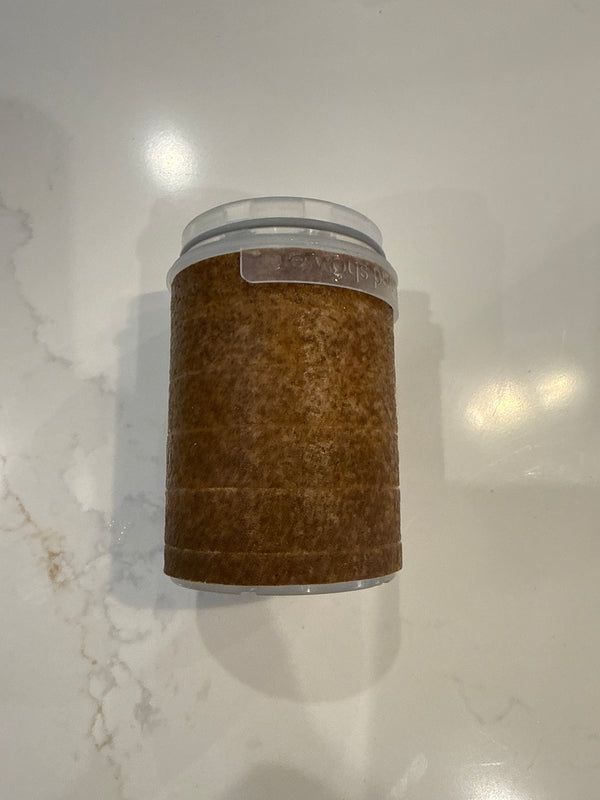
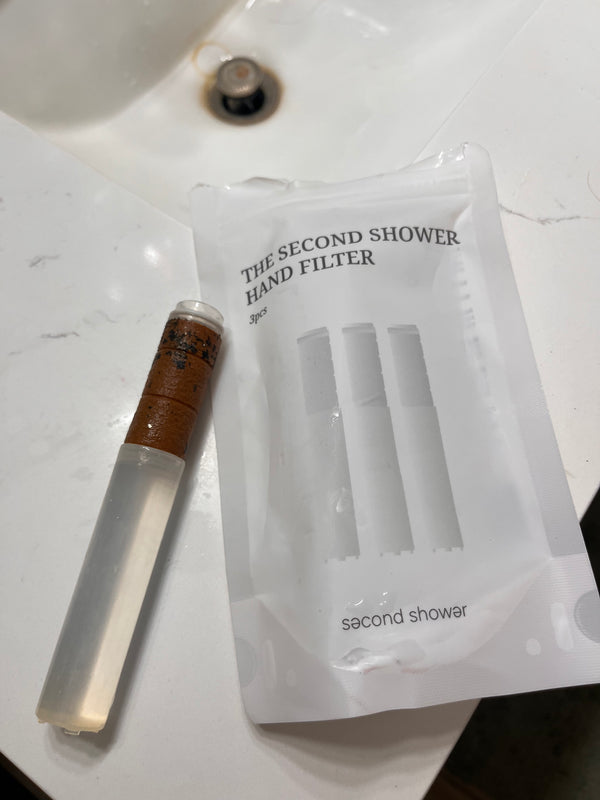
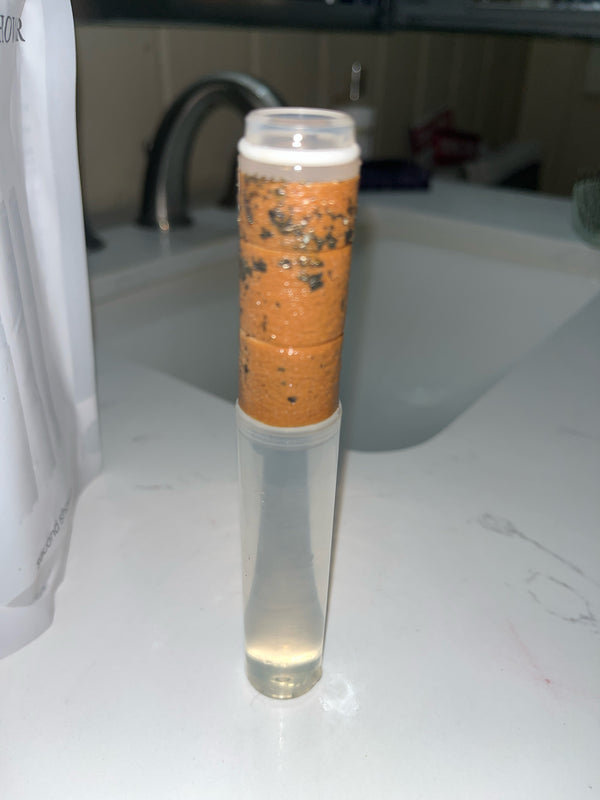
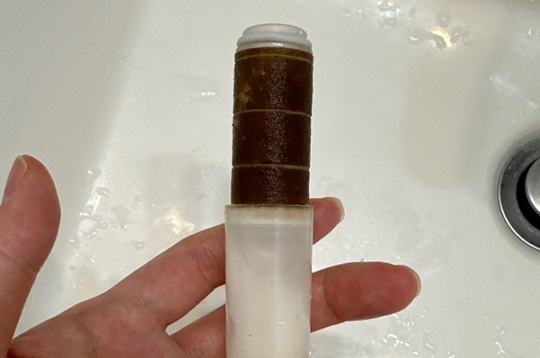
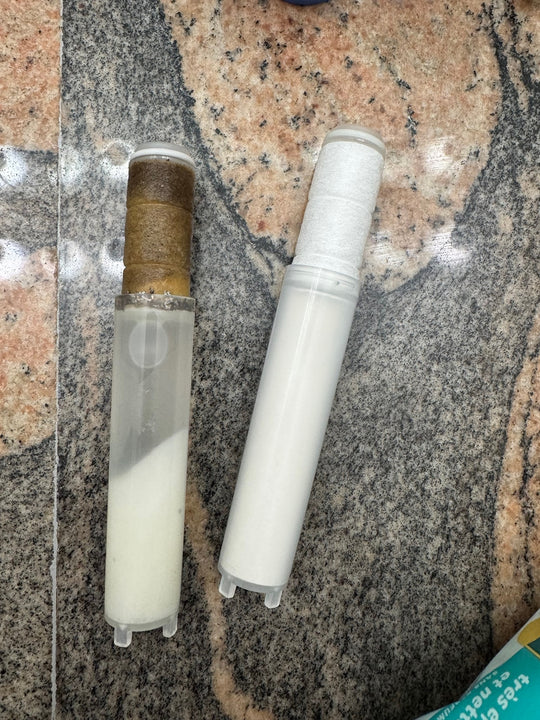
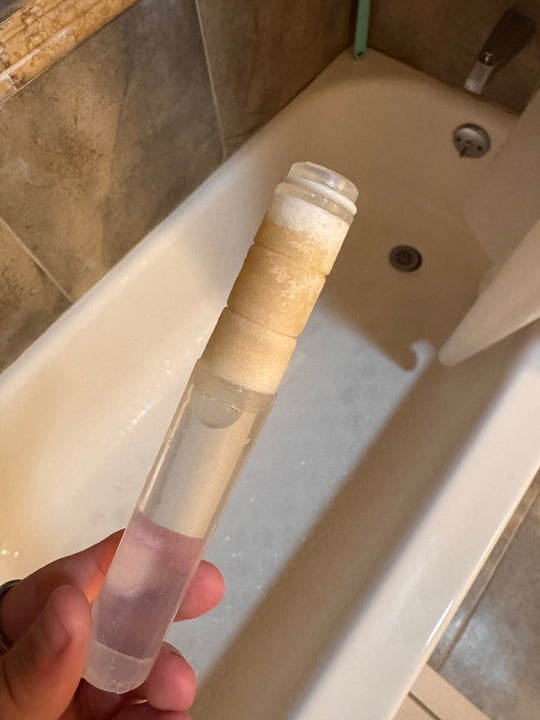
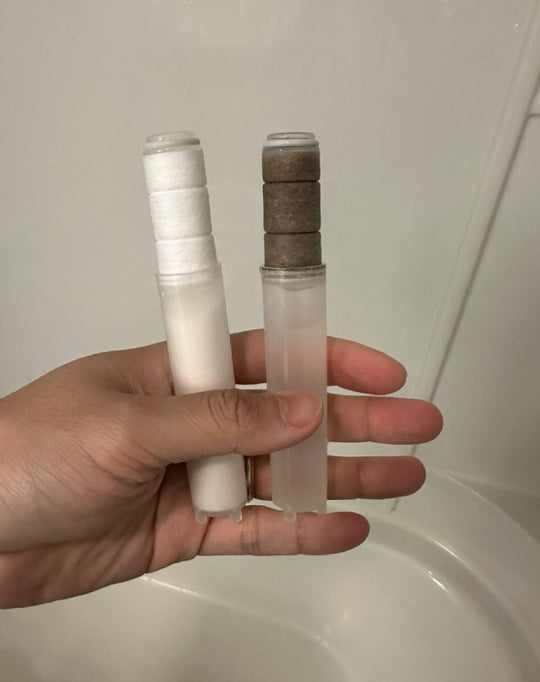
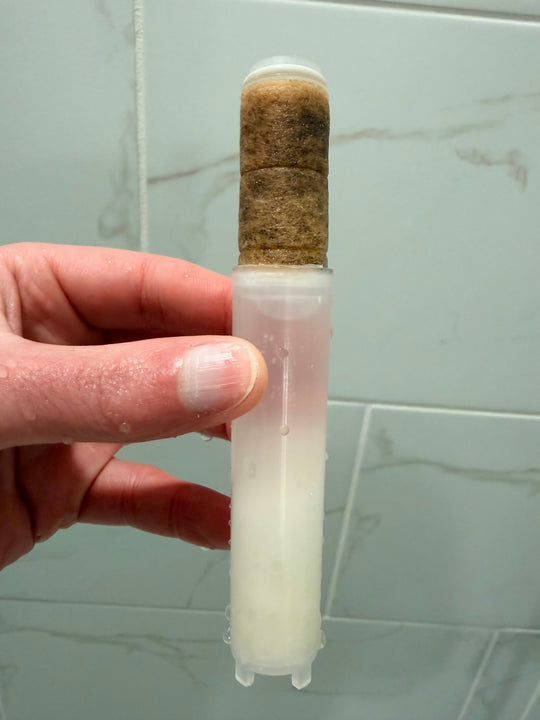
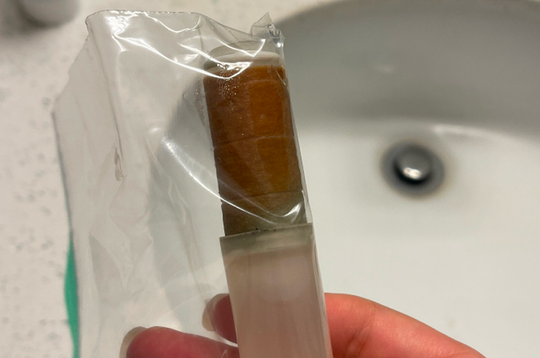
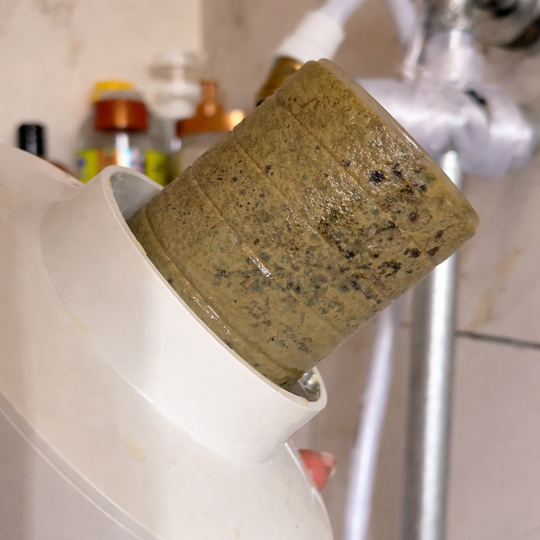
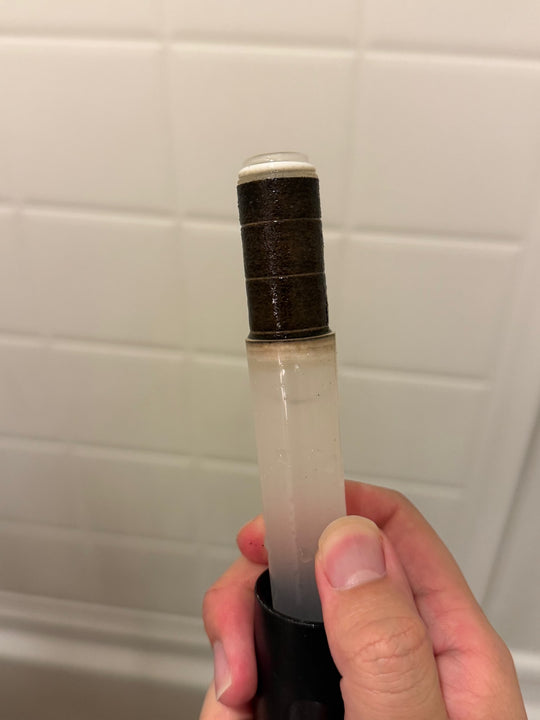
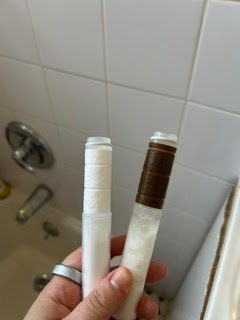
A shower filter addresses chlorine and chloramine, including during Tampa's free chlorine weeks. It is a shower change you can install without tools. A shower filter does not soften water or remove calcium or magnesium. That distinction matters because Tampa's mineral hardness and its disinfectant routine are separate facts about the water.
You may want both if you want to lower hardness throughout the home and address disinfectant at the shower. If you choose a shower filter alone, it can address the disinfectant side, while the hardness remains. If your goal is solely to lower hardness, the softener is the option that addresses that goal.
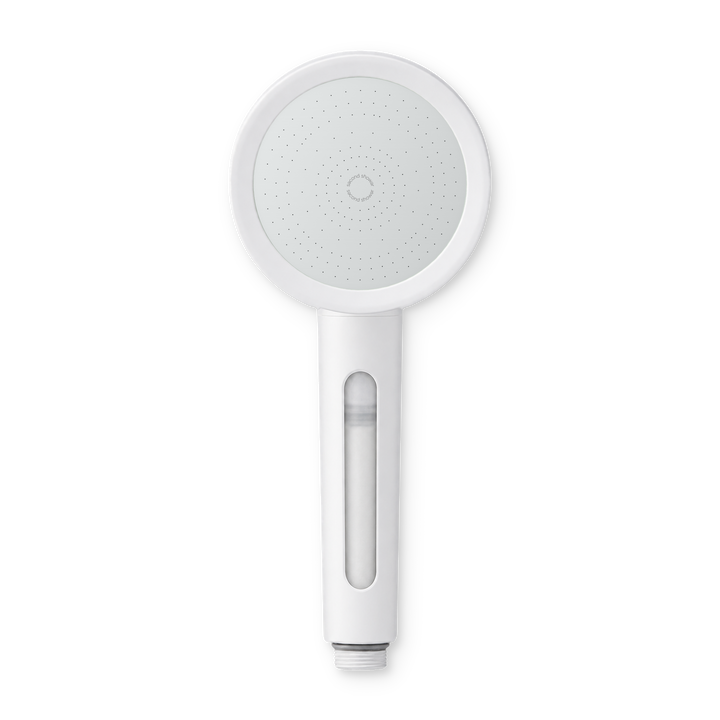
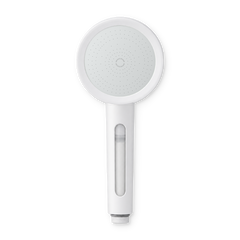
For a handheld option, The Second Showerhand is $89, or $69 with a filter subscription. For a fixed arm, The Second Showerhead is $99, or $79 with a filter subscription. One filter included with each. Neither will soften Tampa's water.
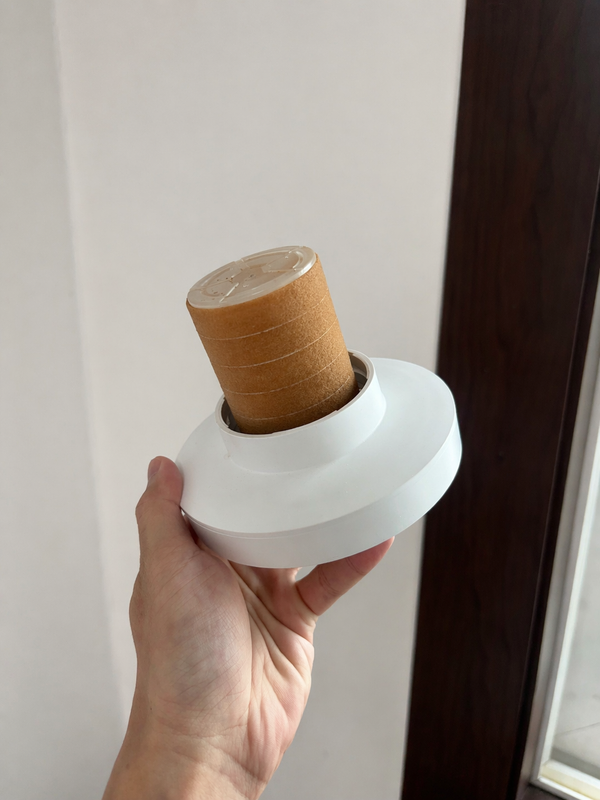
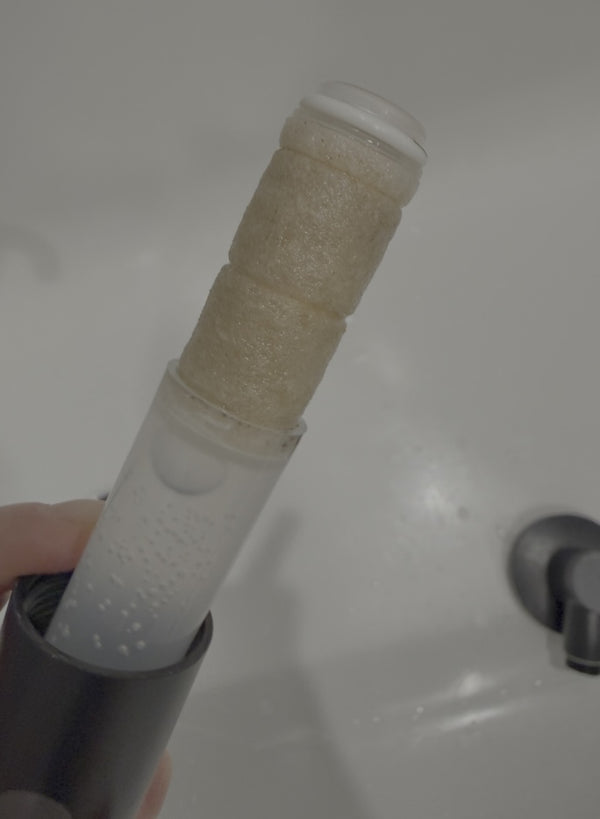
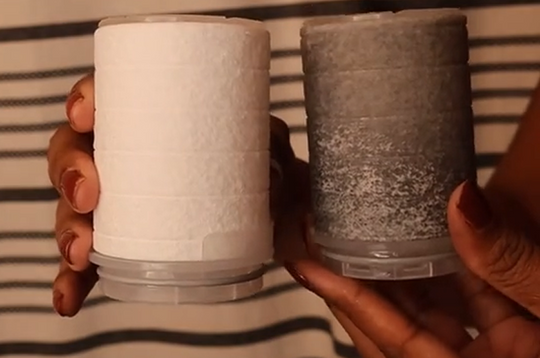
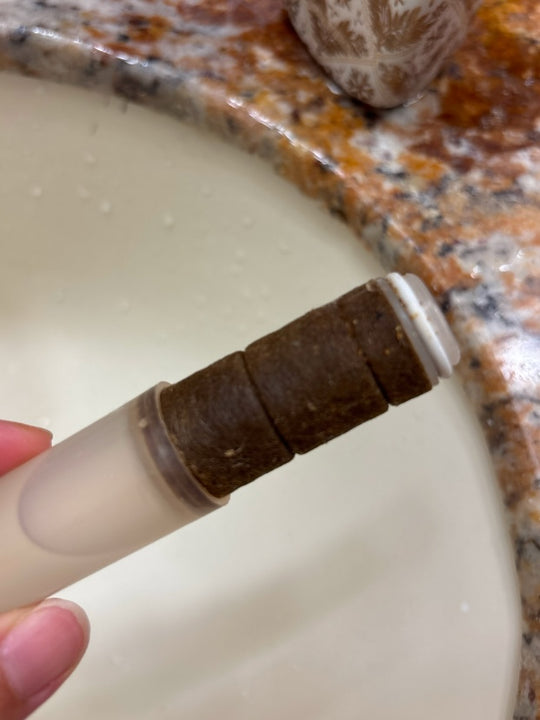
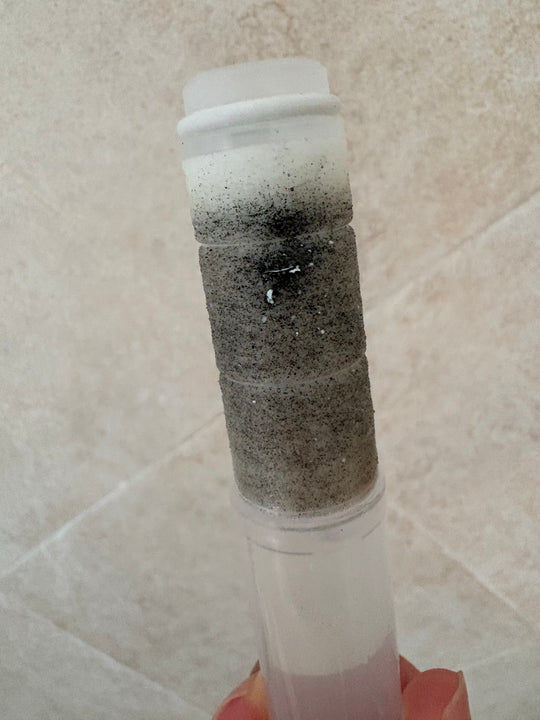
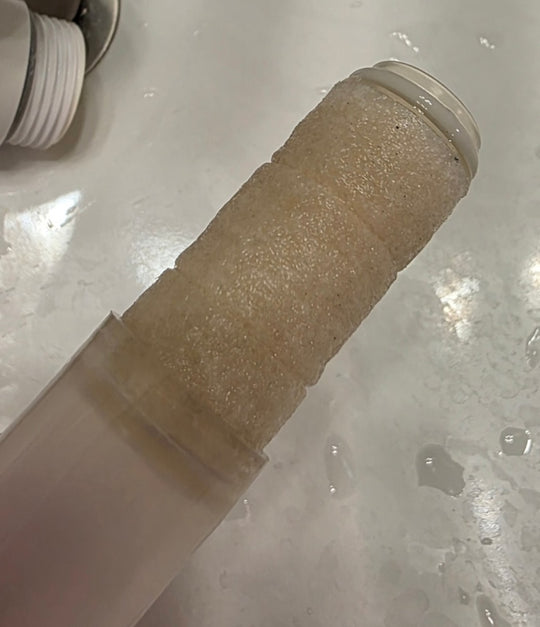
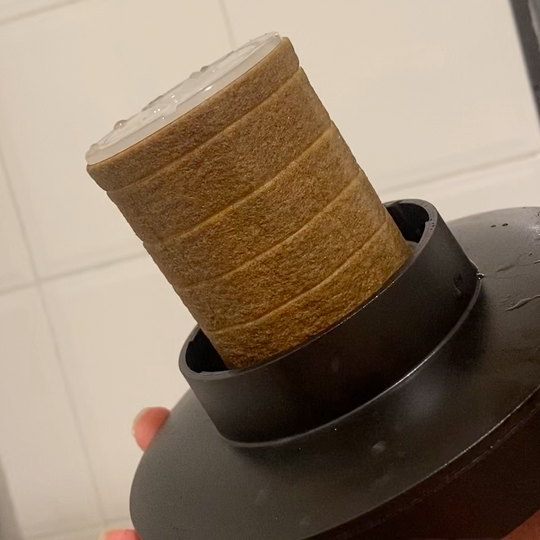
The Vitamin C core removes 99.9% of chlorine and chloramine in independent lab testing. We use an NSF/ANSI 42* certified filter that catches particles.
*Micron PP sediment filter certified by NSF/ANSI 42 standards.
FAQ
Is Tampa water hard or soft?
Does Tampa use chlorine or chloramine?
Tampa primarily uses chloramine, but switches to free chlorine for three weeks several times a year, usually in winter and summer. The city says some people notice a stronger chlorine taste or smell during the switch. [2]
Does a shower filter remove hardness from Tampa water?
No. A shower filter addresses chlorine and chloramine, but it does not soften water or remove the calcium and magnesium responsible for hardness. An ion exchange water softener lowers hardness.
Why does Tampa add ammonia to its water?
The department adds ammonia after chlorine to create chloramine. Chloramine keeps the water disinfected as it travels through the pipes. [1]
How can I tell which water report applies to me?
Check the utility name on your water bill, then look for that provider's water quality report. Tampa's department serves the city and parts of unincorporated Hillsborough County, so a nearby address does not by itself establish which report applies. [1]