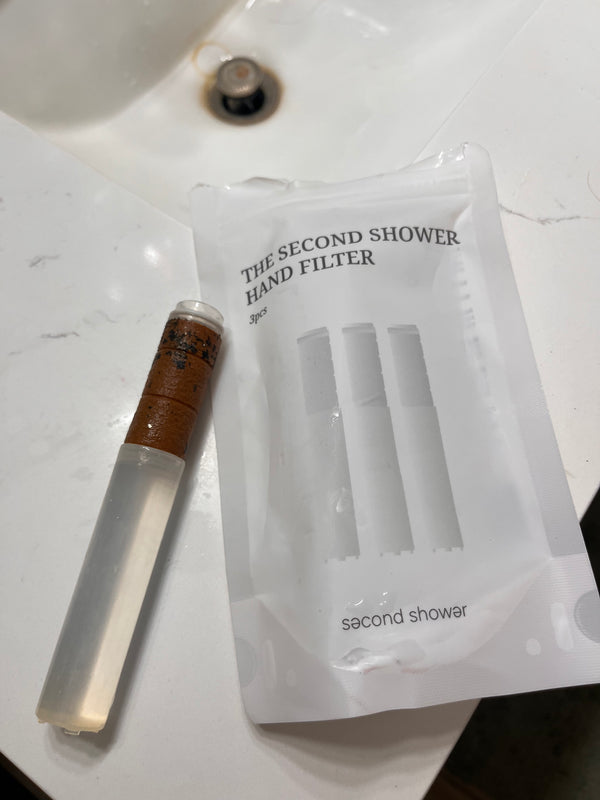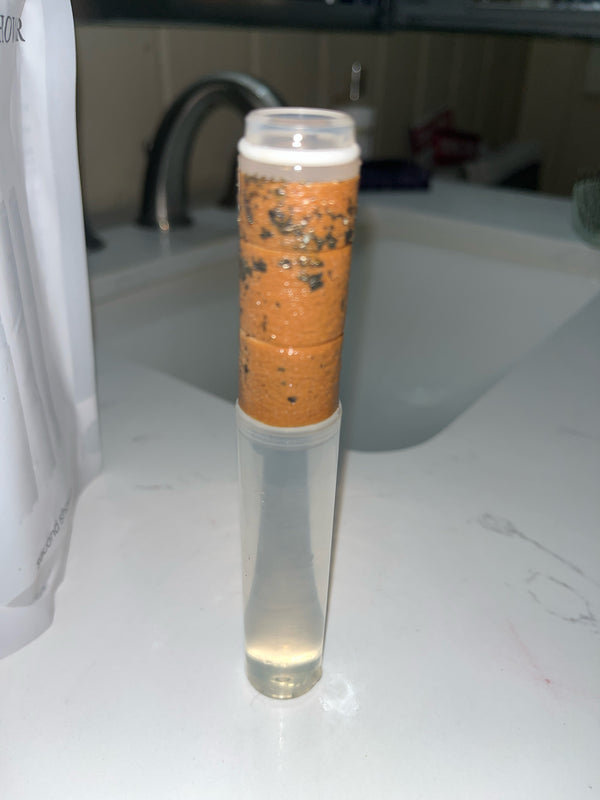
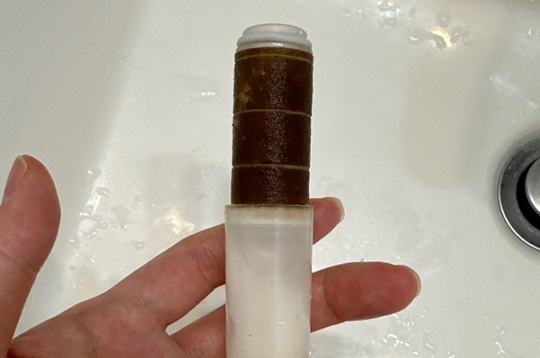
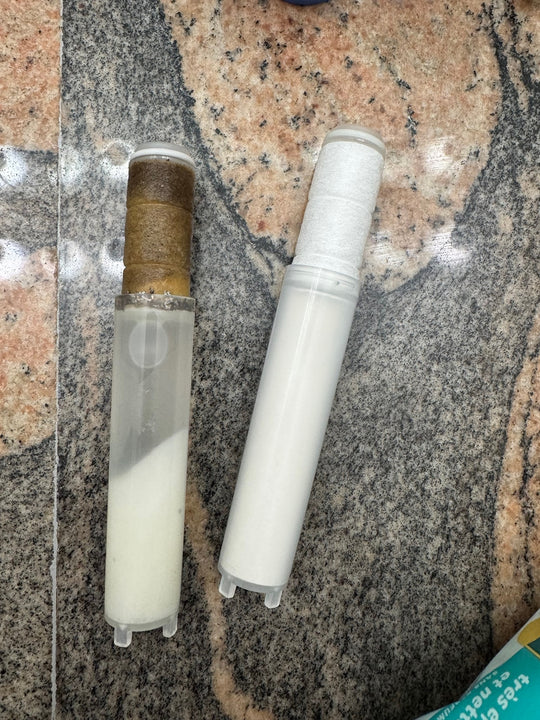
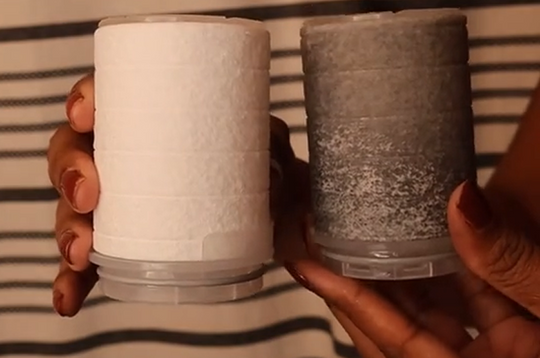
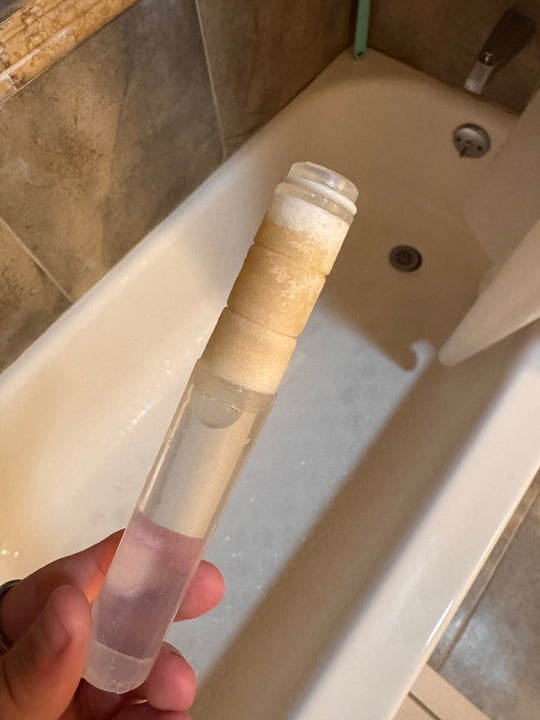
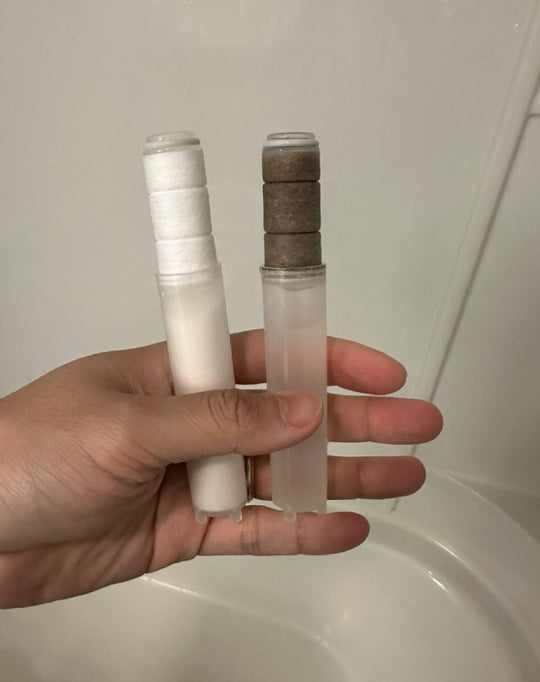
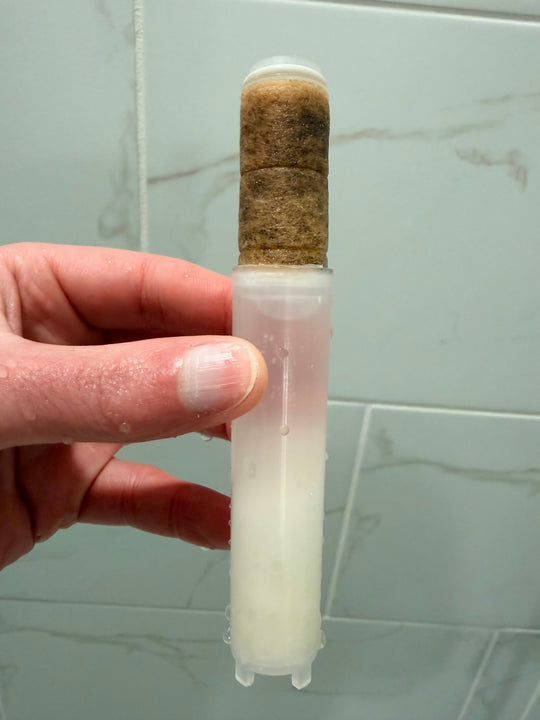
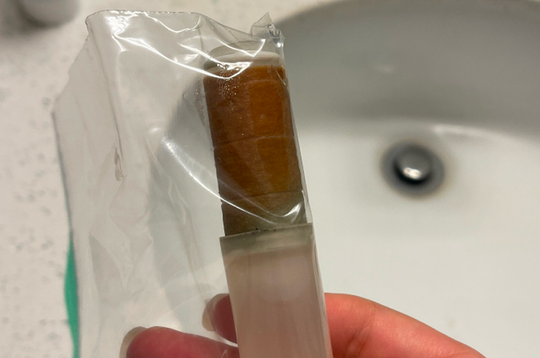
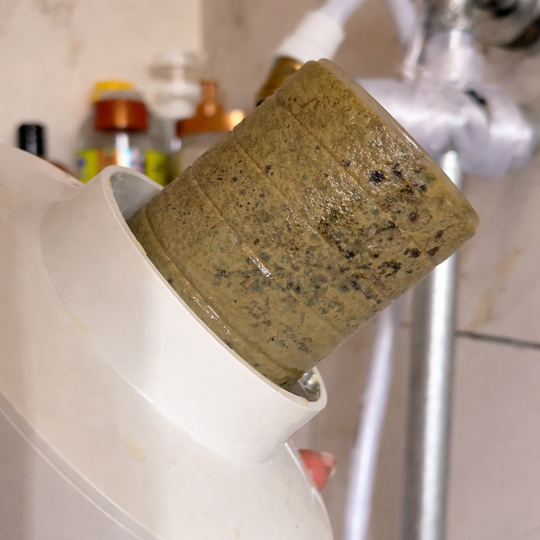
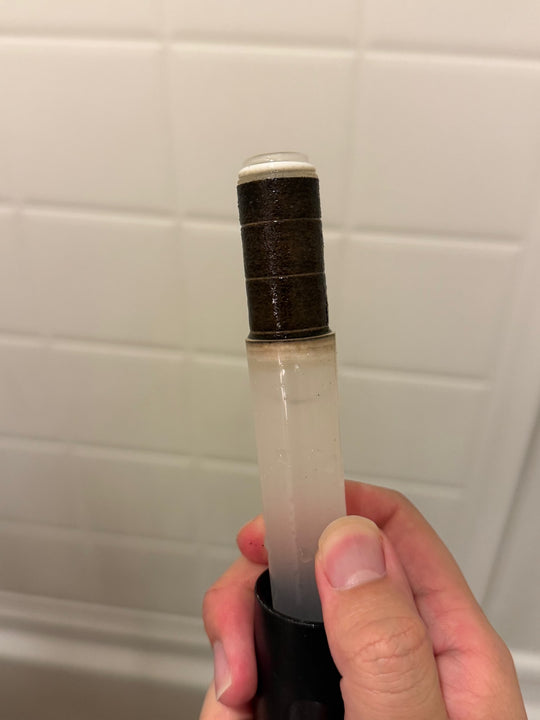
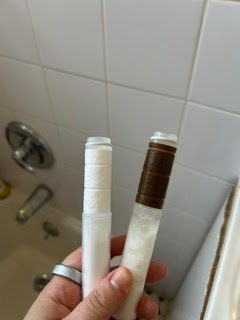
NYC water is soft, but soft water is not the same as chlorine-free water. The city adds chlorine to disinfect its supply, and some chlorine reaches your shower. Chlorine may contribute to a dry or tight skin feel. Apartment plumbing can add another visible issue: older pipes and risers can shed rust and sediment, which may make a filter turn brown quickly. That color is not a chlorine test. A renter-friendly shower filter can address chlorine and catch particles, but it does not soften water.
- NYC water is already soft.
- Chlorine reaches your shower through the supply.
- Building plumbing can contribute rust and sediment.
- A brown filter does not measure chlorine.
If NYC water is soft, why can my shower feel drying?
Softness describes water's hardness, which comes from minerals including calcium and magnesium. NYC water is about 1 to 4 grains per gallon, so hardness is not the usual explanation for a dry skin feel after a shower. Soft water and disinfected water describe different things: one refers to mineral content, while the other concerns how the supply is treated. [2]
NYC DEP uses chlorine and UV to disinfect its water. Chlorine remains in the water as it travels through pipes, so it reaches your shower. It may contribute to a dry or tight skin feel, even when the water is soft. [1]
That does not mean chlorine is the only possible reason your skin feels dry, or that a shower filter will resolve every cause. It does mean that a soft-water reading alone does not answer every question about how a shower feels.
The takeaway: Soft water can still contain chlorine.
Does Brooklyn or Queens get different water?
Brooklyn and Queens are served by the same NYC DEP system. The city's water comes from the Catskill, Delaware and Croton watersheds. DEP treats and supplies that water across the city, but the plumbing it travels through inside one apartment building can differ from the plumbing in another. [1]
The utility is responsible for the water up to the building; the plumbing inside belongs to the building. That distinction matters if your shower has visible grit or discoloration. Older apartment pipes and risers can shed sediment and rust into the water on its way to your shower.
The two issues are easy to mix up. Chlorine is a disinfectant used in the city supply. Rust and sediment are particles that can come from building plumbing. Seeing particles does not tell you how much chlorine is present, and soft water can still carry those particles.
For a broader look at the city supply, read our NYC water guide. You can also check your ZIP code.
Why did my shower filter turn brown so quickly?
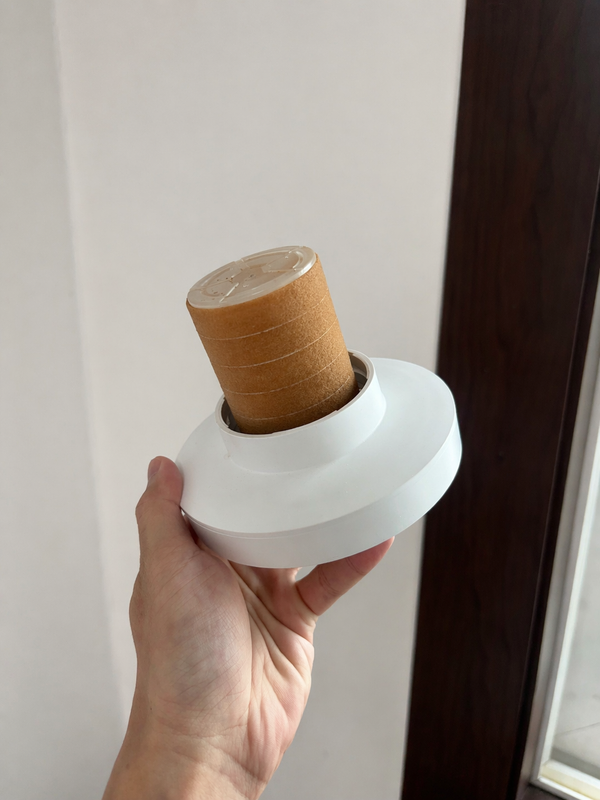
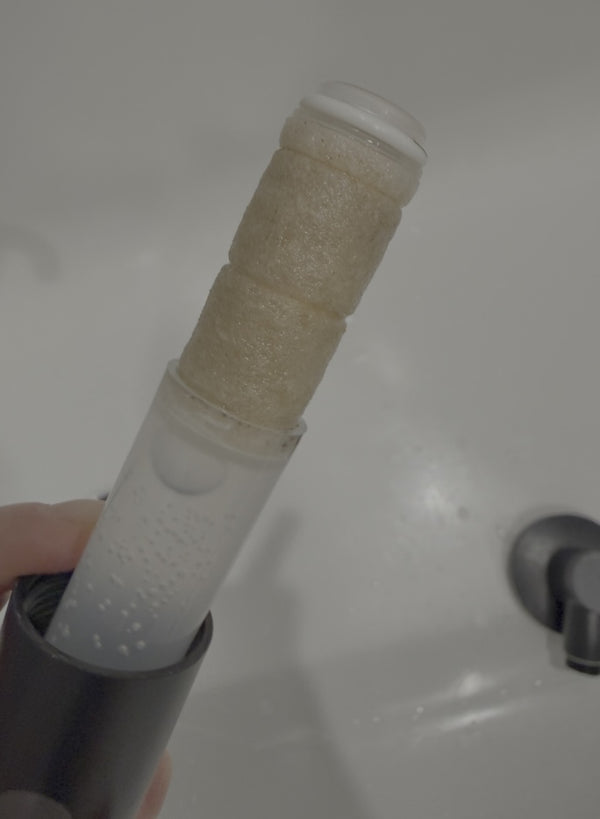
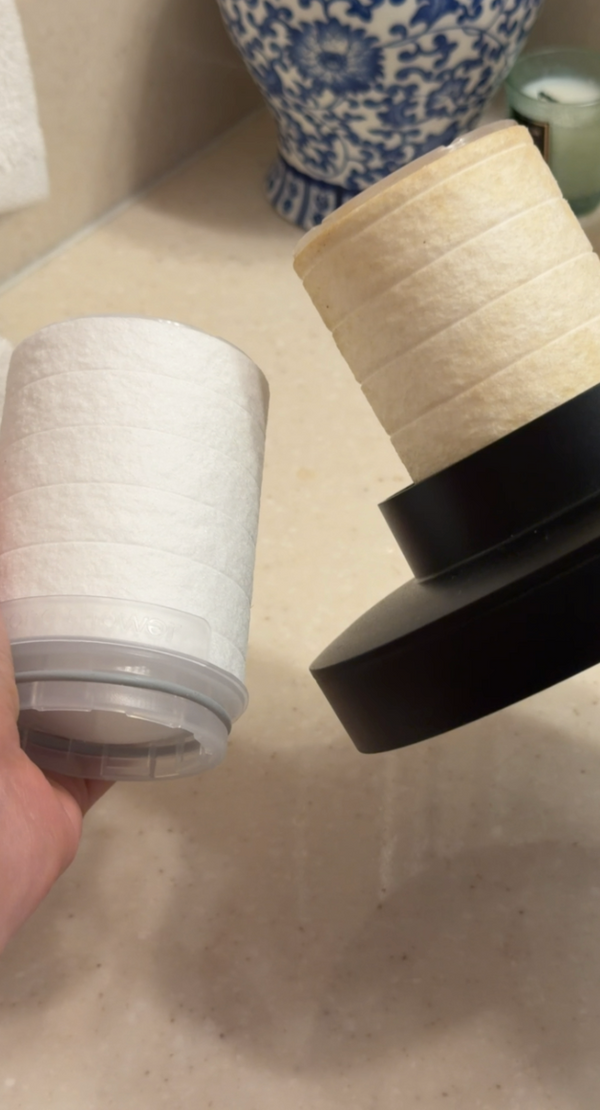
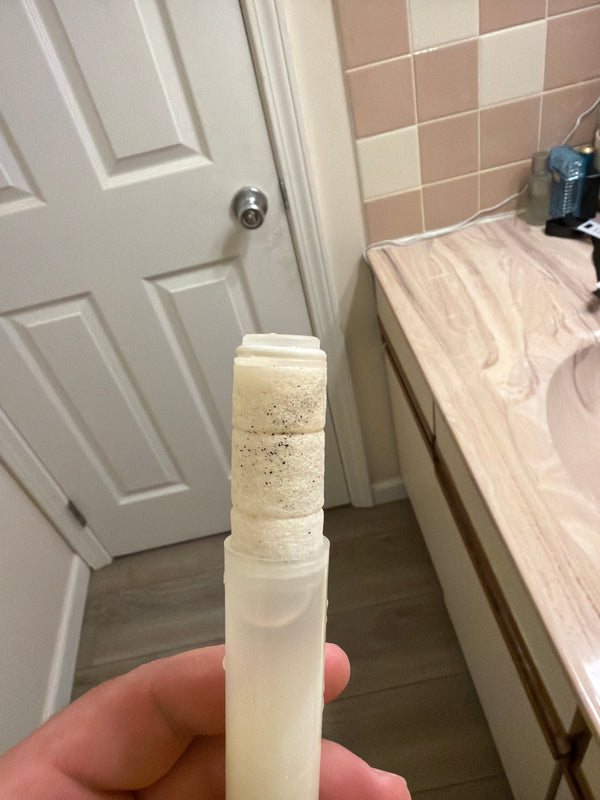
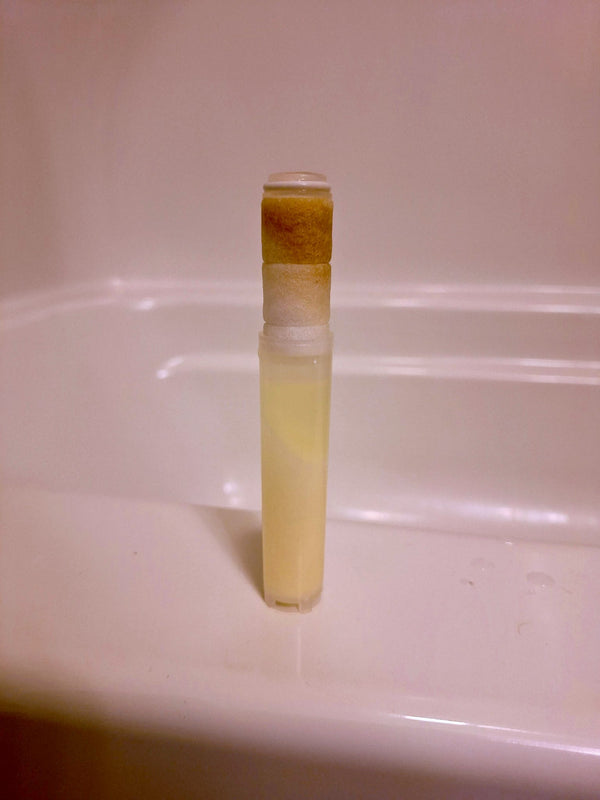
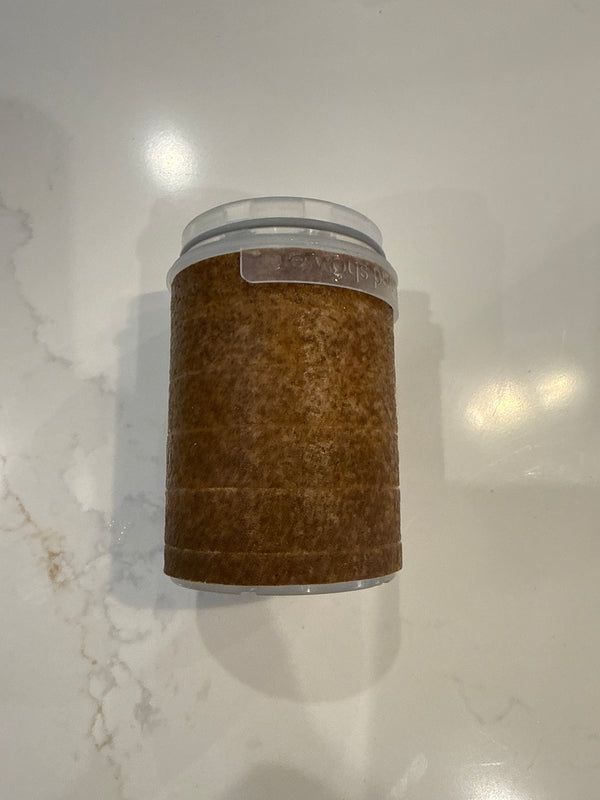
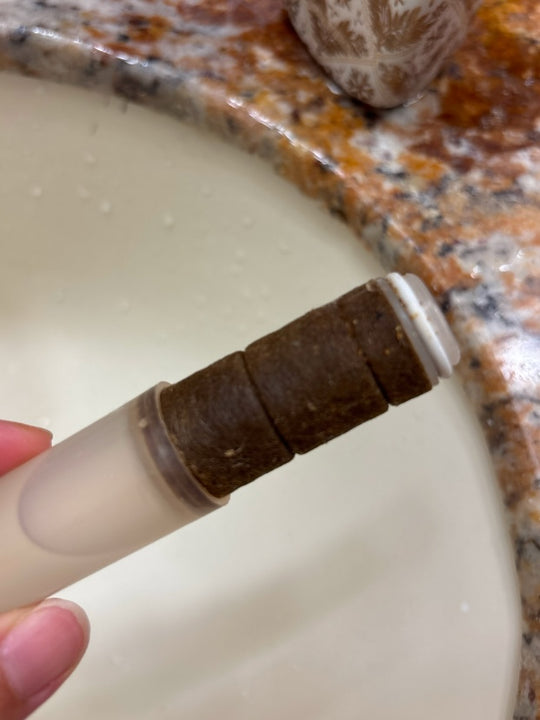
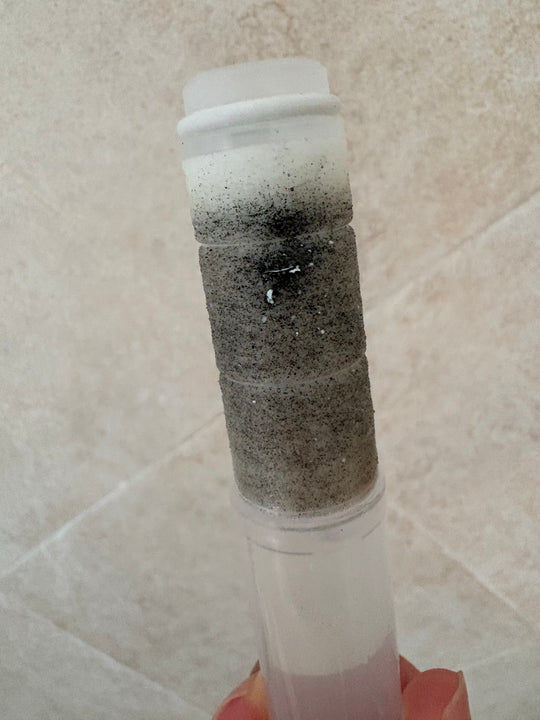
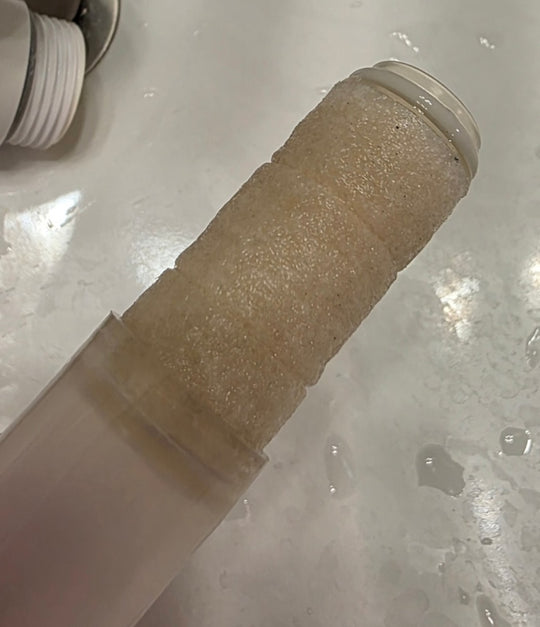
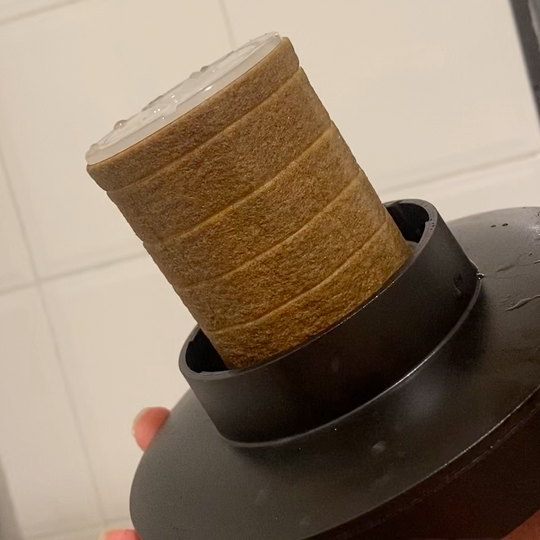
A sediment stage catches particles as water passes through it. In an older apartment building, sediment and rust shed by pipes and risers can make that stage darken quickly. A brown filter can show that it has collected material, but its color alone does not tell you how much usable life remains.
Color is not a chlorine test, either. The visible particles caught by a sediment stage and the chlorine in the water are different things. A dark filter does not give you a chlorine measurement, and a light-colored filter does not prove chlorine is absent.
Follow the replacement schedule for your filter. For the Showerhand, replace it every 30 days; for the Showerhead, every 60 days. Replace either sooner if it looks deep brown or black, or if water pressure drops noticeably.
Curious what used filters can look like? You can see used filters from New York apartments on our Filter Map. Photos show appearance, not a measurement of chlorine or remaining filter life.
The takeaway: Use the replacement schedule, appearance and water pressure together to decide when to change a filter.
What can renters do about their apartment shower?
Start by separating what you can see from what you cannot. If you notice grit or discoloration, building plumbing is a possible source. Chlorine reaches the shower as part of the treated city supply, whether or not you see particles.
Next, look at your existing setup. A filtered fixed shower head can screw onto the existing shower arm, while a filtered handheld can connect to a hose fitting. Installation is tool-free. Keep the original head so you can put it back when you move out.
Once a filter is installed, follow its replacement schedule and pay attention to the water pressure and the filter's appearance. If it becomes deep brown or black, or the pressure drops noticeably, change it sooner. A quick color change can be frustrating, but it is not a reason to guess at a chlorine reading.
If you are concerned about visible grit or discoloration, remember that plumbing inside the building belongs to the building. Tell building management what you are seeing so they can look into the plumbing.
Where does a shower filter fit?
A shower filter can address chlorine and catch particles. It does not soften water or remove hardness minerals, and NYC water is already soft. It also cannot tell you from its color how much chlorine is in your water or how much filter life remains.
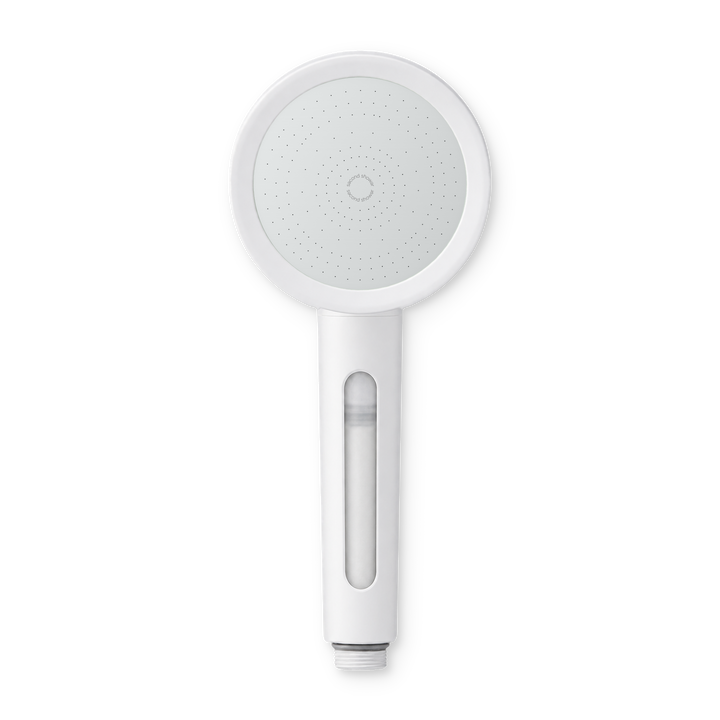
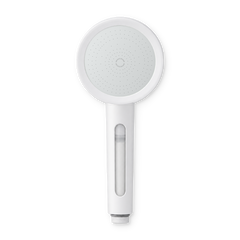
For an apartment with a handheld or hose, The Second Showerhand is $89, or $69 with a filter subscription. For a fixed arm, The Second Showerhead is $99, or $79 with a filter subscription. One filter included with each.
We use an NSF/ANSI 42* certified filter as a micron PP sediment pre-filter to catch particles. The Vitamin C core removes 99.9% of chlorine and chloramine in independent lab testing. Both devices install without tools.
Replacement Filters for the Showerhand come in a 3-pack for $29, or $27 on subscription, and should be replaced every 30 days. Showerhead Filters come in a 2-pack for $39, or $36 on subscription, and should be replaced every 60 days. Replace sooner if the filter looks deep brown or black or pressure drops noticeably.
*Micron PP sediment filter certified by NSF/ANSI 42 standards.
FAQ
Is Brooklyn shower water hard?
NYC water is soft, at about 1 to 4 grains per gallon. Brooklyn is served by the NYC DEP system, so hardness is not the usual explanation for a dry skin feel after a shower. [1]
Does NYC use chlorine or chloramine?
NYC DEP disinfects its water with free chlorine and also uses UV disinfection. Chlorine remains in the water as it travels through pipes and reaches your shower. [1]
Does a brown shower filter mean my water is unsafe?
A brown sediment stage can show that it has caught particles such as rust or sediment. Color alone does not tell you whether water is unsafe, how much chlorine is present, or how much filter life remains.
Can I install a filtered shower head in a rental?
A filtered fixed head can screw onto an existing shower arm, and a handheld can connect to a hose fitting. Installation is tool-free, and you can keep the original head to put back when you move out.
Should I replace a filter before its scheduled date?
Replace it on schedule, or sooner if it looks deep brown or black or the water pressure drops noticeably. Color by itself is not a reliable measure of remaining filter life.