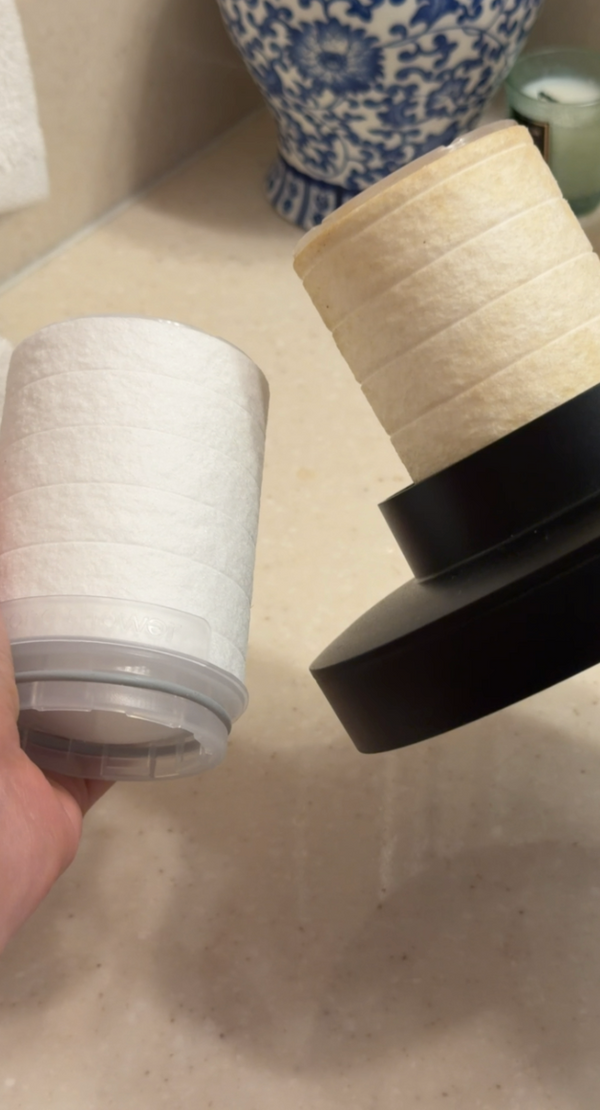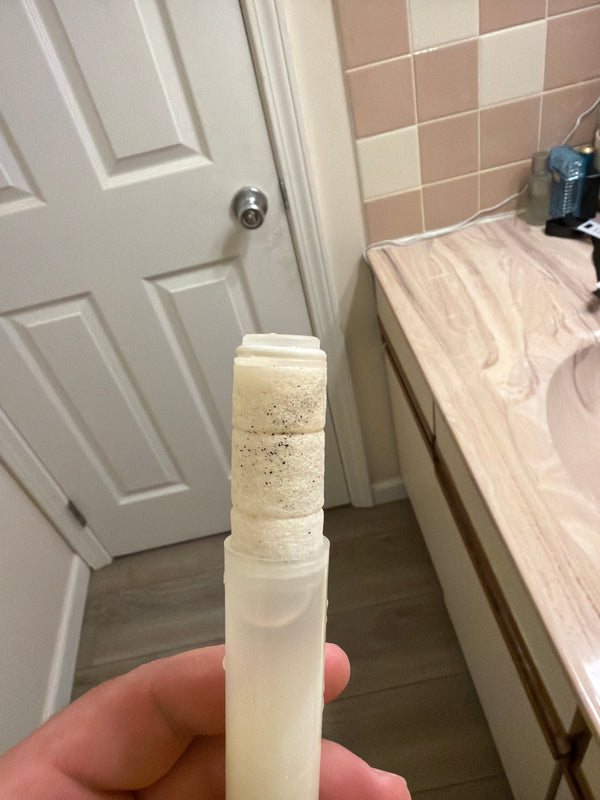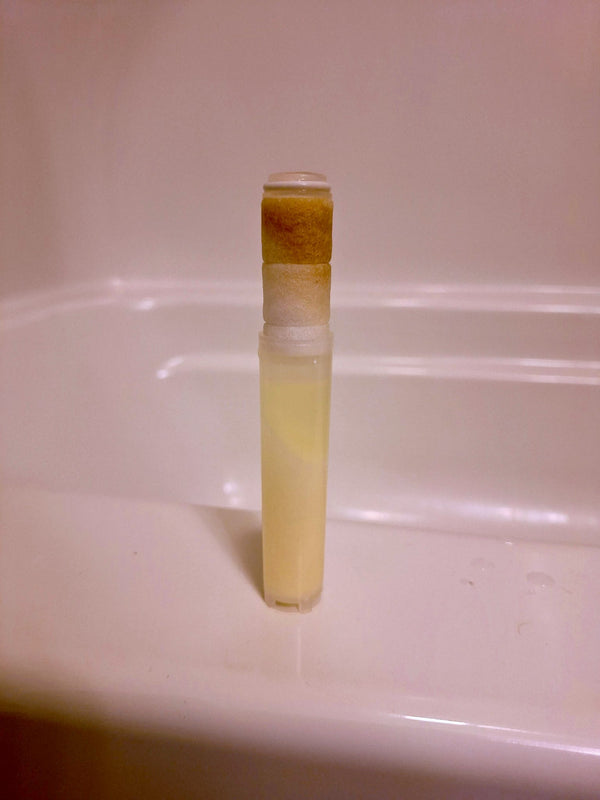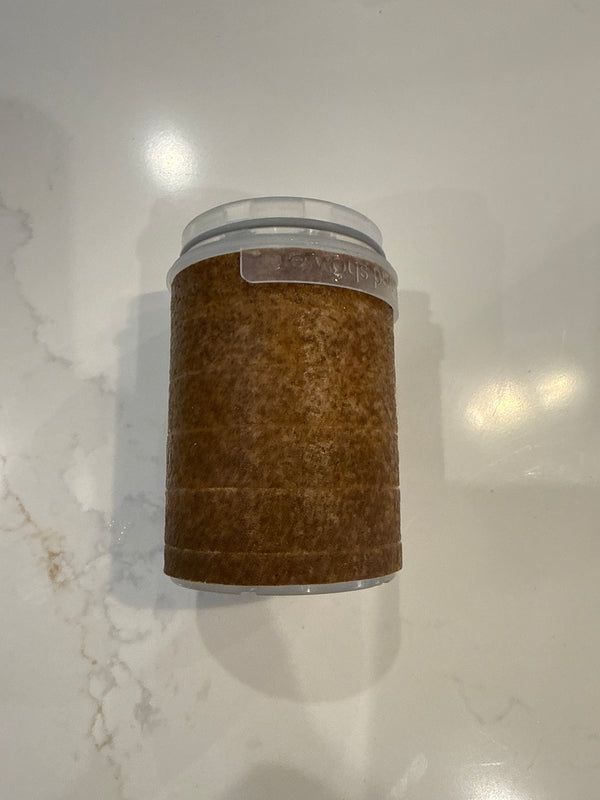
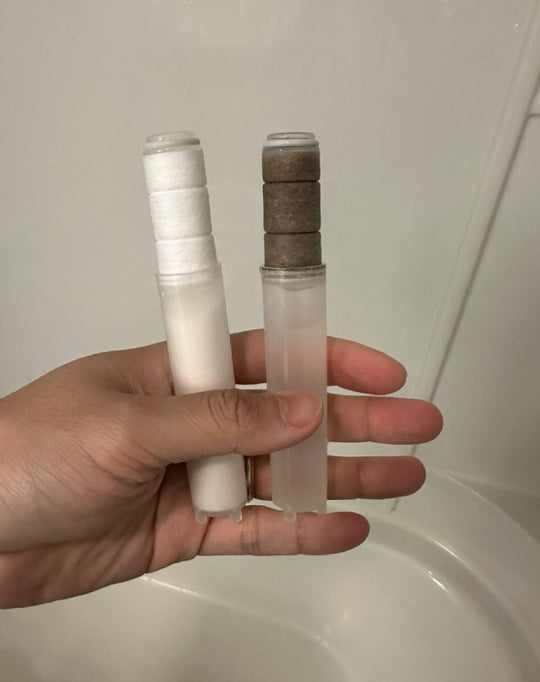
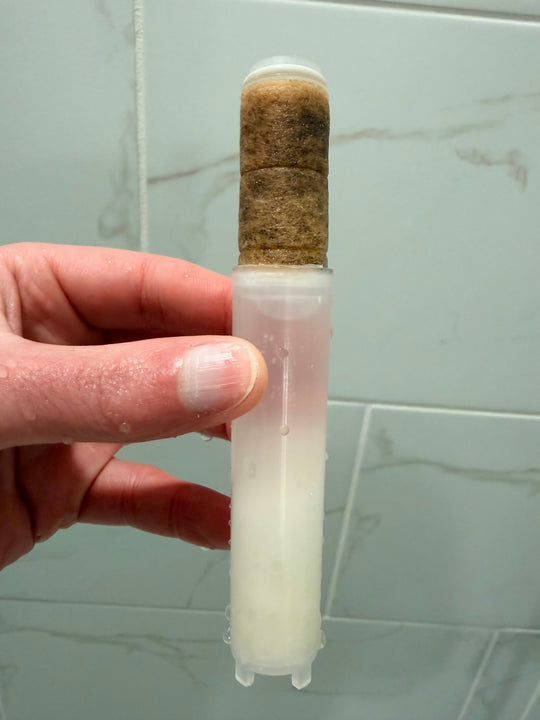
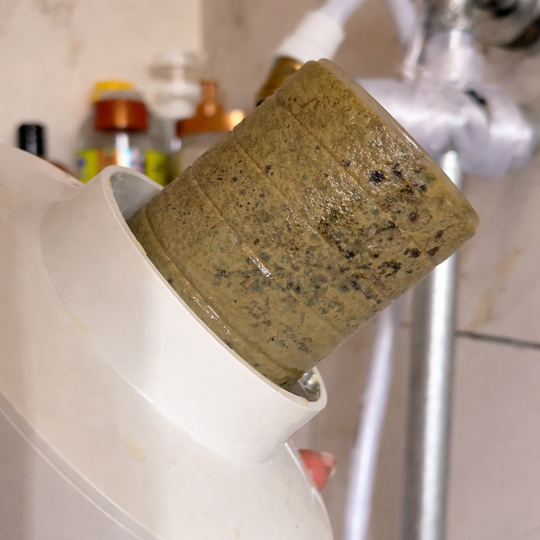
Look for white crust on faucets or showerheads, spots on glass, and soap that does not lather easily. These are clues, not proof. For a more direct answer, check your water utility's annual quality report for a hardness reading, or use an inexpensive hardness test strip on water from your tap. Test strips give a reading in about a minute. Hard water contains dissolved calcium and magnesium, which can leave scale and react with soap. [1]
- Check faucets, shower glass, and your kettle for mineral deposits.
- Look for hardness in your utility's annual water quality report.
- Use a hardness test strip for a reading from your tap.
What are the signs of hard water at home?
Start with the places where water dries. White spots on shower glass, a crust around a faucet, or buildup on a showerhead can point to minerals in your water. You may also see spots on dishes or scale inside a kettle. Hard water leaves mineral scale behind as water dries. [1]
Next, pay attention to soap. Hardness minerals react with soap to form soap scum, and shampoo may lather less easily. If you find yourself scrubbing a stubborn film from the shower, that is another clue.
None of these signs gives you a hardness number on its own. Use them as a reason to check, then look at a report or test the water. You do not have to wait for visible buildup to use a test strip.
The takeaway: Spots, scale, and poor lather can point to hard water, but a test gives you a reading.
How can I find out how hard my water is?
Check your utility's report. Find the utility name on your water bill, then look for its annual water quality report, also called a Consumer Confidence Report. Community water systems must send customers a report each year, usually by July 1, and many post it online. Many utilities list hardness in the report. [2]
Look for a number expressed in grains per gallon, written as gpg, or milligrams per liter, written as mg/L. If you find a hardness reading, use the ranges below to interpret it. Your report may give a range rather than a single number.
Test water from your tap. An inexpensive hardness test strip gives a reading in about a minute. Follow the instructions that come with the strip, then compare its reading with the ranges below. This gives you a direct way to check your tap if you cannot find hardness in the report.
You can also look up your ZIP code on our water page. Treat a location lookup as a starting point, and use a hardness strip when you want a reading from your own tap.
A TDS meter is not a substitute for a hardness test. It measures all dissolved solids, so its reading does not tell you how much calcium and magnesium make up the total. It also cannot detect chlorine. Chlorine needs a DPD test kit.
The takeaway: For a direct reading from your tap, use a test made for water hardness.
What does my hardness number mean?
Hardness describes the amount of dissolved calcium and magnesium in water. It is commonly reported in gpg or mg/L. One gpg equals 17.1 mg/L. [1]
USGS describes water at 0 to 60 mg/L as soft, 61 to 120 mg/L as moderately hard, 121 to 180 mg/L as hard, and above 180 mg/L as very hard. The approximate gpg ranges below make it easier to read a result in either unit. [1]
A soft reading describes hardness minerals. It does not mean there is no disinfectant in the water. New York City water, for example, is treated with chlorine.
| Hardness | Approximate gpg | mg/L |
|---|---|---|
| Soft | Up to 3.5 | 0 to 60 |
| Moderately hard | 3.5 to 7 | 61 to 120 |
| Hard | 7 to 10.5 | 121 to 180 |
| Very hard | Above 10.5 | Above 180 |
The takeaway: Check the unit on your result before comparing it with a hardness scale.
How hard is the water in US cities?
Hardness varies considerably from one city to another. The figures below come from our dataset of 57 US cities, compiled from utility reports. They show typical ranges in grains per gallon, or gpg, alongside the disinfectant used in each city.
These are starting points, not readings from every tap. Water in your neighborhood or building can differ from the typical city range. A range can also span more than one USGS hardness category, so compare your own result with the scale above if you want to know where it falls. [1]
Boston and San Francisco show why hardness and disinfectant deserve separate questions. Both can have soft water, yet both use chloramine. San Francisco's typical range also reaches into the moderately hard category. In other words, a low hardness reading tells you about calcium and magnesium, not whether a disinfectant is present.
Compare those cities with Phoenix, where the typical range is much higher and the disinfectant listed is chlorine. Dallas also has a higher typical hardness range, but uses chloramine. The hardness number alone does not tell you which disinfectant is used.
For information that applies to your water, check your utility's report and look for its hardness and disinfectant details. If you want a hardness reading from your own tap, use a hardness test strip. Your result is more useful for your home than a citywide estimate.
| City | Typical hardness | USGS category | Disinfectant |
|---|---|---|---|
| New York City | about 1 to 4 gpg | soft to moderately hard | chlorine |
| Boston | about 1 to 3 gpg | soft | chloramine |
| San Francisco | about 1 to 4 gpg | soft to moderately hard | chloramine |
| Denver | about 3 to 8 gpg | soft to hard | chloramine |
| Chicago | about 8 to 12 gpg | hard to very hard | chlorine |
| Dallas | about 8 to 15 gpg | hard to very hard | chloramine |
| Los Angeles | about 12 to 22 gpg | very hard | chloramine |
| Phoenix | about 15 to 25 gpg | very hard | chlorine |
The takeaway: City ranges offer a starting point, but check your own water for hardness and disinfectant separately.
What does hard water do in the shower?
In the shower, hardness minerals can show up on the glass and fixtures as scale. They also react with soap to form soap scum. That reaction can make shampoo lather less and can leave a film.
Washing in hard water can leave more soap residue on the skin, which raised water loss from the skin and irritation in a 2018 study of 80 people. [3] A hardness reading tells you about minerals in your water, though it cannot tell you on its own how your skin or hair will feel.
Hardness and disinfectant are different things. Calcium and magnesium make water hard. A utility may also add chlorine or chloramine as a disinfectant, whether the water is hard or soft. If you want to know about both, check them separately: a hardness strip measures hardness, while chlorine needs a DPD test kit.
The takeaway: A hardness reading describes minerals, not the amount of chlorine in your water.
Can a shower filter help with hard water?
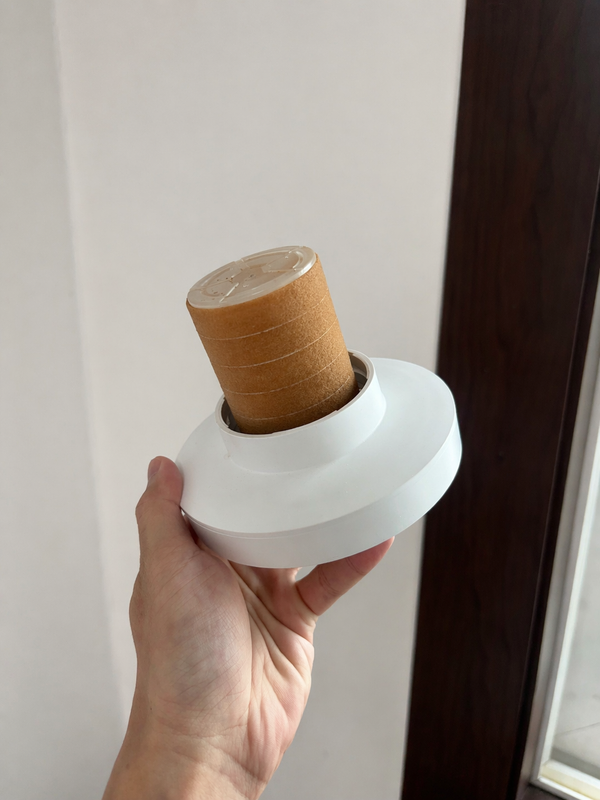
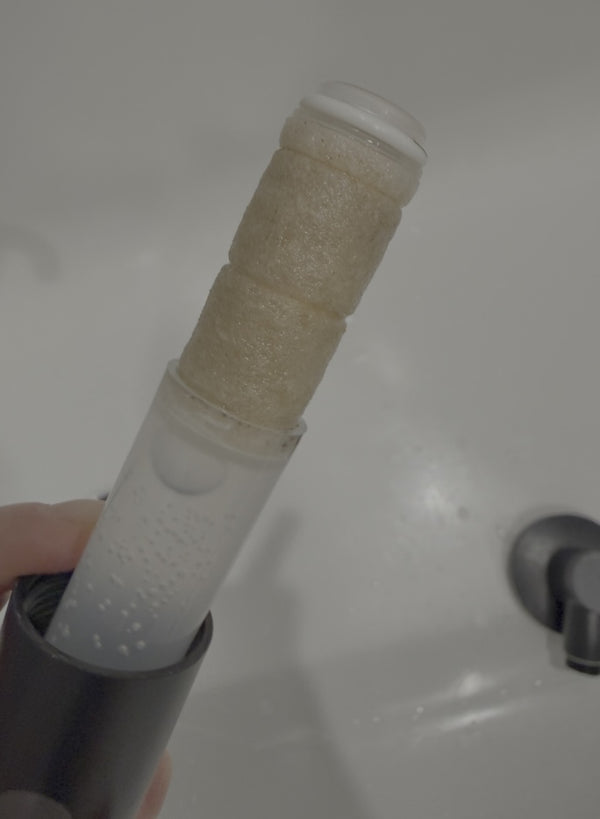
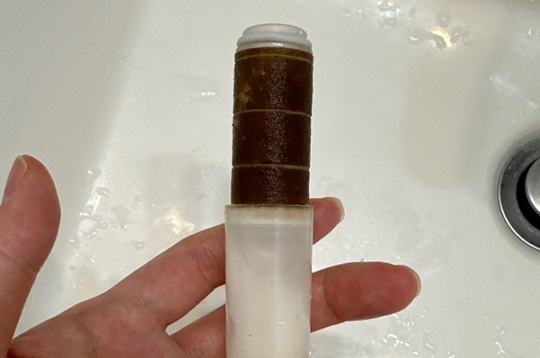
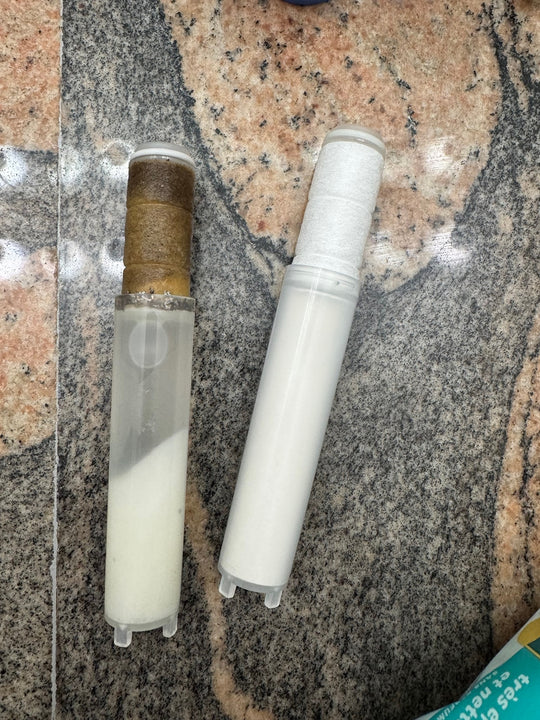
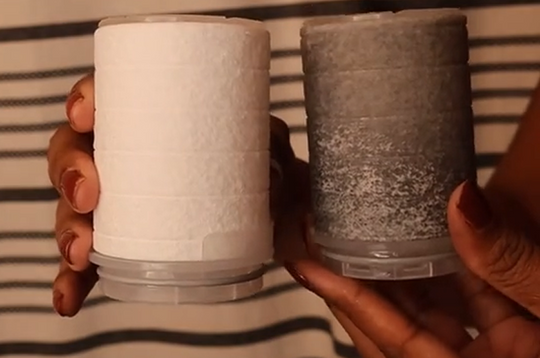
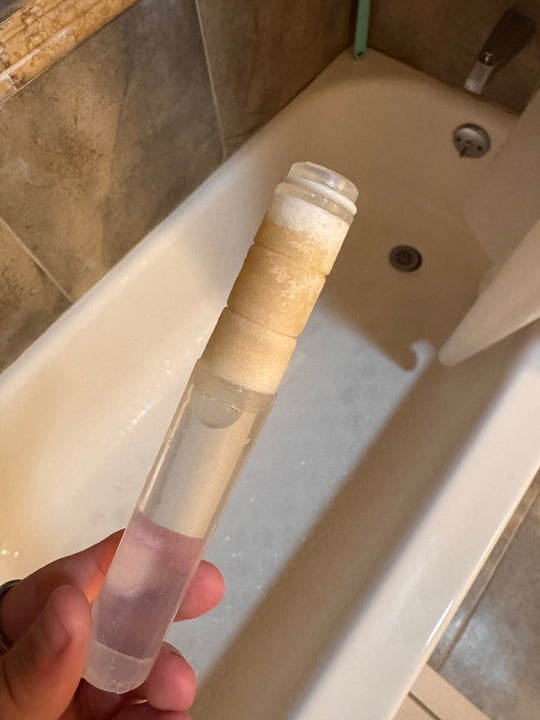
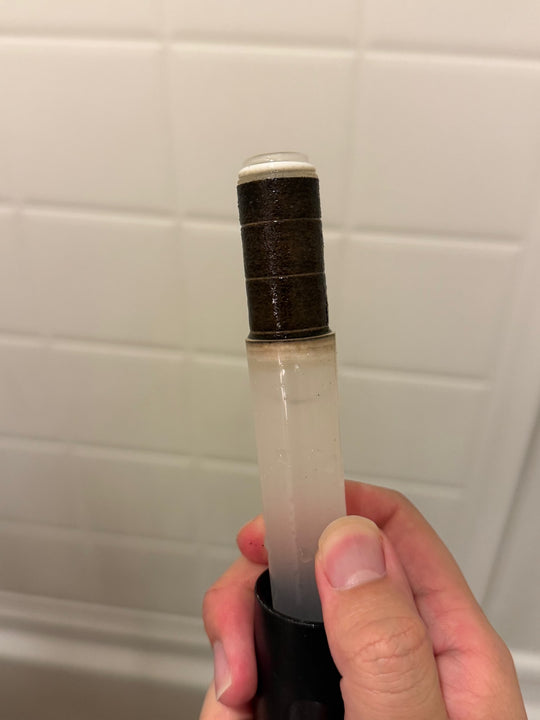
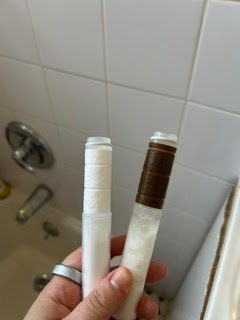
A shower filter cartridge does not remove hardness. To take hardness out, an ion-exchange water softener is an option, usually installed for the whole house. If mineral scale and soap scum are your main concerns, that distinction matters.
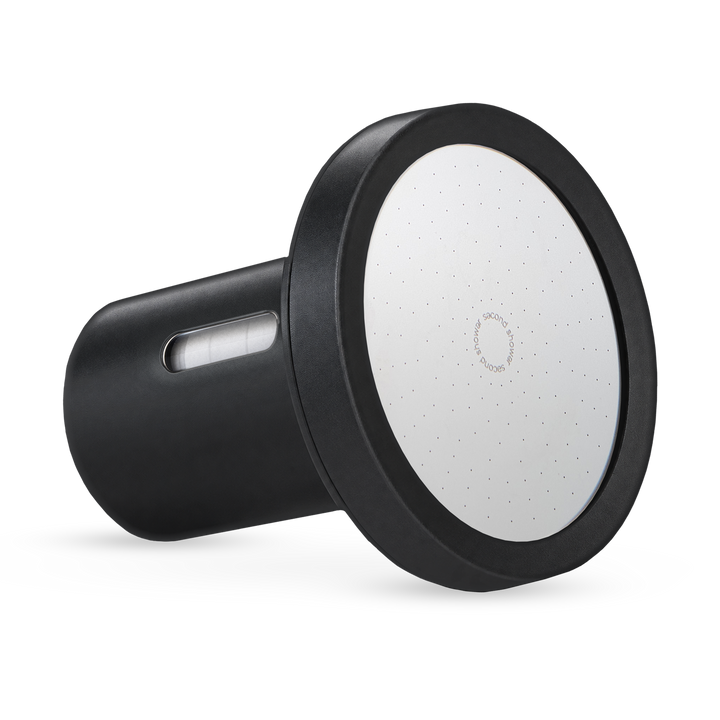
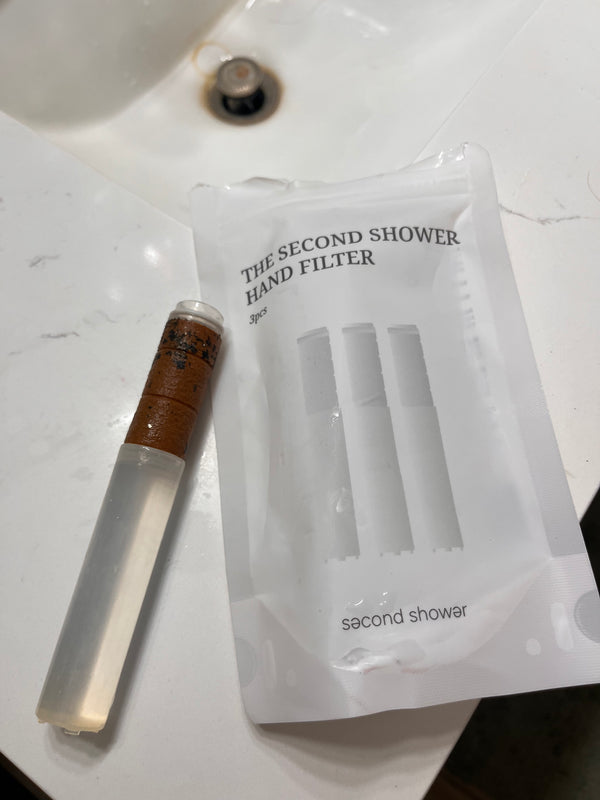
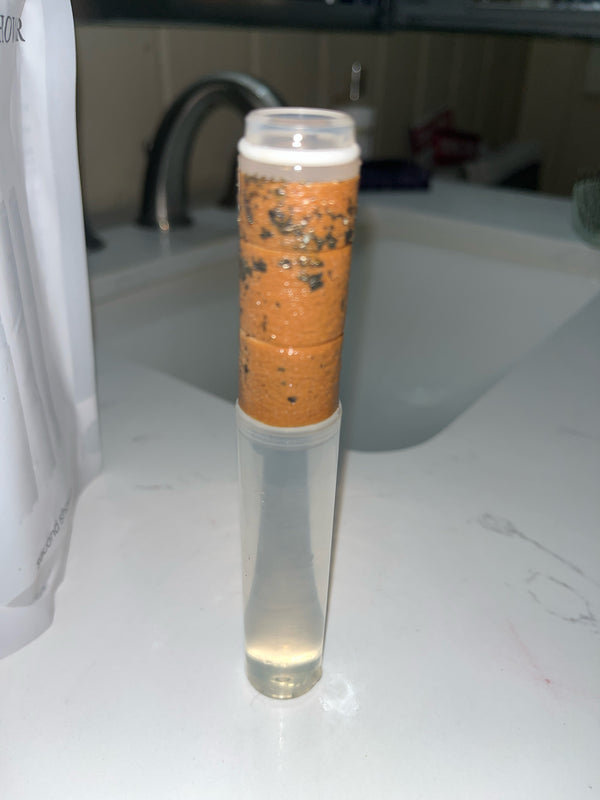
If your concern is dry, tight skin or dull hair after a shower, chlorine or chloramine can be part of it in either hard or soft water. The Second Showerhead costs $99, or $79 with a filter subscription, and removes 99.9% of chlorine and chloramine in independent lab testing. It does not soften water.
Already know your water is hard? Read our hard-water filter decision guide for help thinking through the choice.
The takeaway: Choose a water softener for hardness and a shower filter for the disinfectant it is designed to remove.
FAQ
Can I tell if my water is hard just by looking at it?
White spots, scale, and soap scum are useful clues, but they do not give you a hardness reading. Check your utility's report or use a hardness test strip at your tap.
How long does a hard water test take?
A hardness test strip gives a reading in about a minute. Follow the instructions on the strip and compare the result with the hardness ranges.
Does a high TDS reading mean my water is hard?
Not necessarily. A TDS meter measures all dissolved solids, so it cannot tell you how much of its reading comes from calcium and magnesium. Use a hardness test to check those minerals.
Can soft water contain chlorine?
Yes. Soft water has a low hardness reading, but that does not mean it has no disinfectant. New York City water is treated with chlorine.
Will a shower filter stop hard water scale?
A shower filter cartridge does not remove hardness, so it does not address the calcium and magnesium responsible for mineral scale. An ion-exchange water softener is an option for removing hardness.