Choose a clarifying shampoo when your hair feels coated by product or oil, and look for a chelating shampoo if mineral buildup from hard water is your concern. A shower filter addresses a different part of the routine: it can reduce substances in the water you rinse with, depending on what the filter is designed to remove. A filter that removes chlorine or chloramine does not necessarily remove hardness minerals. Many people may find both useful, because cleaning buildup and changing the rinse do different jobs.
- Coated hair: try an occasional clarifying wash.
- Hard water minerals: look for a chelating shampoo.
- Chlorine or chloramine in your rinse: consider a filter.
- A chlorine filter does not soften water.
What is making your hair feel coated or dull?
A coated feeling can come from more than one place. Styling products and oils can build up on hair. If your water is hard, minerals can also react with shampoo to form a film, leaving hair feeling rough or coated and looking dull. Hair color may look flat, too.
Hard water contains minerals, especially calcium and magnesium. The U.S. Geological Survey explains how those minerals contribute to water hardness. [2]
Those clues are useful, but a dull finish alone cannot tell you exactly what is in your water or on your hair. Start with the practical question: does your hair feel as though it needs a more thorough wash, or are you also concerned about what is in the water you use to rinse every day?
If you want to investigate your water, start with your local drinking water report. The EPA has a tool for finding it. If the report does not answer your hardness question, ask your water supplier. [1] Our guide to checking for hard water can also help you think through the signs.
The takeaway: A coated feeling is a reason to consider buildup, but it does not identify the cause on its own.
When should you use a clarifying or chelating shampoo?
Reach for a clarifying shampoo when your regular wash no longer seems to clear away the feeling of product or oil buildup. It is a stronger cleanser intended to give hair a more thorough wash.
If mineral buildup is the concern, look for a chelating shampoo. Chelating formulas contain ingredients such as EDTA that bind minerals, including calcium, magnesium and iron, so they can rinse away. Check the label for a chelating ingredient or a description of what the shampoo is designed to remove.
The distinction matters because not every stronger cleanser is necessarily the right match for mineral buildup. Think about the problem you are trying to solve, then read the product label. If a colorist asks you to use a clarifying or chelating shampoo before coloring, follow their instructions.
These shampoos are generally for occasional use. Product labels usually suggest a schedule such as once a week or every few washes, but follow the directions on your own product and pay attention to how your hair feels. Strong cleansing can leave it feeling dry, so a gentle shampoo and conditioner can be useful for the washes in between.
The takeaway: Clarifying cleansers target buildup broadly; chelating formulas include ingredients that bind minerals.
Do you rinse the treatment out with hard water?
Yes. If your home has hard water and you rinse with that water, the rinse still contains hardness minerals. It is a fair question: why wash minerals off only to put your hair back under the same water?
A chelating shampoo can still have a job because it binds minerals already on the hair so they can rinse away. The hard water in your rinse does not change the fact that the shampoo is designed to remove existing buildup. It does mean the water you use afterward remains hard.
This is also where a shower filter's limits matter. A filter that removes chlorine or chloramine does not remove calcium and magnesium simply because it filters the water. It does not soften water, so it does not replace a chelating shampoo in a hard-water home.
If your hair feels coated again, use the shampoo according to its label rather than assuming the filter has taken care of minerals. You can adjust the occasional deeper wash around how your hair feels, while keeping your regular routine gentle.
The takeaway: A chelating wash can address existing mineral buildup, even though your next rinse is still hard water.
What can a shower filter do for your hair routine?
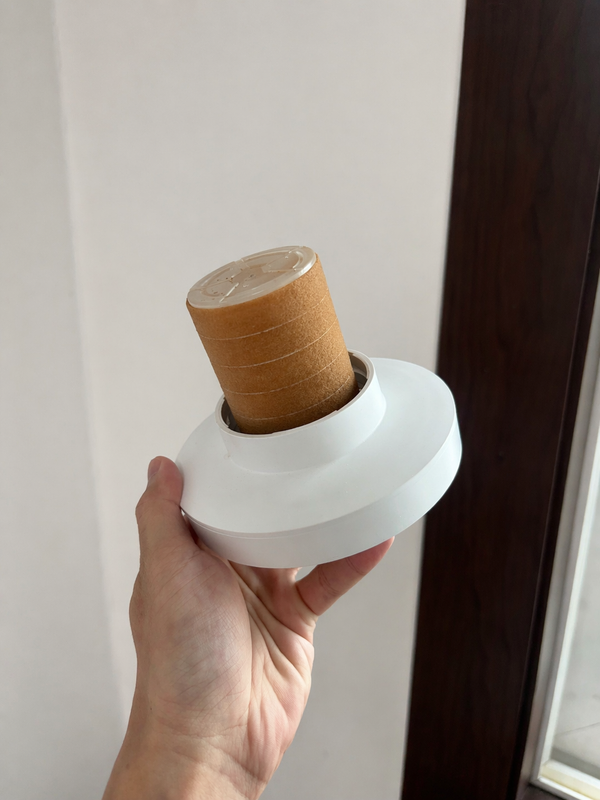
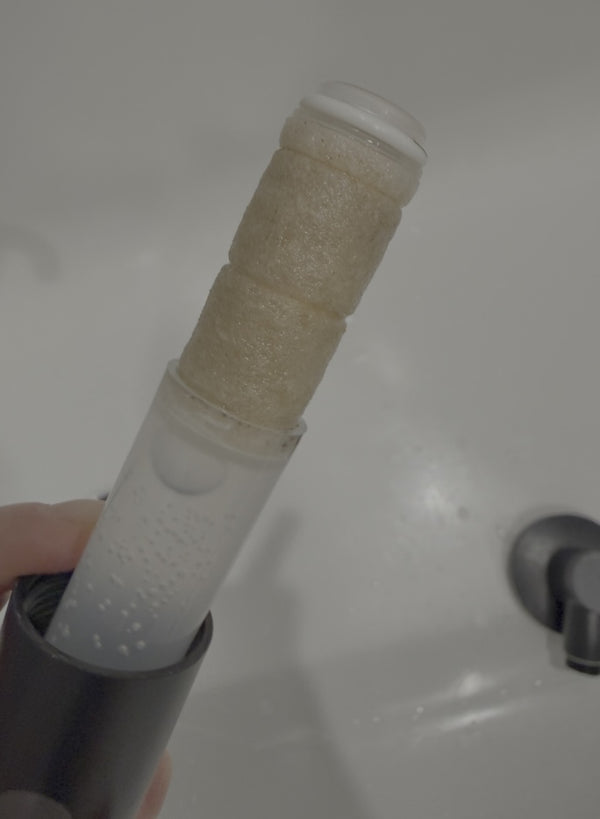
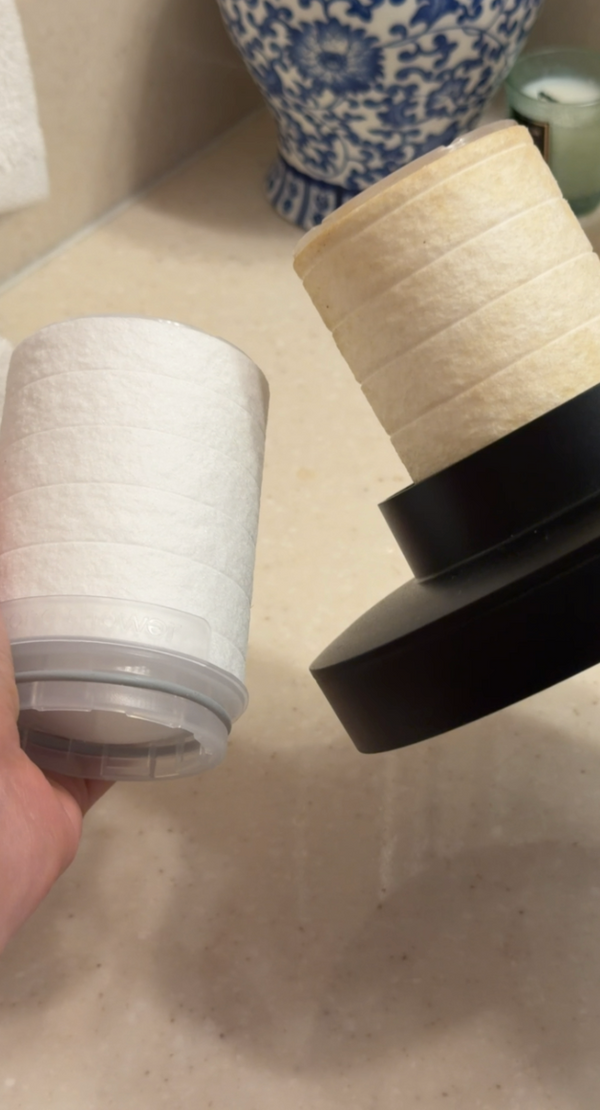
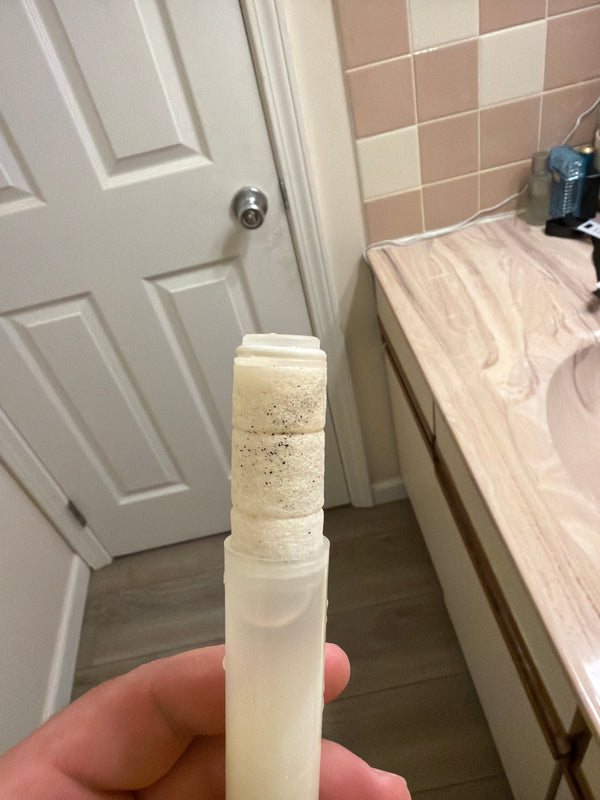
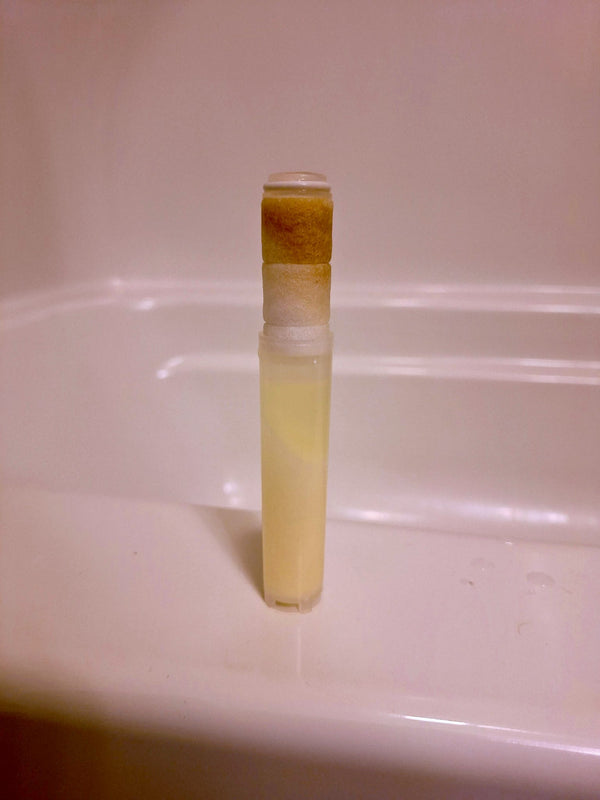
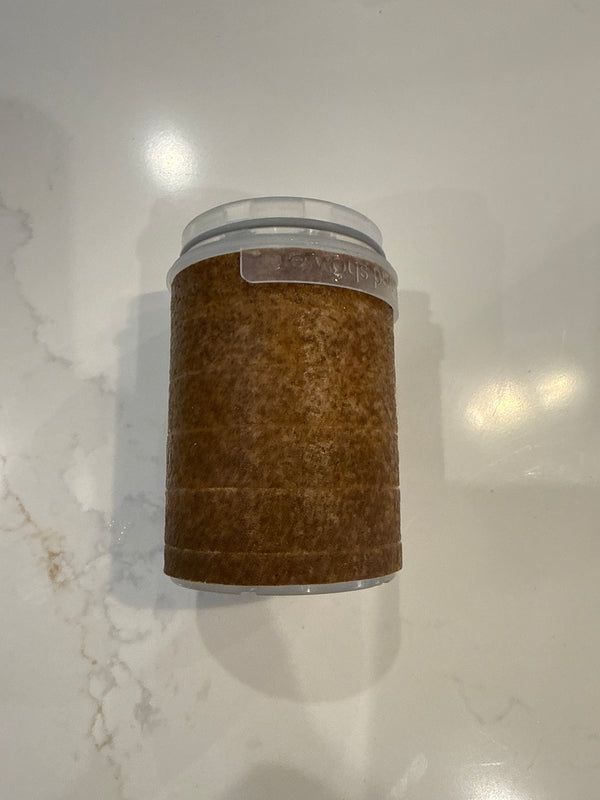
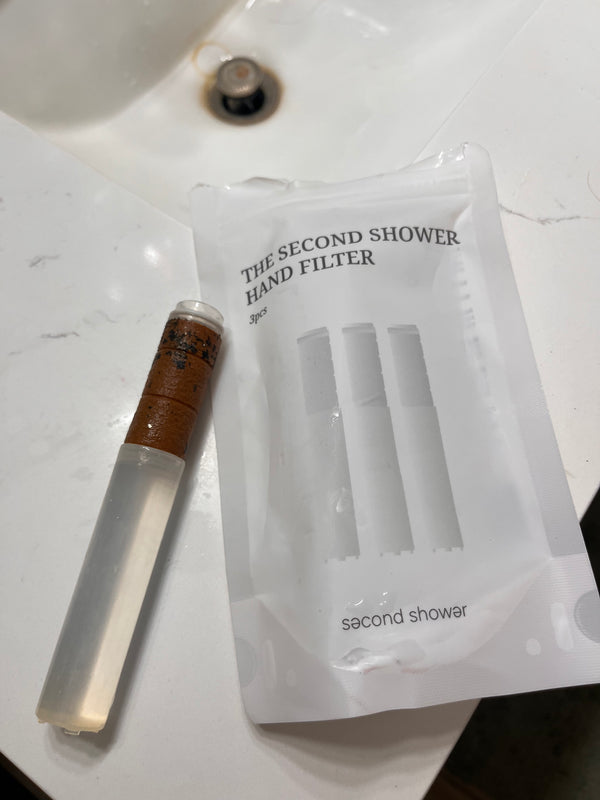
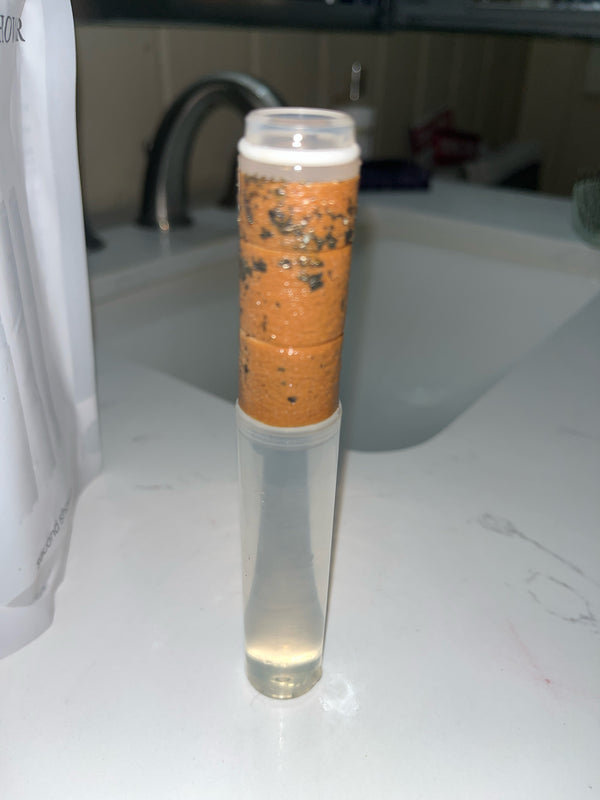
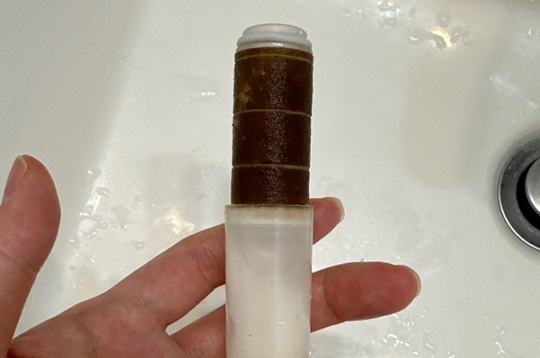
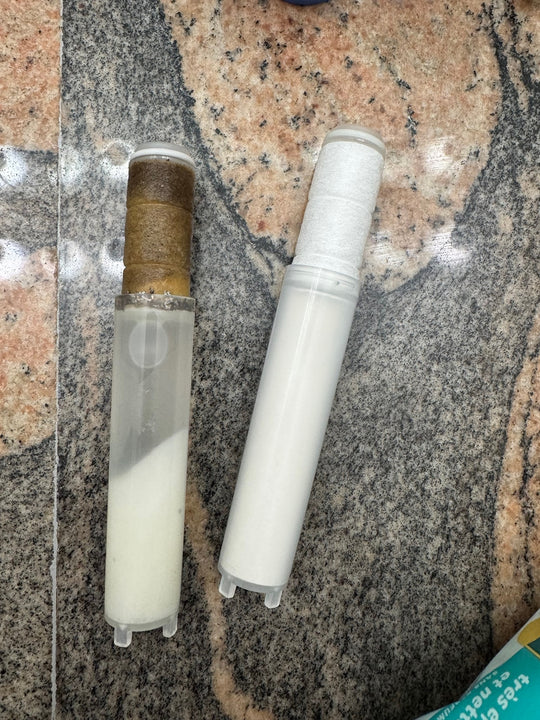
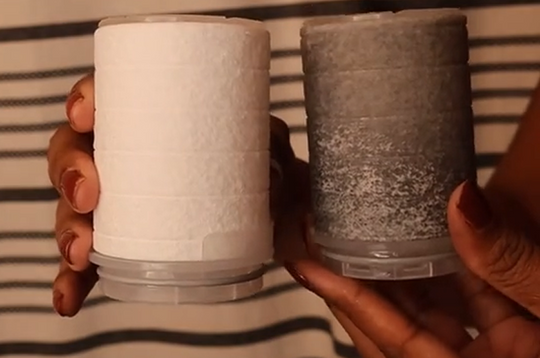
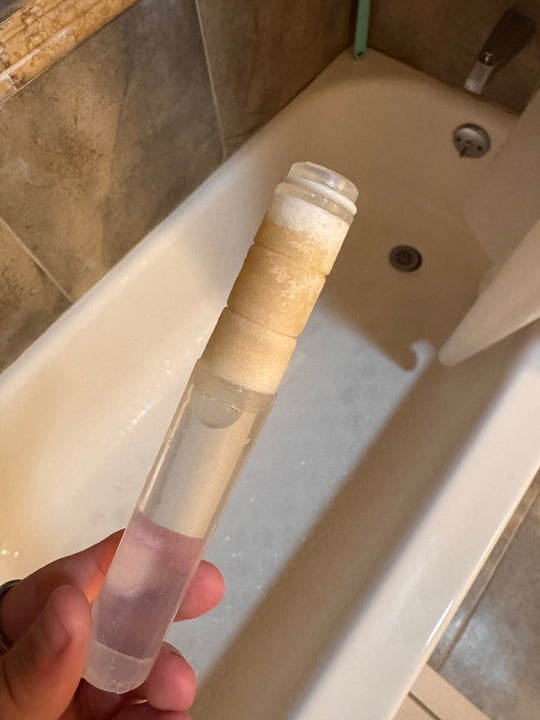
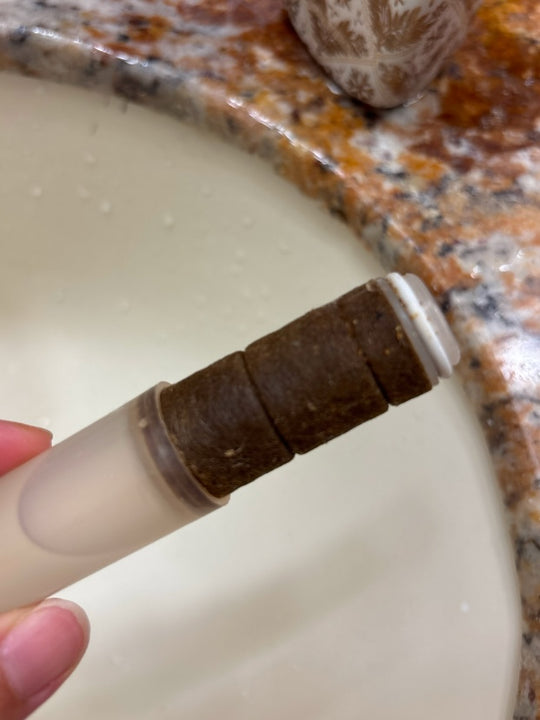
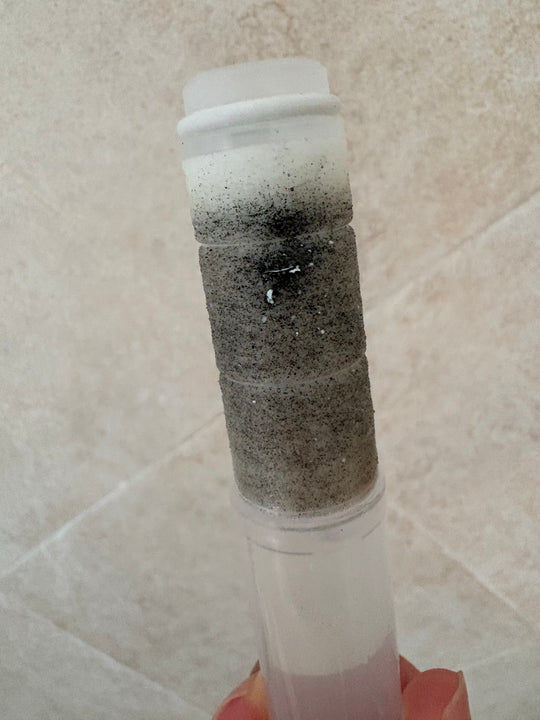
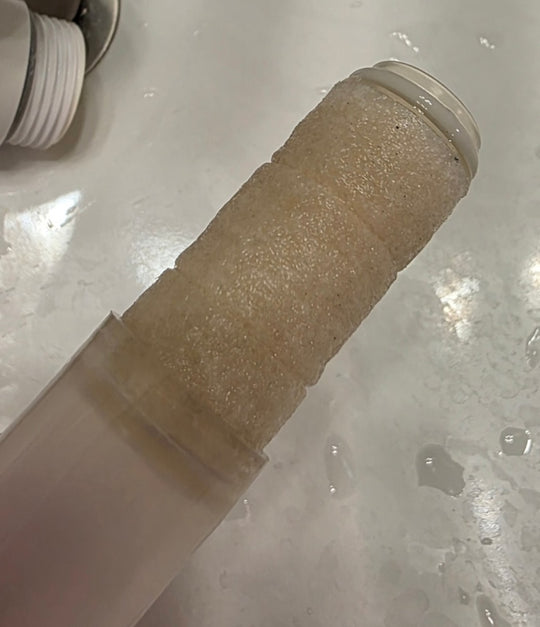
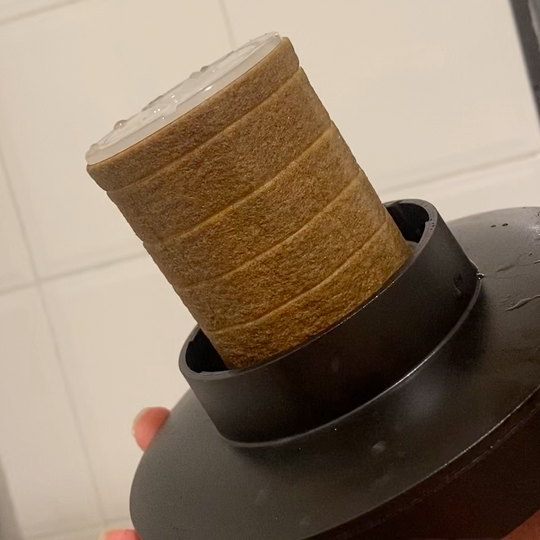
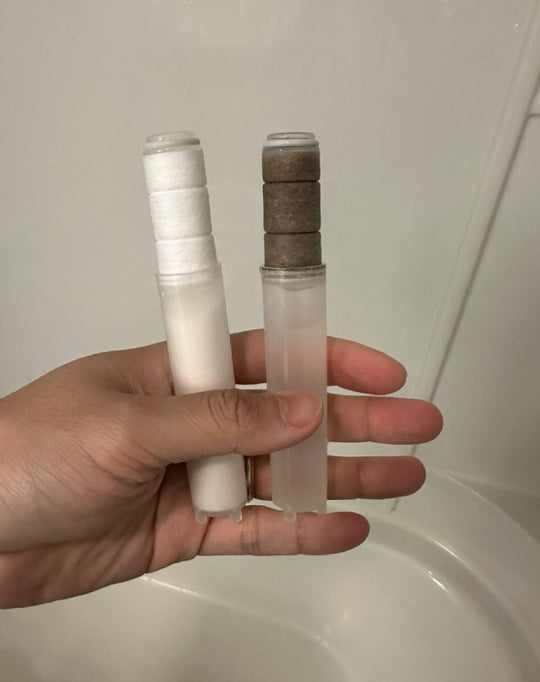
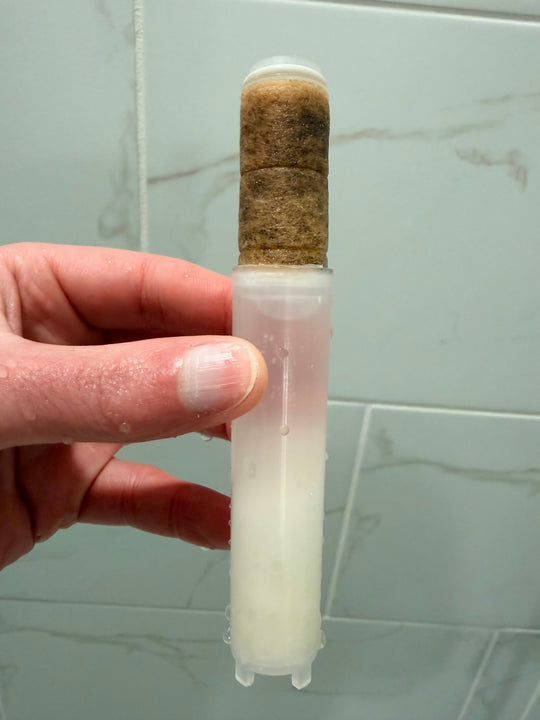
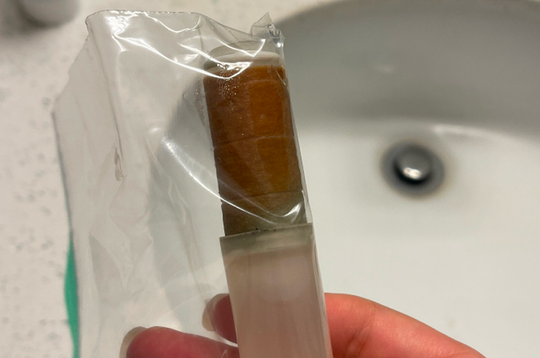
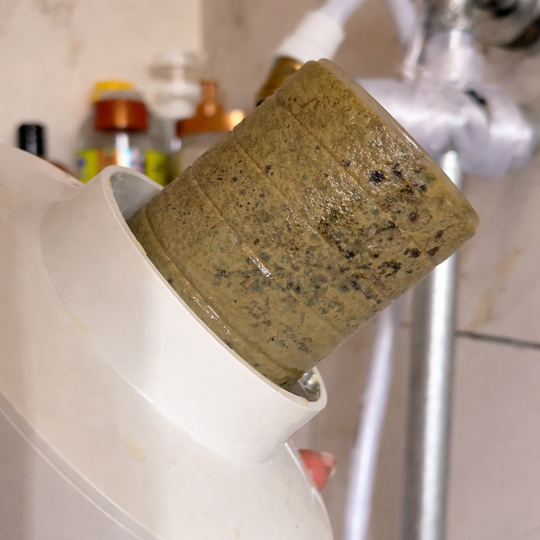
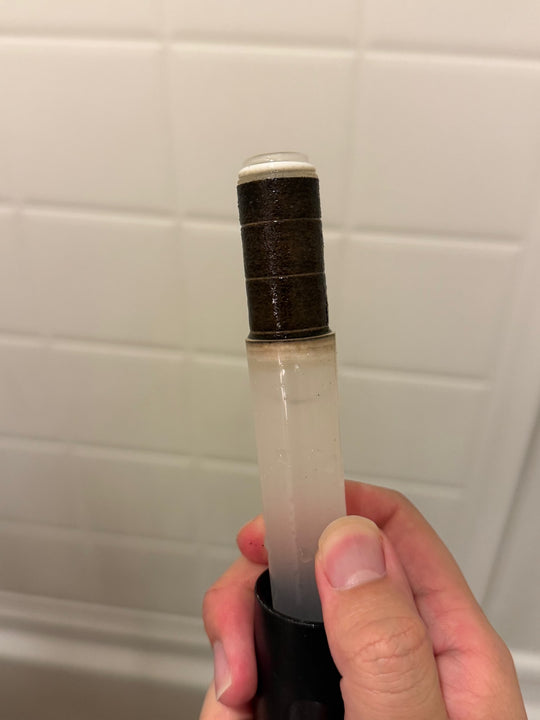
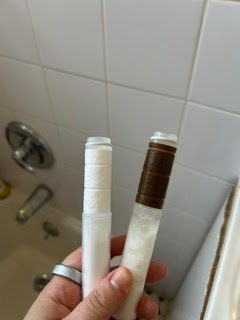
A shower filter acts on the water as it passes through the filter. What changes depends on what that particular filter removes. A filter designed to reduce chlorine and chloramine addresses disinfectants in the rinse, while a sediment stage can catch particles such as rust and grit.
Chlorine is an oxidizer, and exposure during showers can leave hair feeling dry and rough. Faster color fading is also a common complaint. Reducing chlorine or chloramine in your rinse addresses a different concern from washing styling products, oil or mineral buildup off the hair.
The two approaches can therefore sit comfortably in the same routine. Use a clarifying or chelating shampoo occasionally when buildup is the issue, then use a gentle shampoo and conditioner for your other washes. A suitable filter can reduce chlorine or chloramine in the water you rinse with.
Before choosing a filter, check what it is designed to remove and compare that with your water concerns. You can also read our guide to shower filters for hair.
The takeaway: Match the filter to the substance you want to reduce, and the shampoo to the buildup you want to wash away.
Where does Second Shower fit?
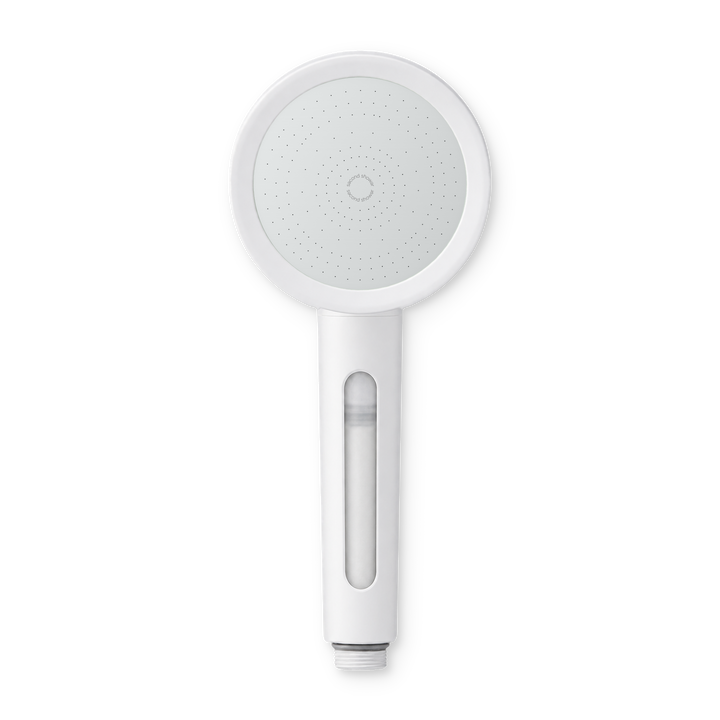
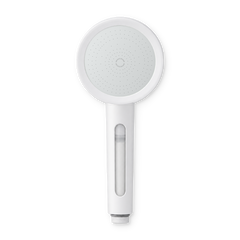
The Second Showerhand is a handheld that makes rinsing hair easy. It costs $89, or $69 with a filter subscription, and removes 99.9% of chlorine and chloramine in independent lab testing. Its sediment stage catches particles such as rust and grit.
It does not soften water or remove calcium and magnesium hardness. If mineral buildup is your concern, a chelating shampoo still has a place in the routine. The handheld installation is tool-free, and one filter is included. See the Showerhand.
FAQ
Can I use a clarifying shampoo and a shower filter together?
Yes. The shampoo helps remove buildup already on your hair, while a filter changes the water passing through it according to what it is designed to remove. They address different parts of the routine.
Does a shower filter replace chelating shampoo?
A filter that removes chlorine or chloramine does not replace chelating shampoo for mineral buildup. Calcium and magnesium hardness remain in the water unless the water is softened.
How often should I use a clarifying shampoo?
Use it occasionally and follow the product label. Some labels suggest once a week or every few washes, but strong cleansing can leave hair feeling dry.
How can I find out what is in my tap water?
Look for your local drinking water report through the EPA's report finder. If it does not answer your question about hardness or disinfectant, ask your water supplier.