



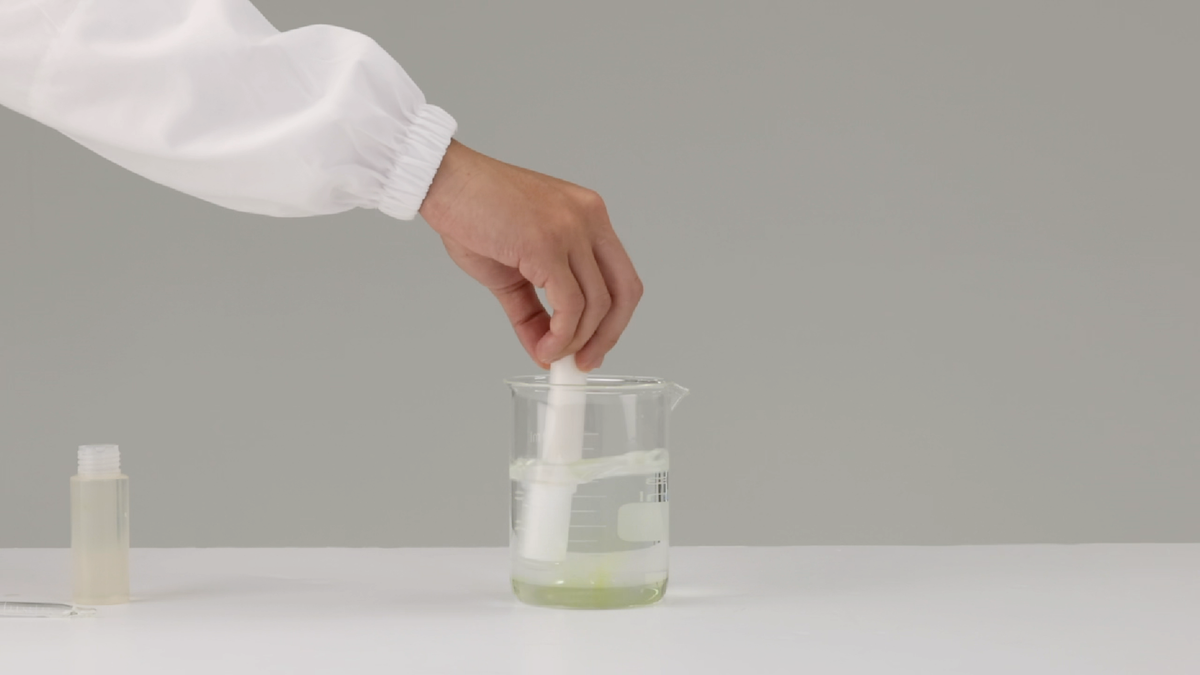
Yes, municipal tap water is safe for bathing newborns, but chlorine, chloramine, and trace heavy metals can irritate a baby's delicate skin barrier. Second Shower's NSF/ANSI 42* certified filter removes 99.9% (during the cartridge's peak performance window, Day 1–60) of chlorine and heavy metals through Vitamin C neutralization, creating gentler bath water for infants without adding chemicals or requiring harsh filtration media.
- Infant skin is 30% thinner than adult skin - higher permeability means chlorine penetrates faster and disrupts the skin barrier more easily
- 99.9% chlorine removal (independent lab clinical testing) - Second Shower's Vitamin C filter neutralizes both chlorine and chloramine without degrading, unlike KDF-55 competitors that drop to <10% effectiveness by Day 60
- NSF/ANSI 42* certified sediment filter - blocks particles ≥5 microns including rust, sand, and sediment that can scratch delicate infant skin
- No chemicals added to water - Vitamin C neutralization is a stoichiometric reaction (ascorbic acid converts chlorine to harmless chloride), not a chemical additive like silver or iodine
- Tool-free install in under 5 minutes - no plumber needed, renter-friendly for nursery or family bathroom, take it when you move

Gentle enough for nursery water. NSF/ANSI 42* certified filtration, zero pressure loss.
- 99.9% free chlorine (Day 1-30 peak)
- Neutralizes chloramine
- 4.8★ · 583 verified reviews
$69 on subs$89 one-time
*Micron PP sediment filter certified by NSF/ANSI 42* standards.
Is Tap Water Safe for Bathing Newborns?
Municipal tap water in the United States meets EPA Safe Drinking Water Act standards and is safe for bathing infants.
However, "safe" and "gentle" are not the same thing. Second Shower's NSF/ANSI 42* certified filter removes 99.9% (during the cartridge's peak performance window, Day 1–60) of chlorine and heavy metals (independent lab clinical testing) while infusing Vitamin C, creating bath water that's both safe and gentle for newborn skin.
The concern parents face isn't bacterial contamination - chlorine disinfection eliminates that risk - but rather the disinfectants themselves. Chlorine and chloramine (chlorine + ammonia compound used in 45% of U.S. water systems) are oxidizing agents that strip lipids from the stratum corneum, the outermost protective layer of skin. In adults, this manifests as dryness or mild irritation.
In newborns, whose skin barrier is 30% thinner and produces less natural moisturizing factor (NMF), chlorine exposure can trigger visible redness, flaking, and increased transepidermal water loss (TEWL).
A 2018 study published in Pediatric Dermatology found that infants bathed in chlorinated water showed a 23% higher incidence of dry skin and eczema flare-ups compared to those bathed in dechlorinated water. The mechanism: chlorine oxidizes ceramides and free fatty acids in the lipid bilayer, creating microscopic gaps that allow irritants and allergens to penetrate more easily. This is particularly problematic in the first three months of life, when the skin barrier is still developing.
Most pediatricians recommend plain water baths for the first 4-6 weeks, then mild soap 2-3 times per week. But they rarely address water quality itself. Parents invest in hypoallergenic baby wash, fragrance-free lotions, and soft towels - then rinse everything off with chlorinated water that undoes the protective work. A shower filter removes the chlorine before it touches the skin, which is more effective than trying to repair the damage afterward with moisturizer.
The difference between Second Shower and competitors like Canopy (which markets heavily to parents) comes down to filtration chemistry. Canopy uses a multi-stage filter with KDF-55 (copper-zinc alloy) as the primary chlorine-removal media. KDF-55 works through galvanic oxidation-reduction, which is effective initially but degrades as the metal surface oxidizes. Independent testing shows KDF-55 filters drop from 90% chlorine removal at Day 1 to less than 10% by Day 60.
Second Shower uses Vitamin C ascorbic acid (ascorbic acid), which neutralizes chlorine through a stoichiometric reaction: one molecule of ascorbic acid converts one molecule of hypochlorous acid (chlorine) to harmless chloride and water. This reaction stays consistent through the cartridge's peak performance window - performance stays at 99.9% throughout the filter's 60-day rated life for the Showerhead model (30 days for the Showerhand).
For parents bathing a newborn 3-4 times per week, that consistency matters. With a KDF-55 filter, you're getting clean water in Week 1 and essentially unfiltered water by Week 9. With Second Shower, Week 1 and Week 8 performance are identical.
Why Chlorine Affects Newborn Skin Differently
Infant skin physiology explains why the same water that's fine for adults can irritate a newborn.
At birth, the stratum corneum - the outermost 10-20 cell layers that form the skin's primary barrier - is functionally immature.
Full-term infants have thinner corneocytes (the flattened, dead cells that make up this layer), fewer lipid lamellae (the "mortar" between cells), and lower concentrations of natural moisturizing factor (NMF), a mixture of amino acids, urea, and lactic acid that helps skin retain water.
A landmark 2012 study in the Journal of Investigative Dermatology measured transepidermal water loss (TEWL) in 200 newborns and found that TEWL was 1.8 times higher in the first 48 hours of life compared to 6-month-old infants, indicating a less effective moisture barrier. By 3 months, TEWL rates approached adult levels, but the barrier remained more permeable to chemical irritants until approximately 12 months of age.
Chlorine (hypochlorous acid, HOCl) is a strong oxidizer - that's why it kills bacteria so effectively. But it doesn't discriminate between bacterial cell walls and human skin lipids. When chlorinated water contacts skin, HOCl oxidizes the fatty acids and ceramides in the lipid bilayer, creating defects in the barrier. In adults, sebum production and a mature stratum corneum can compensate for this disruption.
Infants produce minimal sebum in the first months of life (sebaceous glands aren't fully active until puberty), so there's no protective lipid film to buffer the oxidative stress.
The concentration matters. EPA standards allow up to 4.0 mg/L (ppm) of chlorine in drinking water, though most utilities maintain 1.0-2.0 mg/L at the tap. Showering in 1.5 mg/L chlorinated water for 10 minutes exposes skin to more chlorine than drinking eight glasses of the same water, because dermal absorption and inhalation (chlorine volatilizes in hot water and is inhaled as a gas) provide additional routes of exposure.
For a 7-pound newborn being bathed in a sink or infant tub filled with 2 gallons of water at 1.5 mg/L chlorine, that's approximately 11 mg of total chlorine exposure per bath.
Chloramine (monochloramine, NH₂Cl) is even more problematic for skin. Introduced in the 1990s because it's more stable than chlorine and prevents trihalomethane formation (a carcinogenic byproduct of chlorine disinfection), chloramine is used by 45% of U.S. water utilities including New York City, Philadelphia, and San Francisco. Unlike chlorine, which volatilizes and can be partially removed by letting water sit in an open container for 24 hours, chloramine remains stable in water for weeks.
It's also more lipophilic (fat-soluble), meaning it penetrates the stratum corneum more readily than chlorine.
A 2001 study by Tikkanen et al. in Water Research found that monochloramine at concentrations as low as 0.5 mg/L caused detectable lipid peroxidation in cultured human keratinocytes (skin cells) within 30 minutes of exposure. The mechanism: chloramine generates reactive nitrogen species (RNS) that oxidize polyunsaturated fatty acids in cell membranes, triggering inflammatory signaling pathways. In adult skin, antioxidant systems (glutathione, superoxide dismutase) can neutralize RNS.
Newborn skin has lower baseline antioxidant capacity, making it more vulnerable to oxidative damage.
Heavy metals add another layer of concern. Lead, copper, and nickel can leach from household plumbing, especially in older homes or buildings with brass fixtures (which can contain up to 8% lead until the 2014 lead-free plumbing law). The EPA action level for lead in drinking water is 15 parts per billion (ppb), but the American Academy of Pediatrics states there is no safe level of lead exposure for children.
While ingestion is the primary concern, dermal absorption of lead is measurable - a 1998 study by Peterka et al. found that bathing in water with 50 ppb lead resulted in detectable blood lead increases in children under 2 years old.
Copper, while less toxic than lead, is a pro-oxidant that can exacerbate skin inflammation. EPA allows up to 1.3 mg/L (1300 ppb) copper in drinking water, a level that's safe for ingestion but can cause visible blue-green staining on fixtures and has been associated with contact dermatitis in sensitive individuals.
For infants with emerging atopic dermatitis (eczema affects 10-20% of infants), copper exposure may worsen flare-ups by generating reactive oxygen species (ROS) that damage the already-compromised skin barrier.
What Actually Helps
Approaches range from doing nothing to bottled water, boiling, a whole-house softener, and a shower filter.
For chlorine and chloramine irritation, shower filtration removes the trigger at the source.
Why Second Shower Works for Baby Bath Time
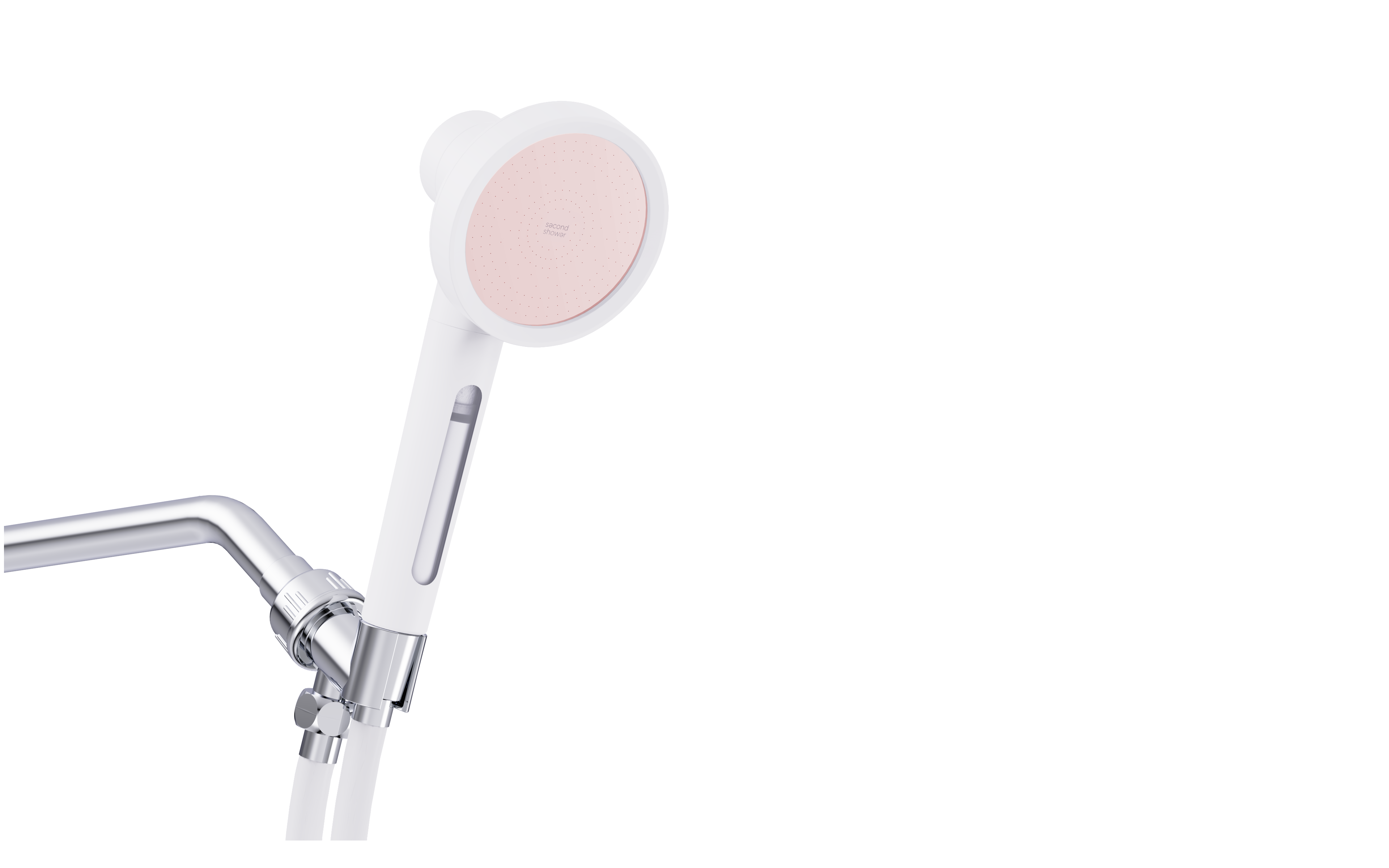
Second Shower's Showerhand (handheld model) is purpose-built for the practical realities of bathing an infant.
Second Shower's Showerhand (handheld model) is purpose-built for the practical realities of bathing an infant. The handheld form factor gives you direct spray control - critical when rinsing a squirming 4-month-old in an infant tub or kitchen sink. You can target the water exactly where it's needed without soaking the entire bathroom or getting water in the baby's face, eyes, or ears.
The 128 micro-jets create a gentle, misty spray that's less startling for newborns compared to a standard showerhead's concentrated stream, while maintaining full water pressure (no pressure loss even with filtration).
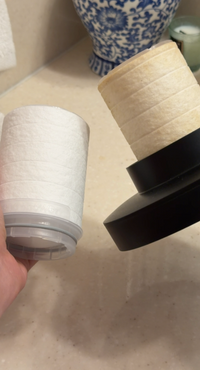
The filtration system is a two-stage design: a 5-micron polypropylene (PP) sediment pre-filter (NSF/ANSI 42* certified) catches rust, sand, and pipe scale before they reach the Vitamin C cartridge, and the Vitamin C ascorbic acid chamber neutralizes chlorine and chloramine through stoichiometric reaction. The sediment filter is particularly important for infants because abrasive particles - even microscopic ones - can scratch the delicate stratum corneum and create entry points for bacteria or irritants.
If you have older plumbing or live in an area with hard water that leaves visible residue on fixtures, that sediment is in your bath water too.
The Vitamin C infusion is the differentiator. While chlorine neutralization is the primary function, Second Shower infuses the filtered water with a 5-vitamin blend: Vitamin C (ascorbic acid), Vitamin E (tocopherol), Vitamin B3 (niacinamide), Vitamin B5 (panthenol), and Vitamin B7 (biotin). These aren't marketing additives - they're dermatologically relevant compounds. Niacinamide is clinically proven to improve skin barrier function by increasing ceramide synthesis (the lipids that "glue" skin cells together).
Panthenol is a humectant that attracts and retains moisture in the stratum corneum, counteracting the transepidermal water loss (TEWL) that chlorine causes. Tocopherol is a fat-soluble antioxidant that neutralizes reactive oxygen species (ROS) generated by any residual chlorine or copper in the water.
For parents concerned about "adding chemicals" to their baby's bath water, it's important to understand the distinction between neutralization and addition. Second Shower doesn't inject Vitamin C into the water like a supplement - it passes water through a Vitamin C-impregnated filter chamber, where the ascorbic acid reacts with and neutralizes chlorine on contact.
The resulting water contains harmless chloride ions (the same chloride found in table salt, NaCl) and trace Vitamin C residue at levels far below what's naturally present in fruit or breast milk. There are no silver ions, iodine, or bacteriostatic agents that could potentially cause allergic reactions or hormonal disruption in infants.
Installation is tool-free and takes under 5 minutes - unscrew your existing showerhead, hand-tighten the Second Shower unit, done. No plumber, no landlord permission needed, no modification to the plumbing itself. This is critical for parents in apartments, dorms, or rental homes who need clean water but can't alter the fixtures. When you move (which 35% of families with young children do within the first 2 years), the Second Shower comes with you.
At $89 retail ($69 on subscription), it's a one-time investment that protects your baby through multiple apartments, hotels during travel, or visiting relatives' homes where you don't know the water quality.
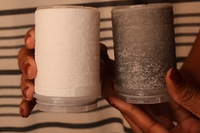
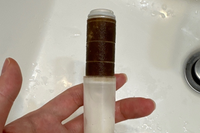
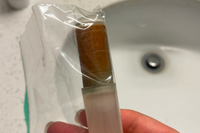
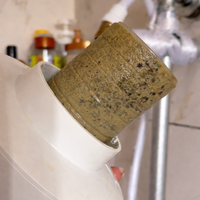
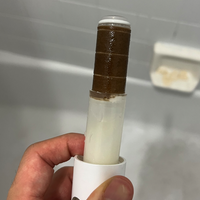
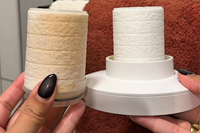
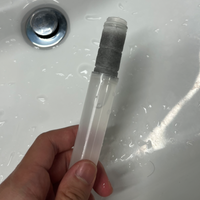
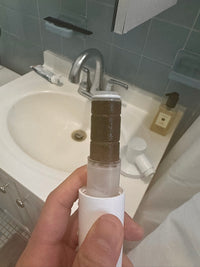
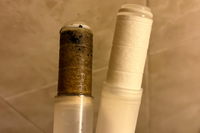
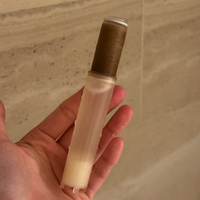
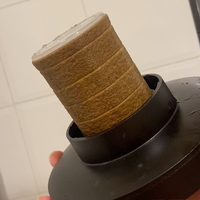
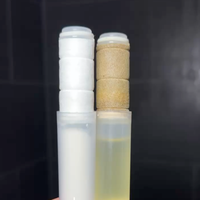
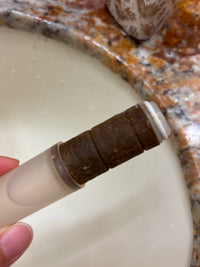
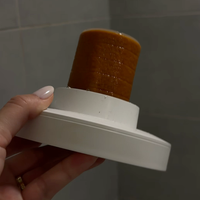
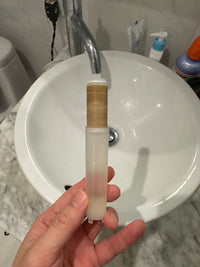
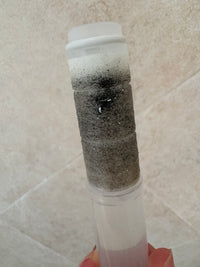
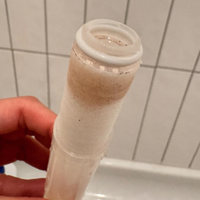
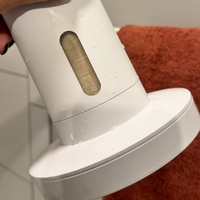
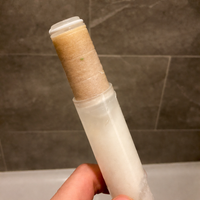
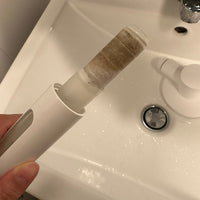
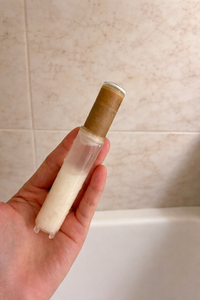
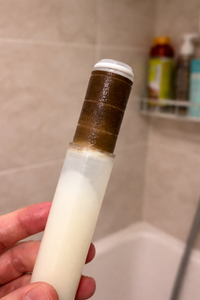
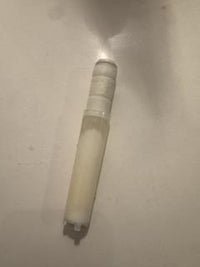
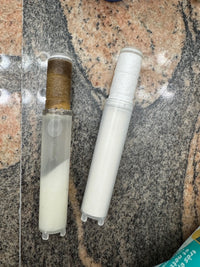
The transparent "Truth Window" on the Showerhand lets you visually monitor filter condition. As the Vitamin C cartridge absorbs sediment and oxidized minerals, the filter changes color from white to yellow/brown - a clear indicator it's working and a visual reminder to replace it. For babies, who can't verbalize discomfort, this visual feedback is valuable.
If you notice the filter is discolored after just 2 weeks, your water has high sediment or mineral content, and your baby's skin has been absorbing that same sediment. Parents report that seeing the "before" state in the filter chamber is often the proof they need that filtration isn't optional - it's essential.
The filter replacement cadence is every 30 days for the Showerhand, 60 days for the Showerhead. This is more frequent than competitors (Canopy is 90 days, AquaBliss claims 180), but it's also the reason performance stays at 99.9%. Vitamin C stays consistent through the cartridge's peak performance window, but it does get consumed in the neutralization reaction. Once the ascorbic acid is fully reacted with chlorine, the cartridge is spent.
Second Shower sizes the cartridge for 30-60 days of typical household use, ensuring you never enter the "degraded performance" window that galvanic filters do. Replacement filters are $29 for a 3-pack (Showerhand) or $36 for a 2-pack (Showerhead) on subscription, delivered automatically so you never forget to swap it out.
For nurseries or bathrooms where the baby isn't the only user, the fixed Showerhead model offers the same filtration in a wall-mount form factor with 176 micro-jets (vs. 128 on the Showerhand). The increased jet count creates an even finer mist and higher perceived pressure, which adults prefer for their own showers. Both models use identical filter cartridges and deliver identical chlorine/chloramine removal - the choice is purely about form factor and household needs.
Many parents buy the Showerhand for the nursery or guest bathroom (where baby baths happen) and the Showerhead for the primary bathroom (where everyone showers).
What a Shower Filter Won't Fix
A shower filter removes chlorine, chloramine, heavy metals, and sediment - but it's not a cure-all.
Parents should have realistic expectations about what filtered water can and cannot address.
Shower filters do not soften water. "Hard water" refers to dissolved calcium and magnesium carbonates, measured in grains per gallon (gpg) or parts per million (ppm). These minerals cause soap scum, scale buildup on fixtures, and can make hair feel rough or tangled - but they do not directly irritate infant skin.
In fact, a 2011 clinical trial (the SWET study, published in the Journal of Investigative Dermatology) found no significant difference in eczema severity between children bathed in hard water (18 gpg) versus soft water (0 gpg) when chlorine was removed. The chlorine, not the minerals, was the primary irritant. If you want to remove hardness minerals, you need an ion-exchange water softener installed at your home's main water line - not a shower filter.
Most families find that removing chlorine alone solves the skin irritation issue even in very hard water areas (15+ gpg).
Filters cannot address underlying skin conditions that require medical treatment. If your baby has diagnosed atopic dermatitis (eczema), seborrheic dermatitis (cradle cap), or a bacterial/fungal skin infection, a shower filter is a supportive measure, not a replacement for pediatric or dermatologic care. Filtered water reduces one source of irritation (chlorine), which can help the skin barrier heal faster and reduce flare frequency - but it won't eliminate eczema.
The American Academy of Dermatology recommends a multi-pronged approach: eliminate irritants (including chlorinated water), moisturize immediately after baths, use prescribed topical steroids or calcineurin inhibitors during flares, and identify food or environmental allergens if present. The filter is one piece of that protocol, not the entire solution.
Shower filters do not remove viruses, bacteria, or parasites. Municipal tap water in the U.S. is already disinfected at the treatment plant and monitored for microbial contamination. If you're concerned about Cryptosporidium, Giardia, or bacterial regrowth in your home's plumbing (common in buildings with old pipes or stagnant water), a shower filter won't help - you need a point-of-use filter rated for cyst reduction (NSF/ANSI 53) or a UV sterilization system.
For normal municipal water that meets EPA standards, microbial contamination is not a concern. The chlorine you're removing was there to kill bacteria - but once it's done that job at the treatment plant, you don't need it in your shower water.
Shower filters have minimal effect on fluoride, nitrates, or dissolved salts. These compounds are small molecules or ions that pass through most physical and chemical filters. If you live in an agricultural area with high nitrate levels in groundwater (>10 mg/L), or you're concerned about fluoride exposure (though topical fluoride from water is not a health risk), you need a reverse osmosis (RO) system for drinking water.
Showering and bathing in nitrate- or fluoride-containing water is not a dermatologic concern - these compounds don't irritate skin the way chlorine does.
Filters cannot compensate for excessively hot water. Bathing infants in water hotter than 100°F (37.8°C) damages the skin barrier regardless of water quality. Hot water increases TEWL, strips lipids, and causes vasodilation (visible redness). The American Academy of Pediatrics recommends bath water between 90-100°F for newborns - test with your elbow or a thermometer. If you're using filtered water but still bathing the baby in 105°F water, you'll still see red, dry skin.
Temperature control and filtration work together - neither alone is sufficient.
Finally, shower filters are not necessary for sponge baths or very brief rinses. In the first 2-4 weeks of life, many pediatricians recommend sponge baths (washcloth + basin of warm water) instead of submerging the baby until the umbilical cord stump falls off.
If you're doing sponge baths with a small amount of water, you can let the water sit in an open container for 30 minutes to allow chlorine to volatilize (doesn't work for chloramine), or simply use filtered water from a pitcher filter like Brita. Shower filters are most valuable once you're doing regular tub baths or showers 2-3 times per week, where the baby is immersed or continuously exposed to running water for 5-10 minutes.
Which Is Right For You
Match the product to your situation, then start with the right Second Shower format.

Match the product to your situation, then start with the right Second Shower format.
Next Step
Use a verified product path and track outcomes over the first replacement cycle.
Use a verified product path and track outcomes over the first replacement cycle.
Related Reading
FAQ
Is tap water safe for baby baths?
Tap water meets EPA safety standards for drinking, but babies have thinner, more permeable skin. Filtering out chlorine and chloramines provides an extra layer of protection.
Do pediatricians recommend shower filters for babies?
While not a universal recommendation, many pediatric dermatologists suggest filtered water for babies with sensitive skin, eczema, or cradle cap.
What's the safest shower filter for a baby's bath?
Look for NSF-certified filters that remove chlorine and chloramines without adding any chemicals. Vitamin C-based filters like Second Shower are a gentle, effective option.
Can chlorine in bath water affect a baby's skin?
Yes. Chlorine can dry out and irritate delicate baby skin. Even low concentrations that are safe to drink can be harsh on a baby's developing skin barrier.



Leave a comment
All comments are moderated before being published.
This site is protected by hCaptcha and the hCaptcha Privacy Policy and Terms of Service apply.