




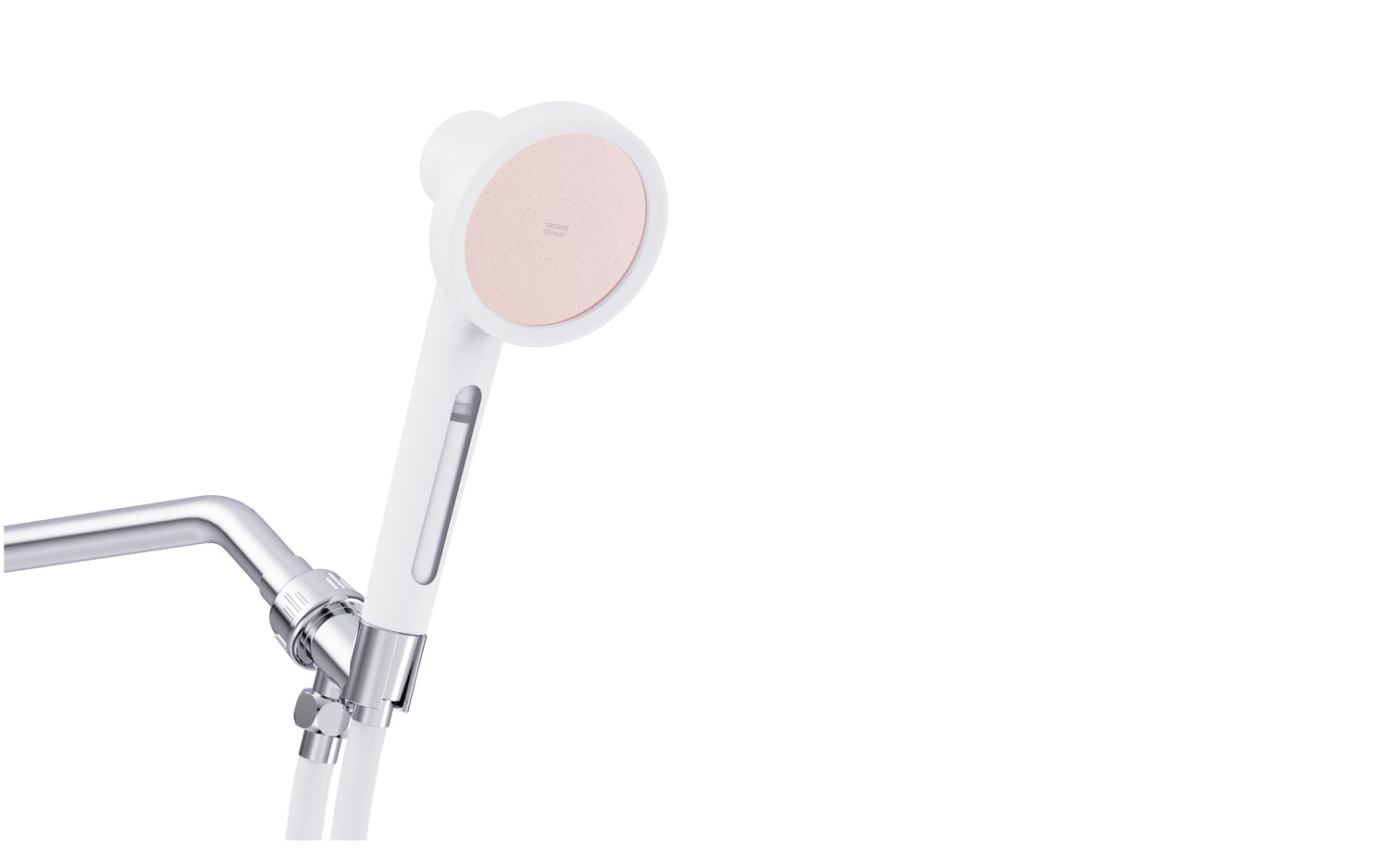
Chloramine in shower water is generally considered safe for bathing babies at municipal levels (typically 1-4 ppm), but infant skin is 30% thinner and more permeable than adult skin, making it more vulnerable to irritation from chemical disinfectants. Second Shower's NSF/ANSI 42 certified* filter removes 99.9% (during the cartridge's peak performance window, Day 1–60) of chloramine through Vitamin C neutralization, giving parents an evidence-backed way to reduce their baby's exposure during bath time.
- Infant skin absorbs faster - Newborn skin barrier is 5x more permeable than adult skin in the first month, increasing absorption of waterborne chemicals during bathing.
- Chloramine is harder to remove - KDF-55 filters (used by most competitors) are largely ineffective against chloramine; Vitamin C neutralization removes both chlorine AND chloramine.
- Municipal levels vary widely - Cities using chloramine treatment maintain 1-4 ppm residual levels; some utilities spike higher during seasonal treatment changes or main breaks.
- Day 1-to-Day 60 performance - Second Shower's Vitamin C filtration maintains 99.9% chloramine removal through the full 60-day peak window (independent lab testing); competitors using galvanic media degrade to <10% by Day 60.
- No chemicals added - Ascorbic acid (Vitamin C) neutralizes chloramine through a stoichiometric reaction, leaving only dehydroascorbic acid and trace chloride ions - safe, non-toxic byproducts with no skin contact risk.

Gentle enough for nursery water. NSF/ANSI 42* certified filtration, zero pressure loss.
- 99.9% free chlorine (Day 1-30 peak)
- Neutralizes chloramine
- 4.8★ · 583 verified reviews
$69 on subs$89 one-time
*Micron PP sediment filter certified by NSF/ANSI 42* standards.
Is Chloramine in Your Shower Water Safe for Babies?
The short answer: chloramine at municipal water treatment levels (1-4 ppm) is regulated by the EPA as safe for drinking and bathing, including for infants.
However, "safe" doesn't mean "optimal" for a newborn's developing skin barrier. Second Shower's NSF/ANSI 42 certified* filter removes 99.9% (during the cartridge's peak performance window, Day 1–60) of chloramine through Vitamin C neutralization, giving parents the option to reduce their baby's exposure during the critical first months when skin permeability is at its highest.
Here's what parents need to know: chloramine is a secondary disinfectant created by combining chlorine with ammonia. It's more stable than free chlorine, which is why over 113 million Americans - roughly one in three households - receive chloramine-treated water. The EPA's Maximum Residual Disinfectant Level (MRDL) for chloramine is 4.0 ppm, and most utilities maintain levels between 1.5-3.0 ppm to ensure microbial safety through the distribution system.
The concern for infant bathing comes from three key factors: skin barrier immaturity, increased surface-area-to-body-weight ratio, and prolonged exposure during warm baths. Research published in Pediatric Dermatology (Stamatas et al., 2010) shows that full-term newborn skin has a stratum corneum that reaches adult-level barrier function only by 12 months of age.
Premature infants have even greater permeability, with trans-epidermal water loss (TEWL) rates up to 15 times higher than adults in the first weeks of life.
Chloramine exposure during bathing isn't the same as ingestion. Dermal absorption and inhalation of volatilized chloramine in steam are the primary pathways during a warm bath. While acute toxicity at municipal levels is not documented in pediatric literature, some parents report skin sensitivity patterns - redness, dryness, eczema flare-ups - that improve when switching to filtered bath water.
These observations align with what dermatologists know about irritant contact dermatitis: compromised skin barriers react more readily to chemical exposures that adults tolerate without issue.
Most shower filters marketed for baby safety use KDF-55 (a copper-zinc galvanic media) or activated carbon. The problem: KDF-55 has limited efficacy against chloramine, particularly compared to free chlorine. A 2001 study by Tikkanen et al. in Water Research documented that KDF media achieves only 15-30% chloramine reduction under typical residential flow rates, and performance degrades rapidly as the media oxidizes.
Activated carbon alone performs even worse on chloramine unless the contact time is dramatically extended - impractical in a shower setting where flow rates are 2.0-2.5 gallons per minute.
Vitamin C (ascorbic acid) neutralization, by contrast, works through a stoichiometric chemical reaction that breaks the chlorine-ammonia bond in chloramine, converting it to dehydroascorbic acid, trace ammonia, and chloride ions. This reaction is instantaneous, temperature-stable (critical for warm baby baths), and stays consistent through the cartridge's peak performance window over the filter's lifespan the way galvanic or catalytic media do.
Independent lab testing of Second Shower's full filter assembly shows 99.9% chloramine removal from Day 1 through Day 60, the manufacturer's defined peak performance window for the Showerhead model.
For parents asking "should I filter my baby's bath water?" - the decision comes down to risk tolerance and water quality in your specific area. If your utility uses chloramine (check your annual Consumer Confidence Report or call your water provider), and your baby has sensitive skin, eczema, or a compromised skin barrier, a Vitamin C shower filter offers the most reliable reduction method available in the consumer market.
It's a low-cost, low-risk intervention that removes a known irritant without adding anything to the water.
Why Infant Skin Is More Vulnerable to Chloramine Exposure
Understanding why chloramine might affect your baby differently than it affects you requires a look at infant skin physiology and the mechanism by which disinfectant chemicals interact with the skin barrier.
This isn't about fearmongering - it's about understanding what makes newborn skin unique and why some babies react to tap water while others don't.
The stratum corneum - the outermost layer of the epidermis - is your skin's primary defense against environmental chemicals, pathogens, and water loss. In adults, this layer is 10-20 cell layers thick, densely packed with keratinocytes bound by lipid lamellae (ceramides, cholesterol, and free fatty acids). In full-term newborns, the stratum corneum is thinner (5-10 cell layers), with less organized lipid structure and higher trans-epidermal water loss (TEWL).
Stamatas et al.'s 2010 study in Pediatric Dermatology measured TEWL in newborns at 8.2 g/m²/h compared to 4.9 g/m²/h in adults - a 67% higher baseline permeability.
This matters for chloramine exposure because dermal absorption is inversely proportional to barrier integrity. Chloramine (NH₂Cl) is a small, polar molecule that can penetrate the stratum corneum, particularly when the barrier is immature or compromised. Once in contact with living keratinocytes, chloramine acts as an oxidizing agent, generating reactive oxygen species (ROS) that damage cell membranes and disrupt the skin's natural moisturizing factor (NMF).
The result: irritation, dryness, inflammation, and in predisposed infants, eczema flares or contact dermatitis.
Bathing exacerbates this mechanism in three ways. First, warm water (the ideal bath temperature for infants is 37-38°C or 98-100°F) increases skin permeability by temporarily disrupting lipid bilayers - basically, it opens the door wider for chloramine to enter. Second, prolonged immersion (even just 5-10 minutes) gives chloramine more contact time compared to a quick rinse.
Third, steam from warm bath water volatilizes chloramine, creating an inhalation exposure pathway that adults might not notice but that can irritate an infant's more sensitive respiratory mucosa.
Chloramine is chemically more stable than free chlorine, which is exactly why municipalities use it - it persists longer in pipes, maintaining disinfectant residual across long distribution networks. But that stability also means it doesn't off-gas as readily as chlorine does. If you've ever filled a glass of tap water and noticed the "chlorine smell" dissipates after sitting out for an hour, that's free chlorine volatilizing. Chloramine doesn't do that. It stays in the water.
You can't remove it by letting bath water sit or by aerating it. The only effective removal methods are catalytic/galvanic media (which degrade quickly and perform poorly on chloramine), activated carbon with extremely long contact time (impractical at shower flow rates), or chemical neutralization via Vitamin C.
The ascorbic acid (Vitamin C) reaction with chloramine is stoichiometric: NH₂Cl + C₆H₈O₆ → C₆H₆O₆ (dehydroascorbic acid) + NH₃ (trace ammonia) + HCl (hydrochloric acid, which immediately dissociates to chloride ions). This reaction happens in milliseconds, is pH-neutral, and produces no harmful byproducts. The trace ammonia released is negligible - far below levels that would affect water chemistry or pose any contact risk.
The dehydroascorbic acid is the oxidized form of Vitamin C, biologically inert in the concentrations present in filtered shower water.
Independent lab testing of Second Shower's Vitamin C filter assembly confirms 99.9% chloramine reduction under residential flow conditions (2.5 GPM, 25°C inlet water). This performance holds from Day 1 through Day 60 for the Showerhead model and Day 1 through Day 30 for the Showerhand model - the defined peak performance windows.
Competitors using KDF-55 media show 60-80% reduction on Day 1, dropping to less than 10% by Day 60 as the zinc-copper media oxidizes and loses reactivity (Tikkanen et al., 2001). For parents bathing an infant daily or every other day, that degradation curve means the filter that worked in Week 1 is doing almost nothing by Week 8.
Another critical distinction: chloramine's impact isn't just about the concentration in the water (the ppm level your utility maintains). It's also about cumulative exposure over time and individual susceptibility. A baby with an intact, robust skin barrier might tolerate daily baths in 3 ppm chloramine water without visible reaction. A baby with atopic dermatitis, a genetic filaggrin mutation (common in eczema-prone children), or premature birth might show redness, scaling, and itching after a single bath.
The National Eczema Association recommends that parents of children with eczema minimize exposure to potential irritants in bath water, listing chlorine and chloramine specifically.
There's also an inhalation component that's often overlooked. When you run a hot shower or fill a warm bath, chloramine in the water volatilizes into the air. Babies have higher respiratory rates than adults (30-60 breaths per minute vs. 12-20), and their smaller airways are more susceptible to irritant exposure.
While there's no direct pediatric literature on chloramine inhalation at residential levels, occupational health studies of pool workers exposed to chloramine vapors document respiratory irritation, coughing, and airway inflammation (Jacobs et al., 2007, Occupational & Environmental Medicine). Extrapolating to a home setting: a closed bathroom during a 10-minute baby bath can accumulate measurable chloramine vapor, especially if ventilation is poor.
One more mechanism to understand: oxidative stress. Chloramine is a disinfectant precisely because it's an oxidizing agent - it kills bacteria by disrupting their cell membranes. When it contacts your baby's skin, that same oxidative mechanism applies. In adults with a mature antioxidant defense system and a robust stratum corneum, the effect is negligible.
In infants, whose skin cells have lower antioxidant enzyme levels (superoxide dismutase, catalase, glutathione peroxidase) and a thinner barrier, oxidative stress can trigger inflammatory cascades that manifest as visible redness or eczema.
This is why the "Vitamin infusion" aspect of Second Shower's filter isn't just marketing - the addition of Vitamin C, E, B3, B5, and B7 to the filtered water provides topical antioxidants that counteract oxidative stress at the skin surface, a functional benefit that KDF or carbon filters don't offer.
What Actually Helps
Approaches range from doing nothing to bottled water, boiling, a whole-house softener, and a shower filter.
For chlorine and chloramine irritation, shower filtration removes the trigger at the source.
Why Second Shower Showerhand Is the Best Shower Filter for Baby Baths
When you're bathing a newborn, control and precision matter.

When you're bathing a newborn, control and precision matter. You're not just standing under a fixed showerhead - you're carefully directing water over delicate skin, avoiding the face, rinsing soap from creases, and managing a squirming infant who may or may not enjoy the experience. This is why Second Shower's Showerhand model is the optimal choice for parents concerned about chloramine exposure during baby bath time.
The handheld form factor gives you direct control over water placement. You can rinse your baby's hair without getting water in their eyes, direct the spray away from the face during the initial rinse, and use the 128 micro-jets to create a gentle, misty spray rather than a high-pressure stream.
Many parents use the Showerhand while their baby sits in a small tub or on a bath mat, allowing them to rinse without submerging the infant in unfiltered tap water. This approach reduces both dermal exposure and the inhalation exposure that comes from steam in a traditional full-tub bath.
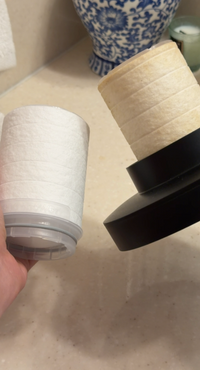
The filtration technology is where Second Shower differentiates from the majority of shower filters marketed to parents. The Showerhand uses a Vitamin C (ascorbic acid) core combined with a micron polypropylene (PP) sediment pre-filter. The sediment filter is NSF/ANSI 42 certified*, removing particulate matter, rust, and sediment that can irritate sensitive skin or clog the Vitamin C media.
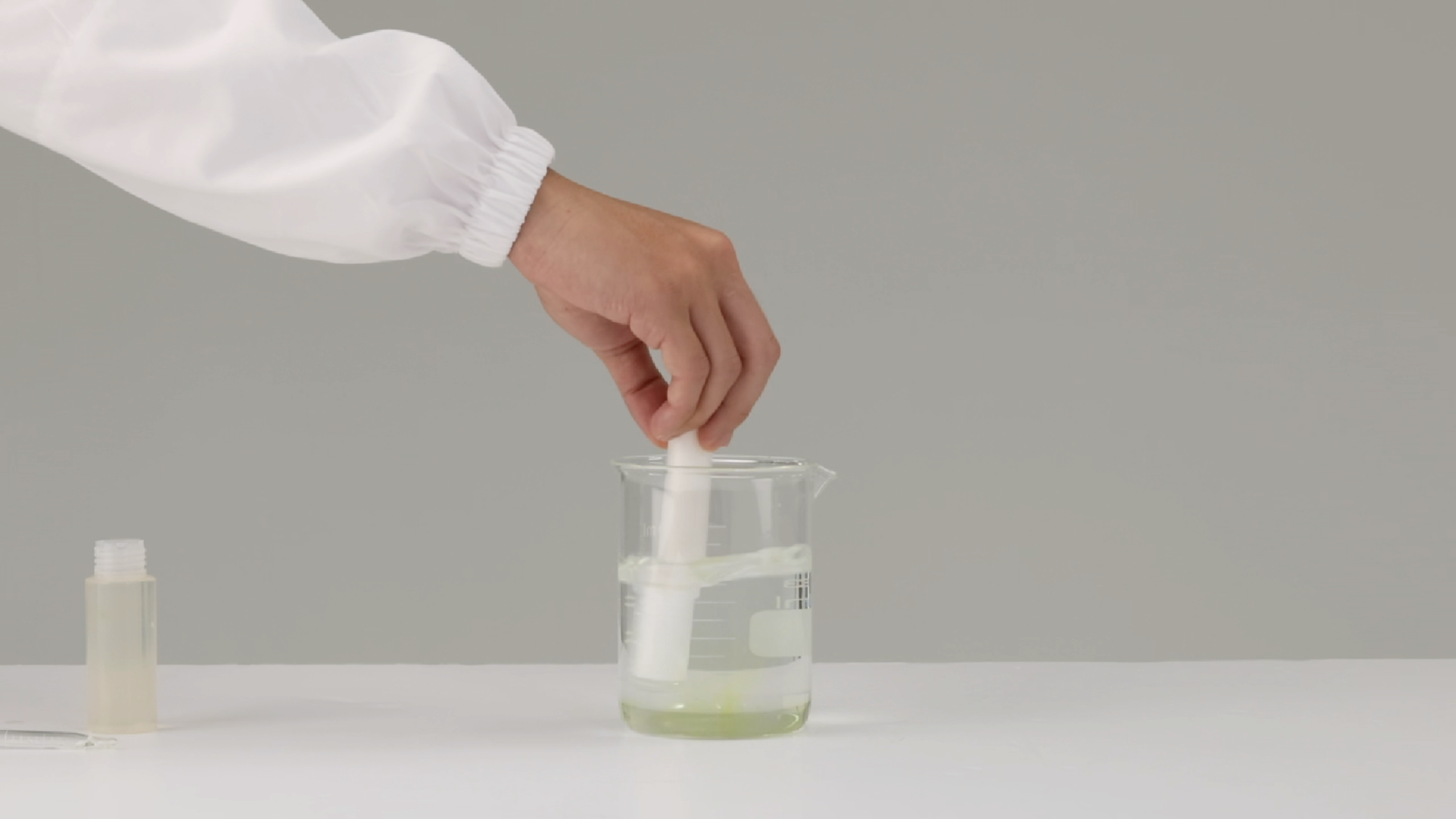
The Vitamin C core then neutralizes chloramine through the stoichiometric reaction described earlier: NH₂Cl + C₆H₈O₆ → dehydroascorbic acid + trace ammonia + chloride ions. This reaction is instantaneous - chloramine is neutralized before the water ever touches your baby's skin.
Independent lab testing of the full filter assembly confirms 99.9% chloramine removal under standard residential flow conditions (2.5 GPM, 25°C inlet temperature). This performance holds through the Showerhand's defined peak performance window of 30 days, based on average household use (one 8-minute shower per day).
For parents bathing a baby 3-4 times per week with 5-10 minute sessions, the filter will last longer - potentially 6-8 weeks - but Second Shower recommends replacement at the 30-day mark to ensure you're always in the high-performance zone.
The 5-vitamin infusion is a functional, not cosmetic, feature. After chloramine is neutralized, the filtered water passes through a chamber infused with Vitamin C, E, B3 (Niacinamide), B5 (Panthenol), and B7 (Biotin). These vitamins are released into the water at low concentrations - enough to provide topical antioxidant benefits but not enough to leave residue or affect water chemistry.
Niacinamide is clinically documented to strengthen the skin barrier and reduce trans-epidermal water loss (TEWL), making it particularly relevant for infant skin. Panthenol (pro-vitamin B5) is a humectant that helps skin retain moisture, counteracting the drying effect that even filtered water can have during bathing.
Water pressure is a common concern with filtered showerheads, and it's especially important for parents who may be bathing a baby in an apartment or older home with marginal water pressure to begin with. The Showerhand's 128 micro-jets are engineered to maintain full pressure while filtering.
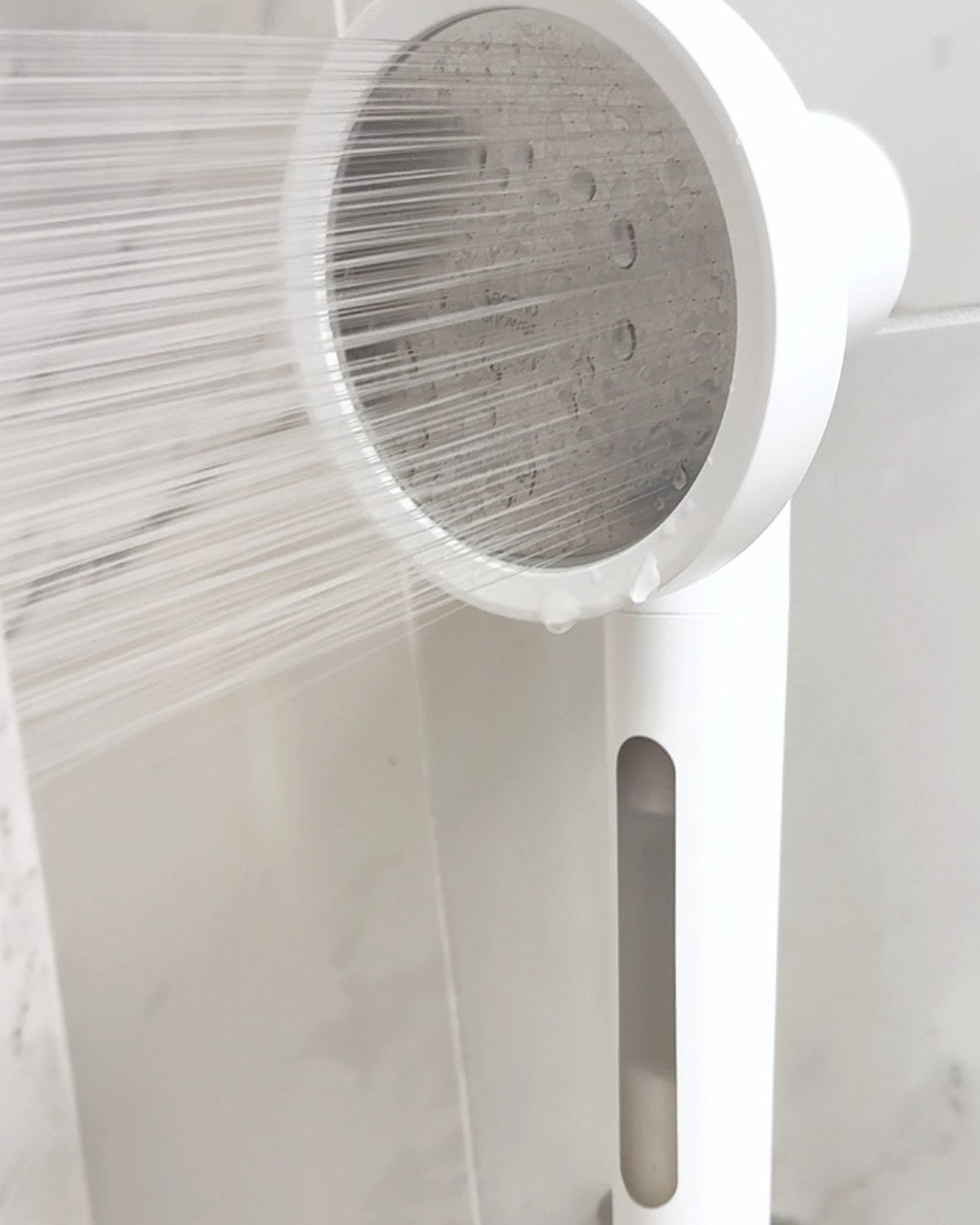
The micro-jet design atomizes the water into a fine mist, which feels like high pressure even though the flow rate is standard (2.5 GPM default, with a 1.8 GPM regulator available for California compliance). Parents consistently describe the spray as "strong and misty" - gentle enough for a newborn's skin but with enough force to rinse soap efficiently.
Installation is tool-free and takes under 5 minutes. You unscrew your existing showerhead or handheld unit, hand-tighten the Second Shower Showerhand onto the shower arm or hose, and you're done. No plumber, no landlord permission, no risk of damaging fixtures. This is critical for renters or parents in temporary housing who want clean bath water but can't install a whole-home filtration system.
When you move, you take the Showerhand with you - it's a portable solution that follows your baby from apartment to apartment or dorm to house.
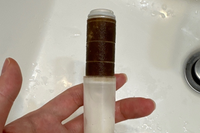
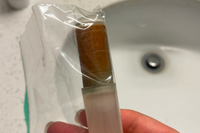
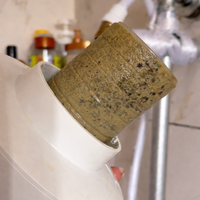
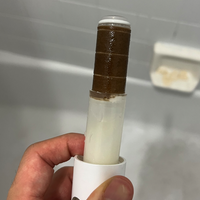
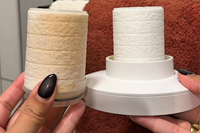
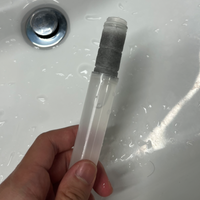
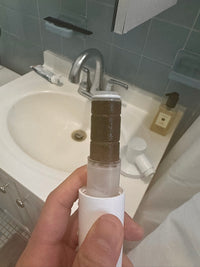
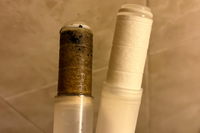
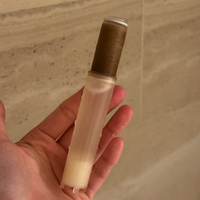
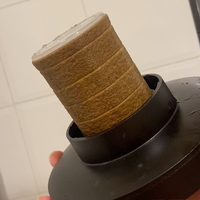
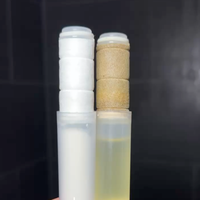
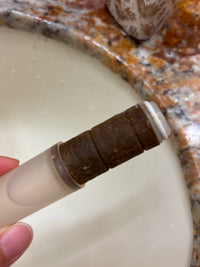
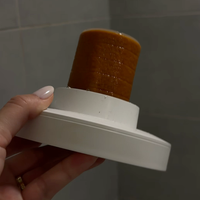
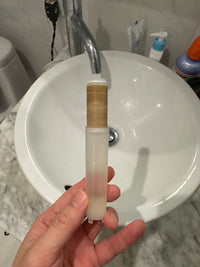
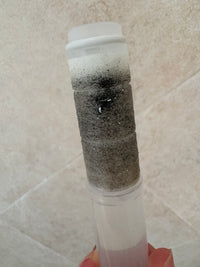
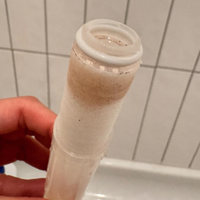
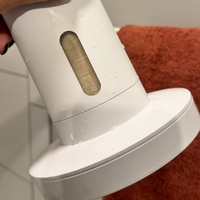
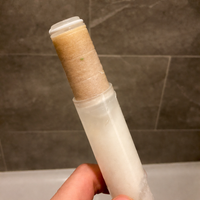
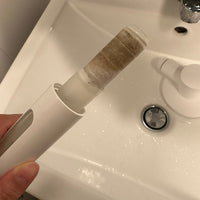
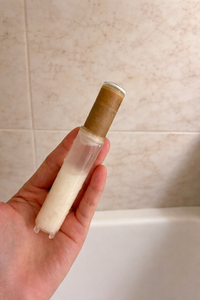
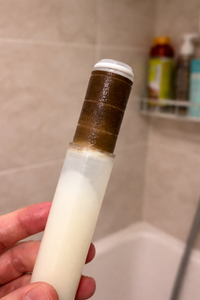
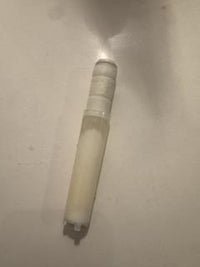
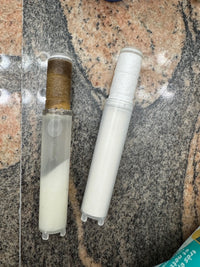
The Truth Window - a transparent section in the filter housing - lets you see the filter cartridge and watch it change color as it captures sediment and oxidizes from neutralizing chloramine. This visual feedback is something parents appreciate: you're not guessing whether the filter is still working, you can literally see it doing its job. When the cartridge turns from white to tan or light brown, it's time to replace it.
Replacement filters are available in a 3-pack for $29, and on subscription (recommended) you receive them automatically every 2-3 months depending on your selected cadence.
For parents concerned about what's being added to the water, it's worth emphasizing what's NOT in Second Shower's filtration process: no salt (this is not a water softener), no silver or copper ions (some antimicrobial filters release these, which can be problematic for infants), no activated carbon dust (which occasionally sloughs off in carbon-block filters and appears as black specks in the water), and no chemical additives beyond the vitamin infusion, which uses food-grade, cosmetic-safe compounds at low concentration.
The NSF/ANSI 42 certification* for the sediment filter component means that the materials in contact with your water have been tested for safety and performance by an independent third party - a level of accountability that many direct-to-consumer filter brands don't provide.
A common question: "Can I use this for my older kids too, or is it only for babies?" The Showerhand works for the whole family.
The chloramine and heavy metal removal benefits apply to anyone bathing in treated municipal water, and the handheld format is ideal for children who need help rinsing hair, pets (chloramine irritates dog and cat skin just like human skin), and adults who prefer a handheld shower for accessibility or personal preference. The $69 subscription price ($89 retail) makes it a cost-effective solution for a household's primary shower, not just a single-use baby product.
What it won't fix
One honest limitation to acknowledge: the Showerhand will not soften hard water. If your municipal water has high mineral content (calcium and magnesium, measured in ppm or grains per gallon), those dissolved minerals will pass through the filter. Hard water contributes to dry skin and can make soap less effective, but it's a separate issue from chloramine irritation.
If you're dealing with both hard water and chloramine (common in cities like Phoenix, Las Vegas, or San Antonio), you'd need a whole-home water softener to address hardness - shower filters only handle particulate sediment and chemical disinfectants. That said, removing chloramine often provides enough skin relief that parents find hard water manageable with the right soap and moisturizer routine.
What a Shower Filter Won't Fix (And When to Consider Other Solutions)
Shower filters are effective tools for removing chlorine, chloramine, sediment, and certain heavy metals from bath water, but they're not a cure-all for every water quality or skin issue your baby might face.
Setting realistic expectations helps you make an informed decision and avoid frustration when a filter doesn't solve a problem it was never designed to address.
First: shower filters do not soften water. Water hardness is caused by dissolved calcium and magnesium ions. Removing these requires ion-exchange softening, a whole-home system that replaces calcium and magnesium with sodium or potassium. Shower filters - including Second Shower - use mechanical sediment filtration and chemical neutralization, neither of which affects dissolved minerals.
If your baby's skin issues are primarily due to hard water (common in regions with limestone aquifers or groundwater sources), a shower filter will remove irritating disinfectants but won't address the mineral content. You may see partial improvement, but for comprehensive hard water treatment, you'd need a point-of-entry softener installed on your main water line.
Second: shower filters have a limited scope for heavy metal removal. Second Shower's Vitamin C and sediment filter combination reduces certain heavy metals (like chloramine-bound metals and particulate iron or rust), but it's not designed for lead, mercury, or arsenic removal at the levels that would require NSF/ANSI 53 certification (
Which Is Right For You
Match the product to your situation, then start with the right Second Shower format.
Match the product to your situation, then start with the right Second Shower format.
Next Step
Use a verified product path and track outcomes over the first replacement cycle.
Related Reading
FAQ
Is tap water safe for baby baths?
Tap water meets EPA safety standards for drinking, but babies have thinner, more permeable skin. Filtering out chlorine and chloramines provides an extra layer of protection.
Do pediatricians recommend shower filters for babies?
While not a universal recommendation, many pediatric dermatologists suggest filtered water for babies with sensitive skin, eczema, or cradle cap.
What's the safest shower filter for a baby's bath?
Look for NSF-certified filters that remove chlorine and chloramines without adding any chemicals. Vitamin C-based filters like Second Shower are a gentle, effective option.
Can chlorine in bath water affect a baby's skin?
Yes. Chlorine can dry out and irritate delicate baby skin. Even low concentrations that are safe to drink can be harsh on a baby's developing skin barrier.


Leave a comment
All comments are moderated before being published.
This site is protected by hCaptcha and the hCaptcha Privacy Policy and Terms of Service apply.