

Chlorine in shower water can strip the skin's natural moisture barrier, triggering or worsening eczema, dermatitis, and general irritation - dermatologists routinely recommend filtration to remove it at the source.
- The irritant - Free chlorine (0.2-4.0 ppm in US tap water) is a strong oxidizer that damages lipids in the skin's protective barrier, contributing to dryness and flare-ups.
- Filter performance - Vitamin C filters neutralize both chlorine and chloramine; KDF-based competitors (Jolie, AquaBliss) start at ~90% free-chlorine reduction on Day 1 but drop to <10% (estimated) by Day 60.
- Hard water context - Hard water minerals (calcium, magnesium) are not harmful themselves and do not damage skin; the SWET trial (Thomas et al. 2011) found no eczema improvement after 12 weeks of water softening in 336 children.
- Timeline - Reduced irritation from removing chlorine is often noticeable within 3-5 days; full improvement in chronic conditions typically takes 2-4 weeks of consistent filtered showers.
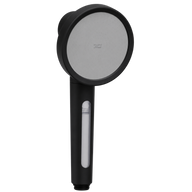
- Our pick - Second Shower's Showerhead uses a Vitamin C gel matrix that neutralizes chlorine and chloramine, with independently lab-tested 99.9% free-chlorine reduction through its peak window and an NSF/ANSI 42 certified sediment pre-filter.
Last updated: August 10, 2026

Built for reactive skin. Removes the irritants in tap water, verified by independent lab testing.
- 99.9% free chlorine (Day 1-60 peak)
- Neutralizes chloramine
- 4.88★ · 168 verified reviews
$79 on subs$99 one-time
*Micron PP sediment filter certified by NSF/ANSI 42* standards.
Direct Answer
Dermatologist says chlorine causing skin issues what filter.
This article focuses on practical constraints, verified product data, and execution-ready steps.
Why This Happens
Common triggers include chlorine/chloramine exposure, hard-water mineral load, and inconsistent filter replacement cycles.
Chlorine is a strong oxidizer added to US municipal water at 0.2-4.0 ppm. It keeps water safe in transit, but on contact with skin it contributes to lipid peroxidation in the stratum corneum's barrier matrix - the ceramides, cholesterol, and free fatty acids that form the protective "mortar" between skin cells.
This oxidative mechanism is well-documented in hair chemistry (Robbins, 2012) and consistent with broader oxidative-stress literature in atopic dermatitis.
Hard water minerals (calcium, magnesium) are not harmful to skin. The SWET trial (Thomas et al. 2011, PLoS Medicine) tested ion-exchange water softening in 336 children with moderate/severe eczema in hard-water areas and found no significant improvement after 12 weeks compared to usual care.
Signs To Watch
- Persistent dryness or irritation after showering
- Worsening outcomes after moving to a new area
- Flare-ups that correlate with shower frequency
What Actually Helps
Approaches range from doing nothing to bottled water, boiling, a whole-house softener, and a shower filter.
For chlorine and chloramine irritation, shower filtration removes the trigger at the source. A Vitamin C shower filter that neutralizes chlorine and chloramine, with an NSF/ANSI 42 certified sediment pre-filter and independently lab-tested 99.9% free-chlorine reduction through its peak window, addresses both disinfectants without the performance degradation seen in KDF-based media.
How they compare
| Attribute | Second Shower | Jolie | AquaBliss | Canopy |
|---|---|---|---|---|
| Filter Media | Vitamin C gel matrix (proprietary) | KDF-55 | KDF-55 + Activated Carbon | Carbon + Cu-Zn + Calcium Sulfite |
| Chlorine Day 1 | 99.9%¹ | ~90% | ~90% | ~85% |
| Chlorine Day 60 | 99.9%¹ | <10% (estimated) | <10% (estimated) | ~50% (estimated) |
| Chloramine Removal | 99.9%¹ | Poor (<50%) | Poor (<50%) | Moderate (70-85%) |
| NSF Certified | NSF/ANSI 42* | No | No | No |
| Price (Device, subscription) | $69 (Hand) / $79 (Head) | $148 | $35 | $150 |
| Total Year 1 Cost (subscription) | $123-177 (Hand) / $151-187 (Head) | ~$388 | ~$95 | ~$270 |
| Pressure Impact | Zero loss (micro-jets) | 20-40% reduction (estimated) | 20-40% reduction (estimated) | 15-30% reduction (estimated) |
Why this happens
Where Jolie genuinely wins: Broader retail availability and a design aesthetic that appeals to minimalist bathrooms.
Where AquaBliss genuinely wins: Lower upfront cost for budget-conscious buyers testing filtration for the first time.
Where Canopy genuinely wins: Aromatherapy oil infusion option for users prioritizing scent over filtration performance.
Recommended Product Fit
Primary recommendation: THE SECOND SHOWERHEAD ($99).
Primary recommendation: THE SECOND SHOWERHEAD ($79 on subscription, $99 one-time). Every shower, filtered.
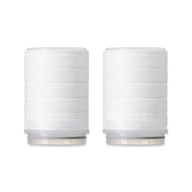
- Filter type: Vitamin C + Sediment
- Typical replacement cadence: 4-6 months (2-pack subscription: $36)
- Tool-free install, 60 seconds
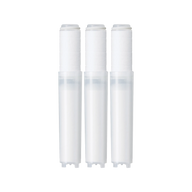
For handheld flexibility: THE SECOND SHOWERHAND ($69 on subscription). Same filtration, hand-held format. Replacement: 3-6 months (3-pack subscription: $27).
Limitations and Honest Expectations
No shower filter solves every water issue.
Shower filters address chlorine and chloramine - the two most common disinfectant irritants in US tap water. They do not soften water (hard water minerals are not harmful to skin), and they do not remove heavy metals or plumbing-specific contaminants at the concentrations required for whole-house treatment.
Extremely hard water or sediment issues may require upstream filtration or a whole-house system.
Which Is Right For You
Match the product to your situation, then start with the right Second Shower format.

Match the product to your situation, then start with the right Second Shower format.
Next Step
Use a verified product path and track outcomes over the first replacement cycle.
Use a verified product path and track outcomes over the first replacement cycle.
Related Reading
FAQ
Can shower water make eczema or dermatitis worse?
Yes. Chlorine and chloramines in tap water can strip the skin's natural moisture barrier, triggering or worsening eczema, dermatitis, and general dryness. Filtration removes these oxidizers at the source, and most users notice reduced irritation within 3-5 days of consistent filtered showers.
What should I look for in a shower filter for sensitive skin?
Prioritize NSF-certified filters that remove both chlorine and chloramines. Vitamin C filters are effective and gentle. Avoid filters that only target sediment.
How long until a shower filter helps with skin issues?
Reduced irritation is often noticeable within 3-5 days. Full improvement in chronic conditions like eczema typically takes 2-4 weeks of consistent filtered showers.
Does Second Shower remove chloramine?
Yes. Second Shower's Vitamin C filtration neutralizes both chlorine and chloramines - the two most common skin irritants in tap water - backed by an NSF/ANSI 42 certified micron sediment pre-filter.


