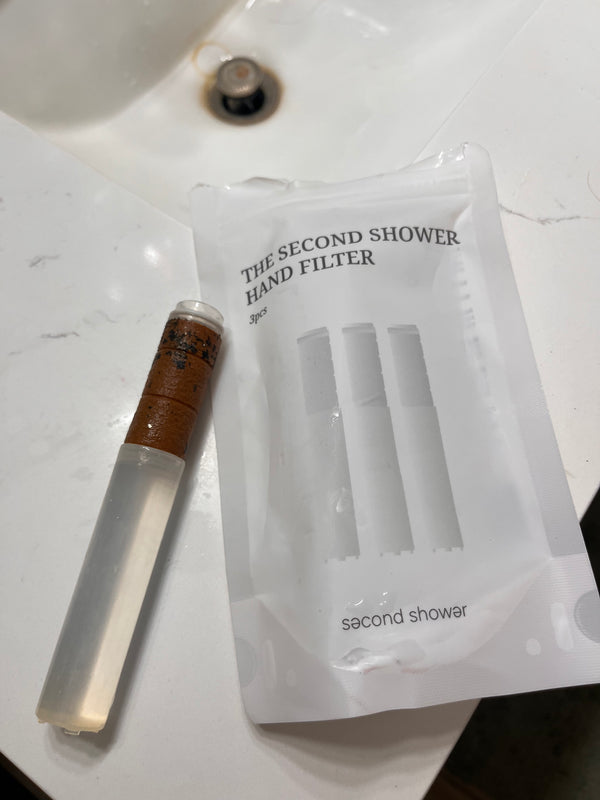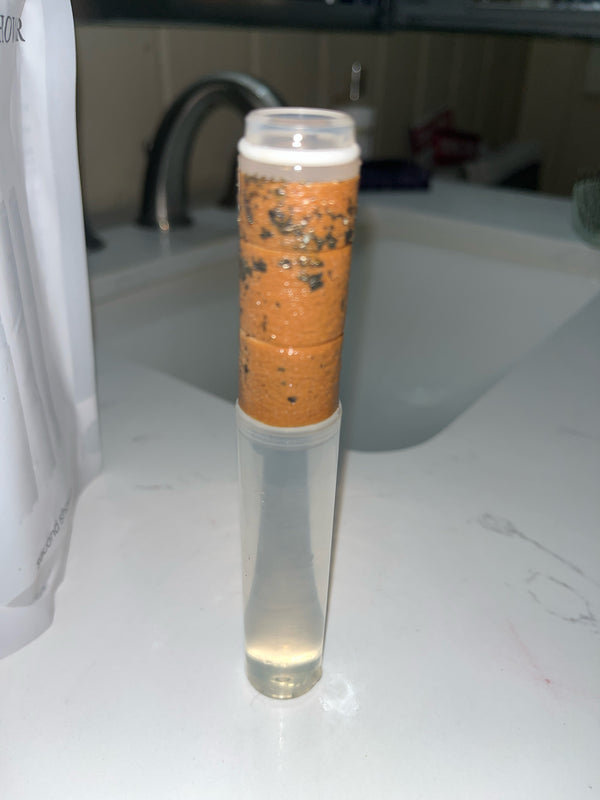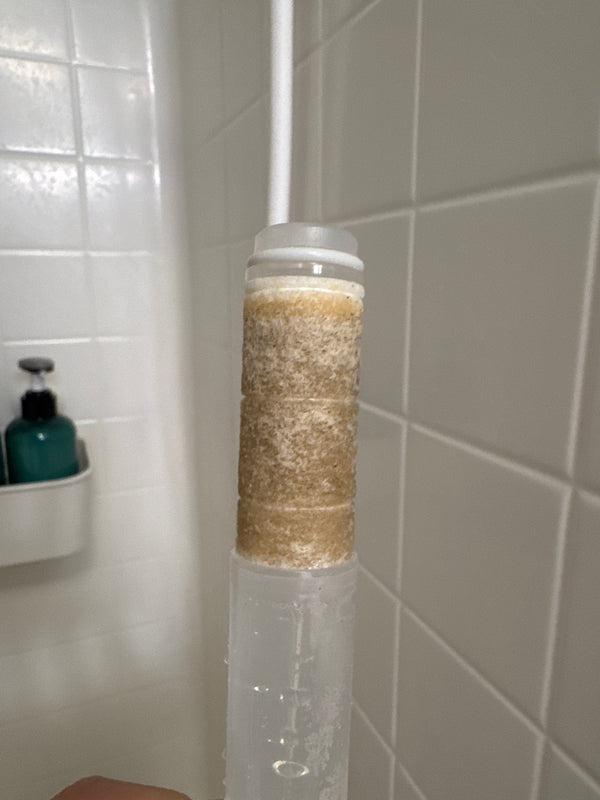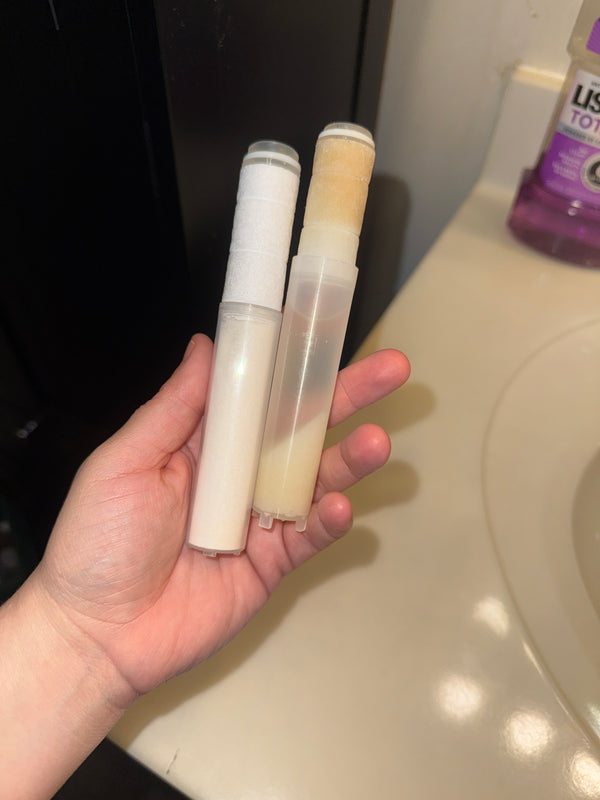
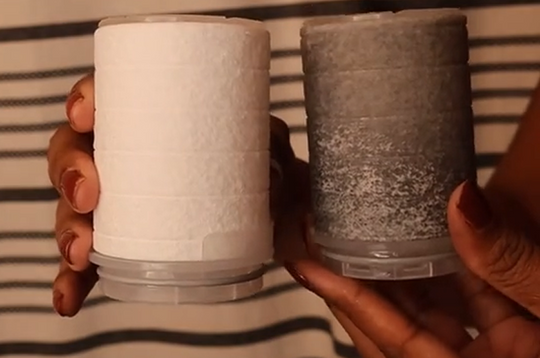
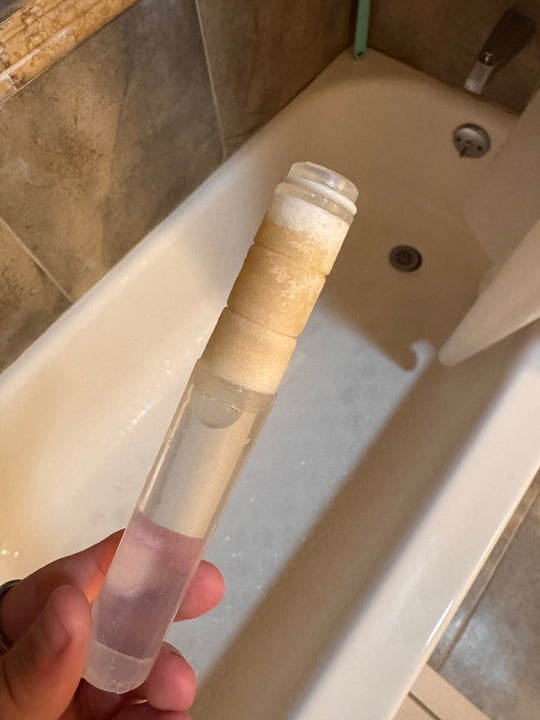
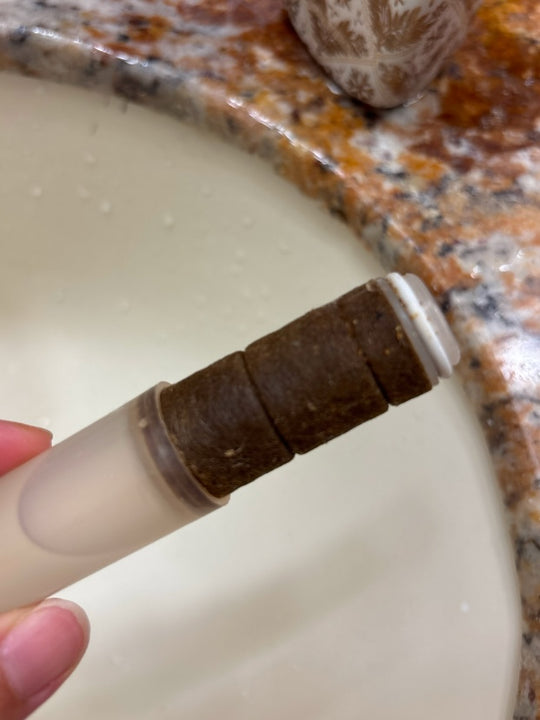
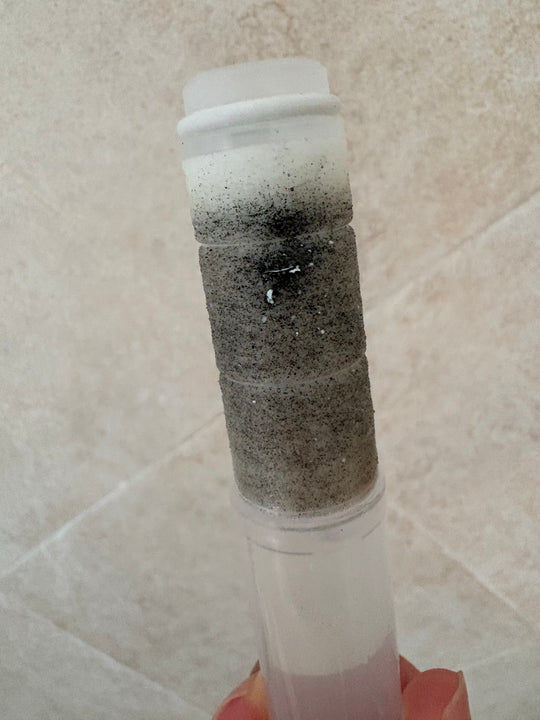
Yes, a shower filter works in a dorm if it screws on by hand and comes off at move-out. Dorm water is city water, so the thing to filter is the disinfectant: chlorine or chloramine.
- US shower arms end in a standard 1/2-inch NPT thread, so heads made for US arms fit most dorm showers.
- Utilities disinfect with chlorine or chloramine at up to 4 mg/L.
- No tools: unscrew the dorm head, keep it, put it back when you leave.
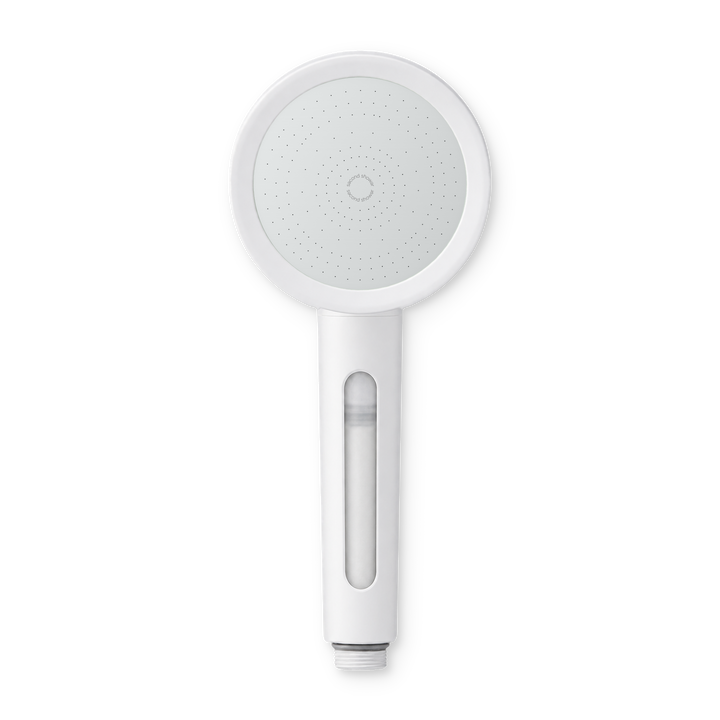
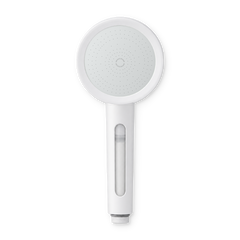
Our pick: the Second Showerhand ($89, or $69 with a filter subscription), a handheld that installs in about a minute. It reduced free chlorine and chloramine by 99.9% in independent lab testing, held through Day 1-30 in our own testing.
- NSF/ANSI 42* certified component
- Independent lab clinical testing
- Dermatologist-tested, zero adverse reactions
*Micron PP sediment filter certified by NSF/ANSI 42 standards.

Why Dorm Water Feels So Harsh
Municipal water in the US is treated with chlorine at 0.2-4.0 ppm to kill bacteria.
Municipal water in the US is treated with chlorine at 0.2-4.0 ppm to kill bacteria. Campus facilities often run on the higher end of that range because they're serving dense populations through older pipe systems.
Chlorine is a strong oxidizer. When it contacts your skin, it disrupts the lipid barrier (the "mortar" between skin cells made of ceramides, cholesterol, and fatty acids). This is the same oxidative stress mechanism documented in atopic dermatitis research.
On hair, chlorine oxidizes disulfide bonds - the structural links that hold keratin protein together. This creates porosity, frizz, and color fade. It's not about "drying out" hair; it's chemical damage at the protein level.
If your skin feels tight, itchy, or your hair tangles more than it used to, chlorine exposure is the most likely explanation.
What Makes a Dorm Shower Filter Actually Work
A good dorm filter needs to solve three problems:
- Remove chlorine completely - not just reduce it
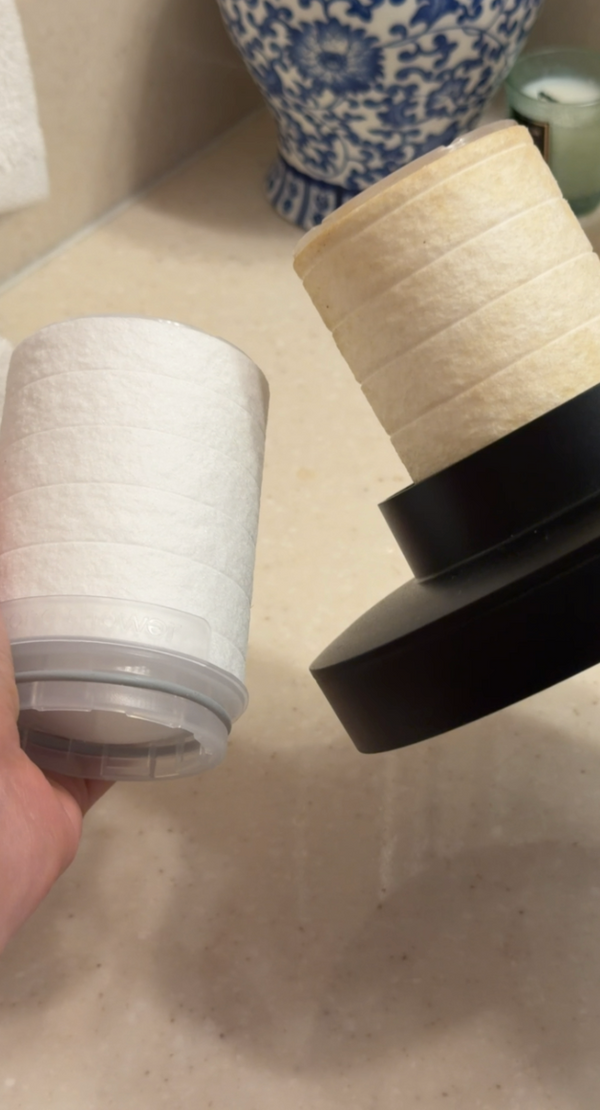
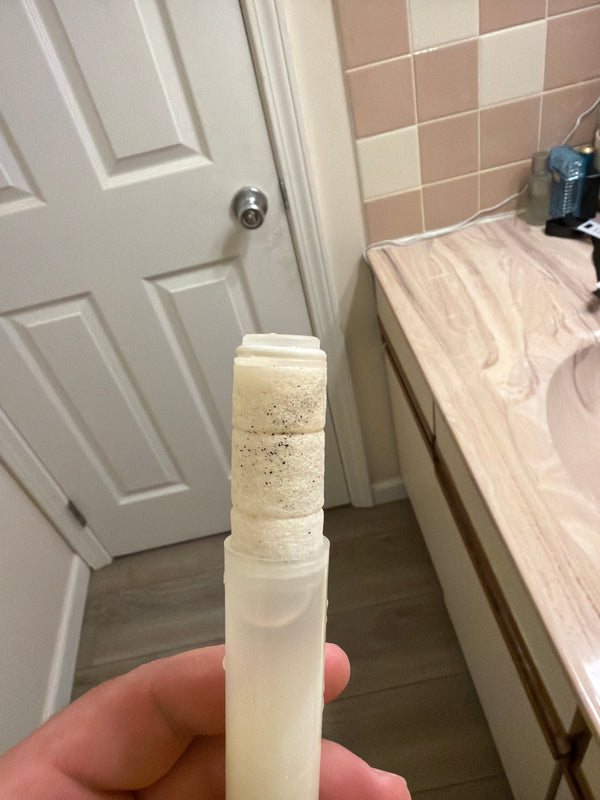
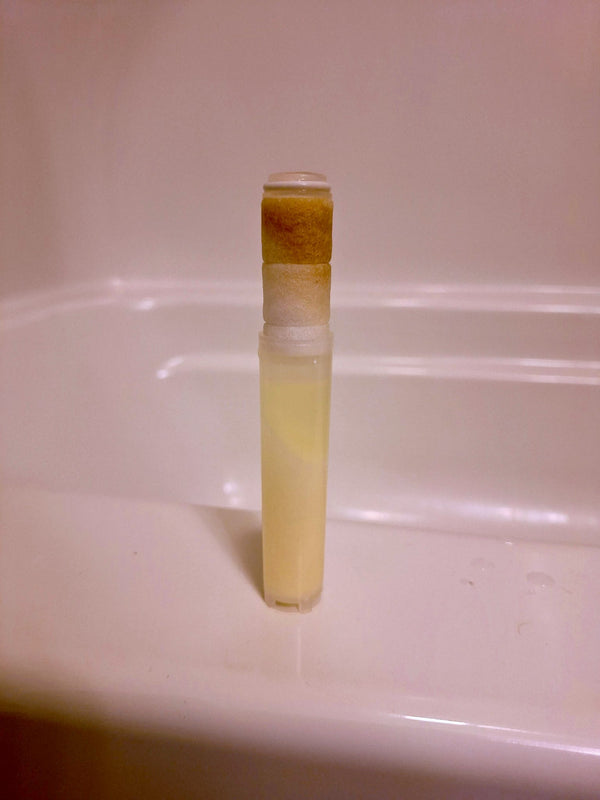
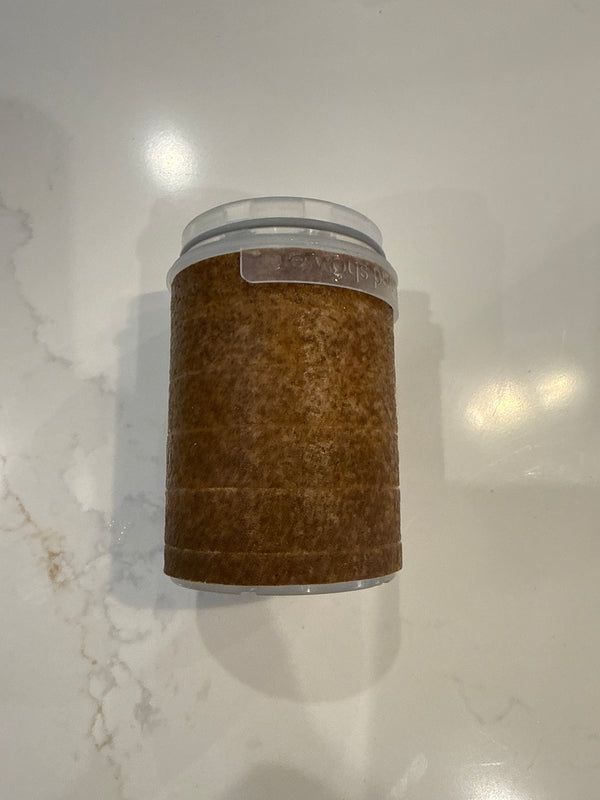
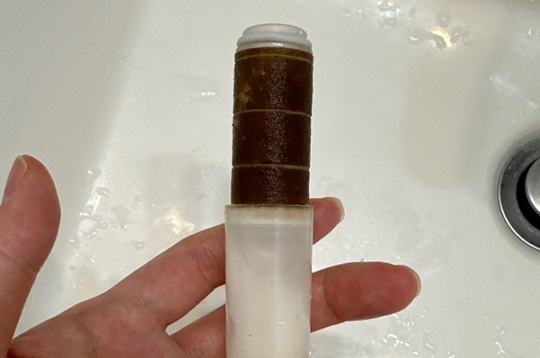
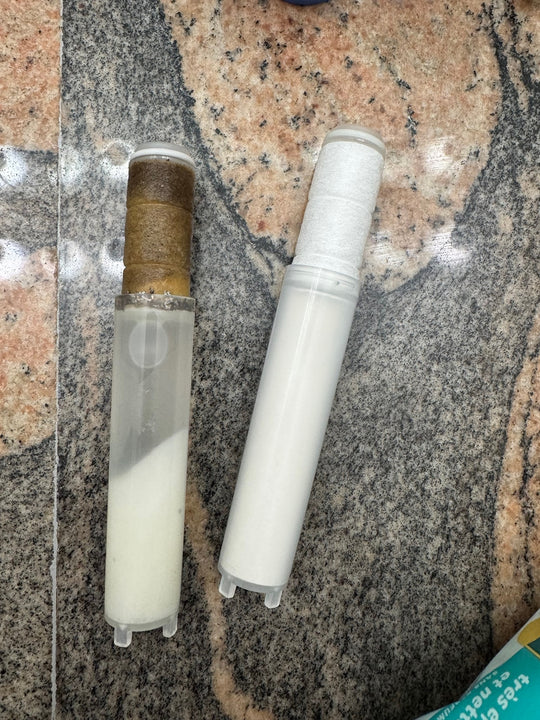
- Maintain performance - cheap filters degrade within weeks
- Install without tools - most dorms don't allow permanent modifications
Chlorine Removal: Vitamin C vs. KDF
There are two main filter technologies:
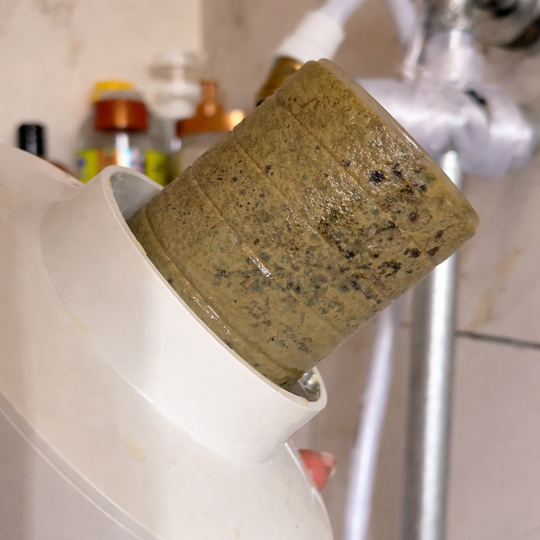
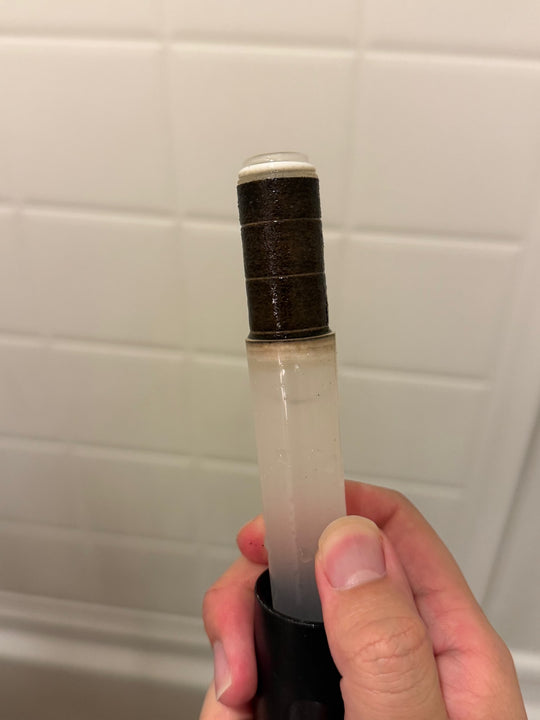
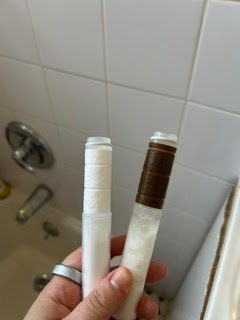
- KDF-55 (copper-zinc media): Common in $30-$40 filters. Removes ~90% of chlorine on day one, but degrades to <10% effectiveness by day 60 as the media oxidizes.
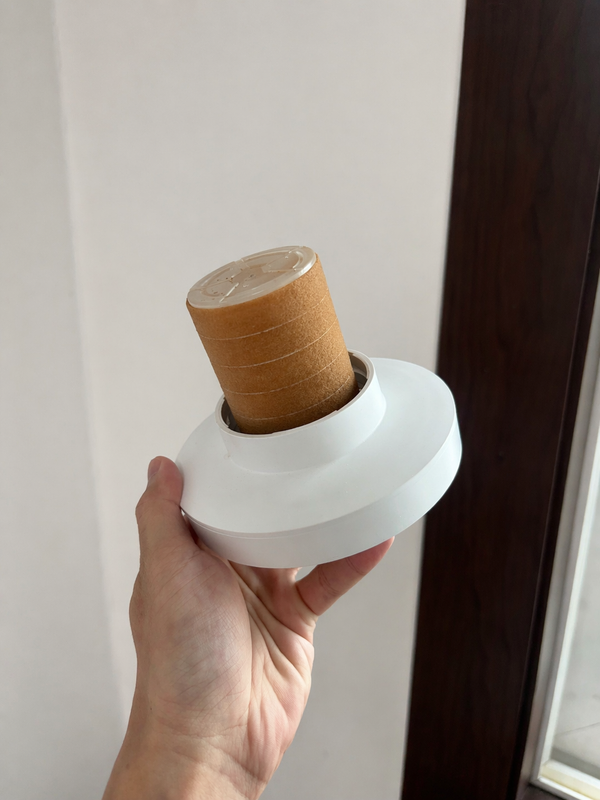
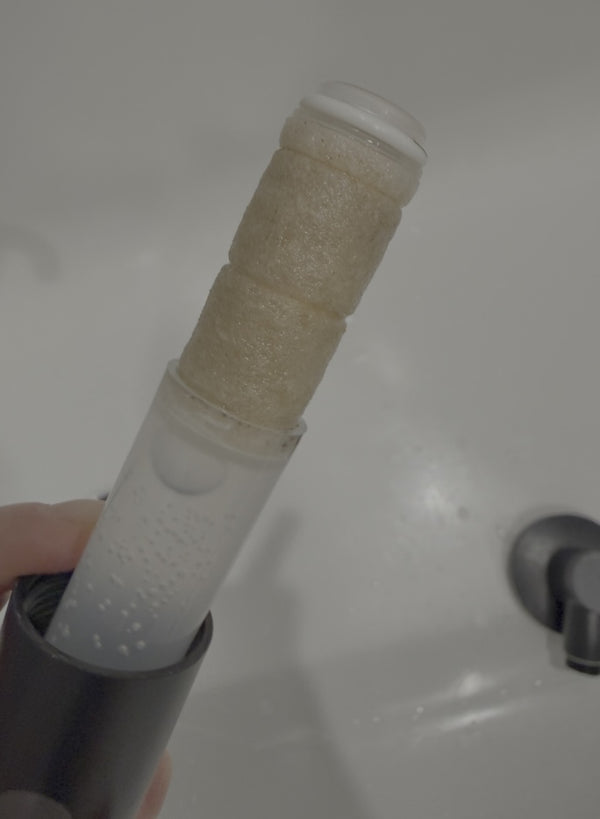
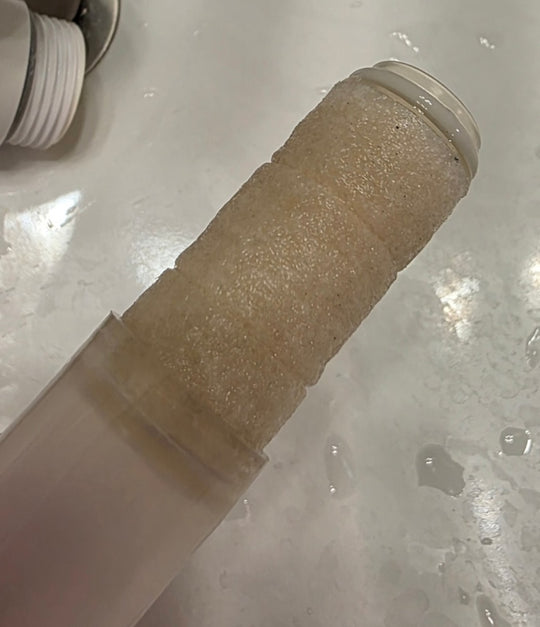
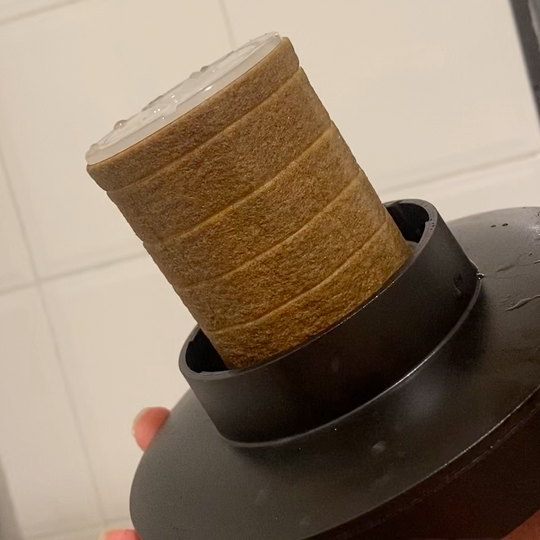
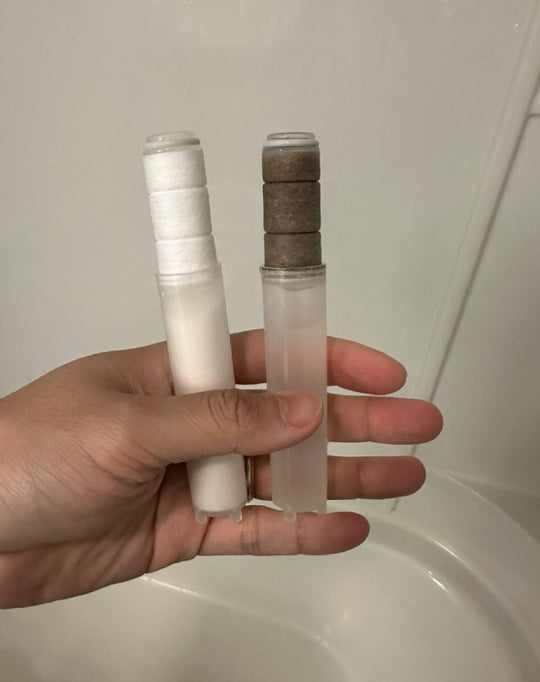
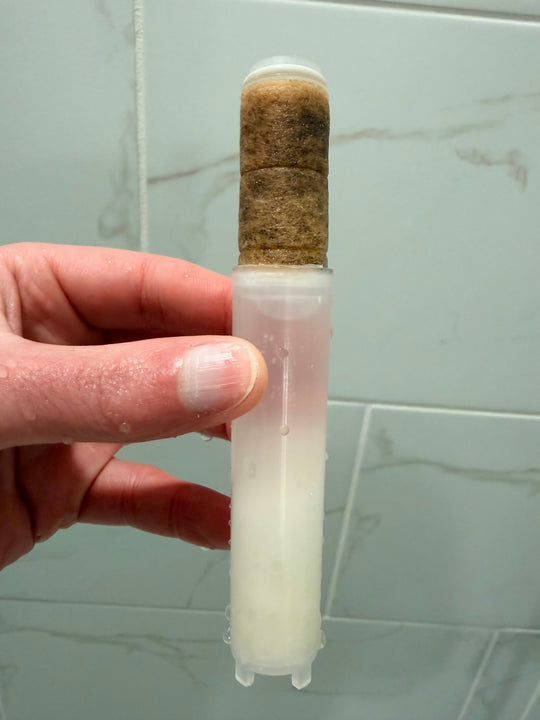
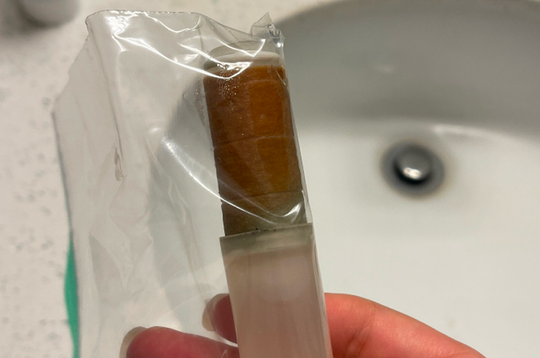
- Vitamin C (ascorbic acid gel): Neutralizes chlorine through a chemical reaction. Second Shower's Vitamin C filter reduced free chlorine and chloramine by 99.9% in independent lab testing, held through the cartridge's peak window in our own testing (Day 1-60 Showerhead, Day 1-30 Showerhand).
Second Shower uses an NSF/ANSI 42 certified sediment pre-filter, and its 99.9% result comes from independent lab testing of the full assembled device, not just the media in isolation.
Learn more about the chemistry in our deep-dive: Vitamin C Shower Filter Science.
Pressure Loss: Why Most Filters Feel Weak
Standard inline filters create resistance. Water has to push through dense media, which drops pressure by 20-40%.
Second Shower uses micro-jet nozzle technology (128 jets on the Showerhand, 176 on the Showerhead). Water flows through the filter chamber, then gets focused through precision nozzles. You get more pressure, not less - even with a dense Vitamin C gel matrix inside.
Installation: Tool-Free in 60 Seconds
Both the Showerhand and Showerhead install without tools:
- Unscrew your current showerhead by hand
- Screw on the Second Shower device (hand-tight is enough)
- Done
When you move out, unscrew it and reinstall the original hardware. No damage, no maintenance requests, no lost deposit.
Showerhand vs. Showerhead for Dorms
Second Shower makes two devices.
Second Shower makes two devices. Both use the same Vitamin C filter technology and deliver the same 99.9% chlorine and chloramine reduction in independent lab testing, held through the cartridge's peak window in our own testing. The difference is control and flexibility.
| Feature | Showerhand | Showerhead |
|---|---|---|
| Installation | Replaces existing showerhead | Replaces existing showerhead |
| Control | Handheld wand with trigger and 3 spray modes | Fixed overhead with 3 spray modes (dial) |
| Micro-Jets | 128 | 176 |
| Chlorine Removal (Day 1) | 99.9% | 99.9% |
| Chlorine Removal (Day 60) | 99.9% | 99.9% |
| Filter Lifespan | 3-6 months (depending on usage) | 4-6 months |
| Price | $69 | $79 |
| Filter Subscription | $27/3-pack | $36/2-pack |
| Best For | Small showers, targeted rinsing, budget-conscious | Spacious showers, hands-free routine |
For most dorm setups, the Showerhand is the better choice. Dorm showers are small, and the handheld wand gives you control in tight spaces. The trigger lets you pause water between shampooing and rinsing (saves water if you're on a metered system). And at $69 vs. $79, it's the more accessible option.
The Showerhead makes sense if you have a larger shower stall or prefer a fixed overhead experience.
How Second Shower Compares to Other Filters
Here's how Second Shower stacks up against the most common dorm filters:
| Feature |  Second Shower |
Jolie | AquaBliss | Canopy |
|---|---|---|---|---|
| Filter Media | Vitamin C gel matrix (proprietary) | KDF-55 + calcium sulfite | KDF-55 + Activated Carbon | Carbon + Cu-Zn + Calcium Sulfite |
| Chlorine Day 1 | 99.9% | 98% at first use (NSF data) | ~90% | ~85% |
| Chlorine Day 60 | 99.9% | Day 60 not published; 82% at 2,400 gal (NSF data) | <10% | ~50% |
| NSF Certified | Yes (NSF/ANSI 42) | NSF/ANSI 177 (free chlorine) | No | No |
| Pressure Loss | Zero (micro-jet boost) | Not published | 20-40% reduction | 15-30% reduction |
| Price (Device) | $69 (Hand) / $79 (Head) | $148 | $35 | $150 |
| Year 1 Total Cost | $123-$177 (Hand) | $288 (subscription) / $309 (list) | ~$95 | ~$270 |
Second ShowerOur pick
- Filter Media
- Vitamin C gel matrix (proprietary)
- Chlorine Day 1
- 99.9%
- Chlorine Day 60
- 99.9%
- NSF Certified
- Yes (NSF/ANSI 42)
- Pressure Loss
- Zero (micro-jet boost)
- Price (Device)
- $69 (Hand) / $79 (Head)
- Year 1 Total Cost
- $123-$177 (Hand)
- Filter Media
- KDF-55 + calcium sulfite
- Chlorine Day 1
- 98% at first use (NSF data)
- Chlorine Day 60
- Day 60 not published; 82% at 2,400 gal (NSF data)
- NSF Certified
- NSF/ANSI 177 (free chlorine)
- Pressure Loss
- Not published
- Price (Device)
- $148
- Year 1 Total Cost
- $288 (subscription) / $309 (list)
- Filter Media
- KDF-55 + Activated Carbon
- Chlorine Day 1
- ~90%
- Chlorine Day 60
- <10%
- NSF Certified
- No
- Pressure Loss
- 20-40% reduction
- Price (Device)
- $35
- Year 1 Total Cost
- ~$95
- Filter Media
- Carbon + Cu-Zn + Calcium Sulfite
- Chlorine Day 1
- ~85%
- Chlorine Day 60
- ~50%
- NSF Certified
- No
- Pressure Loss
- 15-30% reduction
- Price (Device)
- $150
- Year 1 Total Cost
- ~$270
Key takeaway: Cheap filters save money upfront but degrade fast. Premium filters (Jolie, Canopy) cost more. Second Shower's 99.9% result is from independent lab testing and held through Day 1-60 (Showerhead) and Day 1-30 (Showerhand) in our own testing - and it's priced between budget and premium tiers.
For a detailed comparison with hard water considerations, see: Best Shower Filters for Hard Water.
What About Hard Water?
If you notice white residue on the showerhead or feel a film on your skin, your dorm has hard water (high mineral content - calcium and magnesium).
If you notice white residue on the showerhead or feel a film on your skin, your dorm has hard water (high mineral content - calcium and magnesium).
Here's what the research actually says: hard water minerals themselves are not harmful. A large intervention trial (the SWET study, published in PLoS Medicine) tested ion-exchange water softeners in 336 children with eczema living in hard-water areas. After 12 weeks, there was no significant improvement in eczema severity compared to usual care.
The association between hard water and skin issues is more about chlorine and soap interaction than the minerals themselves. Chlorine is the oxidative stressor; hard water just makes it harder to rinse off soap (which can leave a film that traps chlorine residue).
A Vitamin C filter solves the chlorine problem. The minerals will still be in the water, but they won't cause the dryness or irritation most people attribute to "hard water." If you want to measure your water, grab a TDS meter (~$15 on Amazon) - but don't stress the number. Focus on chlorine removal first.
The Bottom Line
Dorm showers are harsh because campus water is heavily chlorinated.
Dorm showers are harsh because campus water is heavily chlorinated. A good filter removes chlorine before it strips your skin and damages your hair - but most filters degrade fast, kill your water pressure, or cost more than they're worth.
Second Shower is built on a Vitamin C core: 99.9% chlorine and chloramine reduction in independent lab testing, held through Day 1-30 (Showerhand) and Day 1-60 (Showerhead) in our own testing. It installs without tools, and its micro-jet spray plate keeps the pressure strong.
For dorm life, the Showerhand is the best option: $69 upfront, $27 per 3-pack of filters, and total control in a small space.
Vitamin C handheld filter — 99.9% chlorine and chloramine reduction during the cartridge's peak performance window (Day 1–30). $69 on subscription, a new filter every 30 days, NSF/ANSI 42* certified PP sediment pre-filter.
Shop the Second ShowerhandRelated Reading
Frequently Asked Questions
Can I install this without asking my RA?
Yes. Shower filters screw onto the existing pipe - no tools, no permanent modification. When you move out, unscrew it and put the original showerhead back. Most dorms treat this the same way they treat removable shower caddies or bath mats.
How often do I replace the filter?
Every 3-6 months for the Showerhand, 4-6 months for the Showerhead. Replacement filters come in packs (3-pack for Showerhand is $27, 2-pack for Showerhead is $36). You can subscribe and save 15%, or buy one-time when you need it.
Will this work with low water pressure?
Yes - and it will actually improve it. Second Shower's micro-jet nozzles focus water into high-velocity streams. Even if your dorm has weak pressure, the jets create a stronger, more focused spray than a standard showerhead.
Does it remove fluoride or other chemicals?
No. Vitamin C neutralizes chlorine and chloramine (a related compound some cities use). It does not remove fluoride, heavy metals, or dissolved solids. For most people, chlorine is the only chemical in shower water that causes noticeable skin/hair damage.
Is a shower filter part of a good self-care routine for better skin and hair?
Yes - upgrading your shower routine with a filter that removes chlorine is one of the most effective self-care steps for healthier skin and hair. Chlorine disrupts your skin barrier and damages hair protein, so filtering it out helps your other products (moisturizers, serums, conditioners) work better.
Second Shower adds an extra layer: the Vitamin Infuser cartridges release vitamins C, E, B3, B5, and B7 into filtered water, so you're removing the harsh stuff and adding beneficial ingredients at the same time. It's a simple upgrade that actually helps - not just a feel-good ritual.
Can I use this in an apartment or at home?
Yes. The same tool-free install works in any shower with standard US plumbing (½-inch NPT threading). If you're renting, it's just as easy to remove when you move out.