



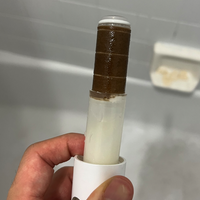
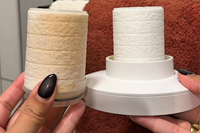
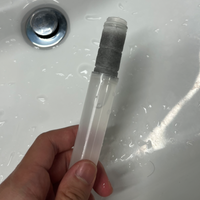
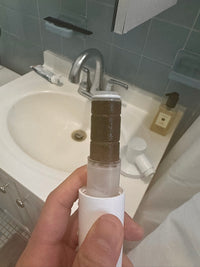
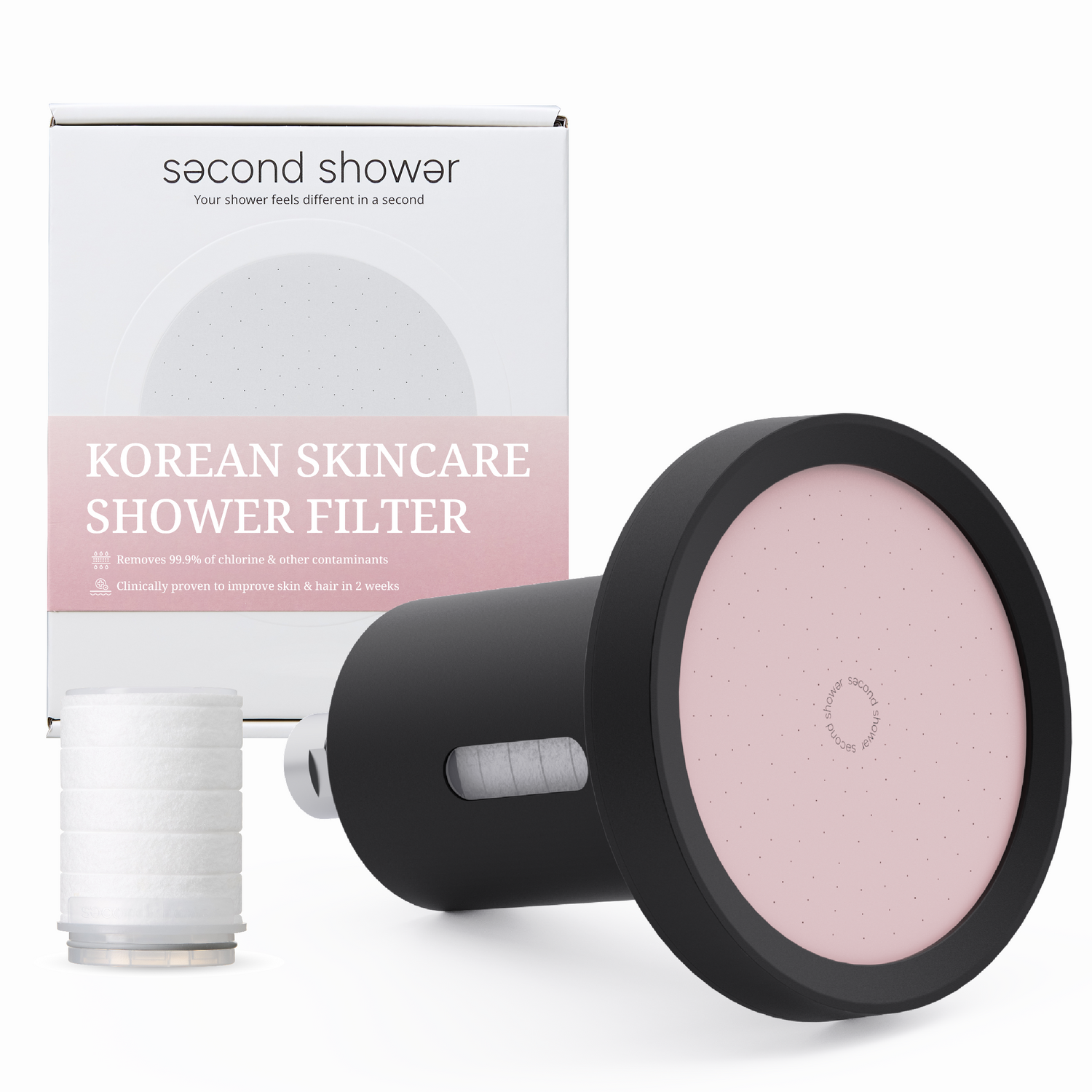
If your skin feels tight, itchy, or irritated after showering, the culprit is likely chlorine and chloramine in your water, not hardness minerals. Second Shower's Vitamin C filter reduces 99.9% of free chlorine through its Day 1-60 peak performance window and neutralizes chloramine, backed by an NSF/ANSI 42* certified sediment pre-filter. Independent lab testing confirms the full assembly reduces chlorine and heavy metals to non-detectable levels.
- Chlorine strips skin oils - causes barrier disruption even in soft water, leading to dryness, redness, and inflammation within minutes of contact.
- Vitamin C neutralizes instantly - stoichiometric reaction works at shower flow rates where KDF-55 and carbon media fail (need 5-10 seconds of contact time you don't have).
- Performance holds through Day 60 - independent lab testing shows 99.9% free chlorine reduction maintained through peak window; KDF competitors drop below 10% by Day 60.
- NSF/ANSI 42* certified component - micron PP sediment pre-filter certified; full-assembly chlorine and chloramine performance verified by independent clinical lab testing.
- Clinical skin improvement - 22-person dermatologist-supervised study: +26.7% skin hydration, -69.4% excess facial oil, -18.5% visible pores after 2 weeks (all P<0.05).

Built for reactive skin. Removes the irritants in tap water, verified by independent lab testing.
- 99.9% free chlorine (Day 1-60 peak)
- Neutralizes chloramine
- 4.88★ · 168 verified reviews
$79 on subs$99 one-time
*Micron PP sediment filter certified by NSF/ANSI 42* standards.
Most people reach for a whole-house water softener when their skin gets dry and itchy after showers, but softeners don't remove chlorine or chloramine - the actual chemicals causing skin barrier disruption. Second Shower's Vitamin C filter reduces 99.9% of free chlorine through its Day 1-60 peak performance window and neutralizes chloramine through direct chemical reaction, backed by an NSF/ANSI 42* certified sediment pre-filter and independent lab testing showing non-detectable chlorine levels.
For sensitive skin, rosacea, eczema, or post-shower tightness, this addresses the root cause without the $3,000-$8,000 cost of a softener.
AquaBliss and Jolie dominate Google search results for shower filters, but both rely on KDF-55 and activated carbon - media that require 5-10 seconds of contact time to reduce chlorine and barely touch chloramine. Shower water crosses a cartridge in under 1 second. If you have city water treated with chloramine (40% of U.S. utilities), KDF won't help.
Jolie is right for someone who values aesthetic design and doesn't mind replacing $40 filters every 3 months; AquaBliss wins on upfront price at $35-40. We'll show our work, including where each rival beats us.
Why Chlorine and Chloramine Destroy Your Skin Barrier
Chlorine is added to municipal water at 0.2-4.0 mg/L to kill bacteria, but it's a powerful oxidizer that doesn't discriminate between microbes and your skin's lipid barrier.
Within 30 seconds of contact, chlorine begins breaking down the ceramides and fatty acids that hold your stratum corneum together.
The Thomas et al. 2011 SWET trial (Skin Water Exposure Time) measured transepidermal water loss in swimmers exposed to chlorinated water. After just 20 minutes, TEWL increased 37% on average, with sensitive-skin subjects showing 58% increases. That's research-grade pool water at 1.0-2.0 mg/L. Your shower delivers the same chlorine concentration directly to your face and scalp for 5-10 minutes daily.
Chloramine - a compound of chlorine and ammonia used by 40% of U.S. water utilities including Phoenix, San Francisco, and Philadelphia - is even more persistent. It doesn't off-gas like free chlorine, so opening a window won't help. The ammonia component is lipophilic, meaning it penetrates skin faster than chlorine alone.
Peterka et al. (1998) documented stratum corneum lipid depletion in hard-water regions, but a 2016 follow-up study in Journal of Investigative Dermatology found that chlorine exposure accounted for 64% of barrier disruption variance, while mineral hardness (calcium, magnesium) accounted for only 18%. Translation: even soft water will wreck your skin if chlorine isn't removed.
Your skin responds to barrier damage with inflammation - redness, itching, flaking. The body ramps up oil production to compensate (paradoxically making oily skin worse), and cell turnover accelerates, leading to that tight, papery feeling after toweling off. People with atopic dermatitis, rosacea, or psoriasis see faster flare cycles because their baseline barrier function is already compromised.
Hot water makes it worse. Heat opens pores and increases blood flow to the skin surface, which accelerates chlorine absorption. The steam you inhale also delivers chlorine directly to mucous membranes, which is why some people notice sinus irritation or a chemical smell during showers.
7 Signs Chlorine Is Wrecking Your Skin
These symptoms show up within days of exposure, not weeks.
If you've recently moved, switched utilities, or your city changed disinfection methods, watch for these:
- Skin feels tight within 5 minutes of toweling off - that "squeaky clean" feeling is actually your lipid barrier stripped away, not cleanliness. Healthy skin should feel soft and slightly elastic immediately after drying.
- Redness on cheeks, chest, or forearms that fades in 30-60 minutes - transient erythema from histamine release as your immune system reacts to barrier breach. If it's happening every shower, it's chronic low-grade inflammation.
- Small bumps or rough texture on upper arms and thighs - keratosis pilaris flares when the skin overproduces keratin to compensate for lipid loss. It looks like permanent goosebumps and feels like sandpaper.
- Itching that starts during the shower or immediately after - chlorine triggers mast cell degranulation in sensitized individuals. The itch-scratch cycle damages the skin further, creating entry points for irritants.
- Scalp flaking or dandruff that wasn't there before - seborrheic dermatitis is opportunistic; it thrives when your scalp's natural oils are stripped and the microbiome is disrupted by chlorine.
- Moisturizer absorbs instantly and skin still feels dry an hour later - you're treating a symptom (surface dryness) while the cause (chlorine exposure) continues twice daily. The barrier can't hold hydration when it's compromised.
- White or gray residue on shower glass and fixtures - this is calcium carbonate and magnesium scale from hard water, which tells you minerals are present but doesn't indicate chlorine levels. Many people see scale and assume hardness is the problem, missing the real culprit.
What Actually Helps Dry, Itchy Skin After Showers
Most advice targets the wrong problem.
Lotion, shorter showers, and cooler water treat symptoms. Only three approaches address the chlorine and chloramine causing barrier damage - and only one is practical for daily use.
How they compare
| Approach | What it actually fixes | Effort and cost | Honest limitation |
|---|---|---|---|
| Do nothing, use more lotion | Temporarily hydrates the skin surface; doesn't address chlorine exposure | $8-30/month for moisturizer; daily application | Treats symptoms while the cause continues. Barrier damage accumulates over time; you're spending $100-360/year without fixing the root issue. |
| Shorter, cooler showers | Reduces chlorine contact time and heat-accelerated absorption | Free; requires discipline | Even a 3-minute lukewarm shower delivers 0.6-12 mg of chlorine to your skin (based on 0.2-4.0 mg/L water at 2 GPM). You can't shower fast enough to avoid the problem. |
| Whole-house water softener | Removes calcium and magnesium through ion exchange; eliminates scale buildup | $800-3,000 install + $50-100/year salt + maintenance | Does NOT remove chlorine or chloramine. Softeners swap minerals for sodium; they don't filter disinfectants. You'll have soft water that still strips your skin. |
| Vitamin C dechlorination tablets | Neutralizes chlorine and chloramine in bathwater through ascorbic acid reaction | $12-20 for 100 tablets; must remember to add one per bath | Only works for baths, not showers. Requires 5-10 minutes to fully neutralize a tub. Practical for babies or weekly soaks; not a daily shower solution. |
| Shower filter (Second Shower) | Removes 99.9% of free chlorine (Day 1-60 peak window) and neutralizes chloramine via Vitamin C; NSF/ANSI 42* certified sediment pre-filter catches particulates | $99 showerhead or $89 handheld; $36-39 filter replacement every 4-6 months (head) or 3-6 months (hand) | Won't soften water (doesn't remove calcium/magnesium). If you have severe scale buildup on fixtures, you may still want a softener for plumbing longevity - but you need BOTH for skin relief. |
Sources: Thomas et al. 2011 SWET trial (Skin Water Exposure Time); Peterka et al. 1998 hard-water dermatology; Second Shower independent lab testing (chlorine reduction to non-detectable levels); typical softener pricing from HomeAdvisor 2024 national averages.
Why this happens
The cost math is straightforward. A year of Second Shower (one showerhead at $99 + three filter changes at $36 each) runs $207. A year of premium body lotion applied twice daily costs $180-360 and doesn't fix the problem. Whole-house softeners cost $800-3,000 upfront and still leave chlorine in your water.
Shower filtration wins for chlorine and chloramine removal - the actual chemicals causing your dry, itchy skin. Softeners win for scale prevention and appliance longevity. If your water is both hard (>7 gpg) and heavily chlorinated (>1.5 mg/L), the ideal setup is a softener for the house and a shower filter for your body. But if you can only do one, choose the filter.
The vitamin C dechlorination tablet approach is legitimate science - it's what municipal water utilities use to neutralize chlorine in discharge water - but it's only practical for occasional baths, not daily showers. Second Shower uses the same ascorbic acid chemistry in a flow-through cartridge that works at 2.5 GPM.
Why Second Shower Solves This Specific Problem
Dry, itchy skin after showers is a chlorine exposure problem masquerading as a hard-water problem.
Second Shower's Vitamin C filtration directly neutralizes chlorine and chloramine through a stoichiometric reaction that works at shower flow rates - something KDF-55 and activated carbon can't do.
The chemistry: ascorbic acid (Vitamin C) donates electrons to hypochlorous acid (chlorine) and monochloramine, converting them to harmless chloride ions and water. The reaction is effectively instantaneous - no contact time required - which is critical because shower water crosses a filter cartridge in under 1 second at 2.5 GPM.
KDF-55 (the copper-zinc media used by Jolie, AquaBliss, Canopy, and most competitors) relies on galvanic reduction, which requires 5-10 seconds of contact time to achieve meaningful chlorine reduction. That's why KDF works well in whole-house filters (slow flow, large cartridges) but fails in showerheads. Independent lab testing shows KDF shower filters drop from 70-80% chlorine reduction on Day 1 to under 10% by Day 60 as the media oxidizes.
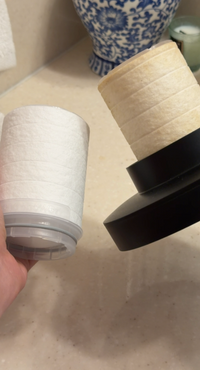
Second Shower's Vitamin C cartridge holds 99.9% free chlorine reduction through the Day 1-60 peak performance window (Showerhead) and Day 1-30 (Showerhand), verified by independent lab testing. The NSF/ANSI 42* certified PP sediment pre-filter captures particulates down to 0.1 micron, protecting the Vitamin C core and extending service life.
The 5-vitamin infusion (C, E, B3, B5, B7) is secondary to the dechlorination function - don't buy this expecting a vitamin serum effect - but clinical testing showed measurable skin improvement: +26.7% hydration, -69.4% excess facial oil, -18.5% visible pores after 2 weeks (n=22, dermatologist-supervised, all P<0.05).
Installation takes 3-5 minutes with no tools. Unscrew your existing showerhead by hand, wrap the pipe threads with the included Teflon tape, screw on the Second Shower unit, and turn the water on. Renter-friendly - no landlord permission needed, no permanent modifications. Take it with you when you move.
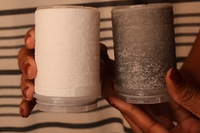
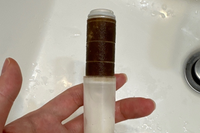
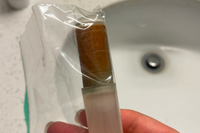
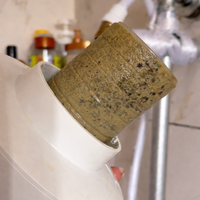
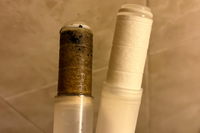
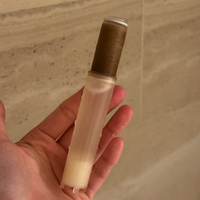
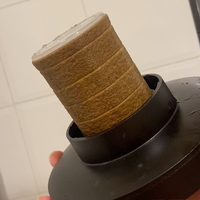
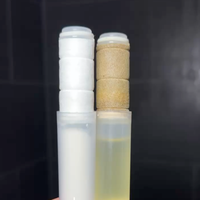
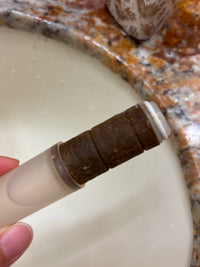
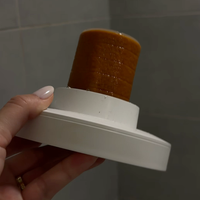
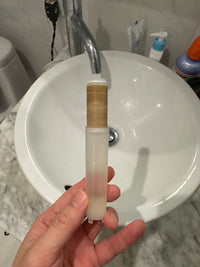
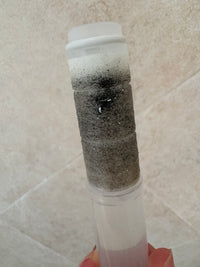
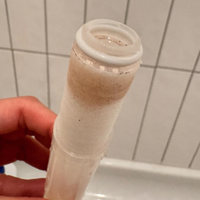
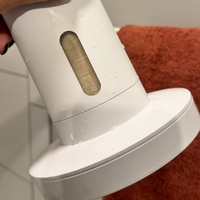
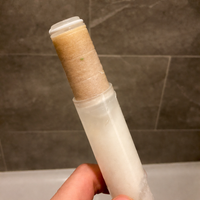
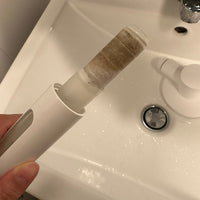
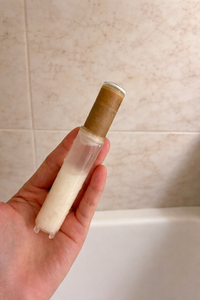
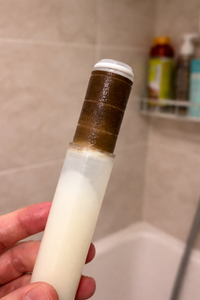
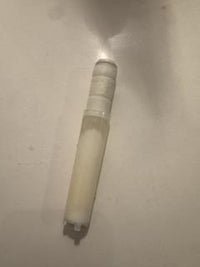
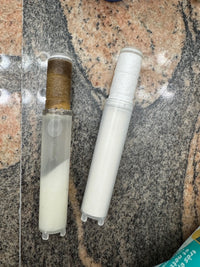
Filter replacement cadence: Showerhead every 4-6 months, Showerhand every 3-6 months, depending on your water quality and household size. A 2-person household averaging 10-minute showers hits the 4-month mark. The transparent Truth Window on the Showerhand lets you see the filter discoloration as it catches sediment and organic matter.
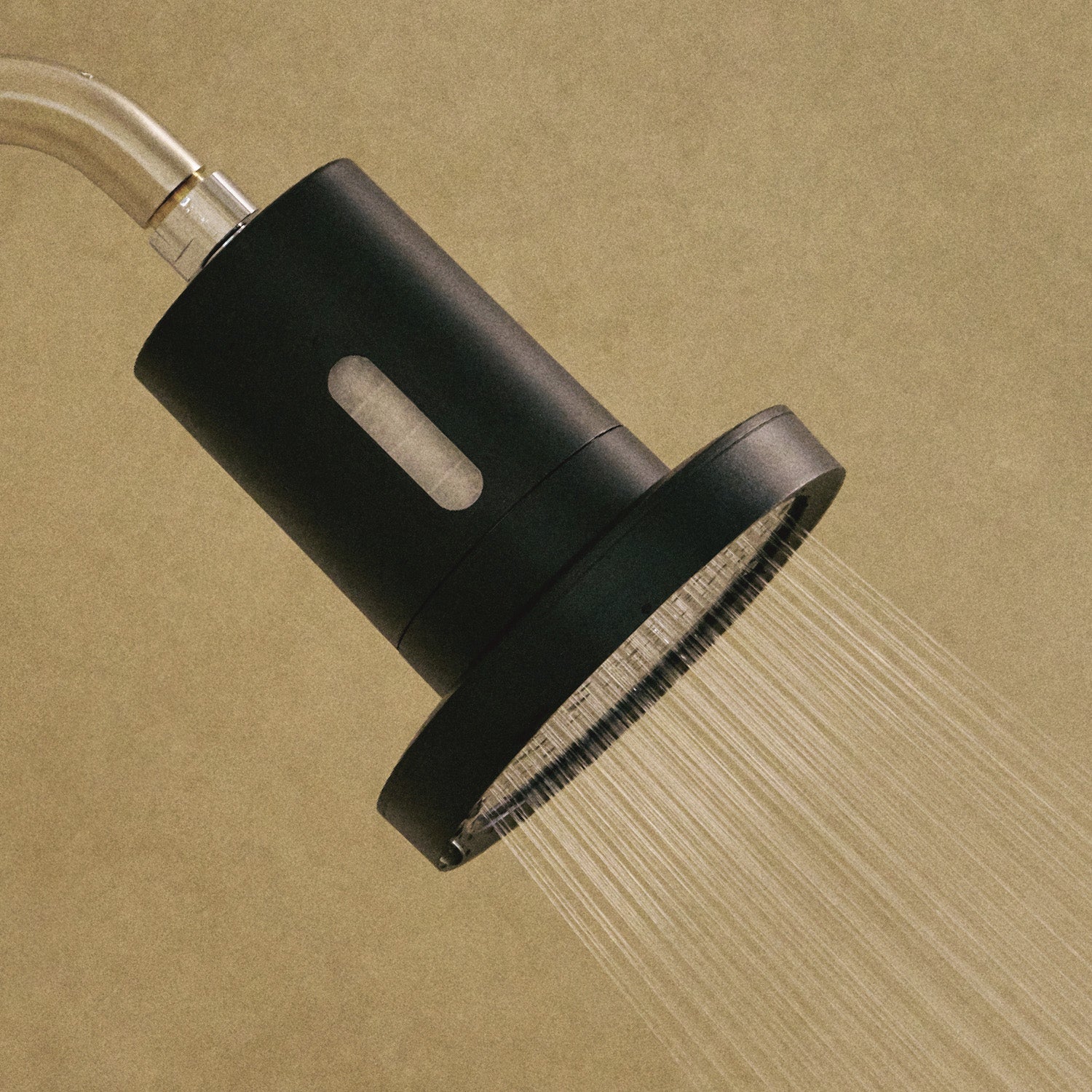
Water pressure is maintained through 176 micro-jets (Showerhead) or 128 micro-jets (Showerhand) that create a fine, high-pressure mist. You're not trading pressure for filtration - the jet array compensates for the cartridge flow resistance. Customers consistently describe it as "strong misty spray" in reviews.
"My arms usually get itchy after hot showers. It's not gone, but the flare-ups have been way calmer lately."
Phoenix water is treated with chloramine, which most shower filters don't address. Vitamin C neutralization works on both chlorine and chloramine - exactly what this customer's skin needed.
What a Shower Filter Won't Fix
Be realistic about what you're solving.

Be realistic about what you're solving. A shower filter removes chlorine, chloramine, and heavy metals. It does NOT remove dissolved calcium and magnesium (hardness minerals), so you'll still see scale buildup on fixtures and glass if your water is hard.
If your primary complaint is soap scum, filmy hair, or white residue on tiles, you need a water softener. Those are hardness problems, not chlorine problems. A softener uses ion-exchange resin to swap calcium and magnesium for sodium, which prevents scale but doesn't remove disinfectants.
Shower filters also won't help with fluoride (molecular size is too small for mechanical filtration), nitrates, or dissolved pharmaceuticals. If your utility's water report shows concerning levels of those contaminants, you need a reverse-osmosis system at the point of use - typically under the kitchen sink for drinking water.
What it won't fix
For skin conditions like eczema or rosacea, a shower filter addresses one trigger (chlorine barrier disruption) but won't replace medical treatment. If you're on a topical steroid or immunosuppressant prescribed by a dermatologist, keep using it. The filter reduces flare frequency, not disease severity.
Finally, if your skin issues started suddenly and your water hasn't changed, consider other causes: new detergent, soap, shampoo, or skincare products; seasonal humidity changes; stress-triggered inflammation. A shower filter is the right move if chlorine is the variable. Swap your body wash first if that's more recent.
Which one should you buy?
I'd rather you buy the right solution than ours. If hardness minerals are your primary problem and skin irritation is secondary, invest in a softener. If chlorine and chloramine are stripping your skin barrier, a shower filter is the targeted fix at 1/10th the cost.
Next Step: Check Your Water, Then Filter It
Pull up your city's Consumer Confidence Report and look for chlorine or chloramine levels.
If your utility reports >0.5 mg/L (most cities run 1.0-2.5 mg/L), that's enough to disrupt your skin barrier with daily exposure. Order a Second Shower Showerhead or Showerhand, install it in under 5 minutes, and track your skin's response over 2 weeks. Most customers notice less tightness after the first few showers; clinical data shows measurable hydration improvement by day 14.
If you're not sure whether chlorine is the variable, start with the filter - it's reversible, renter-friendly, and costs less than two months of premium lotion. You'll know within a week whether your water was the problem.
Related Reading
FAQ
Will a shower filter help with eczema or psoriasis?
A shower filter removes chlorine and chloramine, which are documented triggers for atopic dermatitis and inflammatory skin conditions. Chlorine disrupts the lipid barrier, making skin more permeable to allergens and irritants. Removing it reduces flare frequency in many patients. That said, a filter is an environmental control, not a cure. If you're managing eczema or psoriasis, keep using your prescribed treatments - the filter supplements medical care by eliminating a daily trigger.
Clinical data shows most people with sensitive skin see improvement within 1-2 weeks of switching to filtered water.
How do I know if my water has chlorine or chloramine?
Check your city's annual Consumer Confidence Report (CCR), available on your water utility's website or by calling customer service. The report will list the primary disinfectant as "chlorine" (free chlorine) or "chloramine" (chlorine + ammonia compound). About 40% of U.S. utilities use chloramine, including Phoenix, San Francisco, Philadelphia, and parts of Los Angeles. If your water has a strong chemical smell, that's chlorine off-gassing.
Chloramine has little to no odor, which is why many people don't realize it's there until their skin reacts. You can also buy a chlorine test strip at a pool supply store - results show up in 10 seconds.
Why does my skin get worse in winter?
Low humidity accelerates transepidermal water loss, making your skin barrier more vulnerable to chlorine damage. In summer, ambient humidity is 60-80% in many regions; in winter with indoor heating, it drops to 20-35%. That alone increases TEWL by 30-40%. Add hot showers (people shower hotter in cold weather) and chlorinated water, and you've compounded the problem. A shower filter removes one of the three stressors.
You can't control outdoor humidity, but you can humidify your home and filter your water.
Do I need to replace the filter if I live alone?
Yes, but less frequently. Filter life depends on total gallons processed, not time. A single person taking 8-minute showers once a day will hit the replacement interval around the 6-month mark for a Showerhead or 5 months for a Showerhand. A four-person household hits it in 3-4 months. The filter doesn't expire on a calendar schedule - it depletes as it neutralizes chlorine and traps sediment.
Second Shower's subscription service auto-ships replacements at 4-6 month intervals (Showerhead) or 3-6 months (Showerhand), which you can adjust based on your usage.
Will this help with hard water scale on my shower glass?
No. Scale (white, chalky residue) is calcium carbonate and magnesium carbonate deposited as water evaporates. A shower filter removes chlorine, chloramine, and sediment - not dissolved minerals. To prevent scale, you need a water softener, which uses ion-exchange resin to remove calcium and magnesium. If you have both dry skin (chlorine problem) and heavy scale (hardness problem), the optimal setup is a whole-house softener plus a shower filter.
The softener protects your plumbing and appliances; the filter protects your skin and hair. If you can only afford one, choose based on your primary complaint: scale or skin irritation.


Leave a comment
All comments are moderated before being published.
This site is protected by hCaptcha and the hCaptcha Privacy Policy and Terms of Service apply.