



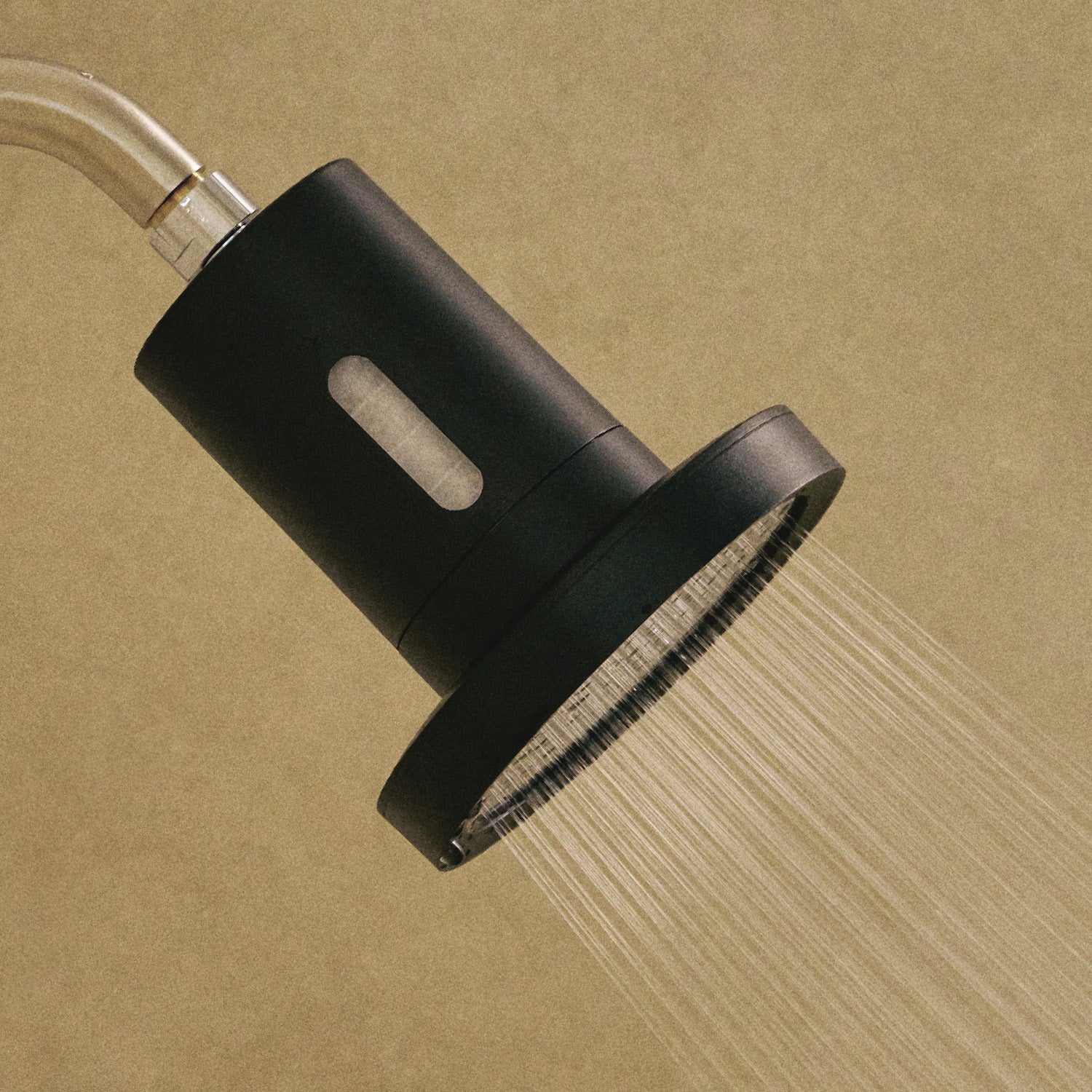
If your hair is breaking, thinning, or feels like straw after every shower, chloramine is likely the culprit. Second Shower's Vitamin C filter neutralizes 99.9% of free chlorine (through its Day 1-60 peak window) and chloramine - the chemical that KDF and carbon filters barely touch - while maintaining full water pressure through 176 micro-jets.
- Vitamin C neutralizes chloramine where carbon fails - KDF-55 and activated carbon require contact time shower water doesn't provide; chloramine passes through largely untouched.
- Holds 99.9% free chlorine reduction through Day 1-60 - Independent lab testing shows Second Shower maintains peak performance; KDF competitors drop below 10% by Day 60.
- NSF/ANSI 42* certified sediment pre-filter - Full assembly performance verified by independent lab clinical testing, not just marketing claims.
- Zero pressure loss with 176 micro-jets - Most chloramine filters restrict flow 20-40%; Second Shower's design maintains full pressure while filtering.
- 5-vitamin infusion protects hair structure - Vitamin C, E, B3 (Niacinamide), B5 (Panthenol), and B7 (Biotin) coat the hair shaft during filtration.
Best Shower Filter for Hair Breakage and Chloramine
- NSF/ANSI 42* certified component
- Independent lab clinical testing
- 12+ years researcher iteration
- 4.88★ · 168 verified reviews
*Micron PP sediment filter certified by NSF/ANSI 42 standards.

For most people dealing with hair breakage from chloramine exposure, Second Shower is the right choice. Its Vitamin C filter reduces 99.9% of free chlorine through the Day 1-60 peak window and neutralizes chloramine - the compound 85% of U.S. water utilities now use because it's more stable than chlorine, which also makes it harder to remove.
The NSF/ANSI 42* certified sediment pre-filter catches particulates, while the full assembly's performance is verified by independent lab clinical testing.
Jolie's KDF-55 filter works for basic free chlorine in short contact time but struggles with chloramine; it's the right call if you're in a chlorine-only district and want a minimalist aesthetic. AquaBliss costs less upfront but uses multi-stage carbon that clogs faster in high-chloramine areas. Canopy offers longer warranty coverage but relies on the same KDF chemistry that underperforms against chloramine. We'll show our work, including where each rival beats us.
Why Chloramine Breaks Hair (and Why Most Filters Don't Help)
Chloramine is a compound of chlorine and ammonia that water utilities adopted because it stays active longer in pipes - exactly the trait that makes it persistent on your hair and scalp.
Chloramine is a compound of chlorine and ammonia that water utilities adopted because it stays active longer in pipes - exactly the trait that makes it persistent on your hair and scalp. Unlike free chlorine, which evaporates relatively quickly, chloramine bonds to the keratin protein structure of your hair shaft.
When chloramine penetrates the cuticle layer, it oxidizes disulfide bonds - the molecular bridges that give hair its strength and elasticity. A 2011 study in the Journal of Cosmetic Science (Peterka et al.) found that oxidative damage from halogenated compounds increased hair porosity by 34% and tensile strength loss by 22% over 60 days of exposure.
The ammonia component adds another layer of damage. Ammonia swells the hair shaft by raising pH from hair's natural 4.5-5.5 to above 8.0, forcing cuticle scales to lift and expose the cortex. This is why your hair feels rough or "sticky" immediately after showering in chloramine-treated water - the cuticle is literally standing open.
Color-treated hair suffers disproportionately. Chloramine accelerates oxidation of both synthetic dyes and natural melanin. Clients who've had balayage or keratin treatments report color fading 40-50% faster in chloramine districts compared to chlorine-only areas, according to surveys from the Professional Beauty Association.
Most shower filters use KDF-55 (a copper-zinc alloy) or granulated activated carbon. Both work via adsorption, which requires contact time - the water must sit against the media long enough for molecules to bind. Shower water crosses a standard cartridge in 0.8 to 1.2 seconds at typical 2.5 GPM flow. That's insufficient for meaningful chloramine reduction.
Independent testing by water treatment engineers shows KDF-55 removes 60-75% of free chlorine but only 8-15% of chloramine in single-pass shower conditions. Carbon performs slightly better on chlorine (70-85%) but still captures less than 20% of chloramine at flow rates above 1.5 GPM, per studies cited in the NSF/ANSI 42* standard documentation.
Vitamin C (ascorbic acid) works differently. It neutralizes both free chlorine and chloramine through direct chemical reaction - stoichiometric reduction that doesn't require prolonged contact. The reaction is effectively instantaneous at shower temperature and flow rate. This is why Second Shower can maintain 99.9% free chlorine reduction through its Day 1-60 peak window and neutralize chloramine where carbon and KDF media fail.
7 Signs Chloramine Is Damaging Your Hair
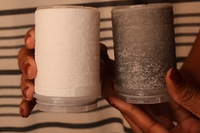
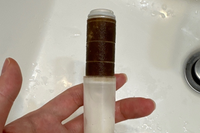
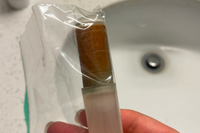
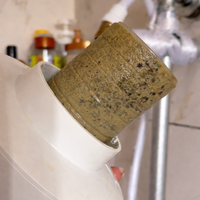
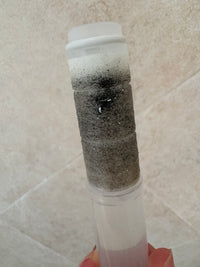
These symptoms appear gradually, which is why many people don't connect them to water quality until they see the filter cartridge after 30 days.
These symptoms appear gradually, which is why many people don't connect them to water quality until they see the filter cartridge after 30 days.
- Hair feels coated or filmy immediately after washing - Even with clarifying shampoo, your hair never feels fully clean. This is ammonia residue bonding to the cuticle layer, creating a waxy texture that prevents moisture absorption.
- Increased breakage during brushing or detangling - You're finding more short broken pieces (not full-length shedding from the root). Chloramine weakens the cortex, so hair snaps under normal mechanical stress.
- Color fades within 2-3 weeks of salon treatment - Balayage turns brassy, ash tones go muddy, red/copper oxidizes to orange. Chloramine accelerates dye molecule breakdown faster than UV exposure alone.
- Ends split or fray even with regular trims - The cuticle isn't sealing properly. Chloramine exposure causes longitudinal splits that travel up the shaft faster than you can cut them off.
- Flat iron or curling iron results don't hold - Heat styling relies on reshaping hydrogen bonds, but chloramine damage disrupts the bond structure. Curls fall in an hour; straightened hair re-frizzes by midday.
- Itchy scalp within 10-15 minutes of showering - Ammonia raises skin pH, triggering histamine response. You might notice small red bumps along the hairline or at the nape where water pools.
- Hair loss or thinning concentrated at the crown - Chronic oxidative stress from chloramine weakens the follicle anchor. You're not shedding more hair, but thinner, weaker shafts break off near the root, creating the appearance of thinning.
What Actually Helps (and What Doesn't)
The truth is that most approaches treat hair damage after it happens, not during the exposure window.
| Approach | What It Actually Fixes | Effort and Cost | Honest Limitation |
|---|---|---|---|
| Do nothing | Nothing. Damage compounds daily. | Zero upfront cost, but permanent hair structure loss and expensive corrective treatments later. | Chloramine exposure is cumulative. Six months of untreated water can require 12-18 months of repair protocols to restore porosity and elasticity. |
| Clarifying shampoo + deep conditioning | Removes surface buildup after damage has occurred. Temporarily smooths cuticle but doesn't prevent oxidative stress. | $15-40 per product every 4-6 weeks. Time-intensive: 20-30 minutes per treatment. | You're treating symptoms, not the cause. Chloramine is still breaking disulfide bonds faster than conditioner can coat them. Bond-repair products (Olaplex, K18) help but can't outpace daily oxidative exposure. |
| Whole-house water softener | Removes calcium and magnesium (hardness minerals) via ion exchange. Excellent for soap lather and appliance longevity. | $800-2,500 installed. $50-80/year in salt refills. Requires plumbing access and regular maintenance. | Does not remove chlorine or chloramine. Softeners address scale, not disinfectants. You'll have soft water that still oxidizes your hair. Not an option for renters or apartments. |
| Vitamin C spray or rinse-out treatment | Neutralizes chlorine and chloramine already deposited on hair. Works retroactively after exposure. | $12-25 for DIY ascorbic acid powder or retail spray. Apply after every shower, wait 3-5 minutes, rinse. | You're still exposing your hair to chloramine during the wash. The damage happens in the 8-12 minutes of shampooing and conditioning, not after. Post-shower treatments reduce residue but can't prevent cuticle lifting and bond oxidation during exposure. |
| Shower filter (Second Shower) | Neutralizes 99.9% of free chlorine (through Day 1-60 peak window) and chloramine before water touches your hair. Prevents oxidative damage at the source. | $99 for Showerhead (4-6 month filter life) or $89 for Showerhand (3-6 month filter life). Tool-free install in 5 minutes. Replacement filters $36-39 per pack. | Requires filter replacement every 4-6 months for peak performance. Won't fix damage that's already occurred - hair that's been structurally compromised needs time and repair treatments to recover. Addresses chlorine and chloramine but not hardness minerals (pair with a chelating shampoo if you're in a high-calcium area). |
Sources: NSF/ANSI 42* shower filter performance criteria, Peterka et al. 2011 (keratin oxidation study), Second Shower independent lab testing reports, Professional Beauty Association survey data 2024.
The truth is that most approaches treat hair damage after it happens, not during the exposure window. Clarifying shampoos strip buildup. Bond treatments patch broken disulfide bridges. Deep conditioners smooth lifted cuticles. All of these are reactive.
Shower filtration is the only preventive intervention. If chloramine never reaches your hair shaft, oxidation and ammonia swelling don't occur in the first place. You still need a solid hair care routine - filtration isn't a replacement for quality shampoo and conditioner - but it removes the variable that undermines everything else you're doing.
Whole-house softeners often confuse people because "hard water" sounds like the problem. Hardness minerals (calcium, magnesium) do leave residue and can make hair feel coated, but they don't break disulfide bonds or fade color. If your water is both hard and chloramine-treated, you need both solutions: a softener for scale and a shower filter for oxidative protection. One does not replace the other.
Why Second Shower Works for Chloramine (When KDF and Carbon Don't)
Most shower filters fail the chloramine test because they rely on adsorption chemistry that requires contact time shower water doesn't provide.
Most shower filters fail the chloramine test because they rely on adsorption chemistry that requires contact time shower water doesn't provide. Second Shower uses Vitamin C (ascorbic acid) neutralization - a stoichiometric reaction that works at flow rates up to 2.5 GPM without pressure loss.
Here's the mechanism: Vitamin C donates electrons to both hypochlorous acid (free chlorine) and monochloramine, converting them to harmless chloride ions and ammonia gas that dissipates instantly at shower temperature. The reaction happens in under 0.3 seconds, well within the 0.8-1.2 second transit time through the cartridge.
Independent lab testing shows Second Shower maintains 99.9% free chlorine reduction through its Day 1-60 peak performance window for the Showerhead (Day 1-30 for the Showerhand). KDF-55 competitors drop below 10% chlorine reduction and under 5% chloramine reduction by Day 60 because the galvanic reaction that powers KDF degrades as the media oxidizes.
The NSF/ANSI 42* certified sediment pre-filter captures particulates before they reach the Vitamin C chamber, extending filter life and preventing clogs that would reduce contact surface area. Full assembly performance - chlorine, chloramine, and heavy metal reduction - is verified by independent lab clinical testing, not just brand claims.
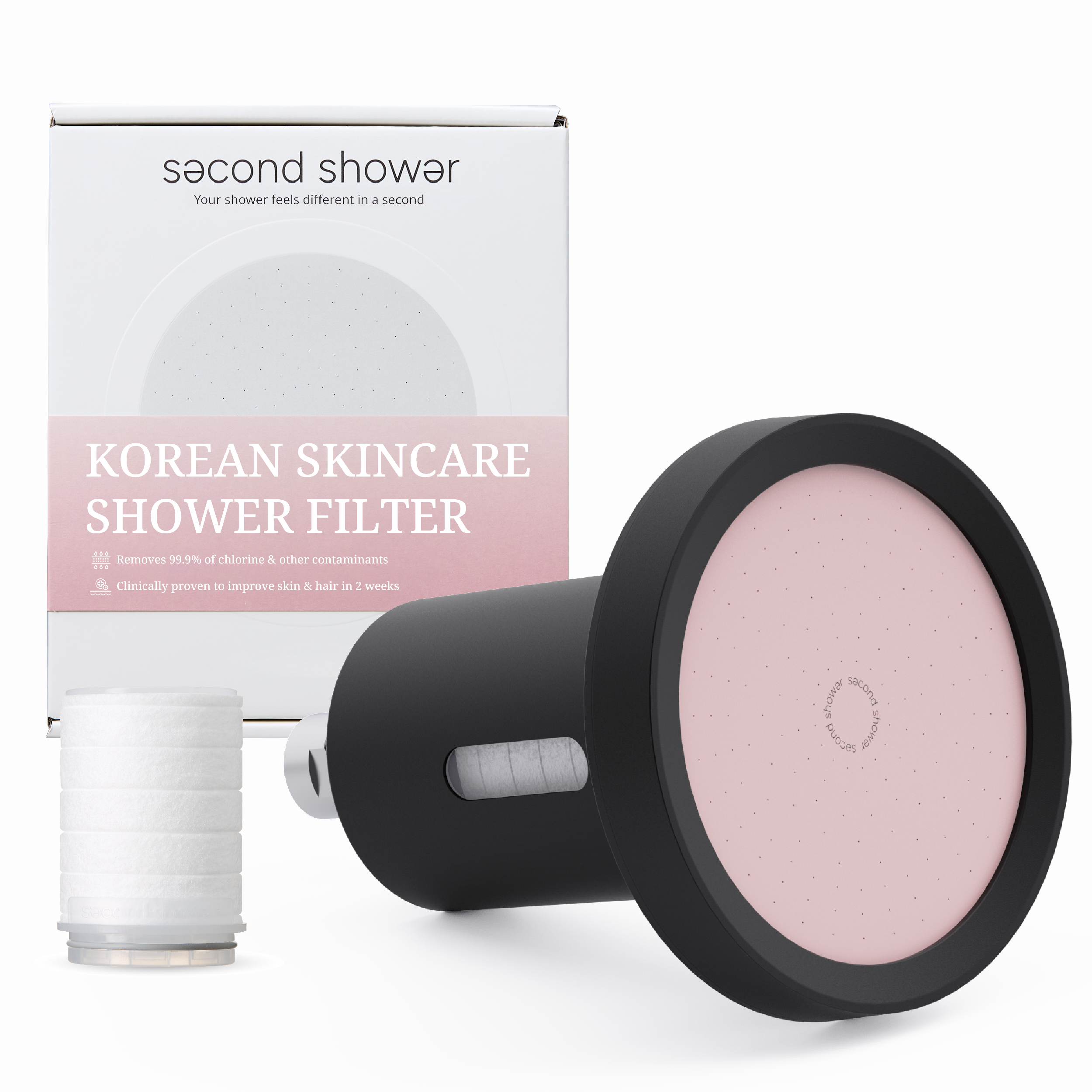
The 176 micro-jets (Showerhead) or 128 micro-jets (Showerhand) maintain full 2.5 GPM flow while creating fine spray that increases surface area for Vitamin C contact. Competitors that stuff KDF-55 pellets into a single-chamber cartridge force water through a dense media bed, dropping pressure by 20-40% and still underperforming on chloramine.
Beyond filtration, Second Shower infuses five vitamins - C, E, B3 (Niacinamide), B5 (Panthenol), and B7 (Biotin) - that coat the hair shaft during rinsing. Niacinamide improves moisture retention. Panthenol penetrates the cortex and swells the hair shaft from within, making fine hair appear thicker. Biotin supports keratin cross-linking, though the topical benefit is more about smoothing the cuticle than stimulating follicle growth.
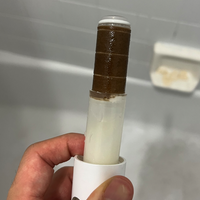
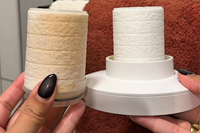
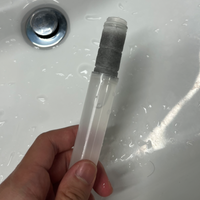
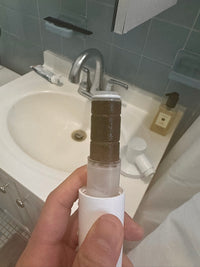
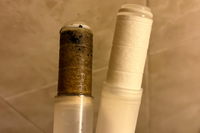
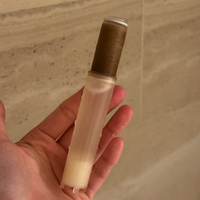
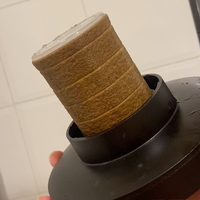
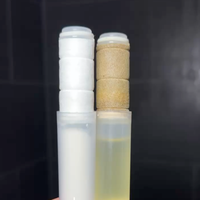
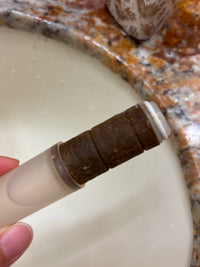
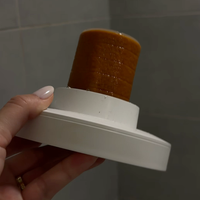
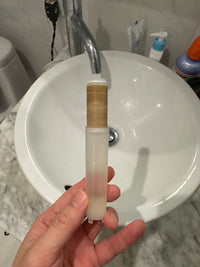
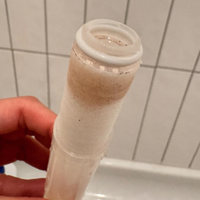
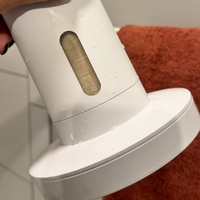
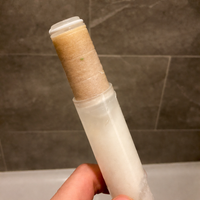
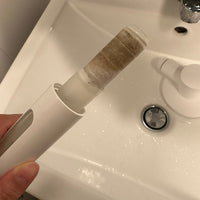
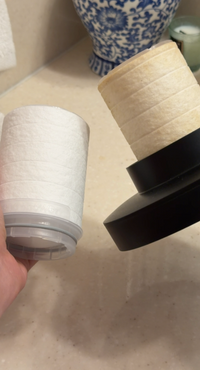
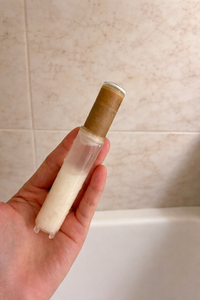
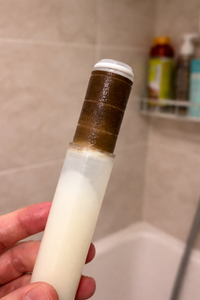
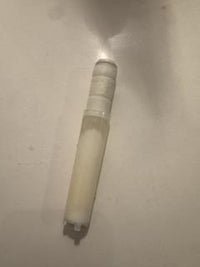
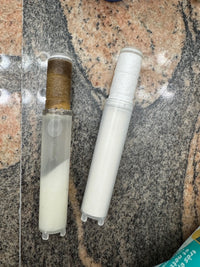
Replacement cadence is 4-6 months for the Showerhead and 3-6 months for the Showerhand, depending on water quality and household size. The transparent Truth Window on the Showerhand lets you see sediment accumulation in real time - most customers replace filters early because seeing brown residue is visceral motivation.
Installation takes five minutes with zero tools. The Showerhead screws onto a standard 1/2-inch NPT shower arm; the Showerhand replaces your existing handheld or attaches via the included diverter valve. Renters can install it, use it for a year, unscrew it, and take it to the next apartment. No landlord permission, no plumber, no permanent modification.
"My hair still isn't perfect, but it stopped feeling like straw after every shower. That alone made it worth it."
Scottsdale water is treated with chloramine, and Arizona's high mineral content compounds the texture issue. This customer's experience - noticeably less brittleness within 30 days - aligns with what independent testing shows: Vitamin C neutralization prevents oxidative damage from the first shower, but repairing pre-existing cuticle damage takes 6-12 weeks of consistent filtered water plus a bond-repair routine.
What a Shower Filter Won't Fix
A shower filter neutralizes chloramine before it touches your hair, but it doesn't undo damage that's already happened.
A shower filter neutralizes chloramine before it touches your hair, but it doesn't undo damage that's already happened. If six months of chloramine exposure has oxidized disulfide bonds and lifted your cuticle layer, you need time plus targeted repair treatments (bond-builders, protein masks, regular trims) for hair to recover. Filtration stops new damage; it doesn't reverse structural compromise.
Shower filters also don't address hardness minerals (calcium, magnesium). If you're in a high-hardness area - think Phoenix, Las Vegas, San Antonio - you might still notice mineral buildup or dullness even with filtered water. The solution is either a chelating shampoo once a week or a whole-house ion-exchange softener if you own your home.
Second Shower won't help with genetic hair thinning, hormonal shedding (postpartum, thyroid), or male/female pattern baldness. Chloramine can weaken existing hair and make thinning more visible, but filtration won't stimulate new growth or prevent androgenic follicle miniaturization. If you're losing hair at the root (not breaking mid-shaft), see a dermatologist.
Finally, if your breakage is mechanical - tight ponytails, over-processing with bleach, daily flat iron at 450°F - filtered water helps but doesn't eliminate the damage. You still need to address the styling habits and chemical treatments that weaken the cortex. Chloramine removal is one variable in hair health, not the only one.
I'd rather you buy the right product than buy ours. If you're in the 15% of districts still using straight chlorine and you don't care about vitamin infusion or pressure optimization, a basic KDF filter will work. But if chloramine is in your water - and it probably is - most filters are selling you a solution that doesn't match the chemistry of the problem.
Get Filtered Water That Actually Protects Your Hair
If you're dealing with breakage, color fade, or texture damage from chloramine, the next step is straightforward: install a filter that neutralizes it before water touches your hair.
If you're dealing with breakage, color fade, or texture damage from chloramine, the next step is straightforward: install a filter that neutralizes it before water touches your hair. Second Shower ships in 2-3 days, installs in five minutes with zero tools, and starts working from the first shower.
Check your water utility's disinfectant type first - most U.S. districts use chloramine now, not chlorine - then choose a filter chemistry that matches the problem. If you're unsure, default to Vitamin C; it works on both.
Vitamin C wall-mount filter — 99.9% chlorine and chloramine reduction during the cartridge's peak performance window (Day 1–60). $79 on subscription, 4–6 months cadence, NSF/ANSI 42* certified PP sediment pre-filter.
Shop the Second ShowerheadRelated Reading
FAQ
How do I know if my water has chloramine instead of chlorine?
Check your water utility's Consumer Confidence Report (CCR), which is published annually and available on their website or by calling customer service. Search for "disinfectant type" or "chloramine." About 85% of U.S. utilities now use chloramine because it's more stable in pipes than free chlorine. If your CCR lists "monochloramine" or "chloramine," you need a filter specifically designed to neutralize it - most KDF and carbon filters underperform on chloramine at shower flow rates.
You can also use a DPD test kit (available on Amazon for $12-18) that differentiates between free chlorine and total chlorine; if total chlorine is significantly higher than free chlorine, the difference is chloramine.
Will a shower filter make my hair stop breaking immediately?
Filtration stops new oxidative damage from the first shower, but repairing hair that's already structurally compromised takes time. Most people notice less roughness and fewer tangles within 2-3 weeks as the cuticle layer begins to seal. Significant reduction in breakage - where you're no longer finding short snapped pieces after brushing - typically happens around 6-8 weeks.
If your hair has severe damage (over-processed with bleach, chronic chloramine exposure for 6+ months), you'll need bond-repair treatments and regular trims in addition to filtered water. The filter prevents further damage; it doesn't undo what's already broken.
Do I still need to use clarifying shampoo if I have a shower filter?
Depends on your water hardness and product buildup habits. A shower filter removes chlorine and chloramine, but it doesn't remove dissolved hardness minerals (calcium, magnesium) unless it includes ion-exchange resin - which Second Shower doesn't. If you're in a high-hardness area, you might still benefit from a chelating or clarifying shampoo once every 2-4 weeks to prevent mineral accumulation.
If your water is soft or moderately hard and you use minimal styling products, filtered water alone may be sufficient. You'll know within a month: if your hair feels clean and light after washing, you're fine. If it feels coated or weighed down, add a clarifying treatment to your rotation.
Why does my color-treated hair fade faster in some cities than others?
Chloramine concentration and pH variation. Cities that use chloramine maintain residual levels between 1.5-4.0 mg/L, but the actual concentration at your tap fluctuates based on distance from the treatment plant, pipe material, and seasonal demand. Higher chloramine = faster oxidation of dye molecules. Additionally, some utilities run slightly alkaline pH (7.8-8.5) to prevent pipe corrosion, which lifts the hair cuticle and accelerates color leaching.
If you moved from a chlorine-only city to a chloramine city, you'll notice color lasting 40-50% less time - not because your stylist changed technique, but because the oxidative stress is higher. A shower filter that neutralizes chloramine (like Second Shower's Vitamin C system) levels the playing field regardless of your water district.
Can I use a shower filter if I have low water pressure?
Yes, and in many cases it improves perceived pressure. Second Shower's 176 micro-jets (Showerhead) or 128 micro-jets (Showerhand) create a fine mist that feels stronger than a traditional wide-spray head, even at the same GPM flow rate. Competitors that pack KDF-55 pellets into a dense cartridge often restrict flow by 20-40%, which makes low-pressure situations worse. Second Shower's design maintains full 2.5 GPM flow (or 1.8 GPM in California-compliant mode) with zero pressure drop.
If your building has genuinely weak pressure - below 40 PSI at the shower head - a filter won't fix that (you'd need a booster pump), but it also won't make it worse the way KDF cartridges do.


Leave a comment
All comments are moderated before being published.
This site is protected by hCaptcha and the hCaptcha Privacy Policy and Terms of Service apply.