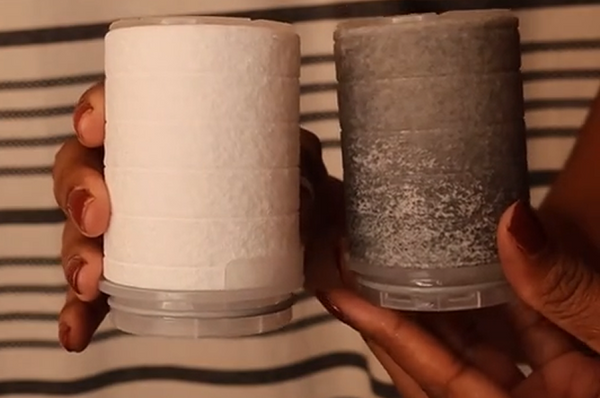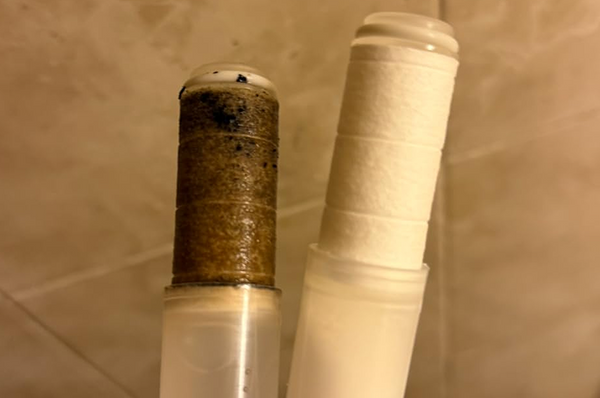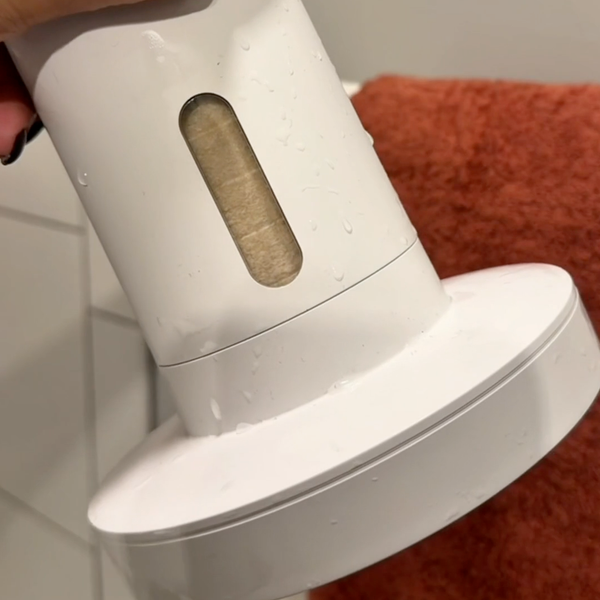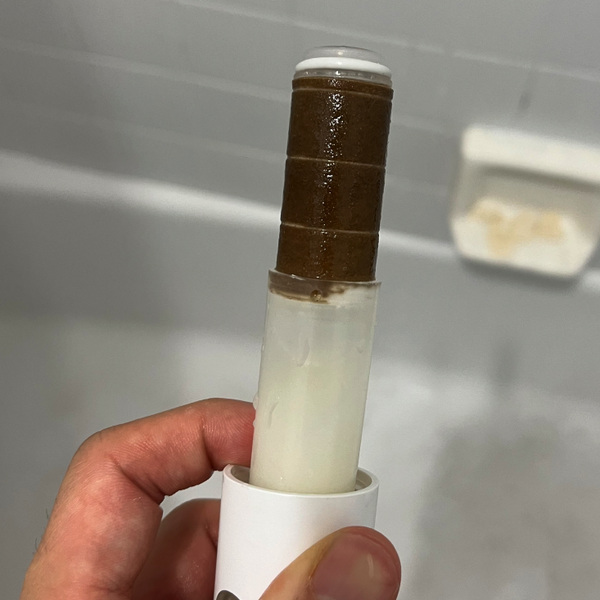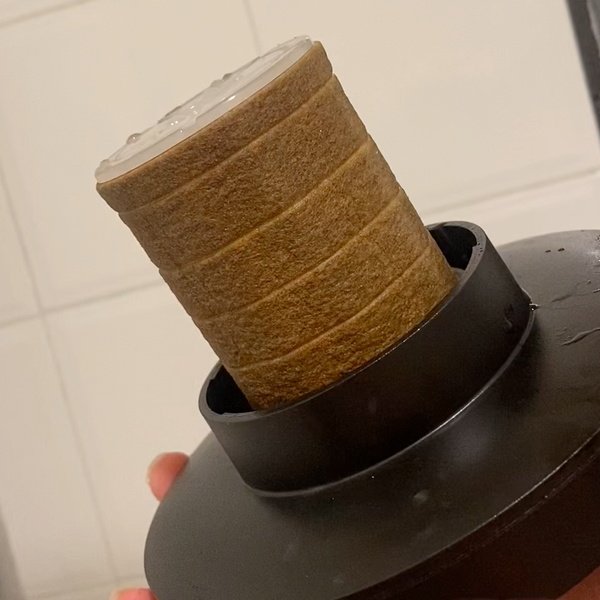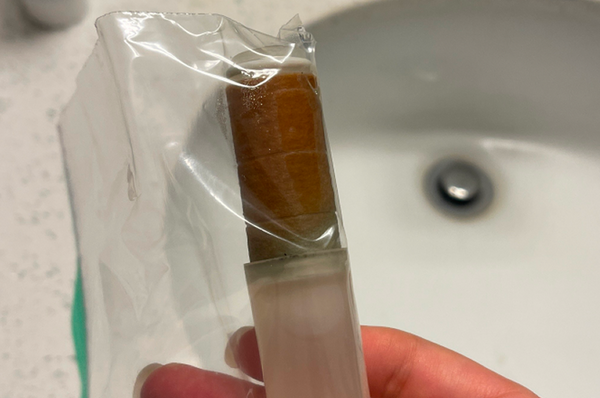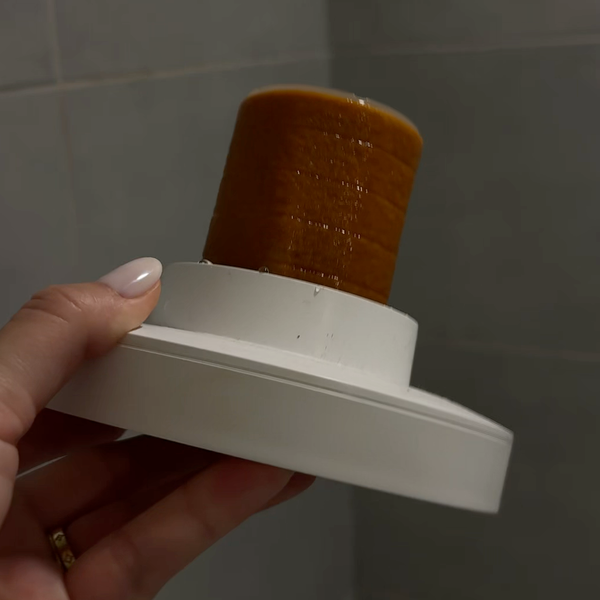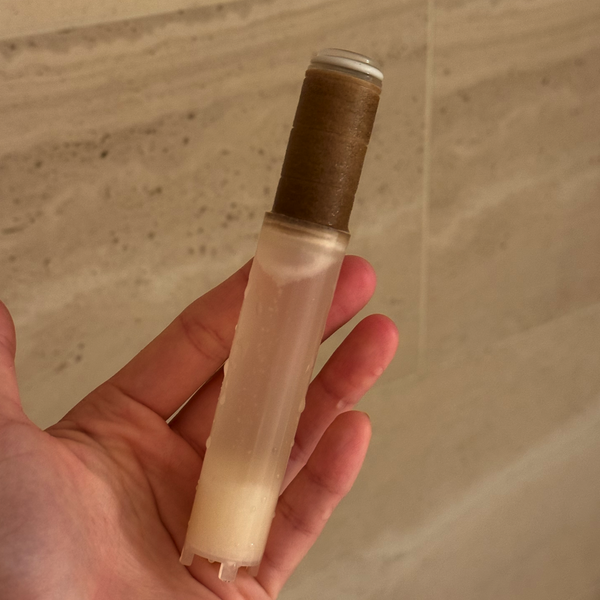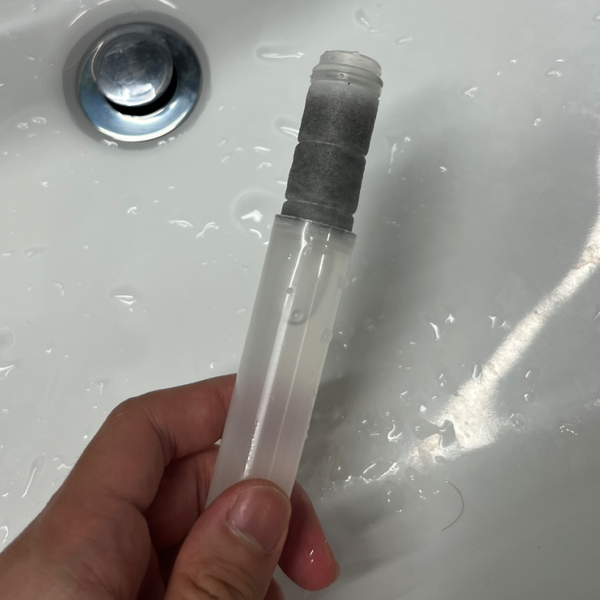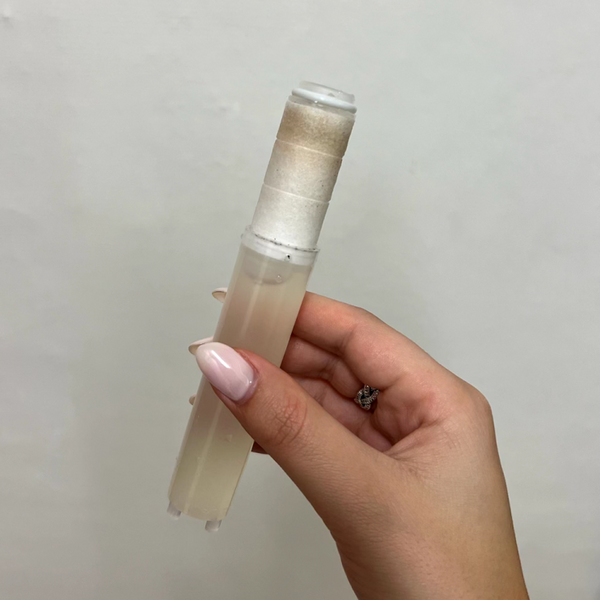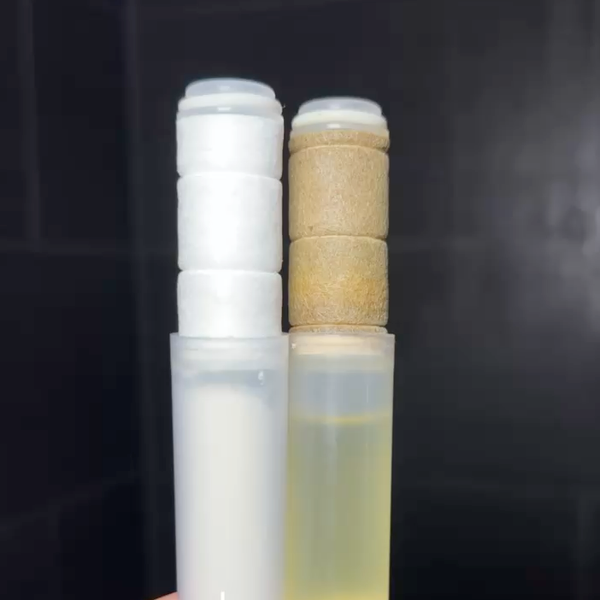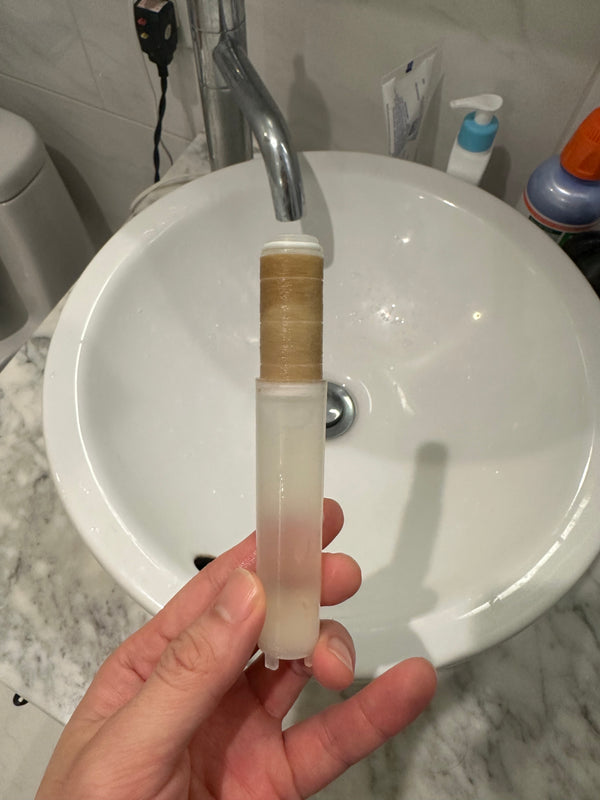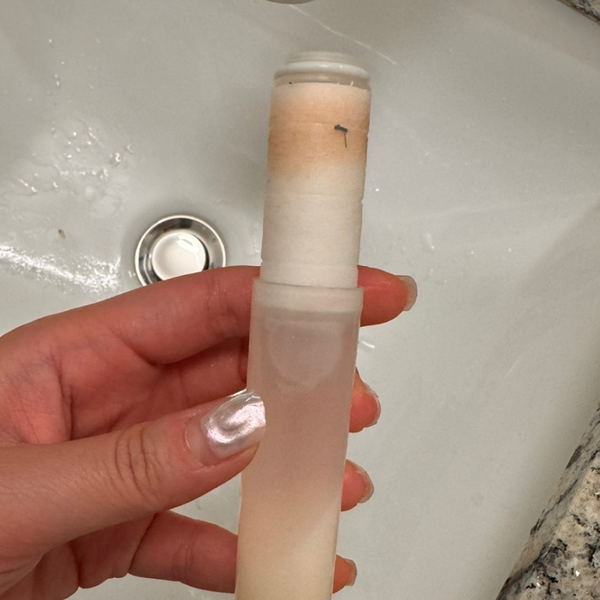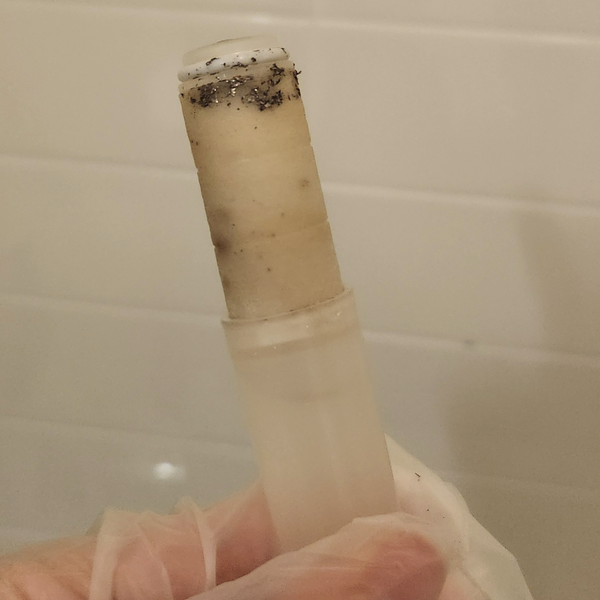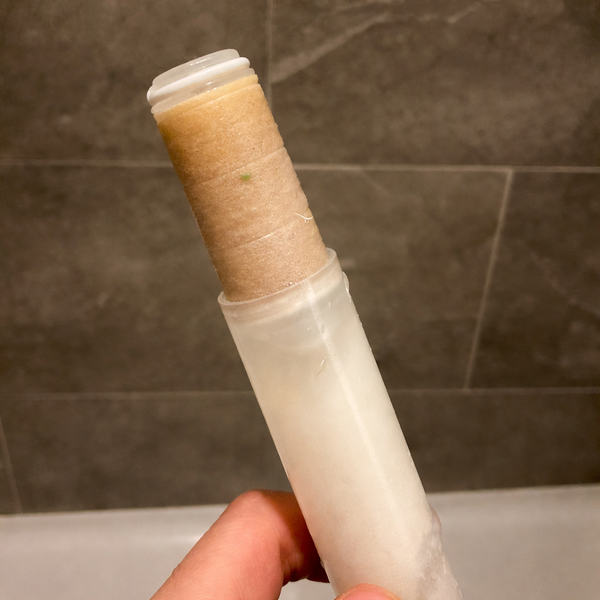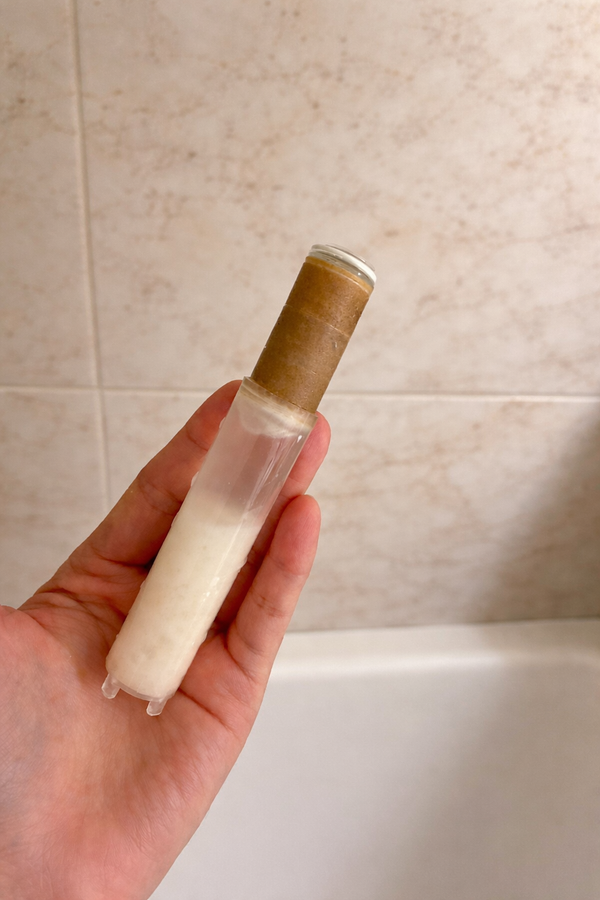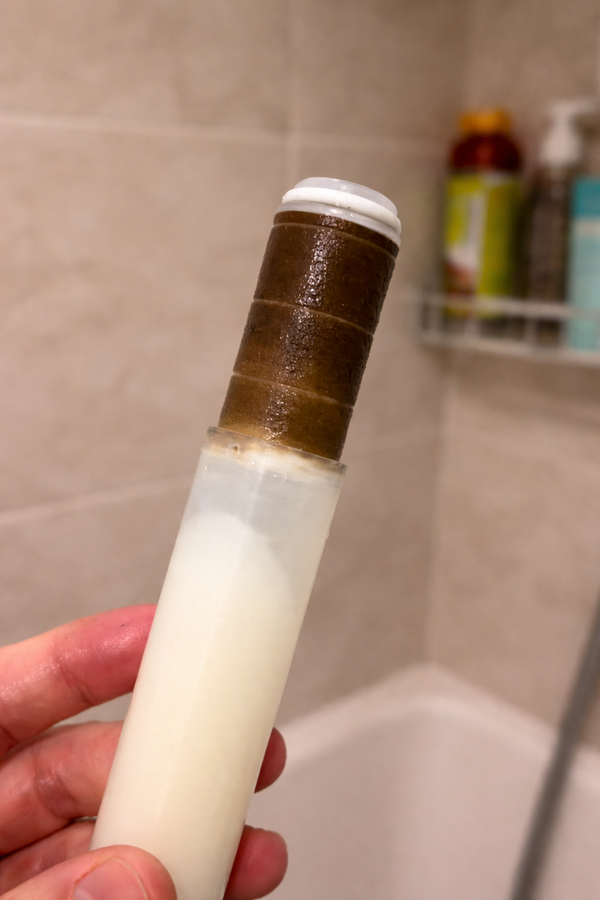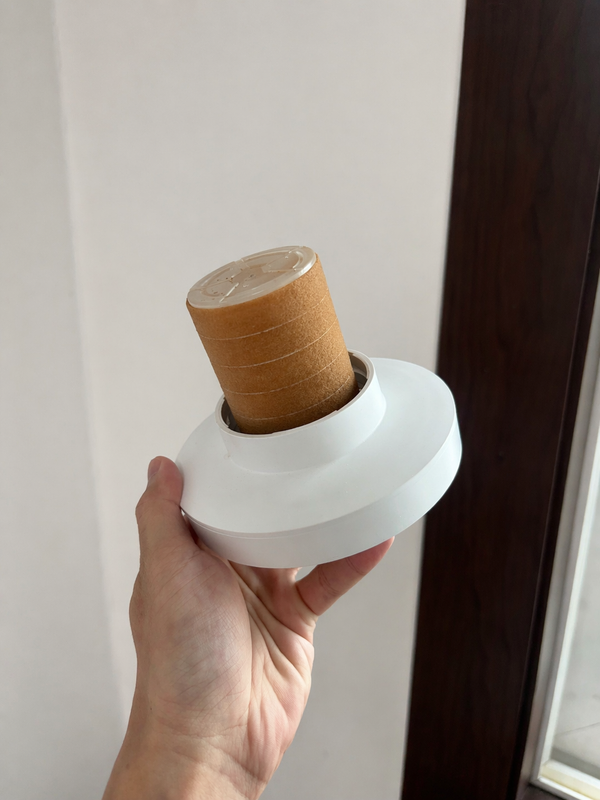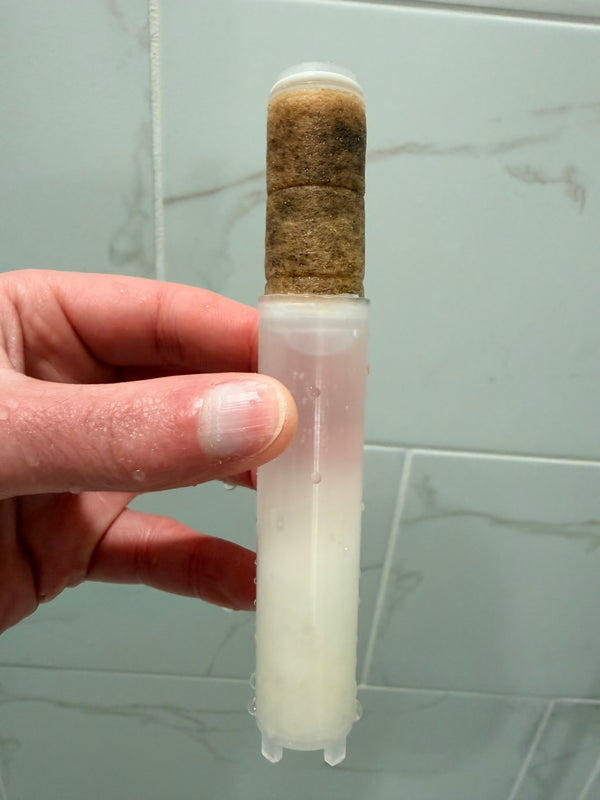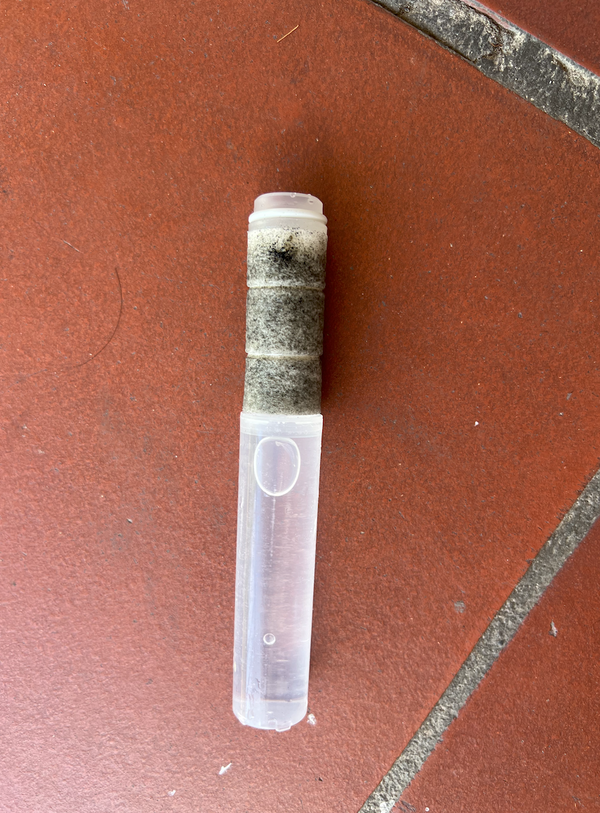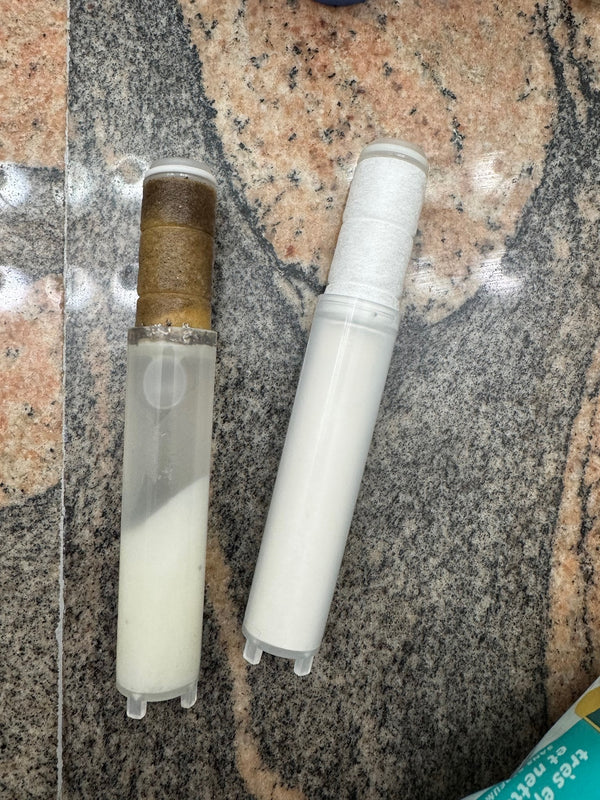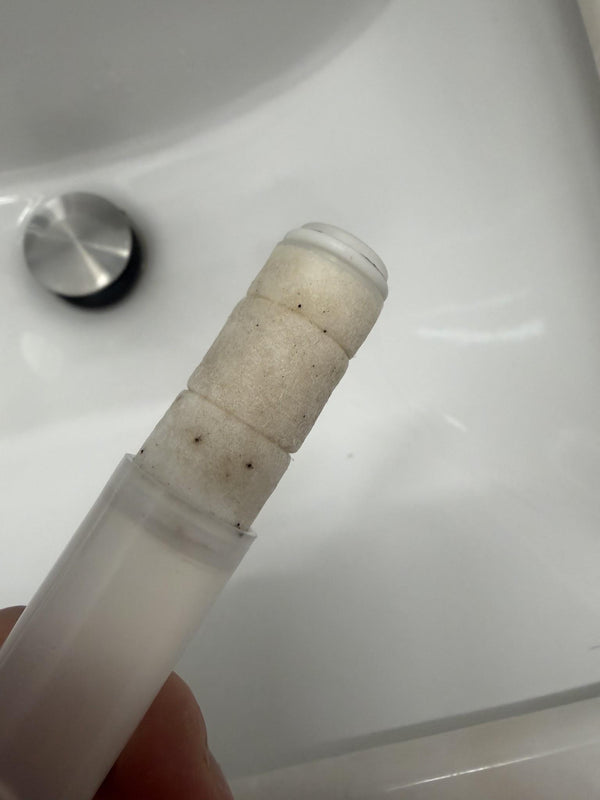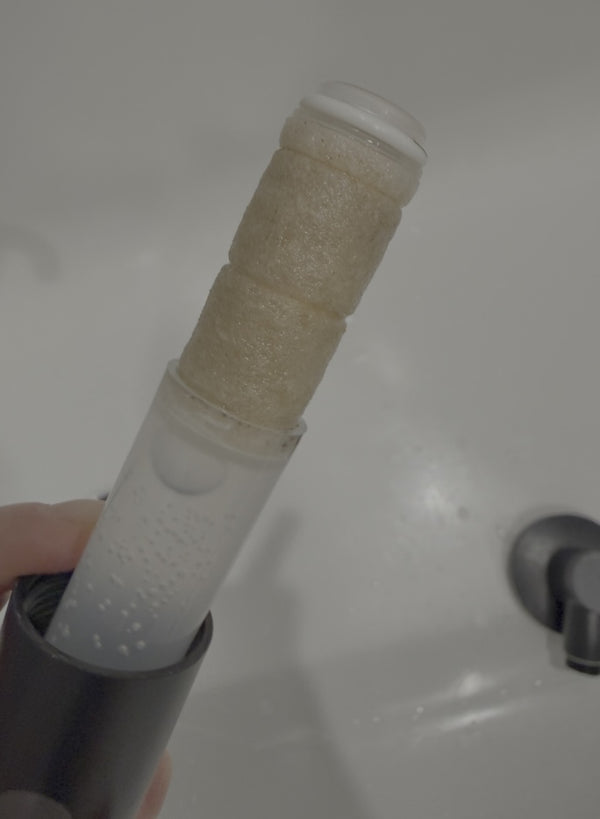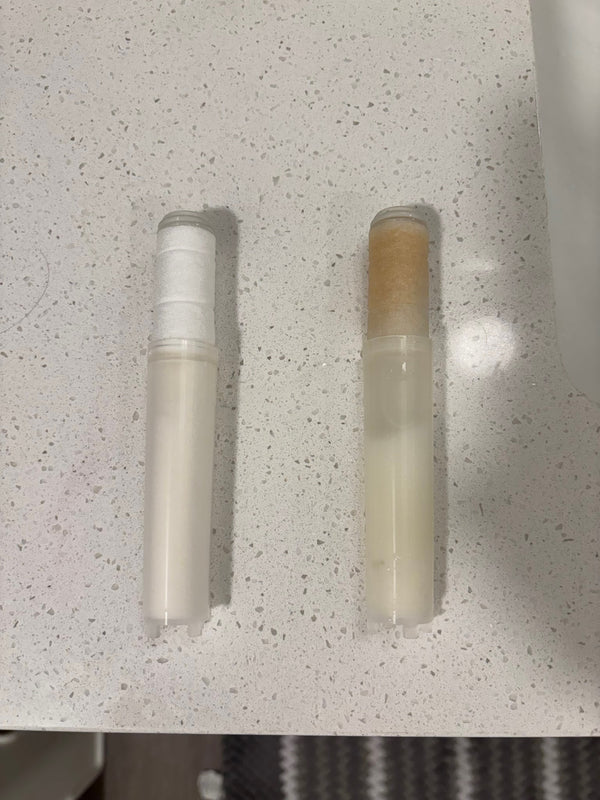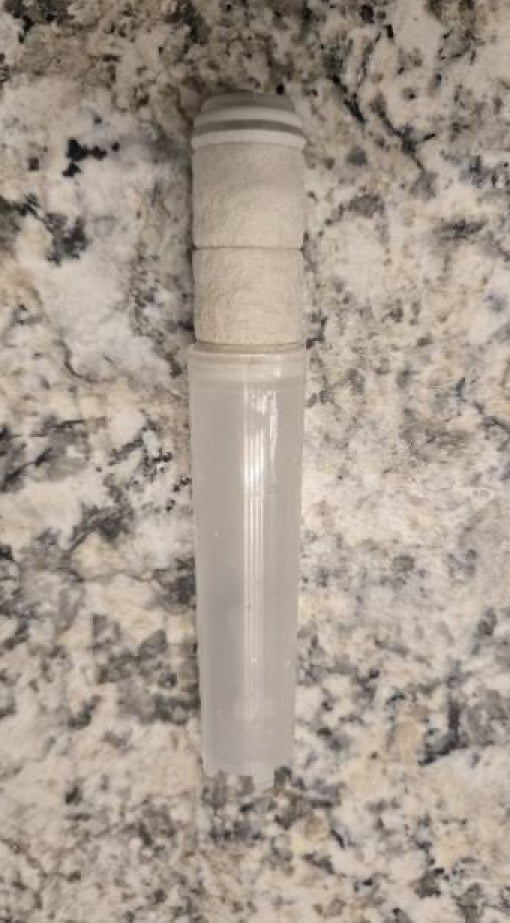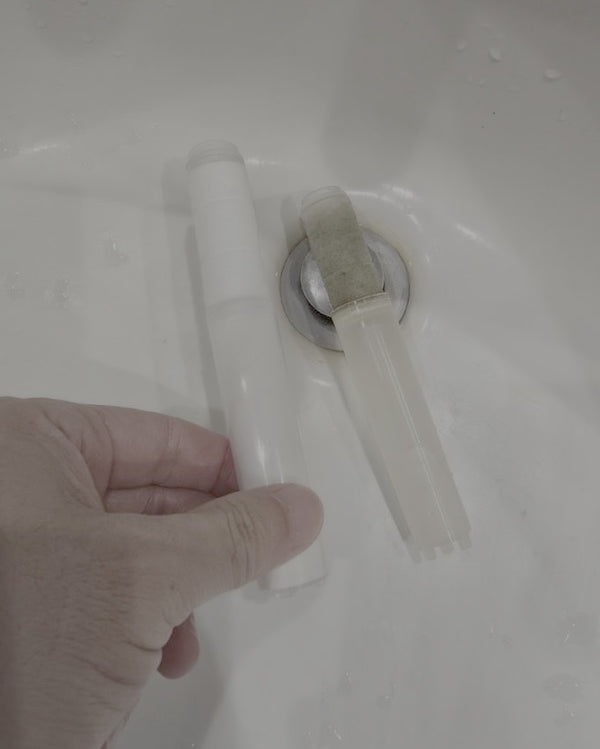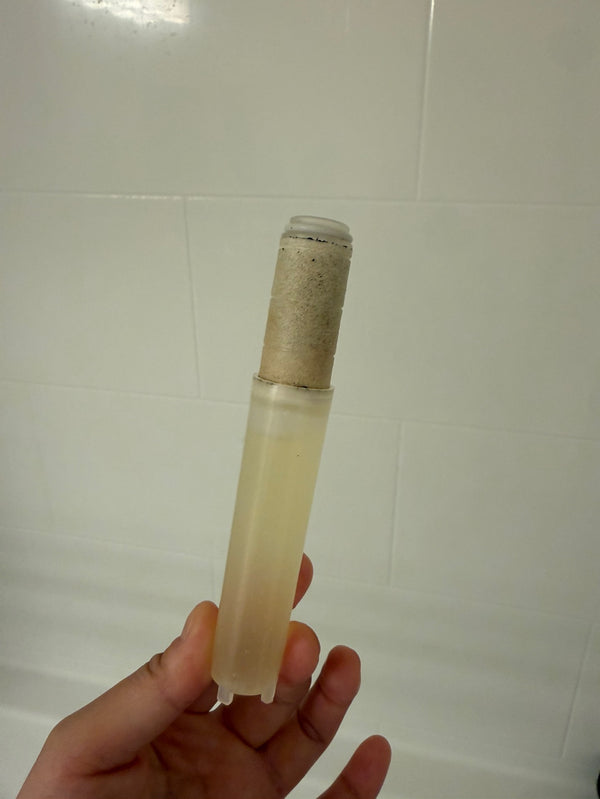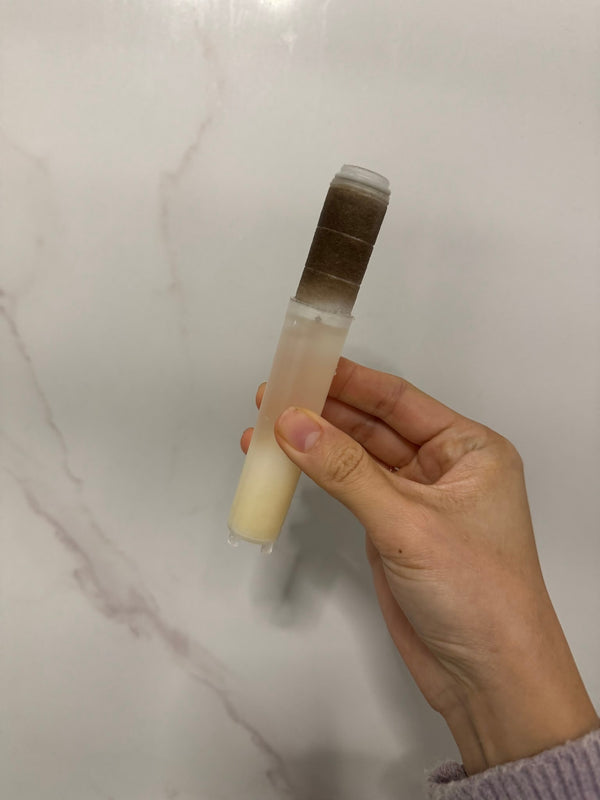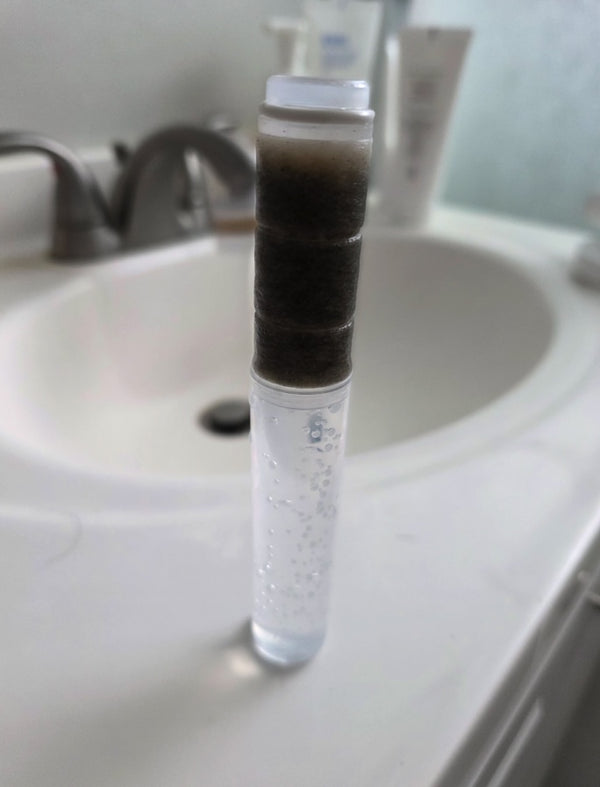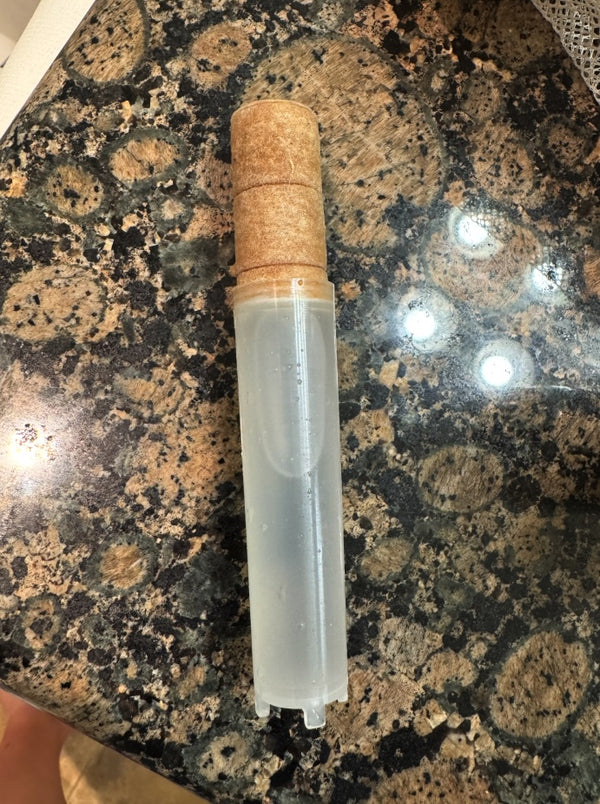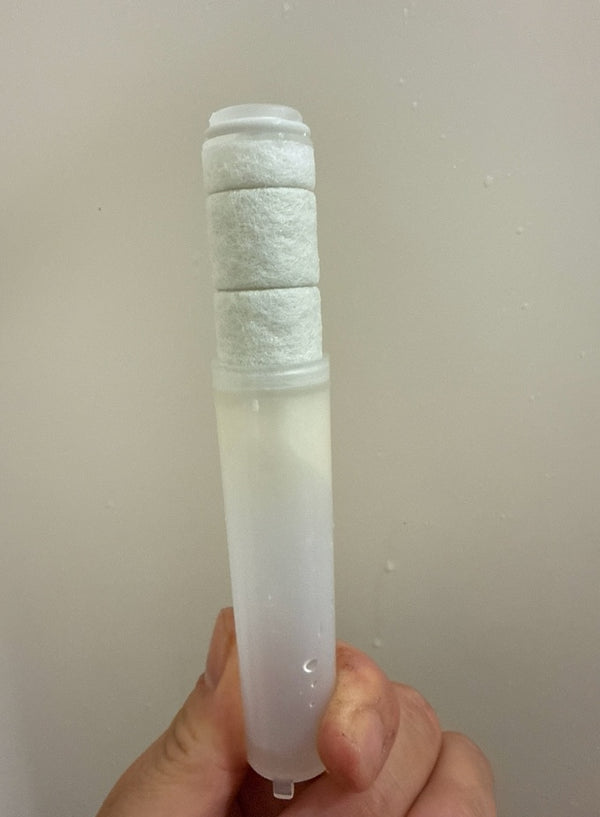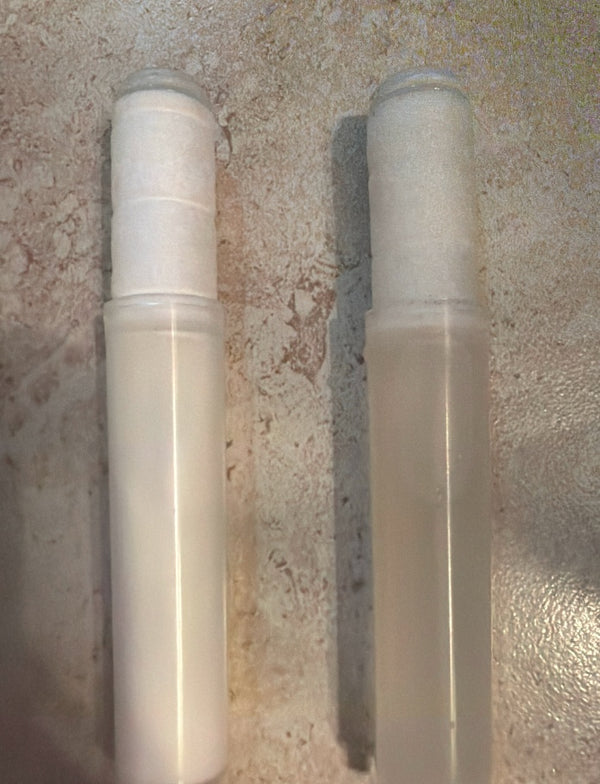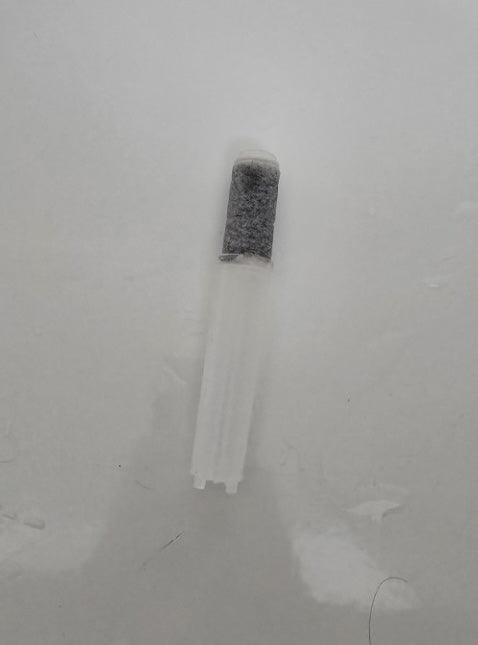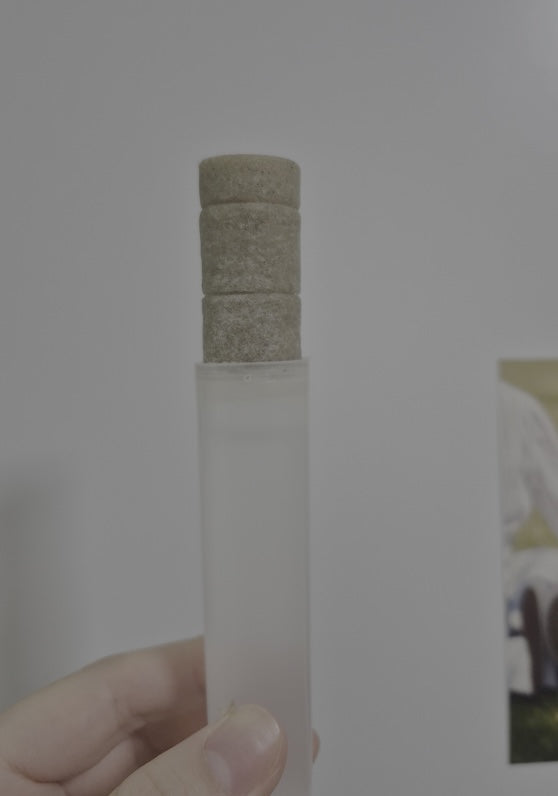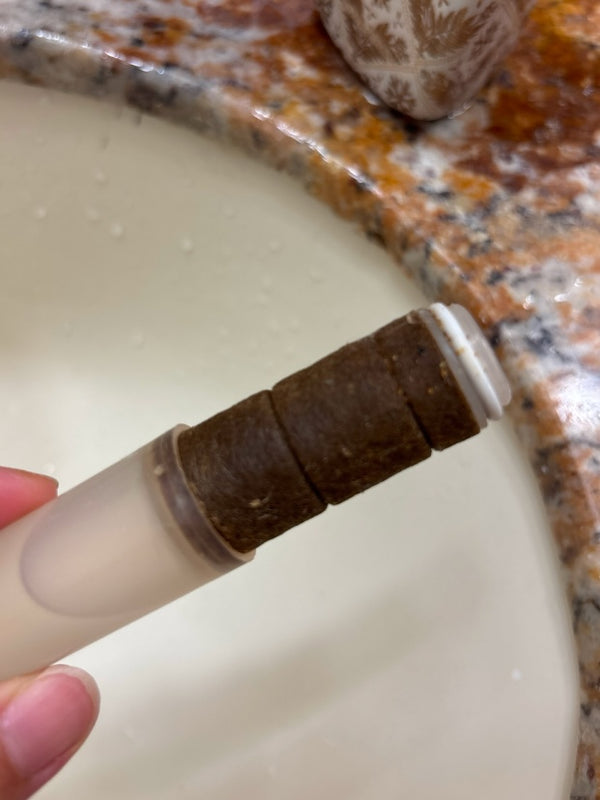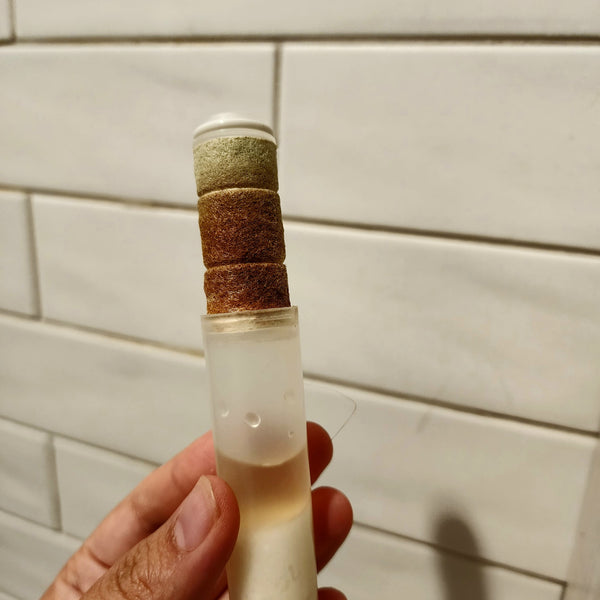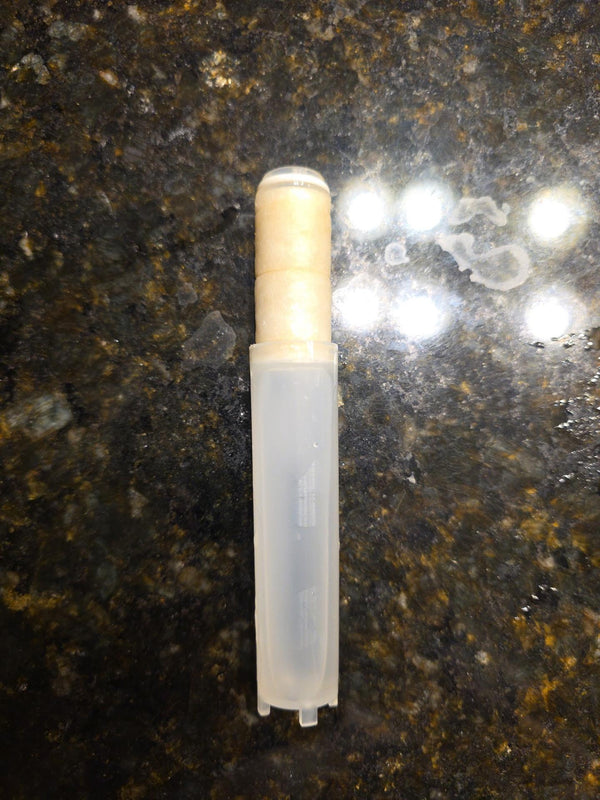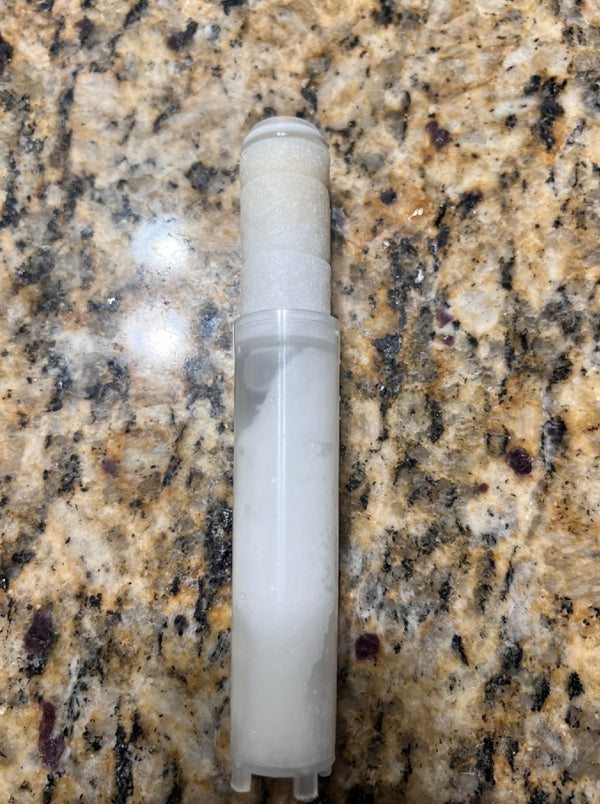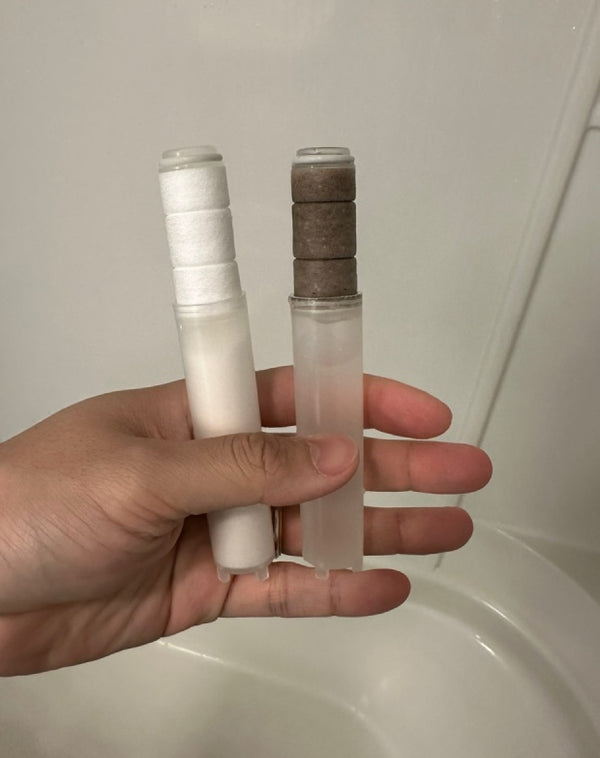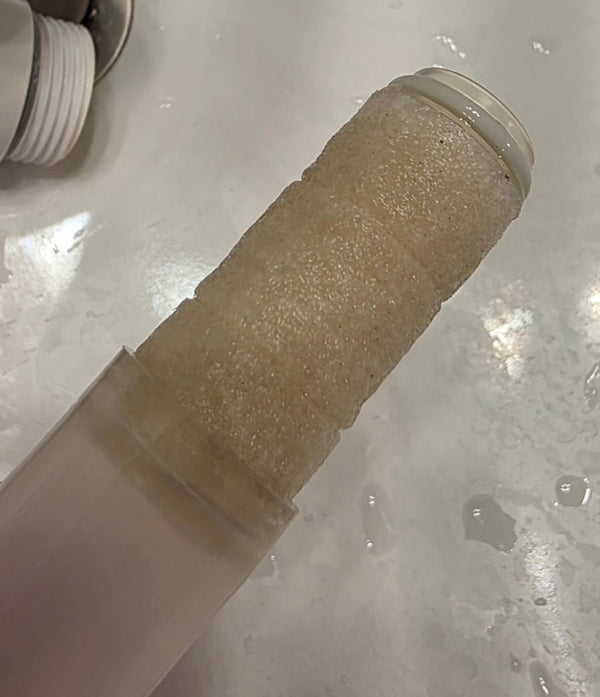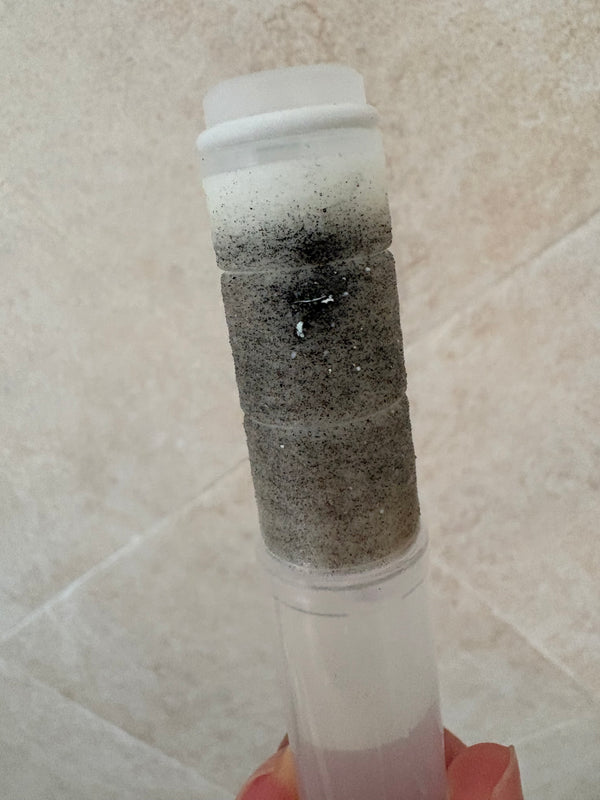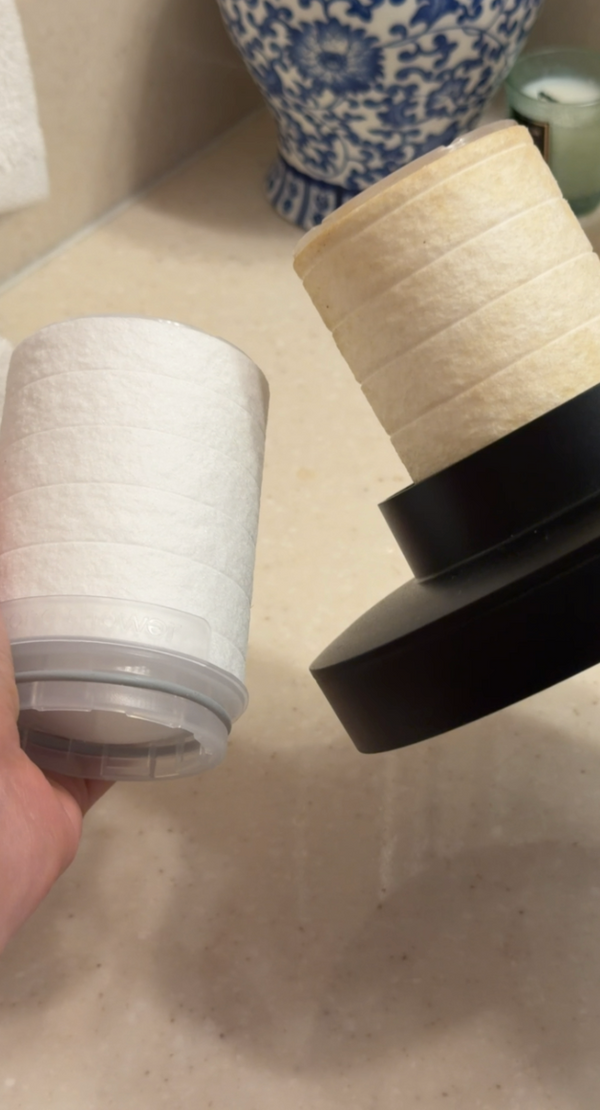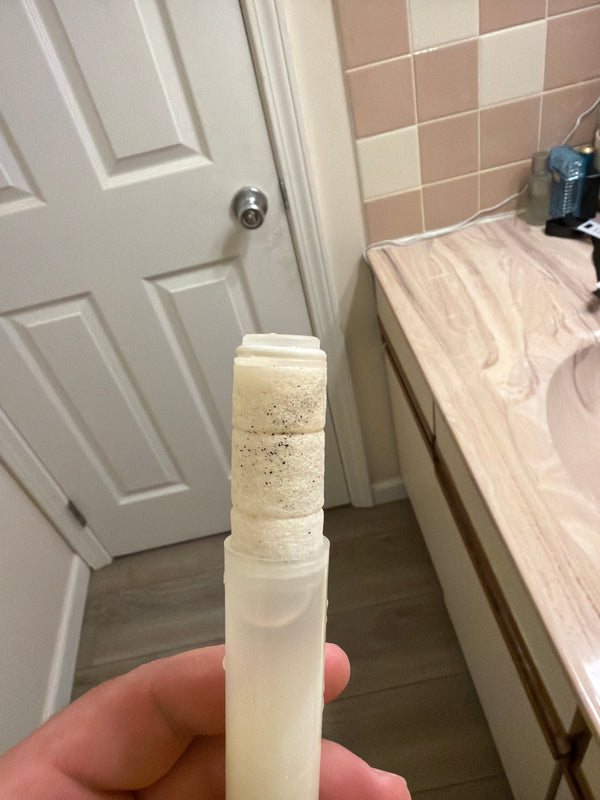
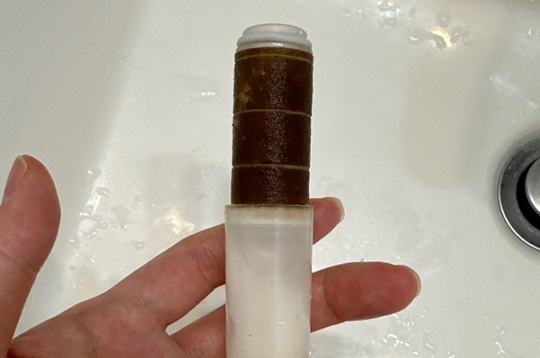
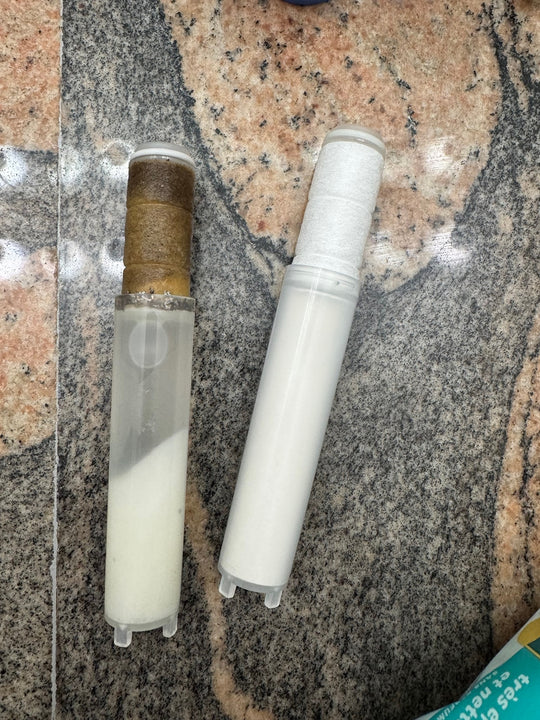
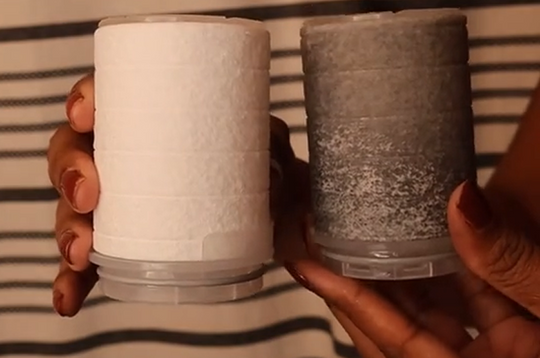
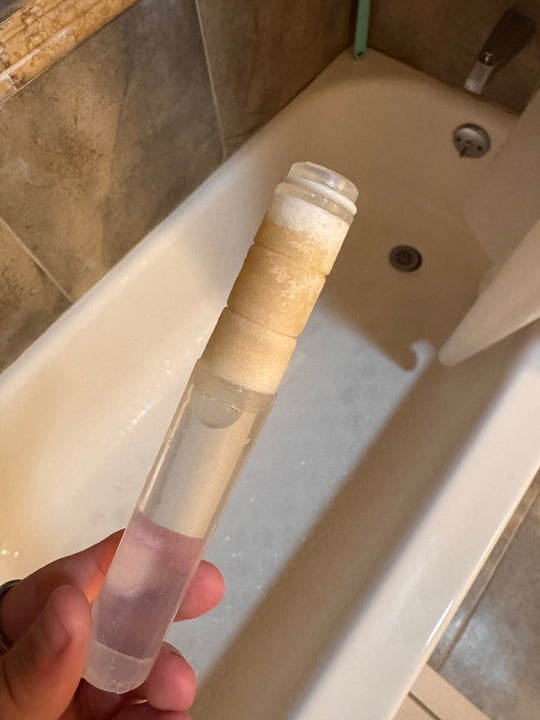
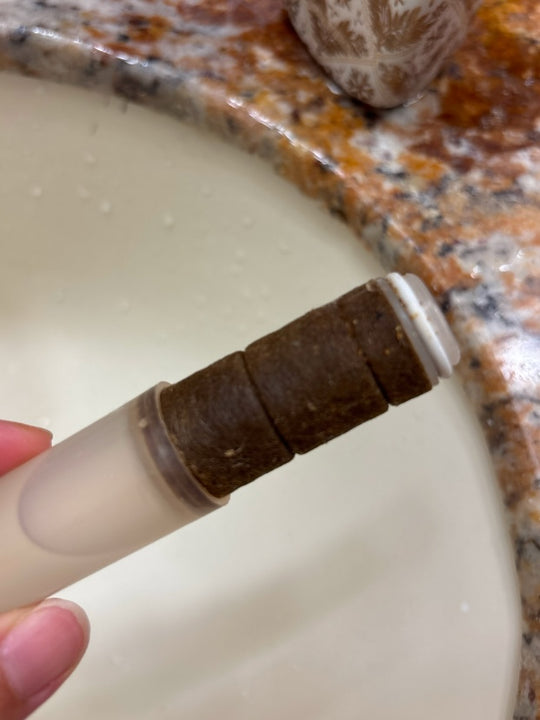
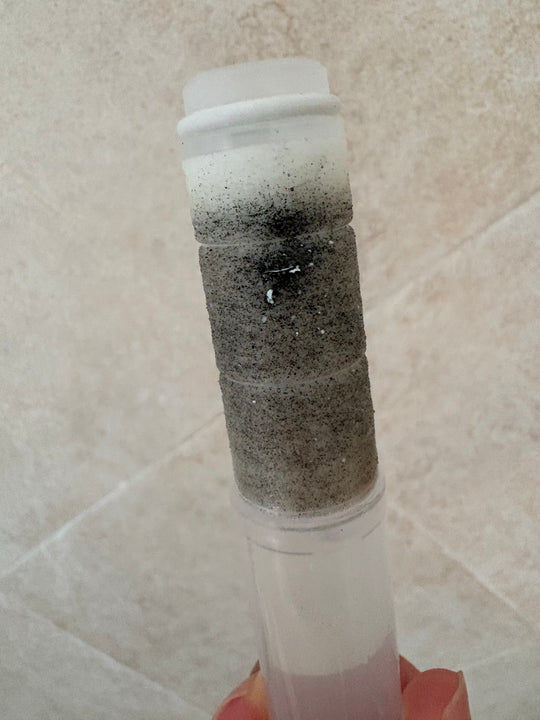
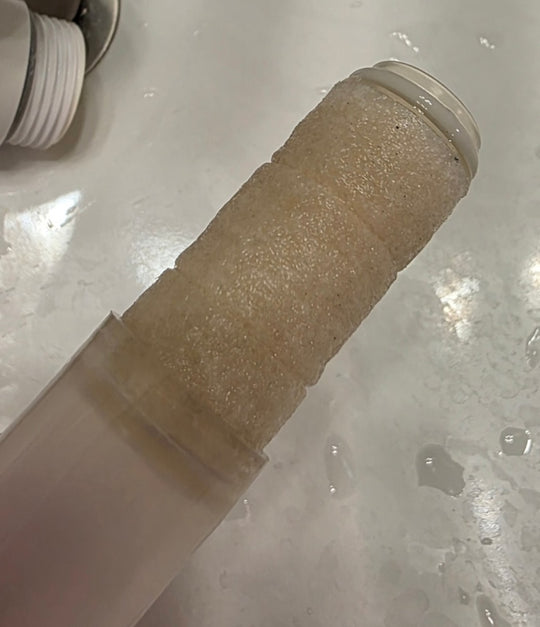
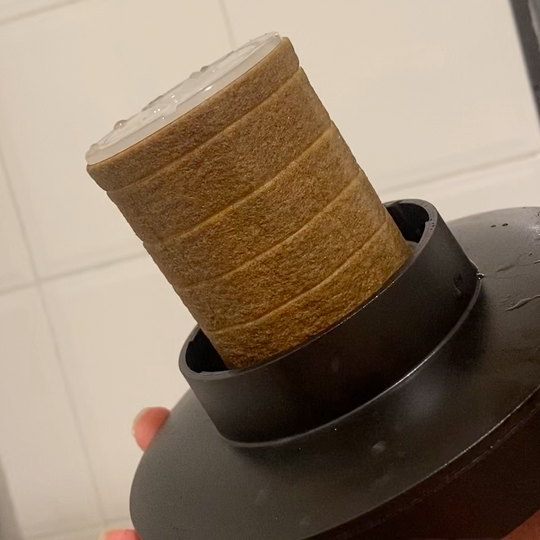
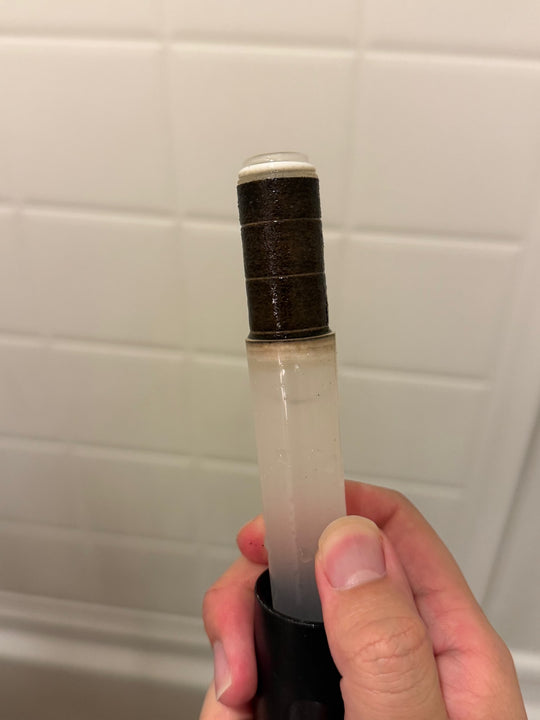
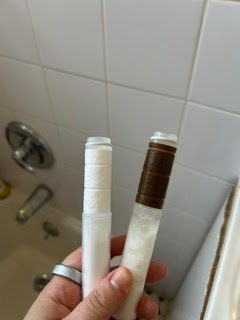
KDF is a copper-zinc granule media that reduces free chlorine through a simple chemical exchange. It is real chemistry, but no single KDF filter is best for everyone. The right filter for you names the disinfectant your utility actually uses (chlorine or chloramine), backs that claim with a test result and gives a clear replacement schedule. KDF does not remove hardness or scale, and no shower cartridge does. In our own testing, KDF-55 cartridges lost chlorine reduction as they aged, so replacing the cartridge on time matters as much as which brand you pick. Before you buy, look up your water report.

What is KDF, and how does it work in a shower filter?
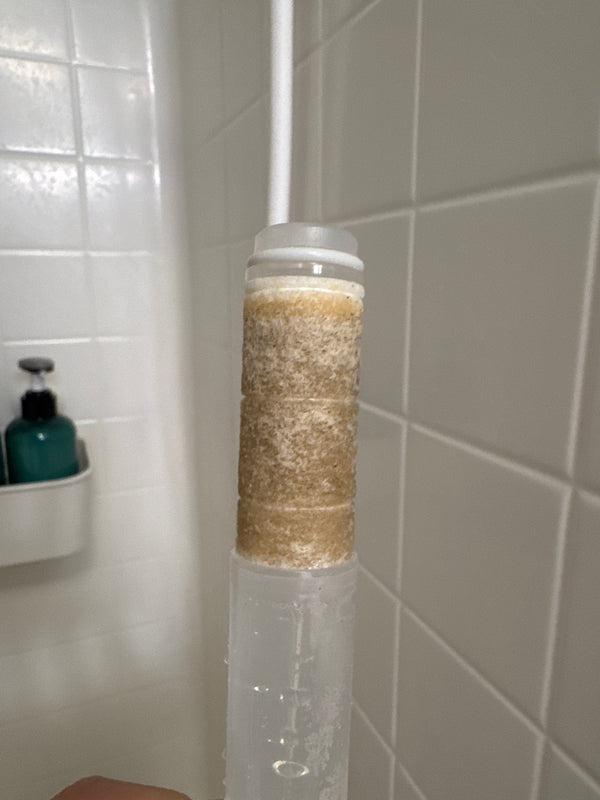
KDF is a granular media made of copper and zinc. The grade sold for chlorine reduction is usually called KDF-55. Inside a shower cartridge, water runs through a bed of these granules.
The process is a redox reaction, an exchange of electrons. Zinc is reactive and gives up electrons easily. Free chlorine is an oxidizer and takes them. When the two meet, the chlorine turns into chloride, a harmless salt, and a small amount of zinc goes into the water as ions. KDF does not trap chlorine the way a sponge holds water. It converts it.
That's why KDF shows up in so many shower filters. Many cartridges stack it with other media, such as activated carbon, so the label may say "KDF" when the cartridge actually holds several layers.
Does your water have chlorine or chloramine?
Answer this before you compare brands. US water utilities disinfect with one of two chemicals:
- Free chlorine, the classic disinfectant.
- Chloramine, which is chlorine combined with ammonia and is made to last longer in the pipes. More than one in five Americans have chloramine-treated water.[1]
Chloramine is designed to be more stable, and that stability is the reason a utility chooses it. A filter that does a good job on free chlorine has not shown it can handle chloramine until its maker shows that too. If a product page says "chlorine" and never says "chloramine", read it as a free chlorine claim.
To find out what is in your water, check your utility's Consumer Confidence Report, the annual water quality report every community water system must send its customers, usually by July 1.[2] The utility's name is on your water bill. You can also look up your ZIP code on our water page.
What can a KDF filter not do?
Many shopping lists blur this part, so here it is plainly.
It does not soften water
Hardness is the amount of dissolved calcium and magnesium in your water. It's what leaves white crust on shower glass and faucets and makes soap lather less.[3] An ion-exchange water softener, usually installed for the whole house, removes hardness. A shower filter cartridge does not, whether it holds KDF, carbon or Vitamin C. If a shower cartridge promises to end scale, ask for the test that proves it.
Soft water still has a disinfectant
Utilities add chlorine or chloramine whether the water is hard or soft. A hardness number tells you nothing about the disinfectant, so soft water is not a reason to skip the question above.
Your test tool matters
A TDS meter measures total dissolved solids. It is not a hardness test, and it cannot detect chlorine. To check chlorine before and after a filter, use a DPD test kit. Hardness test strips are cheap and give a reading in about a minute.
Does a KDF shower filter wear out?
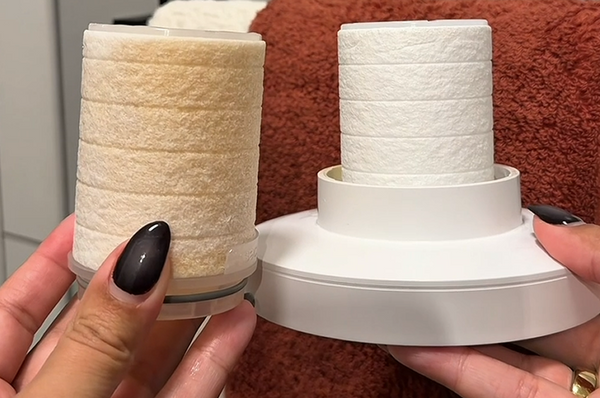
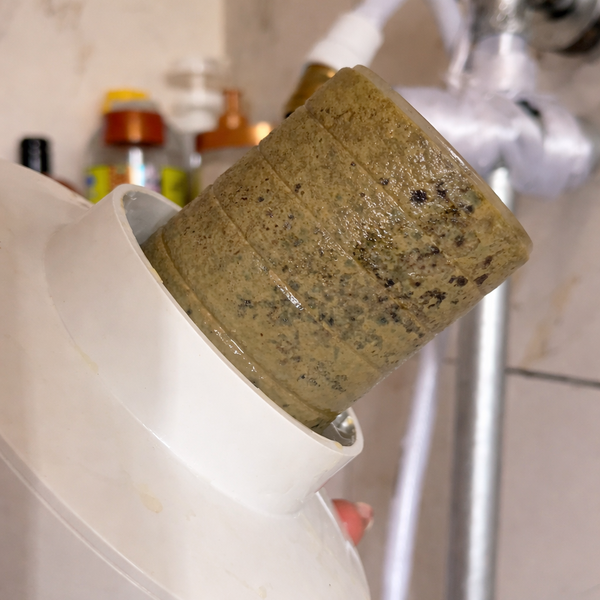
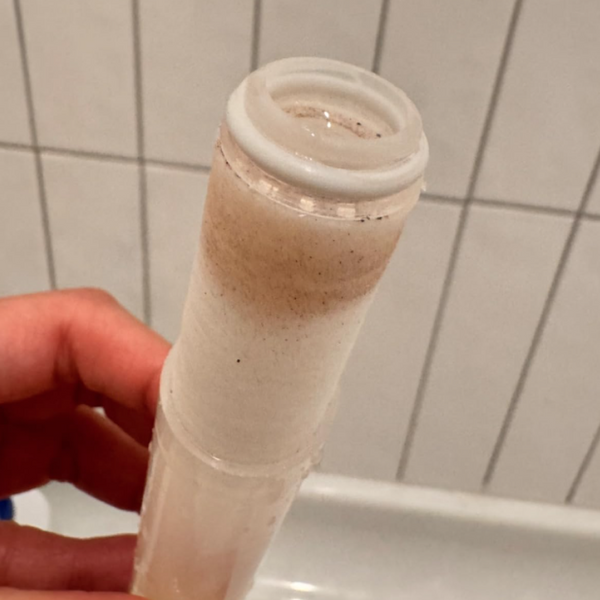
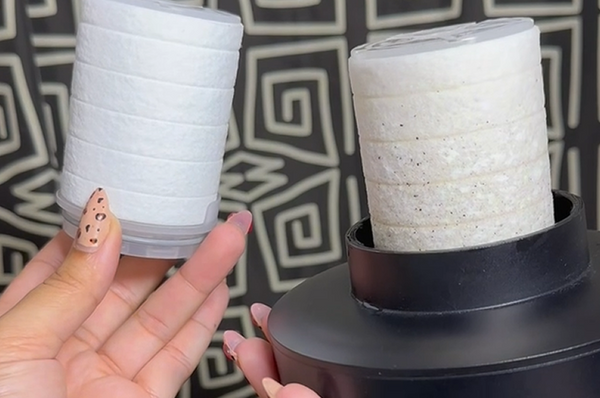
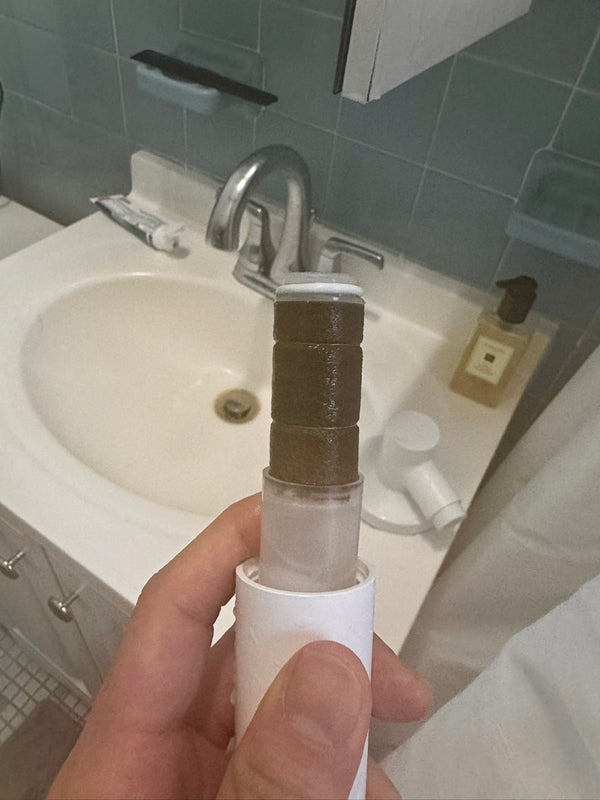
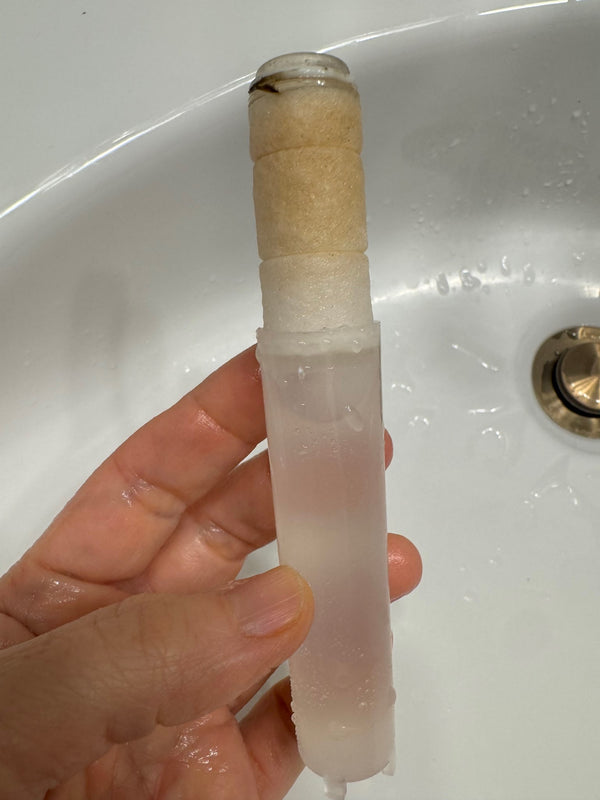
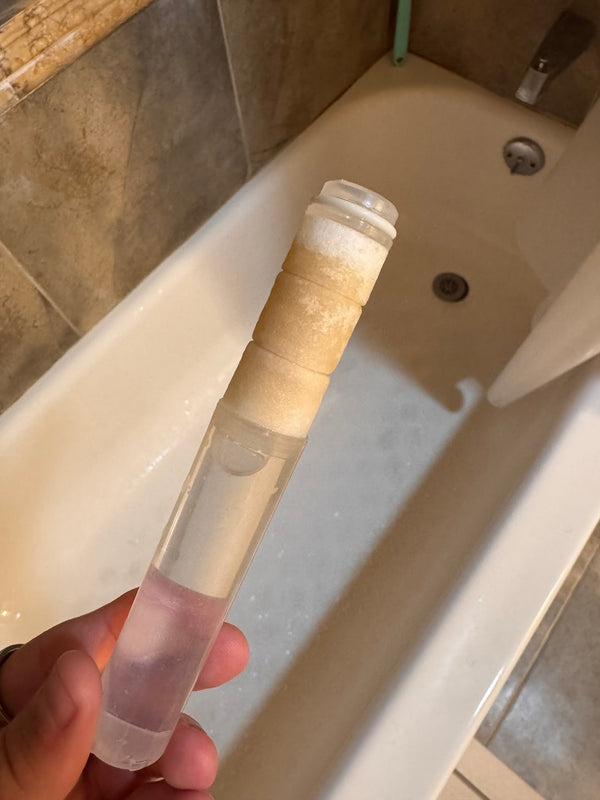
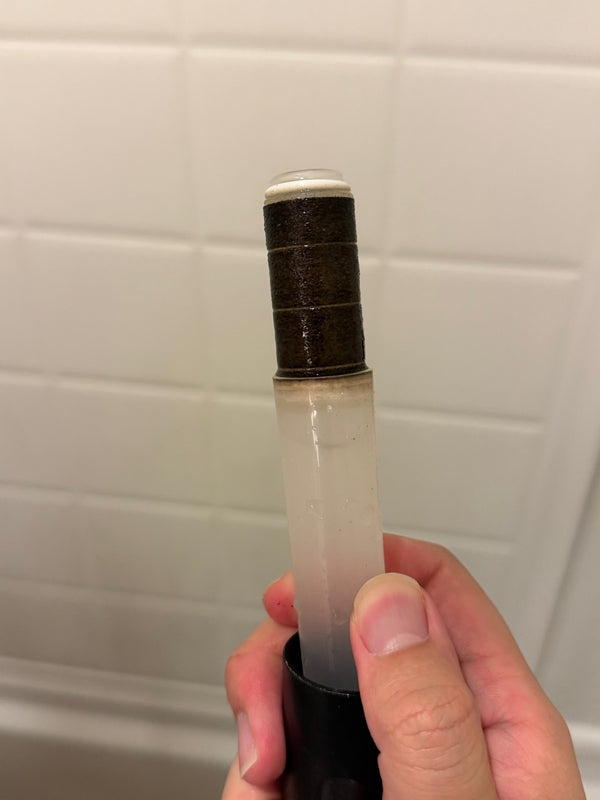
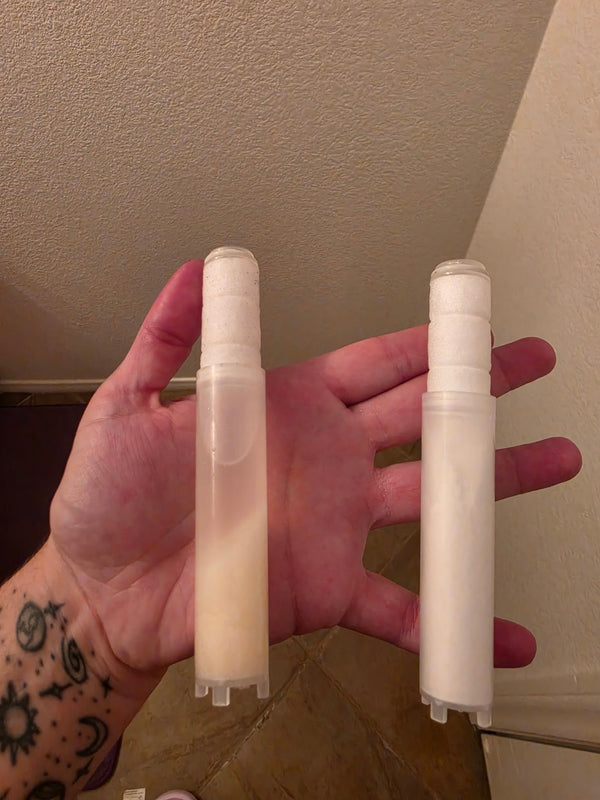
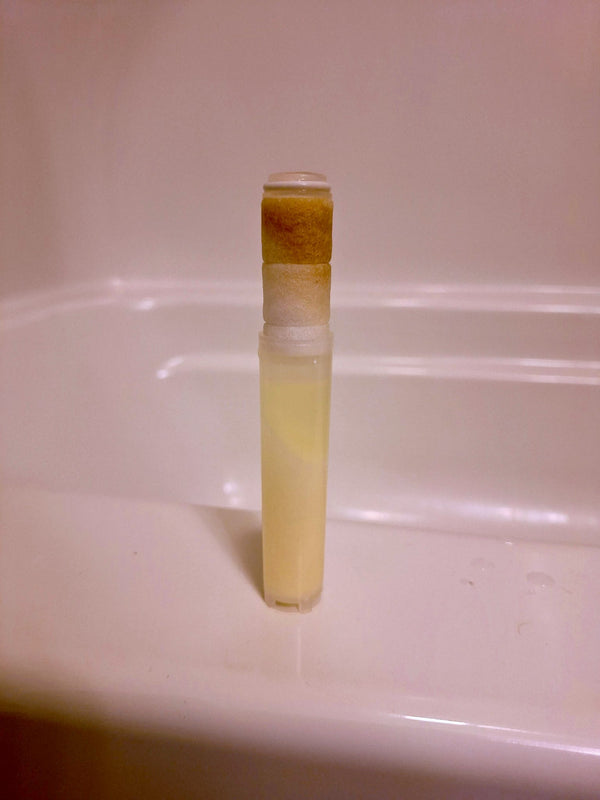
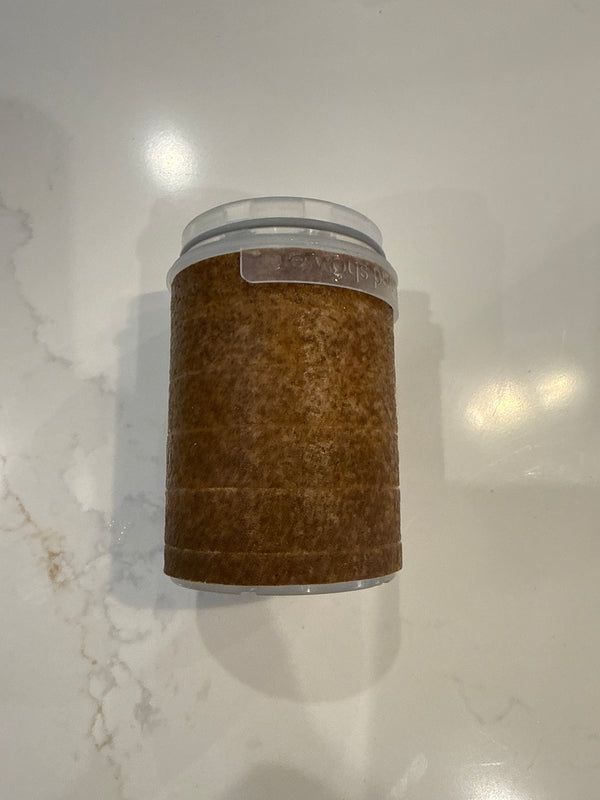
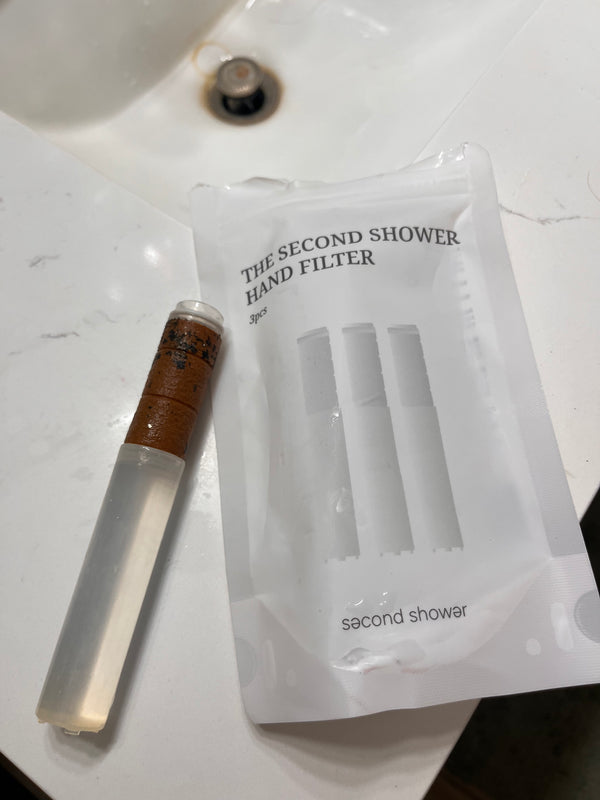
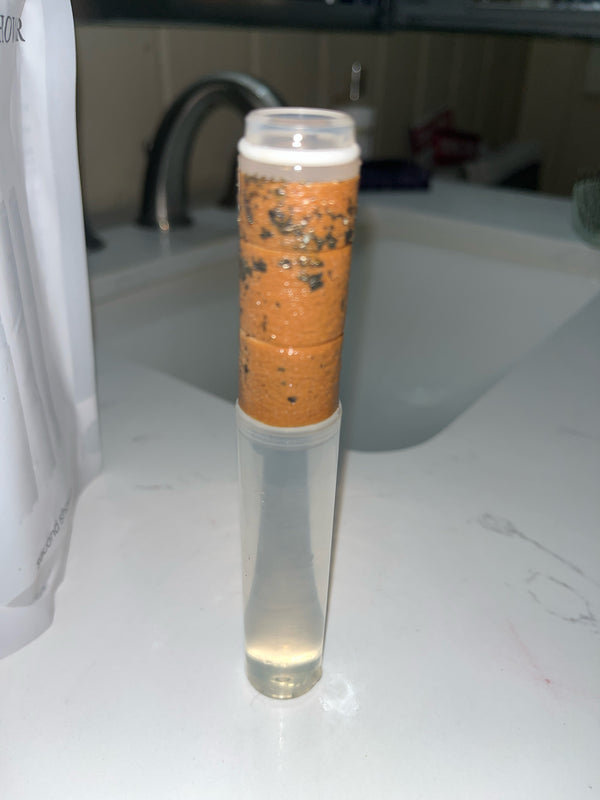
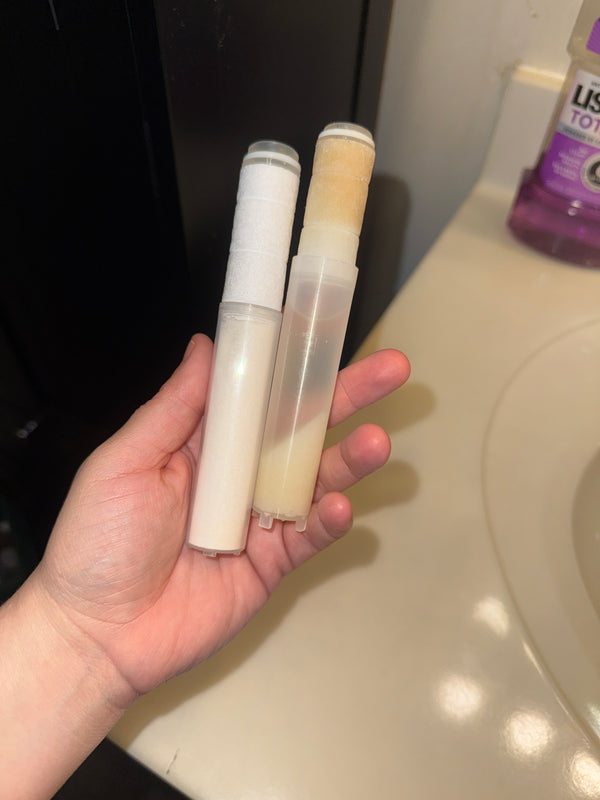
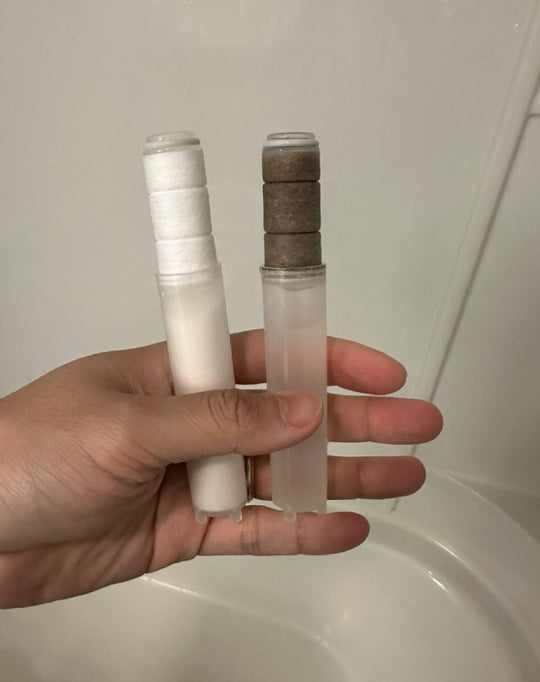
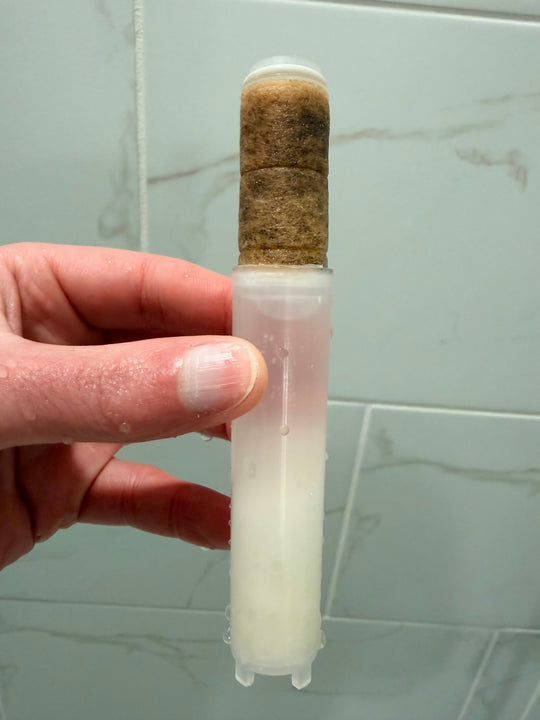
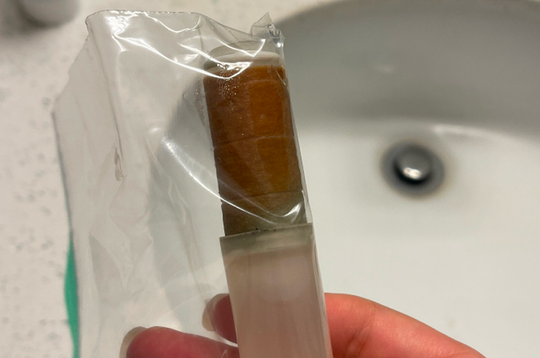
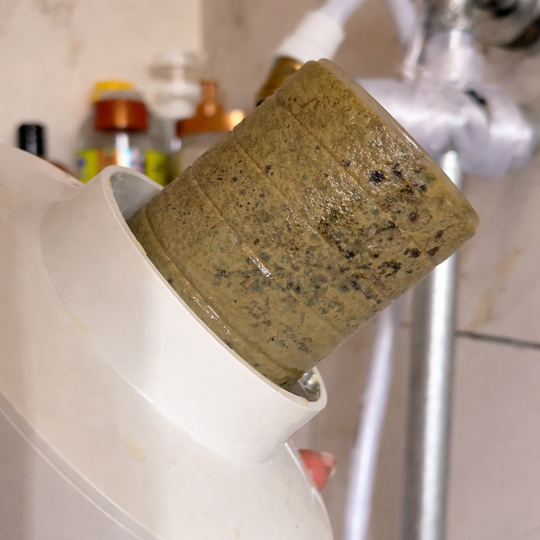
Yes. The zinc is used up as it reacts, and the media can also clog with sediment. In our own testing, KDF-55 cartridges lost chlorine reduction as the cartridge aged. That is a statement about KDF-55 cartridges in general, not about any one brand.
So a good KDF filter is only as good as its replacement schedule. Look for a stated period in weeks or months, and set a reminder. If a filter has no stated life, or claims to last far longer than its rivals without a test to show it, you are guessing.
How do you tell a real claim from marketing?
If recommendations feel hard to trust, ask every product page the same five questions, KDF or not:
| Ask | A good answer looks like |
|---|---|
| Which chemical does it reduce? | Names free chlorine and chloramine separately, not just "chlorine" or "impurities" |
| Measured how? | A lab test result with a number or "not detected", not an adjective |
| What does the certification cover? | Names the standard and says whether it covers the whole filter or one component |
| How long does it work? | A replacement period, plus how long the stated result held in testing |
| What does it say about hard water? | Says plainly that a shower cartridge does not soften water |
We apply the same test to ourselves. Our NSF/ANSI 42* certification covers our sediment pre-filter, not the whole cartridge, and the footnote in the next section says so. A brand that shows you what its certificate covers is easier to trust than one that prints a logo and moves on.
*Micron PP sediment filter certified by NSF/ANSI 42 standards.
Is KDF enough on its own, or should it be paired with carbon or Vitamin C?
Filter makers pair media because each one does a different job. KDF reduces free chlorine by redox. Carbon adsorbs. A sediment pre-filter catches grit and rust before they reach the active media. Vitamin C (ascorbic acid) reduces chlorine and chloramine directly. The US EPA calls ascorbic acid "an established and recognized dechlorinating agent."
The useful question is not "KDF alone or KDF plus carbon". It's this: does this cartridge, as sold, have a test result for the disinfectant in my water? If your utility uses chloramine, choose media with a published chloramine result, whatever the media is.
Where our filter fits, and where it doesn't
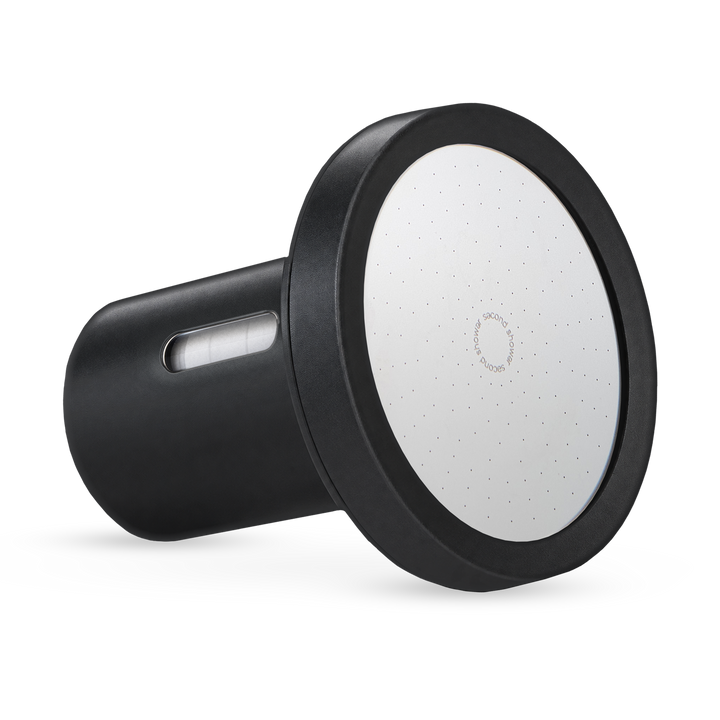
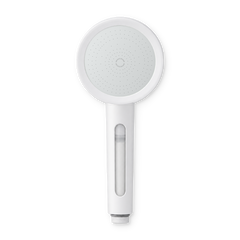
The Second Showerhead ($99, or $79 with a filter subscription) has no KDF and no activated carbon. Its two-stage cartridge holds a micron PP sediment pre-filter and then a food-grade Vitamin C core.
- We use an NSF/ANSI 42 certified filter.*
- It removes 99.9% of chlorine and chloramine in independent lab testing.
- Held through Day 1-60 in our own testing. We recommend a new filter every 60 days, and one filter comes included.
Where it does not fit: we do not soften water or remove hardness. If scale and soap scum are your main problem, you need a water softener, and a chelating shampoo can help with mineral buildup on hair. A shower filter covers the disinfectant. A softener covers the minerals.
*Micron PP sediment filter certified by NSF/ANSI 42 standards.
FAQ
What is the best KDF shower filter?
The best one for you depends on your water. Choose a filter with a lab result for the disinfectant your utility uses, a clear replacement schedule and an honest statement that it does not soften water. Start with your utility's annual water quality report.
Does KDF remove chloramine?
KDF works on free chlorine through a redox reaction. Chloramine is built to be more stable, so don't assume a filter handles it unless the maker names chloramine and shows a test result. If a product page only says "chlorine", read it as a free chlorine claim.
Will a KDF shower filter stop hard water spots?
No shower filter cartridge removes hardness, whether it holds KDF, carbon or Vitamin C. Hardness is calcium and magnesium, and an ion-exchange water softener is what removes it. Second Shower does not soften water either.
How often should I replace a KDF cartridge?
Follow the maker's stated period. In our own testing, KDF-55 cartridges lost chlorine reduction as they aged, so an old cartridge may be doing less than it did on day one. If a filter states no replacement period at all, take that as a warning.
Can I check whether my shower filter works?
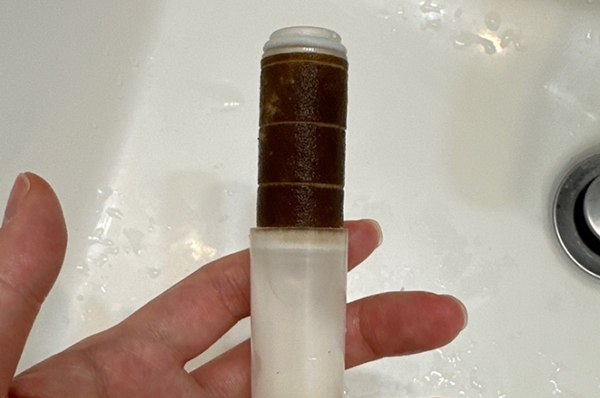
Yes. Use a DPD test kit on water before and after the filter. A TDS meter cannot detect chlorine, and a filter's color is not a chlorine test.