Yes. The Philadelphia Water Department disinfects city tap water with chloramine, which is chlorine combined with ammonia. Its 2025 Drinking Water Quality Report gives a chloramine residual of 1.54 to 2.54 ppm. The water comes from the Delaware and Schuylkill rivers, and it is moderately hard to very hard: 4.2 to 15.8 grains per gallon, depending on the area. In the shower, that means two separate things. A disinfectant built to last all the way to your tap, and minerals that leave scale and soap film. Each one has its own fix.
Philadelphia water at a glance
| Measure | Philadelphia |
|---|---|
| Water utility | Philadelphia Water Department |
| Disinfectant | Chloramine (chlorine + ammonia) |
| Hardness | 4.2-15.8 gpg (moderately hard to very hard) |
| Disinfectant residual | 1.54-2.54 ppm (chloramine, reported range) |
Source: 2025 Drinking Water Quality Report (2025 data)

Who supplies Philadelphia's tap water, and where it comes from
If you live in the city, your water comes from the Philadelphia Water Department. It draws from two rivers: the Delaware River, treated at the Baxter plant, and the Schuylkill River, treated at the Belmont and Queen Lane plants.[1]
The suburbs are a different story. If you are just outside the city line, check the name on your water bill. If it is not the Philadelphia Water Department, a different utility supplies you, and that utility's own annual report is the one you need.
What disinfects it: chloramine, not plain chlorine
The Philadelphia Water Department's 2025 report lists the treatment as chloramine (chlorine plus ammonia), with a reported residual range of 1.54 to 2.54 ppm of chloramine.[1]
Why chloramine? Utilities make it by adding ammonia to chlorine so the disinfectant lasts longer as the water travels through miles of pipe. Philadelphia is not unusual here. The US EPA reports that more than one in five Americans have chloramine-treated water.[2]
This matters when you search "Philadelphia tap water chlorine." Chloramine is still a chlorine compound, but it is not the same as free chlorine. Because it is made to stay stable, it does not fade away by morning the way people sometimes expect chlorine to.
How to check the report and your own address
Every community water system in the US has to send customers an annual Consumer Confidence Report, usually by July 1.[4] Philadelphia publishes its report online, and the 2025 edition is linked in the sources below.[1] Look for three things in it:
- The disinfectant, under treatment or disinfection. For Philadelphia it says chloramine.
- The residual, which tells you how much disinfectant is left in the water reaching taps.
- Hardness, sometimes in ppm (mg/L) and sometimes in grains per gallon.
To test water at your own tap, use the right tool. A TDS meter measures total dissolved solids. It is not a hardness test, and it cannot detect chlorine. For the disinfectant, use a DPD test kit that reads total chlorine, because chloramine shows up as total chlorine and not as free chlorine. Hardness test strips are cheap and give a reading in about a minute. You can also look up your ZIP code on our water page.
Is Philadelphia water hard or soft?
It is hard, and how hard depends on the area. The report gives hardness of 72 to 270 ppm across the areas it covers, which is 4.2 to 15.8 grains per gallon.[1] On the USGS scale, 61 to 120 mg/L is moderately hard, 121 to 180 is hard, and anything over 180 is very hard.[3] So Philadelphia's low end is moderately hard and its high end is well into very hard. That spread is the main caveat in the city's numbers: one citywide answer does not fit every tap.
Hardness is the dissolved calcium and magnesium in water. When it dries it leaves white scale on glass, faucets and showerheads. It also reacts with soap to form soap scum, so shampoo lathers less and can leave a film.[3]
Hardness and disinfectant are separate measurements. Hard or soft, the water still carries chloramine.
Older buildings and neighborhood differences
The utility is responsible for the water up to your building. After that, the pipes belong to the building. In older rowhouses and apartment blocks, aging pipes can add sediment or rust, which shows up as grit or discoloration. Philadelphia's report can't show you that, so if you see it, a look at the building's plumbing tells you more than the citywide numbers do.
What chloramine and hard water mean in the shower
The smell. Hot water and steam release volatile compounds into a small, closed room. So a chlorine-like smell is often easier to notice in the shower than in a glass of water. In Philadelphia, that smell comes from the chloramine the utility adds to keep the water safe on its way to you.
Hair and skin. Chlorine compounds are oxidizers, and a hot shower puts them on your hair and skin every day. Many people say their hair feels dry and rough, and faded color is a common complaint. Hard water adds its own layer. Soap rinses off less cleanly, and in a 2018 study of 80 people, the extra soap residue from hard water raised water loss from the skin and irritation.[5]
A few habits help, whatever your water:
- Use warm water instead of hot, and keep showers short.
- Use a gentle cleanser, pat dry, and moisturize while your skin is still slightly damp.
- For mineral buildup in hair, use a clarifying or chelating shampoo now and then, following the label.
- If dryness continues, see a board-certified dermatologist. Very dry skin can come from an underlying medical condition.
What a shower filter can do in Philadelphia, and what it can't
Philadelphia's water has two separate issues, so take them one at a time.
Hardness: a shower filter is the wrong tool. We do not soften water or remove hardness. A water softener does that, usually installed for the whole house. If scale on the glass is your main problem, a softener is the answer.
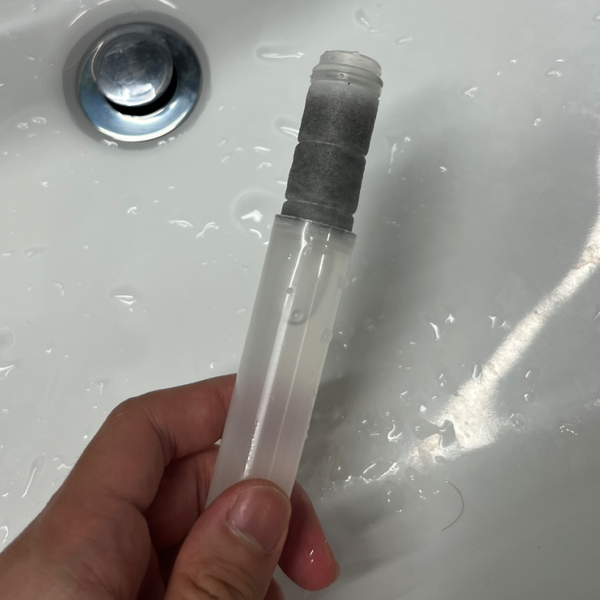
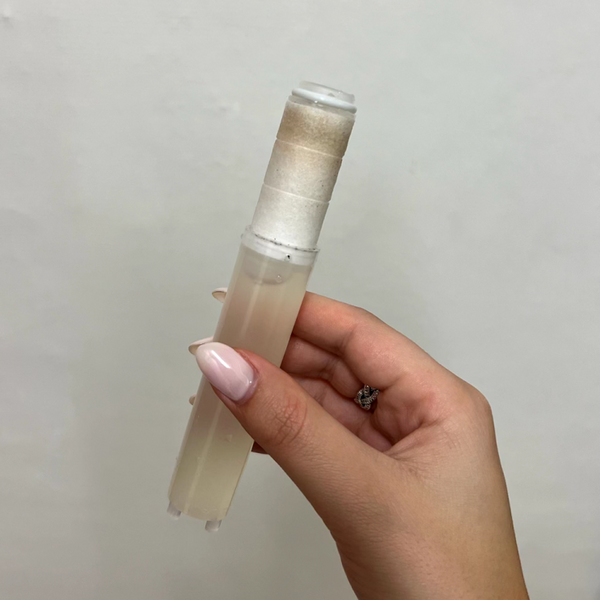
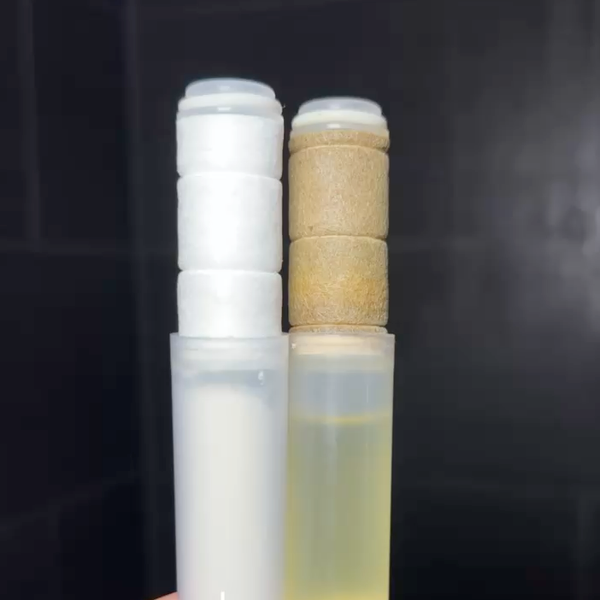
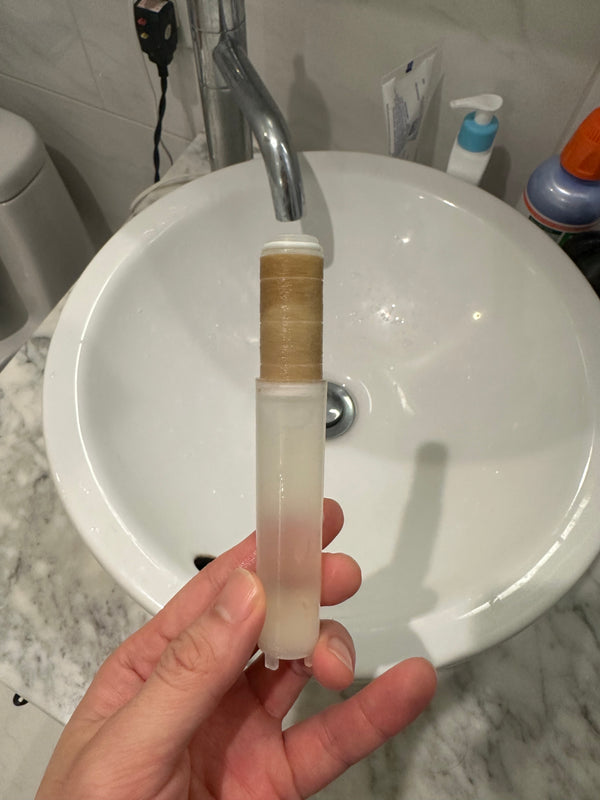
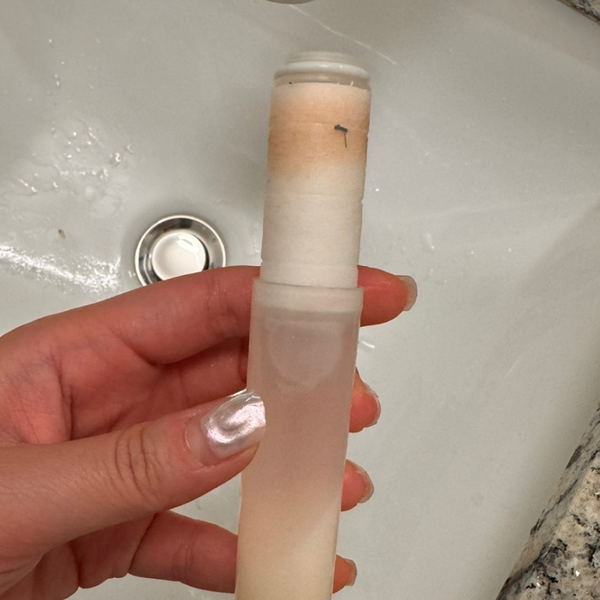
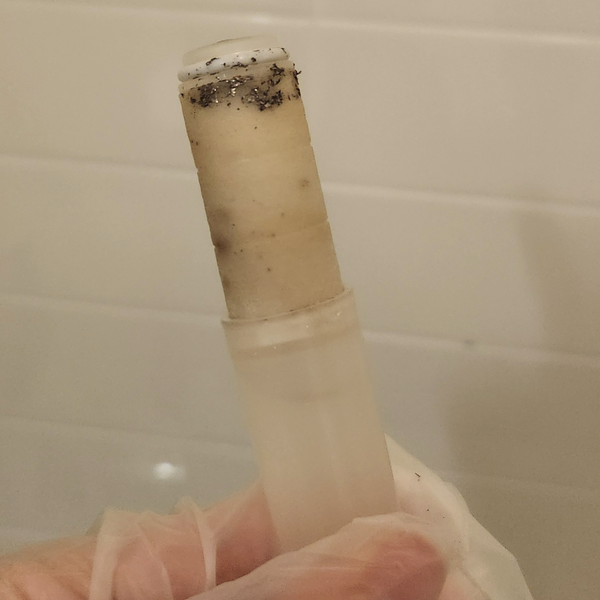
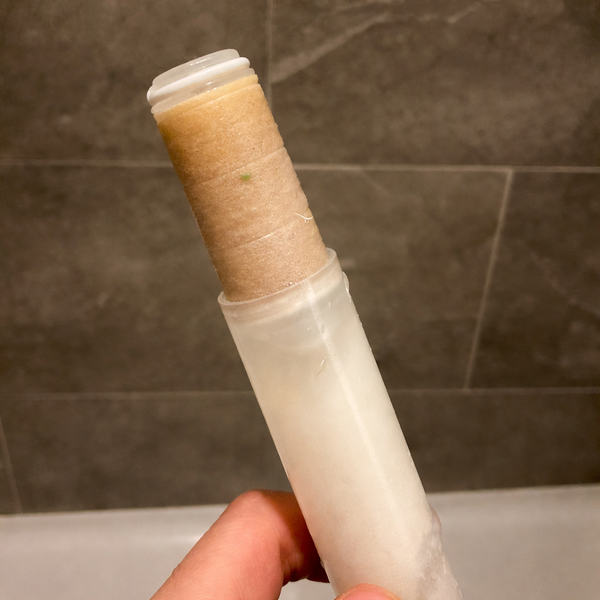
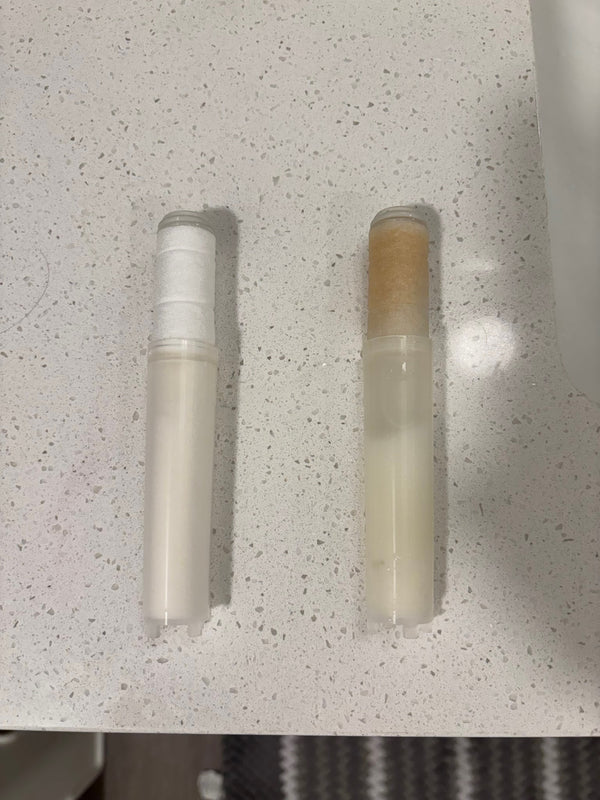
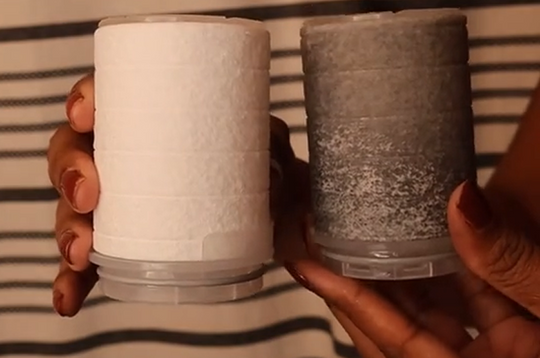
Chloramine: check the filter's chloramine result, not just its chlorine result. Chloramine is made to be more stable than free chlorine, so a filter's free chlorine number tells you nothing about chloramine. In our own testing, KDF-55 cartridges lost chlorine reduction as the cartridge aged. That's another reason to look for a filter that publishes a chloramine result and a replacement schedule.
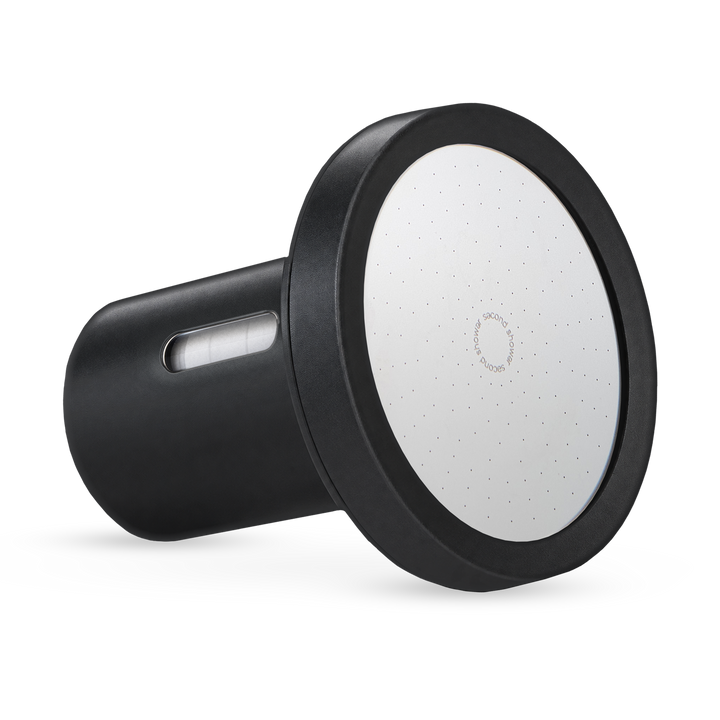
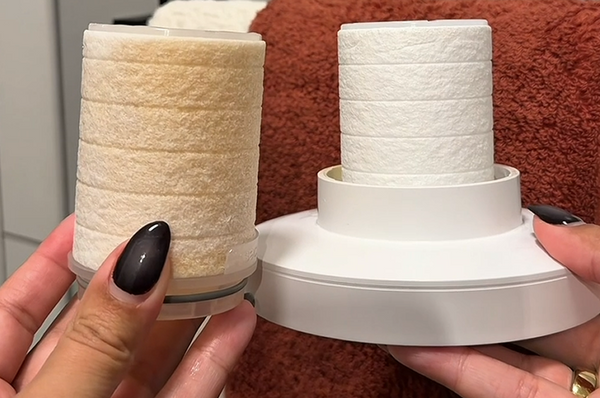
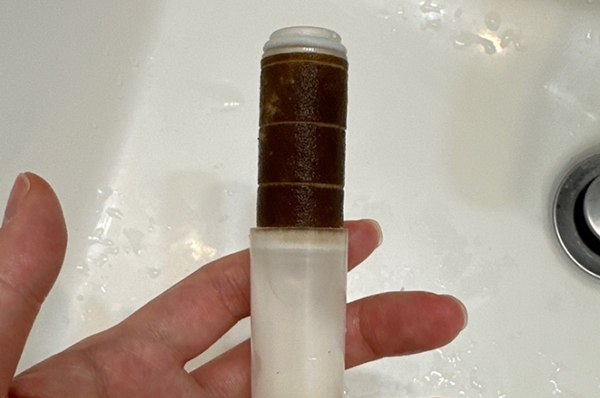
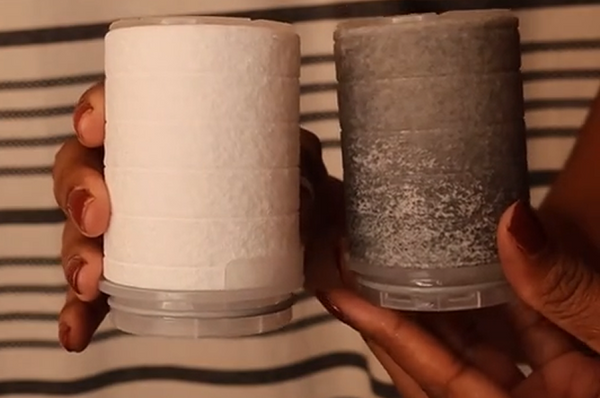
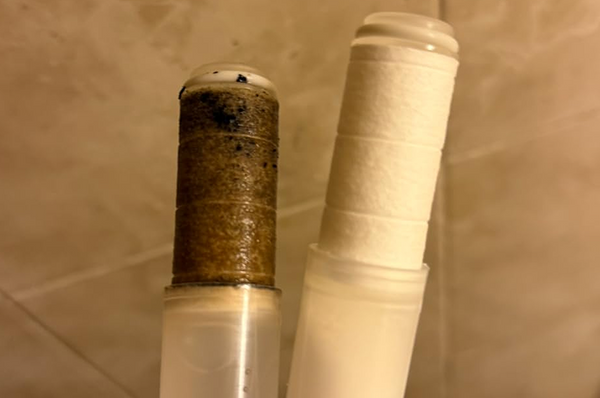
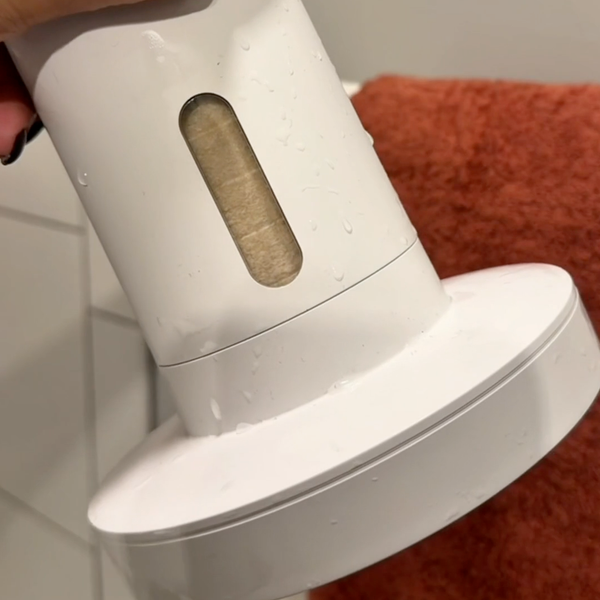
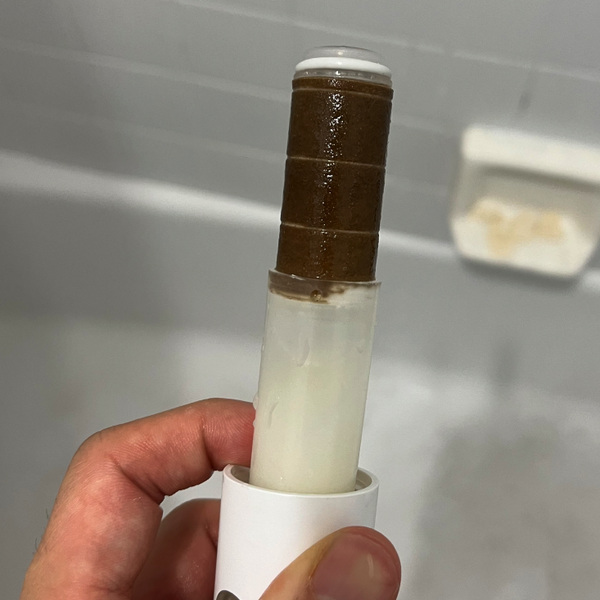
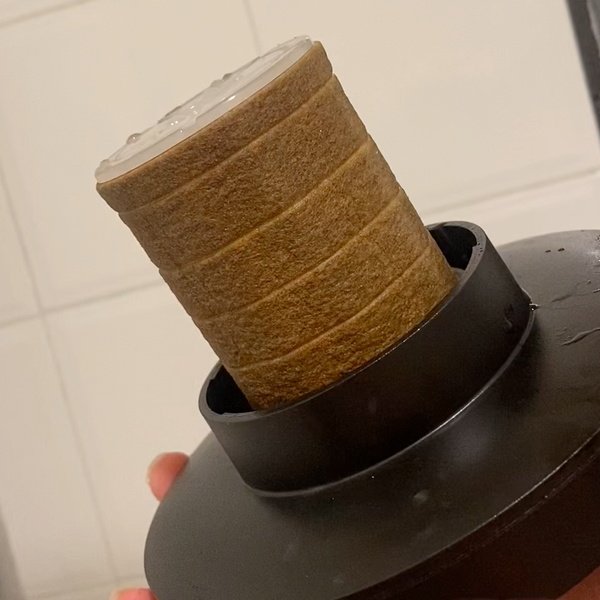
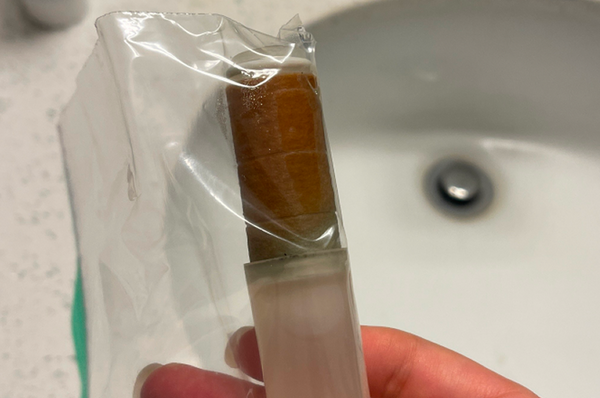
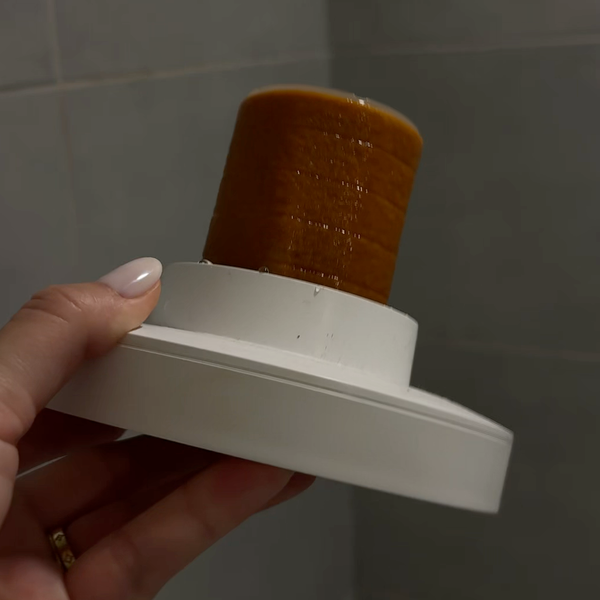
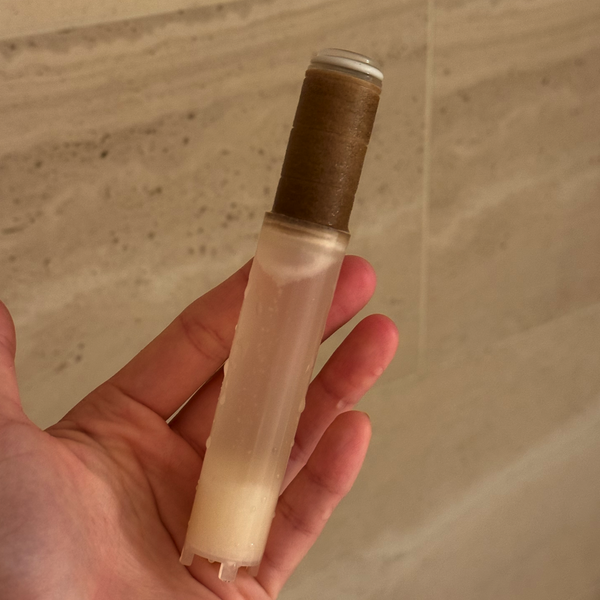
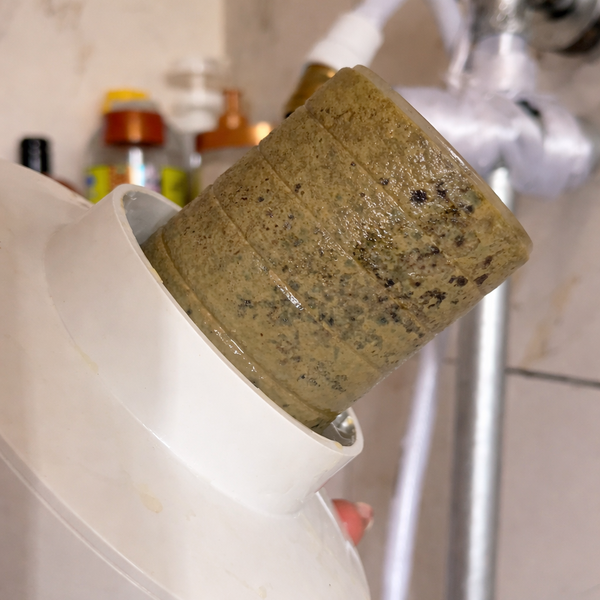
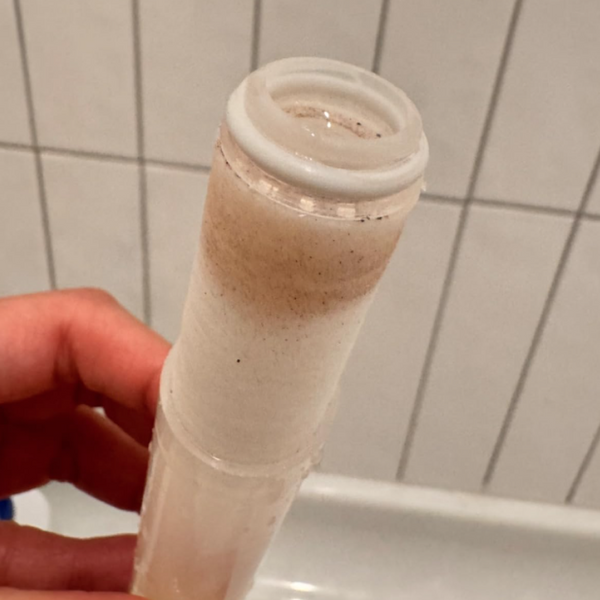
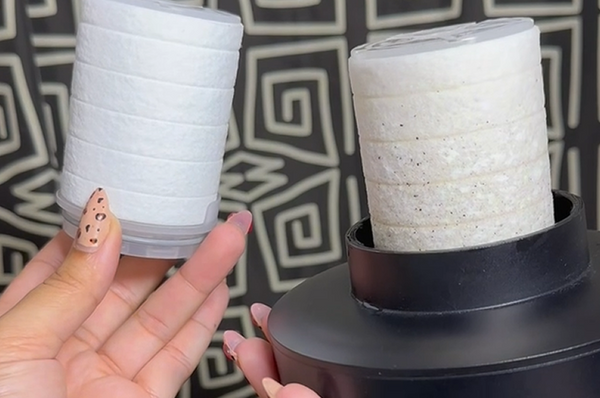
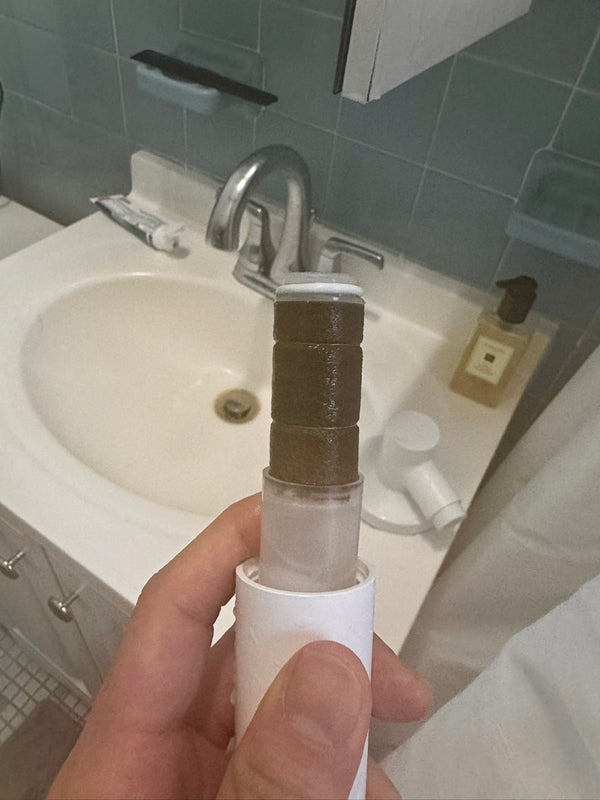
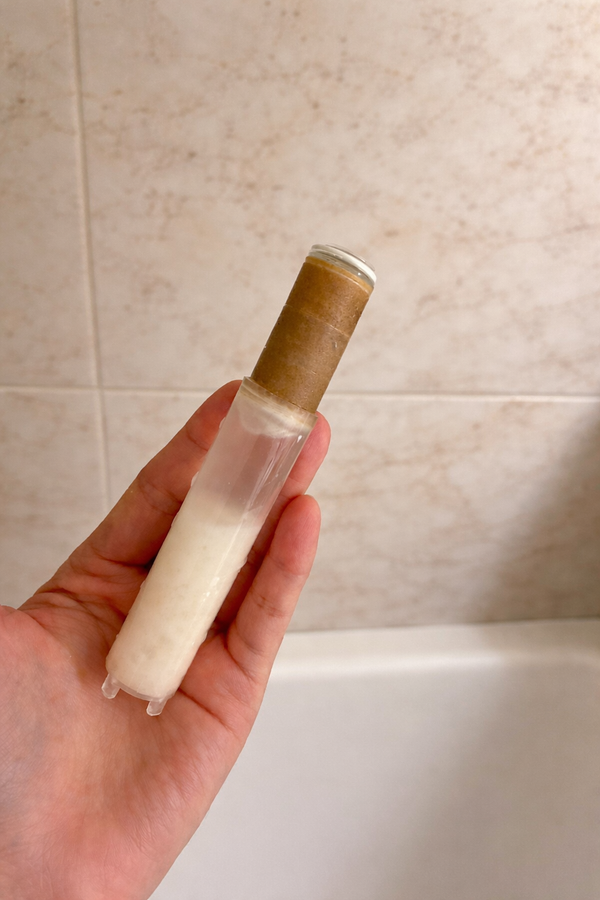
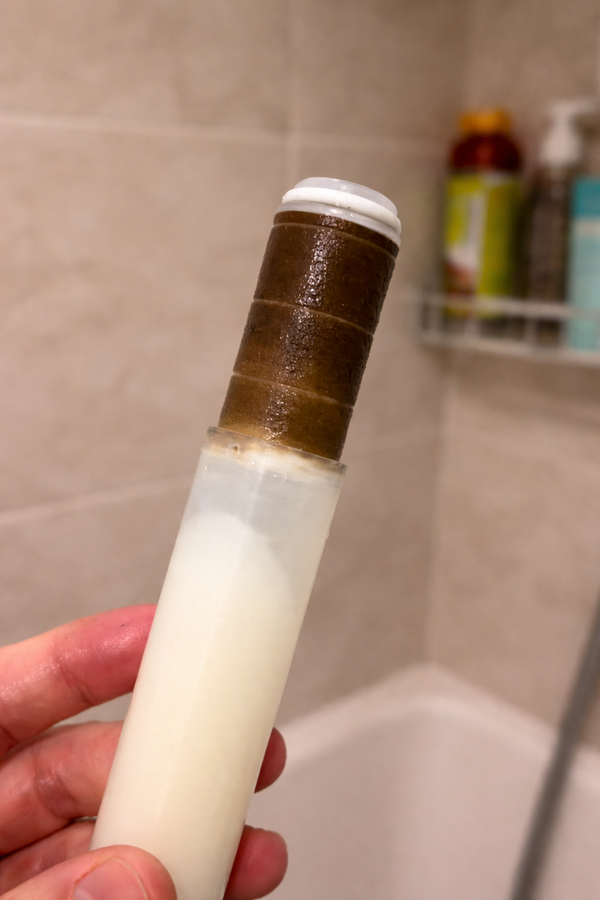
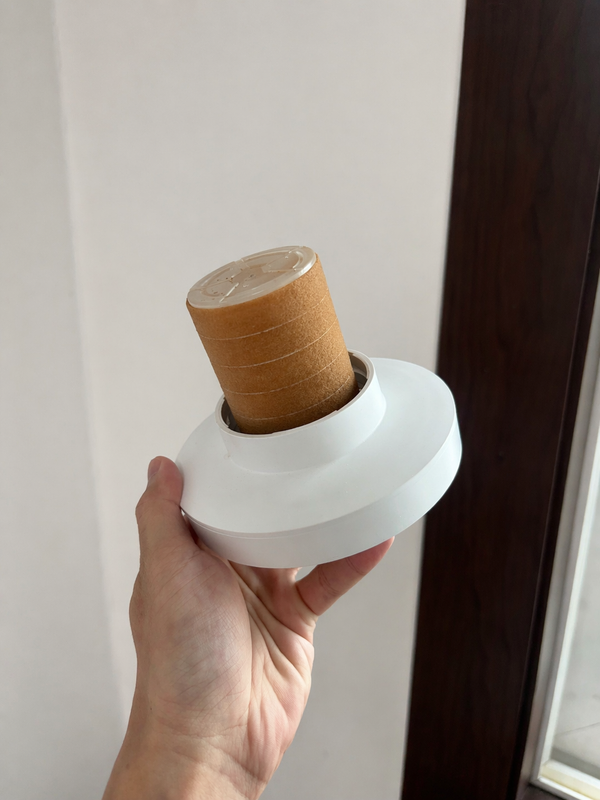
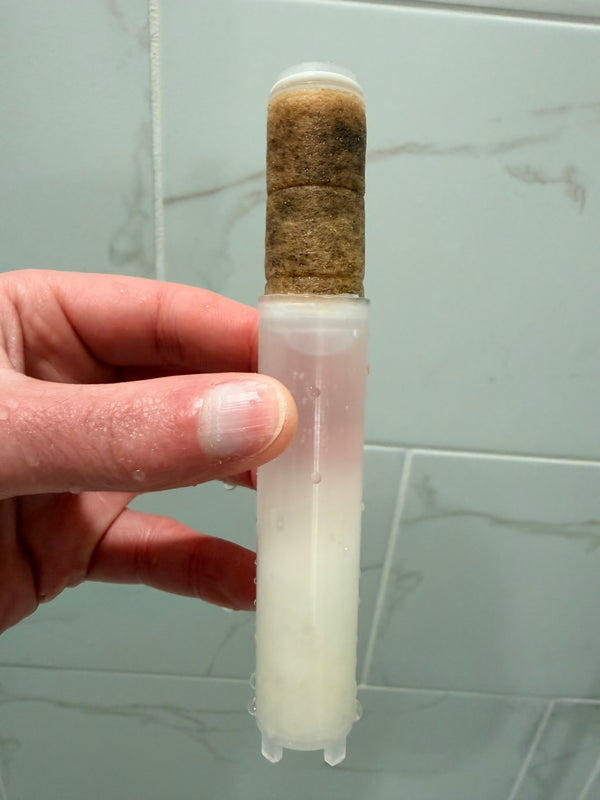
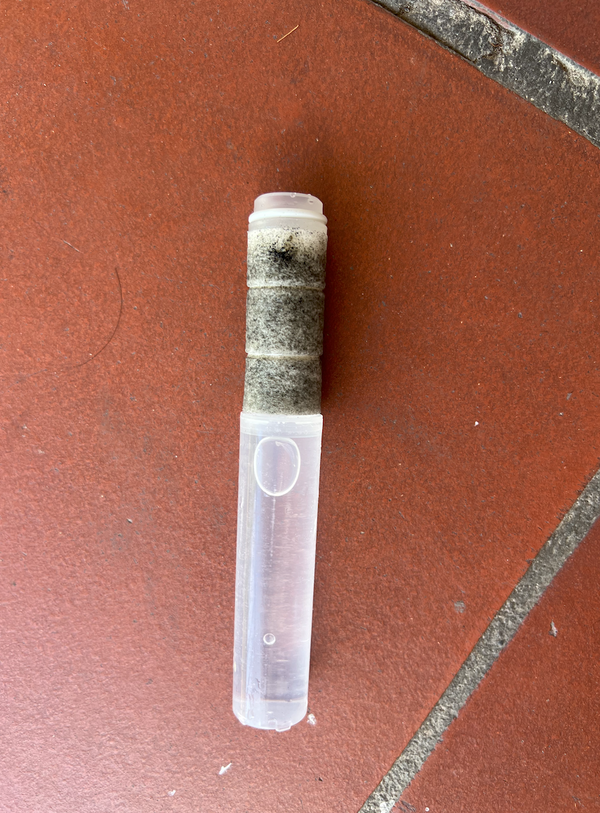
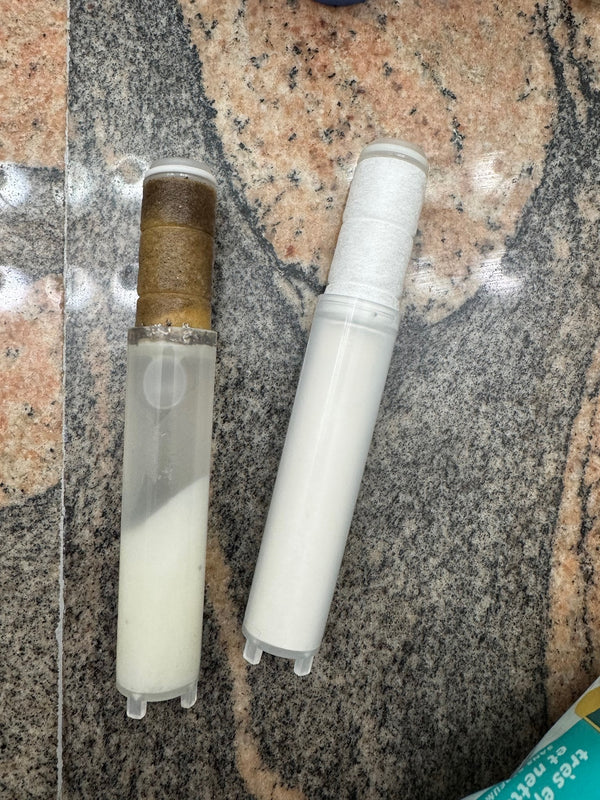
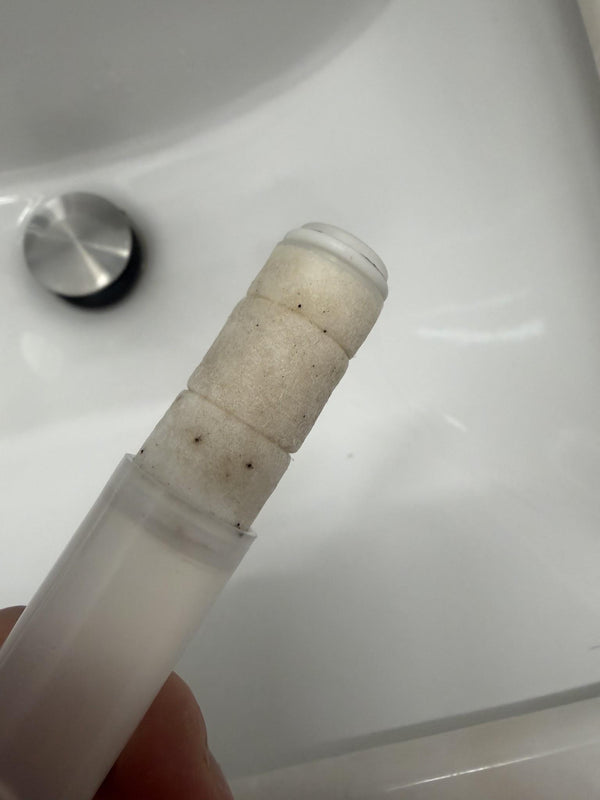
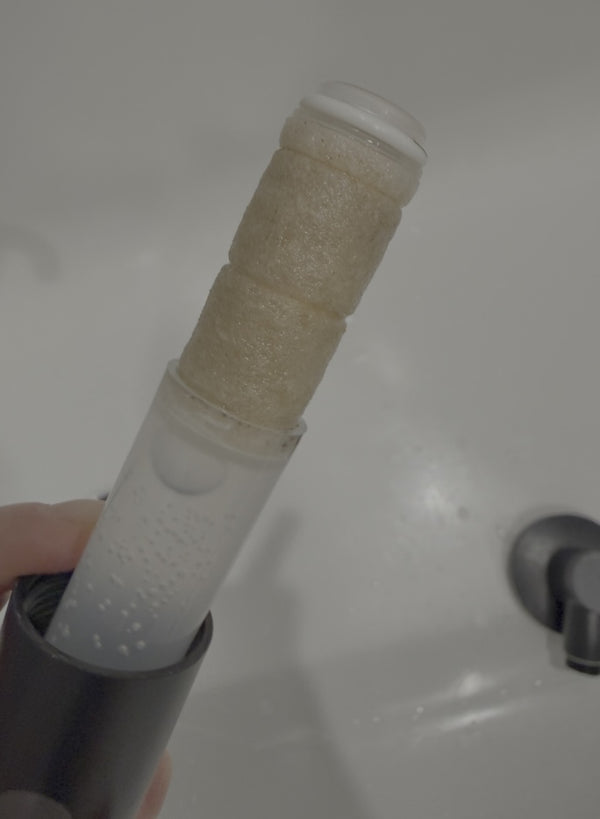
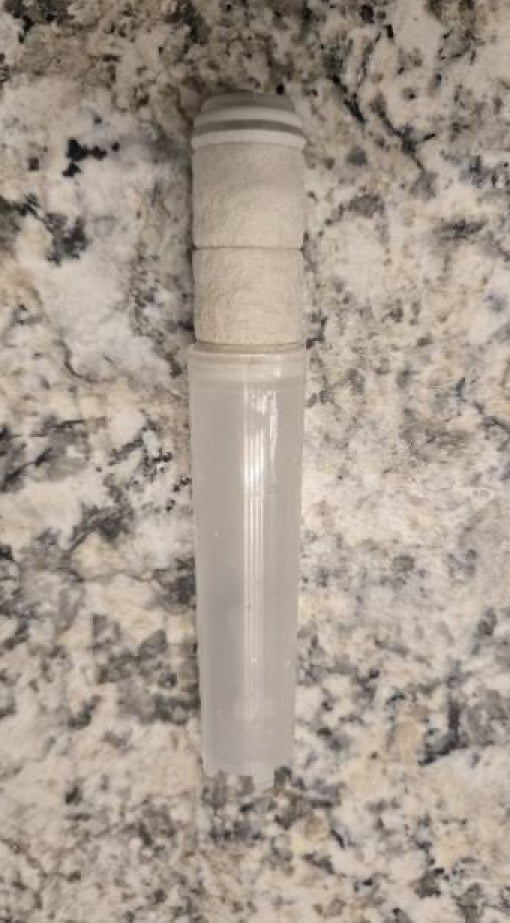
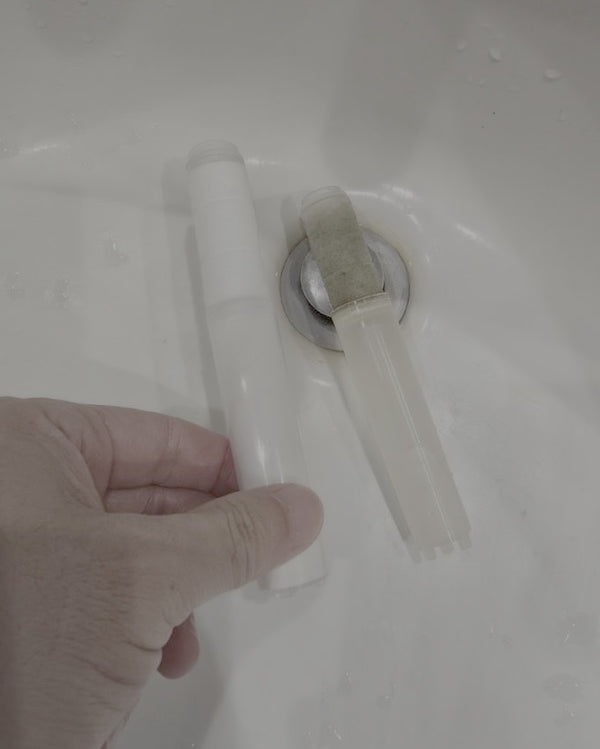
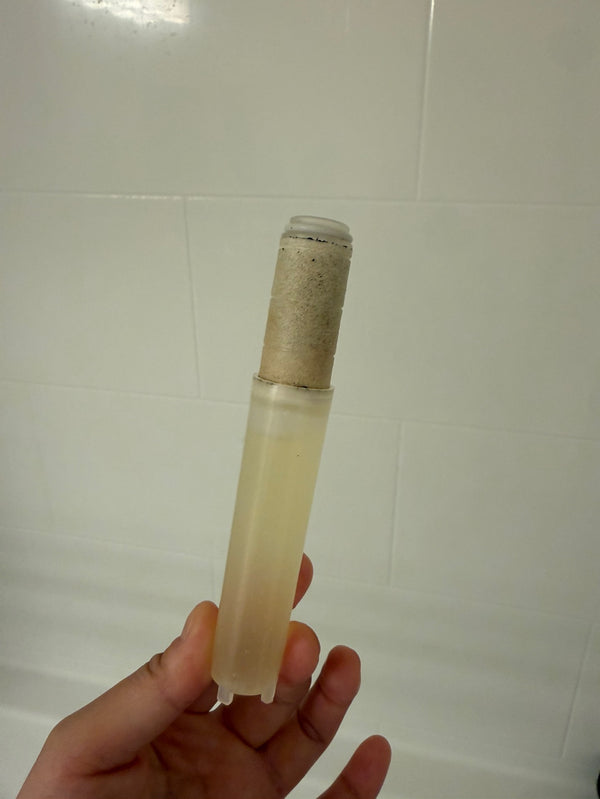
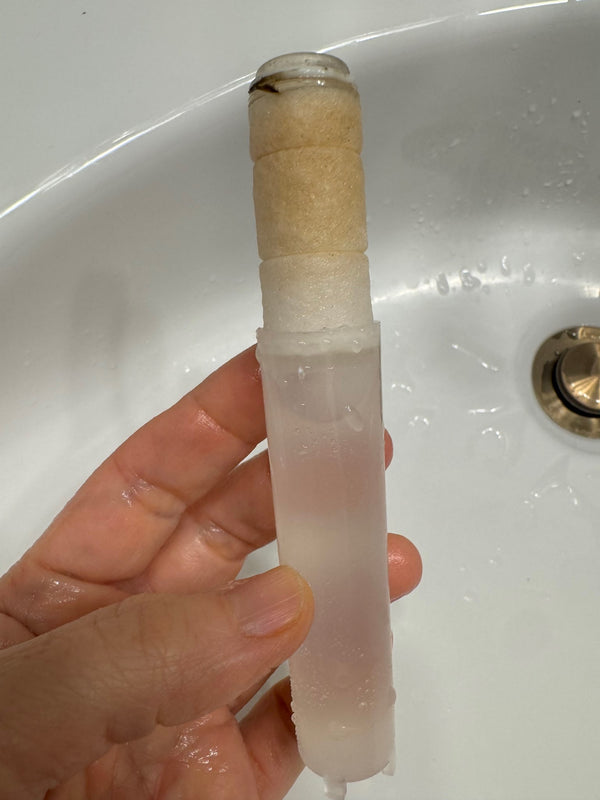
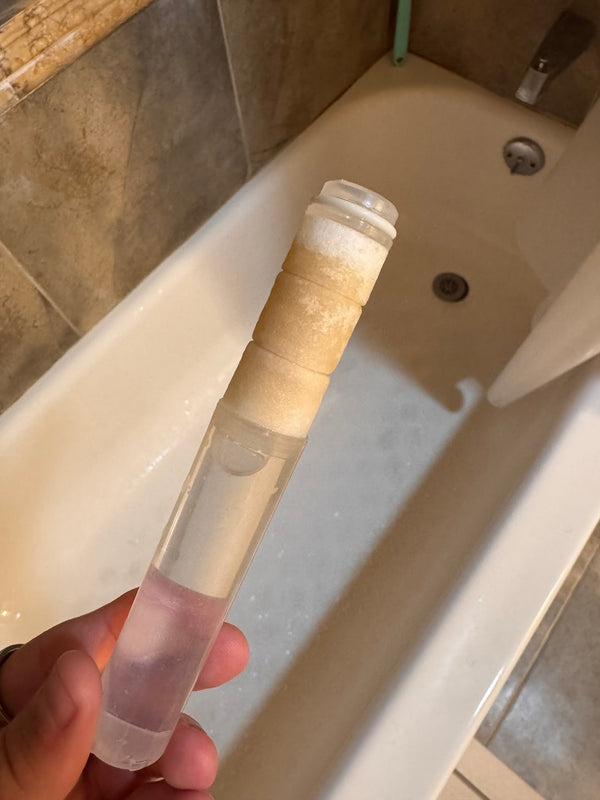
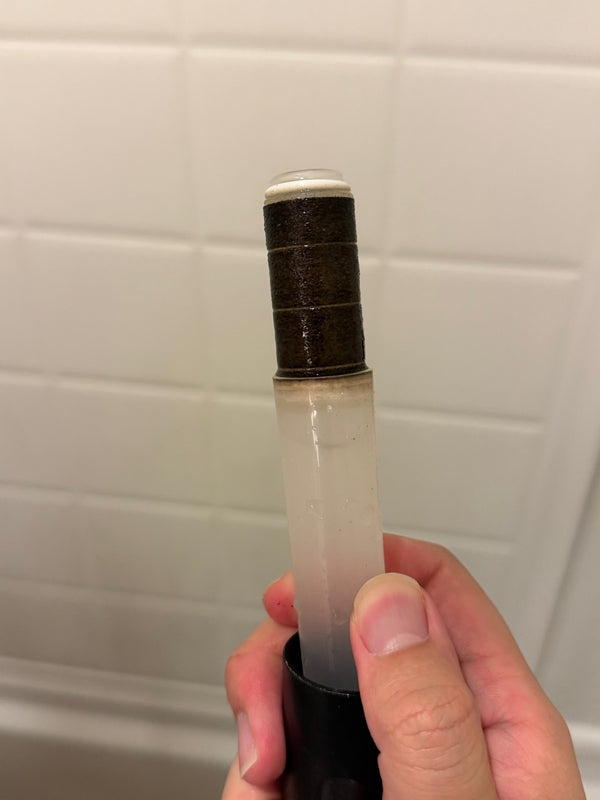
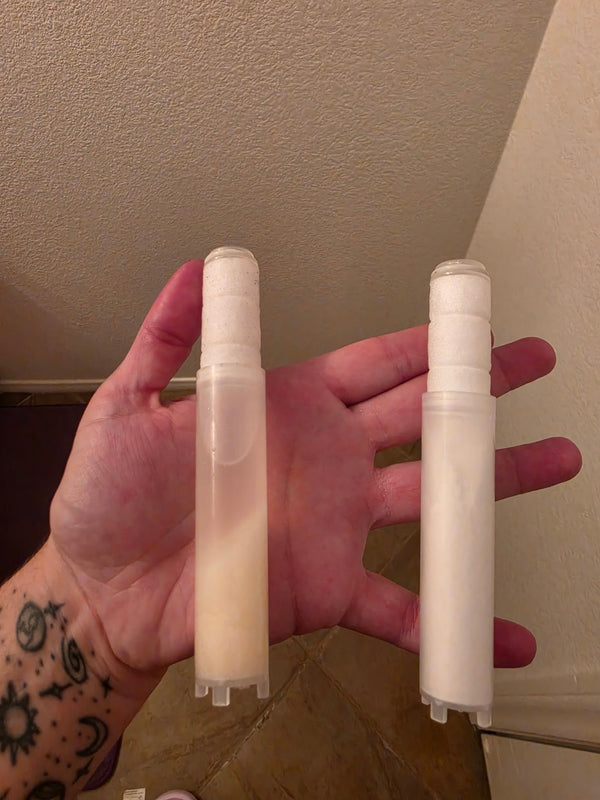
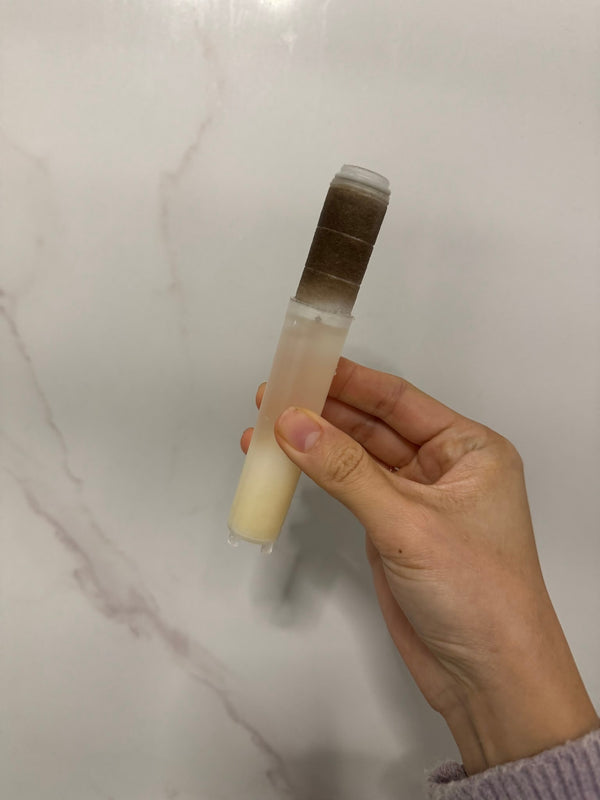
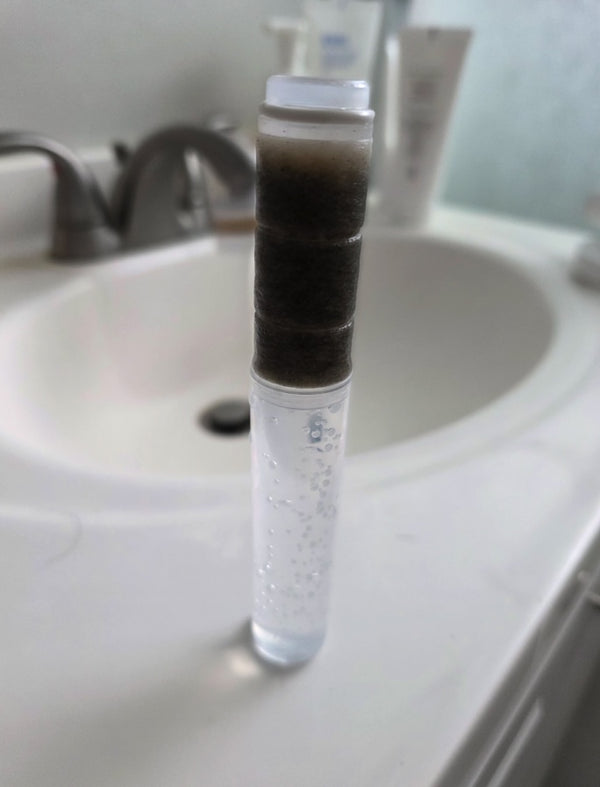
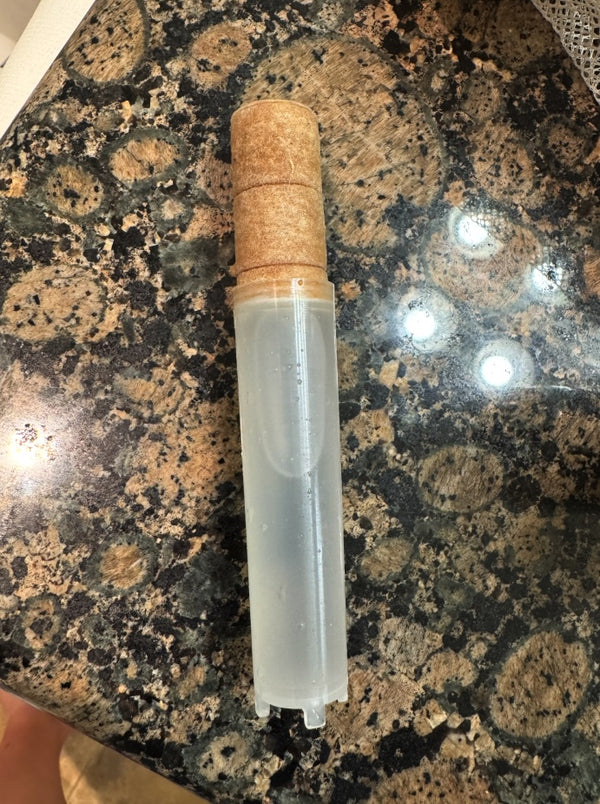
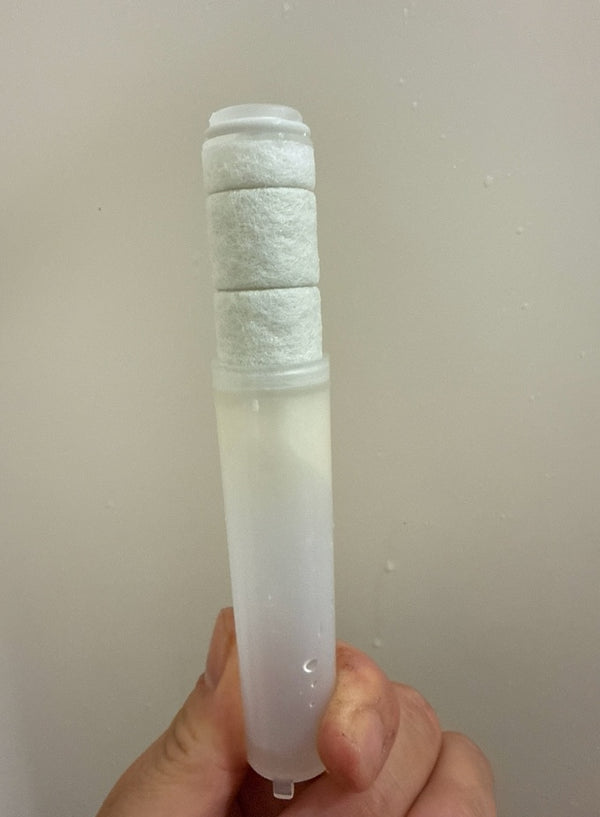
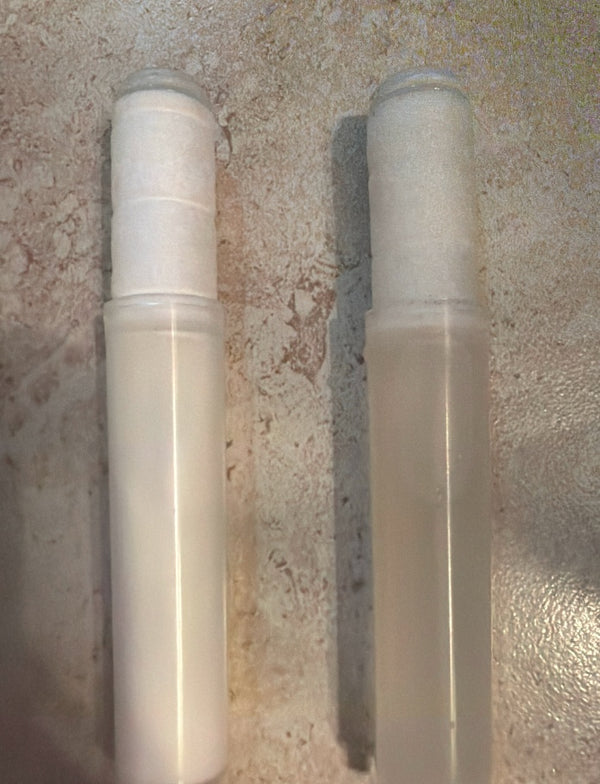
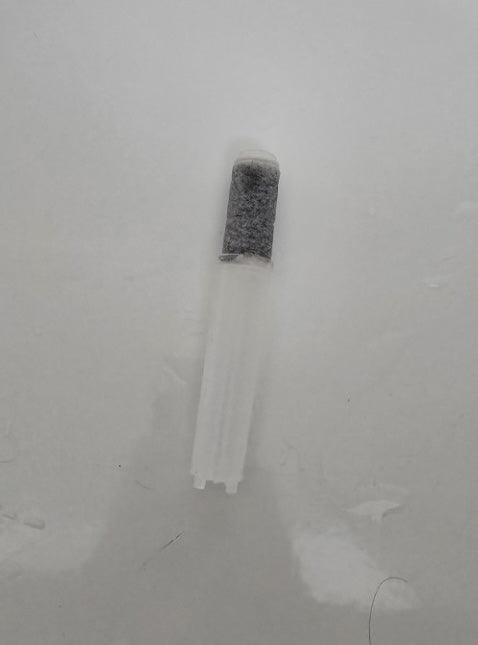
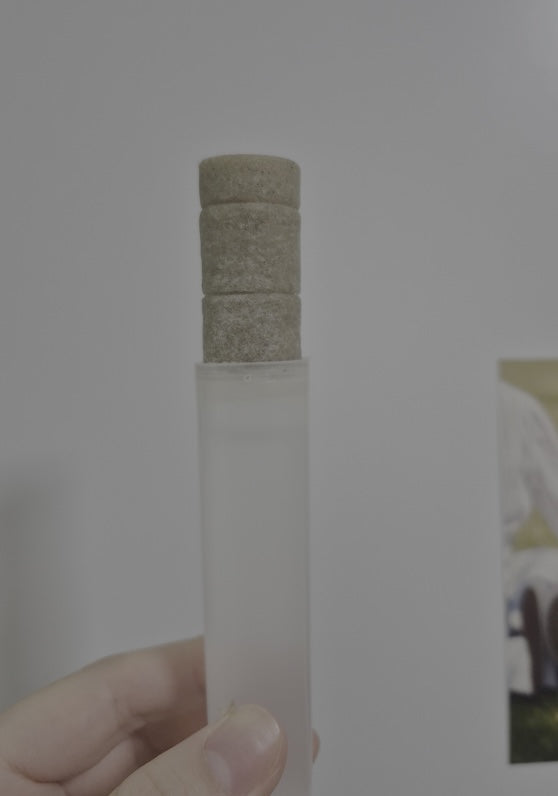
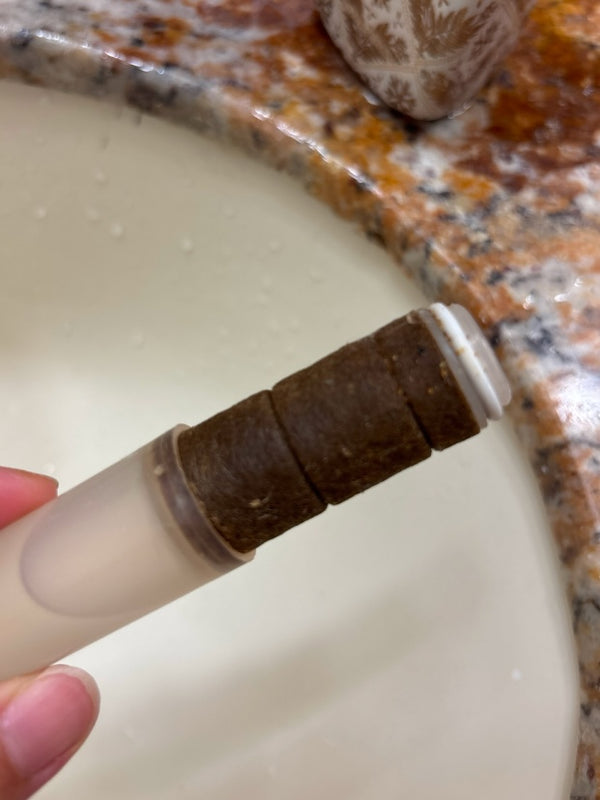
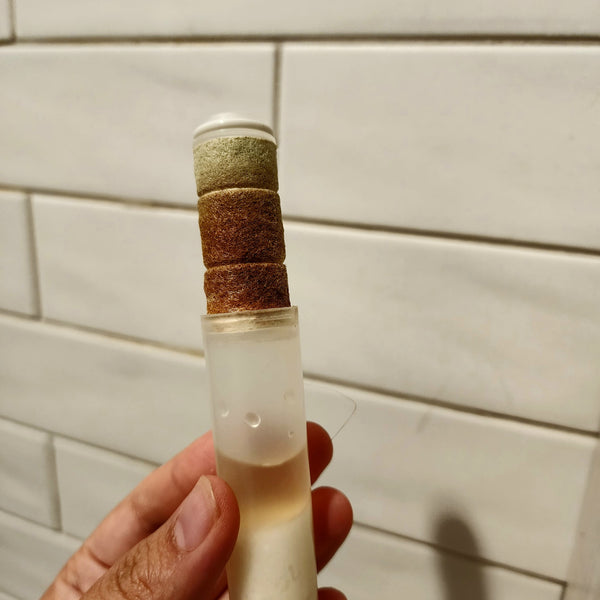
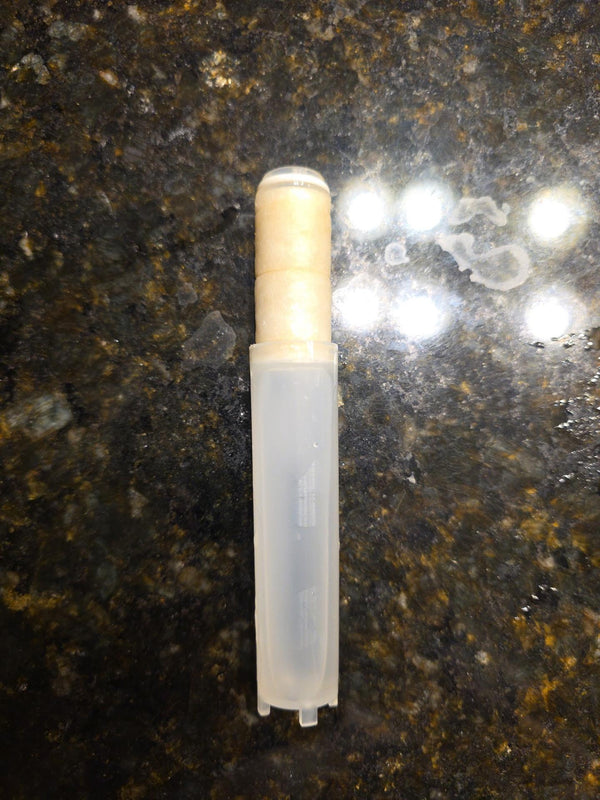
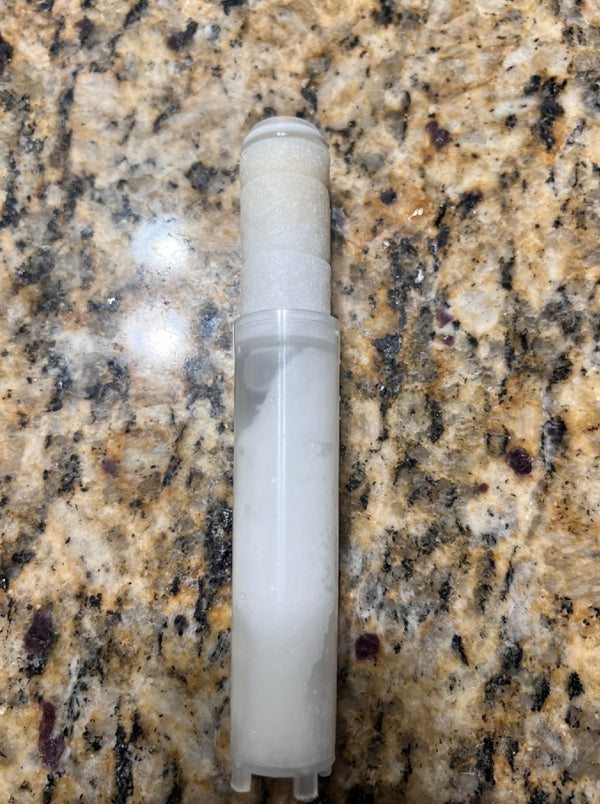
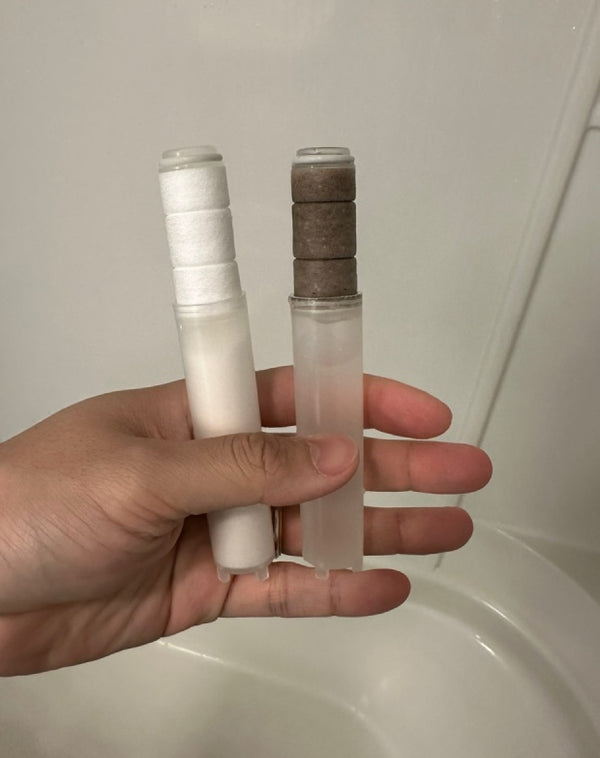
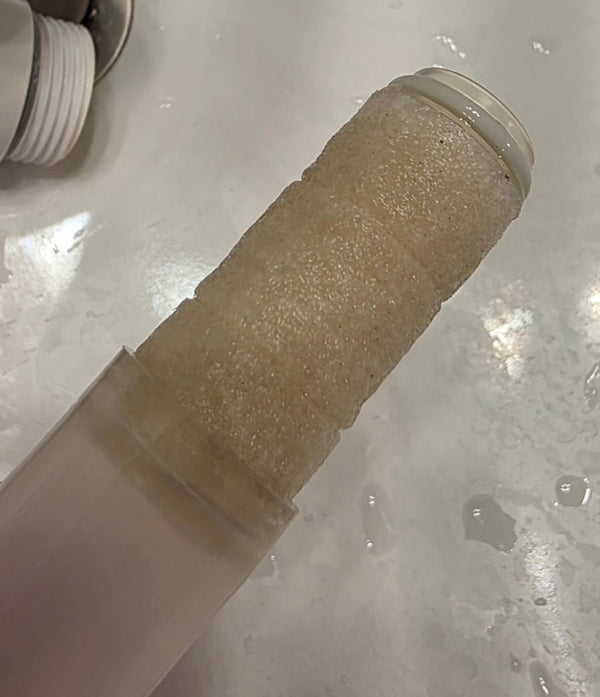
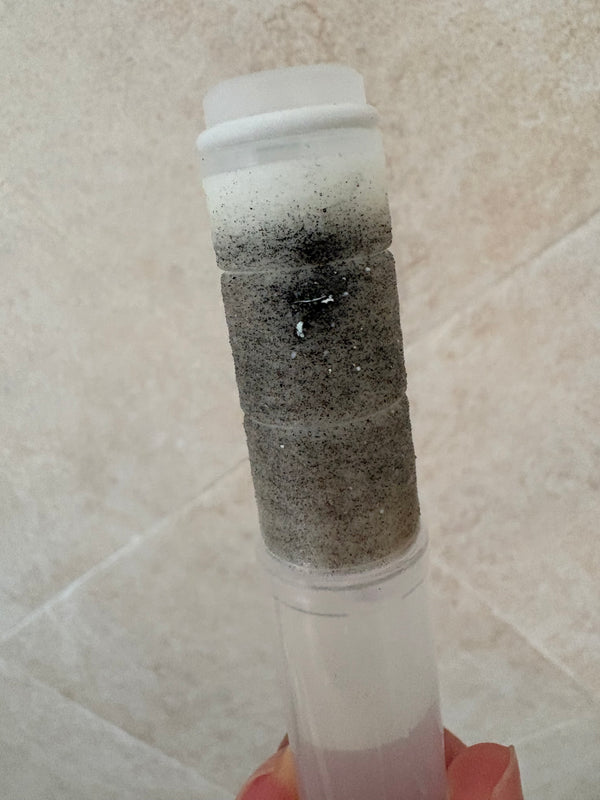
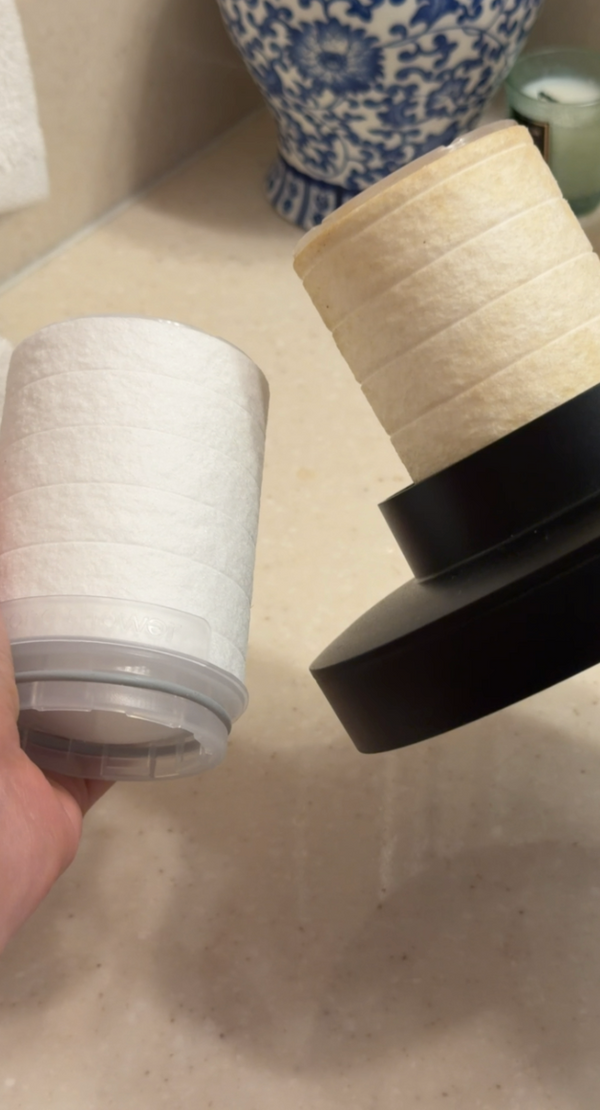
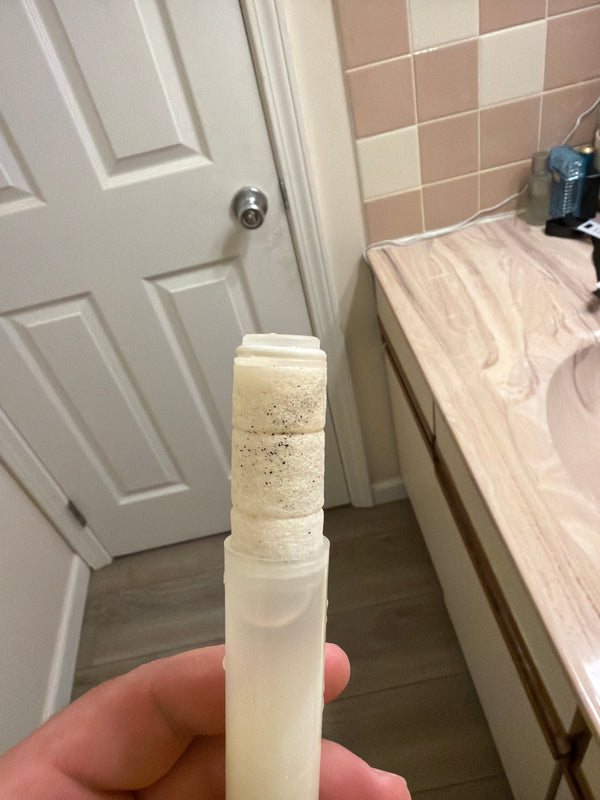
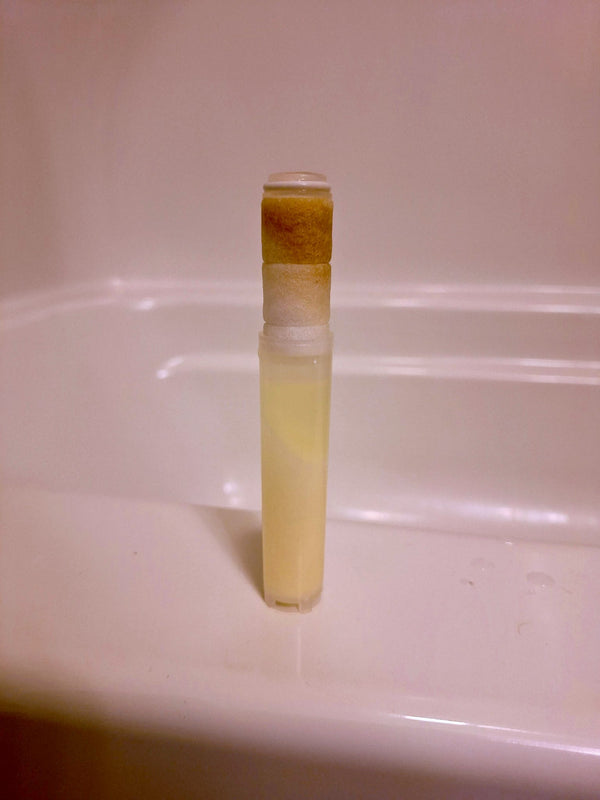
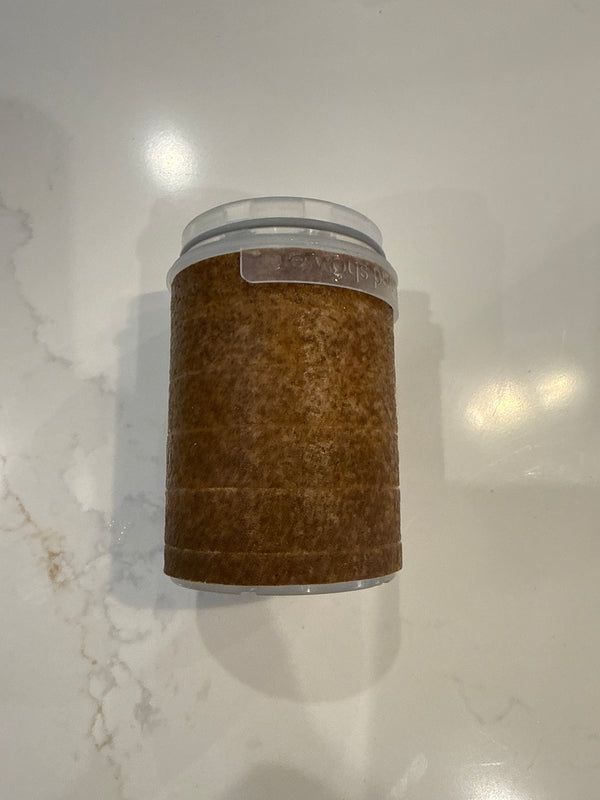
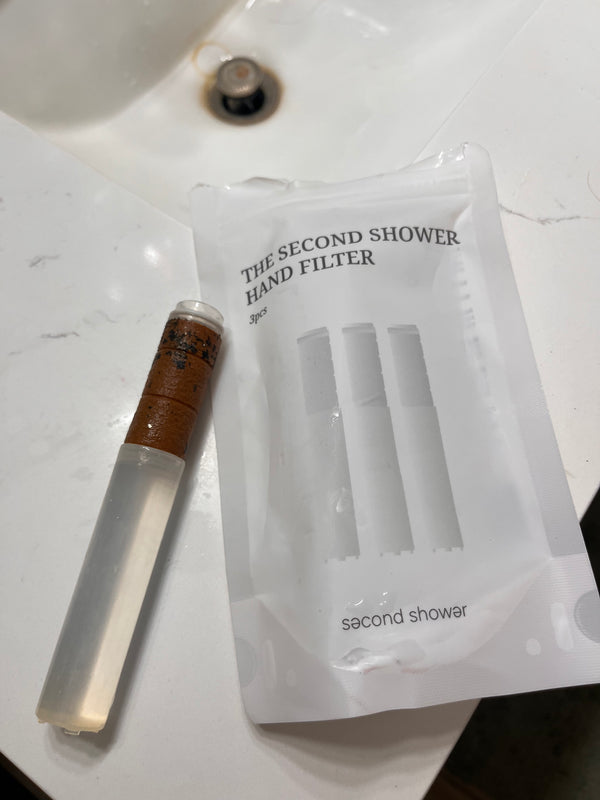
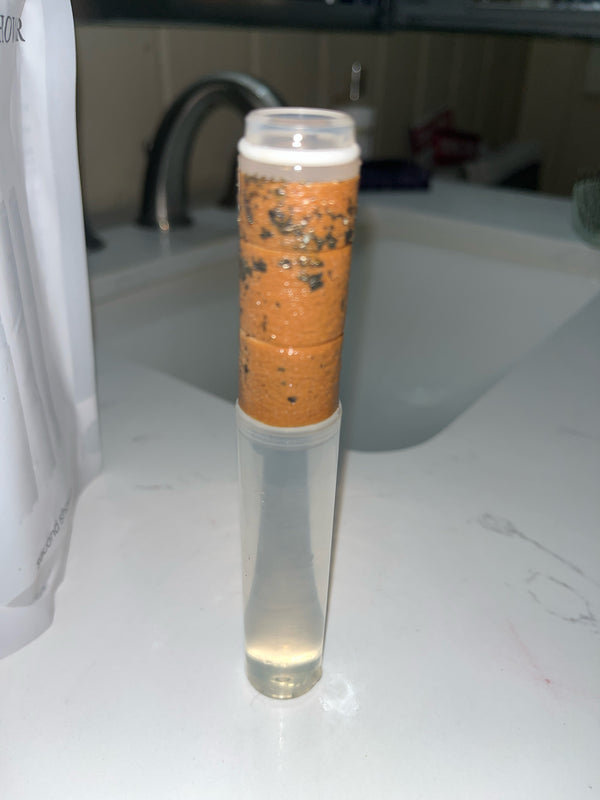
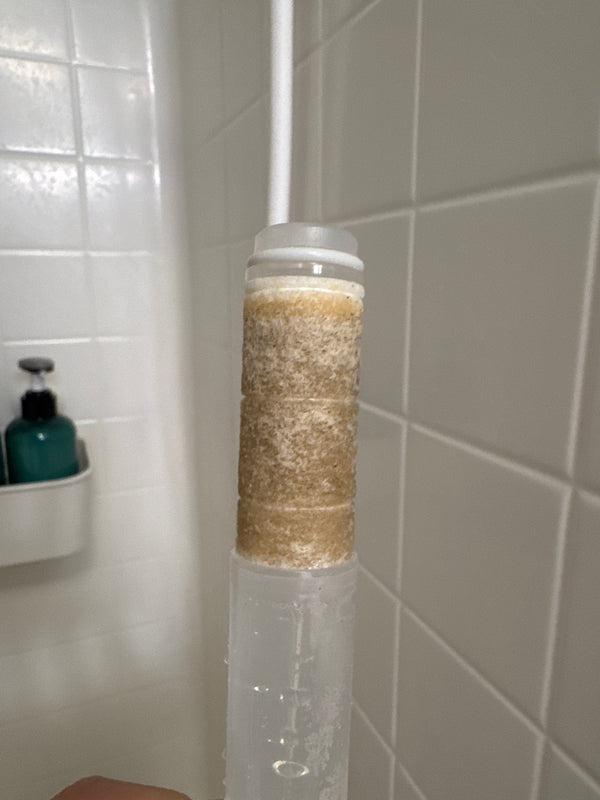
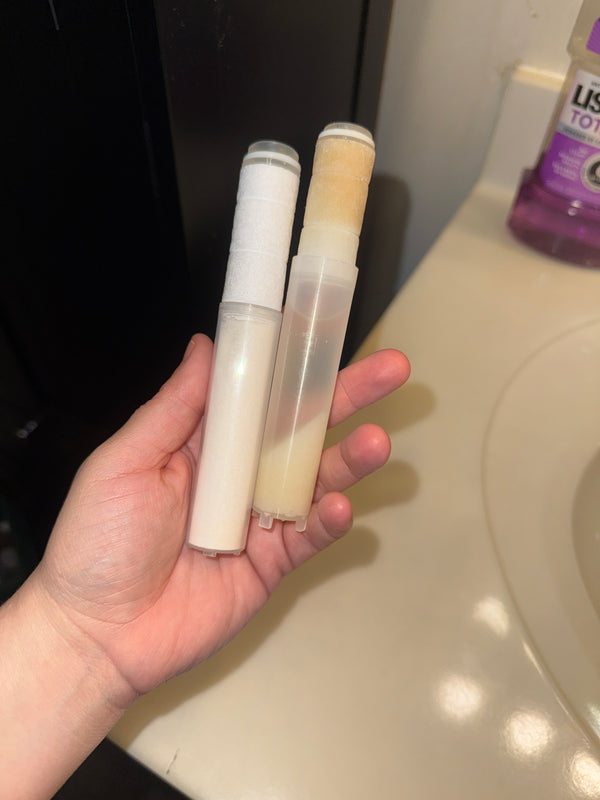
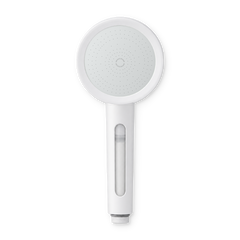
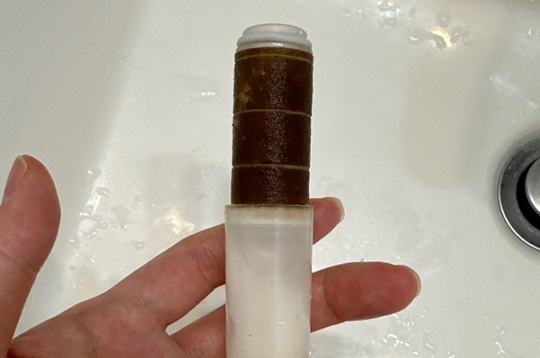
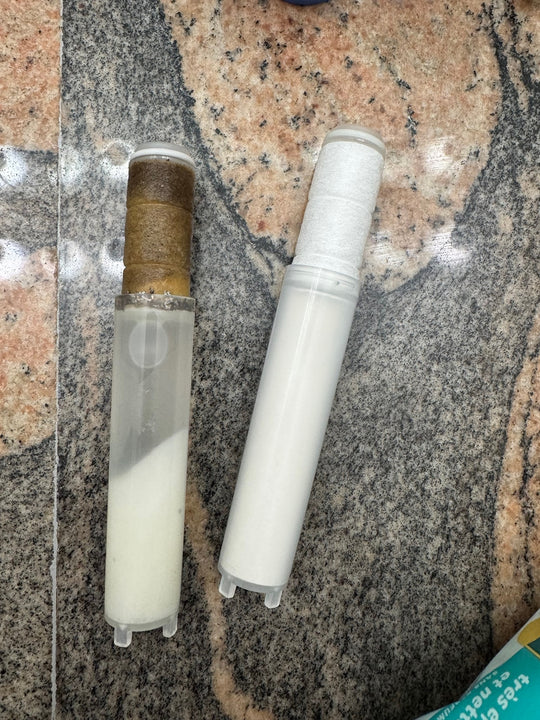
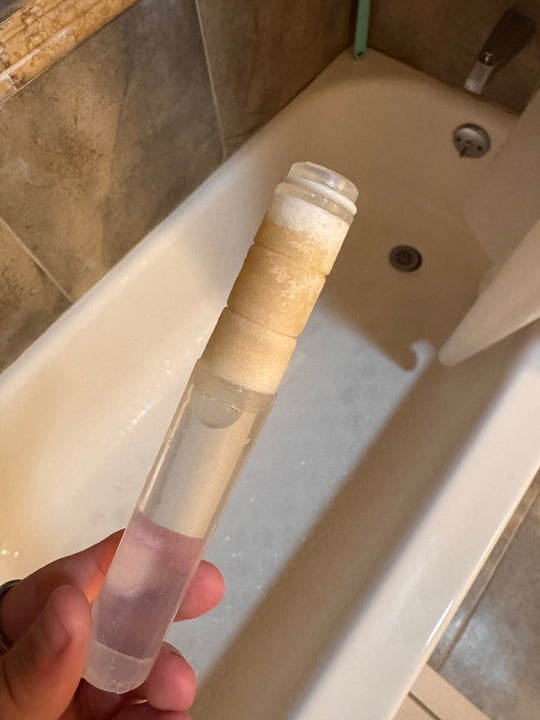
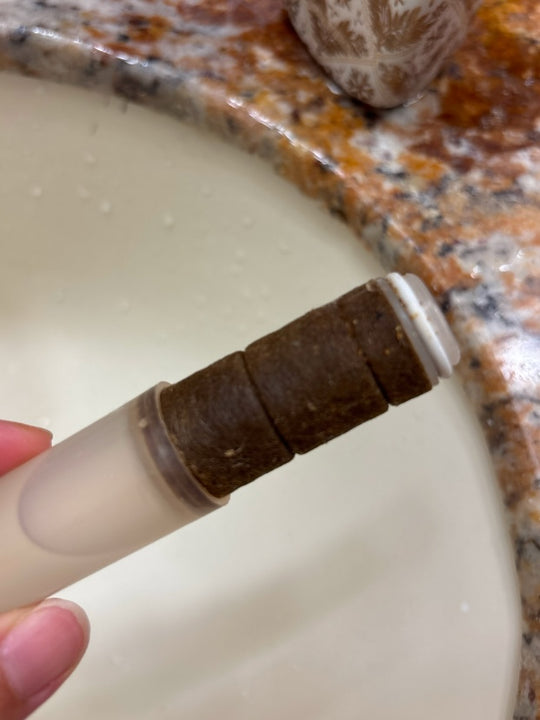
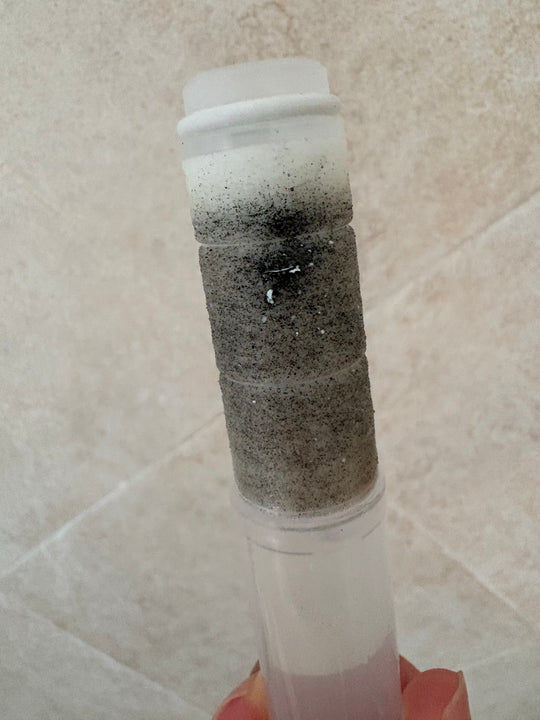
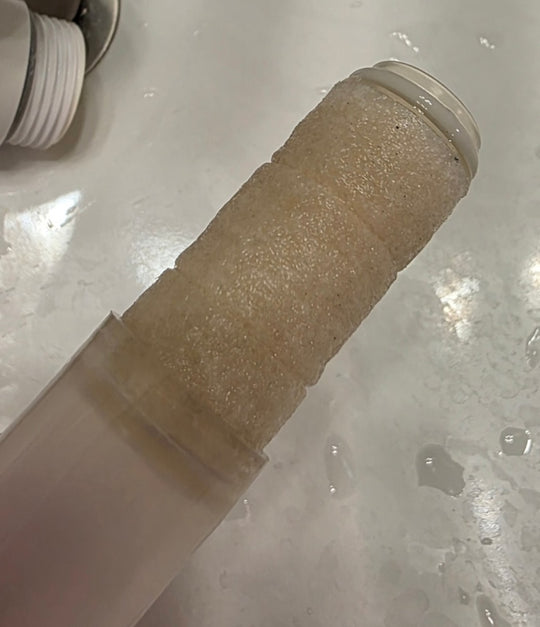
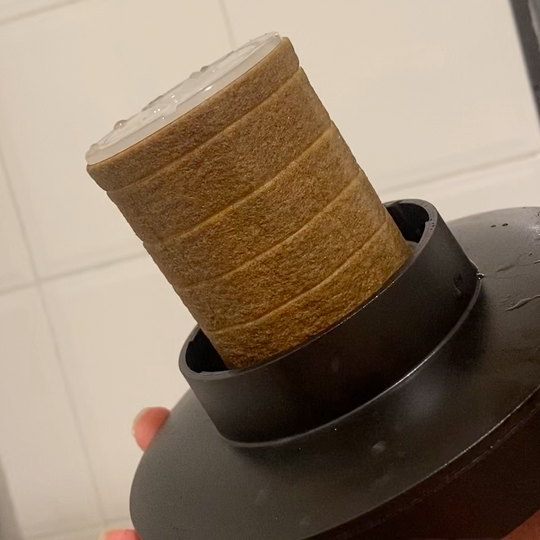
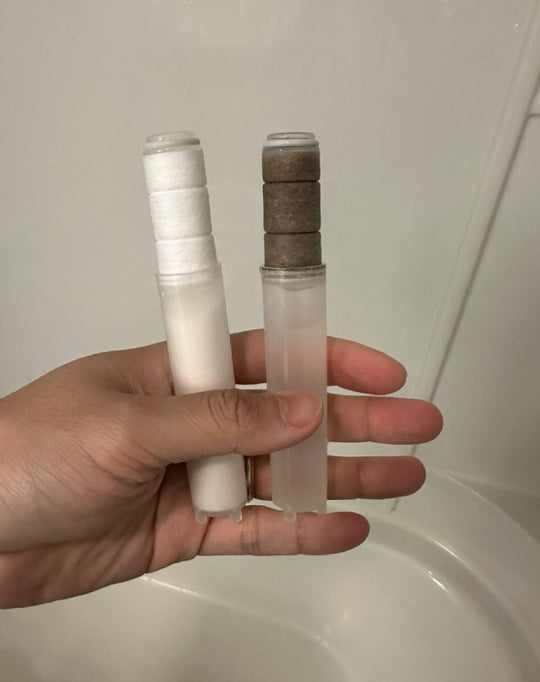
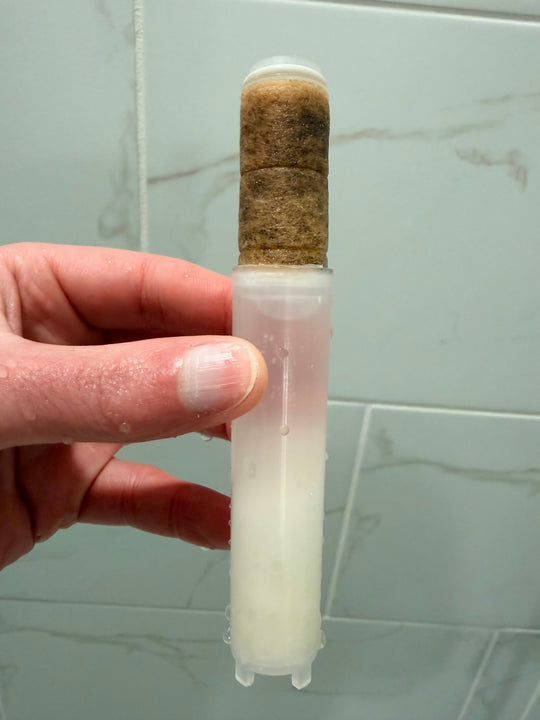
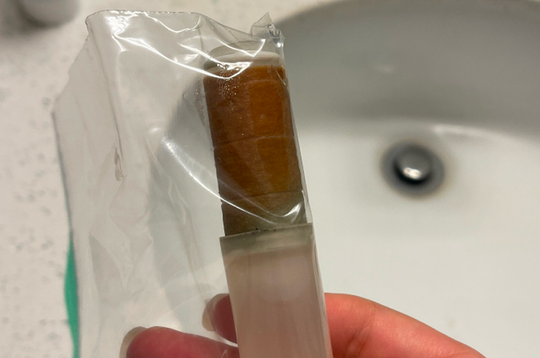
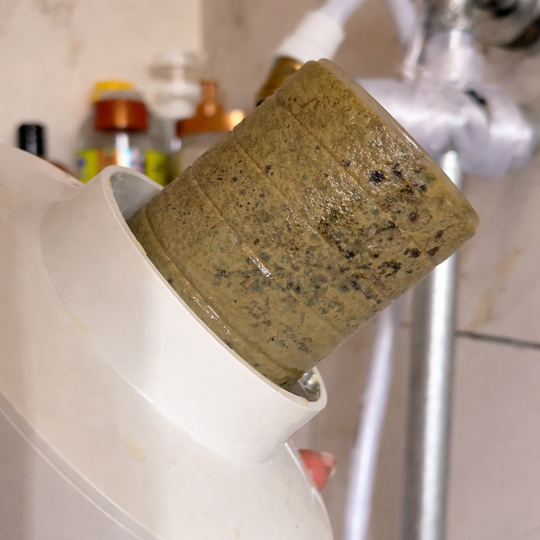
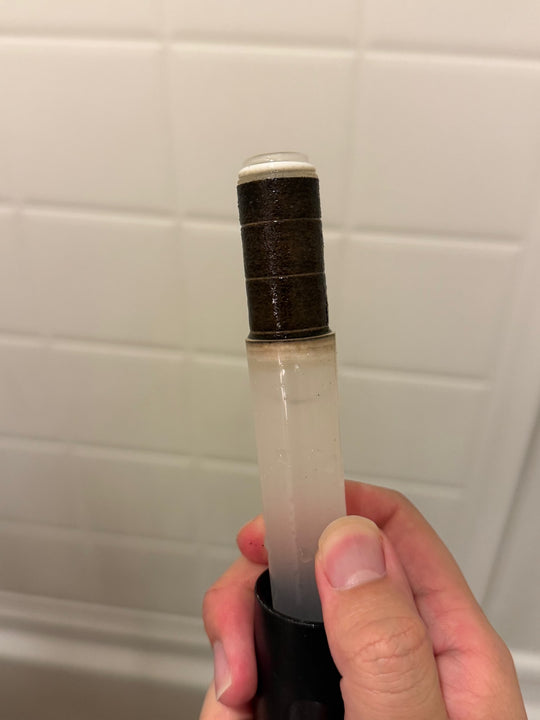
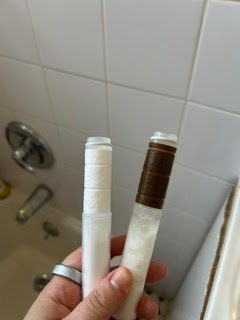
The Second Showerhead ($99, or $79 with a filter subscription) is the one we make for this. We use an NSF/ANSI 42 certified filter*. Behind it is a Vitamin C core that removes 99.9% of chlorine and chloramine in independent lab testing. The US EPA calls ascorbic acid (Vitamin C) "an established and recognized dechlorinating agent." In our own testing, the Showerhead held that result through Day 1 to 60 of the cartridge, so we recommend a new filter every 60 days, or sooner if it looks deep brown or black or the pressure drops noticeably. One filter included. It installs in about a minute without tools, and it will not change your water's hardness.
*Micron PP sediment filter certified by NSF/ANSI 42 standards.
“The chlorine smell is noticeably less, and replacing the filter takes seconds.”
In October 2026, an independent lab measured tap water before and after 100 liters passed through our Vitamin C filter and detected neither chlorine nor chloramine after filtering. The test covered chloramine, the same disinfectant used in Philadelphia. See our full lab results.
FAQ
Does Philadelphia use chlorine or chloramine in its water?
Chloramine. The Philadelphia Water Department's 2025 Drinking Water Quality Report lists chloramine (chlorine plus ammonia), with a reported residual of 1.54 to 2.54 ppm.
Is Philadelphia water hard?
Yes. The city reports 72 to 270 ppm, or 4.2 to 15.8 grains per gallon. That runs from moderately hard to very hard on the USGS scale, depending on the area.
Will letting tap water sit remove the chloramine?
Don't count on it. Chloramine is made to stay stable longer than free chlorine, which is why utilities use it in long pipe networks. To find out what is in your water, use a DPD test kit that reads total chlorine.
Does a shower filter fix hard water in Philadelphia?
No. Shower filter cartridges do not remove calcium and magnesium, and Second Shower does not soften water. A whole-house ion-exchange softener does that.
Where can I find Philadelphia's water quality report?
The Philadelphia Water Department posts its annual report on its website, and the 2025 edition is linked in our sources. If your bill comes from a different utility, as it can in the suburbs, read that utility's report instead.