Yes. LADWP, the city's water utility, disinfects Los Angeles tap water with chloramine, which is chlorine combined with ammonia so it lasts longer in the pipes. LADWP switched to it from plain chlorine. Its report lists a disinfectant residual of 1.0 to 3.0 ppm and hardness of 12 to 22 grains per gallon, which counts as hard to very hard. If your water bill comes from a different utility, read that utility's annual report, because your disinfectant may differ.
Los Angeles water at a glance
| Measure | Los Angeles |
|---|---|
| Water utility | LADWP |
| Disinfectant | Chloramine (switched from chlorine) |
| Hardness | 12-22 gpg (hard to very hard) |
| Total dissolved solids | 200-500 ppm (moderate to hard) |
| Disinfectant residual | 1.0-3.0 ppm |
Source: 2025 Drinking Water Quality Report (Jan-Dec 2025 data)

Who supplies your water: start with the name on your bill
Most of the city of Los Angeles gets its water from the Los Angeles Department of Water and Power (LADWP). The figures on this page come from LADWP's 2025 Drinking Water Quality Report, which covers January to December 2025[1].
The Los Angeles area is a patchwork, though, and not every address with an LA mailing address is on LADWP. The quick way to check is your water bill: the utility's name is printed on it. Every community water system in the US has to send its customers a Consumer Confidence Report each year, usually by July 1, and most post it online[4]. If your bill says LADWP, the numbers below apply to you. If it names someone else, that utility's report is the one to read.
You can also look up your ZIP code on our water page.
What disinfects it: chloramine, not plain chlorine
LADWP disinfects with chloramine, and its report records that the utility switched to it from chlorine[1]. So when people search for "Los Angeles tap water chlorine," the more exact answer is chloramine.
Chloramine is chlorine plus ammonia. Utilities use it because it stays active longer as water travels through miles of pipe. You are not alone in having it: more than one in five Americans have chloramine-treated water[2].
The report gives a disinfectant residual of 1.0 to 3.0 ppm. That is the amount still present in the water the utility delivers, and it is a range, not a single number. Your tap may read anywhere in it on a given day.
If you want to test it yourself, use a DPD test kit that reads total chlorine, since chloramine shows up as combined chlorine rather than free chlorine. A TDS meter will not do it: TDS meters measure dissolved solids and cannot detect chlorine or chloramine.
How hard Los Angeles water is: 12 to 22 grains per gallon
Hardness is the amount of dissolved calcium and magnesium in water. The US Geological Survey calls anything above 10.5 grains per gallon (gpg) very hard[3]. LADWP's report lists 12 to 22 gpg, which runs from hard to very hard[1]. Dissolved solids run 200 to 500 ppm.
That wide range tells you something: LA's hardness is not one fixed number, so your neighbor across town may see a different figure than you do. The report is the place to look for the reading that applies to you, and a hardness test strip gives you your own number in about a minute.
In the bathroom, hard water shows up as white crust on the shower glass and faucets, scale on the showerhead, and soap and shampoo that lather less and can leave a film[3].
One thing that often gets mixed up: hardness and disinfectant are separate questions. Utilities disinfect hard and soft water alike, and a hardness number says nothing about chloramine.
What the report cannot tell you about your own building
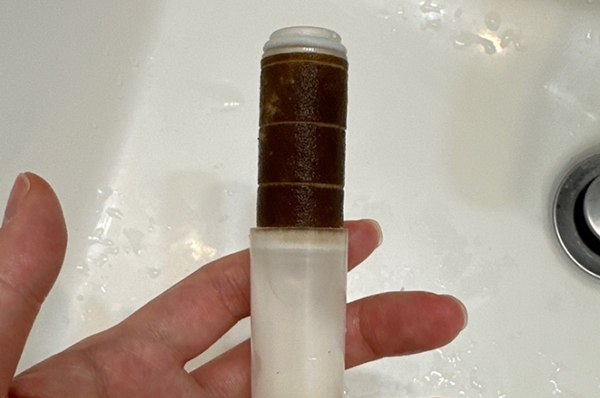
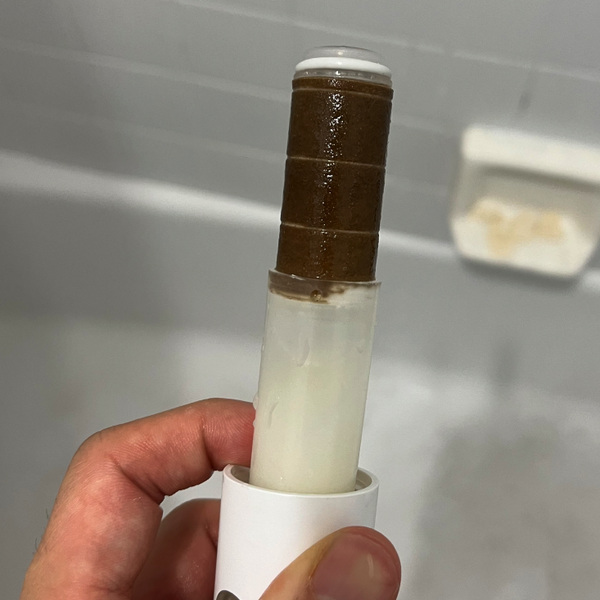
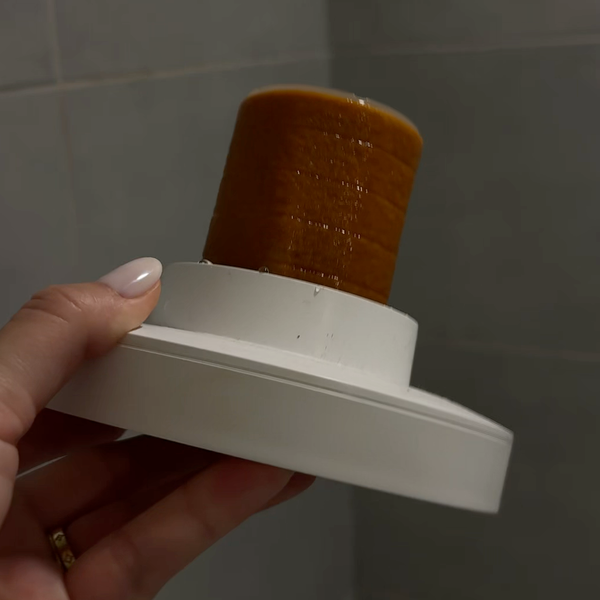
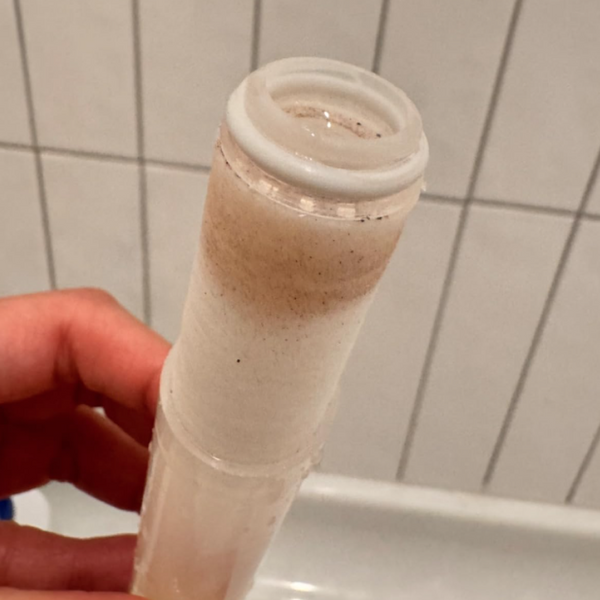
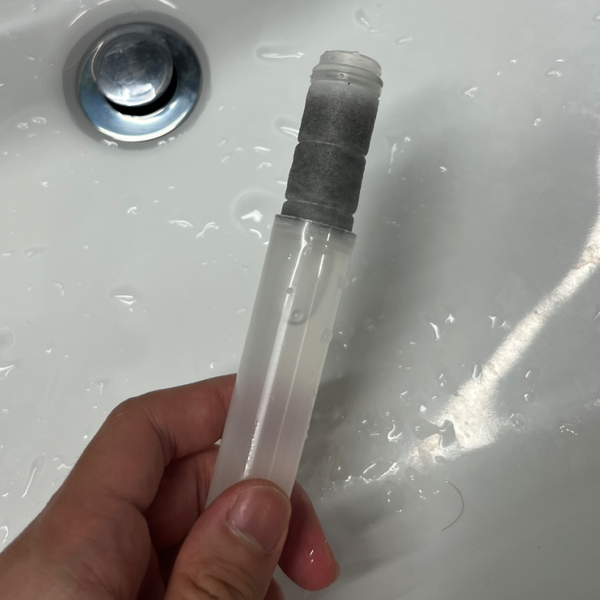
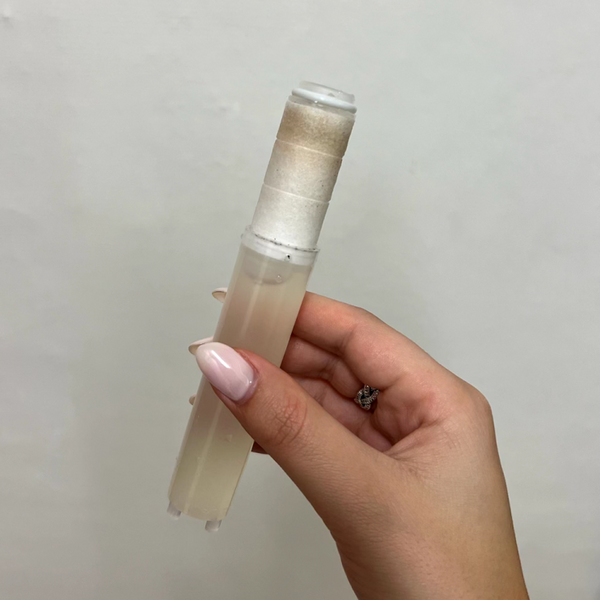
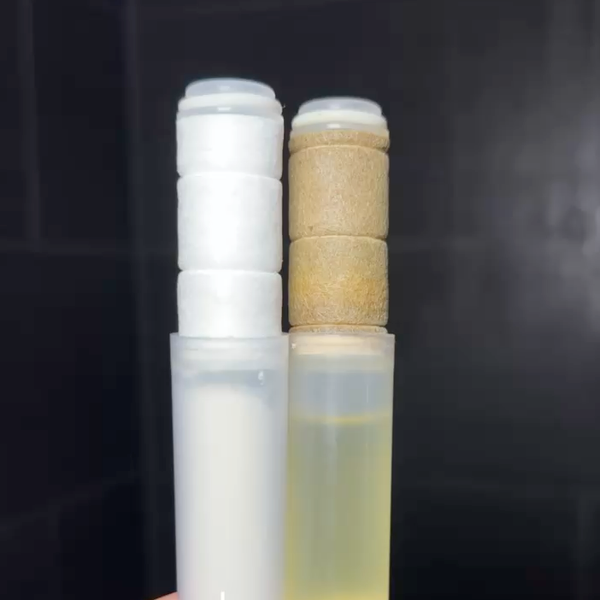
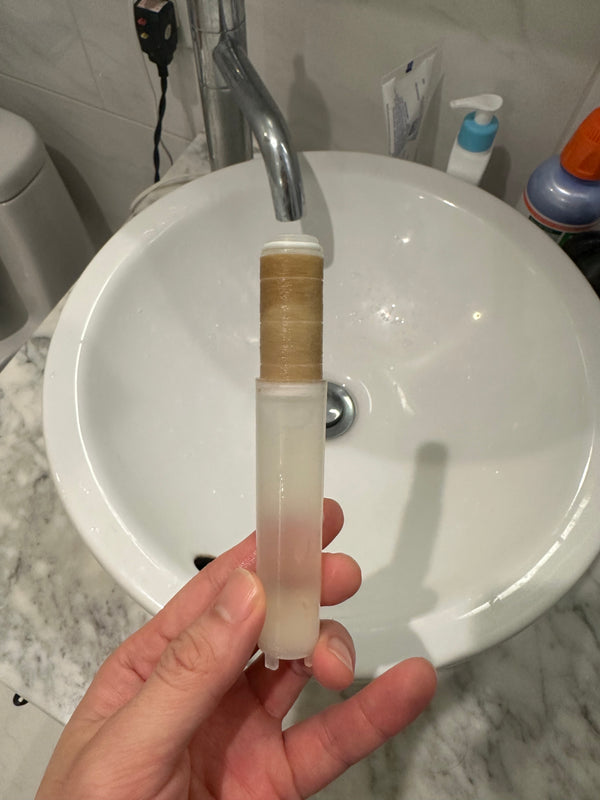
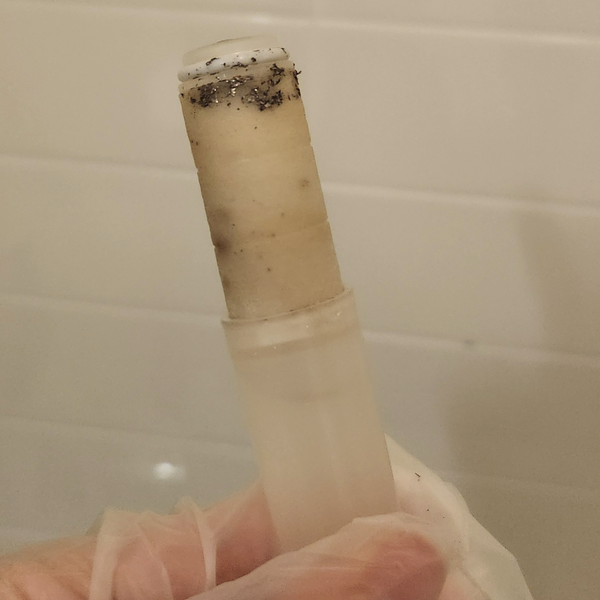
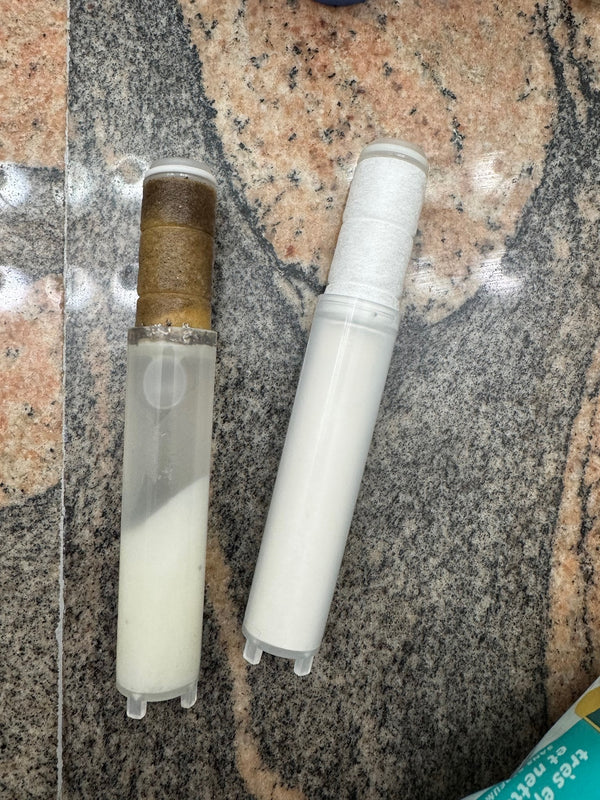
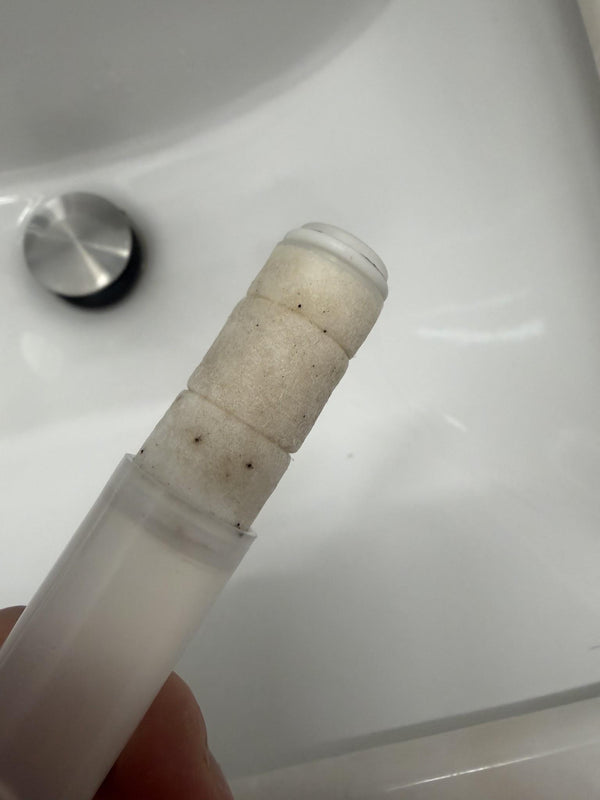
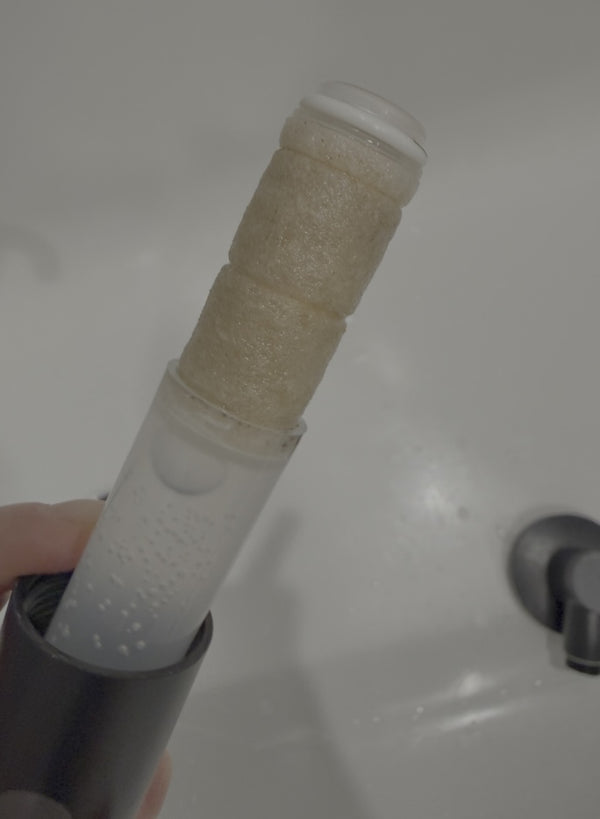
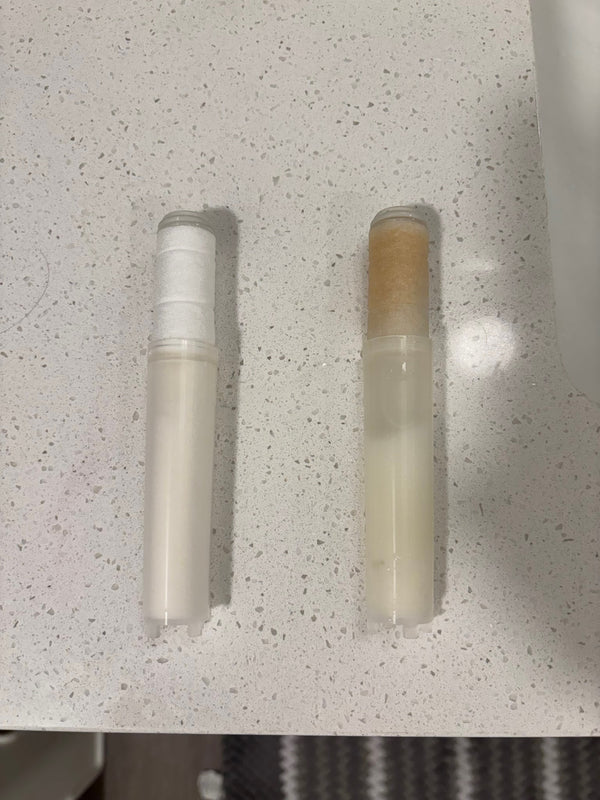
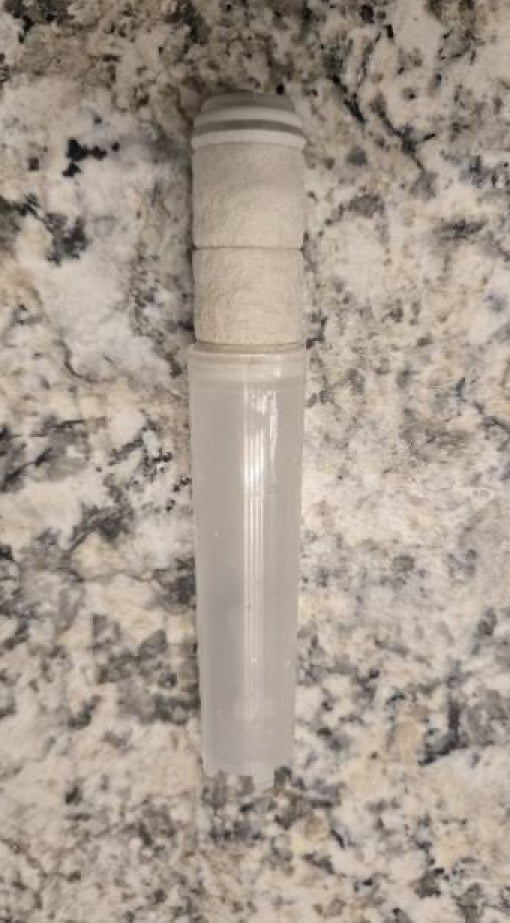
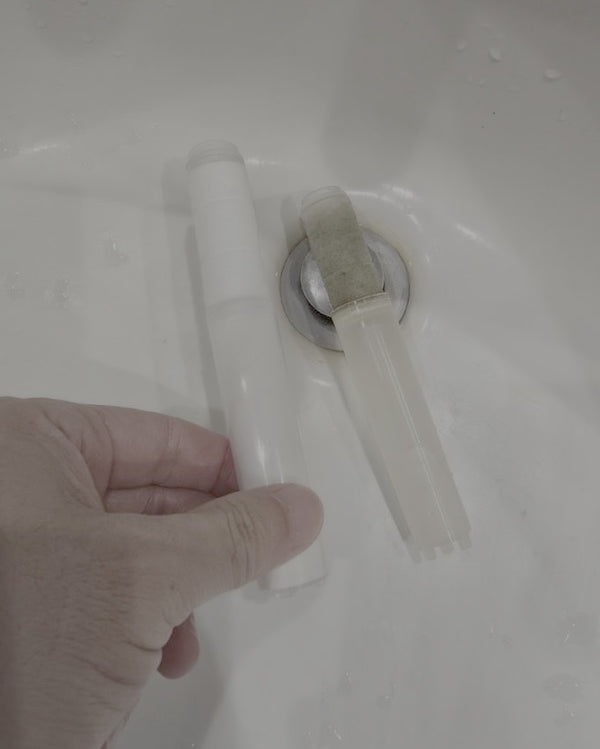
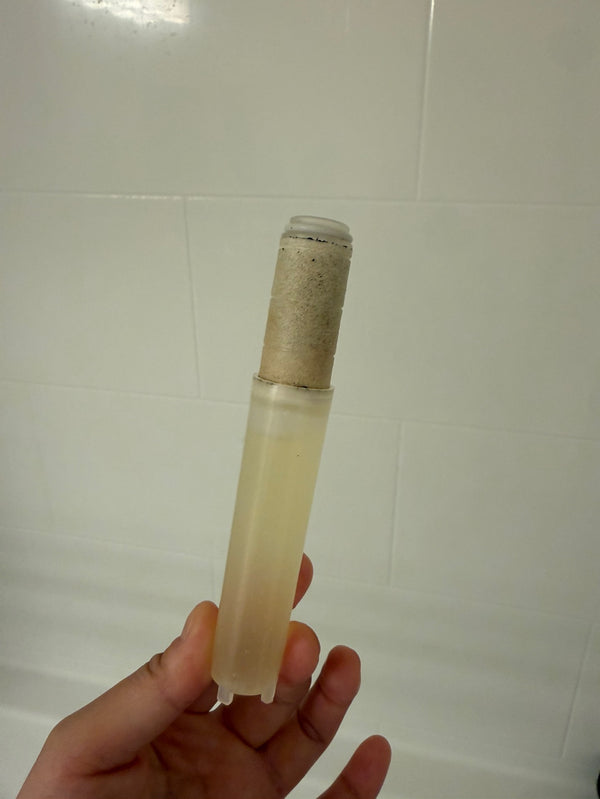
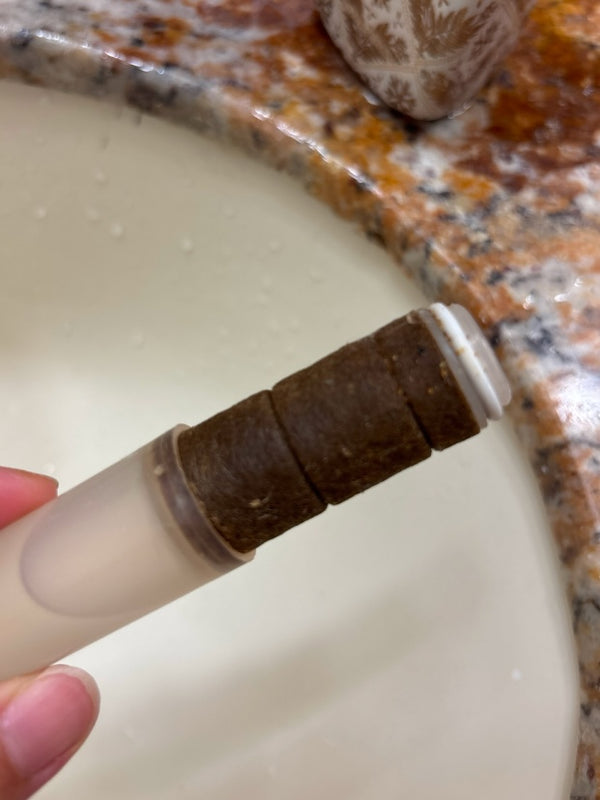
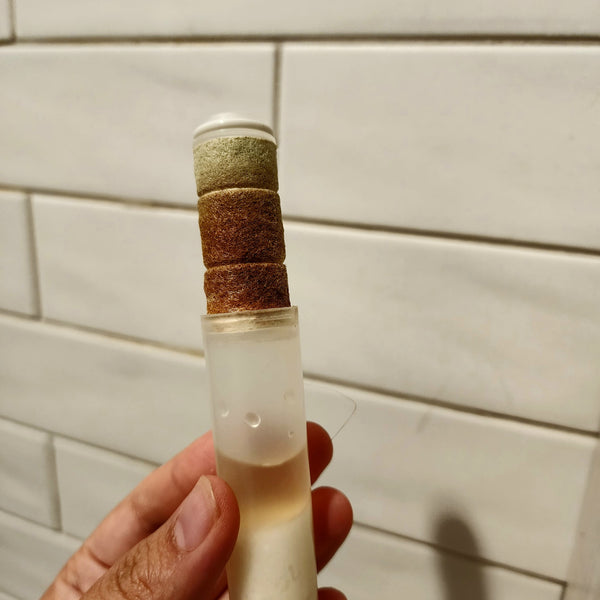
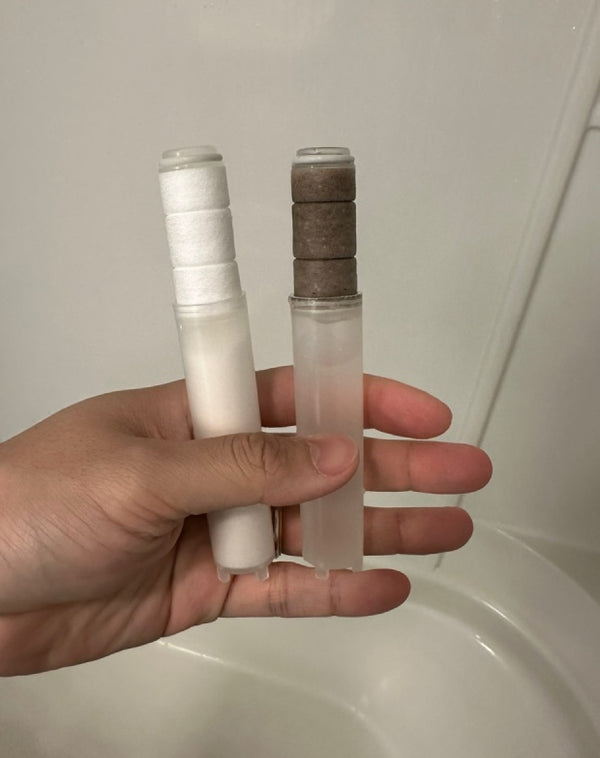
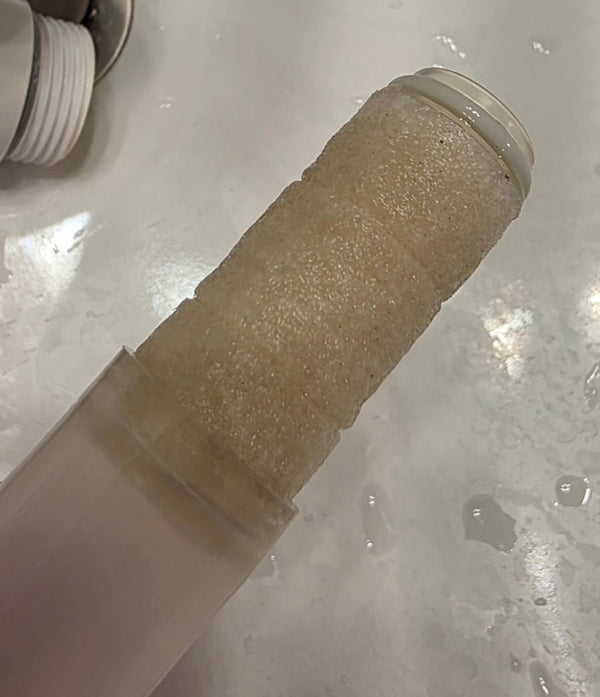
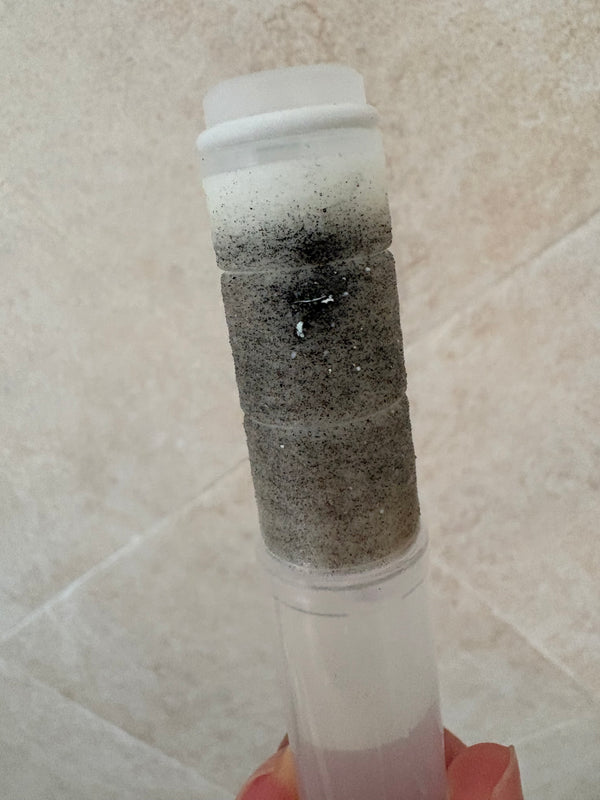
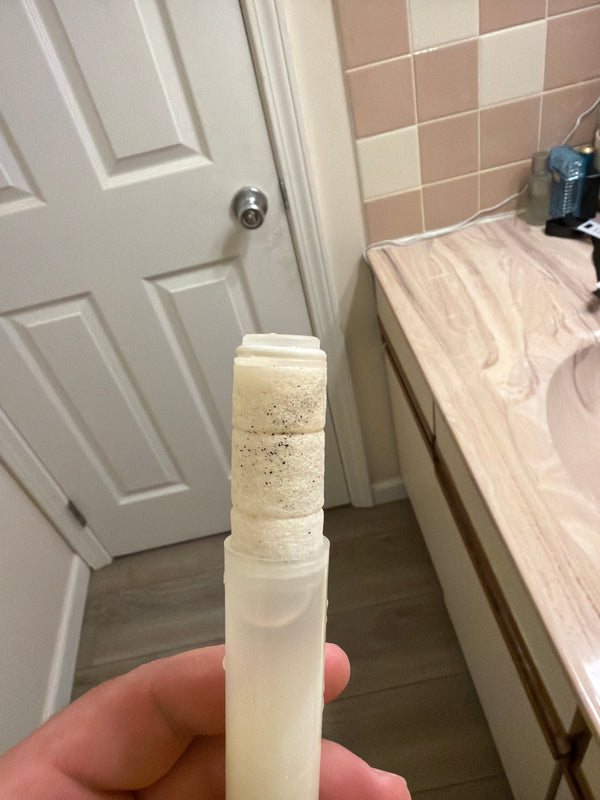
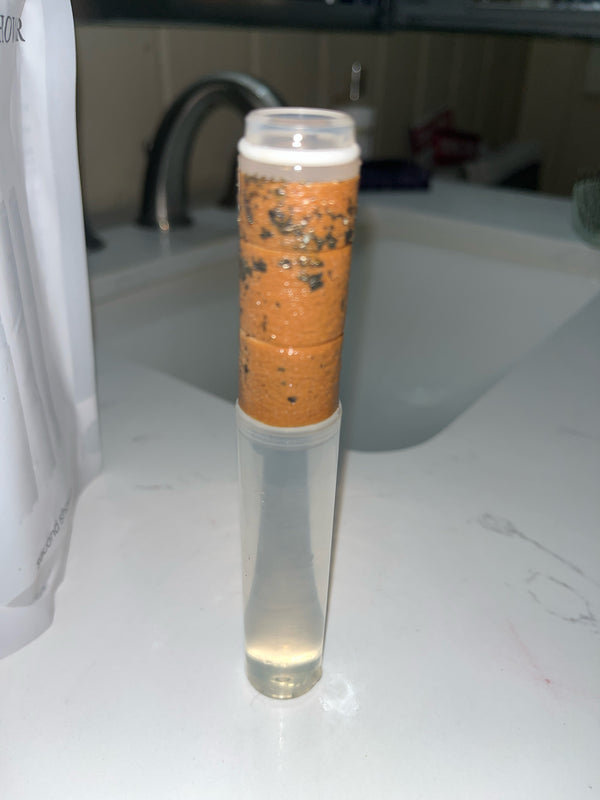
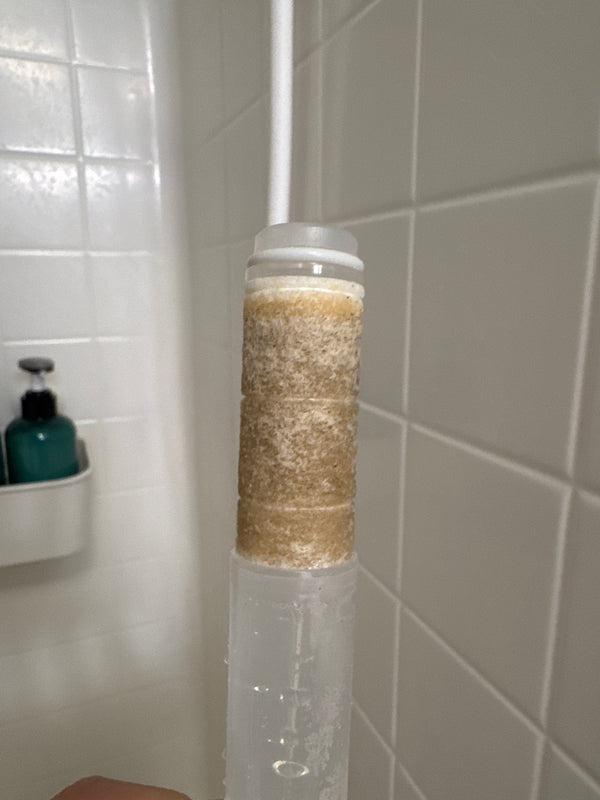
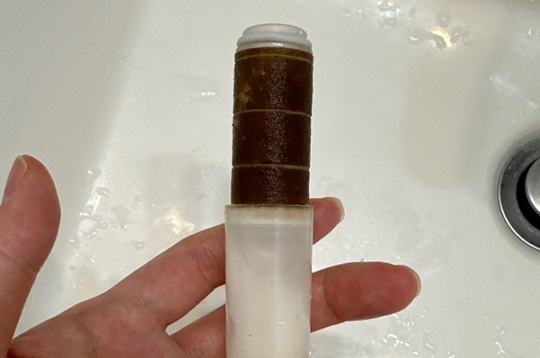
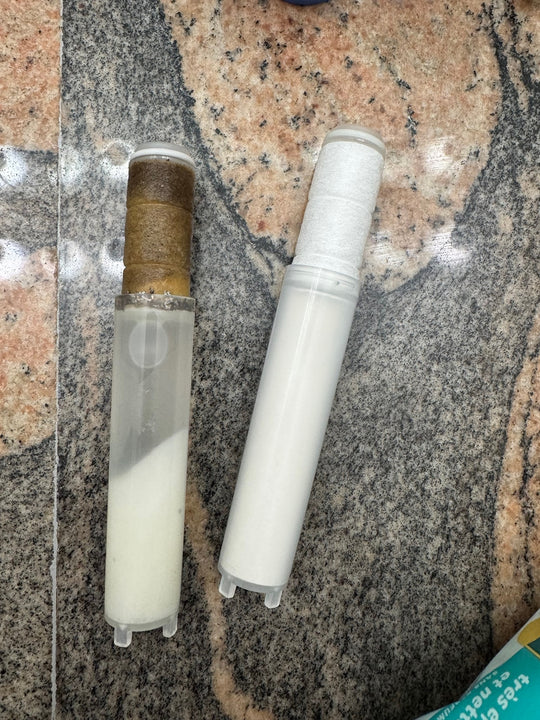
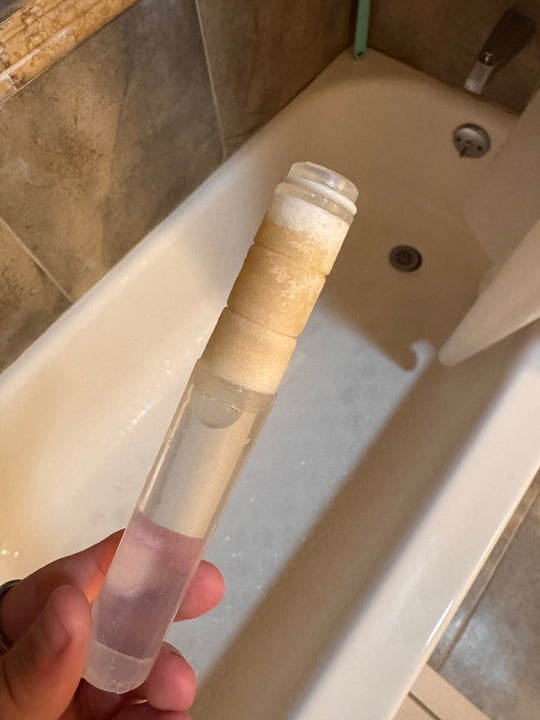
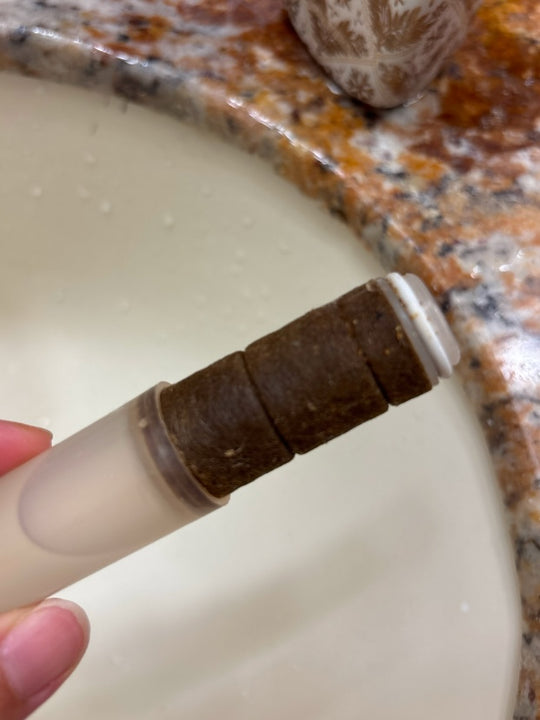
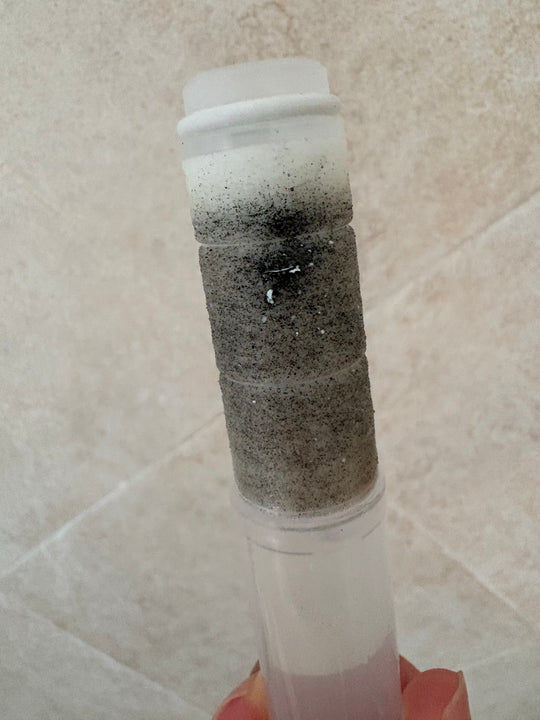
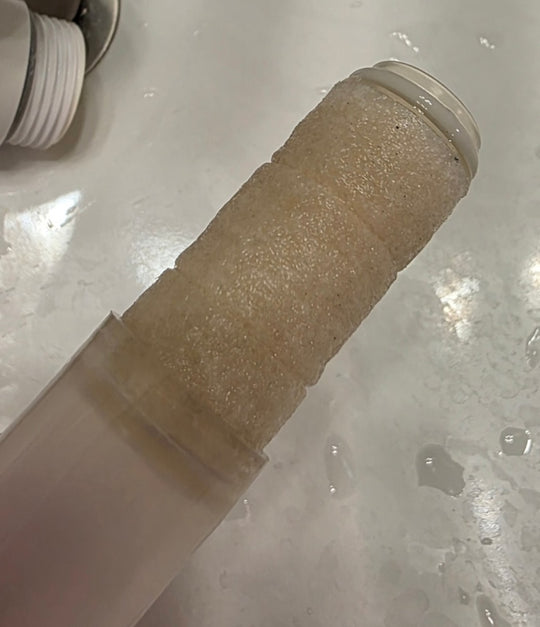
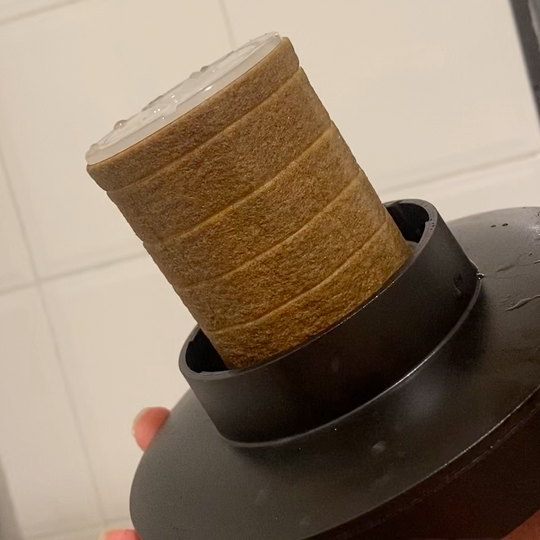
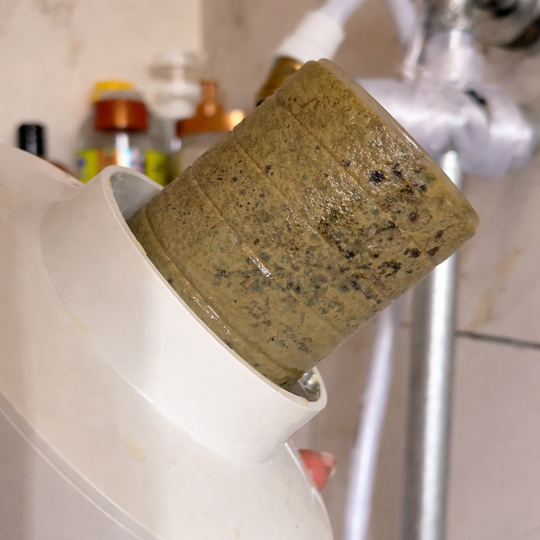
The utility's report describes the water it delivers to your building. The pipes inside the building belong to the building. In an older apartment, old pipes and risers can add sediment or rust, which shows up as grit or discoloration. The report will not show that, because it is not measuring your plumbing.
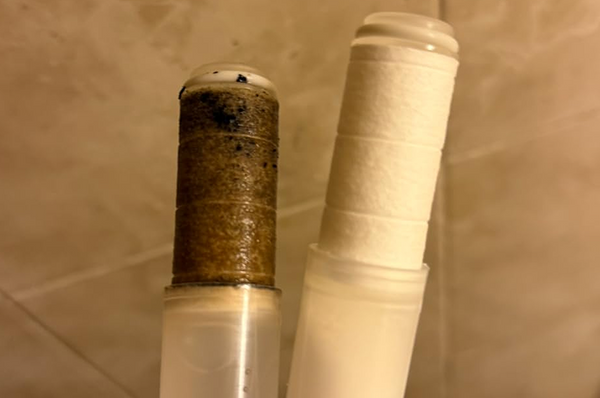
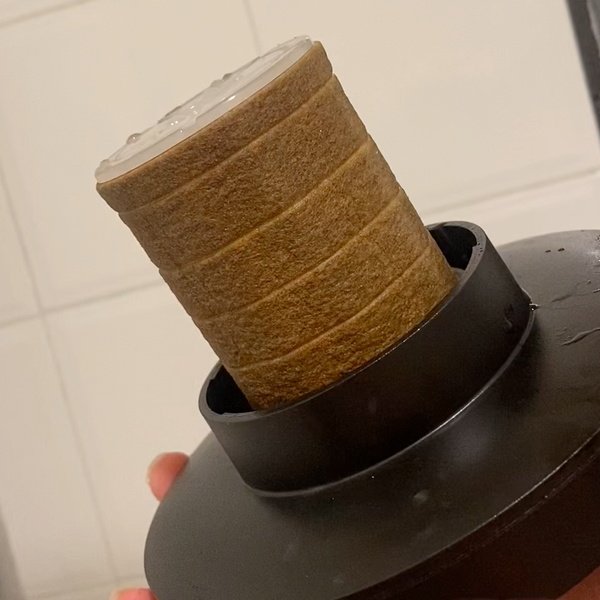
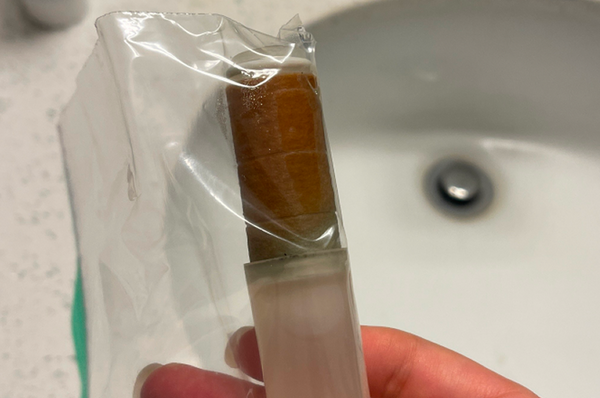
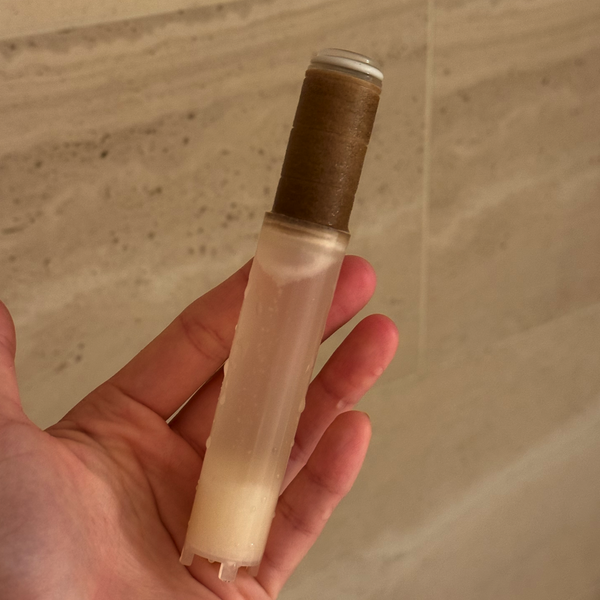
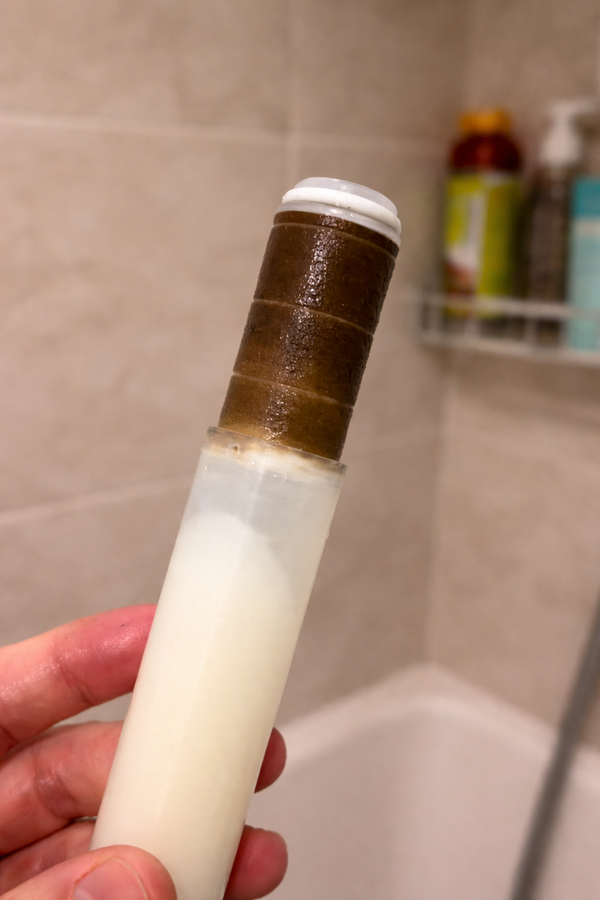
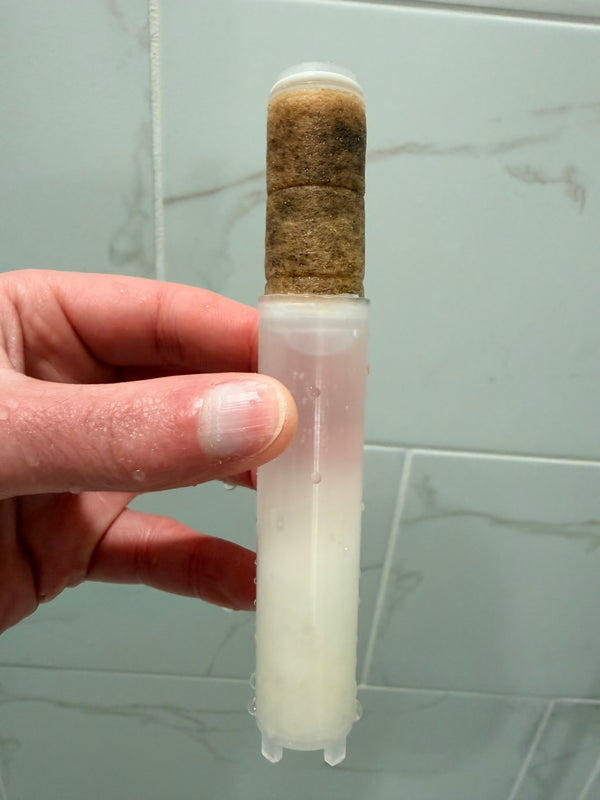
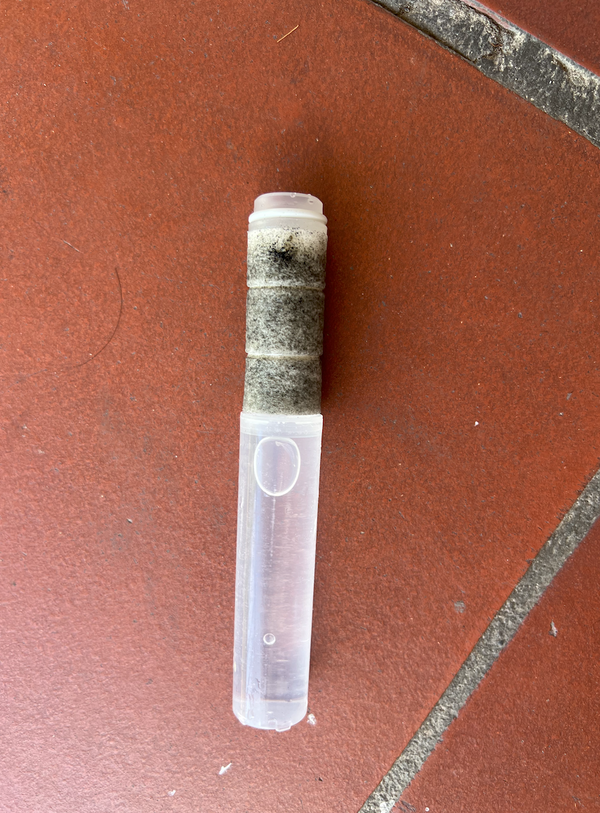
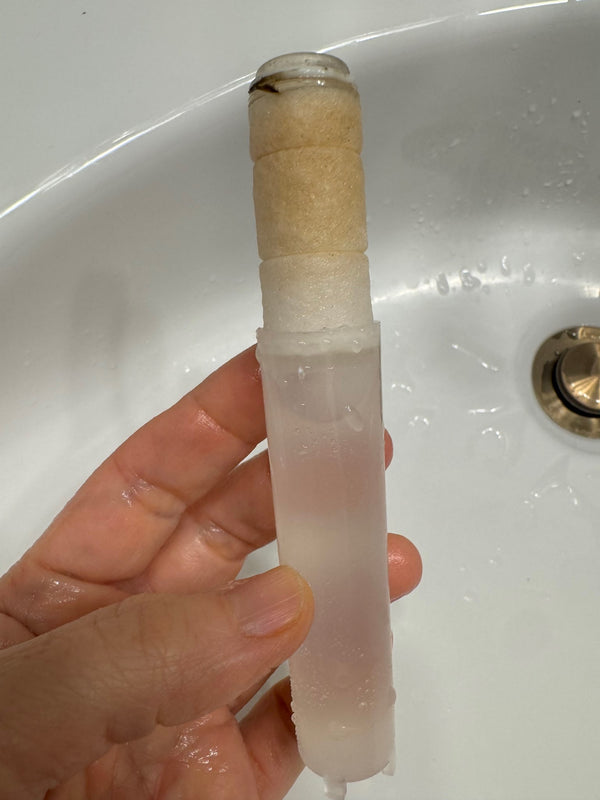
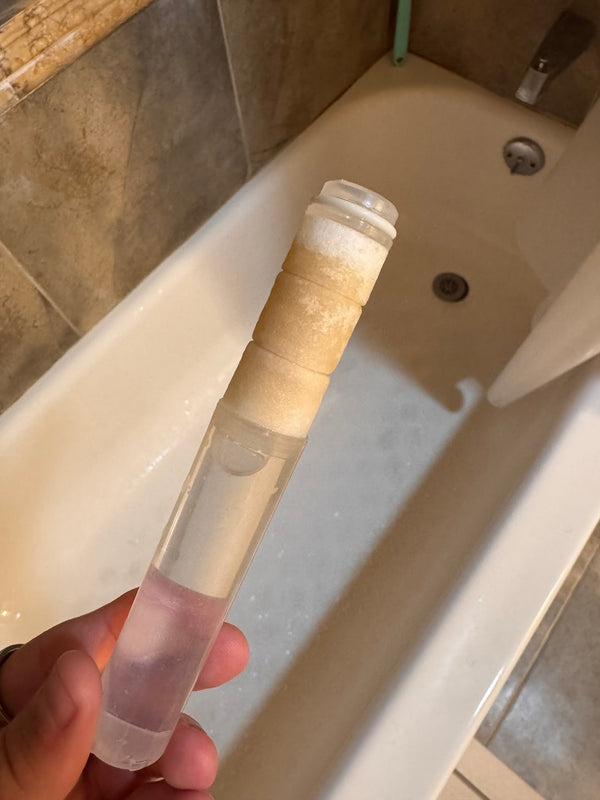
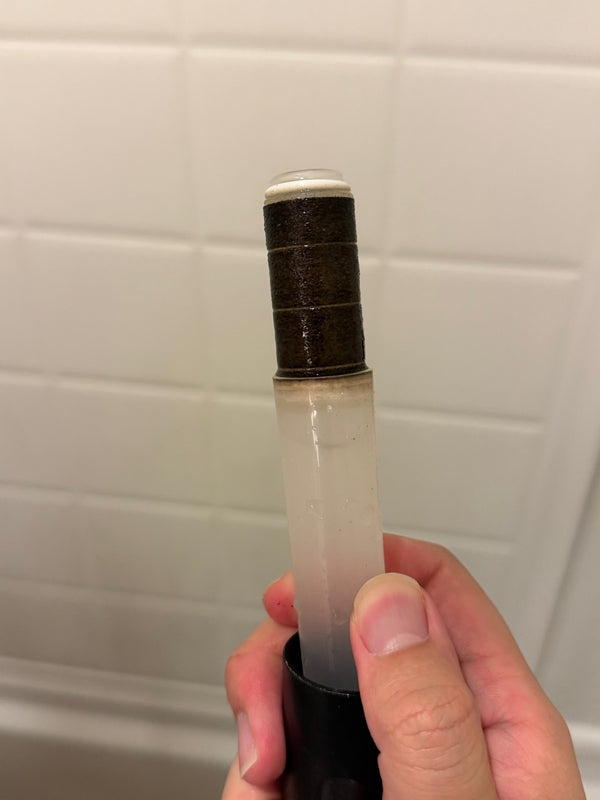
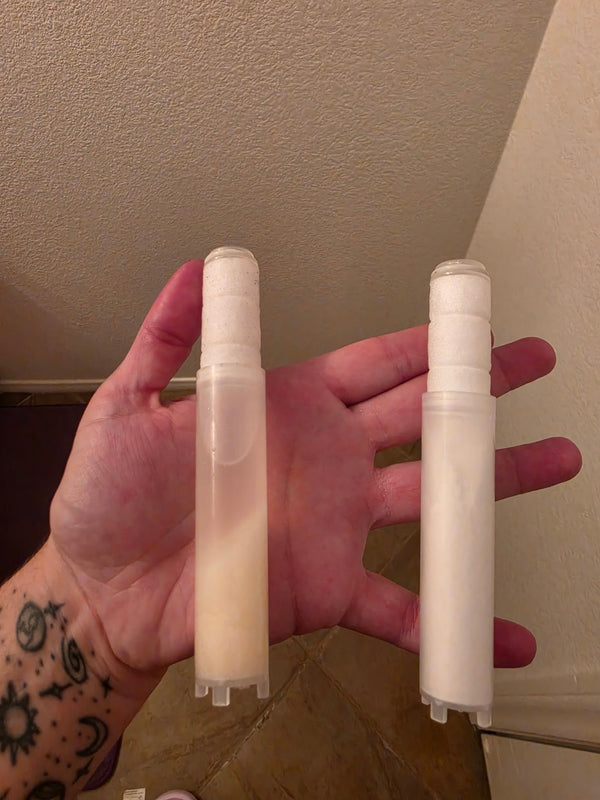
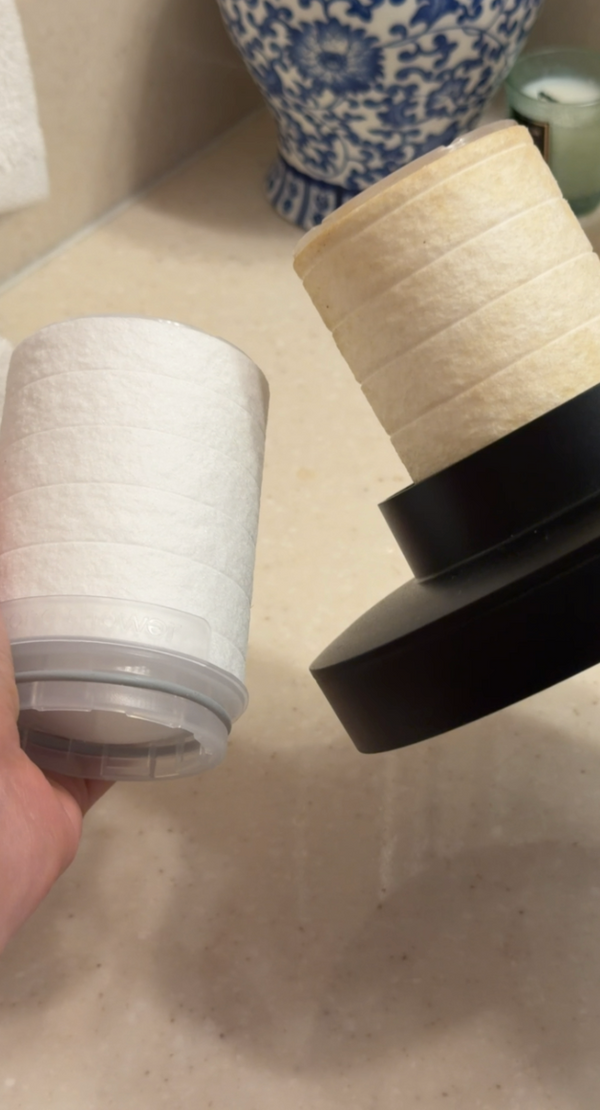
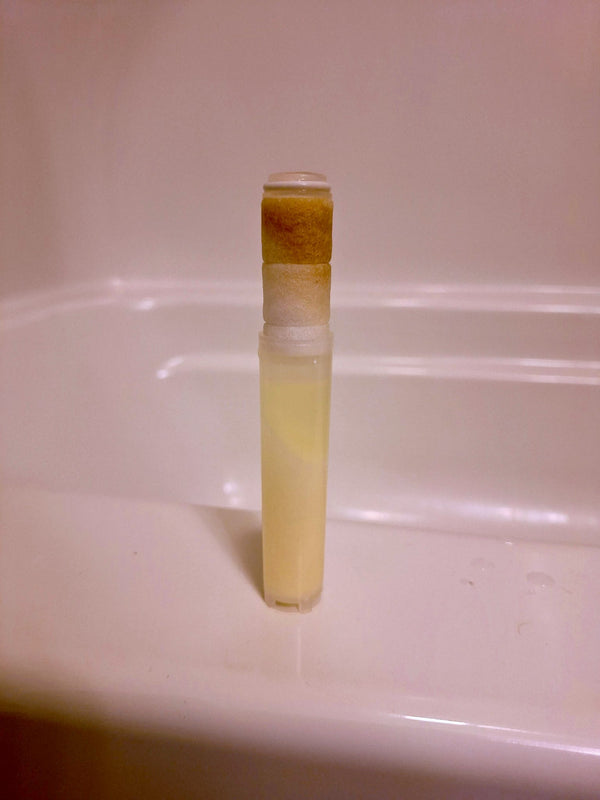
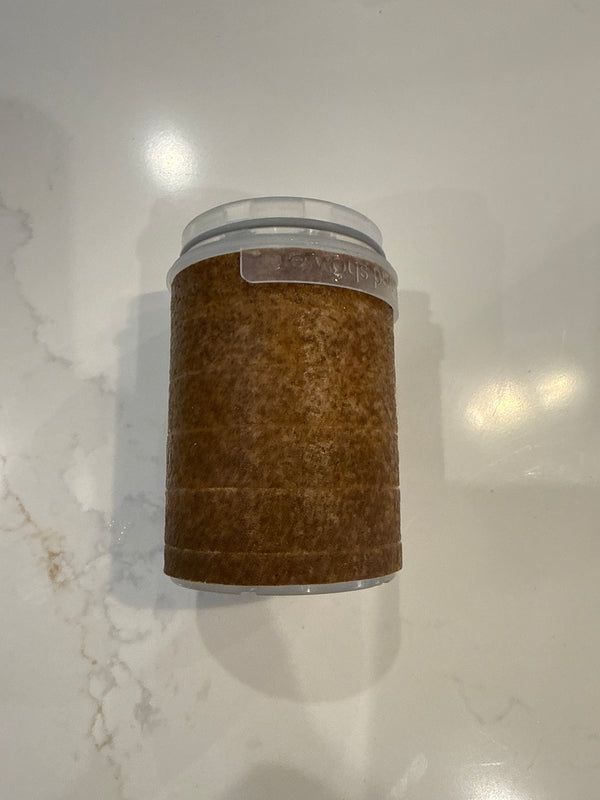
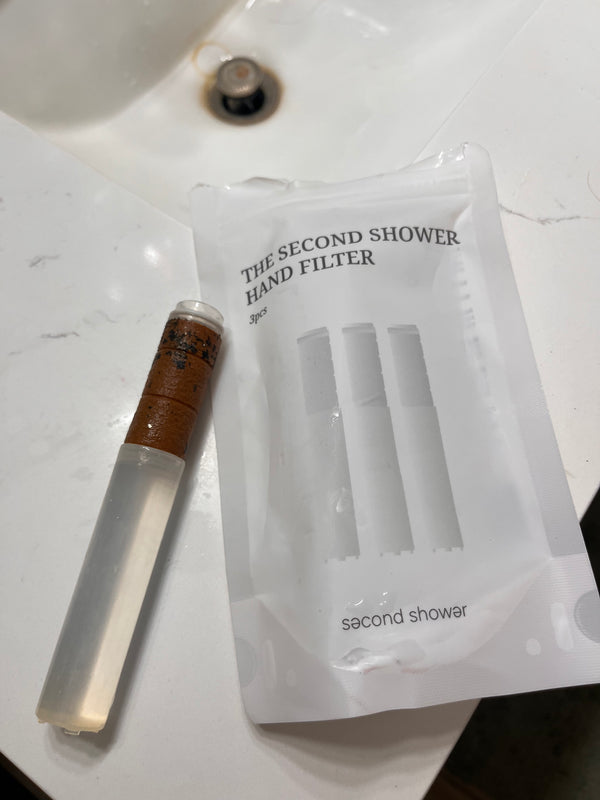
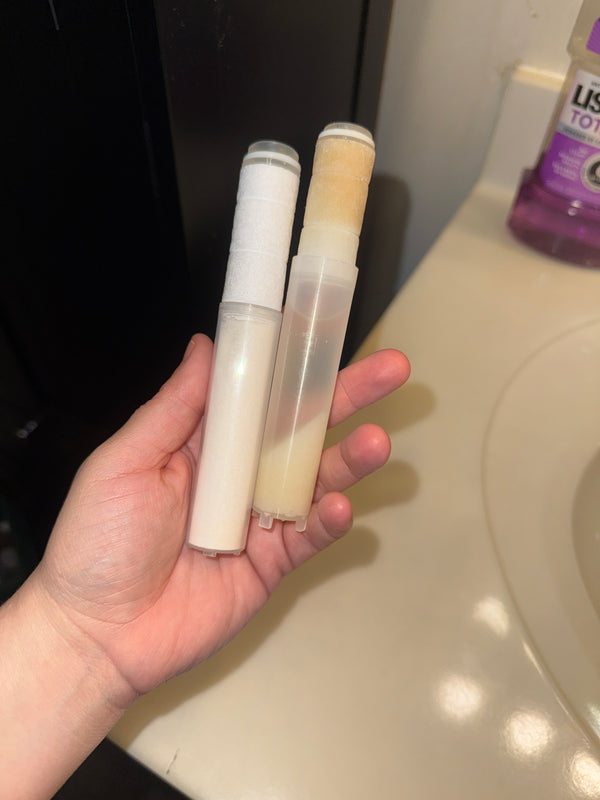
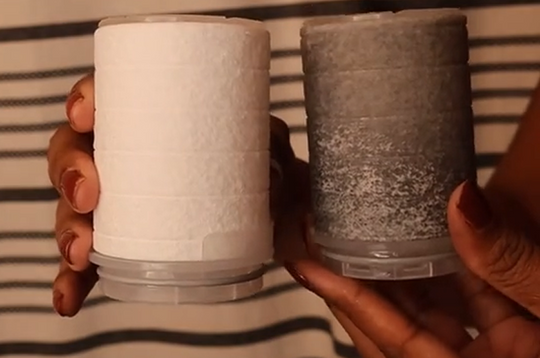
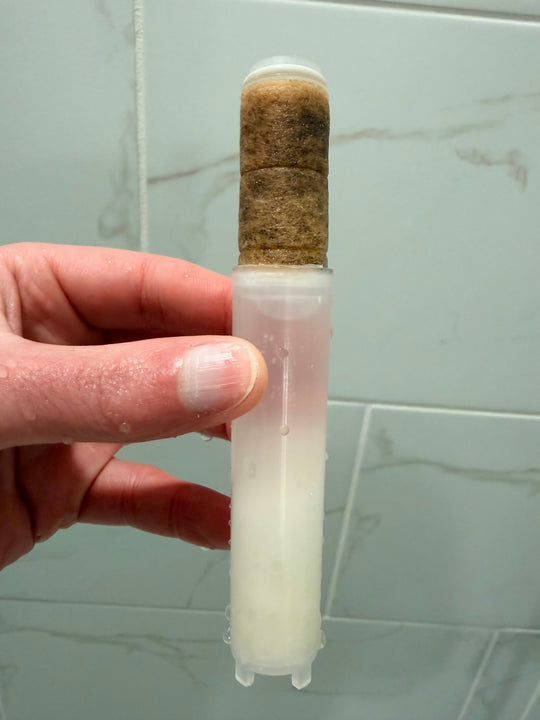
So the report is a good answer for which disinfectant you get and roughly how hard the water is. For what your own pipes add, your eyes (and a look at what collects in a filter) tell you more.
What chloramine and hard water mean in an LA shower
The two issues in the LADWP report affect a shower in different ways, and they need different fixes.
- Chloramine is a chlorine-based oxidizer. In a hot shower it meets your hair and skin every day. It can leave hair feeling dry and rough, and faded color is a common complaint.
- Hardness is the cause of the crusty showerhead, the spots on the glass and the shampoo that won't lather. A chelating shampoo, used occasionally as its label directs, binds minerals like calcium and magnesium so they rinse out of your hair.
A few habits help either way: keep showers to about five to ten minutes in warm rather than hot water, pat dry, and moisturize while your skin is still slightly damp.
Does chloramine need a different filter than chlorine? It needs a filter that has been tested on chloramine. Many shower filters publish only chlorine results, and in our own testing, KDF-55 cartridges lost chlorine reduction as the cartridge aged. In LA, look for a chloramine result specifically, not just a chlorine one.
Can a shower filter deal with LA's chloramine, and its hard water?
Chloramine, yes. Hardness, no. A shower filter does not soften water. Removing calcium and magnesium takes an ion-exchange water softener, usually installed for the whole house. Second Shower does not soften water or remove hardness.
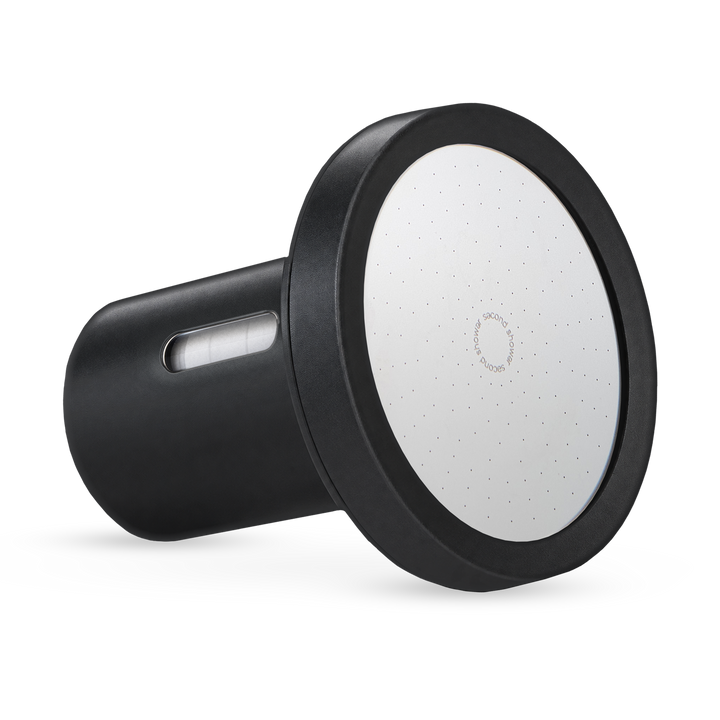
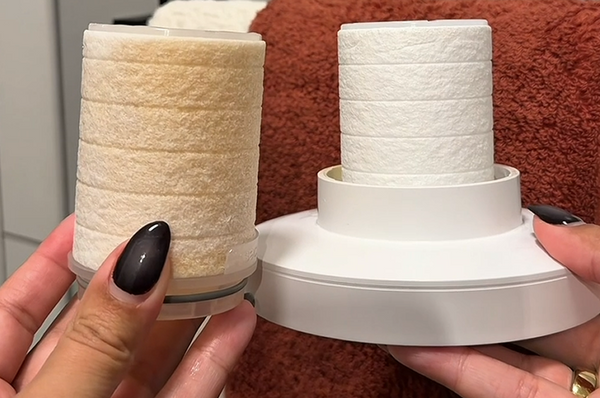
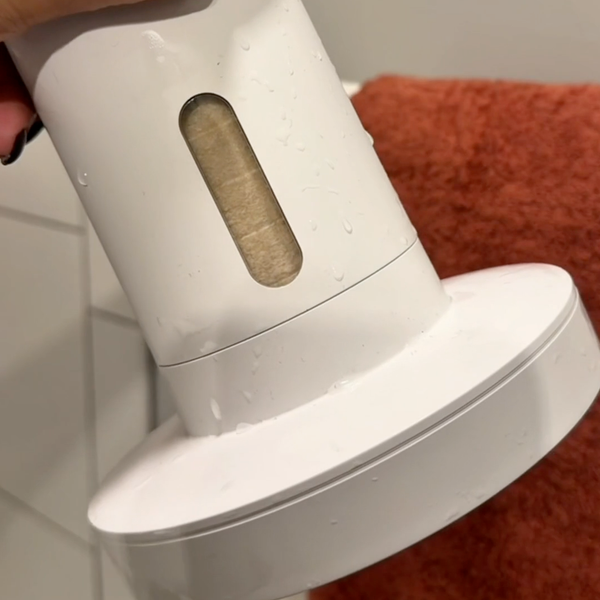
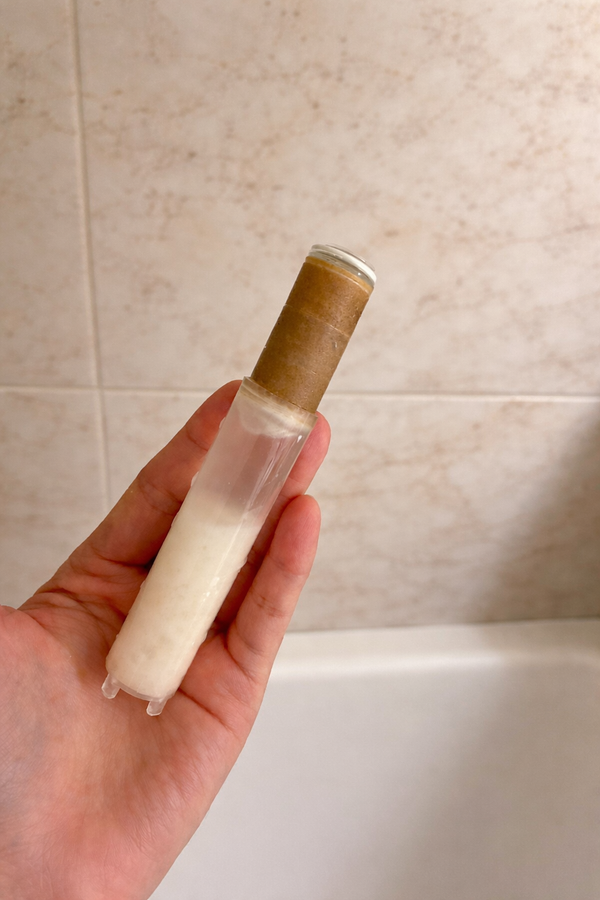
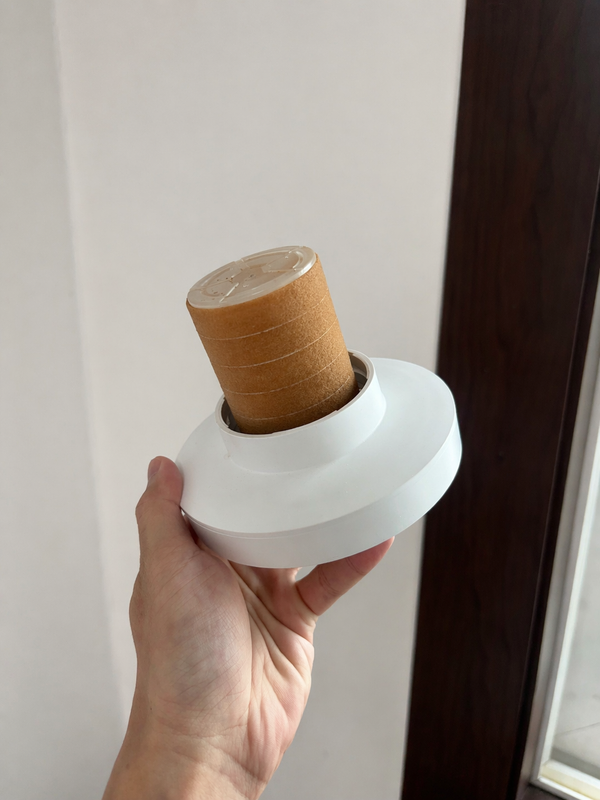
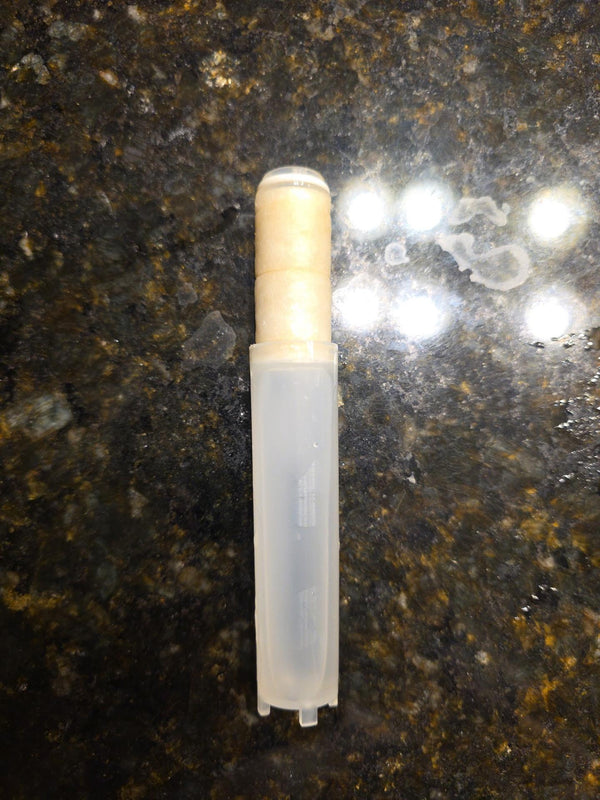
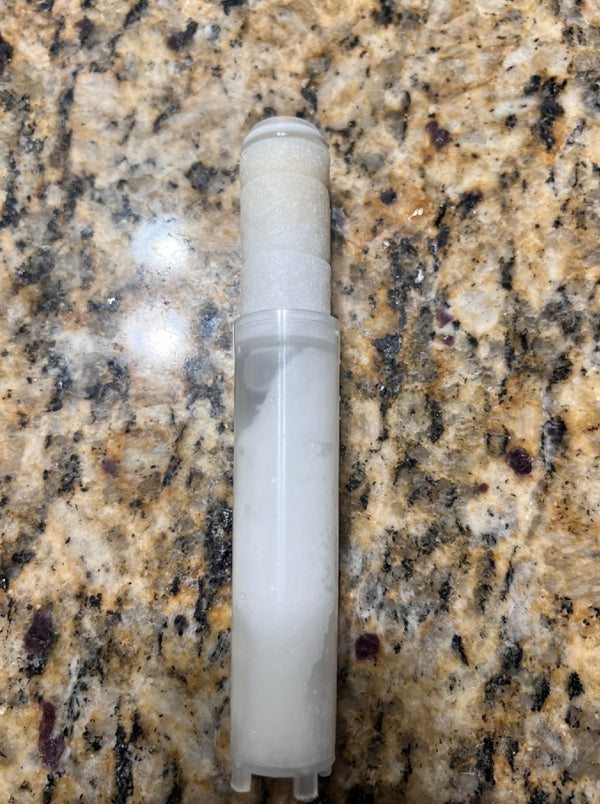
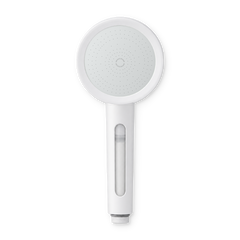
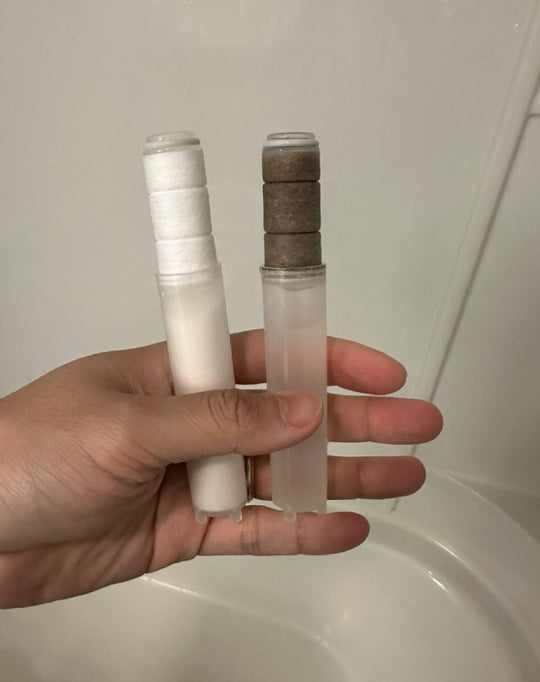
What a filter can do is take out the disinfectant. We use an NSF/ANSI 42 certified filter*. The Second Showerhead ($99, or $79 with a filter subscription) uses a two-stage cartridge: a micron sediment pre-filter, which catches the kind of grit older buildings can add, then a Vitamin C core. In independent lab testing it removed 99.9% of chlorine and chloramine, and in our own testing it held that 99.9% through Day 1 to 60 of cartridge life. It installs without tools in about a minute and comes with one filter included.
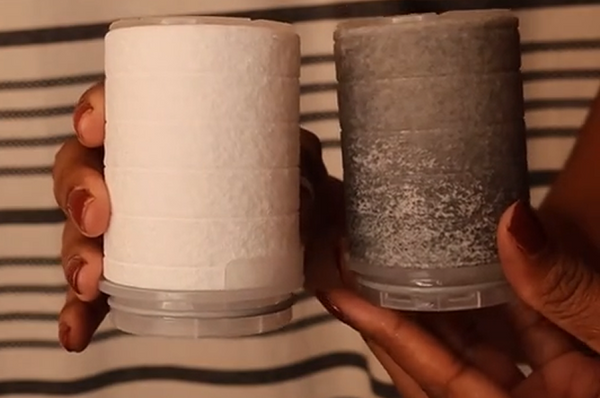
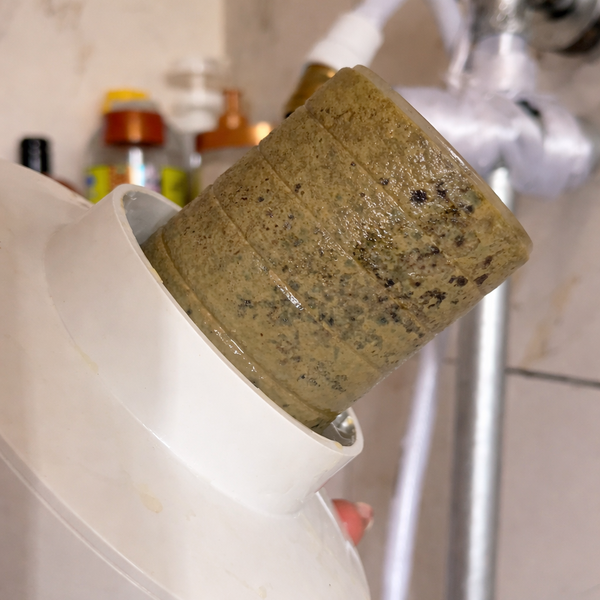
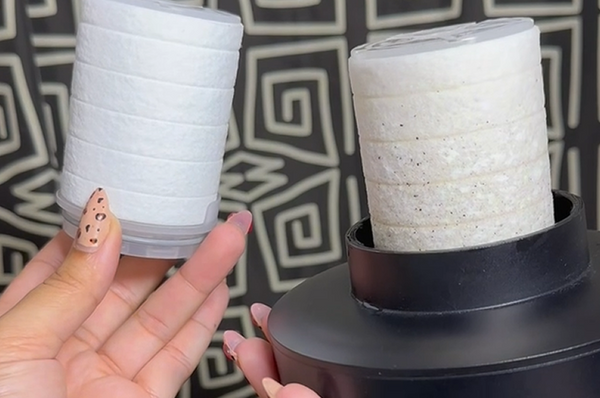
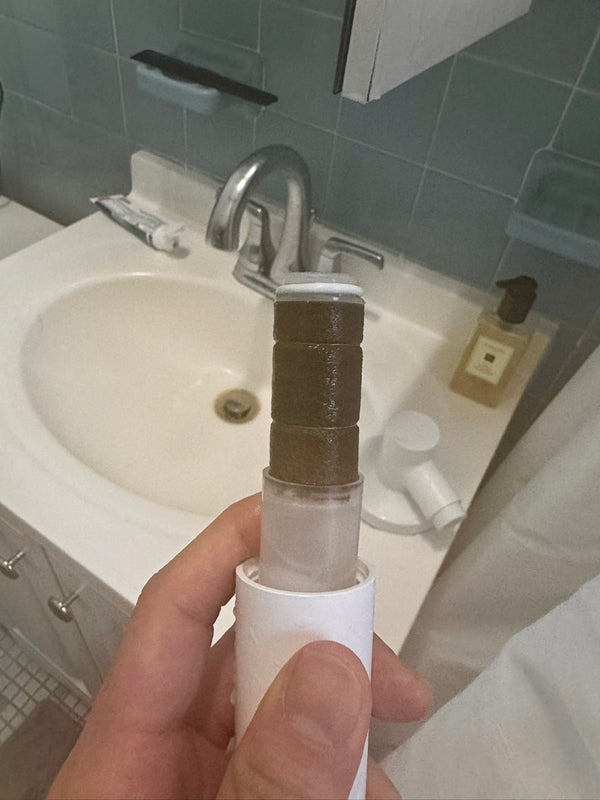
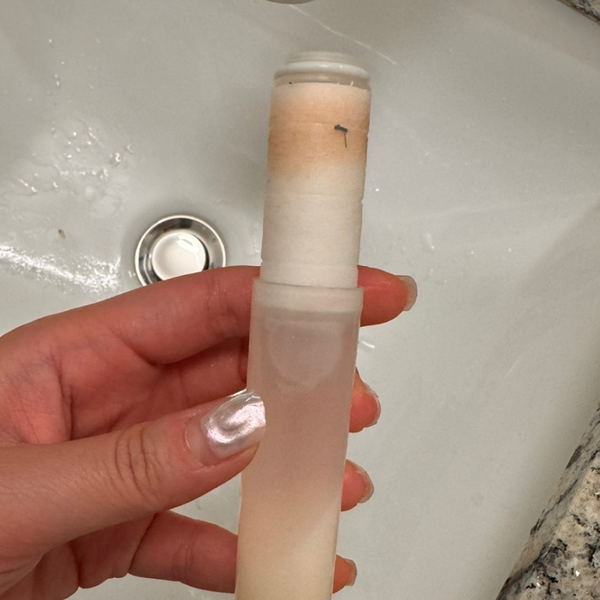
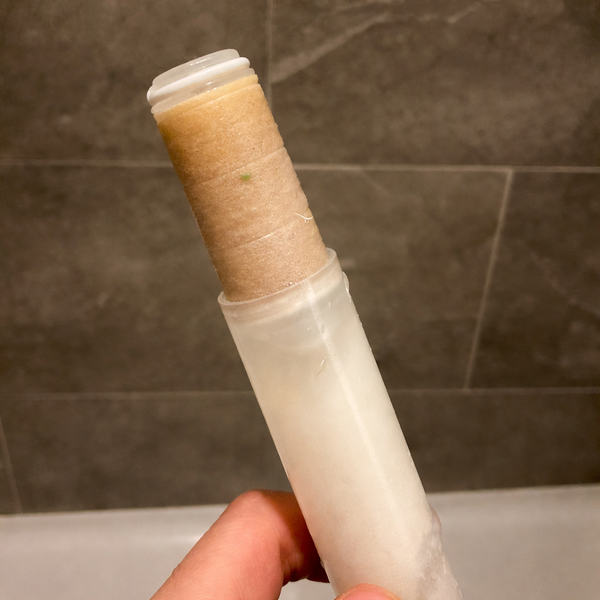
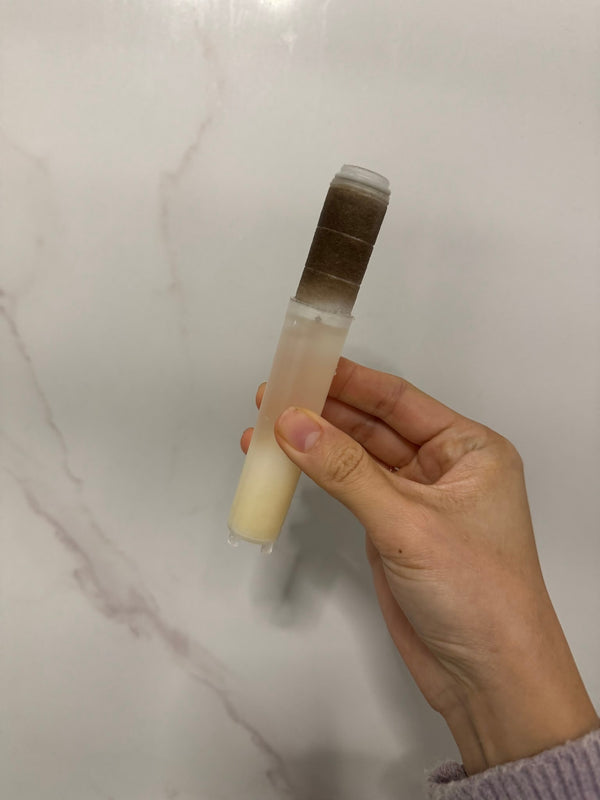
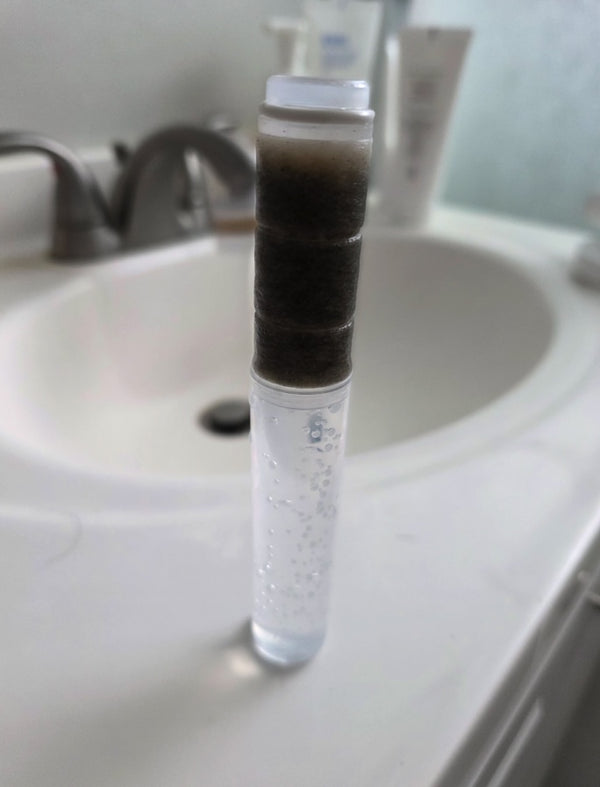
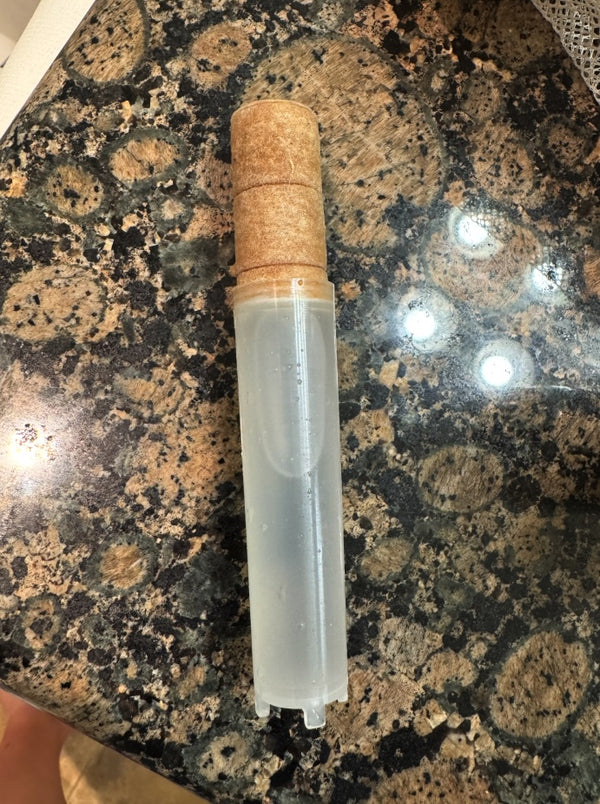
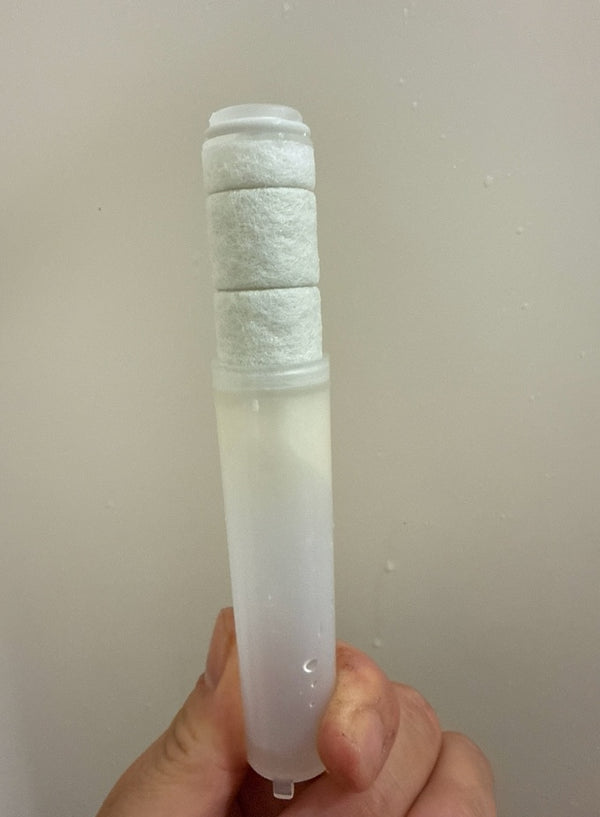
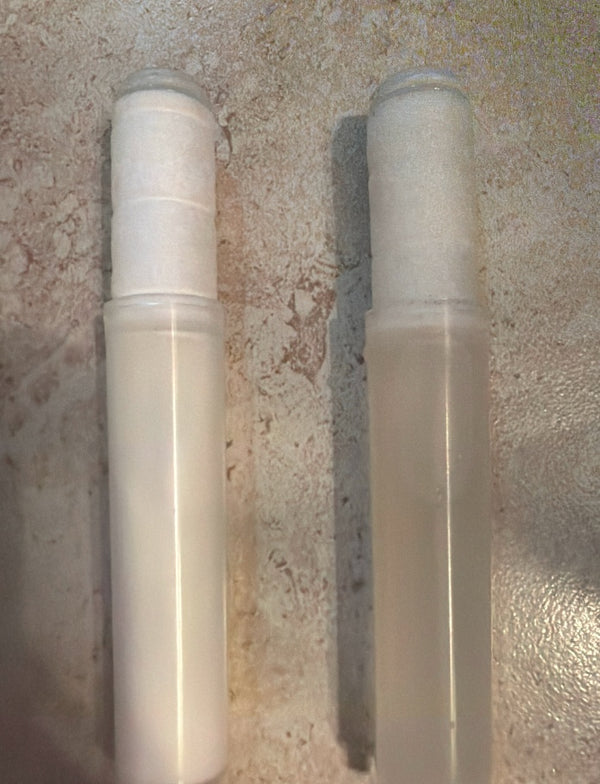
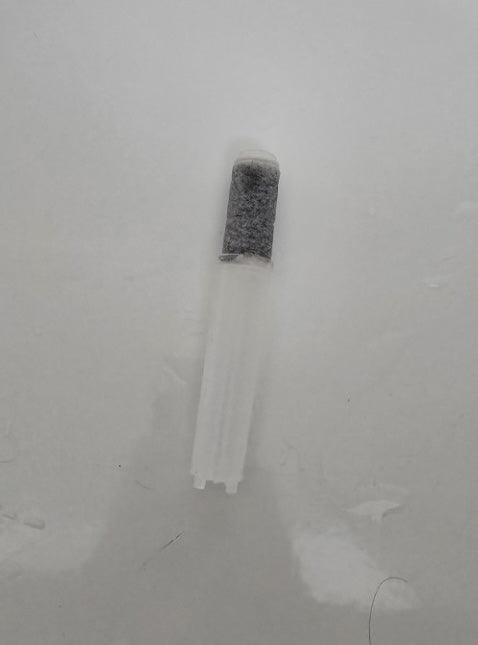
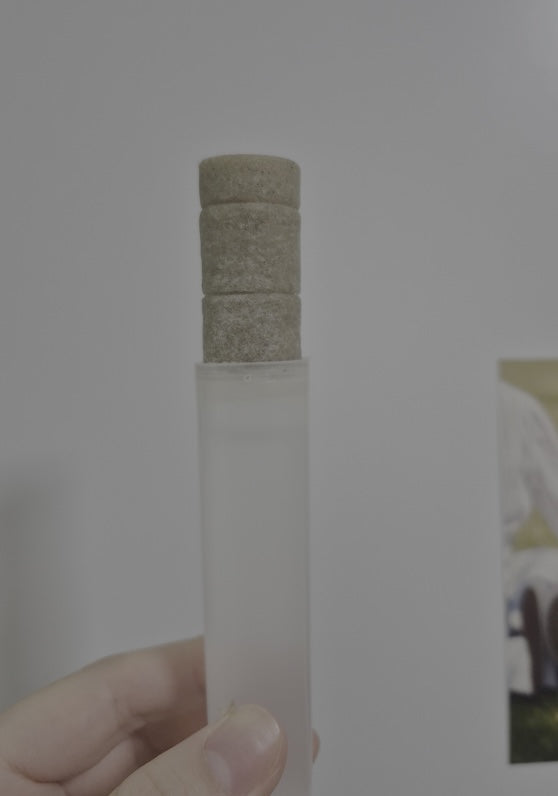
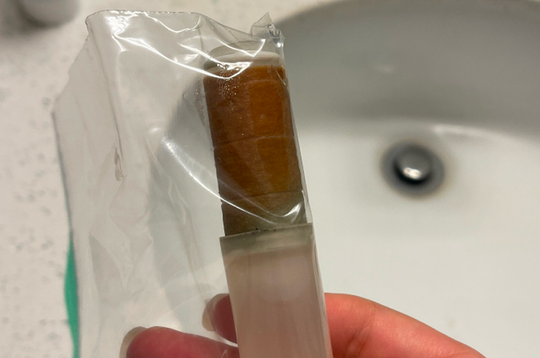
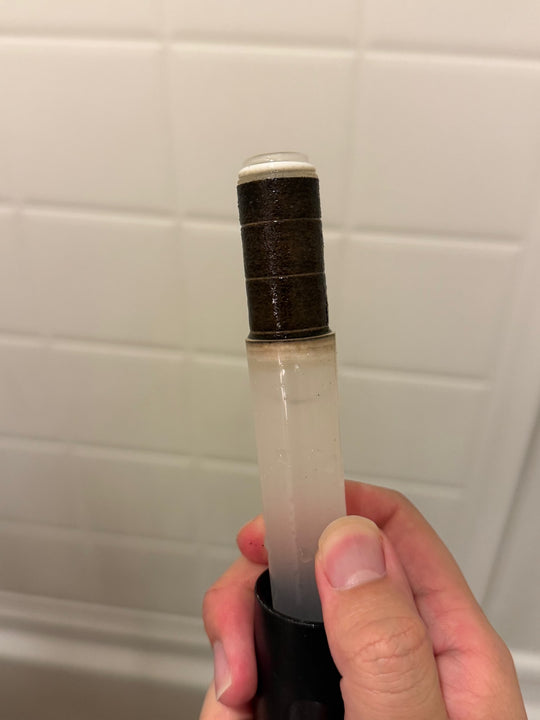
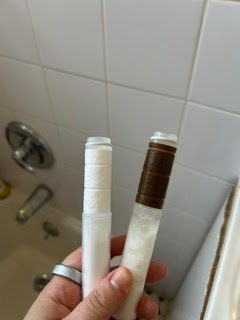
Plan on a new filter every 60 days, or sooner if it turns deep brown or black or the pressure drops noticeably. Replacement 2-packs are $36 on subscription. The color is not a chlorine reading, so go by the calendar.
*Micron PP sediment filter certified by NSF/ANSI 42 standards.
“The way the water comes out, it makes it feel very velvety. It's very nice.”
FAQ
Is Los Angeles tap water treated with chlorine or chloramine?
LADWP uses chloramine. Its water quality report records that it switched to it from chlorine, and it lists a disinfectant residual of 1.0 to 3.0 ppm. If your bill comes from another utility, check that utility's report.
Does Los Angeles have hard water?
Yes. LADWP's report lists hardness of 12 to 22 grains per gallon, which runs from hard to very hard on the USGS scale. A hardness test strip will give you your own reading in about a minute.
Will a shower filter fix hard water in LA?
No. Only an ion-exchange water softener removes calcium and magnesium. A shower filter like ours targets chlorine and chloramine, and an occasional chelating shampoo helps with mineral buildup in hair.
How do I test my shower water for chloramine?
Use a DPD test kit that reads total chlorine, since chloramine shows up as combined chlorine. A TDS meter cannot detect chlorine or chloramine.
Can my older LA apartment's water differ from the utility report?
It can. The report covers water delivered to your building, and old pipes and risers inside the building can add sediment or rust. A sediment pre-filter catches that kind of grit.