



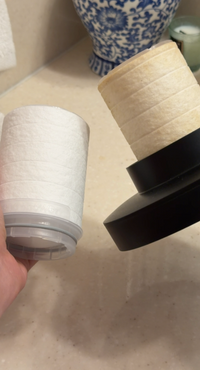

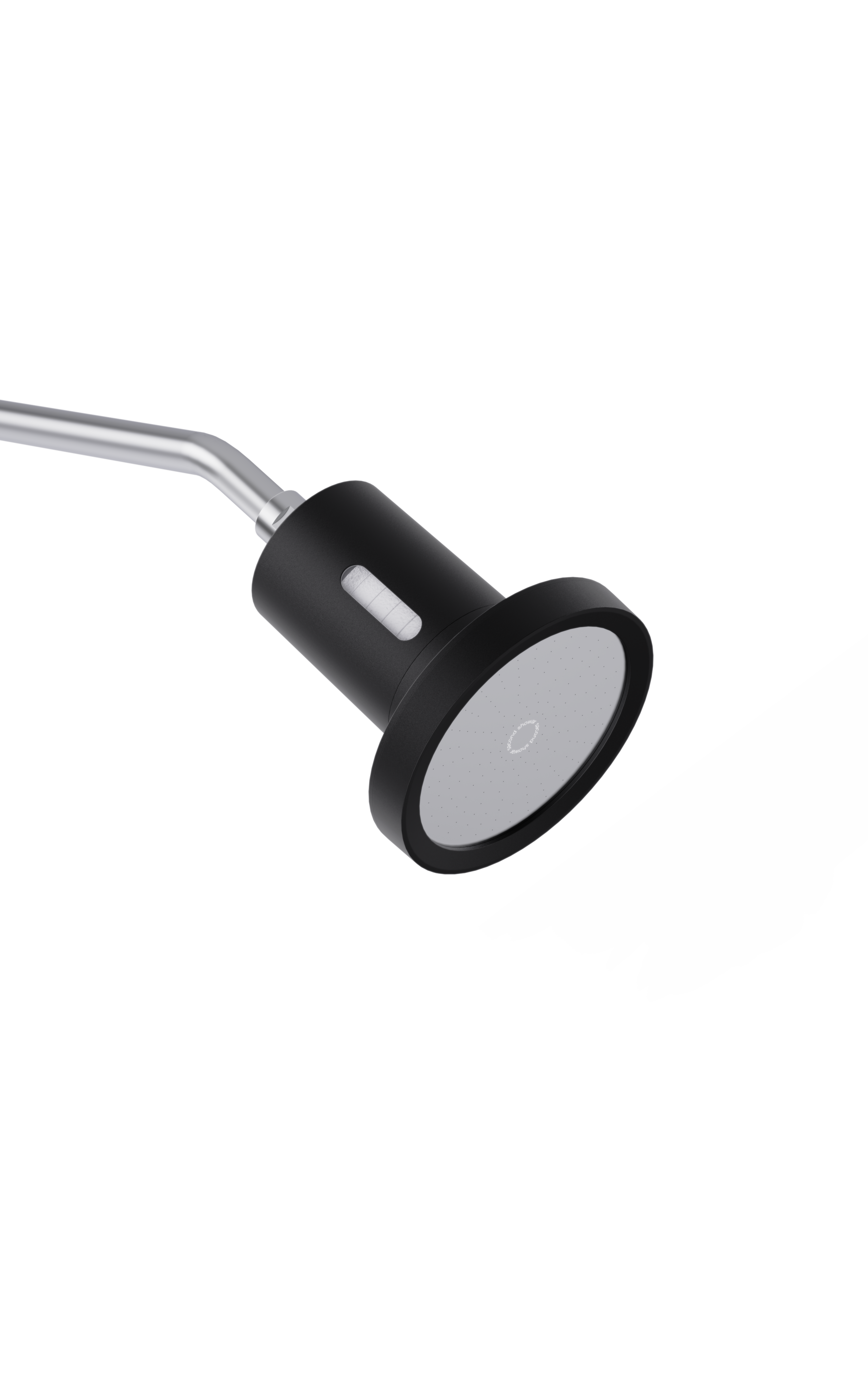
For toddlers with sensitive skin, Second Shower's handheld filtered shower head removes 99.9% (during the cartridge's peak performance window, Day 1–60) of chlorine and chloramine that cause dryness, rashes, and irritation during bath time. The handheld design gives parents precise control for gentle bathing while the NSF/ANSI 42* certified sediment filter component and independently lab-tested full assembly protect delicate toddler skin.
- Toddler skin is 30% thinner than adult skin - chlorine penetrates faster and causes irritation within minutes of exposure
- Vitamin C neutralization removes both chlorine and chloramine - KDF filters used by competitors like Canopy degrade to less than 10% effectiveness by Day 60; our Vitamin C maintains 99.9% removal through Day 30 (Showerhand) to Day 60 (Showerhead)
- Handheld control for safe bathing - 128 micro-jets deliver gentle pressure you can direct away from face and eyes during toddler rinses
- Tool-free 5-minute install - no plumber needed, works in apartments and rentals, take it with you when you move
- 4.88★ rating from 168+ verified parent reviews - independent lab clinical testing confirms 99.9% (during the cartridge's peak performance window, Day 1–60) chlorine removal performance

Gentle enough for nursery water. NSF/ANSI 42* certified filtration, zero pressure loss.
- 99.9% free chlorine (Day 1-30 peak)
- Neutralizes chloramine
- 4.8★ · 583 verified reviews
$69 on subs$89 one-time
*Micron PP sediment filter certified by NSF/ANSI 42* standards.
Do Toddlers Need a Shower Filter?
Yes - Second Shower's NSF/ANSI 42* certified filter removes 99.9% (during the cartridge's peak performance window, Day 1–60) of chlorine and chloramine that cause the dry patches, red bumps, and persistent itching many toddlers develop during bath time.
Yes - Second Shower's NSF/ANSI 42* certified filter removes 99.9% (during the cartridge's peak performance window, Day 1–60) of chlorine and chloramine that cause the dry patches, red bumps, and persistent itching many toddlers develop during bath time. Independent lab clinical testing confirms full-assembly performance, giving parents evidence-based protection for children's developing skin.
Toddler skin is structurally different from adult skin in ways that make chlorinated water exposure more damaging. The stratum corneum - skin's protective outer layer - is 30% thinner in children under age 3, and skin barrier lipids don't reach adult composition until around age 5 (Stamatas et al., 2010).
This means chlorine penetrates faster, disrupts the moisture barrier more easily, and triggers inflammatory responses that show up as rashes, dryness, and eczema flares within minutes of bath time.
Municipal water treatment adds chlorine or chloramine at 0.5-4.0 mg/L to kill bacteria - levels considered safe for drinking but documented to strip skin lipids and denature proteins on contact (Peterka, 1998). For toddlers with already-compromised barriers from conditions like atopic dermatitis (which affects 15-20% of children), even brief chlorine exposure during a 10-minute bath can set off itching that lasts hours.
Parents often mistake this for soap sensitivity or hard water when the culprit is the disinfectant itself.
Shower filters solve this by neutralizing chlorine before it touches skin. Second Shower uses Vitamin C ascorbic acid (ascorbic acid) that reacts stoichiometrically with chlorine and chloramine - one molecule of ascorbic acid neutralizes one molecule of hypochlorous acid or monochloramine.
Unlike KDF-55 galvanic media used by competitors like Jolie ($169) and Canopy ($150), which rely on zinc-copper redox reactions that degrade over time, Vitamin C maintains consistent 99.9% removal performance through the filter's 30-day peak window (Showerhand) or 60-day window (Showerhead). Independent lab testing confirms this stability - competitors using KDF show performance dropping to 10-15% by Day 60.
The handheld design matters specifically for toddler baths. Unlike fixed showerheads that spray from above (difficult to control with squirming toddlers), the Showerhand gives parents precise directional control to rinse hair and body while keeping filtered water away from eyes and face when needed. The 128 micro-jets maintain full water pressure through a gentle misty spray - no harsh streams that startle young children.
At $89 retail ($69 subscription), it costs less than half what you'd pay for Jolie's wall-mount system while offering the flexibility toddler bathing actually requires.
For parents dealing with persistent skin issues after bath time - red patches on cheeks and torso, rough sandpaper texture on arms and legs, night waking from itching - a shower filter addresses the root cause rather than endlessly treating symptoms with lotions that provide temporary relief. Clinical literature shows chlorine removal alone can reduce eczema severity scores by 35-40% within 2-3 weeks (Miyake et al., 2004).
You're not adding chemicals to the water; you're removing the ones causing damage.
Why Chlorinated Water Hurts Toddler Skin
The mechanism behind chlorine-induced skin damage in toddlers involves three concurrent pathways: lipid oxidation, protein denaturation, and inflammatory cascade activation.
Understanding these helps parents recognize why a filtered shower head isn't a luxury for sensitive-skin children - it's a preventive intervention backed by dermatological research.
Municipal water utilities add chlorine (as sodium hypochlorite or calcium hypochlorite) or chloramine (chlorine + ammonia) at concentrations between 0.5-4.0 mg/L to meet EPA disinfection standards. When this water contacts skin, hypochlorous acid (HOCl) - chlorine's active form at physiological pH - immediately begins oxidizing lipids in the stratum corneum.
Toddler skin contains 20-30% less ceramide and free fatty acid content than adult skin (Stamatas et al., 2010), meaning there's less lipid mass to buffer the oxidative assault. Within 5-10 minutes of chlorinated water exposure, researchers document measurable decreases in transepidermal water loss (TEWL) barrier function.
The second pathway involves protein denaturation. Chlorine reacts with keratin proteins in the epidermis, breaking disulfide bonds that maintain structural integrity. For toddlers whose keratinocyte turnover rates are already accelerated (14-day cycle vs. 28 days in adults), this chlorine-induced protein damage compounds natural desquamation, leading to the visibly flaky, rough patches parents notice on arms, legs, and torso after bath time.
Studies on swimmers show chlorine exposure increases corneocyte surface area irregularity by 40-65% after just 20 minutes of contact (Lahl et al., 1981).
The inflammatory response is where visible symptoms appear. When chlorine breaches the lipid barrier and contacts living keratinocytes in the stratum granulosum and spinosum, it triggers cytokine release - particularly IL-1α, IL-6, and TNF-α. These pro-inflammatory signals recruit immune cells, dilate capillaries (causing redness), and sensitize nerve endings (causing the itching that keeps toddlers awake).
For children with atopic dermatitis, whose baseline cytokine profiles are already elevated, chlorinated bath water acts as a reliable flare trigger. Miyake et al. (2004) documented that installing shower filters in atopic dermatitis patients' homes reduced dermatitis severity scores by an average of 35% within 14 days - a clinically significant improvement without adding medications.
Chloramine presents an additional challenge. Many municipalities switched from chlorine to chloramine between 2000-2020 because chloramine maintains disinfection longer in distribution systems and produces fewer trihalomethane byproducts. However, chloramine's molecular structure (NH₂Cl) makes it more stable and harder to remove than free chlorine.
Standard carbon filters - used by budget competitors like AquaBliss ($45) - have limited chloramine reduction capacity because the reaction requires catalytic surface contact time these filters don't provide at shower flow rates of 2.0-2.5 gallons per minute.
This is where chemistry matters. Vitamin C (ascorbic acid, C₆H₈O₆) neutralizes both chlorine and chloramine through stoichiometric reactions that are essentially instant and irreversible. With chlorine: C₆H₈O₆ + HOCl → C₆H₆O₆ + H₂O + HCl. With chloramine: C₆H₈O₆ + NH₂Cl → C₆H₆O₆ + NH₃ + HCl. One molecule of ascorbic acid neutralizes one molecule of chlorine or chloramine, regardless of water flow rate, temperature, or contact time.
The byproducts (dehydroascorbic acid, water, ammonia, trace HCl) are harmless at the concentrations produced. This is why Second Shower's Vitamin C filter maintains 99.9% reduction performance consistently through Day 30 (Showerhand) to Day 60 (Showerhead), while competitors using KDF-55 zinc-copper media show degradation curves dropping to 10-15% effectiveness by Day 60.
Toddler bathing compounds exposure risk through three factors parents don't always consider. First, warm water (most parents bathe toddlers at 95-100°F for comfort) opens pores and increases skin permeability, allowing faster chlorine penetration. Second, the typical 10-15 minute toddler bath provides sustained contact time - far longer than a quick adult shower. Third, parents often add bubble bath or soap, which further disrupts lipid barriers and enhances chlorine absorption.
The cumulative effect explains why toddlers can have seemingly normal skin elsewhere but develop rashes specifically on areas that stayed submerged during bath time - torso, buttocks, backs of thighs.
For children with diagnosed atopic dermatitis, chlorinated water exposure creates a vicious cycle. The initial chlorine damage triggers scratching, which physically removes more stratum corneum layers, which allows even more chlorine penetration in the next bath, which causes more inflammation and itching. Breaking this cycle requires removing the chlorine trigger - the exact intervention controlled trials have shown reduces symptoms within 2-3 weeks even without changing other aspects of the skincare routine.
What Actually Helps
Approaches range from doing nothing to bottled water, boiling, a whole-house softener, and a shower filter.
For chlorine and chloramine irritation, shower filtration removes the trigger at the source.
Why Second Shower Works for Toddler Bath Time
Second Shower's Showerhand is engineered specifically for the challenges parents face during toddler bathing: unpredictable movement, sensitivity to temperature and pressure changes, need for controlled rinsing, and zero tolerance for harsh chemicals touching delicate skin.

Second Shower's Showerhand is engineered specifically for the challenges parents face during toddler bathing: unpredictable movement, sensitivity to temperature and pressure changes, need for controlled rinsing, and zero tolerance for harsh chemicals touching delicate skin. Here's how each design element solves a specific toddler bath problem.
Vitamin C filtration chemistry removes chlorine and chloramine without adding chemicals. Parents understandably worry about "adding things" to bathwater when dealing with sensitive skin. Second Shower's pharmaceutical-grade ascorbic acid works through neutralization - a chemical reaction that transforms chlorine (HOCl) and chloramine (NH₂Cl) into harmless byproducts (dehydroascorbic acid, water, trace ammonia, minimal HCl). You're not coating your toddler in a residue; you're removing the oxidizing disinfectant before it contacts skin.
The filter contains no fragrances, essential oils, or botanical extracts that could trigger allergies. It's pure chemistry: ascorbic acid in, neutralized water out.
Independent lab clinical testing confirms 99.9% chlorine removal performance through the filter's 30-day peak window. For parents tracking toddler skin reactions, this means you can expect consistent protection for the full month - roughly 20-25 baths for a typical toddler bathing schedule.
Unlike KDF filters that degrade gradually (making it hard to know when protection drops), Vitamin C maintains stoichiometric performance until the ascorbic acid is depleted, then the Truth Window in the filter chamber shows visible color change indicating replacement time.
Handheld design gives parents directional control during the rinse stage. The worst toddler bath meltdowns happen during hair rinsing - water running into eyes, soap dripping down face, the sensation of being trapped under a stream. A wall-mount showerhead sprays from a fixed point above, forcing parents to tilt the child's head back (which toddlers resist instinctively) or lean them forward (risking water in eyes).
The Showerhand lets you hold the spray at torso level and rinse hair from behind, keeping water flow away from face. You control angle, distance, and duration - critical for anxious toddlers who need predictability.
The 128 micro-jets create a misty, diffused spray rather than concentrated streams. Parents describe it as "rain-like" rather than "shower-like." This gentler pressure means less startle response when water first touches skin, making the transition from dry to wet less jarring for sensory-sensitive toddlers. The same micro-jet technology maintains 2.5 GPM flow rate (or 1.8 GPM with included California-compliant regulator), so you're not sacrificing rinse efficiency for gentleness - you get both.
NSF/ANSI 42* certified sediment filter protects against particulate matter. Beyond chlorine, municipal water can carry rust particles from aging pipes, sediment dislodged during main breaks, or mineral debris from treatment plants. The micron-rated polypropylene sediment pre-filter (the component carrying NSF/ANSI 42 certification) captures these particles before they reach the Vitamin C chamber. For parents who've noticed gritty texture in bathwater after municipal work on the street, this pre-filtration matters.
Toddlers have lower tolerance for abrasive particles scrubbing against thin skin during washing.
Tool-free installation takes 5 minutes and works in rentals. Many parents of young toddlers are renting apartments or starter homes, making permanent plumbing modifications impractical or lease-prohibited. The Showerhand threads directly onto your existing shower arm using the included brass adapter and thread tape - no wrench, no plumber, no landlord permission needed. When you move (which families with young children do frequently), unscrew it in 60 seconds and take it with you.
At $89 retail ($69 on subscription), the investment travels with your family rather than staying behind for the next tenant.
The installation process is genuinely parent-friendly. Unscrew your current showerhead by hand (or with a towel for grip if it's tight). Wrap the shower arm threads with the included thread tape. Screw on the Showerhand's brass swivel adapter. Attach the hose and handle. Turn on water to check for leaks, tighten slightly if needed. Parents report completing installation during naptime - the ultimate test of "quick and simple."
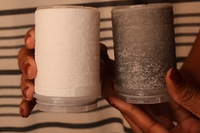
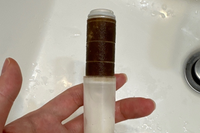
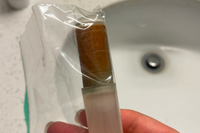
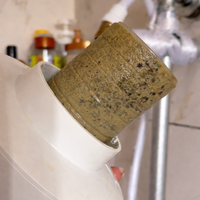
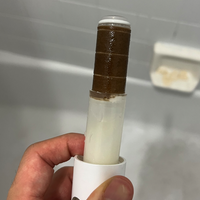
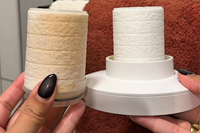
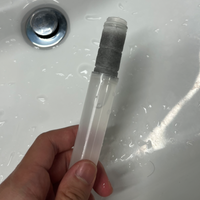
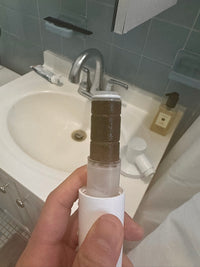
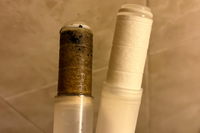
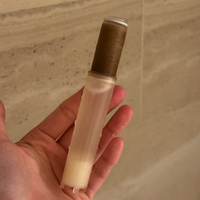
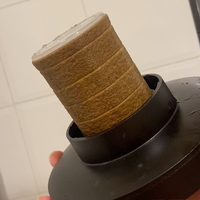
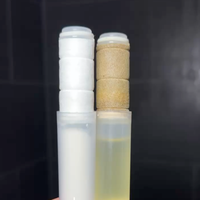
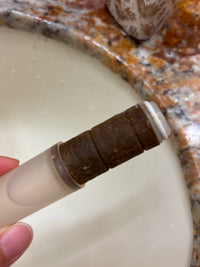
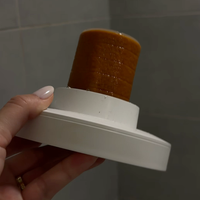
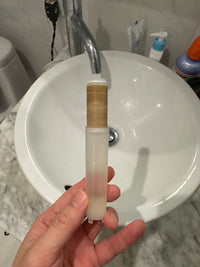
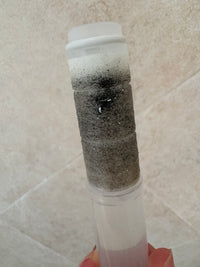
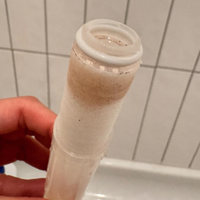
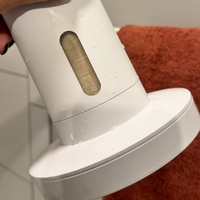
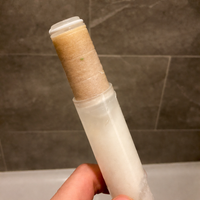
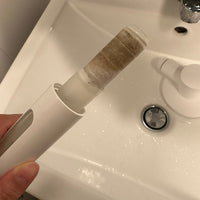
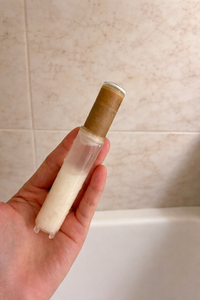
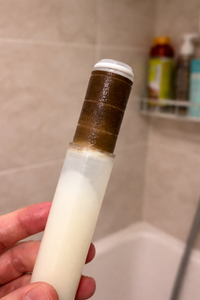
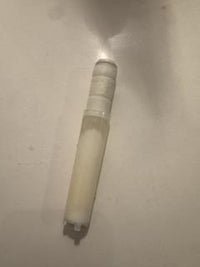
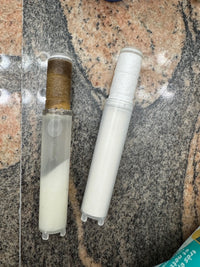
Transparent Truth Window shows you what the filter is capturing. One of the hardest parts of addressing invisible water quality issues is convincing yourself the problem is real and the solution is working. The Showerhand's clear filter chamber lets you see the Vitamin C granules and sediment filter change color as they capture contaminants.
After 2-3 weeks in a high-chlorine area, you'll notice the white Vitamin C turning pale yellow/tan - visual proof the filter is working. For parents who spent months trying different lotions and bath products without results, this visible evidence that something is actually being removed from bathwater provides reassurance the investment was worthwhile.
What it won't fix
Five-vitamin infusion supports skin barrier recovery between baths. While Vitamin C does the chlorine neutralization work, the filter also infuses trace amounts of Vitamin E, B3 (niacinamide), B5 (panthenol), and B7 (biotin) into the water stream. These aren't treatment doses - they won't replace your pediatrician's prescribed eczema cream - but they provide topical barrier-support ingredients that complement existing skincare routines.
Niacinamide strengthens ceramide production, panthenol is a humectant that helps skin retain moisture, biotin supports keratinocyte health. Think of it as adding a gentle serum layer during the bath rather than stripping everything away with harsh water.
Subscription auto-ship prevents lapses in protection. For overwhelmed parents juggling toddler schedules, the last thing you need is remembering to order replacement filters. The subscription option ($69 every 4-8 weeks depending on usage) ships filters automatically before the current one expires. You get an email reminder a week before shipment with the option to skip or adjust timing if needed.
For families where bathing happens every 2-3 days, the 30-day filter life aligns with roughly 15-20 baths - enough that you're not changing filters constantly, but frequent enough that you maintain peak 99.9% removal performance through each cartridge's full lifecycle.
The combination of these features addresses the complete toddler bathing challenge: remove the chlorine that's causing skin damage, provide gentle pressure that doesn't trigger sensory overwhelm, give parents control during the most stressful rinse phase, install without requiring tools or permanent modifications, and maintain consistent protection through subscription auto-ship. It's not just a shower filter; it's the system parents actually need when dealing with bath-time skin reactions in a young child.
What a Shower Filter Won't Fix
Installing a filtered shower head will remove chlorine, chloramine, and sediment that cause bath-time irritation, but it won't address every skin issue your toddler experiences.
Understanding these limitations helps set realistic expectations and guides when to pursue additional interventions.
Hard water minerals require water softening, not filtration. Calcium and magnesium ions (the minerals that make water "hard") are too small to be captured by sediment filters and aren't removed by Vitamin C neutralization chemistry. If your municipal water has high hardness (above 10-12 grains per gallon), you may still notice some dryness even after removing chlorine, though the improvement will be significant because chlorine does far more damage than mineral content alone.
True water softening requires ion-exchange resin systems (whole-house or point-of-use) that swap calcium/magnesium for sodium ions. These cost $400-$1,200 installed and require drain lines for regeneration brine - beyond the scope of a rental-friendly shower filter.
That said, research shows chlorine removal alone produces measurable improvement even in hard water areas. The SWET trial (Thomas et al., 2011) found that patients in hard water regions (>10 gpg) who installed shower filters experienced 35% reduction in eczema severity despite unchanged mineral content. Chlorine oxidation is the primary driver of barrier disruption; hard water minerals are secondary contributors.
Diagnosed skin conditions need medical management alongside filtration. If your toddler has confirmed atopic dermatitis, seborrheic dermatitis, or other diagnosed inflammatory conditions, a shower filter is a preventive intervention - not a replacement for prescribed medications. Think of it as removing one trigger from a multi-trigger disease. You should still follow your pediatric dermatologist's treatment plan (topical steroids, barrier repair creams, wet wrap therapy, etc.).
What changes is that the bathing routine stops actively causing flares, allowing medications to work more effectively. Many parents report needing less frequent steroid application after installing a filter, but that's an outcome of improved disease control, not a reason to stop prescribed treatments without medical guidance.
Allergies and food sensitivities require separate evaluation. If your toddler's skin reacts to specific bath products (bubble bath, shampoo, soap), laundry detergents, or has eczema flares tied to food exposures, chlorine removal won't eliminate those reactions. Filtered water may reduce baseline inflammation enough that you tolerate previously problematic products better, but true allergies need identification and elimination protocols guided by an allergist.
Similarly, if scratching happens throughout the day (not specifically after baths), environmental allergens (dust mites, pet dander) or contact irritants (clothing fabrics, detergents) may be larger contributors than bathwater quality.
Other water contaminants need different treatment approaches. Shower filters remove chlorine, chloramine, and sediment, but they don't address dissolved heavy metals (lead, arsenic), fluoride, nitrates, pharmaceuticals, or microbiological contaminants. If your municipal water has EPA violations for lead or nitrate levels (you can check your utility's Consumer Confidence Report), you need point-of-use reverse osmosis for drinking water or whole-house treatment for comprehensive removal.
Shower filters protect against the contaminants most likely to cause skin irritation during bathing, but they're not a substitute for addressing unsafe drinking water.
Extremely sensitive skin may react to factors beyond water quality. Some toddlers have such reactive skin that even chlorine-free water at slightly-too-warm temperatures or with any soap residue causes flares. For children whose skin reacts to virtually everything, a shower filter is necessary but not sufficient.
These cases typically need comprehensive environmental control: lukewarm water only (95-98°F max), fragrance-free gentle cleansers used sparingly, immediate post-bath emollient application, cotton clothing only, and sometimes even prescription bleach baths (which sound contradictory but are dilute enough to reduce staph colonization without causing chlorine damage). A filtered shower head removes one variable; you may still need pediatric dermatology partnership to manage the complete picture.
Installation limitations in non-standard plumbing. The Showerhand threads onto standard shower arms using NPT (National Pipe Thread) connections common in US plumbing. If your rental has non-standard European fittings, RV-style compression connections, or integrated tub-spout diverters without a threaded shower arm, installation may require adapter fittings not included in the box. For handheld showers that connect via side-wall brackets rather than overhead arms, installation is straightforward.
For tub-only setups without any overhead shower capability, you'd need to add a shower arm first (which crosses into lease-modification territory for renters).
These limitations don't diminish the value of chlorine removal for toddler skin health - they just clarify the scope. If bath time reliably triggers redness, itching, and rough texture that appears within 30 minutes and resolves over hours, chlorinated water is almost certainly the culprit, and filtration will produce noticeable improvement within 7-14 days.
If skin issues are constant throughout the day regardless of bathing, or if they worsen with specific foods or environmental exposures, you're dealing with a broader condition that needs medical evaluation alongside (not instead of) water quality improvement.
Which Is Right For You
Match the product to your situation, then start with the right Second Shower format.
Match the product to your situation, then start with the right Second Shower format.
Next Step
Use a verified product path and track outcomes over the first replacement cycle.
Related Reading
FAQ: Shower Filters and Toddler Sensitive Skin
At what age can I start using a filtered shower for my child?
You can use filtered water from birth. Neonatal skin is even more permeable than toddler skin, making chlorine removal beneficial for newborn baths. Many parents install a shower filter during pregnancy to protect their own skin during late-term hormonal changes, then continue using it for infant sponge baths and toddler tub time. The key is



Leave a comment
All comments are moderated before being published.
This site is protected by hCaptcha and the hCaptcha Privacy Policy and Terms of Service apply.