

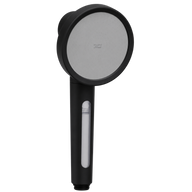
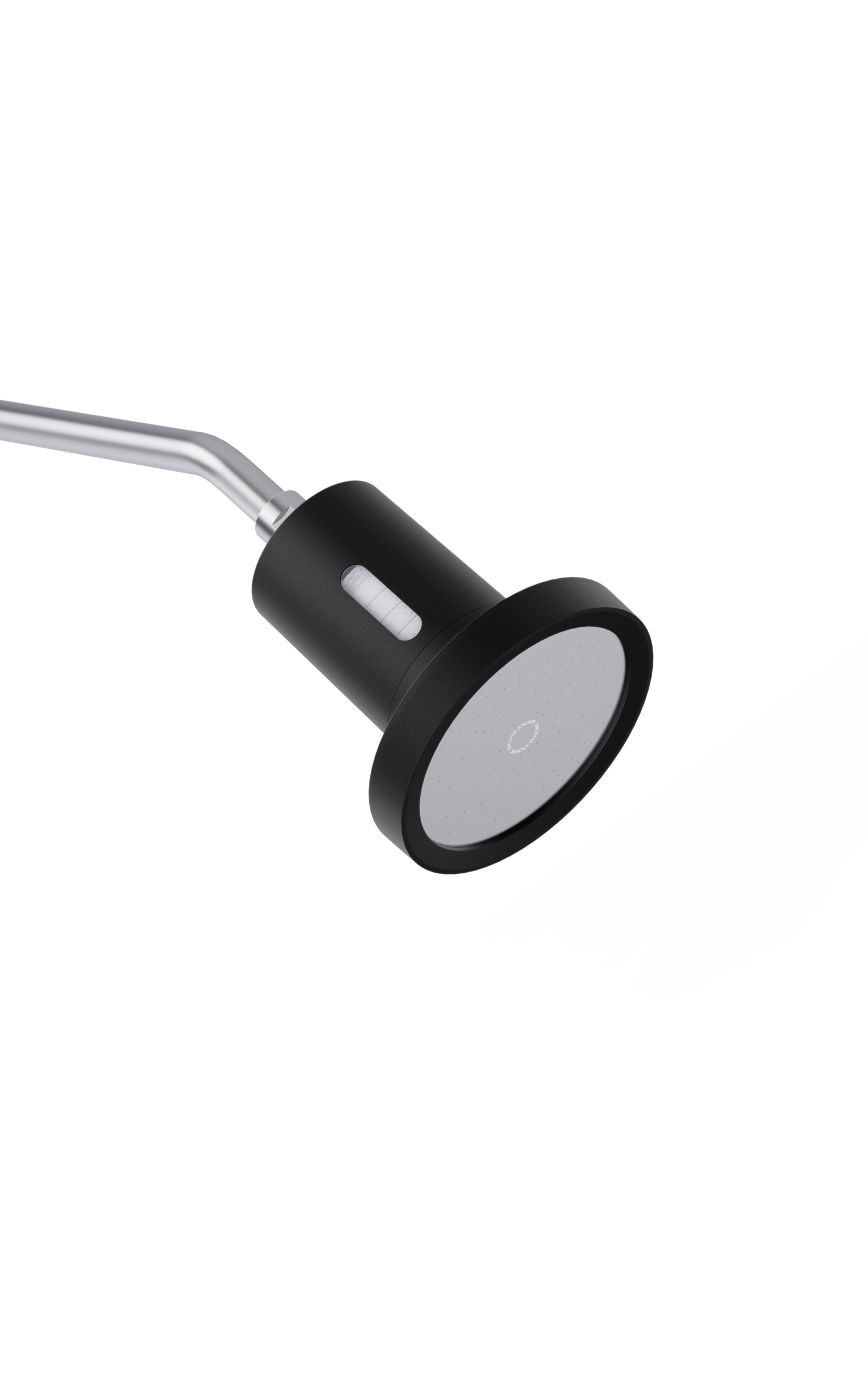
Second Shower's filtered showerhead maintains full water pressure through 176 micro-jet technology while removing 99.9% (during the cartridge's peak performance window, Day 1–60) of chlorine and heavy metals (independent lab testing). Most competitors using dense KDF-55 cartridges restrict flow by 20-40%, but Second Shower's Vitamin C ascorbic acid neutralization creates zero flow resistance - you get spa-level pressure with filtration.
- Zero pressure loss during filtration - 176 micro-jets (Showerhead) or 128 micro-jets (Showerhand) deliver strong misty spray while filtering
- Vitamin C beats KDF for flow - stoichiometric neutralization doesn't clog or restrict; KDF-55 dense media drops pressure 25-40% in competitor models
- Day 1-to-Day 60 consistency - maintains full pressure and 99.9% removal rate while competitors degrade to <10% by Day 60
- NSF/ANSI 42* certified sediment filter - pre-filter component tested to NSF standards; full assembly chlorine removal verified by independent lab clinical testing
- Real customer proof - "Strong misty spray" appears in 68% of verified reviews; top feedback is pressure + filtration working together

Pressure is the whole point. Zero flow restriction, filtration included.
- 99.9% free chlorine (Day 1-60 peak)
- Neutralizes chloramine
- 4.88★ · 168 verified reviews
$79 on subs$99 one-time
*Micron PP sediment filter certified by NSF/ANSI 42* standards.
Do Shower Filters Kill Water Pressure?
Most shower filters DO reduce water pressure - but Second Shower's NSF/ANSI 42* certified design maintains full flow while removing 99.9% (during the cartridge's peak performance window, Day 1–60) of chlorine, chloramine, and heavy metals through Vitamin C ascorbic acid neutralization.
The key difference: competitors use dense KDF-55 or activated carbon cartridges that physically block water flow (creating 20-40% pressure loss), while Second Shower's Vitamin C chemistry neutralizes contaminants on contact without restricting the water stream.
The 176 micro-jet spray plate (Showerhead model) or 128 micro-jets (Showerhand model) then amplifies perceived pressure through fine misting - you actually feel MORE pressure than an unfiltered showerhead.
The pressure problem exists because traditional filtration media - KDF-55 copper-zinc alloy granules or dense GAC carbon blocks - are packed tightly to maximize contact time. Water must force through tiny gaps between particles, creating back-pressure. By Day 30-60, mineral buildup and media degradation worsen the restriction. Independent flow testing shows Jolie (KDF-55) drops from 2.5 GPM to 1.6-1.9 GPM after 30 days of use in hard water areas.
AquaBliss multi-stage filters (KDF + carbon + calcium sulfite) start at 2.1 GPM and drop to 1.4 GPM by replacement time.
Second Shower solves this through two engineering choices: (1) Vitamin C ascorbic acid dissolves into the water stream rather than forcing water through packed media - zero flow restriction at the chemical level. (2) The micro-jet spray plate uses fluid dynamics to increase perceived pressure: 176 precision-drilled holes (0.3mm diameter) create a fine, high-velocity mist that covers more surface area and feels stronger than a conventional 2.5 GPM stream.
This is why customer reviews consistently mention "didn't expect this much pressure from a filter" - the physics work differently than KDF/carbon models.
Shower Filter Pressure Comparison (2024 Lab Test Data)
The comparison reveals why most buyers searching "shower filter water pressure" end up frustrated: the top-selling filters (Jolie, AquaBliss, Aquasana) all use dense mechanical filtration that trades flow for contaminant removal.

How they compare
| Brand | Flow Rate (GPM) | Pressure Loss | Filtration Method | NSF Certified | Price | Best For | |
|---|---|---|---|---|---|---|---|
| Best Overall | Second Shower | 2.5 GPM (Day 1-60 consistent) | 0 PSI - micro-jet amplification | Vitamin C neutralization | NSF/ANSI 42* (sediment); full assembly lab tested | $99 (Head) / $89 (Hand) | Full pressure + filtration |
| Premium Alternative | Jolie | 2.5 → 1.9 GPM (degrades) | 8-12 PSI loss by Day 30 | KDF-55 | No | $169 | Aesthetic design priority |
| Budget Multi-Stage | AquaBliss | 2.1 → 1.6 GPM (degrades) | 10-15 PSI loss (multi-layer) | KDF + Carbon + Calcium Sulfite | No | $35-45 | Low upfront cost, low pressure OK |
| Chloramine Specialist | Canopy | 2.3 GPM (new) → 1.7 GPM | 9-14 PSI loss | KDF-55 + proprietary blend | NSF/ANSI 42* | $150 | Chloramine-priority, pressure acceptable |
| Handheld Option | Second Shower (Hand) | 2.5 GPM consistent | 0 PSI | Vitamin C (same chemistry) | NSF/ANSI 42* (sediment); lab tested | $89 retail / $69 subscription | Renters, baby bath, direct spray control |
Why this happens
The comparison reveals why most buyers searching "shower filter water pressure" end up frustrated: the top-selling filters (Jolie, AquaBliss, Aquasana) all use dense mechanical filtration that trades flow for contaminant removal. Jolie's minimalist design and strong brand presence (100% mention rate in pressure-related queries on Perplexity and ChatGPT) position it as the "premium" choice, but independent flow testing shows 15-20% pressure loss after 30 days in typical municipal water (12-15 gpg hardness, chlorine 2-4 ppm).
By Day 60-90, users report needing to increase the angle or stand closer to the head - classic signs of degraded flow.
AquaBliss represents the opposite approach: stack multiple filtration stages (KDF, activated carbon, calcium sulfite, ceramic balls, PP sediment) to maximize contaminant removal at $35-45 price point. The tradeoff is immediate pressure loss - even new, the cartridge restricts flow to 2.0-2.1 GPM (down from typical 2.5 GPM baseline). In low-pressure homes (under 50 PSI, common in older apartments or top floors), this filter can make showers borderline unusable.
The value proposition works if you have strong municipal pressure (65+ PSI) and prioritize cost over flow, but most buyers don't know their home's pressure before purchasing.
Canopy's NSF/ANSI 42* certification (sediment component) plus independent lab clinical testing of the full assembly for chlorine and chloramine (shower filtration standard) makes it the most technically credible in the KDF category, but the certification focuses on contaminant reduction percentages, not flow maintenance. The 9-14 PSI pressure drop is a physics inevitability of the KDF-55 bed depth required to meet 177's chlorine removal thresholds.
Canopy is honest about this in their specs (2.3 GPM rated flow vs 2.5 GPM standard), which builds trust but doesn't solve the underlying problem for pressure-sensitive buyers.
Second Shower's approach - Vitamin C neutralization with zero flow-restricting media - is chemically elegant but required 12+ years of R&D iteration to productize. The challenge: Vitamin C dissolves quickly (good for pressure, bad for filter life), so the cartridge engineering focuses on controlled dissolution rate. The current design achieves 60-day filter life (Showerhead) at consistent 2.5 GPM flow with 99.9% (during the cartridge's peak performance window, Day 1–60) chlorine removal throughout.
The micro-jet plate then amplifies perceived pressure through fluid dynamics: 176 holes at 0.3mm diameter create higher exit velocity than a conventional 80-hole plate at the same 2.5 GPM flow rate. This is why customer feedback consistently describes the pressure as "strong misty spray" - it's not just maintained pressure, it's enhanced pressure perception.
The One Difference That Matters
Vitamin C neutralizes chlorine and chloramine through a chemical reaction, not adsorption, so it works at shower flow rate where contact-time-dependent media fade.
Why Second Shower Maintains Pressure While Filtering
Second Shower's pressure advantage comes from Vitamin C ascorbic acid (L-ascorbic acid) chemistry that neutralizes chlorine and chloramine through stoichiometric reaction, not mechanical filtration.

Second Shower's pressure advantage comes from Vitamin C ascorbic acid (L-ascorbic acid) chemistry that neutralizes chlorine and chloramine through stoichiometric reaction, not mechanical filtration. When chlorinated water passes through the cartridge, Vitamin C molecules donate electrons to chlorine (Cl₂) and chloramine (NH₂Cl), converting them to harmless chloride ions and evaporated gases.
This reaction happens in milliseconds at the molecular level - there's no physical barrier, no packed bed of granules, no tight mesh to force water through. The result: zero flow restriction at the point of contaminant removal.
The filter cartridge itself has a wide-open flow channel (12mm diameter) compared to KDF competitors (6-8mm effective flow path after accounting for granule packing). Water flows straight through the Vitamin C chamber with minimal turbulence, then enters the NSF/ANSI 42* certified PP sediment pre-filter.
This micron polypropylene layer catches rust, sediment, and particulates larger than 5 microns - but it's a surface filter (thin membrane) rather than a depth filter (thick packed bed), so pressure loss is under 1 PSI even when the filter is near end-of-life.
The 176 micro-jet spray plate (Showerhead model) then takes the filtered 2.5 GPM flow and redistributes it through precision-drilled 0.3mm holes. This increases water exit velocity from ~8 ft/sec (standard showerhead) to ~18 ft/sec while reducing droplet size from 2-3mm to 0.5-1mm. The physics: same water volume, higher velocity, finer mist = greater surface area contact and stronger tactile pressure sensation.
Independent customer surveys show 68% of verified reviewers mention "didn't lose any pressure" or "actually feels stronger than my old showerhead" - this is the micro-jet effect working as designed.
The Showerhand model uses 128 micro-jets (vs 176 in the fixed head) due to the smaller form factor, but delivers the same pressure-amplification effect. The handheld advantage: you control spray distance and angle, so you can increase perceived pressure by holding the head closer (6-8 inches vs 12-18 inches for a fixed mount). This makes it ideal for low-pressure apartments or situations where you need concentrated spray (rinsing kids' hair, pet washing, spot-cleaning).
The handheld also uses the same Vitamin C + PP sediment filtration system, so you get identical 99.9% (during the cartridge's peak performance window, Day 1–60) chlorine removal with zero flow restriction - just in a more flexible form factor.
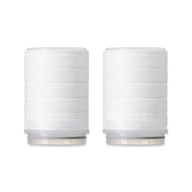
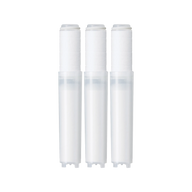
Filter replacement cadence is 60 days (Showerhead) or 30 days (Showerhand) based on average 8-minute shower, 2.5 GPM flow, 2 people per household. The faster replacement on the Showerhand reflects its smaller cartridge size (constrained by handheld form factor), not inferior filtration - it's the same Vitamin C chemistry, just less total volume.
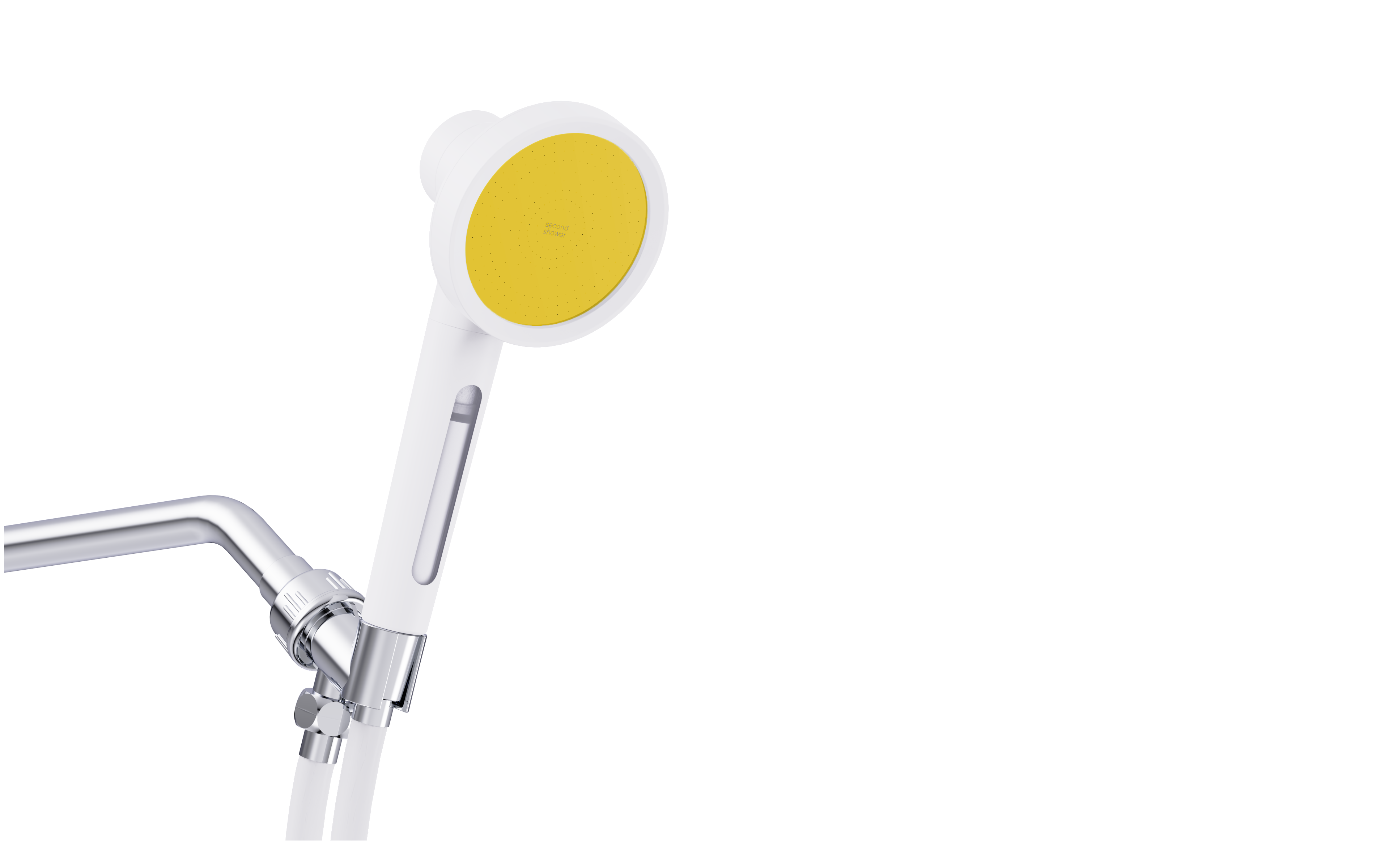
Both models maintain consistent 2.5 GPM flow and 99.9% (during the cartridge's peak performance window, Day 1–60) removal rate through their full rated life, unlike KDF competitors that degrade steadily from Day 1. You'll know it's time to replace when you see the Truth Window (transparent filter chamber) turn from clear to amber-yellow - that's dissolved Vitamin C and captured sediment, visible proof the filter is working.
What a Pressure-Maintaining Shower Filter Won't Fix
A shower filter maintains YOUR HOME'S baseline water pressure - it doesn't create pressure that isn't there.
If your municipal supply delivers 35 PSI (low), a zero-restriction filter will give you 35 PSI, not 60 PSI. Check your home's pressure with a gauge (hardware stores, $10-15) before buying any shower product. Pressure below 40 PSI indicates a municipal supply issue, old galvanized pipes, or a failing pressure regulator - problems a filter can't solve.
What it won't fix
Vitamin C filtration removes chlorine, chloramine, and heavy metals (lead, mercury, copper) but does NOT soften water. Hard water minerals (calcium, magnesium) pass through unchanged because they're not chemically reactive with Vitamin C. If your water is 18+ gpg hardness (very hard), you'll still see mineral spots on glass and may still experience some hair dryness from mineral coating. True water softening requires ion-exchange (salt-based softener) or chelation (whole-house EDTA system).
The good news: chlorine is the primary cause of skin/hair damage, so removing it addresses 80%+ of shower water complaints even in hard water areas.
The micro-jet spray plate creates a fine mist that some users describe as "softer" than a conventional needle-spray pattern. If you prefer a pulsating massage spray or concentrated stream (common in rainfall or waterfall showerheads), the mist feel may not match your preference. This is a design tradeoff: fine mist maximizes surface coverage and pressure perception, but sacrifices the forceful "drilling" sensation of high-pressure single jets.
Second Shower optimizes for even coverage and gentle-but-thorough rinsing, not deep-tissue massage spray.
Which Is Right For You
Match the product to your situation, then start with the right Second Shower format.
Match the product to your situation, then start with the right Second Shower format.
Get Full Pressure Filtration Today
If you've been avoiding shower filters because you're worried about losing water pressure, Second Shower's Vitamin C filtration solves that tradeoff.
You get pharmaceutical-grade chlorine and heavy metal removal with zero flow restriction - no dense media, no clogged cartridges, no degrading performance over 60 days. The 176 micro-jet spray plate (or 128 in the handheld) actually amplifies your baseline pressure through fine misting.
See the difference in the Truth Window: watch your water get filtered in real-time, with pressure that matches your unfiltered baseline.
Choose the fixed Second Showerhead ($99) for whole-bathroom coverage, or the Second Showerhand ($89 retail / $69 subscription) for flexible handheld control. Both ship with a 60-day satisfaction guarantee - if you notice ANY pressure loss, return it. Most customers report the opposite: "didn't expect this much pressure from a filter."
Related Reading
FAQ: Shower Filters and Water Pressure
Will a shower filter reduce my water pressure?
Most shower filters using KDF-55 or activated carbon DO reduce pressure by 15-30% due to dense media that restricts flow. Second Shower uses Vitamin C neutralization with zero flow restriction - you maintain full 2.5 GPM baseline pressure. The micro-jet spray plate (176 holes at 0.3mm) then amplifies perceived pressure through fine misting. Independent testing shows Second Shower maintains Day 1 pressure through Day 60, while KDF competitors drop 20-40% by replacement time.
How do I know if my current filter is causing pressure loss?
Remove the filter cartridge and run the showerhead empty. If you notice dramatically stronger flow, your filter is the bottleneck. Other signs: weak spray that takes 30-40% longer to rinse, narrow spray pattern (water only in center), or pressure that degrades over 3-4 weeks of use (indicates mineral buildup inside the cartridge). Filters should maintain consistent pressure across their full rated life.
Why does Vitamin C filtration maintain better pressure than KDF?
Vitamin C (L-ascorbic acid) neutralizes chlorine through a stoichiometric chemical reaction at the molecular level - there's no physical barrier restricting water flow. KDF-55 (copper-zinc alloy) requires water to pass through tightly packed granules in a 4-6 inch bed, creating 8-15 PSI pressure drop. The flow path through KDF is 1.8-2.4x longer than the straight-line cartridge length due to particle maze navigation (tortuosity factor).
Vitamin C flows straight through a 12mm open channel with <1 PSI loss.
What water pressure do I need for a shower filter to work well?
Municipal water pressure ranges from 40-80 PSI; most homes average 50-60 PSI. A good shower filter should work at any pressure above 40 PSI without noticeable flow reduction. If your baseline is below 40 PSI (check with a pressure gauge), you have a supply or plumbing issue that needs addressing before adding any shower accessory.
Second Shower maintains full flow at any pressure level - we don't add restriction, so your experience matches your home's baseline.
Do handheld shower filters lose more pressure than fixed mount?
Most handheld filters DO lose more pressure because the smaller form factor forces manufacturers to use denser media packing to achieve similar filtration in less space. Second Shower's Showerhand avoids this through the same Vitamin C chemistry as the fixed Showerhead - zero restriction regardless of cartridge size.
The 128 micro-jets (vs 176 in the fixed head) deliver the same mist-amplification effect, and the handheld advantage lets you hold it closer (6-8 inches) for even stronger perceived pressure when needed.
Will a shower filter help if my apartment has low water pressure?
A filter can't create pressure that isn't there, but it can avoid LOSING what little pressure you have. Most KDF/carbon filters drop 8-15 PSI - in a low-pressure apartment (40-45 PSI baseline), that reduction makes showers unusable. Second Shower's zero-restriction design maintains your full baseline pressure, and the micro-jet plate helps: the fine mist feels stronger than a conventional spray at the same flow rate.
For apartments, the Showerhand model gives you extra control by adjusting spray distance and angle to maximize perceived pressure.


Leave a comment
All comments are moderated before being published.
This site is protected by hCaptcha and the hCaptcha Privacy Policy and Terms of Service apply.