

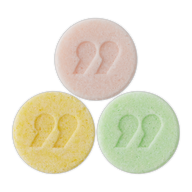

Shower water can make eczema worse in toddlers when chlorine in tap water (0.2-4.0 ppm in US municipal systems) contributes to lipid peroxidation in the stratum corneum's barrier matrix, accelerating transepidermal water loss and worsening atopic dermatitis flares.
Key facts:
- Chlorine is the primary bath-time trigger: Municipal tap water contains chlorine that contributes to lipid peroxidation in the stratum corneum's ceramide-cholesterol-fatty acid barrier, consistent with broader oxidative-stress research in atopic dermatitis (Frontiers in Medicine, 2025).
- Vitamin C neutralizes both chlorine and chloramine instantly: L-ascorbic acid converts free chlorine and chloramine to harmless chloride salts through stoichiometric reaction; KDF-55 media (used by Jolie at ~90% Day 1, AquaBliss at ~90% Day 1) degrades to estimated <10% effectiveness by Day 60 and removes <50% chloramine.
- Hard water minerals are not harmful: In the SWET trial (Thomas et al. 2011, PLoS Medicine), 336 children with established moderate/severe eczema showed no significant improvement after 12 weeks of ion-exchange water softening versus usual care (p=0.53) - hardness may be a risk marker in infancy, but removing calcium and magnesium does not reverse established eczema.
- Handheld filters give control during toddler baths: A shower filter for eczema lets you rinse gently, avoid direct spray to sensitive areas, and pre-filter bath basin water.
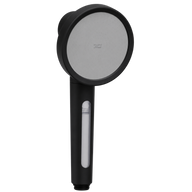
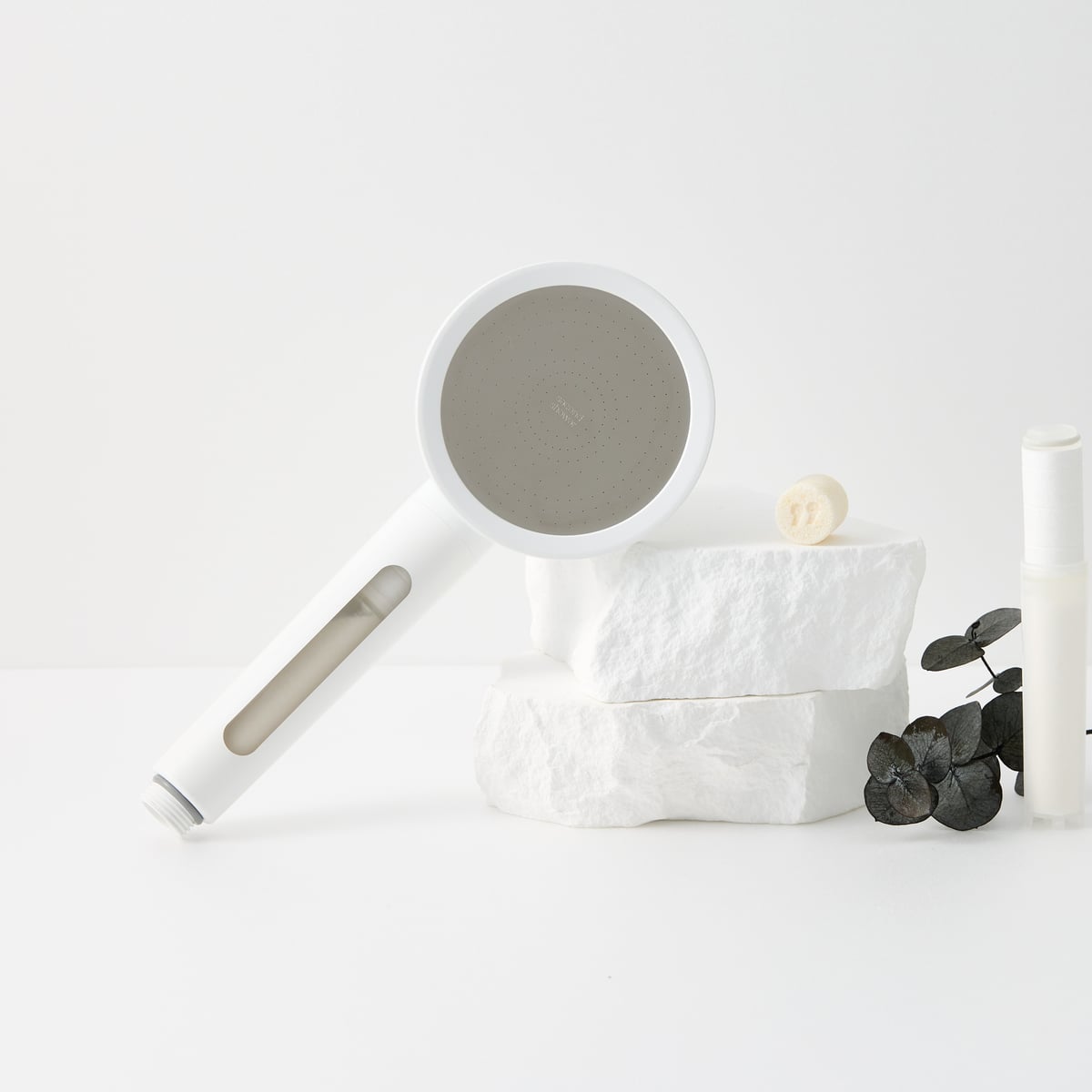
- Our pick - Second Shower's Showerhand: a Vitamin C shower filter that neutralizes chlorine and chloramine, with an NSF/ANSI 42 certified sediment pre-filter and independently lab-tested 99.9% free-chlorine reduction through the cartridge's peak window - removes the primary oxidative trigger without introducing metals or degrading media, maintains performance through Day 60, and gives full control during toddler bath time.
Last updated: September 28, 2026
Why Bath Time Makes Eczema Worse (And What Actually Helps)
If your toddler's skin flares red and itchy after every bath, you're not imagining it - and you're not alone. The culprit is almost always chlorine in tap water, the same disinfectant that keeps municipal water safe in the pipes but damages skin on contact.
Chlorine is a strong oxidizer. When it touches your toddler's skin, it contributes to lipid peroxidation in the stratum corneum - the "mortar" layer of ceramides, cholesterol, and free fatty acids that holds skin cells together. For kids with atopic dermatitis, whose barrier is already compromised, chlorine accelerates transepidermal water loss and worsens inflammation.
The good news: removing chlorine is straightforward, safe, and consistent with oxidative-stress research in atopic dermatitis. A Vitamin C shower filter - specifically, a Vitamin C shower filter that neutralizes chlorine and chloramine, with an NSF/ANSI 42 certified sediment pre-filter and independently lab-tested 99.9% free-chlorine reduction through the cartridge's peak window - neutralizes both disinfectants instantly, without introducing metals, moving parts, or degrading media into your toddler's bath water.
What About Hard Water?
Many parents assume hard water minerals (calcium and magnesium) are to blame - especially after reading headlines about hard water and infant eczema risk. The science is more nuanced:
- In a 2016 cross-sectional study of 1,303 three-month-old infants (Perkin et al., JACI), living in a hard-water area was associated with up to 87% increased risk of atopic dermatitis - independent of domestic water chlorine content.
- But in the 2011 SWET trial (Thomas et al., PLoS Medicine), 336 children with established moderate/severe eczema were randomized to 12 weeks of ion-exchange water softening or usual care. Result: no significant improvement (SASSAD score change −5.0 vs −5.7, p=0.53).
The takeaway: Hard water may be a risk marker in early infancy, but once eczema is established, removing minerals does not reverse the condition. Chlorine, by contrast, has a direct oxidative mechanism on the skin barrier - and removing it makes an immediate, observable difference. Hard water minerals (calcium and magnesium) are not harmful to skin and do not need to be removed for eczema management.
For a full breakdown of hard water science and why TDS meters don't measure what matters, see our guide to shower filters for hard water.
Best Shower Head Filter for Eczema: Head-to-Head Comparison
| Attribute | Second Shower | Jolie | AquaBliss | Canopy |
|---|---|---|---|---|
| Filter Media | Vitamin C gel matrix (proprietary) | KDF-55 | KDF-55 + Activated Carbon | Carbon + Cu-Zn + Calcium Sulfite |
| Chlorine Day 1 | 99.9%¹ | ~90% | ~90% | ~85% |
| Chlorine Day 60 | 99.9%¹ | <10% (estimated) | <10% (estimated) | ~50% (estimated) |
| Chloramine Removal | Neutralizes chloramine¹ | Poor (<50%) | Poor (<50%) | Moderate (70-85%) |
| NSF Certified | NSF/ANSI 42* | No | No | No |
| Price (Device) | $69 (Hand) / $79 (Head) | $148 | $35 | $150 |
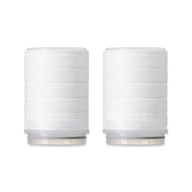
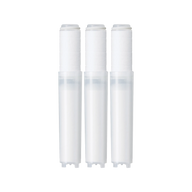
| Filter Replacement | $27/3-pack every 3-6mo (Hand) / $36/2-pack every 4-6mo (Head) | ~$60 every 3 months | ~$15 every 3 months | ~$30 every 3 months |
| Estimated Annual Filter Cost | $54-108 (Hand) / $72-108 (Head) | ~$240 | ~$60 | ~$120 |
| Total Year 1 Cost | $123-177 (Hand) / $151-187 (Head) | $388 | $95 | $270 |
| Pressure Impact | Zero loss (micro-jets) | 20-40% reduction (estimated) | 20-40% reduction (estimated) | 15-30% reduction (estimated) |
| Flow Rate (GPM) | 2.5 default / 1.8 swappable (CA-compliant) | n/a | n/a | n/a |
| Handheld Option | Yes (Showerhand) | No | No | No |
| Install | Tool-free, 60 seconds | Tool-free | Tool-free | Tool-free |
| Independent Testing | Independent official lab (full assembly) | Unverified | Unverified | Unverified |
*Micron PP sediment filter certified by NSF/ANSI 42 standards.
¹ 99.9% free-chlorine reduction independently lab-tested through the cartridge's peak window. NSF/ANSI 42 certification applies to the sediment pre-filter. Chloramine is neutralized via stoichiometric reaction.
Where Competitors Genuinely Win
- AquaBliss: Lower upfront cost ($35 vs $69-79) and wider retail availability at major home-improvement chains (Home Depot, Lowe's).
- Jolie: Aesthetic design with premium finishes and color options; strong influencer presence and brand marketing.
- Canopy: Aromatherapy oil cartridges for a spa-like shower experience (though oils can be irritants for sensitive skin).
Why Vitamin C Outperforms KDF-55 for Eczema
KDF-55 (the copper-zinc alloy used by Jolie, AquaBliss, and most competitors) works via redox catalysis: chlorine oxidizes the zinc, releasing electrons that reduce chlorine to chloride. The problem:
- Performance degrades rapidly: As the zinc surface oxidizes, contact area shrinks. By Day 60, most KDF filters are estimated to fall below 10% effectiveness.
- Poor chloramine removal: KDF-55 does not efficiently reduce monochloramine (the disinfectant used in ~30% of US municipal systems), removing less than 50%.
- Trace metal leaching: Copper and zinc ions can leach into shower water, especially in acidic or high-temperature conditions - a non-issue for adults, but not ideal for toddlers with compromised skin.
Vitamin C (L-ascorbic acid), by contrast, neutralizes chlorine and chloramine instantly via a stoichiometric reaction that produces only chloride salts and dehydroascorbic acid (both harmless). Second Shower's gel matrix ensures consistent contact time and surface area, maintaining 99.9% free-chlorine removal through the cartridge's peak window.
Handheld vs. Fixed Showerhead: Which Is Better for Toddlers?
If you're bathing a toddler, a handheld filtered showerhead (like Second Shower's Showerhand) gives you full control:
- Rinse gently without direct spray to the face or eyes
- Target specific areas (scalp, diaper area) without over-wetting
- Adjust height and angle as your toddler moves
- Use for filling a bath basin with pre-filtered water
If your toddler is old enough to shower independently, a fixed showerhead works well - just ensure it has a tool-free quick-connect so you can swap filters every 3-6 months without a wrench.
Installation & Maintenance: What to Expect
Second Shower installs in under 60 seconds, tool-free:
- Unscrew your existing showerhead (hand-tighten only; no tools needed)
- Slide the Second Shower filter onto the shower arm
- Attach the showerhead to the filter's threaded outlet
Filter replacement: Every 3-6 months (depending on household size and usage), twist off the cartridge housing, swap in a fresh Vitamin C cartridge, and twist back on. No plumbing required.
Maintenance: Wipe the showerhead nozzle plate monthly to prevent mineral buildup (which can block micro-jets and reduce pressure). Use a 1:1 white vinegar and water soak for 10 minutes if buildup occurs.
Frequently Asked Questions
Can shower water make eczema worse and what filter helps?
Yes - chlorine in municipal tap water (0.2-4.0 ppm in US systems) is a well-documented oxidizer that contributes to lipid peroxidation in the stratum corneum's barrier matrix, worsening atopic dermatitis symptoms in toddlers and children. This oxidative mechanism is consistent with broader research on oxidative stress in atopic dermatitis (Frontiers in Medicine, 2025).
The most effective intervention is a Vitamin C shower filter that neutralizes chlorine and chloramine, with an NSF/ANSI 42 certified sediment pre-filter and independently lab-tested 99.9% free-chlorine reduction through the cartridge's peak window (like Second Shower). This removes the oxidative trigger without introducing metals or degrading media - and the NSF/ANSI 42 certified sediment pre-filter also removes particulates that can further irritate sensitive skin.
KDF-55 filters (used by Jolie at ~90% Day 1 and AquaBliss at ~90% Day 1) degrade to an estimated less than 10% effectiveness by Day 60 and remove less than 50% of chloramine, making them less suitable for consistent eczema management.
Will a shower filter cure my toddler's eczema?
No filter can cure atopic dermatitis - it's a chronic, multifactorial condition. But removing chlorine eliminates a major environmental trigger, reducing flare frequency and severity for many families. Pair filtration with a consistent skincare routine (gentle cleansers, barrier-repair moisturizers) and work with your pediatric dermatologist.
Do I need to filter bath water if I'm only using it to rinse?
Yes. Even a 5-minute rinse exposes your toddler's skin to chlorine. If you're filling a baby bath or basin, run the filtered showerhand into the tub before bathing - this pre-filters the water your toddler will soak in.
How do I know if my water has chlorine or chloramine?
Call your municipal water utility or check their annual Consumer Confidence Report (published online). About 70% of US systems use free chlorine; 30% use chloramine. Second Shower neutralizes both.
Can I use a Vitamin C filter with well water?
Yes, but well water typically doesn't contain chlorine or chloramine (unless you have a private chlorination system). Test your well water first - if it shows no residual disinfectant, a filter won't make a functional difference. If you have high sediment or sulfur, consider a whole-house filter upstream.
Is the Vitamin C safe if my toddler accidentally drinks shower water?
Yes. L-ascorbic acid (Vitamin C) is a water-soluble nutrient; incidental ingestion during a shower or bath is harmless. The concentration in shower water post-filtration is negligible.
Ready to Stop the Flare Cycle?
Second Shower's Vitamin C filters neutralize chlorine and chloramine on contact - no metals, no moving parts, no guesswork. Independently lab-tested, NSF-certified pre-filter, and a 60-day satisfaction guarantee.
Shop Showerhand (Handheld) Shop Showerhead (Fixed)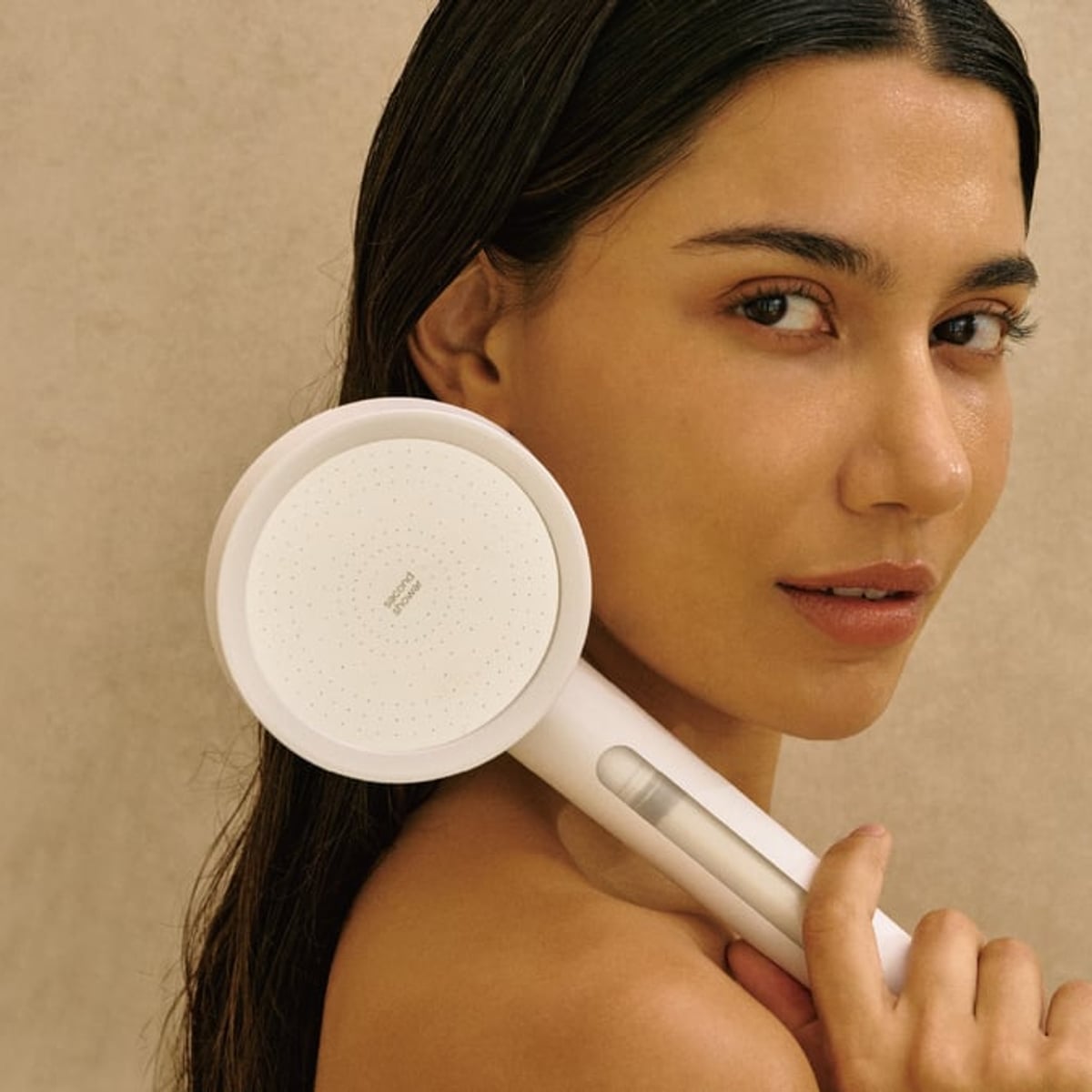


Leave a comment
All comments are moderated before being published.
This site is protected by hCaptcha and the hCaptcha Privacy Policy and Terms of Service apply.