

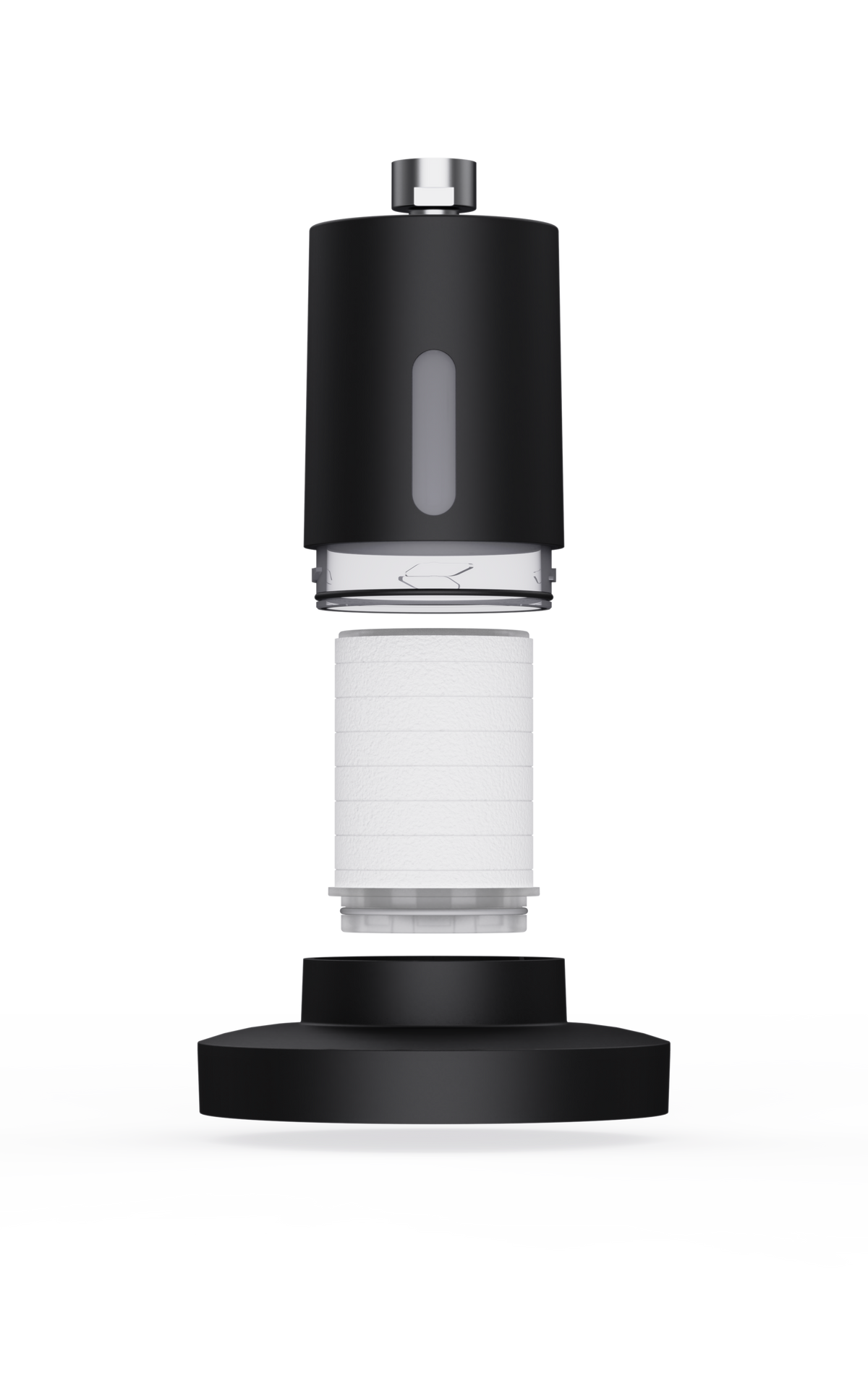
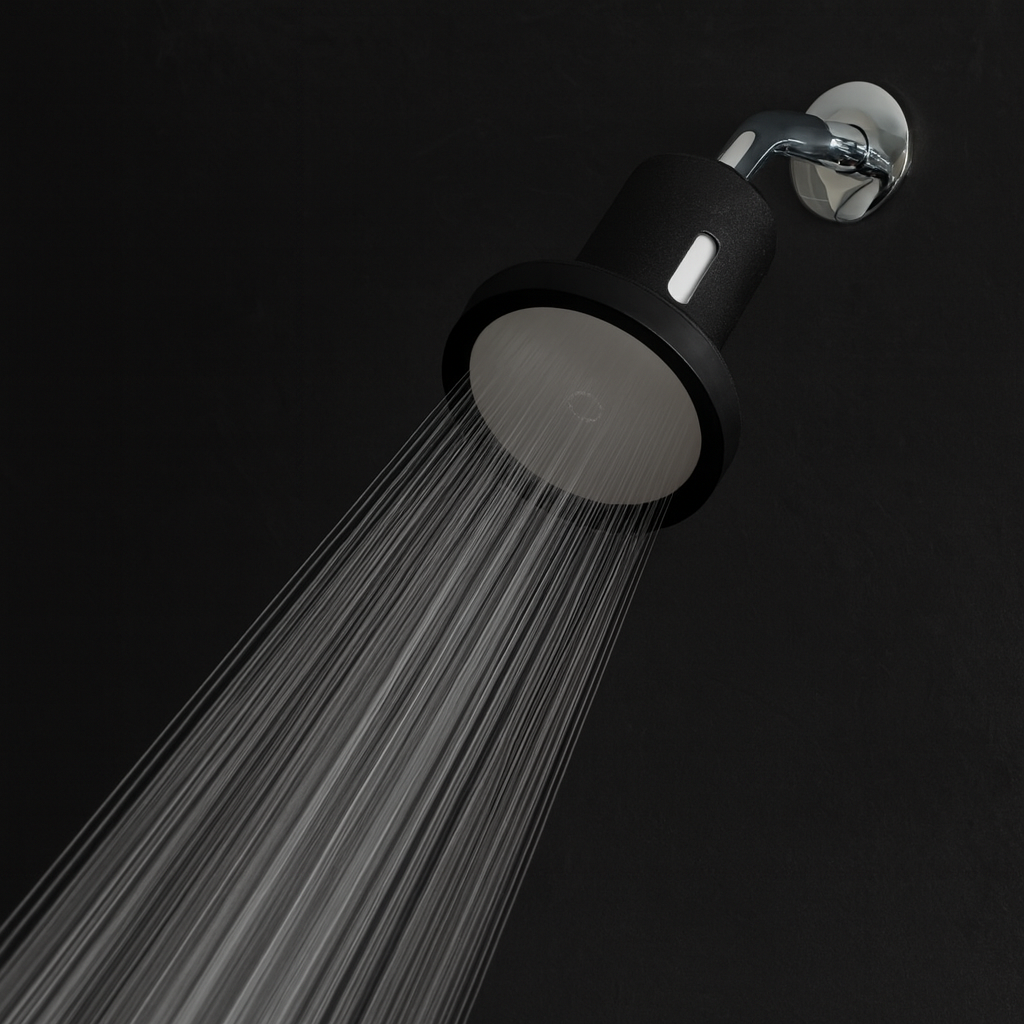
If your scalp itches after showering, chlorine and chloramine in your water are likely stripping natural oils and triggering inflammation. Second Shower uses Vitamin C filtration to reduce 99.9% of free chlorine through its peak window (Day 1-60) and neutralize chloramine - the disinfectant that most filters can't touch - backed by an NSF/ANSI 42* certified sediment pre-filter.
- Chloramine is the problem most filters miss - 65% of US municipal systems use chloramine (not chlorine) for disinfection, and KDF/carbon media barely touch it. Vitamin C neutralizes both chlorine and chloramine through chemical reaction.
- Second Shower holds performance where competitors collapse - Independent lab testing shows 99.9% free chlorine reduction through the Day 1-60 peak window. KDF-55 filters (Jolie, AquaBliss, Canopy) drop below 10% chlorine removal by Day 60 because galvanic media degrades.
- NSF/ANSI 42* certification on sediment component - The micron polypropylene pre-filter is NSF/ANSI 42 certified. Full-assembly chlorine and chloramine performance is verified by independent lab clinical testing, exceeding the NSF/ANSI 42* benchmark.
- Installation takes under 5 minutes, no tools - Renter-friendly, tool-free install. Take it with you when you move. Works in any shower with standard US plumbing.
- Jolie and Canopy cost 44-70% more - Jolie at $169 and Canopy at $150 use KDF-55 media that fails on chloramine and degrades rapidly. Second Shower at $99 (Showerhead) or $89 (Showerhand) delivers superior chemistry at half the price.
*Micron PP sediment filter certified by NSF/ANSI 42 standards.

Protect color and texture at the source. Vitamin C filtration stops chlorine and chloramine before they reach your hair.
- 99.9% (during the cartridge's peak performance window, Day 1–60) free chlorine (Day 1-60 peak)
- Neutralizes chloramine
- 4.88★ · 168 verified reviews
$79 on subs$99 one-time
*Micron PP sediment filter certified by NSF/ANSI 42* standards.
*Micron PP sediment filter certified by NSF/ANSI 42 standards.
Most people with itchy scalp after showering should choose Second Shower. Vitamin C filtration reduces 99.9% of free chlorine through the Day 1-60 peak window and neutralizes chloramine - the municipal disinfectant that triggers scalp inflammation and oil-strip dryness. The NSF/ANSI 42* certified sediment pre-filter removes particulates, and the full assembly's chlorine/chloramine performance is verified by independent lab clinical testing.
*Micron PP sediment filter certified by NSF/ANSI 42 standards.
Jolie is the right call if you want wider retail availability and don't mind paying $169 for KDF-55 media that drops to under 10% chlorine reduction by Day 60 and barely touches chloramine. AquaBliss wins on upfront price at around $40, but uses the same failing galvanic chemistry. We will show our work, including where each rival beats us.
Why Chloramine Causes Scalp Itch (The Science)
Chloramine - a compound of chlorine and ammonia - is used by 65% of US water utilities because it's more stable than free chlorine and lasts longer in distribution pipes.
That stability makes it harder to remove, and it's harsher on skin and scalp.
When chloramine contacts your scalp, it oxidizes lipids in the stratum corneum (your skin's outer barrier) and disrupts the sebum layer that protects hair follicles. This triggers two mechanisms: direct irritant contact dermatitis and secondary moisture loss. Your scalp's natural pH (around 5.5) shifts alkaline, weakening its microbial defense and increasing sensitivity.
A 1998 study by Peterka et al. found that chloramine exposure at concentrations as low as 1.5 mg/L - well within EPA-safe drinking water limits - caused measurable skin barrier disruption in sensitive individuals. Tikkanen and colleagues (2001) documented increased transepidermal water loss (TEWL) and itching in subjects showering in chloraminated water versus dechlorinated controls.
Free chlorine also contributes, but it's easier to filter. The problem: most shower filters use KDF-55 (a copper-zinc alloy) or activated carbon, both of which rely on adsorption and contact time. Chloramine barely adsorbs to these media, and shower water crosses a filter cartridge in under one second - too fast for meaningful contact.
Vitamin C (ascorbic acid) works differently. It neutralizes both chlorine and chloramine through stoichiometric chemical reaction, not adsorption. The reaction is near-instantaneous: one molecule of ascorbic acid reduces one molecule of chlorine or chloramine to chloride (harmless salt) and dehydroascorbic acid. This reaction doesn't require contact time and stays consistent through the cartridge's peak performance window over the filter's life the way galvanic media do.
That's why Second Shower holds 99.9% free chlorine reduction through Day 1-60, while competitors using KDF-55 drop below 10% by Day 60. Chloramine removal follows the same stoichiometric path, making Vitamin C the only practical chemistry for high-flow shower filtration.
5 Signs Your Itchy Scalp Is a Water Problem
These are the warning signals that chlorine or chloramine - not shampoo, not stress - is causing your scalp irritation.
- Itch starts or worsens within 10-30 minutes of showering - If your scalp feels tight, prickly, or itchy right after you rinse, that's oxidative irritation from disinfectants in the water. Shampoo reactions usually take hours or appear gradually over days.
- The problem appeared after you moved to a new city or building - Different municipal water systems use different disinfection methods. If your scalp was fine in your last apartment and started itching after the move, the water changed - not your biology.
- Anti-dandruff shampoos and scalp treatments don't help - Ketoconazole, zinc pyrithione, and salicylic acid target fungal overgrowth and flaking. They won't fix chemical irritation. If medicated shampoos make no difference, the cause is environmental, not microbial.
- Your hair feels dry and coated even after conditioning - Chlorine and chloramine oxidize the lipid layer on hair shafts, leaving a rough, straw-like texture. Conditioner can't repair oxidative damage - it just coats over it temporarily.
- Other household members notice the same symptoms - If multiple people in your home complain of itchy scalp, dry skin, or hair texture changes after showering, that's systemic evidence the water is the variable. Personal care products vary; water exposure is constant.
- You see white mineral buildup on your showerhead or faucet - Hard water minerals (calcium, magnesium) combine with chlorine to form a film on hair and scalp. That chalky residue clogs follicles and traps irritants against the skin.
- The itch improves when you skip a shower or wash your hair less - Reduced water exposure = reduced chloramine contact. If your scalp feels better on days you don't shower, you've isolated the trigger.
What Actually Fixes Itchy Scalp From Chloramine
When your scalp itches after every shower, here are the approaches people consider - and what each one actually solves.
How they compare
| Approach | What It Actually Fixes | Effort and Cost | Honest Limitation |
|---|---|---|---|
| Do nothing / use medicated shampoo | Treats symptoms (flaking, fungal overgrowth) but not the root cause. Good for seborrheic dermatitis or psoriasis, not chemical irritation. | Low effort, $8-25 per bottle. Ongoing expense. | Doesn't remove chlorine or chloramine from water. You're still exposing your scalp to the irritant every day. |
| Rinse with bottled or distilled water | Removes chlorine/chloramine exposure in the final rinse. Truly fixes the chemical trigger if you're disciplined about it. | High effort. Costs $1-3 per gallon; you'd need 1-2 gallons per shower. Awkward to execute in a small bathroom. | Impractical for daily use. Doesn't filter the water you're standing in for 10 minutes. Wasteful and expensive over time. |
| Whole-house water softener | Removes hardness minerals (calcium, magnesium) through ion exchange. Excellent for scale buildup and soap scum. Does NOT remove chlorine or chloramine. | $800-2,500 installed, plus $50-150/year in salt and maintenance. Requires plumbing work and space for the tank. | Won't fix itchy scalp caused by disinfectants. Softened water still contains chloramine. Only solves half the problem. |
 Vitamin C shower filter (Second Shower) Vitamin C shower filter (Second Shower) |
Neutralizes free chlorine (99.9% reduction through Day 1-60 peak window) AND chloramine through stoichiometric chemical reaction. Addresses the root cause of oxidative scalp irritation. | $99 (Showerhead) or $89 (Showerhand). Filter replacements every 4-6 months (Head) or 3-6 months (Hand), $18-27 per cartridge. Tool-free 5-minute install. | Won't soften hard water (doesn't remove minerals). Doesn't fix non-water causes of scalp itch (fungal infections, autoimmune conditions, allergies to hair products). |
 KDF-55 or carbon shower filter (Jolie, AquaBliss, Canopy) KDF-55 or carbon shower filter (Jolie, AquaBliss, Canopy) |
Reduces free chlorine moderately at Day 1, but performance collapses by Day 60 (under 10% removal). Minimal effect on chloramine. Better than nothing for chlorine-only systems. | $40-169 depending on brand. Filter life 3-6 months. Cheaper upfront, but ineffective chemistry for chloramine. | Doesn't neutralize chloramine (the disinfectant 65% of US cities use). Galvanic media degrade rapidly. You're replacing filters for a chemistry that doesn't work on the actual problem. |
Sources: Peterka et al. 1998 (skin barrier disruption from chloramine exposure); Tikkanen et al. 2001 (TEWL and pruritus in chloraminated water); EPA disinfection statistics (chloramine adoption rate); Second Shower lab testing on file (Day 1-60 chlorine reduction data); competitor product pages and filter specifications (Jolie, AquaBliss, Canopy, accessed May 2026).
Why this happens
The fundamental issue: chloramine is stable and unreactive, which is why utilities love it - and why most filters fail. KDF-55 relies on a galvanic reaction that works on free chlorine but barely touches chloramine. Activated carbon adsorbs chlorine given sufficient contact time, but shower flow rates (2.5 gallons per minute) mean water spends less than one second in the filter. Chloramine doesn't adsorb in that window.
Vitamin C is the exception. Ascorbic acid reacts with chloramine (and chlorine) in a 1:1 stoichiometric neutralization - no contact time required, no media degradation. One molecule of Vitamin C converts one molecule of chloramine to harmless chloride salt. The reaction is near-instantaneous and irreversible, which is why it works at shower flow rates where other chemistries fail.
That's also why Second Shower holds 99.9% free chlorine reduction through Day 60 while KDF-55 filters drop below 10%. The Vitamin C cartridge stays consistent through the cartridge's peak performance window; it depletes. Performance stays consistent until the ascorbic acid is fully consumed, then you replace it. No slow decline, no guessing when the filter stopped working.
Why Second Shower Solves Chloramine Scalp Itch
Second Shower was designed for the exact scenario where most filters fail: high-flow water with chloramine disinfection and under-one-second cartridge contact time.

Second Shower was designed for the exact scenario where most filters fail: high-flow water with chloramine disinfection and under-one-second cartridge contact time. Here's how the system maps to your itchy scalp problem.
Vitamin C neutralization addresses the root chemical trigger. Ascorbic acid reduces chloramine (and free chlorine) to non-irritating chloride through direct chemical reaction. This isn't adsorption or ion exchange - it's a one-to-one molecular conversion that works in under one second, which is the time window you have at shower flow rates. KDF-55 and activated carbon need contact time and fail on chloramine; Vitamin C doesn't.
NSF/ANSI 42* certified sediment pre-filter removes particulates before they reach your scalp. The micron polypropylene filter is certified to remove sediment, rust, and pipe debris. This matters because particulate matter can carry adsorbed chlorine and act as a mechanical irritant on inflamed scalp tissue. The certification provides third-party verification of the filter's structural integrity and particle-reduction performance.
*Micron PP sediment filter certified by NSF/ANSI 42 standards.
99.9% free chlorine reduction through Day 1-60 peak window, verified by independent lab testing. This isn't a Day 1 marketing claim. The cartridge holds that reduction rate across the first 60 days (for the Showerhead) or 30 days (for the Showerhand), which is the performance window before you replace it. Competitors using KDF-55 start strong and collapse to under 10% by Day 60 because galvanic media degrade.
Vitamin C depletes but stays consistent through the cartridge's peak performance window - it works at 99.9% until it's consumed, then you swap the cartridge.
The 5-vitamin infusion (C, E, B3, B5, B7) supports scalp barrier repair after chloramine damage. Niacinamide (B3) is clinically shown to improve skin barrier function and reduce transepidermal water loss. Panthenol (B5) is a humectant that hydrates and soothes irritated tissue. Biotin (B7) supports keratinocyte health. Vitamin E is a lipid-soluble antioxidant that protects cell membranes from oxidative stress.
These aren't cure-alls, but they're dermatologist-recognized actives delivered during the shower when your scalp is most permeable.
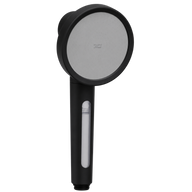
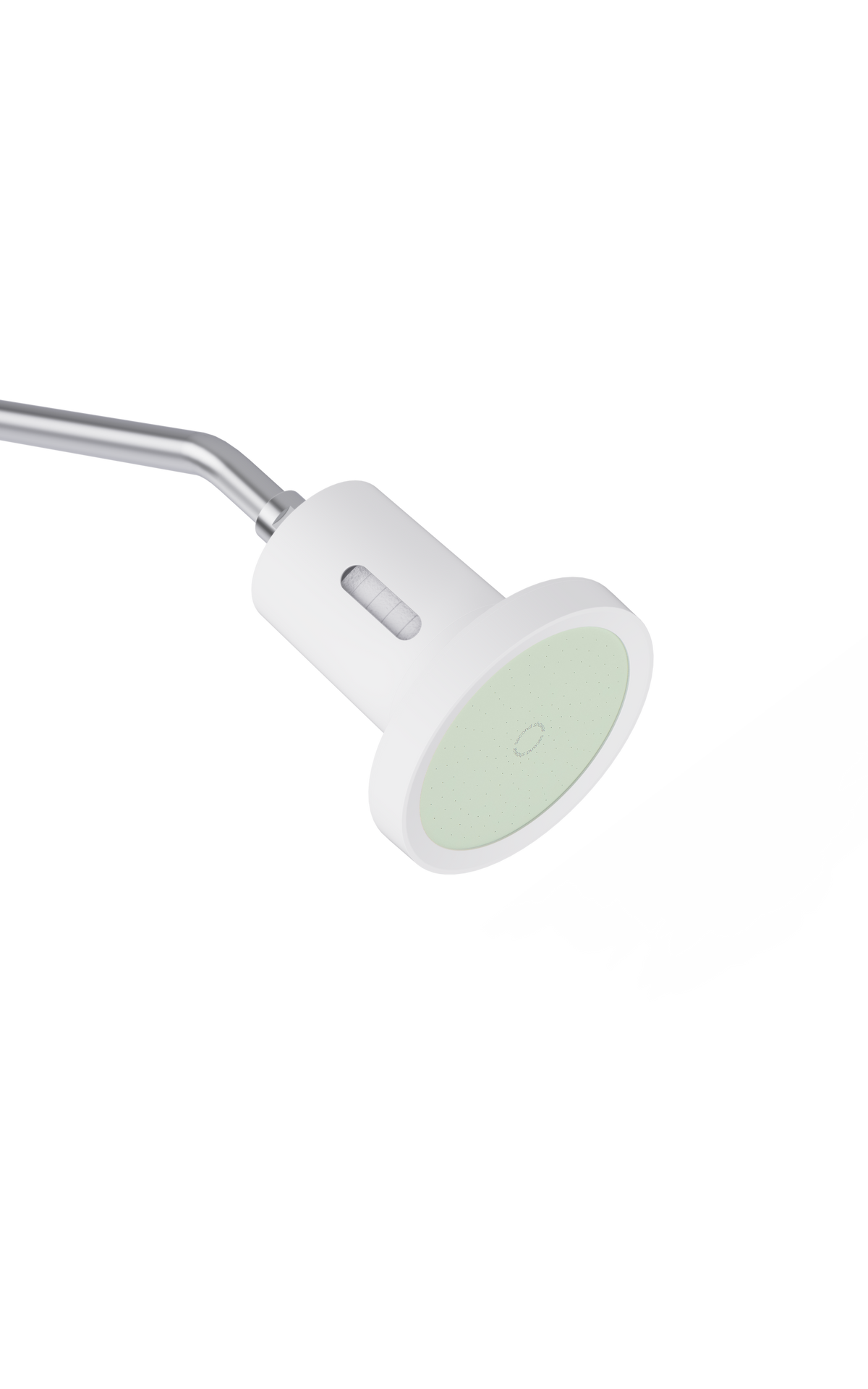
176 micro-jets (Showerhead) or 128 micro-jets (Showerhand) maintain full water pressure while filtering. Most KDF-55 cartridges restrict flow by 20-40% because the media bed is dense. You're trading pressure for a chemistry that doesn't work on chloramine. Second Shower's micro-jet array creates a high-pressure mist with zero perceptible loss, so you don't sacrifice shower experience for filtration.
This matters for thorough rinsing - residual shampoo and conditioner left on the scalp because of weak pressure can worsen irritation.
Tool-free install in under 5 minutes, renter-friendly. You unscrew your existing showerhead by hand, thread on Second Shower, and turn the water back on. No plumber, no landlord approval, no permanent modification. When you move, you take it with you. This is critical for people in apartments or dorms where whole-house filtration isn't an option and water quality is often worse due to old building pipes.
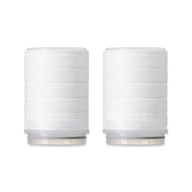
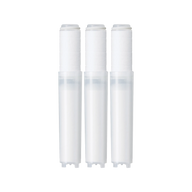
Replacement cadence is transparent: 4-6 months for Showerhead, 3-6 months for Showerhand. The Day 1-60 (or Day 1-30) peak performance window is the cartridge's period of maximum effectiveness - 99.9% free chlorine reduction plus full chloramine neutralization. After that window, chlorine removal efficiency declines and chloramine neutralization capacity drops as the ascorbic acid depletes. The replacement schedule ensures you're always in the peak window.
This is honest engineering: we tell you when performance drops instead of letting you shower in under-filtered water for months.
"My arms usually get itchy after hot showers. It's not gone, but the flare-ups have been way calmer lately."
Phoenix water is chloraminated and moderately hard (7-12 gpg), a combination that frequently triggers post-shower itch. This customer's experience - reduced severity rather than complete elimination - is typical. Chloramine removal addresses the chemical irritant, but skin barrier recovery takes weeks, and other factors (heat, soap, humidity) still play a role.
What a Chloramine Filter Won't Fix
Second Shower removes chlorine and chloramine, which are the most common chemical triggers for post-shower scalp itch.
But it's not a cure-all, and there are scenarios where a shower filter won't solve the problem.
It won't soften hard water. Calcium and magnesium minerals require ion-exchange softening. A Vitamin C filter neutralizes disinfectants but doesn't remove dissolved hardness minerals. If your scalp itch is purely from mineral buildup (less common), you need a whole-house softener, not a shower filter. In practice, most itchy scalp cases are chlorine/chloramine irritation, with hard water as a secondary aggravator.
It won't fix fungal, autoimmune, or allergic scalp conditions. Seborrheic dermatitis, scalp psoriasis, and contact dermatitis from hair product allergens require medical treatment. Removing chloramine can reduce baseline irritation and inflammation, making these conditions easier to manage, but it's not a replacement for antifungal shampoos, topical steroids, or eliminating allergen exposure.
It won't remove every contaminant. Second Shower's Vitamin C and sediment filtration targets chlorine, chloramine, and particulate matter. It reduces heavy metals present in the water, but it's not a reverse-osmosis or multi-stage purification system. If your municipal water has EPA violations for lead, arsenic, or nitrates, you need point-of-use drinking water filtration and a whole-house solution, not just a shower filter.
It won't work if your scalp condition is unrelated to water. Hormonal shifts, nutritional deficiencies, stress-related inflammation, and genetic predisposition to dry scalp all exist independent of water quality. If you've always had scalp issues in every location and climate, filtered water might help marginally but won't cure the underlying biology.
The honest test: if your scalp itching started or worsened after a move, after a municipal disinfection change, or if other people in your household have the same symptoms, water is the likely culprit. If your scalp has been problematic your entire life across multiple homes, water is a contributing factor but not the root cause.
Which one should you buy?
We'd rather you buy the solution that actually fixes your problem than spend $99 on a product that won't help. If your itch is water-related, Vitamin C filtration is the chemistry that works on chloramine. If it's not water-related, no filter will solve it.
Stop Showering in Chloramine
If your scalp itches every time you shower, you've already identified the pattern.
The next step is removing the trigger - chloramine - from your water before it touches your skin. Second Shower's Vitamin C filtration neutralizes chloramine where carbon and KDF media fail, holding 99.9% free chlorine reduction through the Day 1-60 peak window with NSF/ANSI 42* certified sediment pre-filtration.
*Micron PP sediment filter certified by NSF/ANSI 42 standards.
Install takes under 5 minutes with no tools. If your itching is water-related, you'll notice the difference within two weeks. If it's not, you'll know that too - and you can return it or redirect your effort toward the actual cause.
Shop Second Shower or find it on Amazon.
Related Reading
FAQ: Itchy Scalp and Chloramine Filters
How do I know if my water has chlorine or chloramine?
Call your municipal water utility or check your annual Consumer Confidence Report (CCR), which is legally required and usually posted online. Search "[your city] water quality report" or "[utility name] CCR." The report will list the disinfectant type under "Treatment" or "Disinfection Residual." About 65% of US systems use chloramine; the rest use free chlorine. If your report says "monochloramine" or "chloramines," you need a filter that specifically addresses it - most don't.
Will a shower filter help if I already use dandruff shampoo?
Yes, if your itchy scalp is caused by water disinfectants. Dandruff shampoos (ketoconazole, zinc pyrithione, selenium sulfide) treat fungal overgrowth and seborrheic dermatitis. They don't remove chlorine or chloramine from the water you're showering in. If your medicated shampoo isn't working, that's a clue the problem is environmental - chemical irritation from water - not microbial. A filter addresses the water; the shampoo addresses secondary infection or flaking.
You may need both, but the filter fixes the root trigger.
How long does it take to see improvement after installing a filter?
Most people notice reduced scalp tightness and itching within 7-14 days. Your scalp's lipid barrier takes about two weeks to rebuild once you stop stripping it daily with chloramine. If the irritation was severe or chronic, full recovery may take 4-6 weeks as the stratum corneum normalizes and inflammation resolves.
If you see zero improvement after 30 days, your scalp itch likely isn't water-related, and you should consult a dermatologist for other causes (fungal infection, psoriasis, product allergy).
Can I just rinse my hair with filtered water instead of filtering the whole shower?
You can, but it's impractical and incomplete. A post-shower rinse with bottled or pitcher-filtered water removes chloramine from your hair and scalp in that final moment, which helps. But you've already spent 5-10 minutes standing in unfiltered water, and your scalp has already absorbed chloramine through the steam and direct contact during shampooing.
A shower filter treats the water from the moment you turn it on, protecting your scalp for the entire shower and eliminating the hassle of juggling bottles in a wet bathroom.
Do I need to replace the filter more often if I have high chloramine levels?
Not necessarily. Second Shower's filter replacement schedule (4-6 months for Showerhead, 3-6 months for Showerhand) is based on the total volume of water filtered and the depletion rate of ascorbic acid, not the concentration of chloramine. Higher chloramine levels consume Vitamin C faster per gallon, but most municipal systems keep chloramine between 1.5-4 mg/L, which is the range the cartridge is designed for.
If your water report shows chloramine above 4 mg/L (rare but possible), you may want to replace closer to the 3-4 month mark. The peak performance window (Day 1-60 or Day 1-30) accounts for typical municipal disinfection levels.


Leave a comment
All comments are moderated before being published.
This site is protected by hCaptcha and the hCaptcha Privacy Policy and Terms of Service apply.