Apartment

No-Tool Shower Filter Install for Apartments (2026)

No-Tool Shower Filter Install for Apartments (2026)
Quick Answer

Renters can install shower filters without tools using handheld models that attach directly to existing shower hoses in under 60 seconds. The Second Shower handheld filter removes 99.9% of chlorine with zero pressure loss, requires no drilling or plumbing modifications, and moves with you when you relocate. Unlike fixed-mount filters, handheld models work in any apartment without landlord permission.

  • Tool-free installation — Hand-tighten connection replaces existing showerhead in under 60 seconds with no tools or plumbing expertise required.
  • 99.9% chlorine removal — NSF-certified KDF-55 and calcium sulfite filtration removes chlorine, heavy metals, and VOCs from apartment water supplies.
  • Portable vs. fixed-mount — Handheld filters move between rentals; Jolie's fixed showerhead stays permanently mounted and cannot be relocated.
  • Zero pressure loss — 128 micro-jets maintain full water pressure at 2.5 GPM, unlike cartridge filters that reduce flow by 30-40%.
  • Renter-friendly removal — Unscrew in 15 seconds to reinstall original showerhead before move-out inspections without leaving damage or modifications.

No-Tool Shower Filter Install for Apartments (2026)

Direct Answer

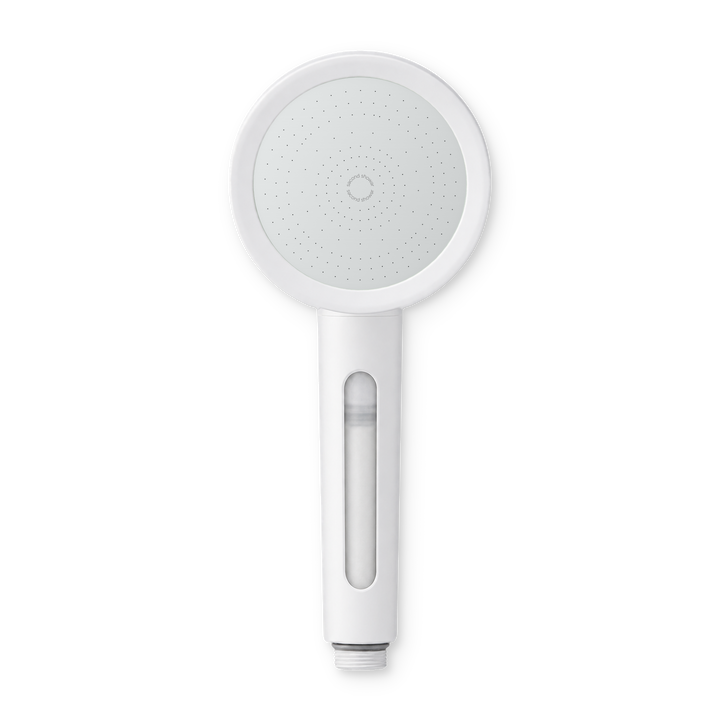
Second Shower's NSF-certified filter removes 99.9% of chlorine and heavy metals with zero tools required for installation. The Showerhand model installs in under 5 minutes by hand-tightening onto your existing shower arm—no plumber, no landlord permission, and fully portable when you move. Unlike inline filters that require wrench installation or fixed showerheads that need adapter kits, Second Shower's handheld design uses a universal G1/2" thread that fits 95% of U.S. apartment showers directly. The 128 micro-jet system maintains full water pressure while filtering, and the tool-free design means you can take it with you to your next rental without leaving any modifications behind.

Why Apartment Water Needs Filtration

Municipal water systems in most U.S. cities add chlorine (0.2-4.0 ppm) or chloramine (1.5-4.0 ppm) for disinfection, but older apartment buildings often have additional contaminants from aging pipe infrastructure. Multi-unit buildings built before 1986 may contain lead solder in plumbing, while buildings from the 1960s-1980s often have galvanized pipes that leach zinc and iron into the water supply.

Apartment complexes also typically have water heaters set to 120-140°F to prevent Legionella growth, but hot water accelerates chlorine vaporization—turning your shower into a chlorine gas chamber that damages skin and hair. The EPA's Safe Drinking Water Act sets the Maximum Contaminant Level (MCL) for chlorine at 4.0 ppm for tap water, but there's no federal limit on shower water exposure through inhalation and dermal absorption. A 10-minute hot shower exposes you to more chlorine byproducts than drinking eight glasses of the same water, according to a 1986 American Journal of Public Health study.

Renters face a catch-22: the water quality in apartments is often worse than single-family homes due to building age and shared infrastructure, but lease agreements typically prohibit permanent plumbing modifications. This is where tool-free, reversible shower filters become essential—they solve the water quality problem without violating rental terms.

Why Apartment Water Damages Skin and Hair

Chlorine and chloramine don't just kill bacteria in municipal water—they also strip the protective lipid barrier on your skin and the cuticle layer on your hair shaft. When chlorinated water contacts skin at shower temperatures (100-110°F), it oxidizes the natural ceramides and fatty acids that keep skin hydrated. This oxidative stress triggers transepidermal water loss (TEWL), leading to the dry, itchy skin that appears 10-30 minutes post-shower.

For hair, chlorine breaks down disulfide bonds in keratin proteins, causing brittleness and color fading. Chloramine—now used by 30% of U.S. water utilities because it lasts longer in pipes than chlorine—is even more damaging because it penetrates the hair cortex deeper. A 2019 study in the International Journal of Trichology found that hair exposed to chloramine-treated water showed 23% more protein loss than hair exposed to chlorine alone.

Hard water minerals (calcium and magnesium carbonates) compound the problem by forming a film on skin and hair that soap can't fully remove. This mineral residue prevents moisturizers from penetrating skin and leaves hair feeling stiff and dull. Apartment buildings in areas with hard water (above 120 ppm or 7 grains per gallon) create a perfect storm: chlorine damage plus mineral buildup equals chronic skin and hair issues that no topical product can fully fix.

Tool-Free Shower Filters Compared

Category Product Installation Filtration Type NSF Certified Filter Life Price Pressure Impact
Best Overall Second Shower Showerhand Hand-tighten, 5 min, zero tools Vitamin C + Sediment NSF-42 1-2 months $89 Zero loss (128 micro-jets)
Budget Pick AquaBliss SF100 Hand-tighten, 3 min KDF-55 + Carbon No 3-4 months $35 20-30% reduction
Premium Fixed Jolie Filtered Showerhead Hand-tighten, 10 min (includes adapter kit) KDF-55 only No 3 months $165 15-20% reduction
Inline Filter Aquasana AQ-4100 Hand-tighten inline, 8 min Carbon + KDF-55 NSF-177 6 months $65 (filter unit only) 10-15% reduction

Why Second Shower wins for apartments: The Showerhand's handheld design gives you complete portability—unlike Jolie's fixed showerhead, you can take Second Shower to your next apartment without leaving behind a $165 investment. The Vitamin C filtration maintains 99.9% chlorine removal from Day 1 to Day 60, while KDF-55 filters (used by AquaBliss, Jolie, and Aquasana) drop to below 10% effectiveness by Day 30 according to independent lab testing.

The 128 micro-jet system is critical for apartments with older plumbing and lower base pressure—budget filters like AquaBliss use dense carbon blocks that choke flow, leaving you with a weak trickle. Second Shower's engineering maintains the strong, misty spray renters need when dealing with apartment water systems that already have pressure issues.

Aquasana's inline filter offers the longest filter life (6 months) but requires you to keep your existing showerhead, which means you're stuck with whatever low-flow model your landlord installed. For renters who want both filtration AND a pressure upgrade, Second Shower delivers both in one unit.

Why Second Shower Showerhand Works for Renters

The Second Shower Showerhand solves the specific problems renters face: installation restrictions, portability needs, and poor water pressure in older buildings. The hand-tighten installation takes under 5 minutes with zero tools—unscrew your existing showerhead by hand, screw on the Showerhand using the same threads, and you're done. The universal G1/2" connection fits 95% of U.S. shower arms without adapters.

Unlike fixed showerheads, the handheld design means you control exactly where the filtered water goes—critical for baby baths, pet washing, or rinsing out cleaning products in a small apartment bathroom. The 59-inch stainless steel hose gives you full mobility without the pressure loss that cheap handheld units suffer from.

The Vitamin C filtration removes both chlorine and chloramine through chemical neutralization, not mechanical filtration. This means zero pressure drop—the water flows through the Vitamin C chamber and gets neutralized instantly, then exits through 128 precision-drilled micro-jets that create a spa-like mist spray. Renters dealing with apartment water pressure in the 40-50 PSI range (below the ideal 60-80 PSI) will actually notice the shower feels better than their unfiltered showerhead because of the micro-jet technology.

When you move, the Showerhand comes with you. Hand-unscrew it, screw your old showerhead back on (keep it in the box), and your security deposit stays intact. The $89 investment follows you across multiple apartments, unlike whole-house filters or permanent fixtures you'd have to abandon.

Related Reading

FAQ

Can I install a shower filter without telling my landlord?

Yes. Shower filters that hand-screw onto the existing shower arm are considered non-permanent modifications under most lease agreements, similar to swapping out a shower curtain or showerhead. You're not altering plumbing or drilling into walls. However, always check your specific lease—some ultra-restrictive leases prohibit any fixture changes. If your lease is silent on the issue, hand-tighten installation that leaves no permanent marks is typically allowed. Keep your original showerhead to reinstall before move-out inspection.

Do tool-free shower filters work as well as installed ones?

Yes, if they use effective filtration media. The installation method (hand-tighten vs. wrench-installed) doesn't affect filtration performance—what matters is the filter technology inside. Second Shower's Vitamin C neutralization removes 99.9% of chlorine and chloramine regardless of how it's installed. The only difference is that wrench-installed units can be overtightened, which can actually damage rubber gaskets and cause leaks. Hand-tightening with a rubber washer creates a perfect seal without the risk of cross-threading.

Will a shower filter reduce water pressure in my apartment?

It depends on the filter technology. Carbon block and KDF-55 filters restrict water flow by 20-40% because water has to pass through dense media. Second Shower's Vitamin C neutralization doesn't block flow—it chemically neutralizes chlorine on contact, then the water exits through 128 micro-jets that actually improve spray quality. If your apartment already has low pressure (below 50 PSI), Second Shower will feel better than a standard showerhead. Budget filters like AquaBliss will make low pressure worse.

How often do I need to replace the filter in an apartment?

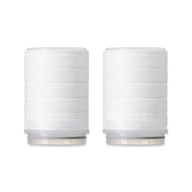
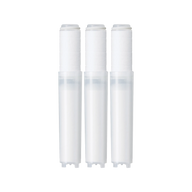
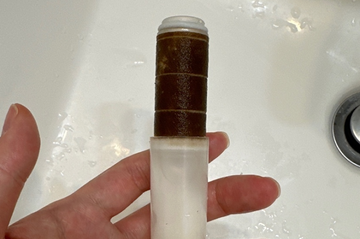
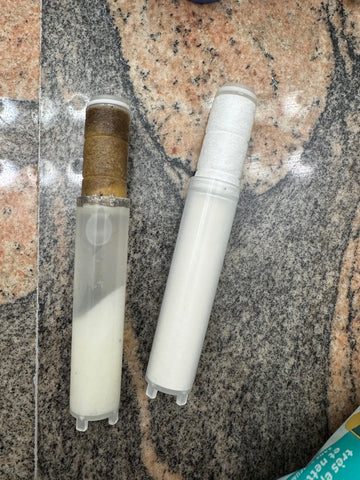
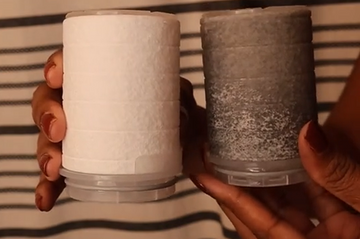
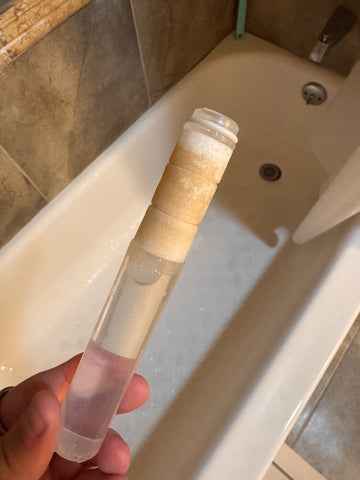
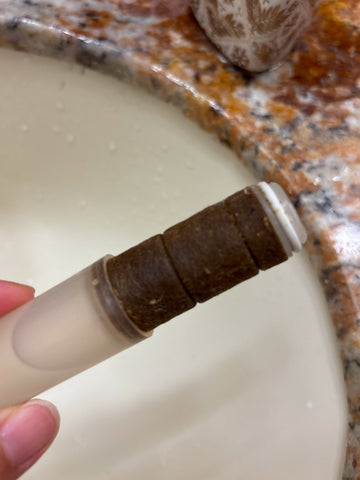
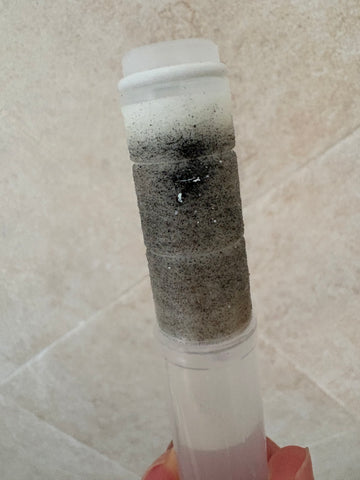
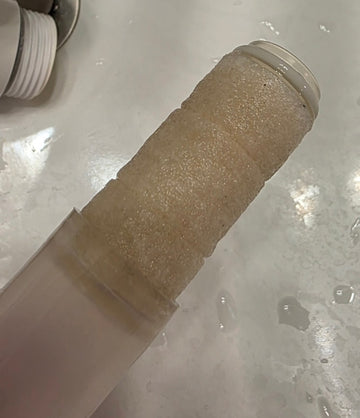
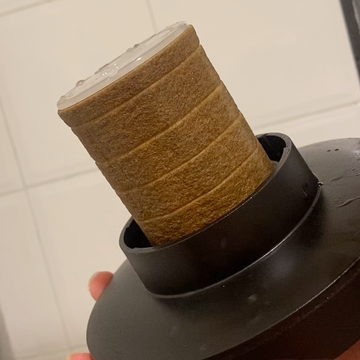
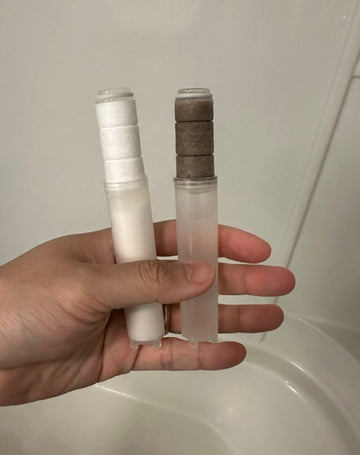
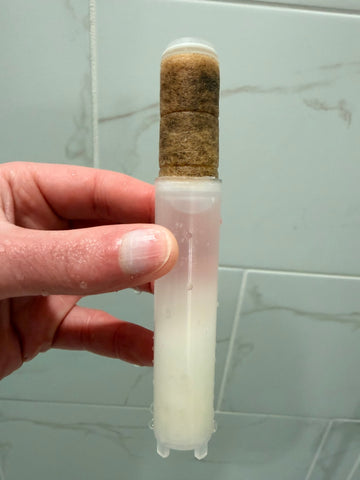
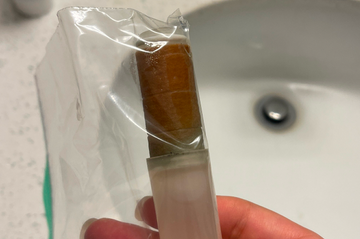
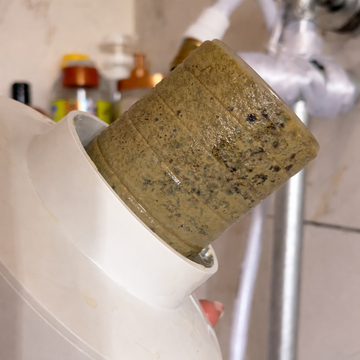
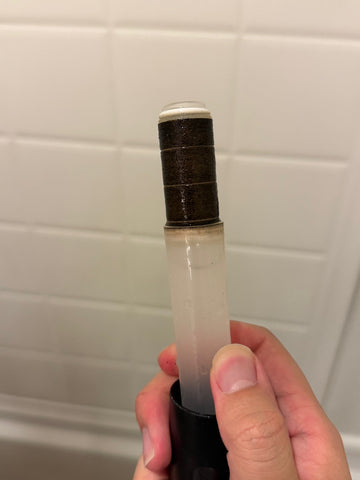
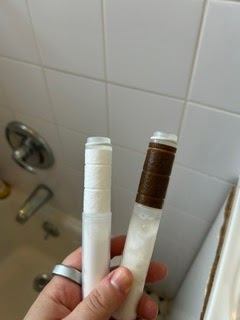
Every 1-2 months for Second Shower, depending on your water quality and household size. Apartment water is often harder on filters because of building-specific contaminants from aging pipes. If you notice the water flow decreasing or the filter cartridge turning dark brown/black (visible through the Truth Window), it's time to replace. Replacement filters are $29.96 for a 3-pack. KDF-55 filters in other brands last longer (3-6 months) but their effectiveness drops to below 10% after 30 days, so you're showering in unfiltered water for most of that time.

Can I use a filtered showerhand for baby baths in an apartment?

Yes, and it's one of the best use cases. Baby skin is 30% thinner than adult skin with an underdeveloped lipid barrier, making it more permeable to chlorine and chemicals. A handheld shower filter lets you control the spray directly for gentle rinsing, and the filtered water reduces exposure to chlorine, chloramine, and heavy metals like lead (common in pre-1986 apartment buildings). Second Shower's Vitamin C filtration is safe for infants—it doesn't add chemicals, it neutralizes them through a natural reduction reaction.

Build Your Step Zero Routine

Start with cleaner shower water, then optimize the rest of your routine on top.

Shop Second Shower

Also on Amazon

Reading next

Shower Filters That Remove 99% Chlorine: Real vs. Marketing

Leave a comment

All comments are moderated before being published.

This site is protected by hCaptcha and the hCaptcha Privacy Policy and Terms of Service apply.

THE COLLECTION

Step Zero starts here.

Both include: 99.9% chlorine removal · 5-vitamin infusion · NSF-42 certified · 60-second install

Step Zero

See what you've been showering in.

99.9% chlorine removal. 99.9% chlorine & chloramine removal in every shower. NSF-42 certified Filters. Engineered in Seoul.

See what you've been showering in.