Yes. Oakland's tap water comes from the East Bay Municipal Utility District (EBMUD), and its 2025 Annual Water Quality Report lists the disinfectant as chloramine. Chloramine is chlorine combined with ammonia so it lasts longer in the pipes. The report gives a chloramine residual range of 0.07 to 3.71 ppm. Hardness depends on where you live in the service area, from 0.8 to 9.4 grains per gallon, which runs from soft to hard. So your shower water carries a disinfectant every day, and only some homes will see much mineral scale.
Oakland water at a glance
| Measure | Oakland |
|---|---|
| Water utility | East Bay Municipal Utility District (EBMUD) |
| Disinfectant | Chloramine (chlorine + ammonia) |
| Hardness | 0.8-9.4 gpg (soft to hard) |
| Disinfectant residual | 0.07-3.71 ppm (chloramine, reported range) |
Source: 2025 Annual Water Quality Report (2025 data)

Who supplies Oakland's water, and where to read the report
Oakland is served by the East Bay Municipal Utility District (EBMUD). Its 2025 Annual Water Quality Report describes the source: mostly Mokelumne River watershed water stored in Pardee Reservoir, plus local runoff that enters terminal reservoirs including Briones, San Pablo and Upper San Leandro. In dry years the report lists Sacramento River water as a supplemental source.[1]
That report is a Consumer Confidence Report, the annual water quality report every community water system in the US must send its customers, usually by July 1.[4] If you rent, the utility's name is on whoever pays the water bill, and the report is posted online either way. You can also look up any ZIP code on our water page.
Chlorine or chloramine: what EBMUD uses to disinfect
EBMUD's report lists the treatment as chloramine (chlorine plus ammonia), not plain free chlorine.[1] Utilities choose chloramine because it is more stable and lasts longer as water travels through miles of pipe. Oakland is not unusual here: the US EPA says more than one in five Americans have chloramine-treated water.[2]
The reported chloramine residual range is 0.07 to 3.71 ppm.[1] That is a range across the system and the year, not a reading for your tap on a given day. What it does tell you is that a disinfectant is present at the faucet, which is the point: it keeps the water safe on the way to you.
One practical note: a TDS meter will not tell you anything about chloramine. It measures dissolved solids, not disinfectant. Chlorine and chloramine need a DPD test kit.
How hard is Oakland water?
It depends on the neighborhood. EBMUD reports hardness of 0.8 to 9.4 grains per gallon (14 to 160 mg/L) across the areas it serves.[1] Here is where that lands on the US Geological Survey scale:[3]
| USGS class | Grains per gallon | mg/L |
|---|---|---|
| Soft | up to 3.5 | 0 to 60 |
| Moderately hard | 3.5 to 7 | 61 to 120 |
| Hard | 7 to 10.5 | 121 to 180 |
| Very hard | above 10.5 | over 180 |
So the low end of Oakland's range is soft and the high end is hard. Your area's number is in the report, or a hardness test strip gives a reading in about a minute.
Hard water shows up as white crust or spots on shower glass and fixtures, and as soap and shampoo that lather less and leave a film.[3] Two things to keep separate: a hardness number says nothing about the disinfectant (soft water is still chloraminated), and a shower filter cartridge does not remove hardness. An ion-exchange water softener does that. If scale is your issue, a chelating shampoo, used occasionally as its label directs, helps rinse minerals out of hair.
Why the shower sometimes smells like a pool
That smell is the disinfectant. Chloramine still carries a chlorine-type odor, and hot water and steam put more of it in the air you breathe in an enclosed shower, so you notice it more there than at the kitchen sink.
Beyond the smell, chlorine compounds are oxidizers, and in a hot shower they meet your hair and skin every day. Chlorine can leave hair feeling dry and rough, and faded color is a common complaint. If you color your hair or just dislike the smell, that is the reason people in chloraminated cities look at a shower filter.
Oakland vs. San Francisco and San Jose
Bay Area water is not one thing. Here is how the three cities compare, from each utility's own documents:
| City | Disinfectant | Hardness |
|---|---|---|
| Oakland (EBMUD)[1] | Chloramine | 0.8 to 9.4 gpg (soft to hard) |
| San Francisco (SFPUC)[5] | Chloramine | 1 to 4 gpg (soft) |
| San Jose (mostly San Jose Water)[6] | Mixed by area: chlorine from wells, chloramine from Valley Water surface water | 10 to 16 gpg (hard to very hard) |
What this means for choosing: in all three cities the shower question is the same, because you may have chloramine. A filter that only claims "chlorine" is not enough information; look for chloramine data. The difference is hardness. San Jose homes see more scale, and only a softener changes that.
Does a chlorine shower filter also handle chloramine?
Not automatically. Chloramine is built to be more stable than free chlorine, which is exactly why utilities use it, so a filter's chlorine result does not prove a chloramine result. Before you buy, check that the brand reports chloramine reduction specifically.
Vitamin C (ascorbic acid) is one well-documented route: the US EPA calls ascorbic acid "an established and recognized dechlorinating agent," and EPA researchers found it rapidly reduces oxidizing chlorine compounds. That recognizes the chemistry, not any one product.
Where a shower filter helps in an Oakland bathroom, and where it doesn't
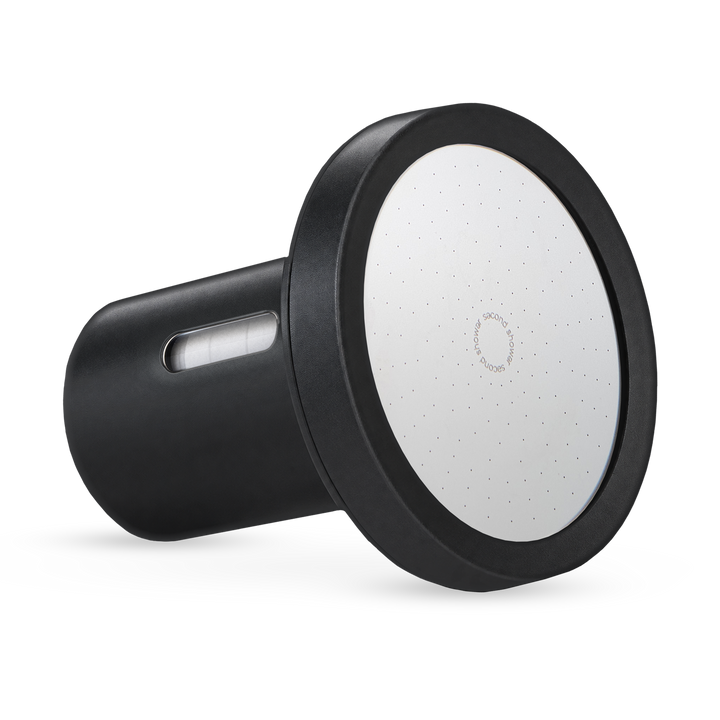
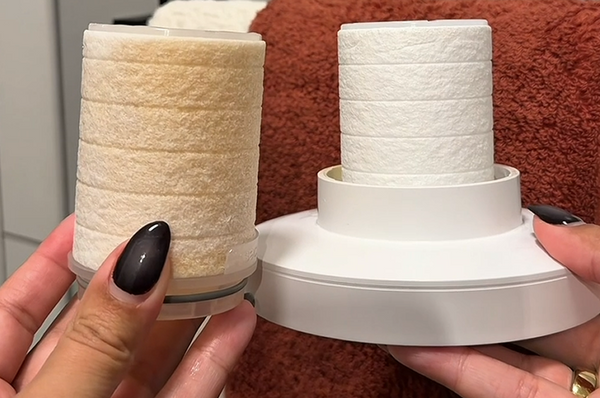
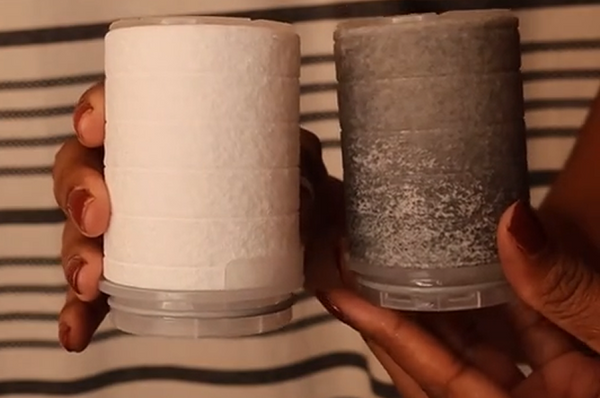
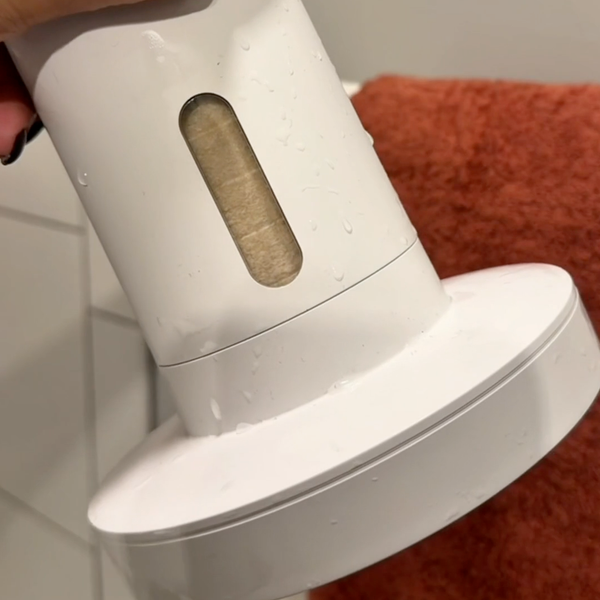
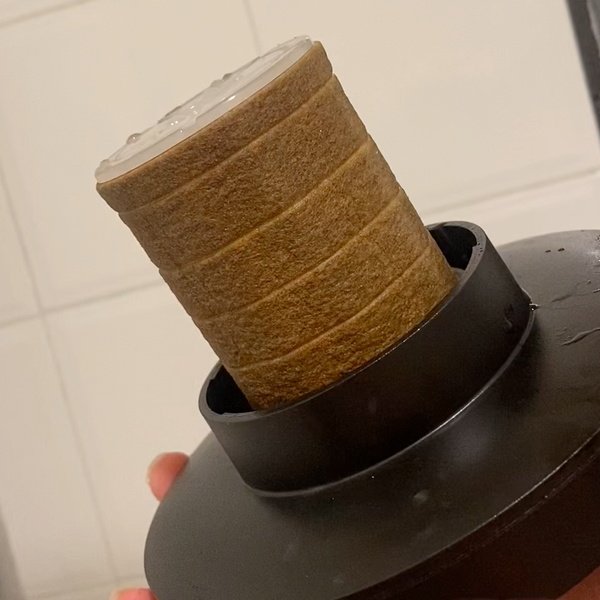
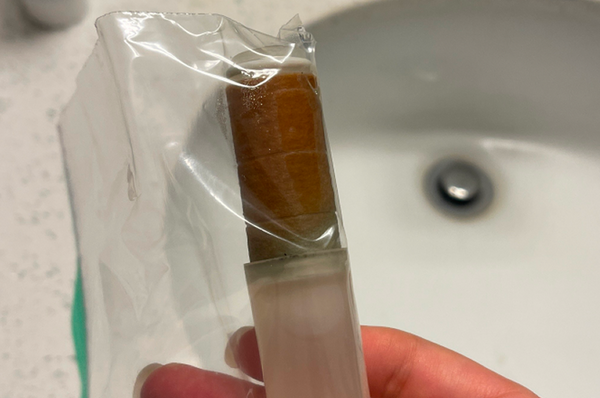
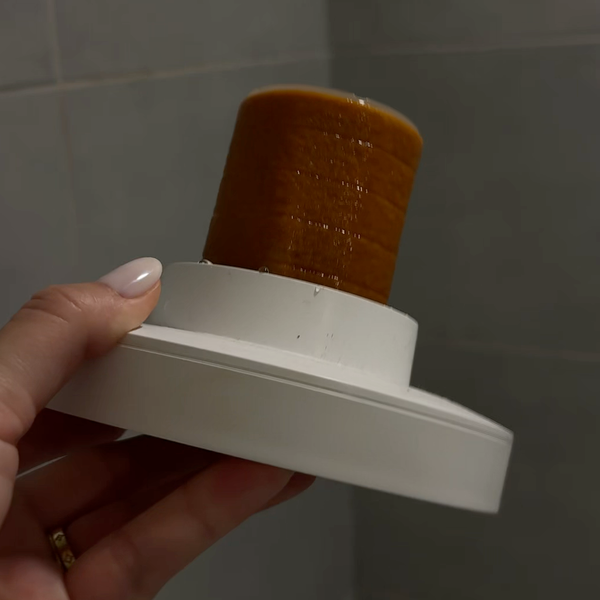
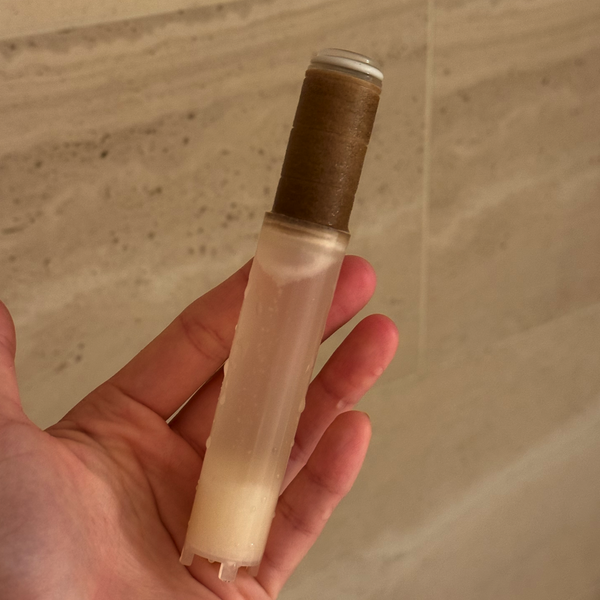
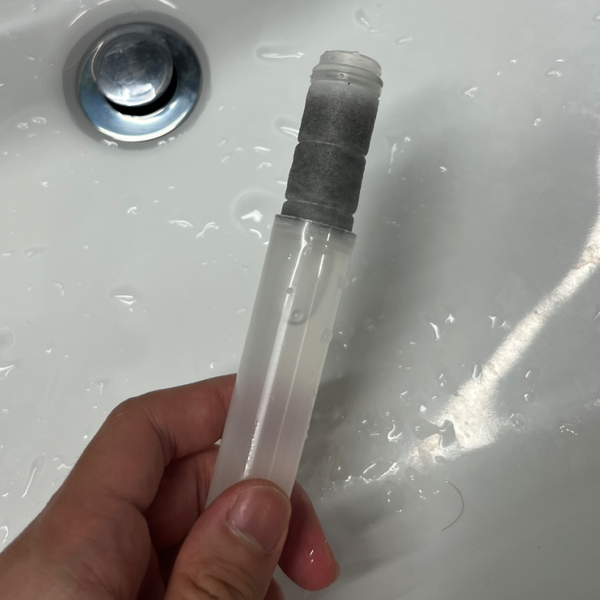
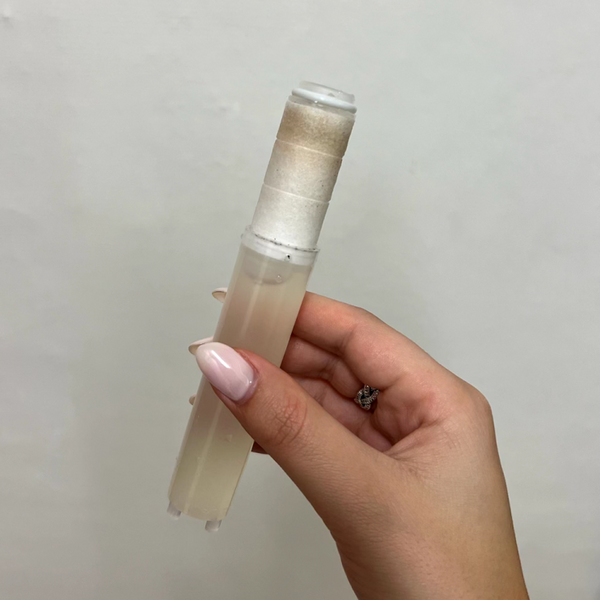
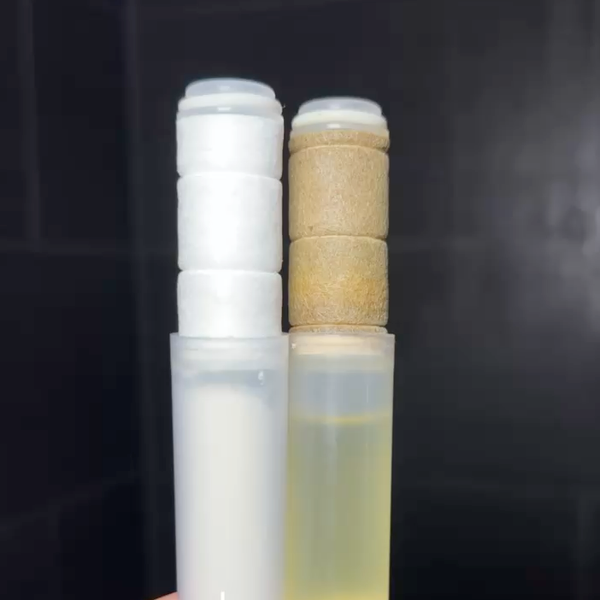
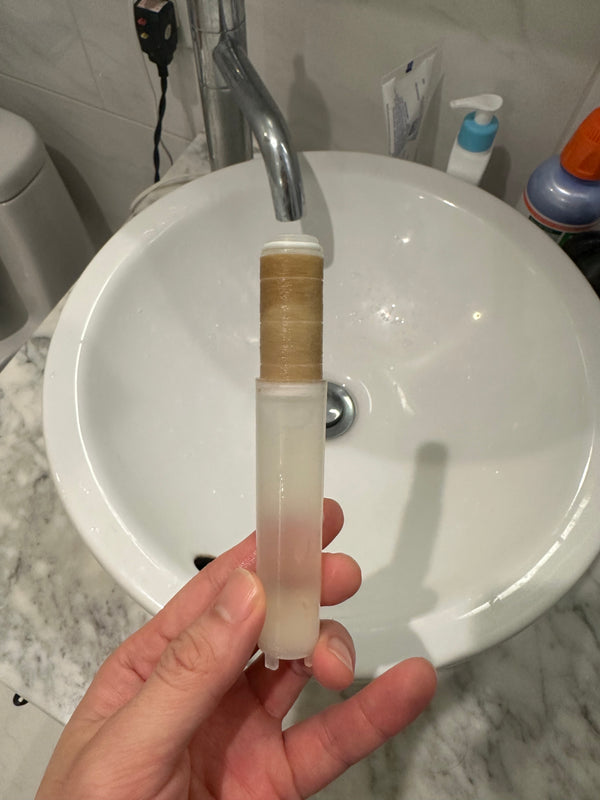
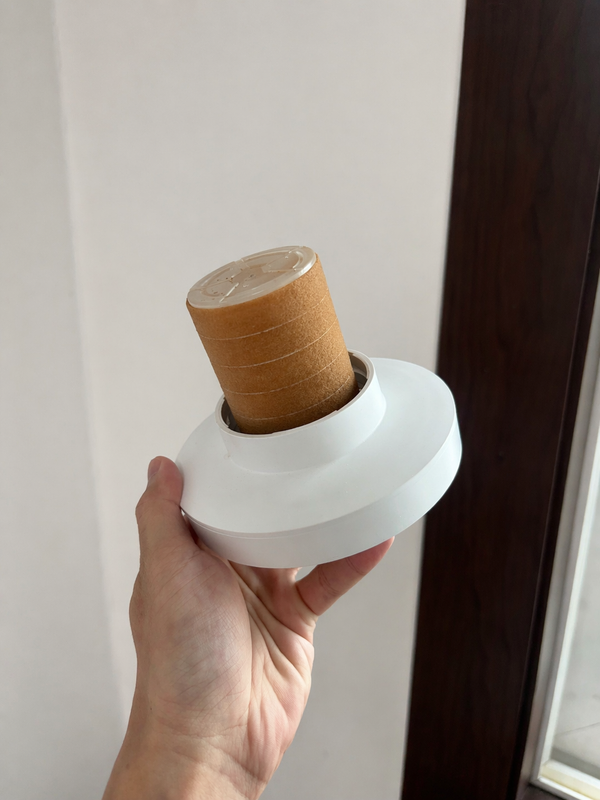
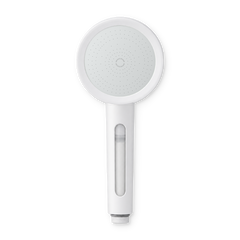
Where it helps: the chloramine. The Second Showerhead ($99, or $79 with a filter subscription) is a wall-mount head with a two-stage cartridge: a micron sediment pre-filter, then a Vitamin C core. We use an NSF/ANSI 42 certified filter*. In independent lab testing it removed 99.9% of chlorine and chloramine, and it held that through Day 1 to 60 of cartridge life in our own testing. One filter included; we recommend a new one every 60 days. It installs without tools in about a minute on a standard 1/2 inch shower arm, which suits renters who want to put the original head back when they move.
Where it doesn't: we do not soften water or remove hardness, so it will not stop scale on the glass in the harder parts of EBMUD's range. A water softener does that. And a shower filter does not treat any skin or scalp condition; if dryness persists, see a board-certified dermatologist.
*Micron PP sediment filter certified by NSF/ANSI 42 standards.
In October 2026, an independent lab measured tap water before and after 100 liters passed through our Vitamin C filter and detected neither chlorine nor chloramine after filtering. The test covered chloramine, the same disinfectant used in Oakland. See our full lab results.
FAQ
Is all of Oakland on chloramine, or only some neighborhoods?
EBMUD's 2025 Annual Water Quality Report lists chloramine as the disinfectant for its system. That is different from San Jose, where the disinfectant varies by neighborhood. Hardness is what varies across EBMUD's service area.
Will a shower filter get rid of the white spots on my shower glass?
No. Those spots are mineral scale from hardness (calcium and magnesium), and a shower filter cartridge does not remove hardness. An ion-exchange water softener does. A squeegee after each shower also cuts down on spots.
Can I check my own tap for chloramine?
Yes, with a DPD test kit. A TDS meter cannot detect chlorine or chloramine; it only measures total dissolved solids. For hardness, a test strip gives a reading in about a minute.
How often should I change a shower filter in Oakland?
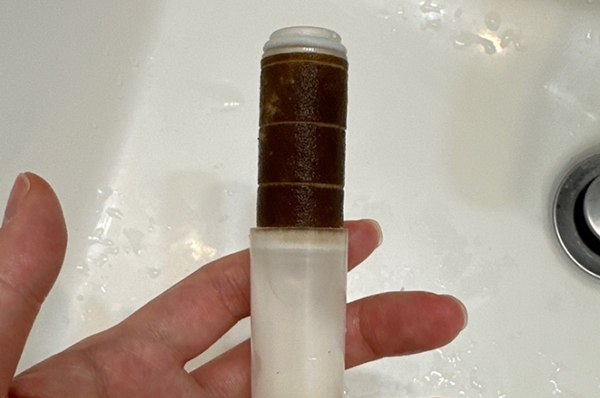
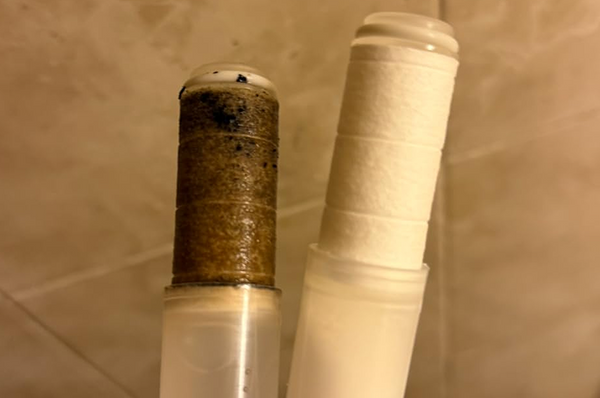
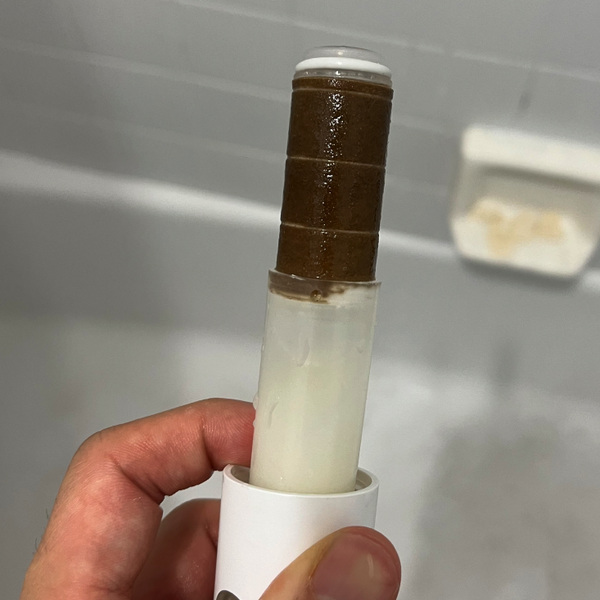
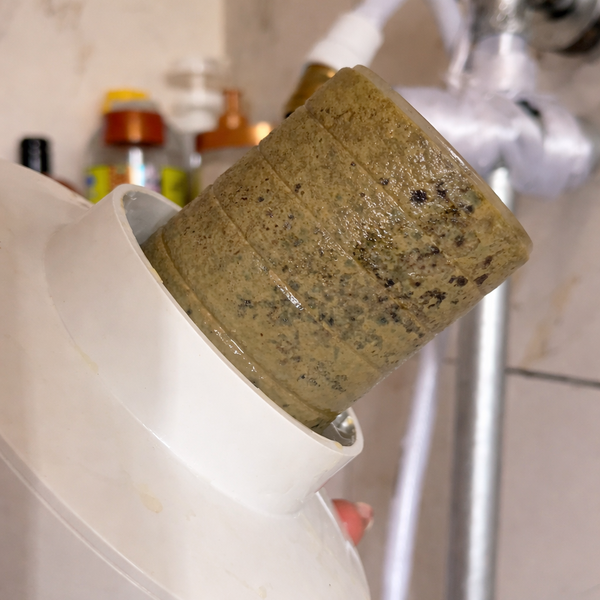
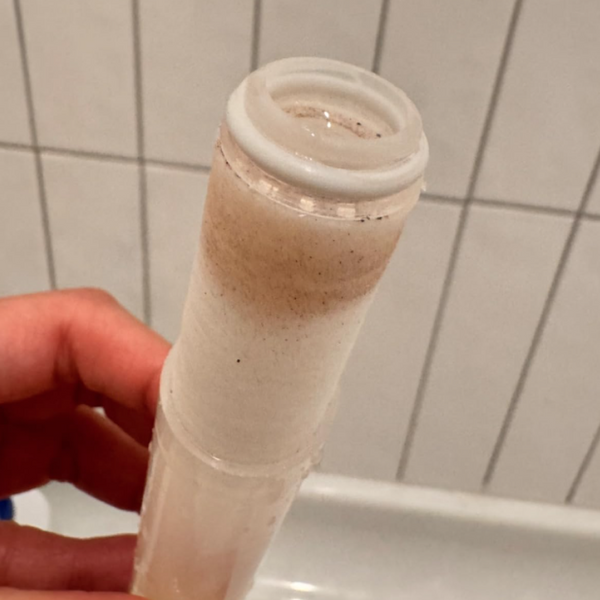
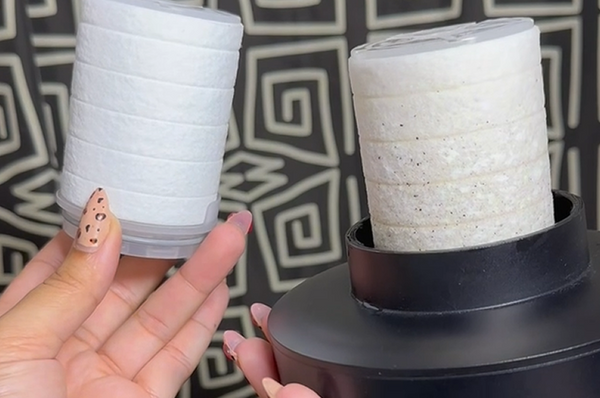
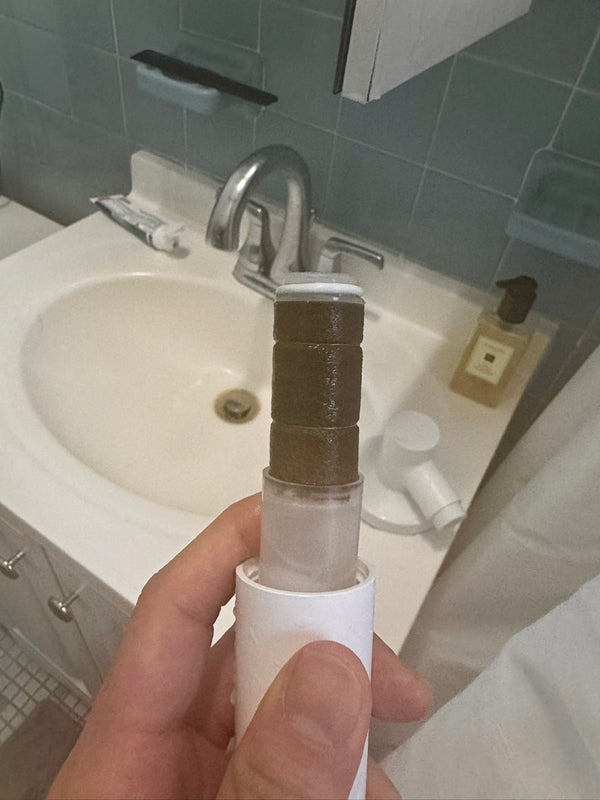
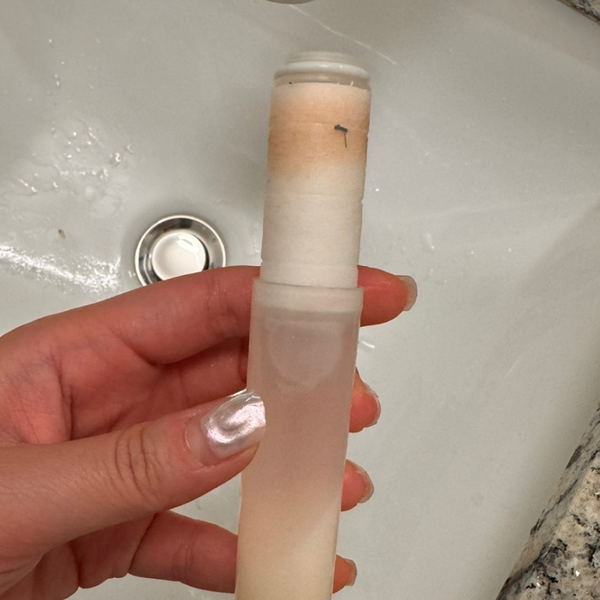
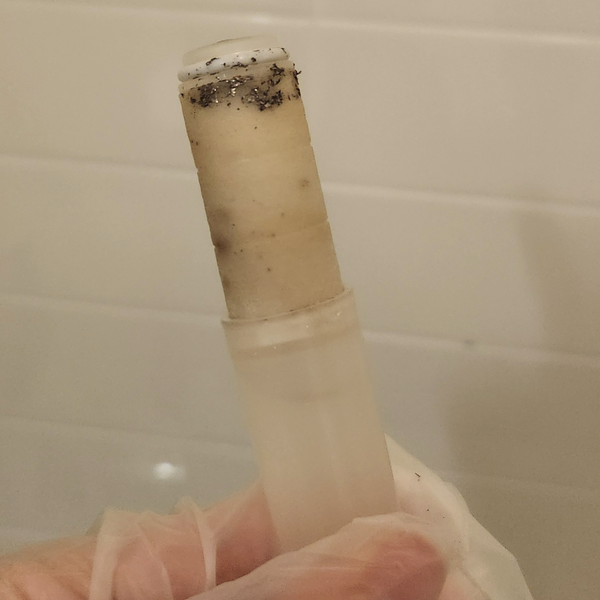
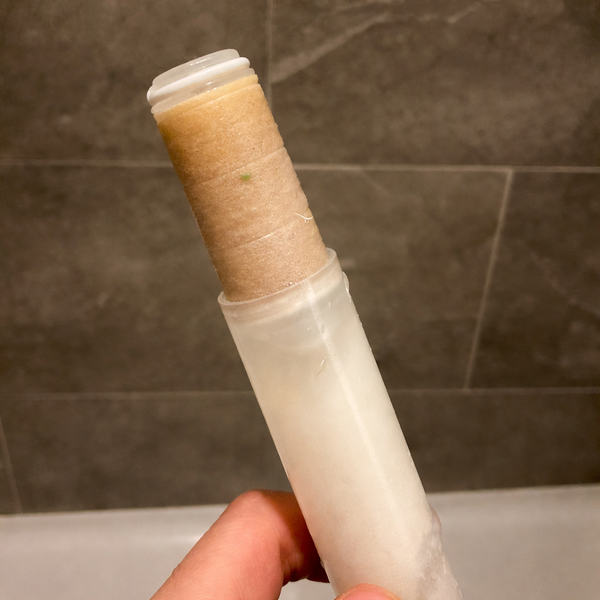
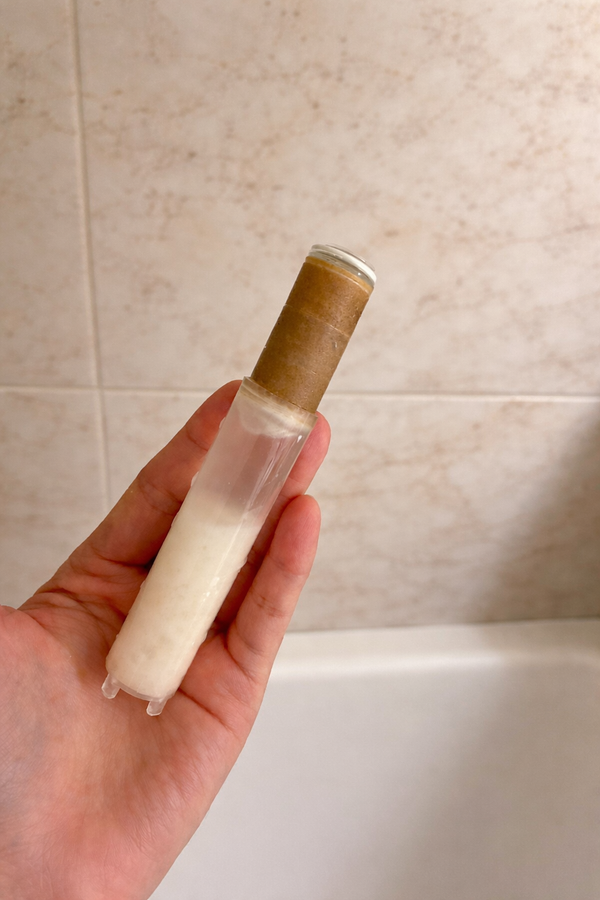
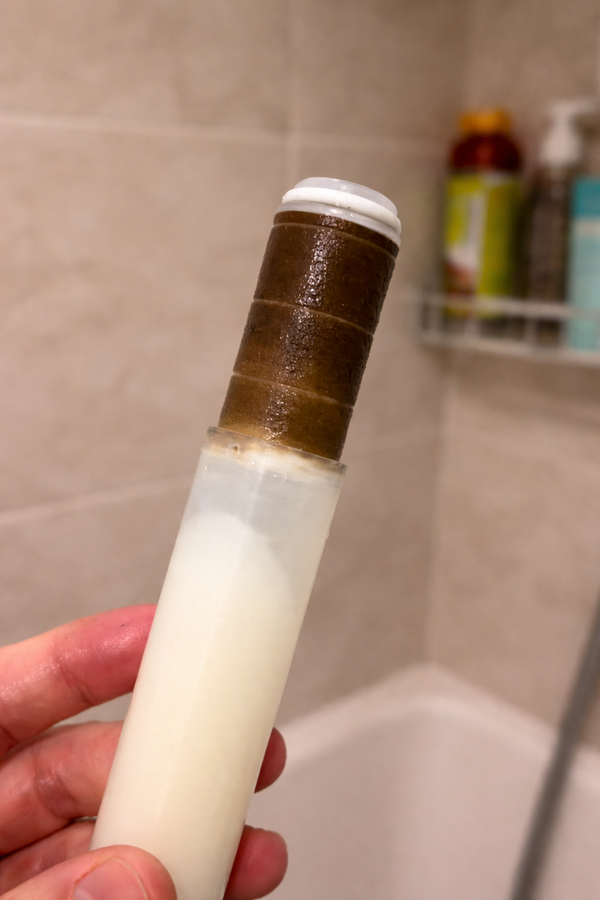
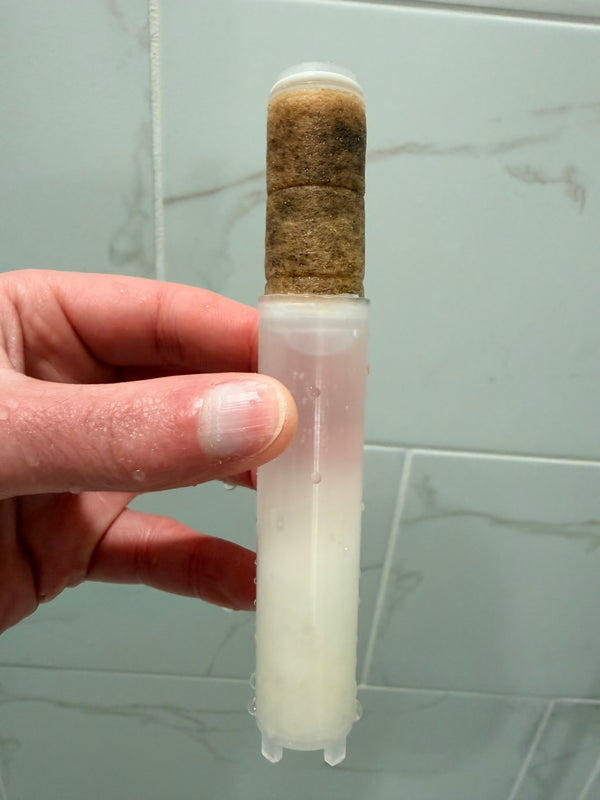
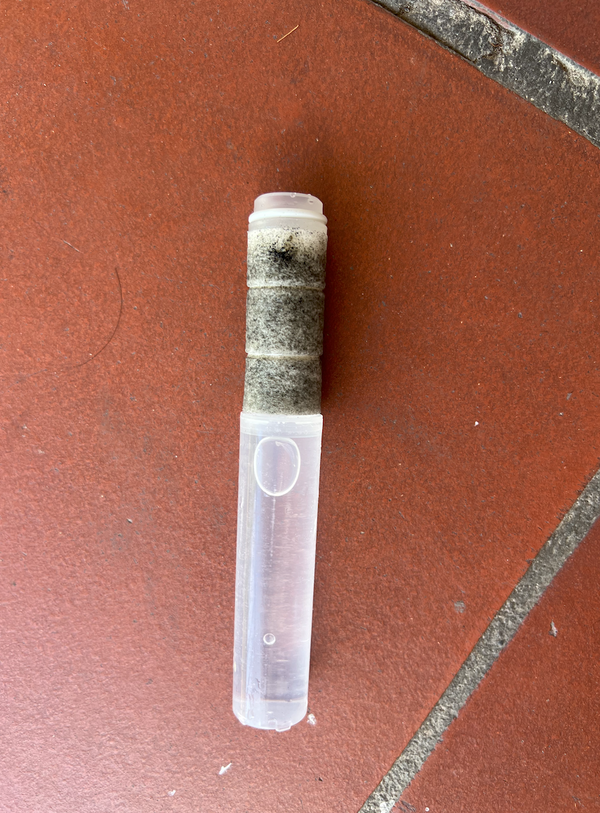
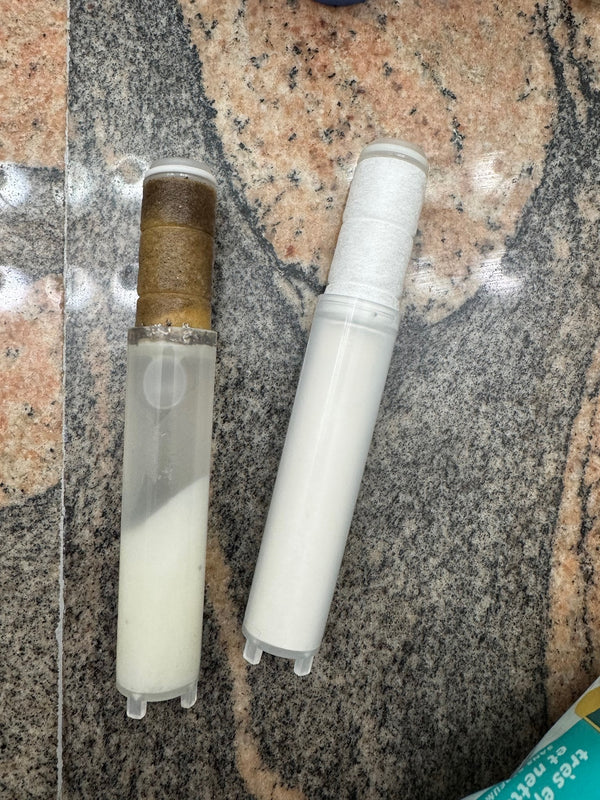
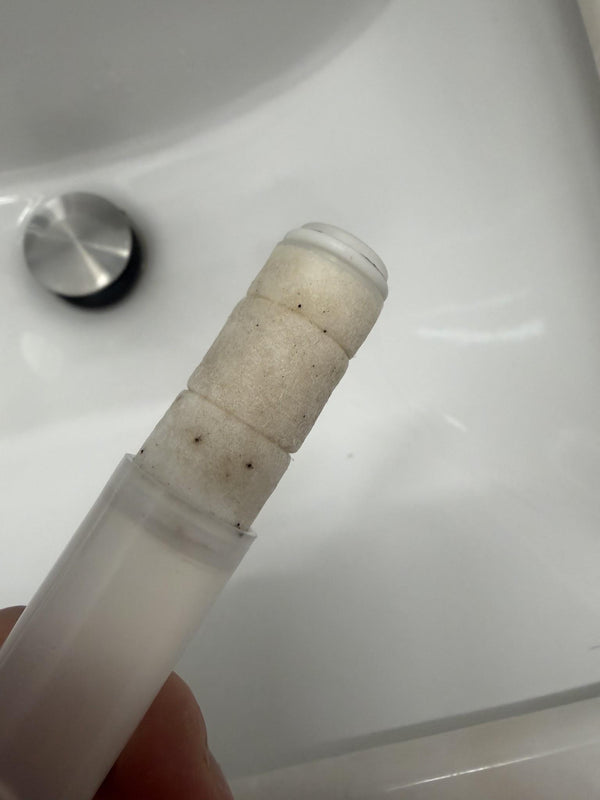
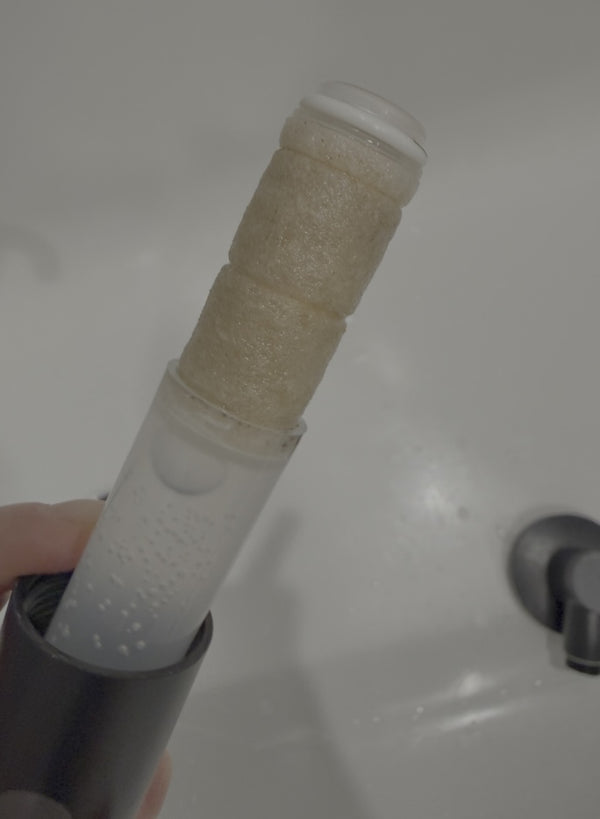
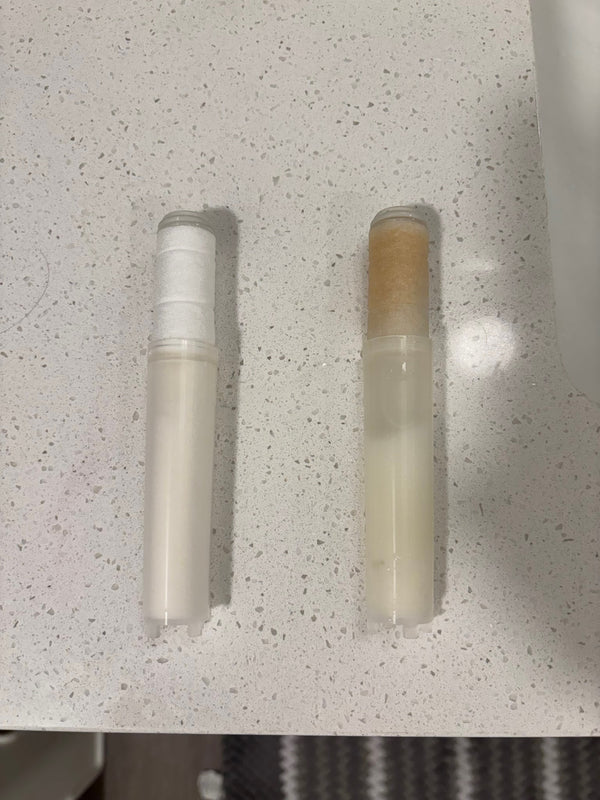
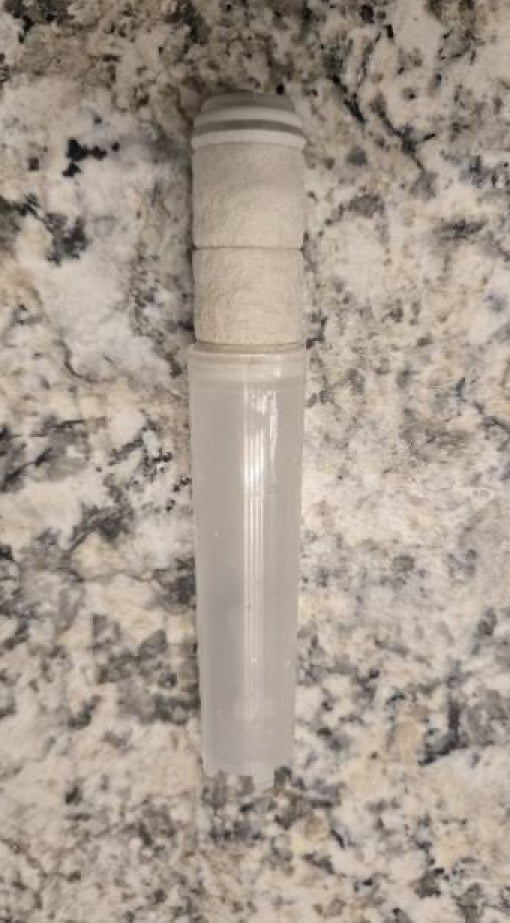
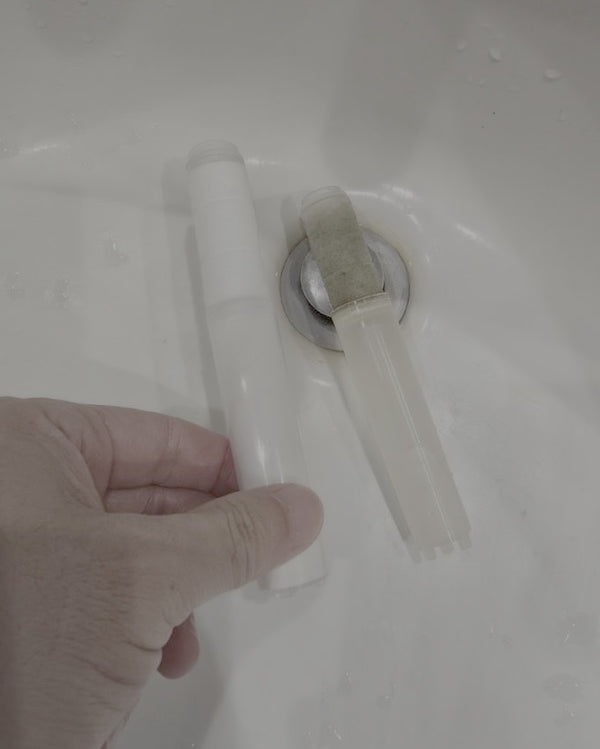
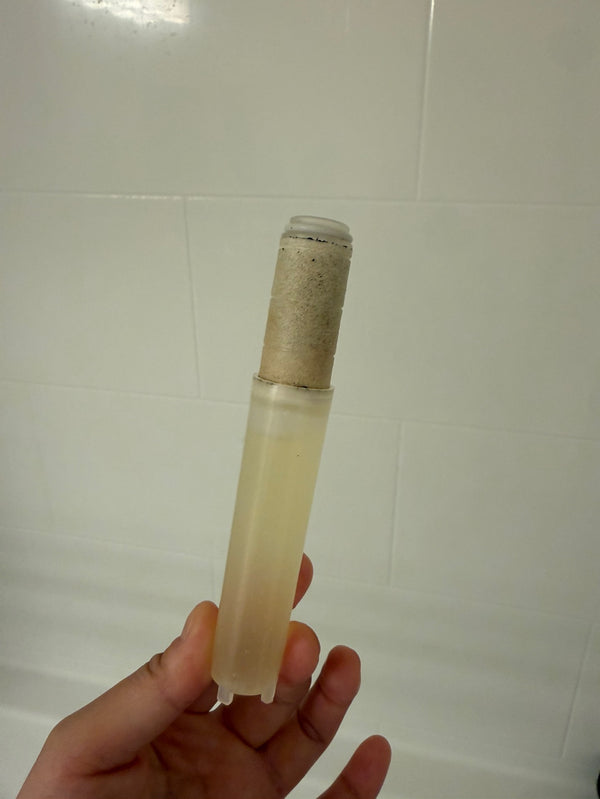
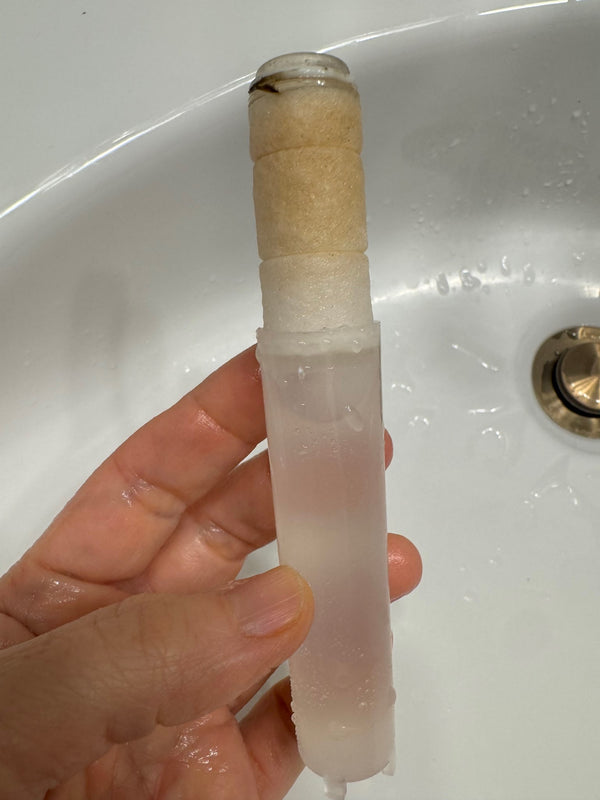
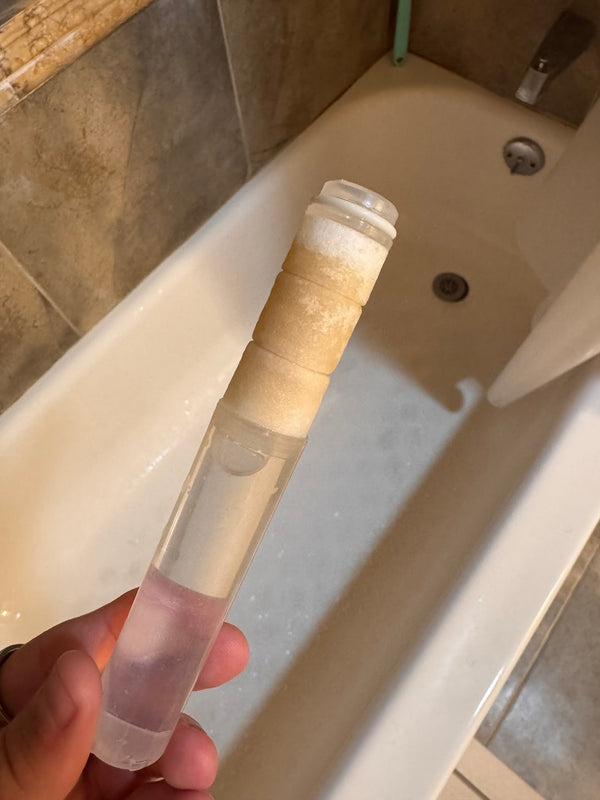
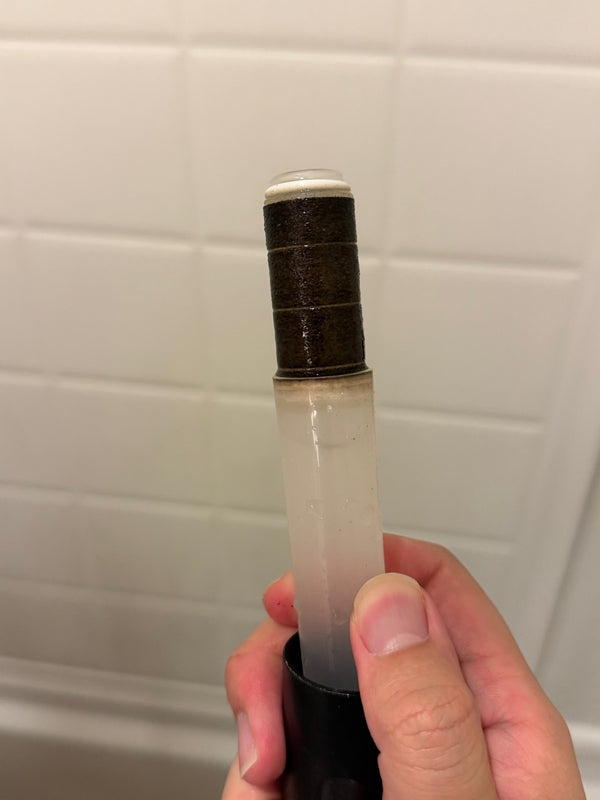
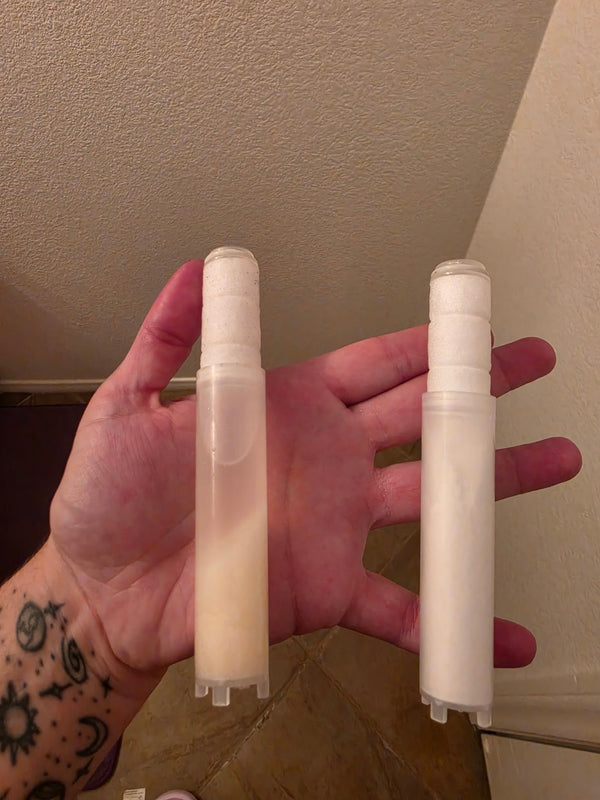
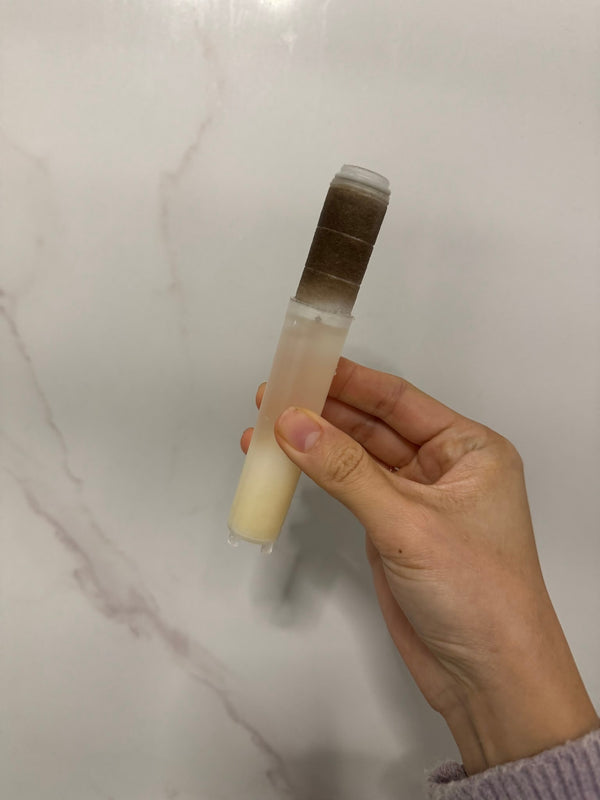
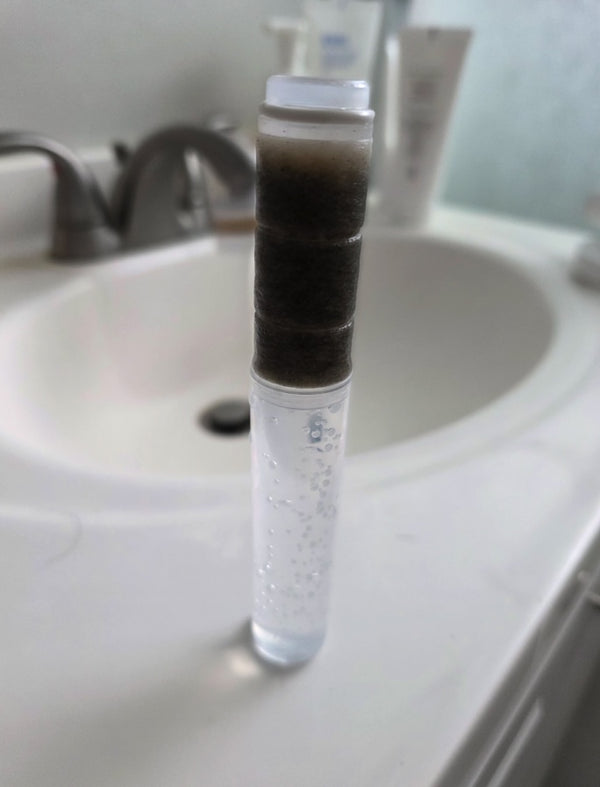
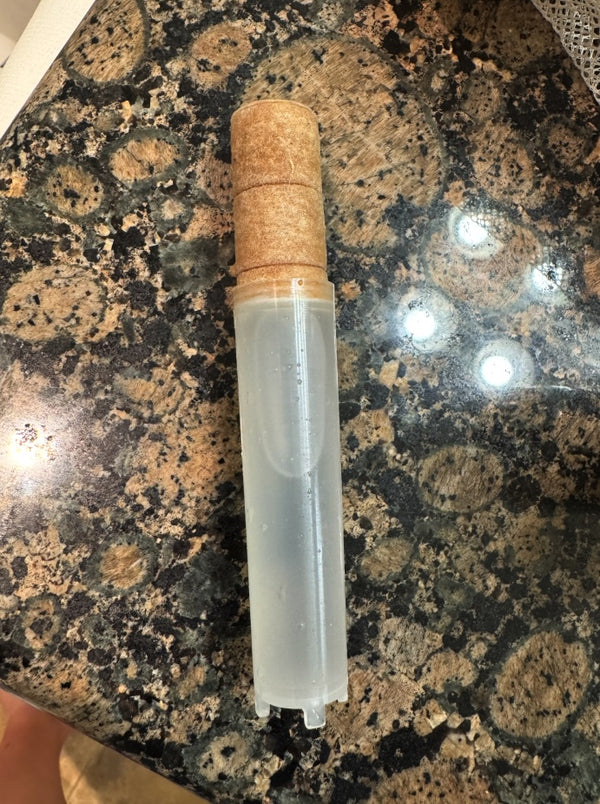
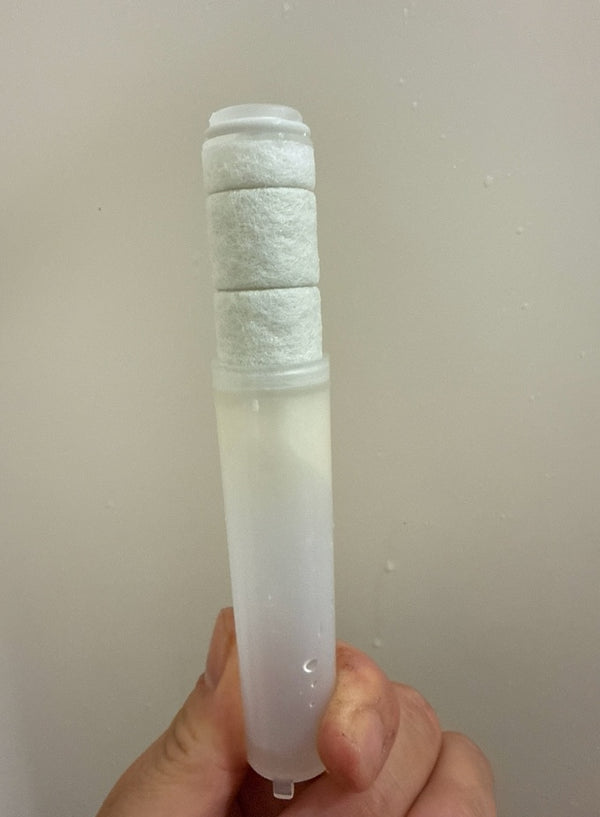
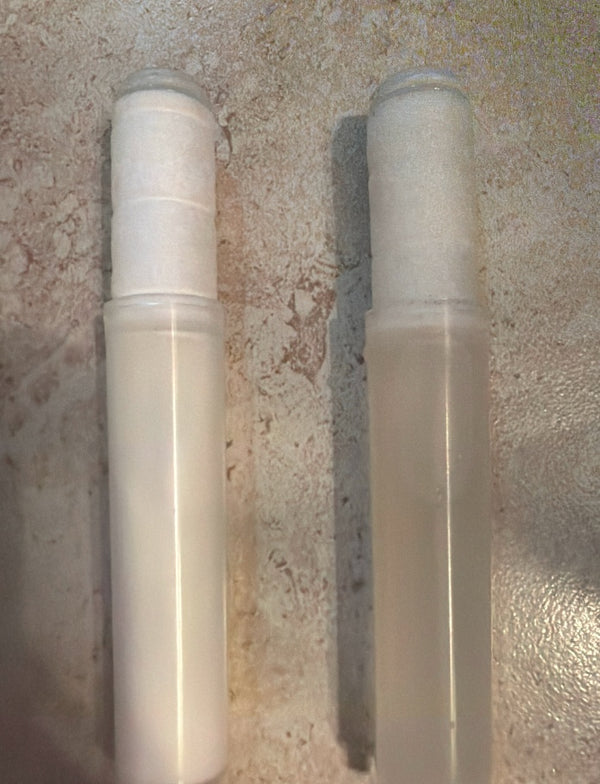
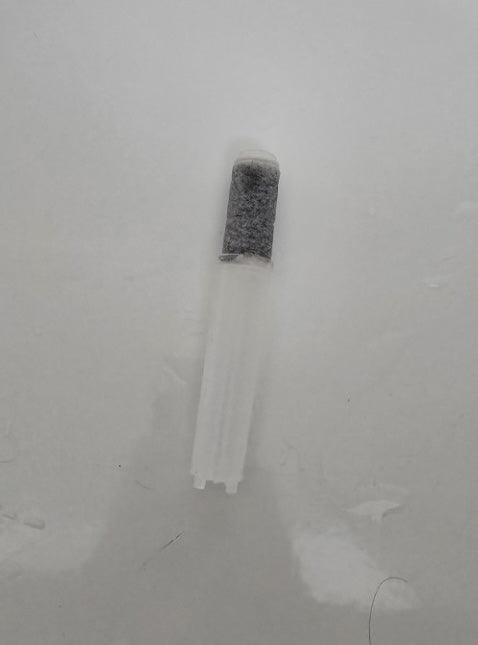
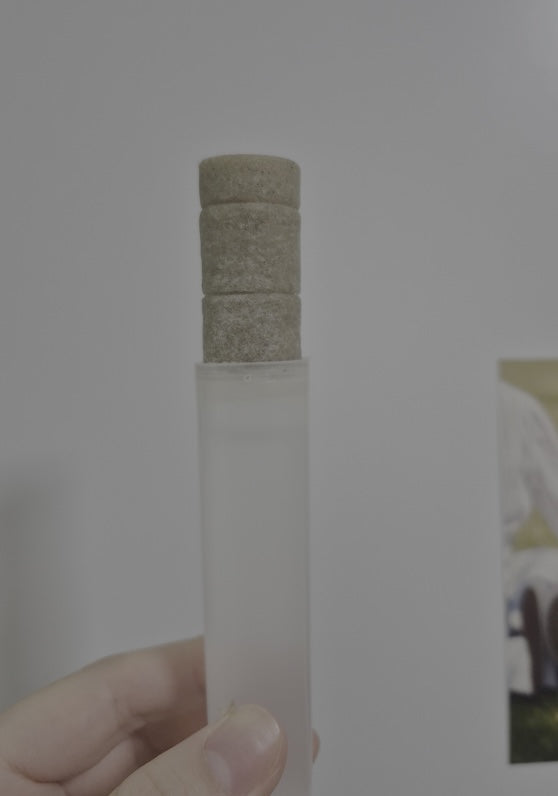
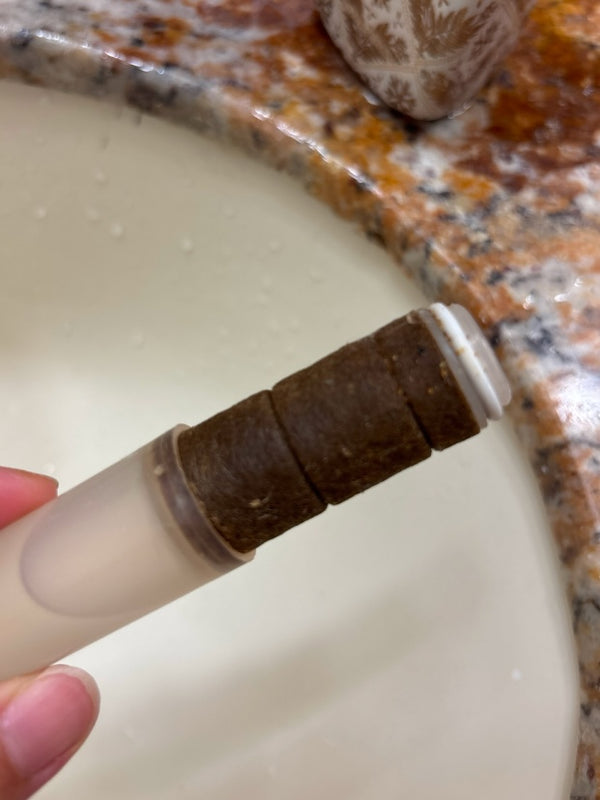
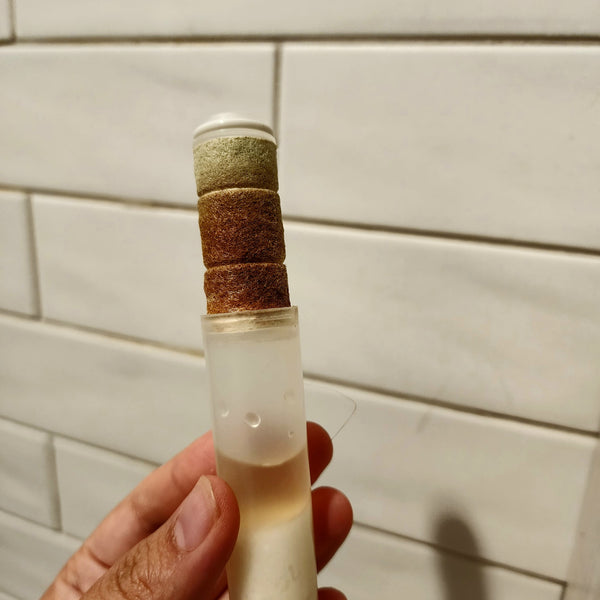
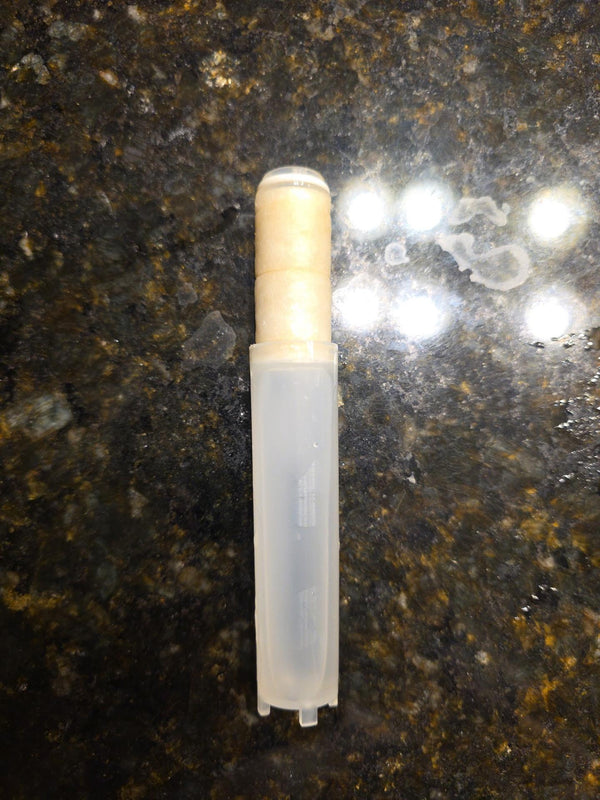
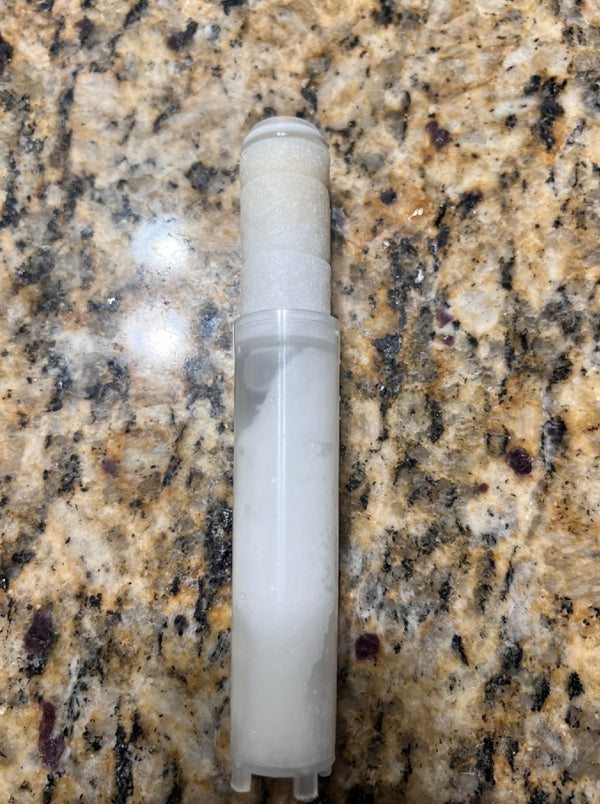
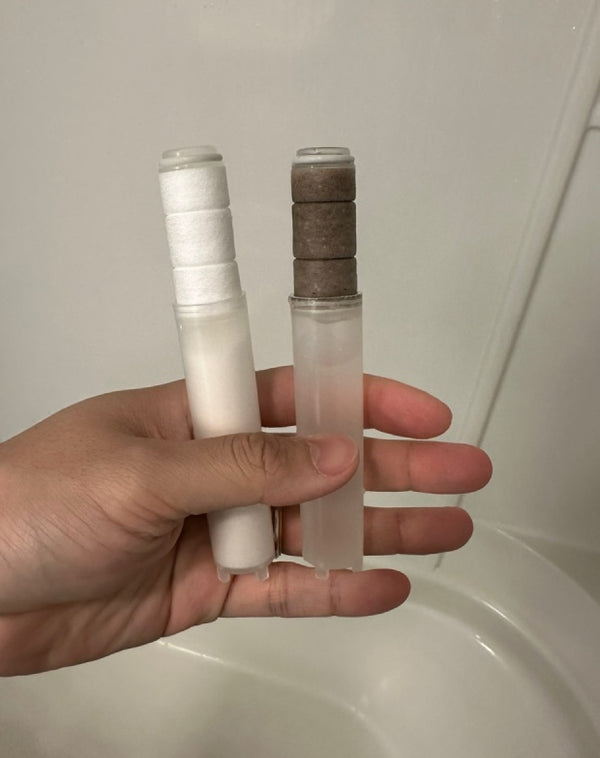
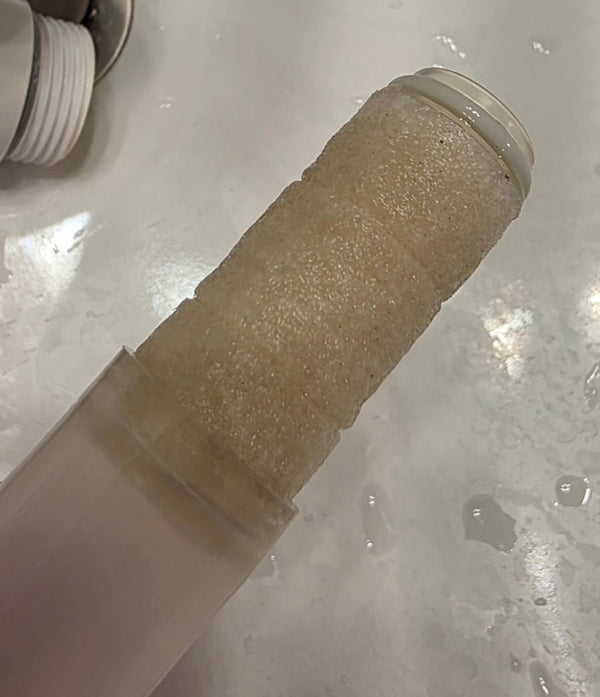
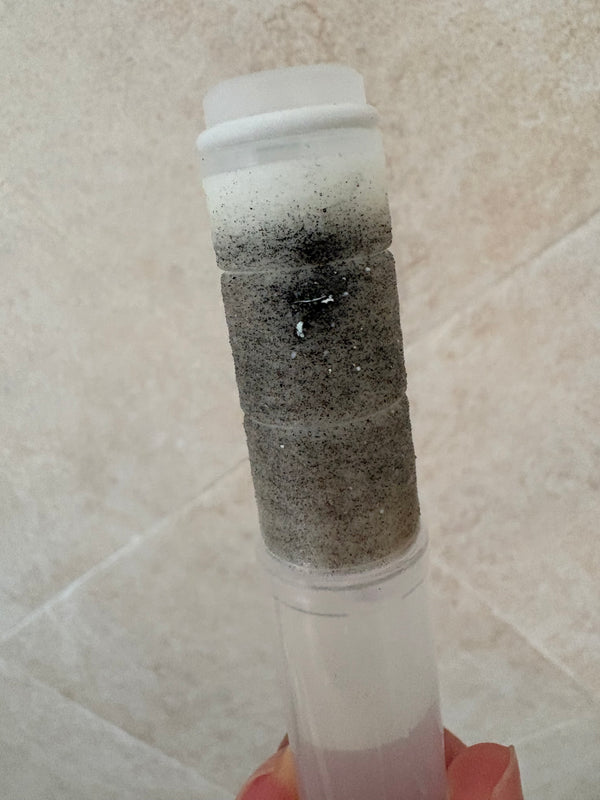
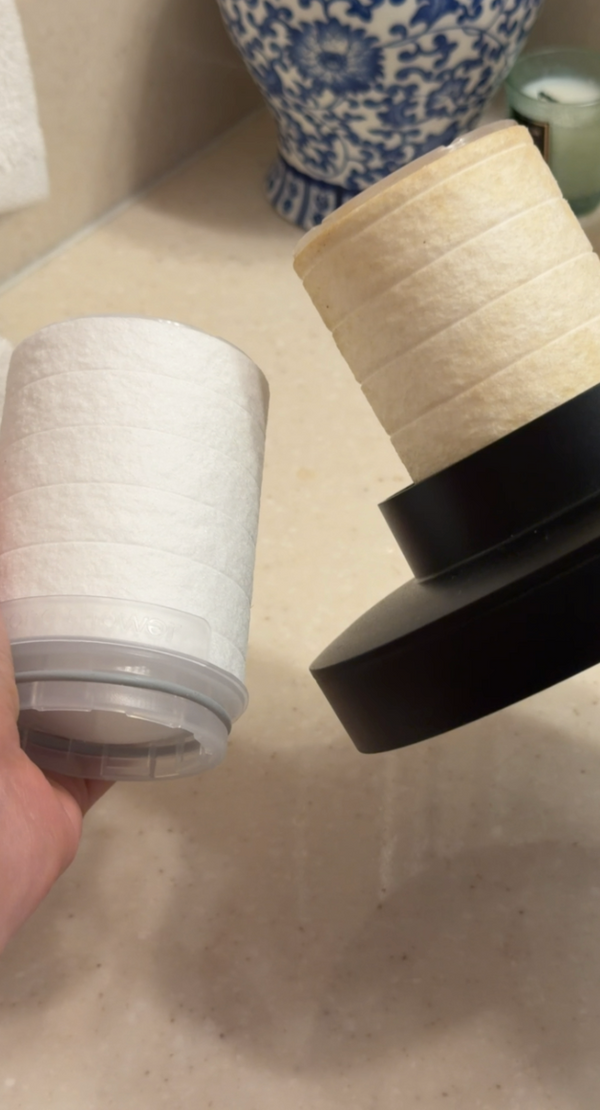
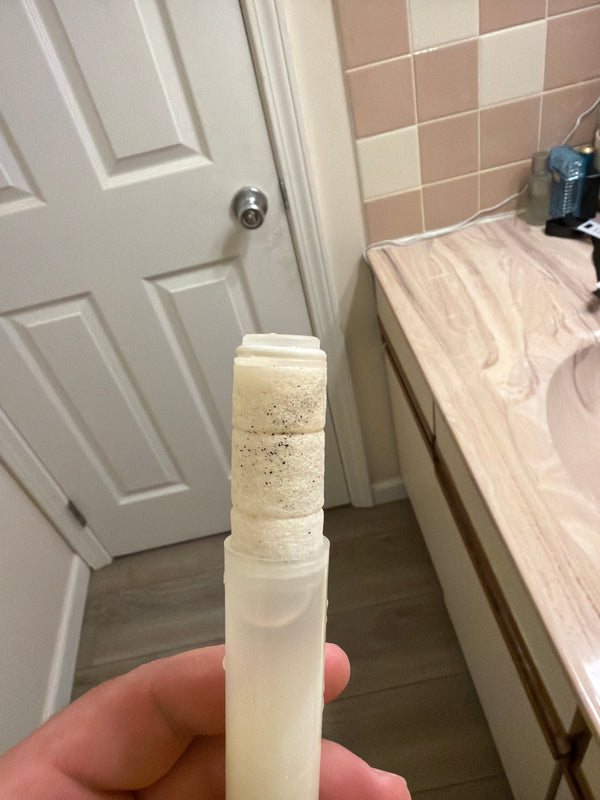
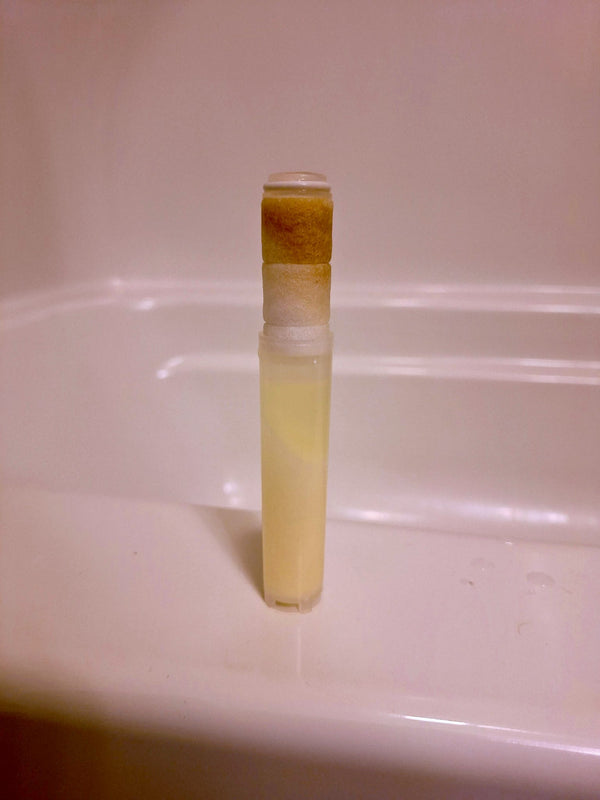
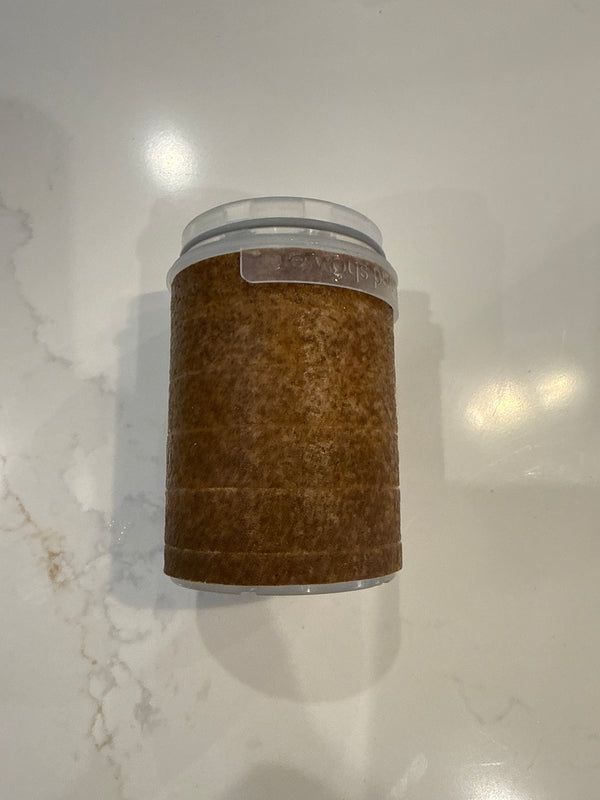
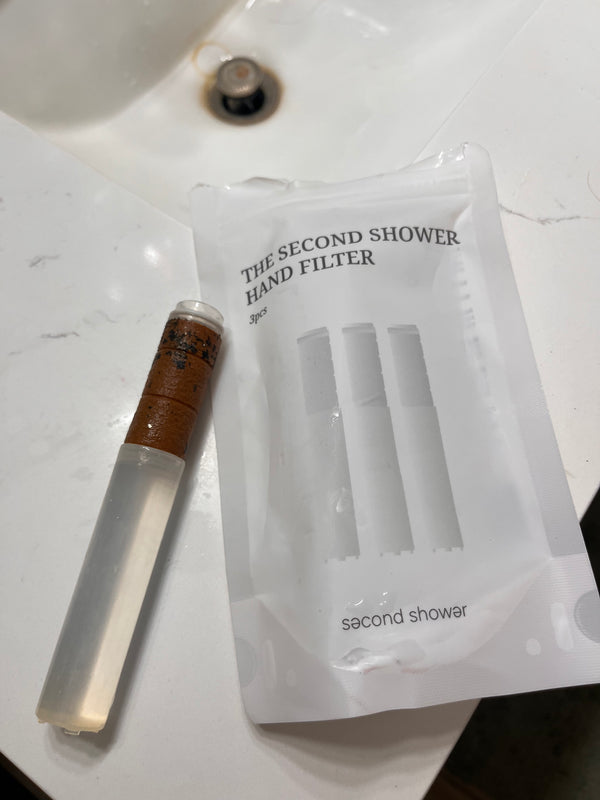
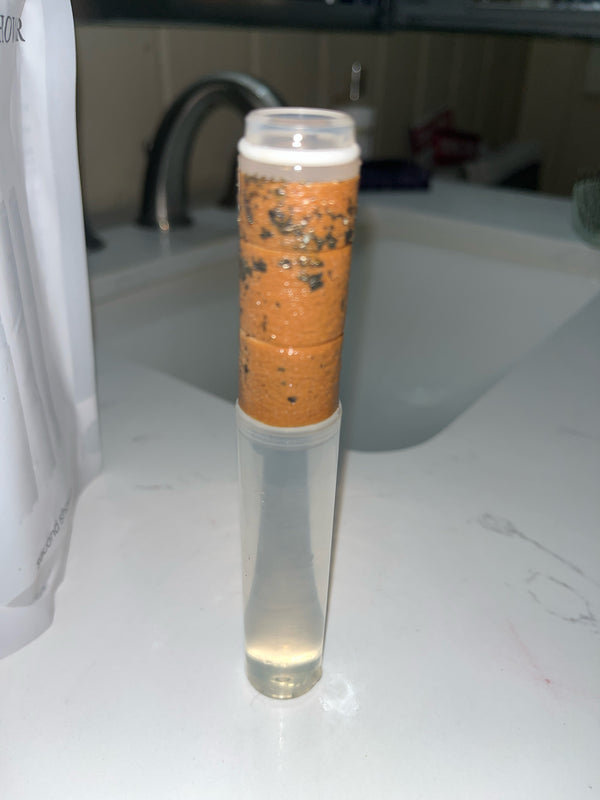
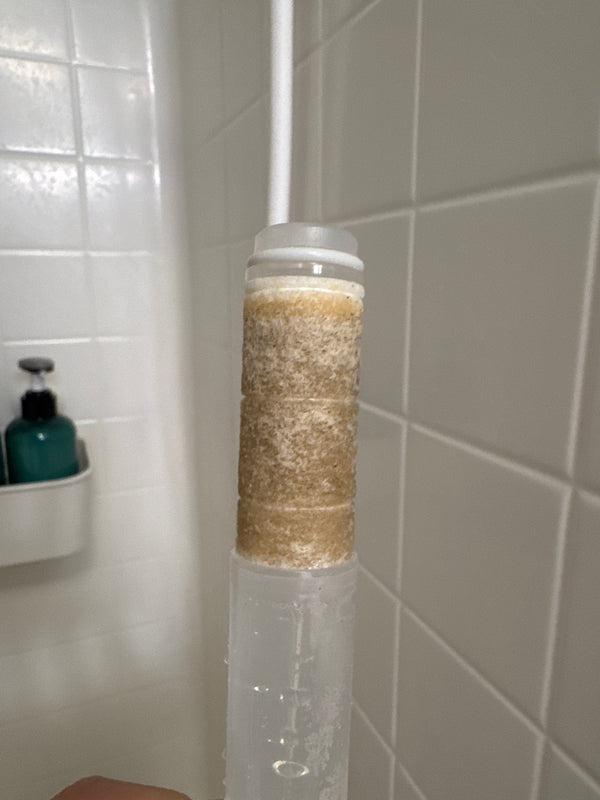
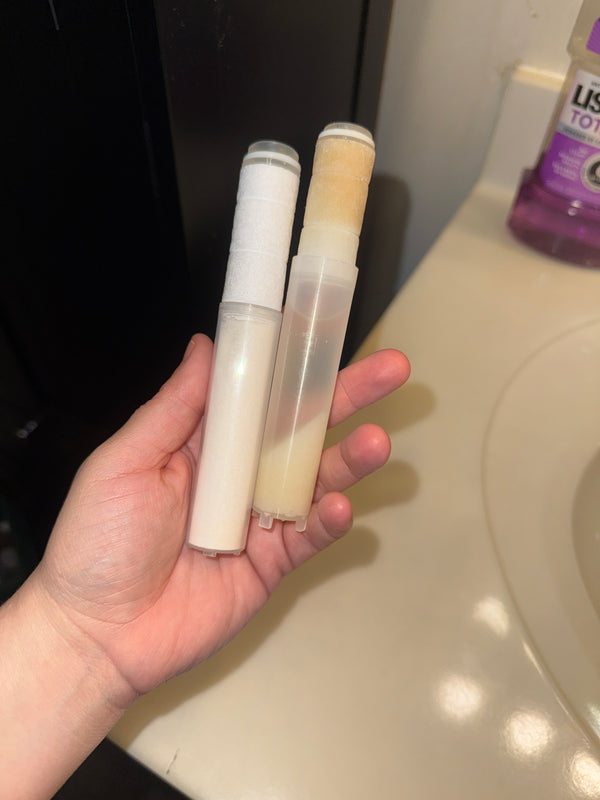
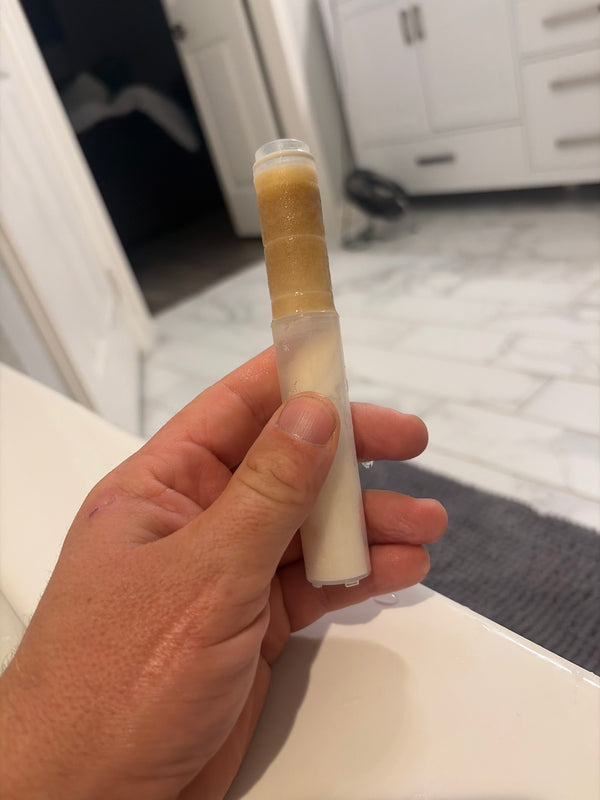
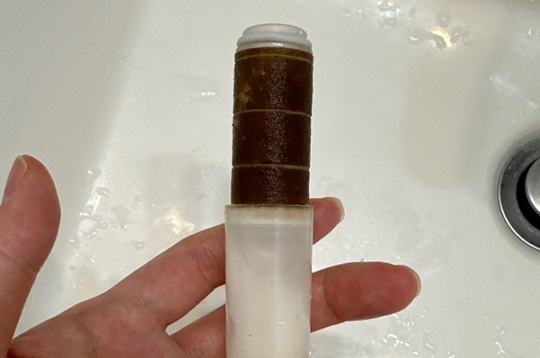
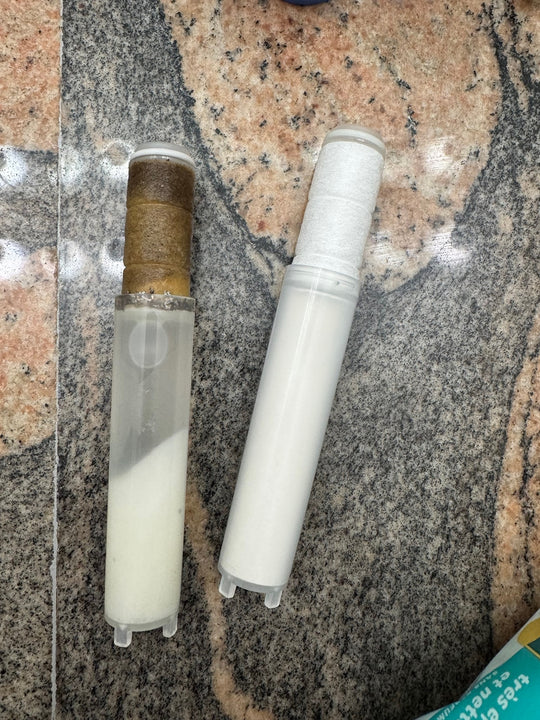
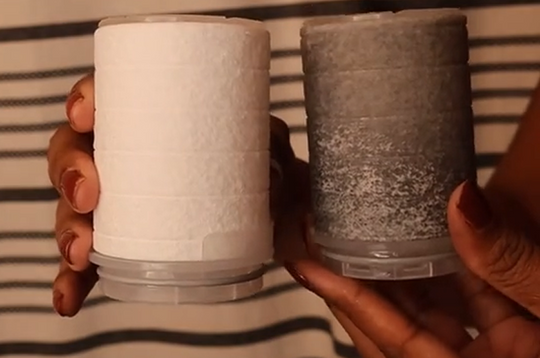
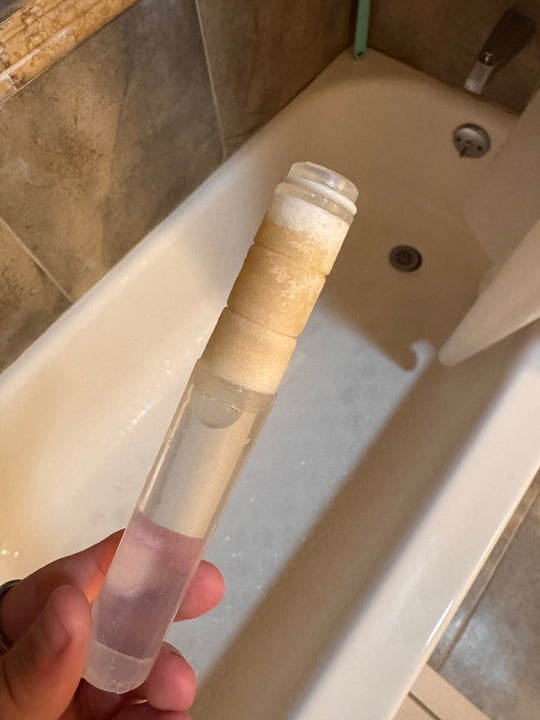
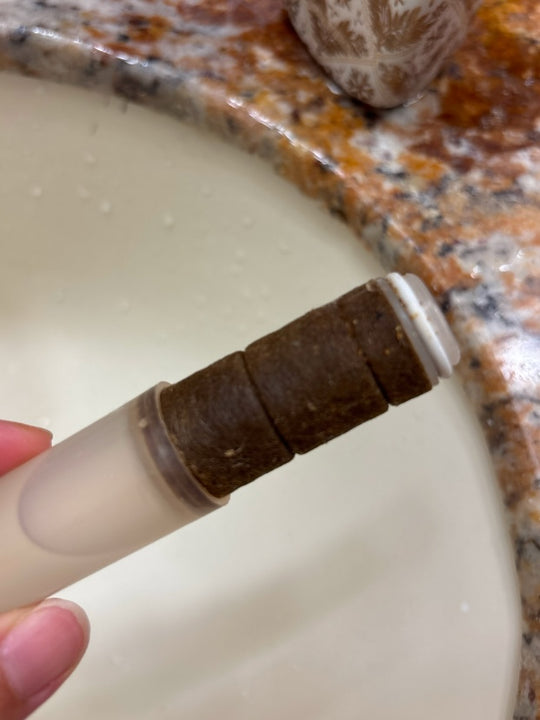
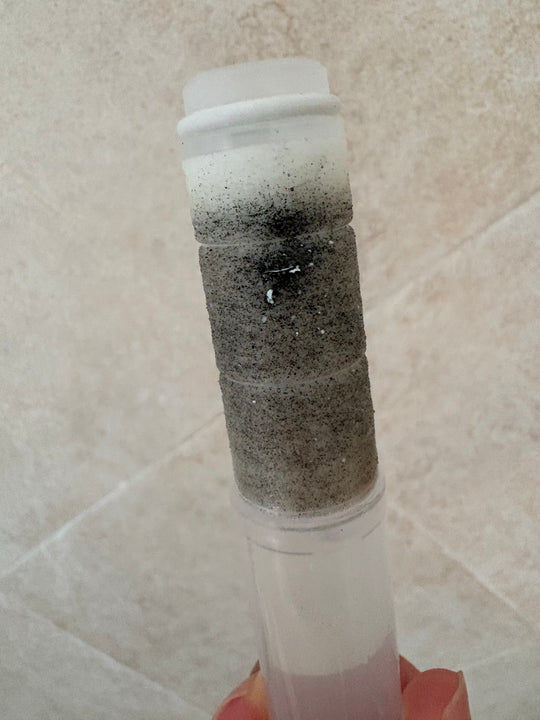
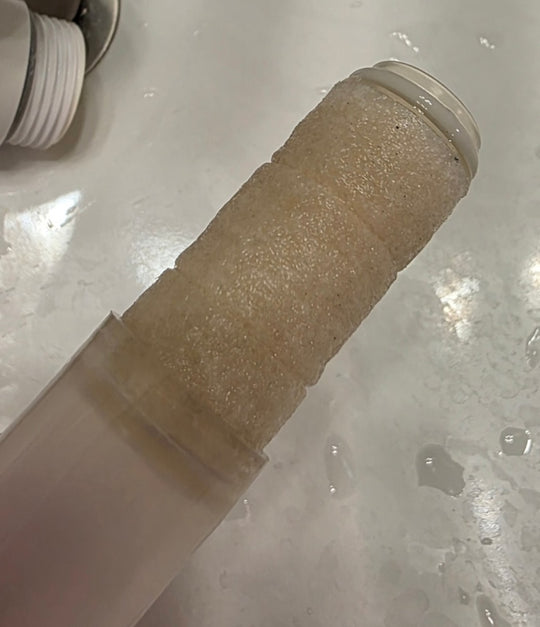
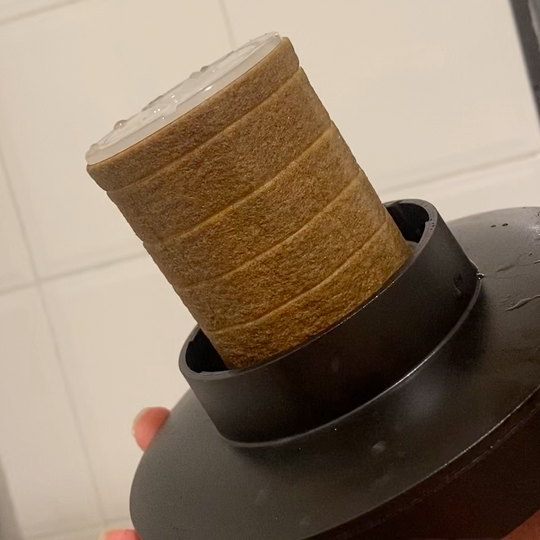
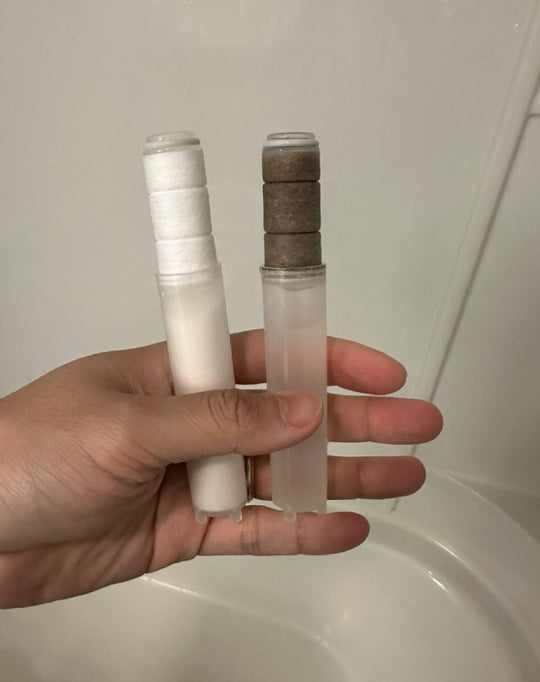
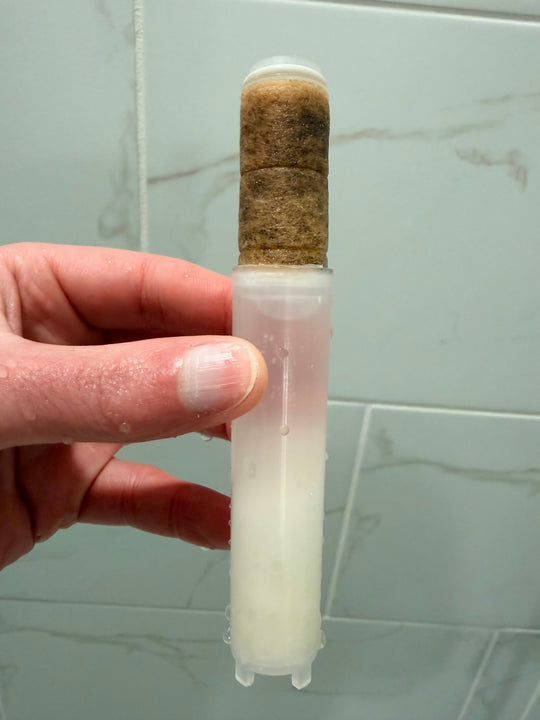
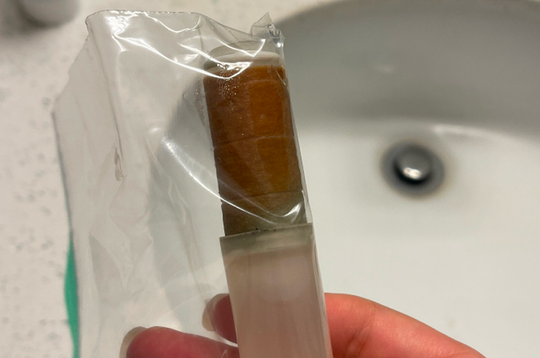
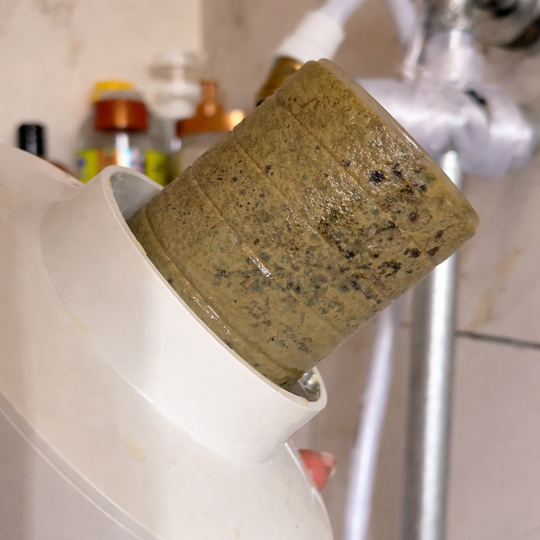
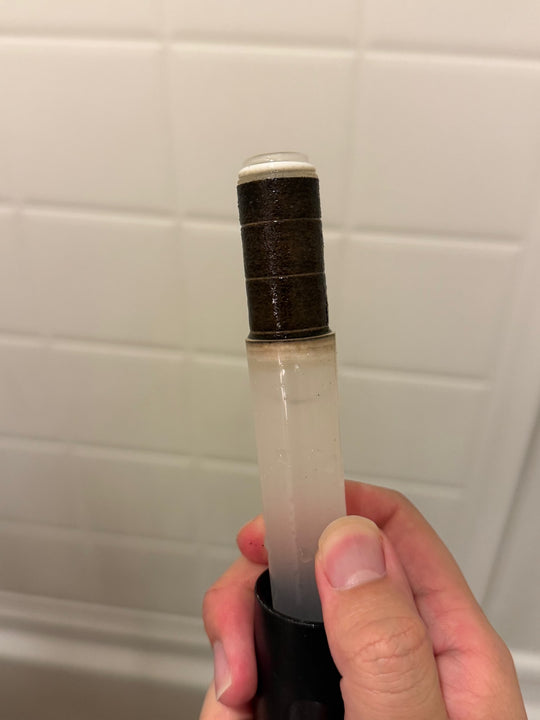
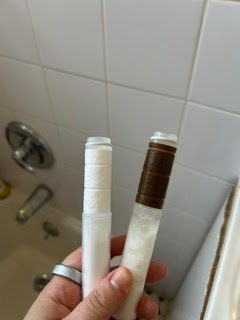
For the Showerhead we recommend a new filter every 60 days, or sooner if it looks deep brown or black or water pressure drops noticeably. The filter's color is not a measure of how much life is left, so go by the calendar.
Where do I find EBMUD's water quality report?
EBMUD posts its Annual Water Quality Report online, and US utilities send these reports to customers each year, usually by July 1. The 2025 report is linked in the sources below. You can also look up your ZIP code on our water page.