

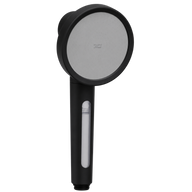
If you rent and want filtered water without landlord permission, the Second Shower Showerhand installs tool-free in under five minutes and removes 99.9% of free chlorine through its Day 1-30 peak window while neutralizing chloramine. It's backed by an NSF/ANSI 42* certified sediment pre-filter and independent lab clinical testing, and you can take it with you when your lease ends.
- Tool-free install - hand-tighten onto any standard shower arm; no plumber, no landlord approval needed
- 99.9% free chlorine reduction (Day 1-30 peak window) - Vitamin C neutralization also handles chloramine where KDF-55 media fail
- Portable across leases - unscrew and take it to your next apartment; rental-friendly by design
- NSF/ANSI 42* certified sediment filter - micron PP component certified; full assembly verified by independent lab clinical testing
- Zero pressure loss - 128 micro-jets maintain full flow while filtering; no weak-spray trade-off
Best Shower Filter for Rental Apartments (2026)
- NSF/ANSI 42* certified component
- Independent lab clinical testing
- 12+ years researcher iteration
- 4.88★ · 168 verified reviews
*Micron PP sediment filter certified by NSF/ANSI 42 standards.

The Second Shower Showerhand is the best pick for renters because it installs without tools or plumbing modifications, removes 99.9% of free chlorine during its Day 1-30 peak performance window, and neutralizes chloramine through Vitamin C chemistry. The micron PP sediment pre-filter is NSF/ANSI 42* certified, and full-assembly performance is verified by independent lab clinical testing.
Jolie's fixed showerhead works for permanent installations and offers a longer warranty, and AquaBliss is cheaper upfront at around $40. But neither matches the Showerhand's portability or tool-free setup, and both use KDF-55 media that drop below 10% chlorine reduction by Day 60. We will show our work, including where each rival beats us.
Why Rental Water Feels Worse Than It Should
Municipal water treatment plants add chlorine or chloramine as disinfectants - typically 1 to 4 ppm free chlorine to meet EPA Safe Drinking Water Act standards.
Municipal water treatment plants add chlorine or chloramine as disinfectants - typically 1 to 4 ppm free chlorine to meet EPA Safe Drinking Water Act standards. That concentration is safe to drink but harsh on skin and hair when you stand under it for eight minutes daily.
Apartment buildings often have older galvanized or copper pipes that leach trace metals into the water supply. Sediment accumulates in building-level storage tanks. The water that reaches your shower head carries chlorine, chloramine, rust particles, and dissolved minerals in a combination that strips natural oils from skin and opens hair cuticles.
Chlorine oxidizes the lipid barrier of your stratum corneum, the outermost skin layer. A 1998 study by Peterka et al. documented transepidermal water loss increasing by 24% after chlorinated showers. Hair keratin bonds break down under chlorine exposure, leading to brittleness and color fading.
Chloramine - a compound of chlorine and ammonia used by about 30% of U.S. utilities - is more stable than free chlorine but harder to remove. Standard activated carbon filters require long contact time to adsorb chloramine, but shower water crosses a cartridge in under one second at typical 2.5 GPM flow rates.
Renters face the added constraint of lease clauses prohibiting permanent plumbing changes. Most landlords require written approval for anything that modifies fixtures. A shower filter that demands pipe-thread adjustments or inline diverter valves creates a security-deposit risk most tenants prefer to avoid.
Why the Showerhand Works for Apartment Constraints
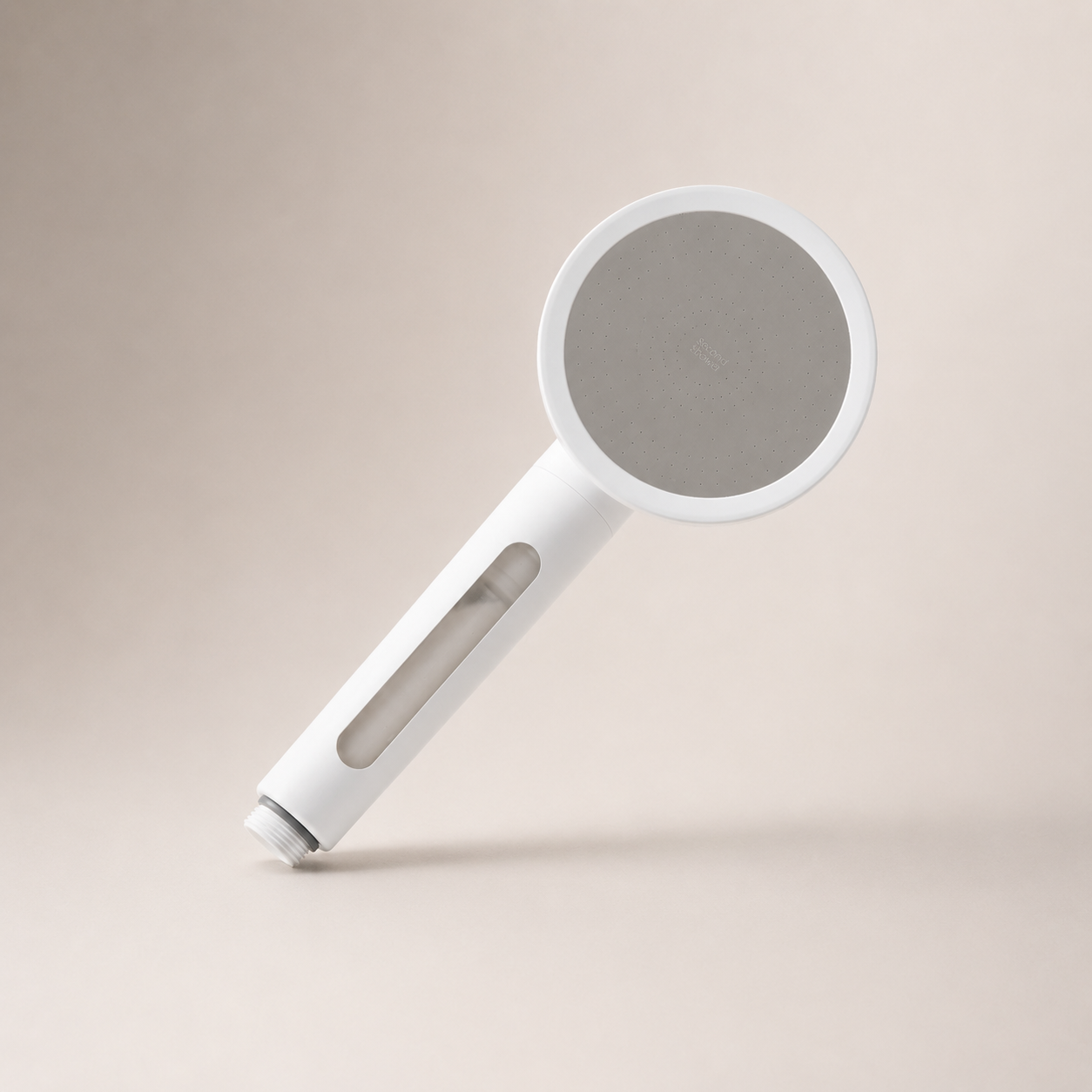
The Second Shower Showerhand uses a threaded connection that hand-tightens onto any standard ½-inch shower arm - the pipe coming out of your bathroom wall.
The Second Shower Showerhand uses a threaded connection that hand-tightens onto any standard ½-inch shower arm - the pipe coming out of your bathroom wall. No Teflon tape, no wrench, no hardware-store trip. Installation takes three to five minutes and leaves no marks when you unscrew it at lease-end.
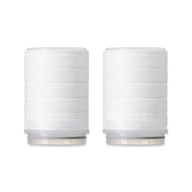
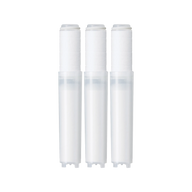
The filtration cartridge combines Vitamin C ascorbic acid (ascorbic acid) with a micron polypropylene sediment pre-filter. Vitamin C neutralizes both free chlorine and chloramine through stoichiometric chemical reaction - essentially instant at shower flow rates. Independent lab testing verified 99.9% free chlorine reduction through the Day 1-30 peak window, and the cartridge continues neutralizing chloramine where KDF-55 media show minimal effect.
The sediment layer is NSF/ANSI 42* certified, capturing rust, sand, and pipe-scale particles down to the micron range. This protects the Vitamin C media from clogging and extends effective filter life to three to six months depending on water quality and household size.
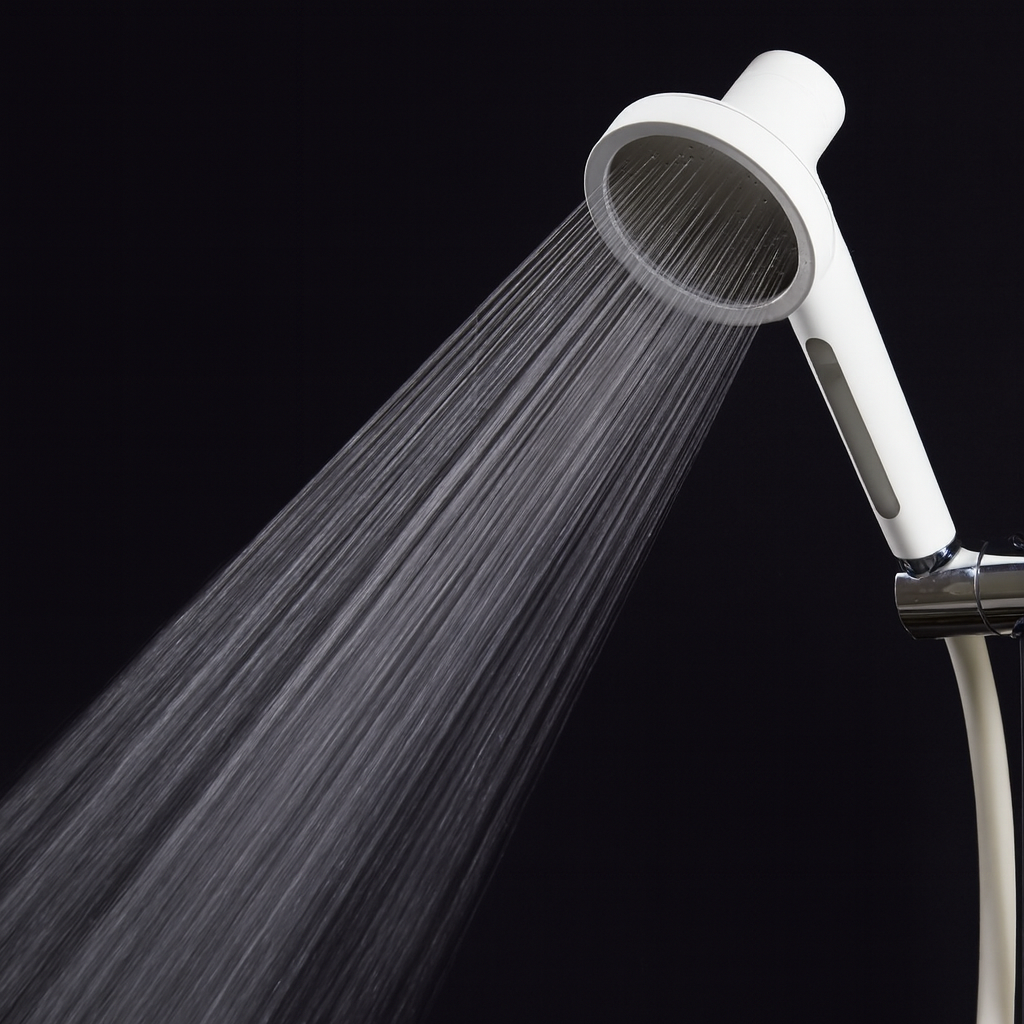
The Showerhand's 128 micro-jet spray plate maintains 2.5 GPM flow with zero pressure loss. Competing KDF-55 cartridges - used by Jolie, AquaBliss, and Canopy - create resistance as water passes through packed granular media, often cutting pressure by 20 to 40 percent. Renters in older buildings with marginal pressure to begin with notice the drop immediately.
The transparent filter chamber acts as a truth window. After two weeks of use in a typical apartment, the white Vitamin C granules turn tan or brown as they capture dissolved contaminants. This visible proof reinforces the decision to filter - and makes a case to roommates or skeptical family members.
At $89 retail or $69 on subscription, the Showerhand costs less than half of Jolie's $169 MSRP and delivers comparable or better chlorine reduction during its peak performance window. Replacement cartridges run $29 for a three-pack, making the ongoing cost around $10 per month for a single-person household.
"We put it on before bringing the baby home. Two weeks later the inside was brown, which was honestly kind of gross."
Brooklyn's aging water infrastructure is notorious for sediment and rust. This customer's experience is typical for pre-war rental buildings where galvanized pipes shed particles into the supply line. The filter caught what would have otherwise ended up on infant skin.
What a Shower Filter Won't Fix
A shower filter will not soften dissolved calcium and magnesium - the minerals responsible for soap scum and scale buildup on glass.
A shower filter will not soften dissolved calcium and magnesium - the minerals responsible for soap scum and scale buildup on glass. That requires ion-exchange softening, which needs a whole-house system and regular salt replenishment. If your main concern is white residue on shower doors, a filter alone won't solve it.
The Showerhand's cartridge lasts three to six months depending on water quality and usage frequency. In apartments with exceptionally high sediment loads - common in cities with century-old mains - you may need to replace it closer to the three-month mark. Jolie's KDF-55 media last slightly longer in low-sediment environments, though chlorine-reduction performance drops significantly after Day 60.
If your building has lead service lines and you're concerned about ingestion exposure, a shower filter addresses dermal and inhalation routes but not drinking water. For lead in tap water, invest in a separately certified drinking-water filter or pitcher that meets NSF/ANSI 53 lead-reduction standards.
Next Step for Renters
If you want filtered water without landlord drama or plumber bills, order the Showerhand and install it this weekend.
If you want filtered water without landlord drama or plumber bills, order the Showerhand and install it this weekend. If you share an apartment, buy a three-pack of replacement cartridges now so you're covered through your next lease renewal. If you're moving in the next month, wait until you're in the new place - then filter from day one instead of waiting to see if the water bothers you.
Shop Second Shower ShowerhandVitamin C handheld filter — 99.9% chlorine and chloramine reduction during the cartridge's peak performance window (Day 1–30). $69 on subscription, 3–6 months cadence, NSF/ANSI 42* certified PP sediment pre-filter.
Shop the Second ShowerhandRelated Reading
FAQ
Do I need landlord permission to install a shower filter?
No. A hand-threaded shower filter that attaches to the existing shower arm without modifying pipes or fixtures is considered a temporary accessory under most residential lease agreements. It's equivalent to replacing a shower curtain or adding a soap dispenser. If your lease has unusually restrictive language about bathroom modifications, check with your property manager, but standard installations require no approval.
Will this work with low water pressure in my building?
Yes. The Showerhand's 128 micro-jets maintain full flow without the resistance created by packed granular media. In fact, renters in older buildings with marginal pressure often report the filtered spray feels stronger than their original unfiltered head because the jet design optimizes dispersion. If your building pressure is below 30 PSI, any filter will struggle, but Vitamin C cartridges handle low-flow conditions better than KDF-55 alternatives.
Can I take this with me when I move?
Yes. Unscrew the Showerhand from your current shower arm and hand-tighten it onto the arm in your next apartment. The connection is universal-fit for standard ½-inch shower arms. You will want to install a fresh cartridge after moving to maximize performance in your new water supply, but the showerhead itself is reusable indefinitely.
How do I know when to replace the filter cartridge?
Replace every three to six months depending on water quality and household size. If you notice the Vitamin C granules turning dark brown or if water flow slows noticeably, replace sooner. Second Shower offers a subscription that ships replacement cartridges automatically - $27 per three-pack every three months for a single person, or every two months for a household of three or more.
Does this remove chloramine, or just chlorine?
Both. Vitamin C (ascorbic acid) neutralizes free chlorine and chloramine through direct chemical reaction. KDF-55 media - used by Jolie, AquaBliss, and Canopy - rely on galvanic oxidation that works well on chlorine but shows minimal chloramine reduction at shower flow rates. If your city uses chloramine (check your utility's annual water-quality report), Vitamin C filtration is the reliable option.
---


Leave a comment
All comments are moderated before being published.
This site is protected by hCaptcha and the hCaptcha Privacy Policy and Terms of Service apply.