Yes. Minneapolis Water Treatment & Distribution disinfects city water with chloramine, which is chlorine combined with ammonia so it lasts longer in the pipes. The city's 2025 water quality report lists a disinfectant residual of 2.7 to 3.5 ppm (average 3.27). The water is also fairly hard: 8 to 14 grains per gallon, with 150 to 300 ppm dissolved solids. Chloramine and hardness are separate questions with separate fixes. A shower filter can target the disinfectant. Only a water softener removes hardness. If you live in St. Paul or a suburb, check your own utility's report, because your water may come from a different system.
Minneapolis water at a glance
| Measure | Minneapolis |
|---|---|
| Water utility | Minneapolis Water Treatment & Distribution |
| Disinfectant | Chloramine |
| Hardness | 8-14 gpg (moderately hard) |
| Total dissolved solids | 150-300 ppm |
| Disinfectant residual | 2.7-3.5 ppm (avg 3.27) |
Source: Your 2025 Minneapolis drinking water report (2025 data)

Is it chloramine or plain chlorine in Minneapolis?
Chloramine. Minneapolis Water Treatment & Distribution treats the city's water with chloramine, according to its 2025 drinking water report.[1] Chloramine is chlorine plus ammonia. Utilities use it because it holds up longer on the way through miles of pipe than free chlorine does. Minneapolis has plenty of company: more than one in five Americans get chloramine-treated water.[2]
The report puts the disinfectant residual at 2.7 to 3.5 ppm, averaging 3.27 ppm.[1] That residual is meant to be there. It keeps the water safe until it reaches your tap, and it is still in the water when it comes out of your showerhead.
How do I confirm it for my own address?
Every community water system in the US must send its customers an annual Consumer Confidence Report, usually by July 1.[4] Minneapolis posts its report online.[1] Look for the disinfectant line and the residual. If you aren't sure which utility serves you, check your water bill. You can also look up your ZIP code on our water page.
If you want to test the water yourself, use the right tool. A TDS meter measures all dissolved solids, so it can't detect chlorine or chloramine. For the disinfectant you need a DPD test kit.
How hard is Minneapolis water?
The city's figures put hardness at 8 to 14 grains per gallon (gpg), about 137 to 239 mg/L.[1] The labels don't quite agree, so here is the honest version. Our water table calls this range "moderately hard." On the USGS scale, though, 7 to 10.5 gpg counts as hard and anything above 10.5 gpg counts as very hard.[3] By that measure, Minneapolis water runs from hard to very hard depending on the reading.
You can see it in your home: white crust on shower glass and faucets, scale inside the kettle, and soap and shampoo that lather less and can leave a film.[3] Hardness is the calcium and magnesium dissolved in the water. It has nothing to do with the disinfectant, and a hardness number tells you nothing about chloramine.
What about St. Paul and the suburbs?
The numbers on this page come from Minneapolis's own report and cover the city's system only. St. Paul and the surrounding suburbs may get water from other utilities, and each utility chooses its own treatment. We don't have verified figures for those systems, so we won't guess. Find the utility name on your water bill, read that utility's Consumer Confidence Report,[4] and check two lines: the disinfectant (chlorine or chloramine) and the hardness.
Why does my shower smell (or not smell) like chlorine?
Your nose is a poor water test. How strong the smell seems depends on water temperature, airflow in the bathroom and how used to it you are. Whether you smell anything or not, the report shows a disinfectant residual averaging 3.27 ppm in the system.[1] Chloramine is made to stay in the water,[2] so a faint smell doesn't mean the disinfectant is gone. To know for sure, use a DPD kit instead of your nose.
Will a regular chlorine shower filter work on chloramine?
Don't assume so. Chloramine is a different compound from free chlorine, so a filter's free chlorine result doesn't tell you how it handles chloramine. In a chloramine city like Minneapolis, look for a filter with a published chloramine result, and check how long that result holds as the cartridge ages. In our own testing, KDF-55 cartridges lost chlorine reduction as they aged.
Vitamin C is one filter medium with documented chemistry here. The US EPA calls ascorbic acid (Vitamin C) "an established and recognized dechlorinating agent," and EPA researchers found that it "rapidly reduces oxidizing chlorine compounds." That describes the chemistry, not any particular product.
Does any of this matter for skin and hair in a Minnesota winter?
Winter makes everything harder on skin. Cold air holds less moisture, indoor heating dries it further, and people tend to take longer, hotter showers. On top of that, chlorine is an oxidizer that meets your hair and skin every day. It can leave hair feeling dry and rough, and faded color is a common complaint. Hard water adds its own problem: in a 2018 study of 80 people, washing in hard water left more soap residue on the skin, which raised water loss from the skin and irritation.[6]
The basics that help, whatever filter you use:
- Keep showers to 5 to 10 minutes in warm water, as the American Academy of Dermatology advises for dry skin.[5]
- Use a gentle cleanser, pat dry, and moisturize while your skin is still slightly damp.
- Run a humidifier during heating season.
- For mineral buildup in hair, a chelating shampoo now and then, as often as the label says.
If dry skin continues after these steps, see a board-certified dermatologist. Very dry skin can come from an underlying medical condition, and no shower filter treats one.
“My legs used to get flaky right after showering. I'm still using lotion, but not nearly as much.”
What a shower filter can and can't do with Minneapolis water
Start with the limit. Second Shower does not soften water or remove hardness. If the scale and soap film bother you, the fix is an ion-exchange water softener, usually installed for the whole house.
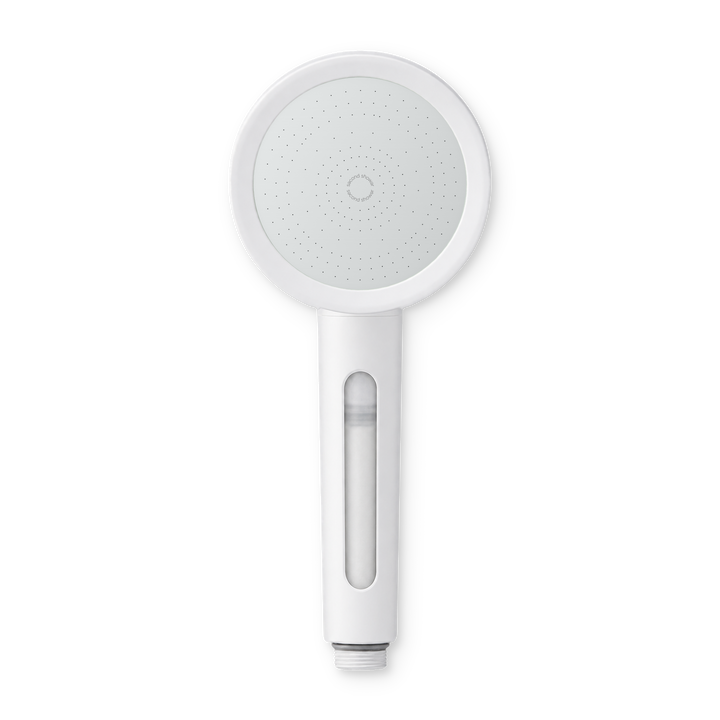
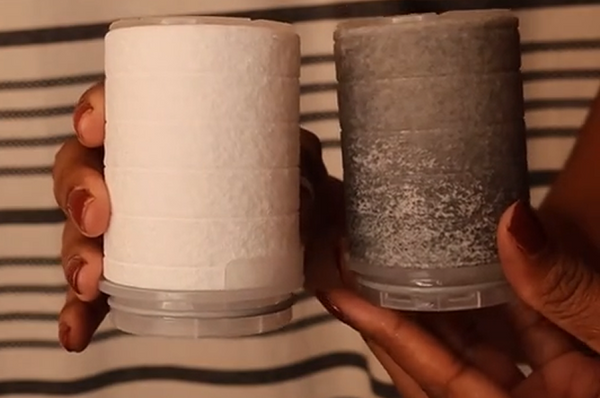
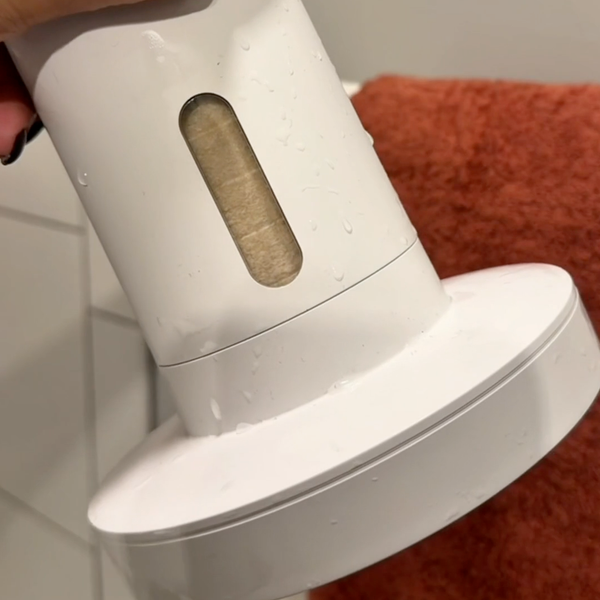
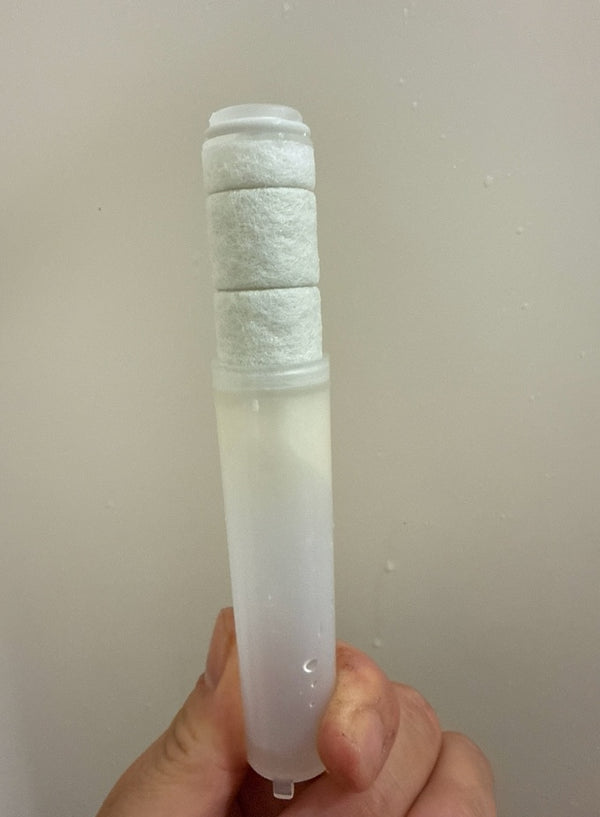
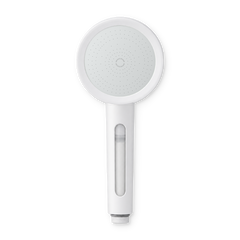
What a shower filter can do is take the disinfectant out of the water you shower in. The Second Showerhand ($89, or $69 with a filter subscription) is a handheld with a two-stage filter: a micron sediment pre-filter, then a Vitamin C core. We use an NSF/ANSI 42 certified filter.* In independent lab testing it removed 99.9% of chlorine and chloramine, the result that matters in a chloramine city. That reduction held through Day 1-30 in our own testing, so we recommend a new filter every 30 days. One filter is included. It installs on a standard 1/2 inch shower arm in about a minute, with no tools.
In a clinical perception survey of 22 people, 95% said their skin felt less tight after every shower with the filtered water. That's how it felt to them. It isn't a treatment for anything.
*Micron PP sediment filter certified by NSF/ANSI 42 standards.
In October 2026, an independent lab measured tap water before and after 100 liters passed through our Vitamin C filter and detected neither chlorine nor chloramine after filtering. The test covered chloramine, the same disinfectant used in Minneapolis. See our full lab results.
FAQ
Does Minneapolis tap water have chloramine?
Yes. The city's 2025 drinking water report lists chloramine as the disinfectant, with a residual of 2.7 to 3.5 ppm (average 3.27). Chloramine is chlorine plus ammonia, made to last longer in the pipes.
Is Minneapolis water hard?
Yes. The city's figures are 8 to 14 grains per gallon. On the USGS scale that is hard to very hard, though some summaries call it moderately hard. You will see it as scale on glass and fixtures, and as soap that lathers less.
Will a shower filter fix hard water in Minneapolis?
No. A shower filter cartridge does not remove calcium or magnesium, and Second Shower does not soften water. An ion-exchange water softener removes hardness. A shower filter is for the disinfectant.
Can I check for chloramine with a TDS meter?
No. A TDS meter measures all dissolved solids and cannot detect chlorine or chloramine. Use a DPD test kit, or read the disinfectant line in your utility's annual water quality report.
How often should I change the Showerhand filter?
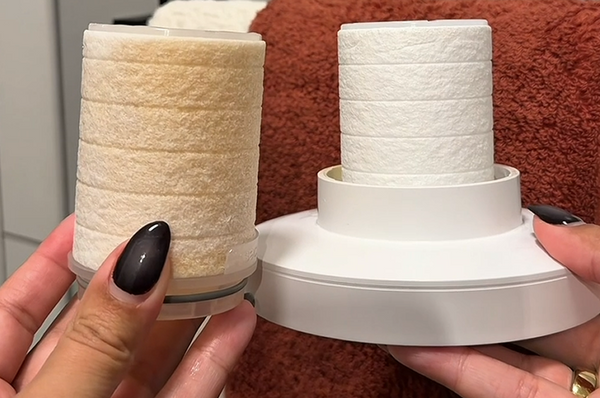
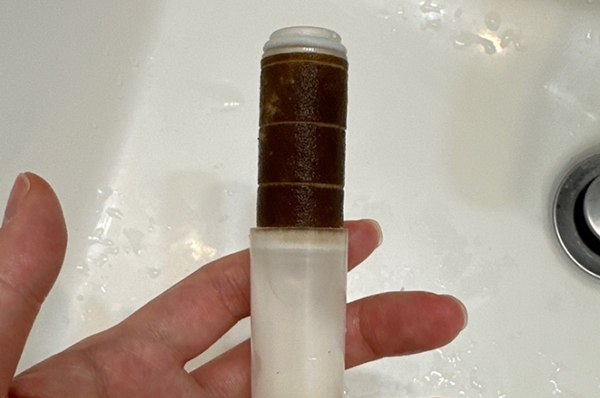
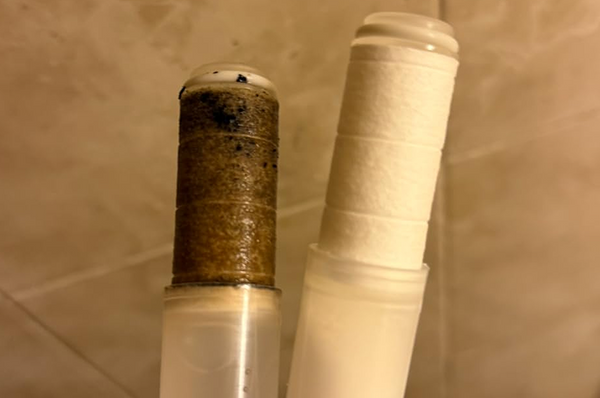
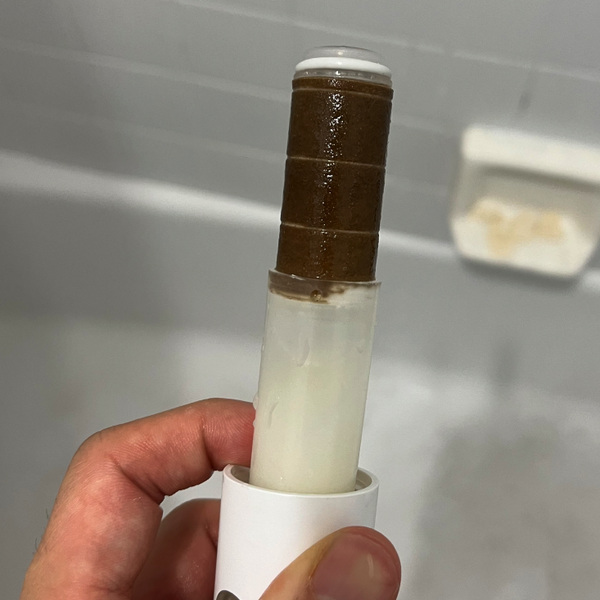
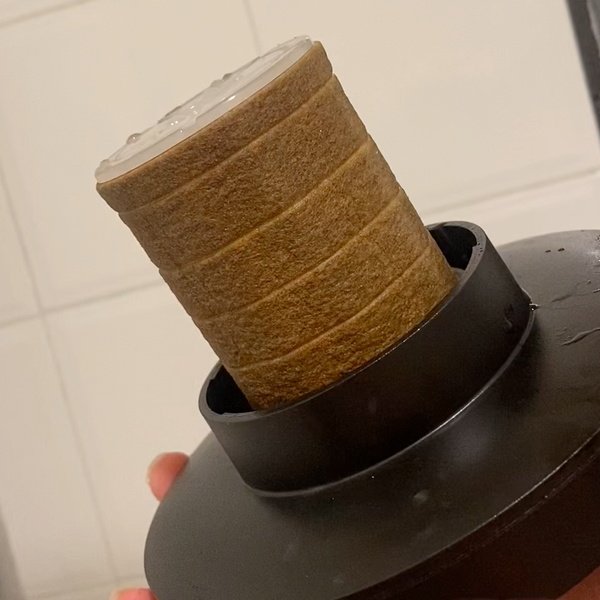
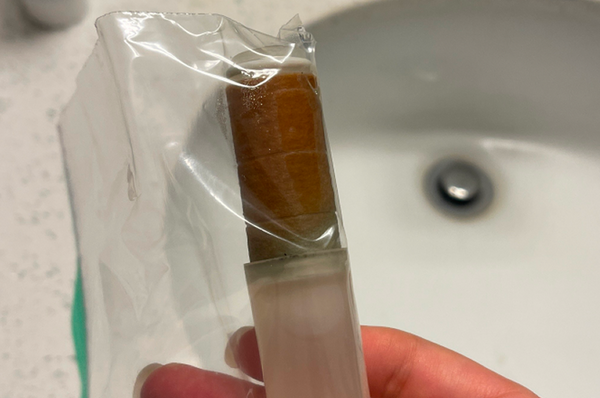
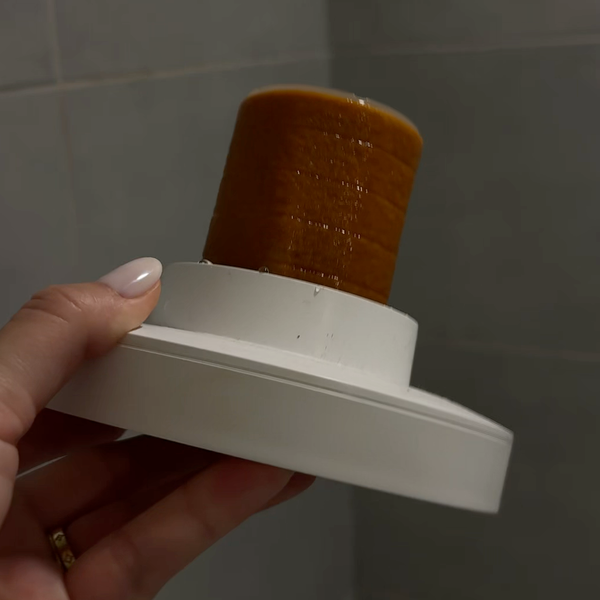
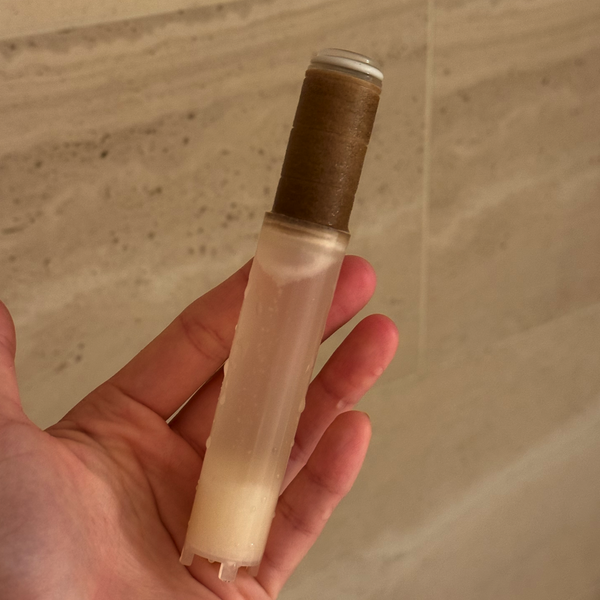
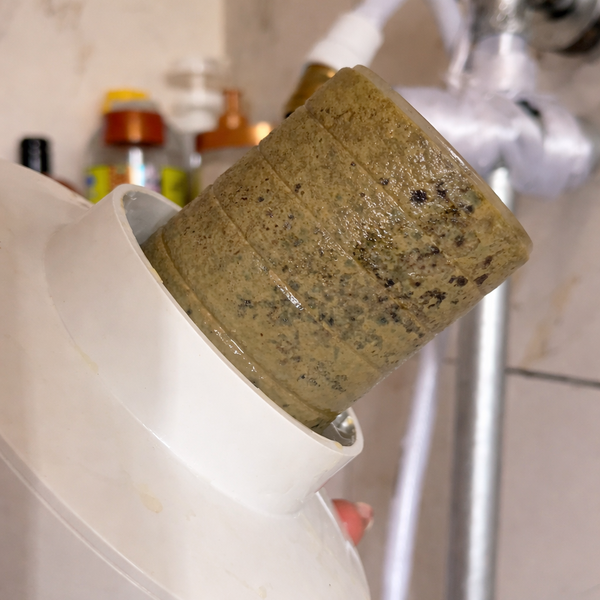
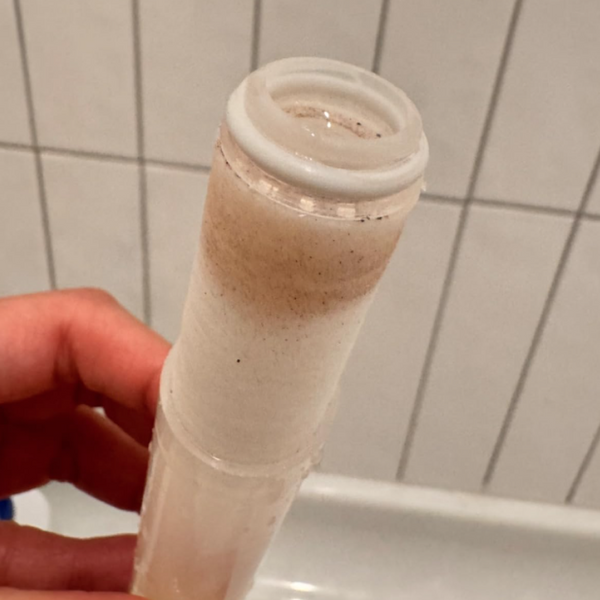
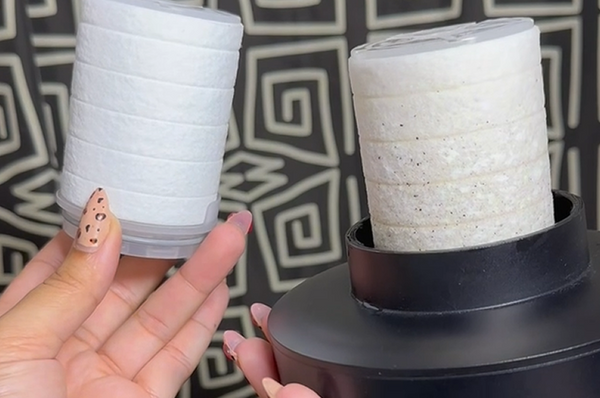
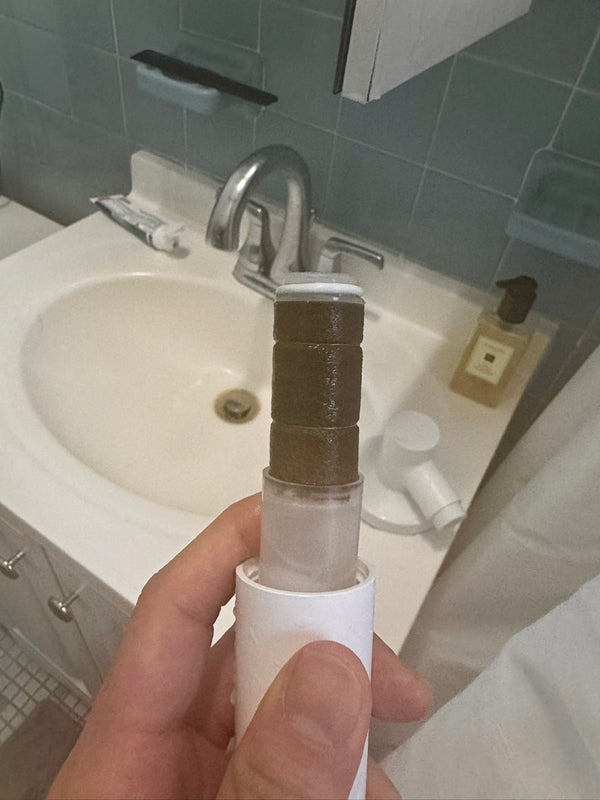
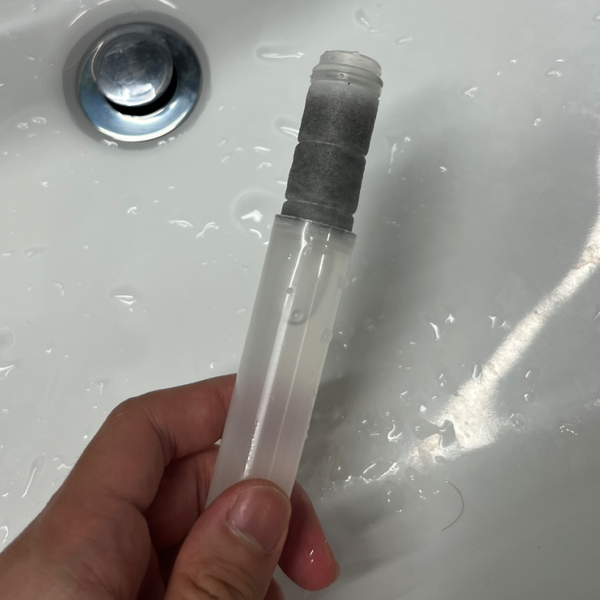
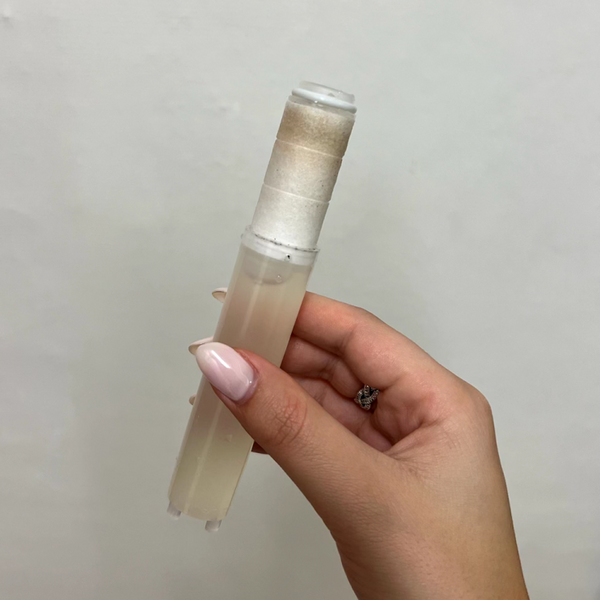
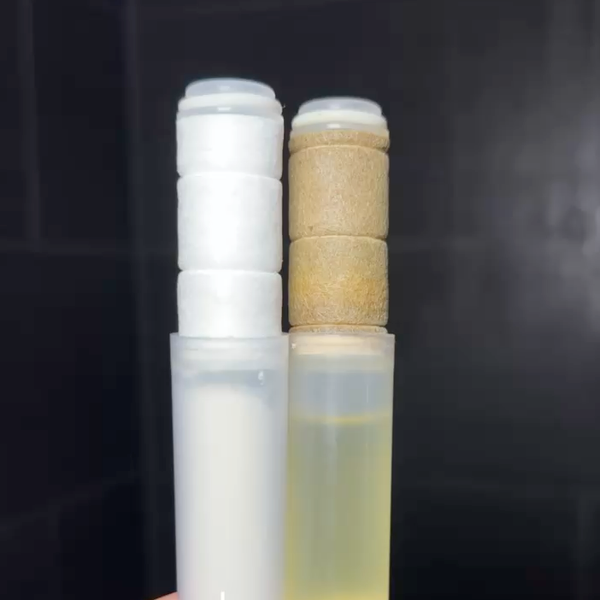
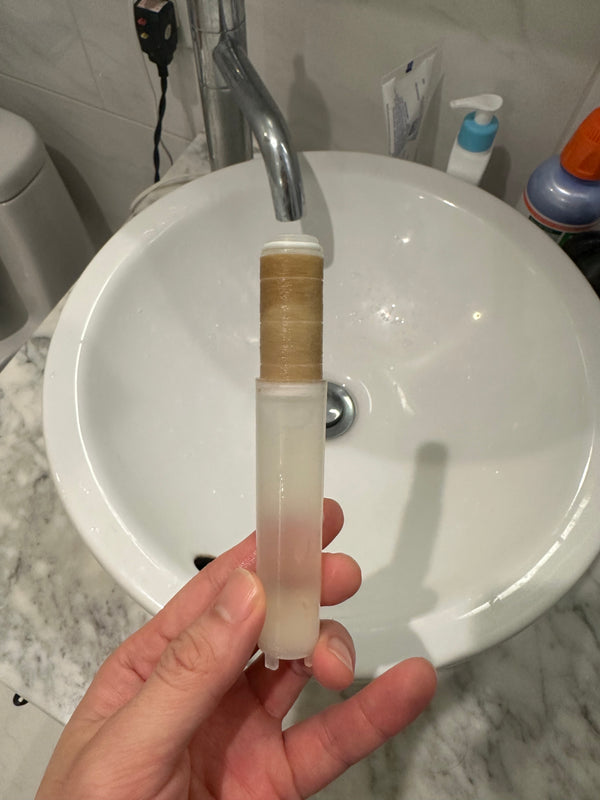
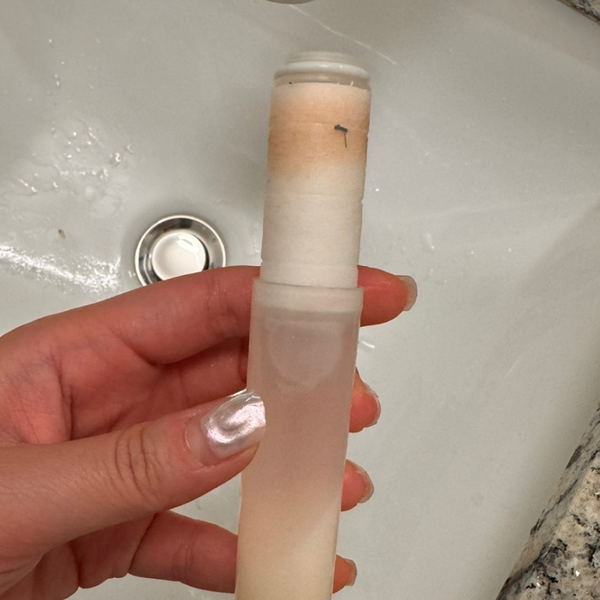
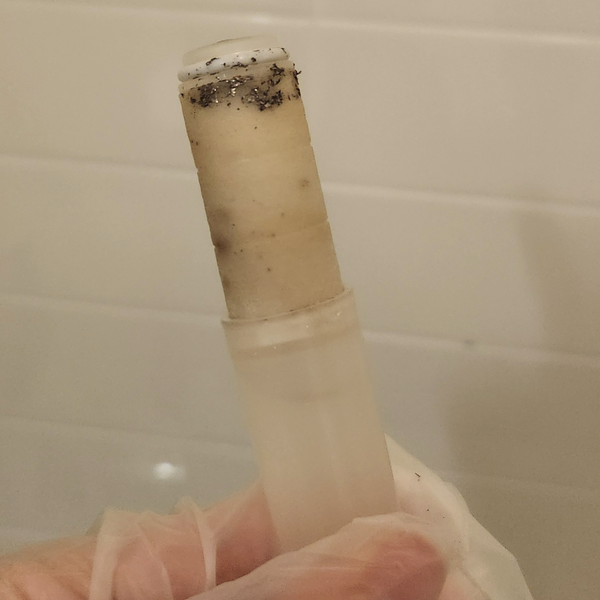
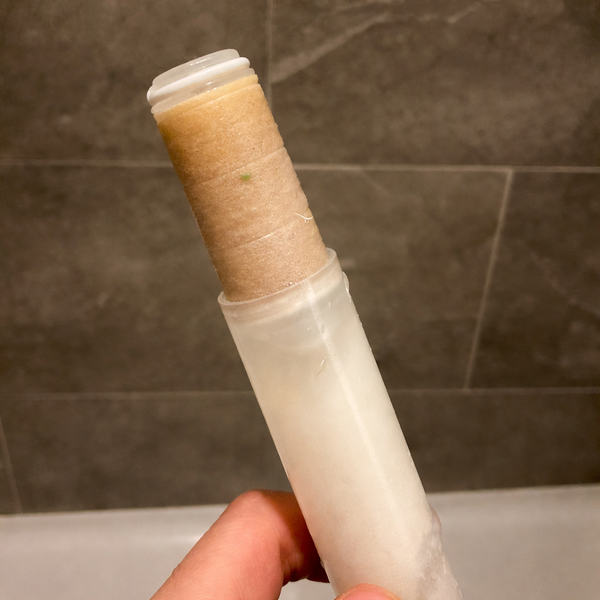
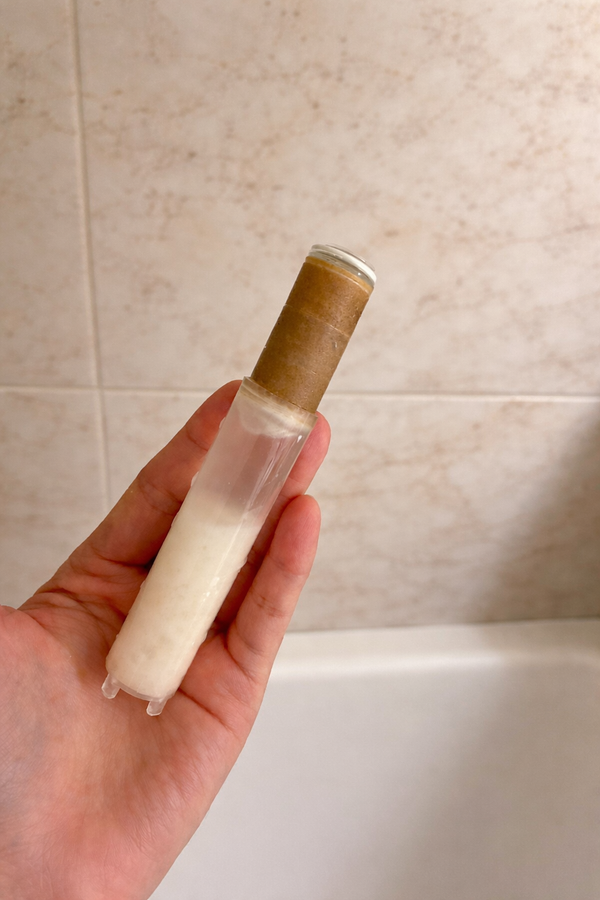
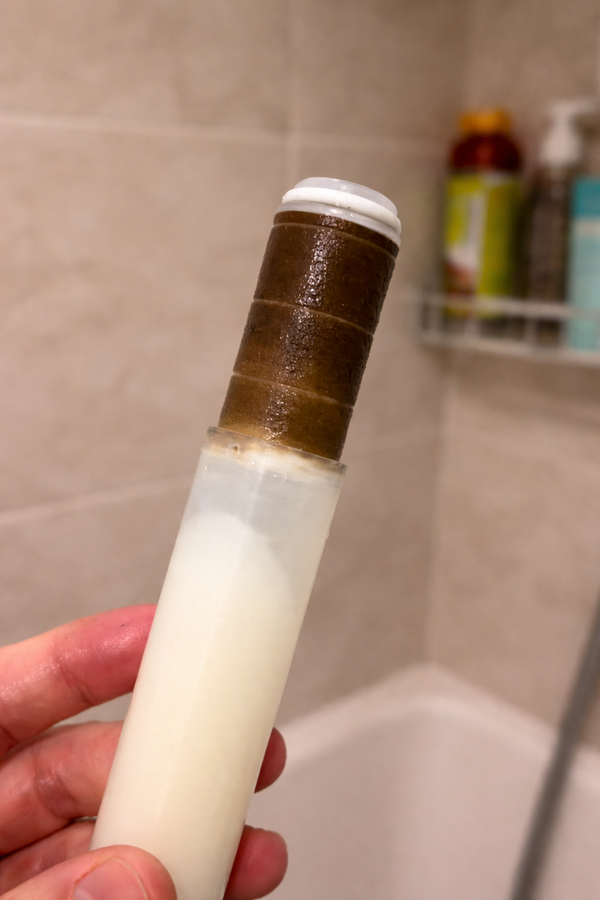
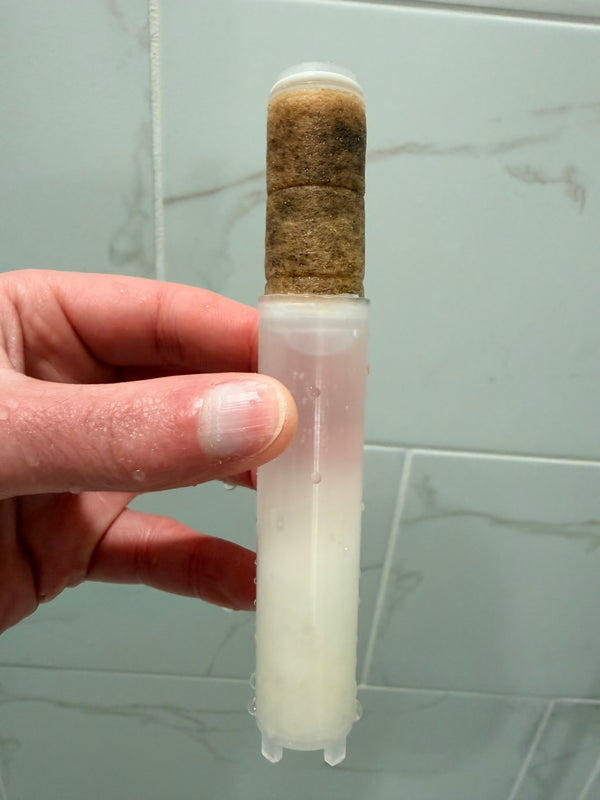
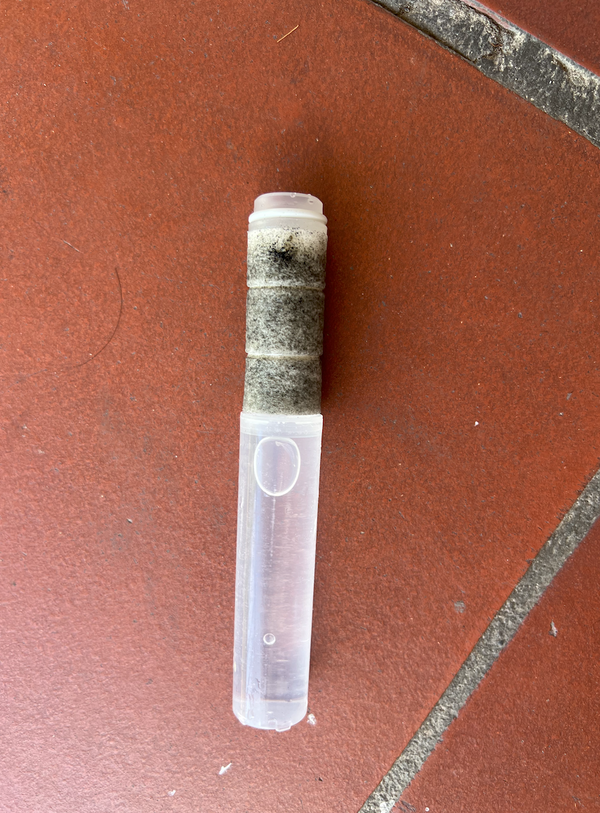
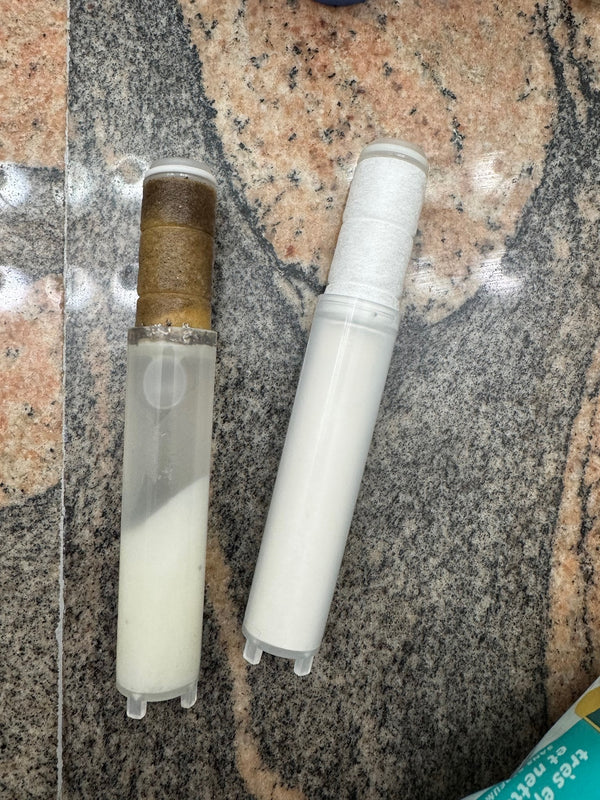
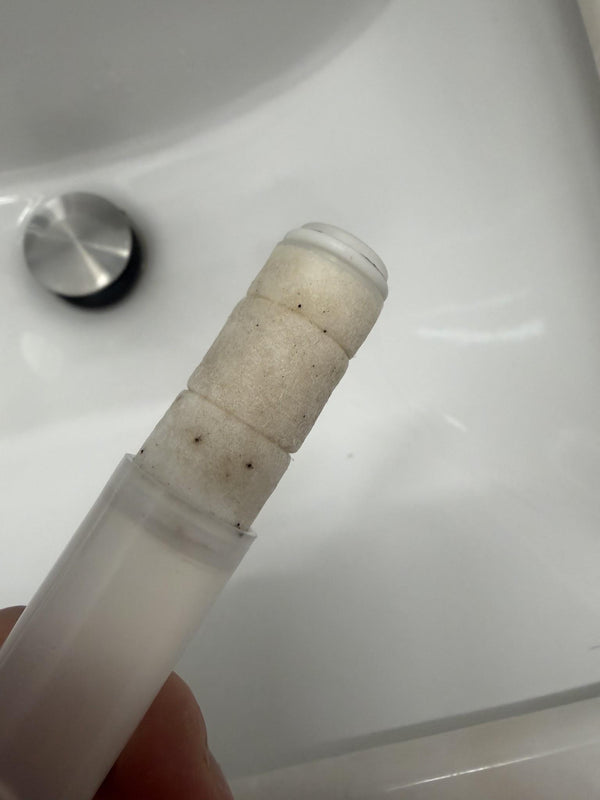
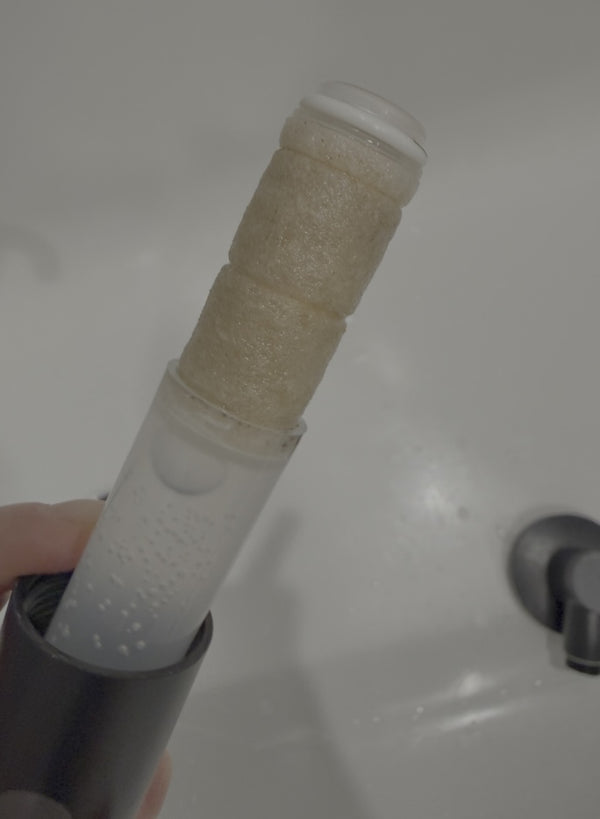
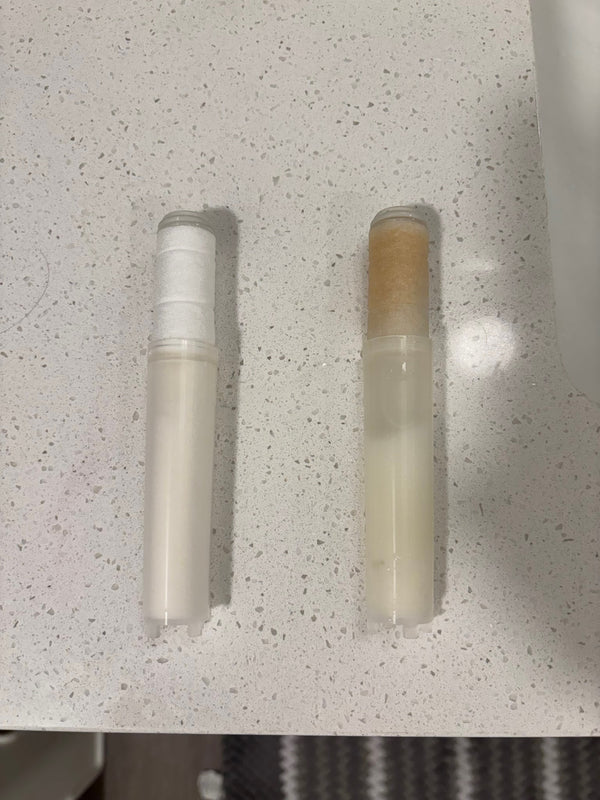
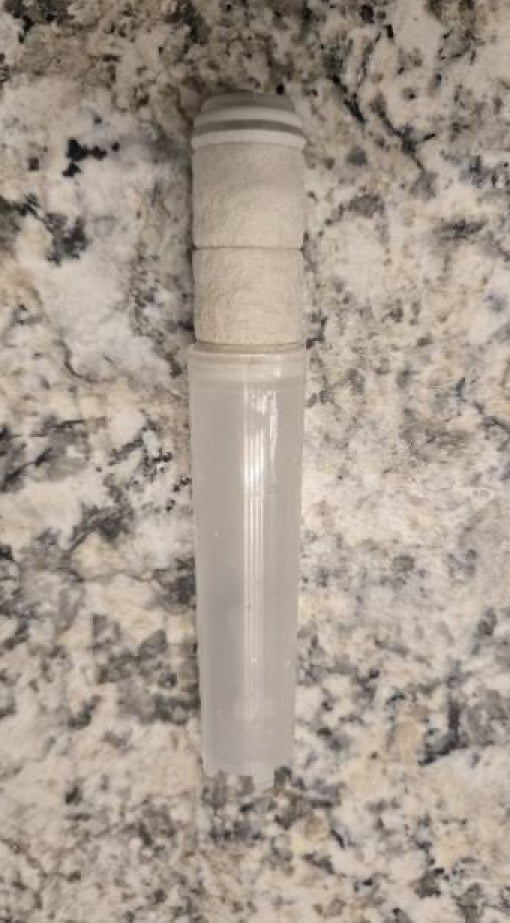
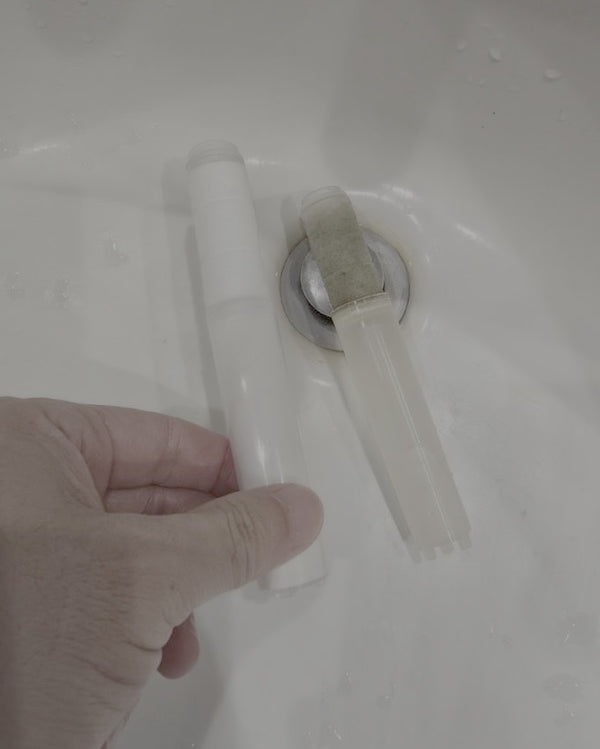
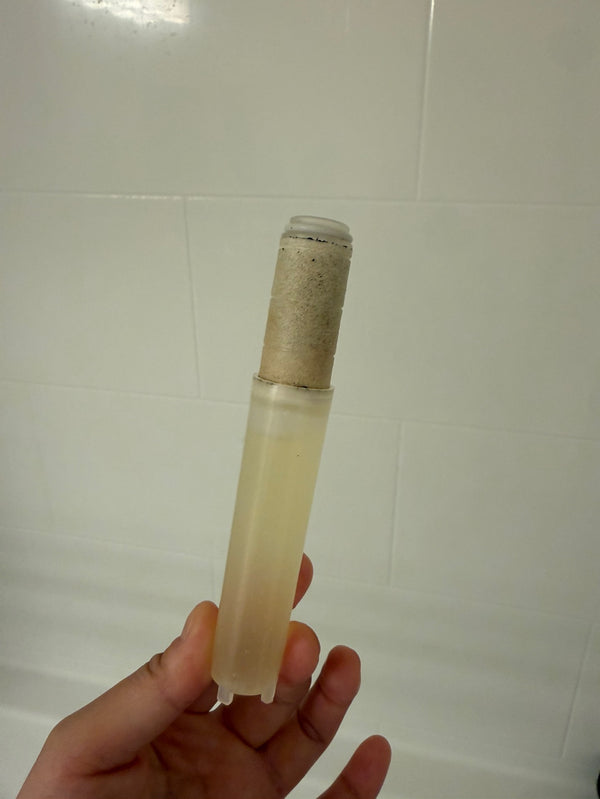
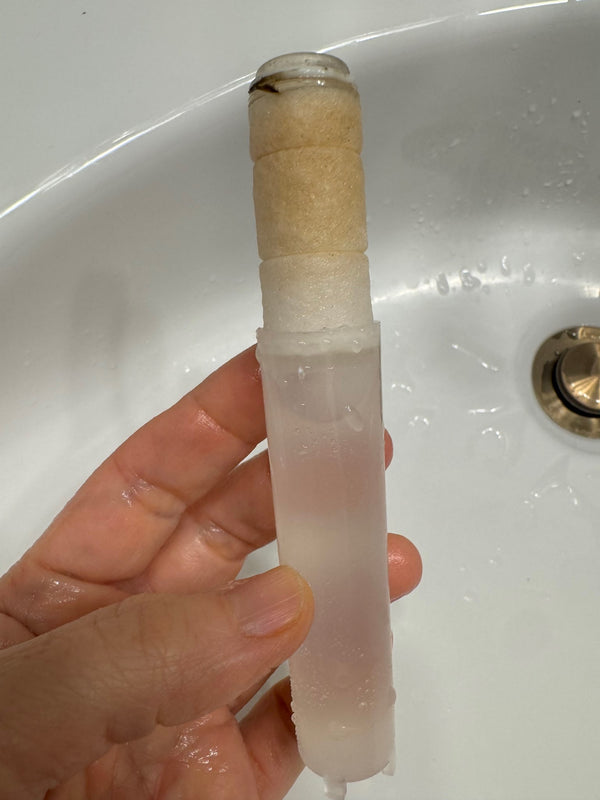
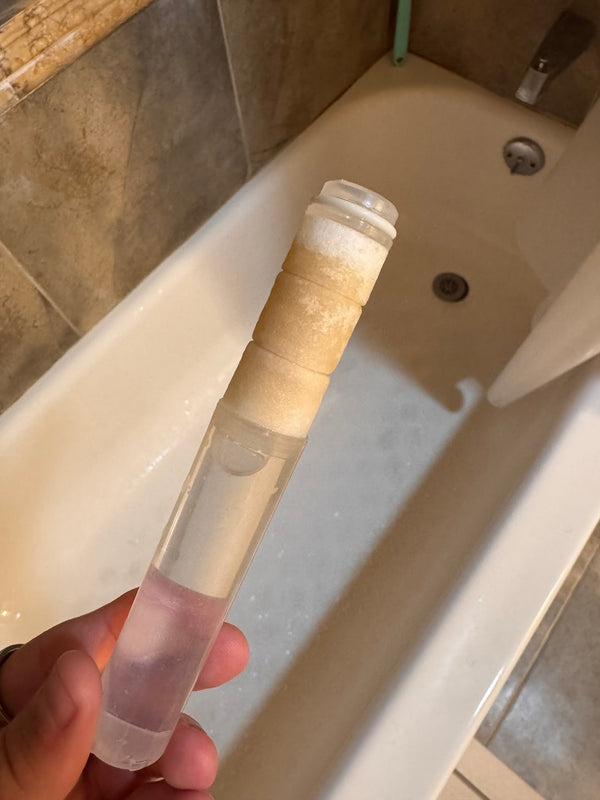
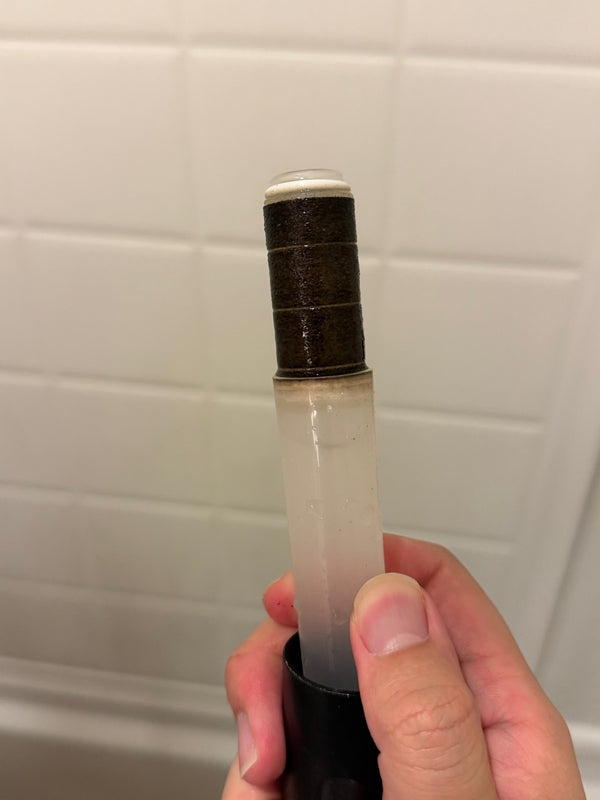
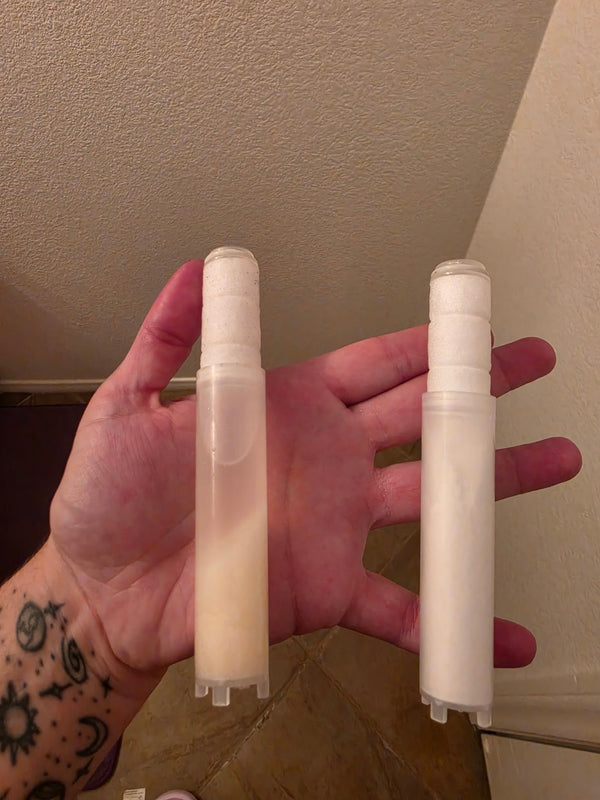
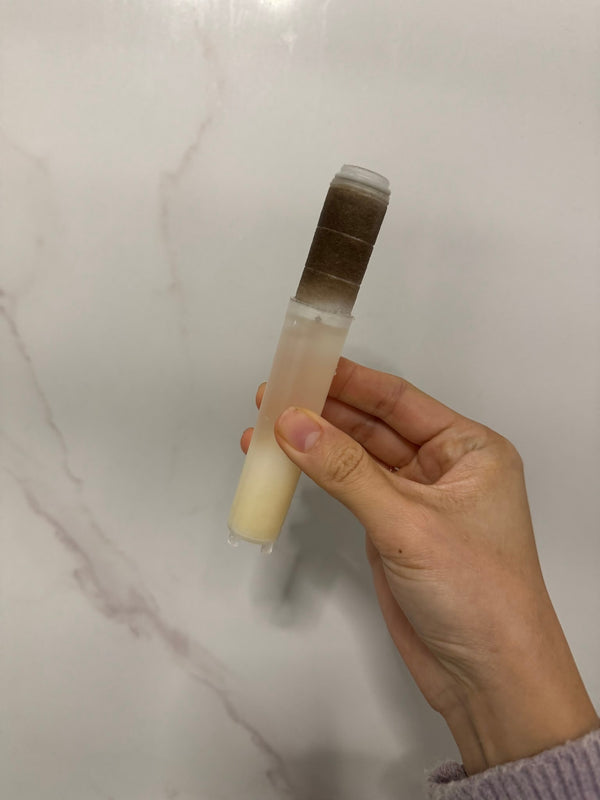
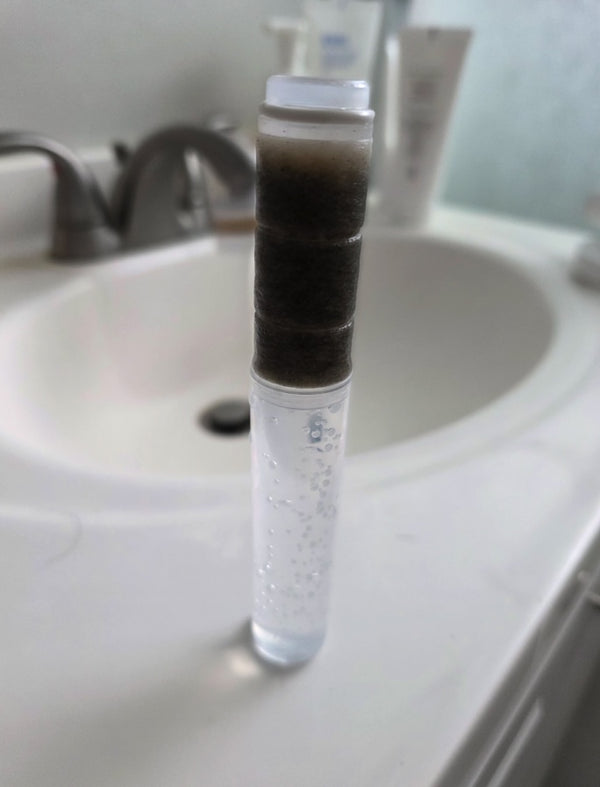
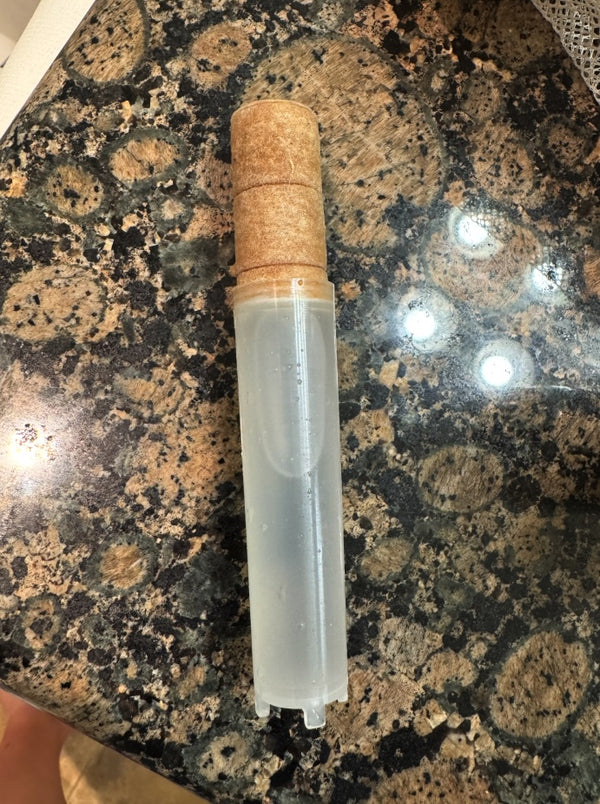
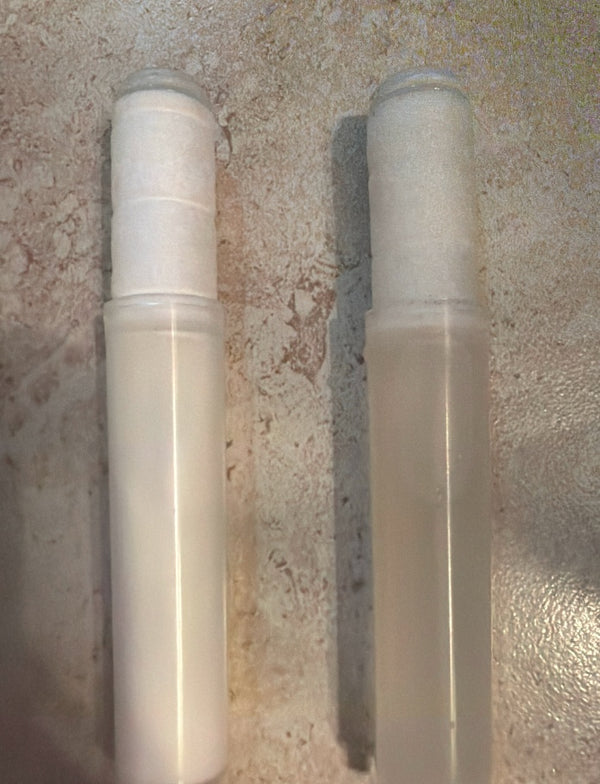
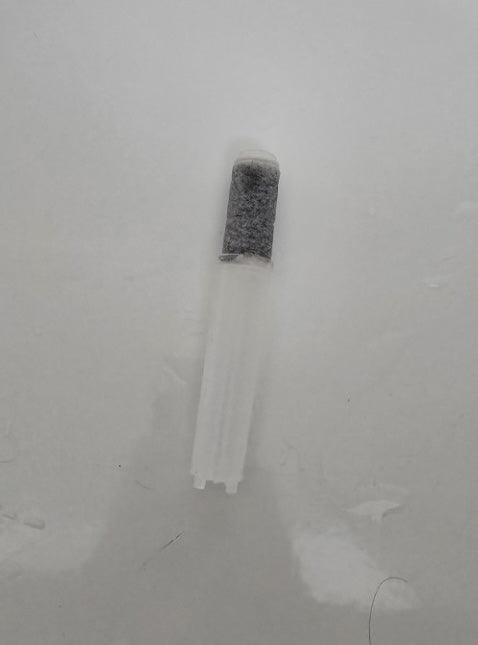
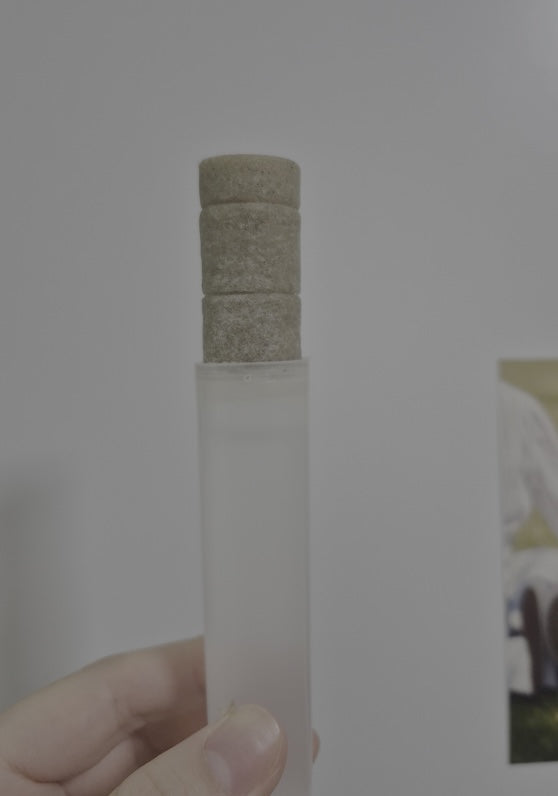
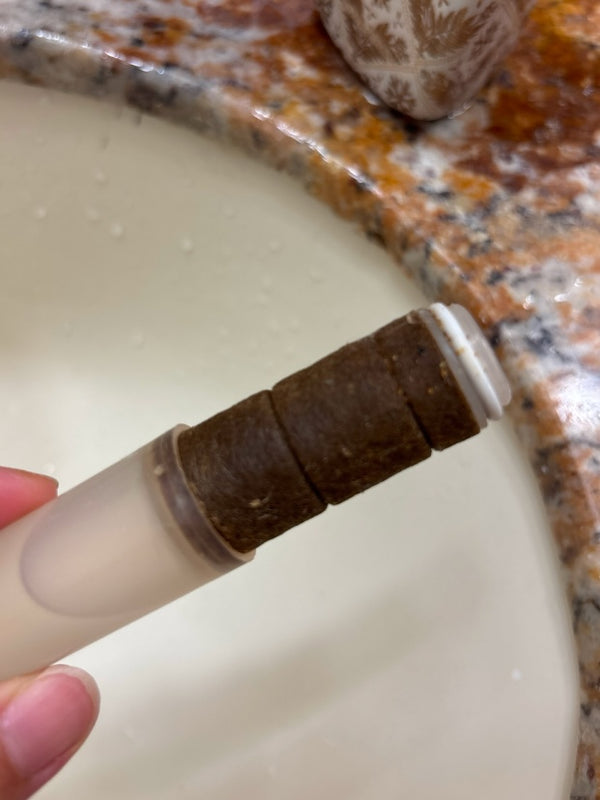
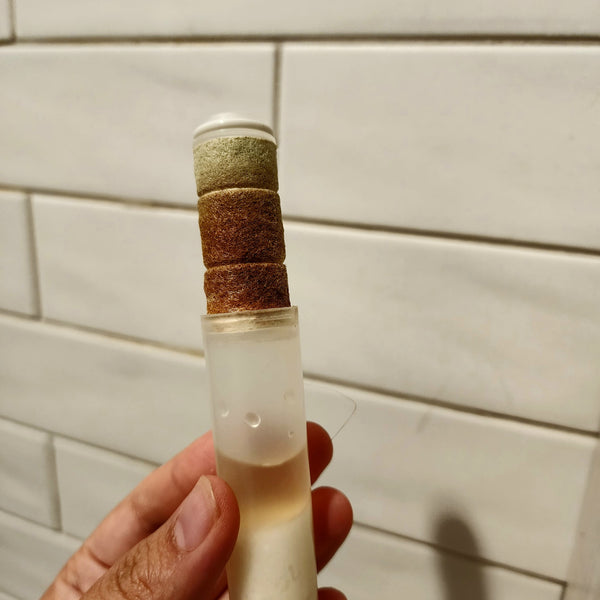
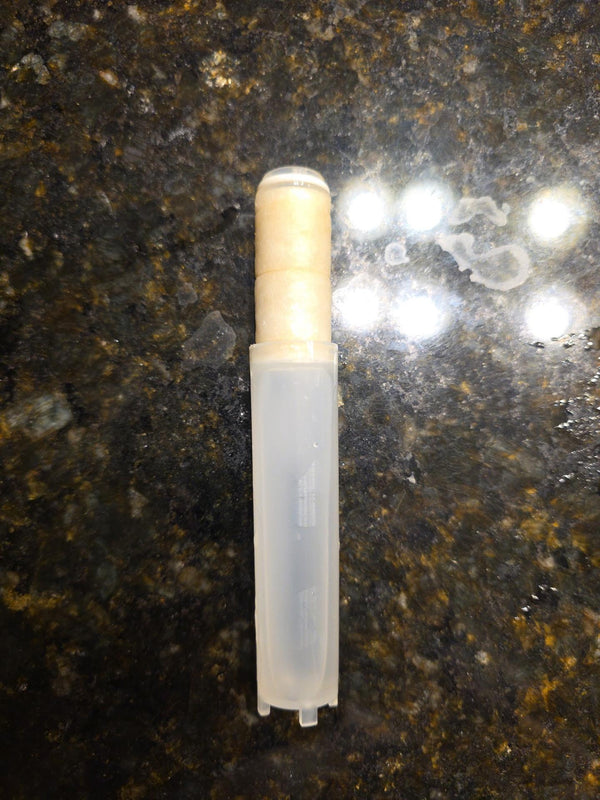
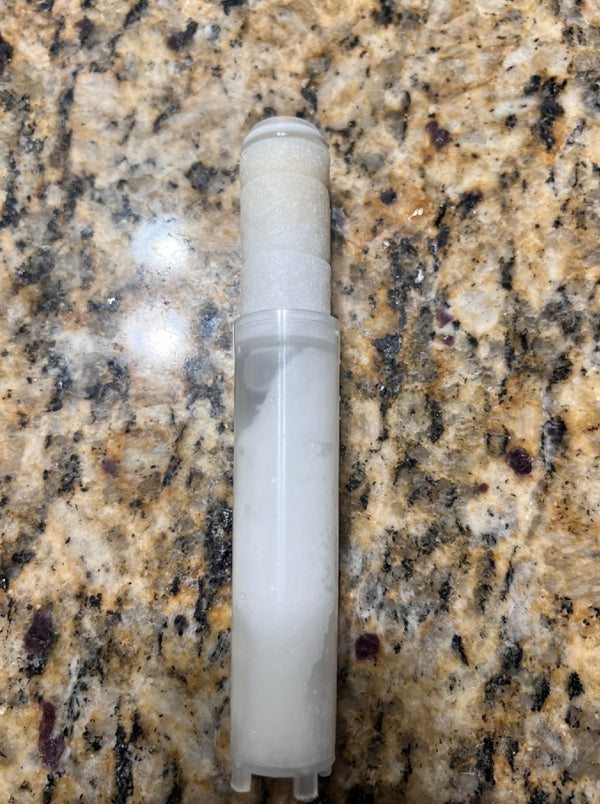
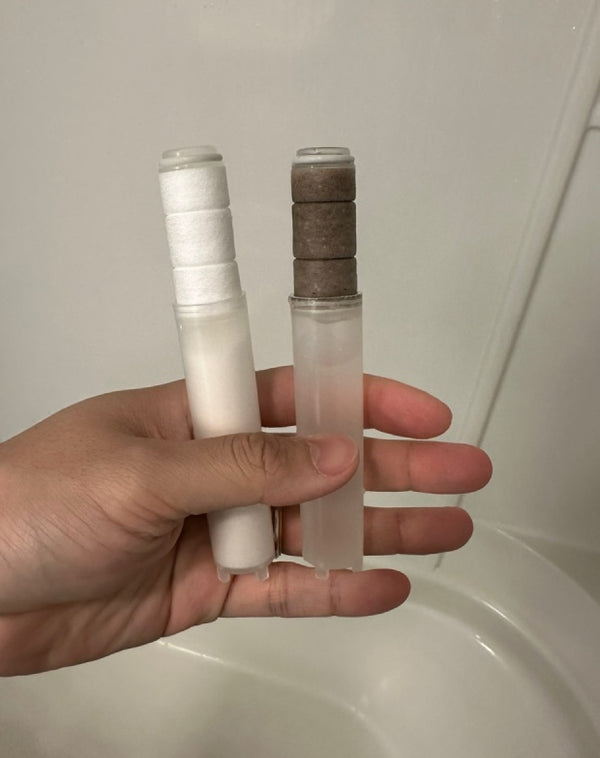
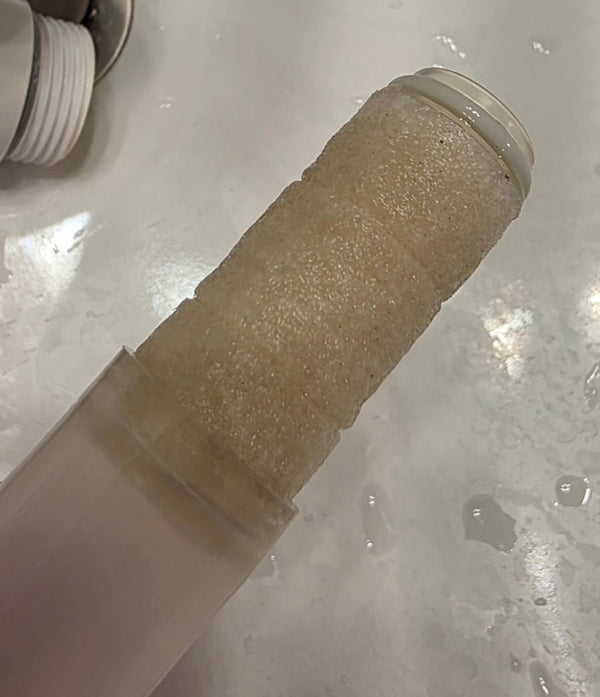
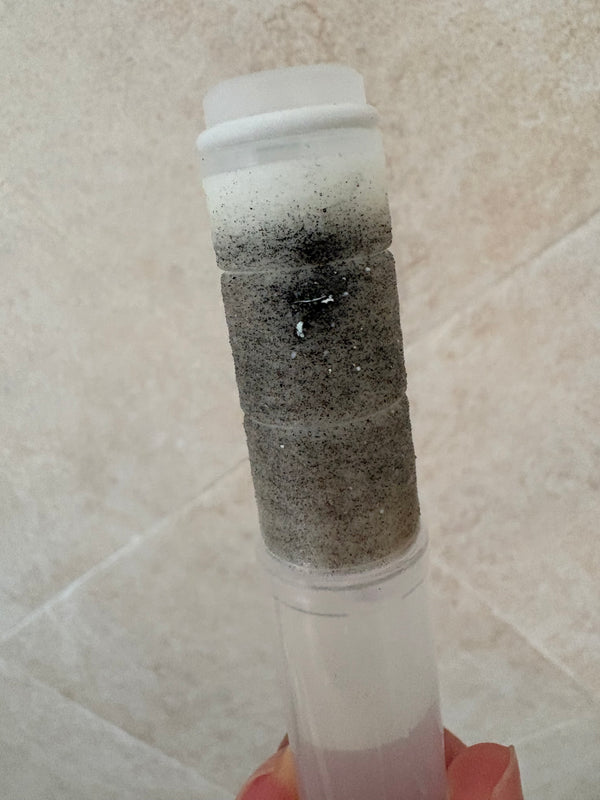
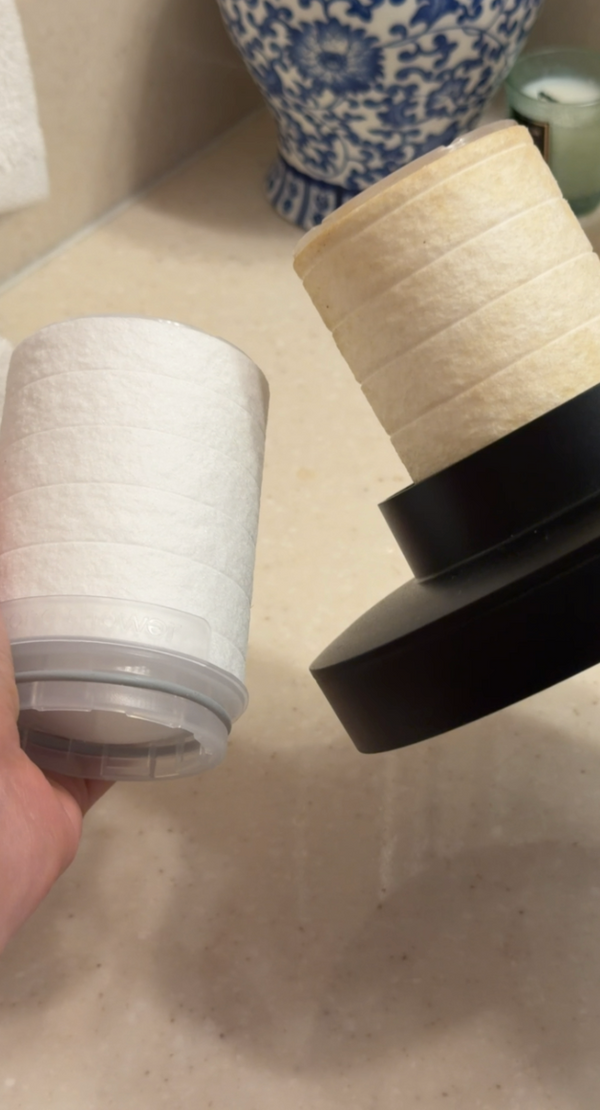
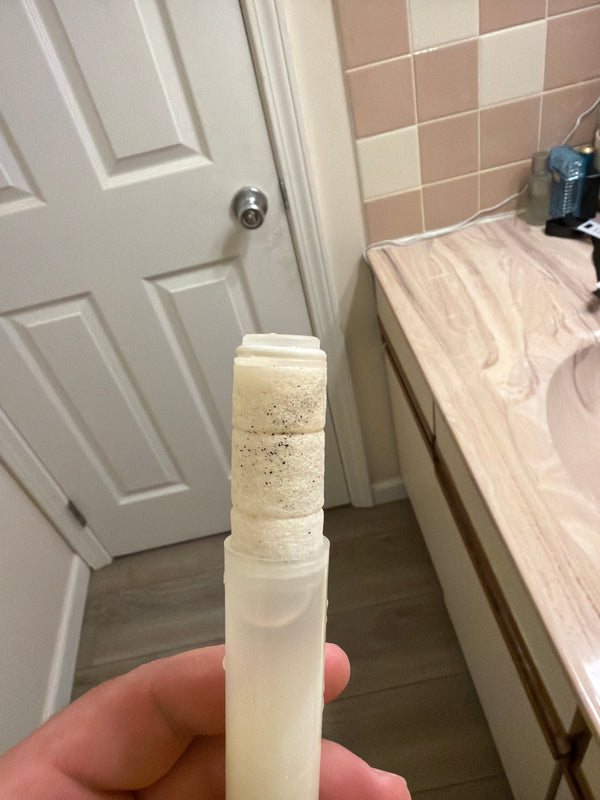
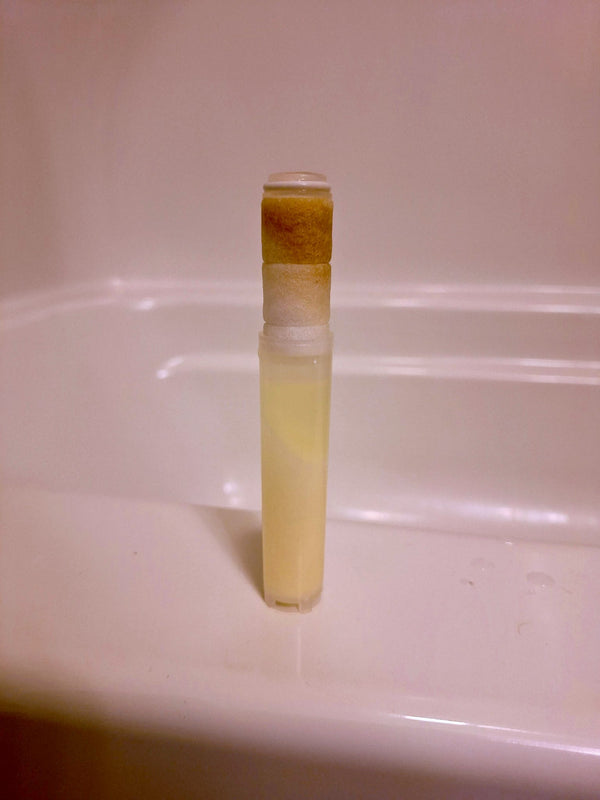
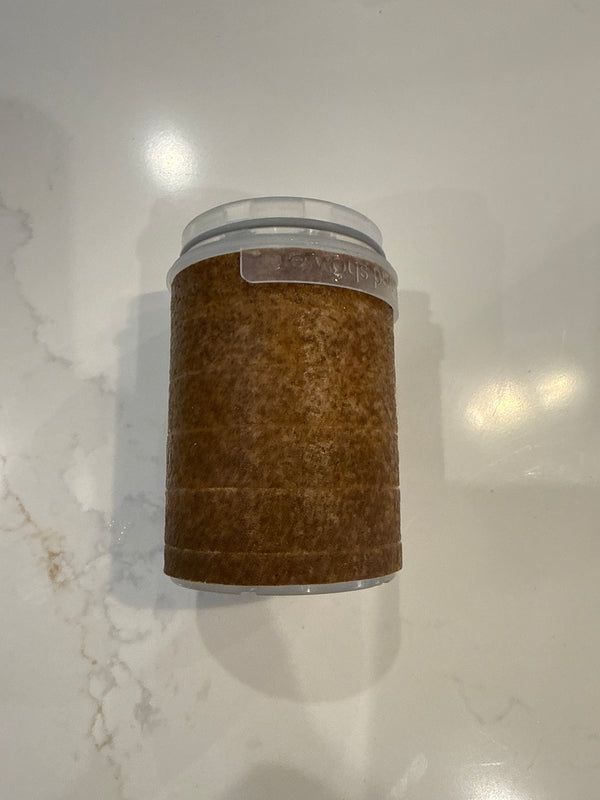
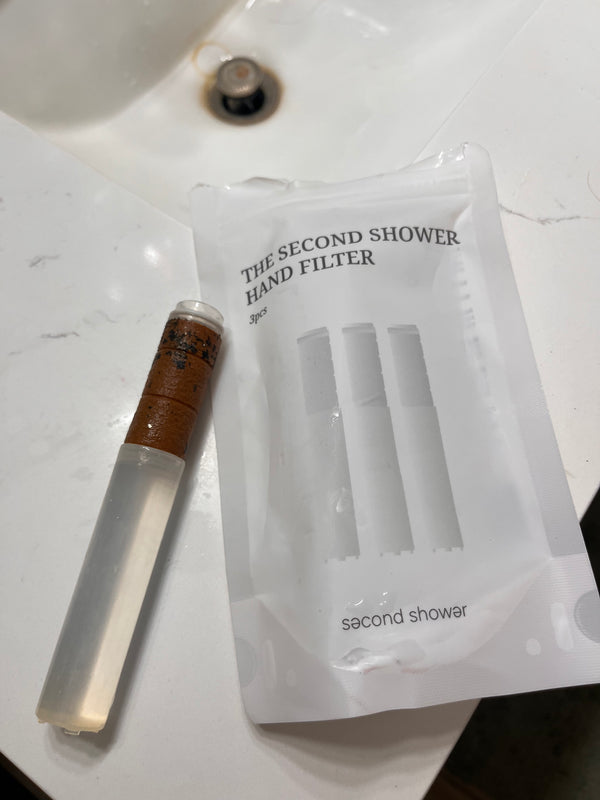
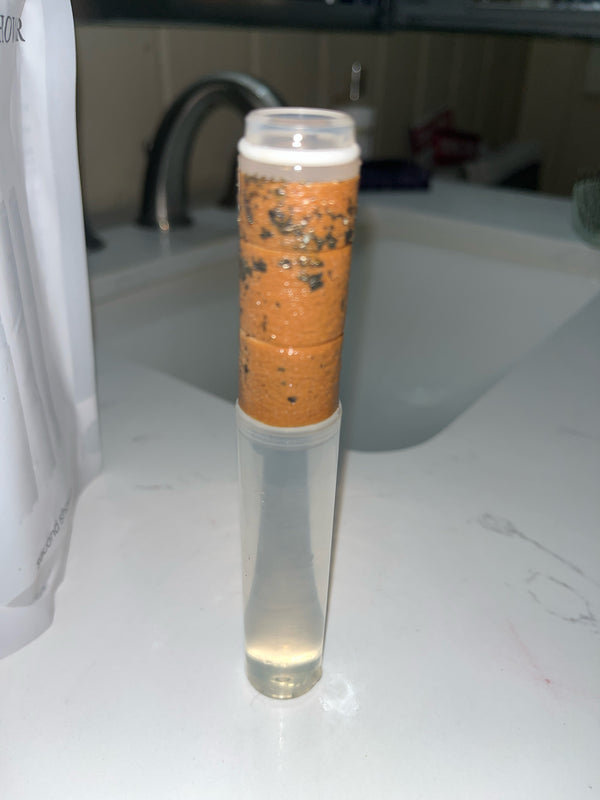
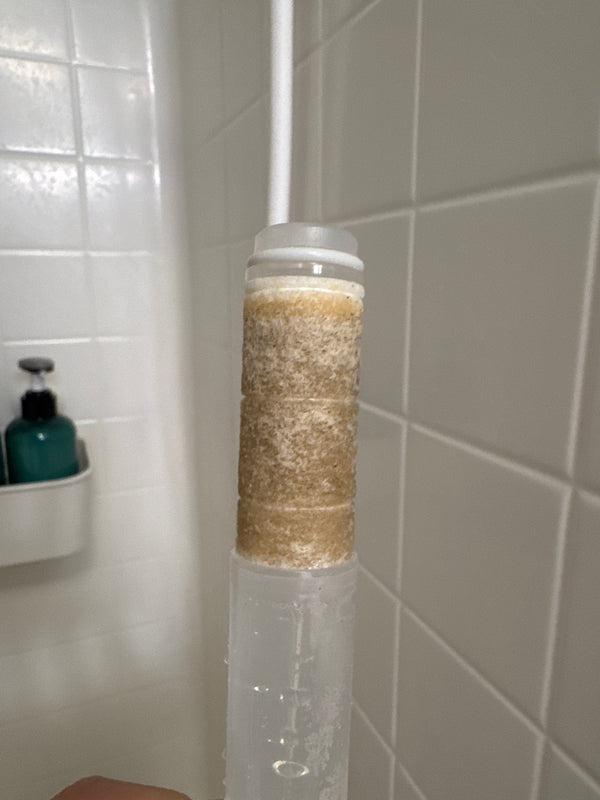
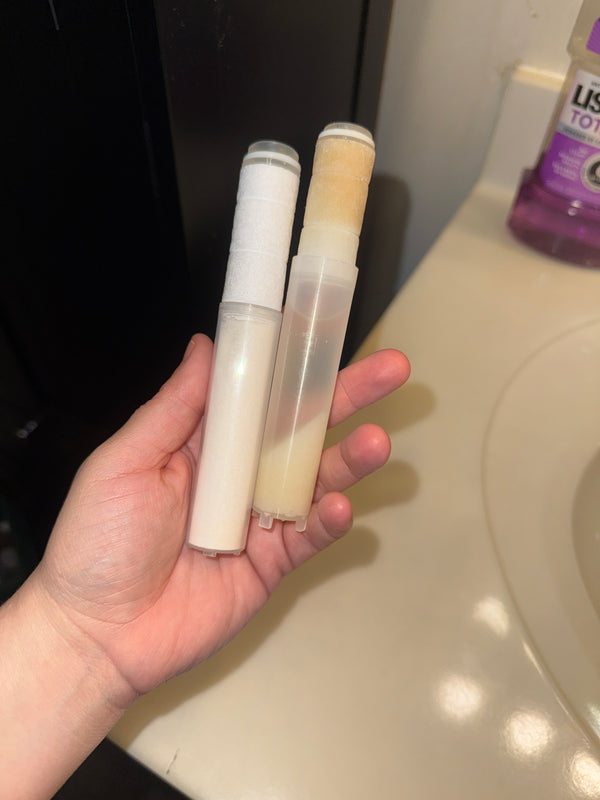
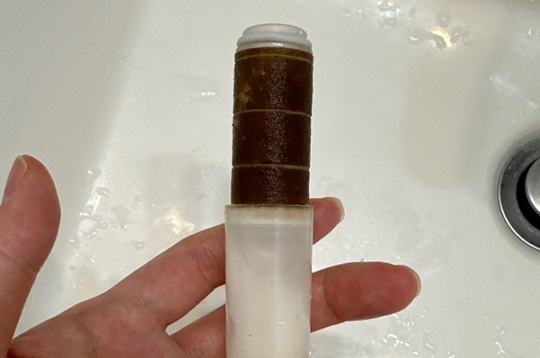
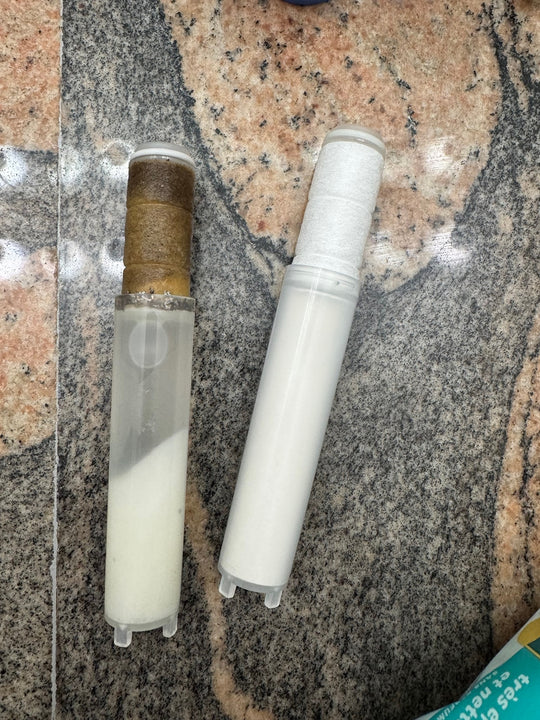
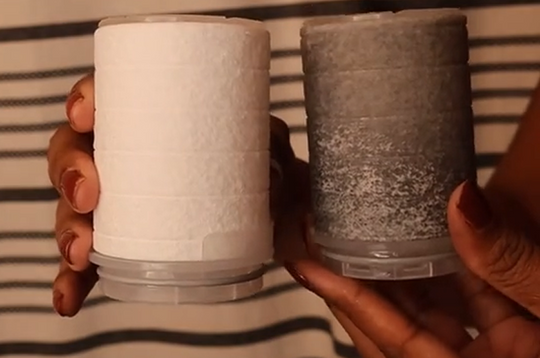
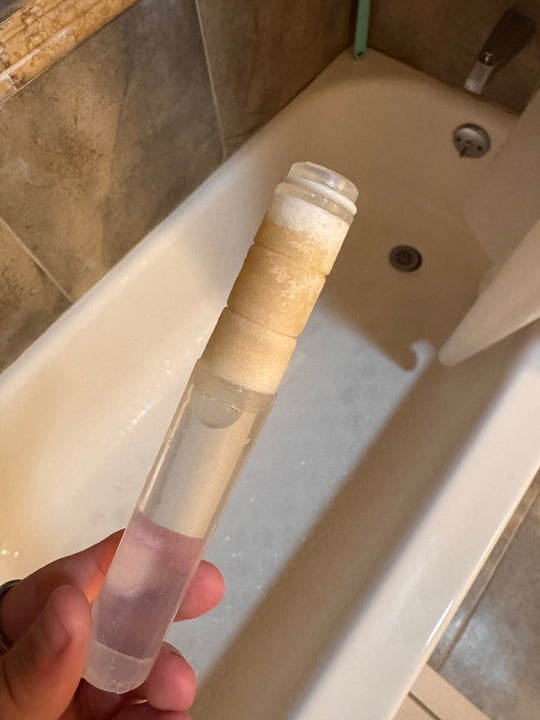
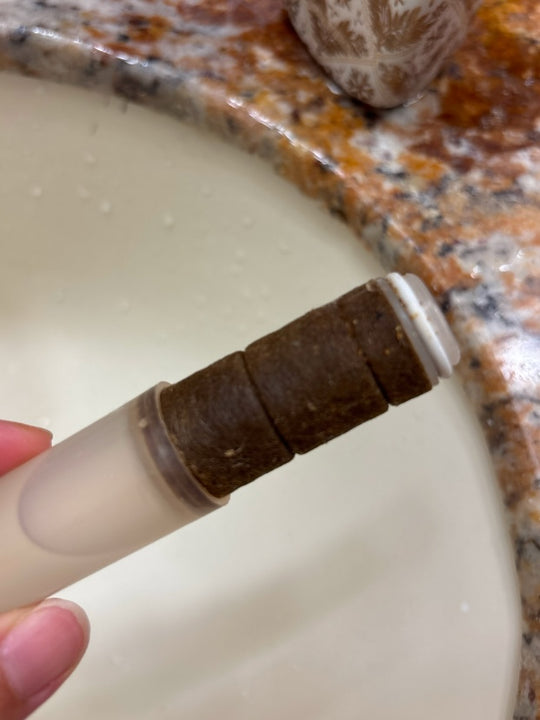
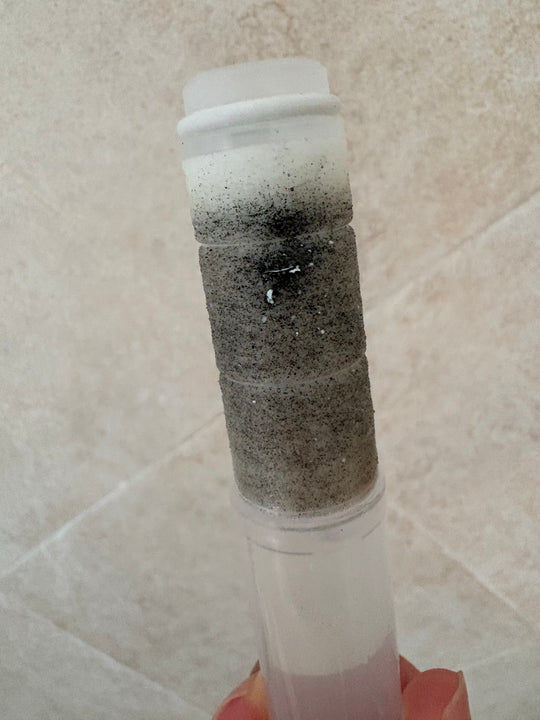
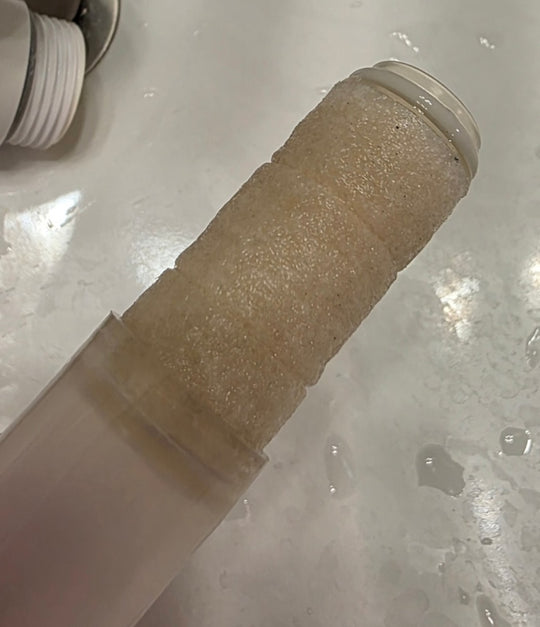
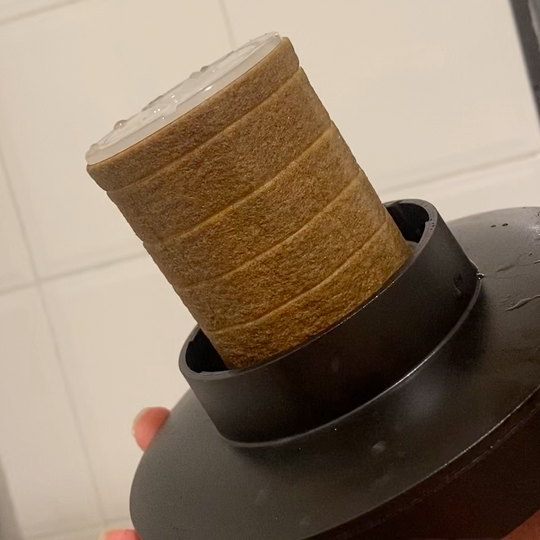
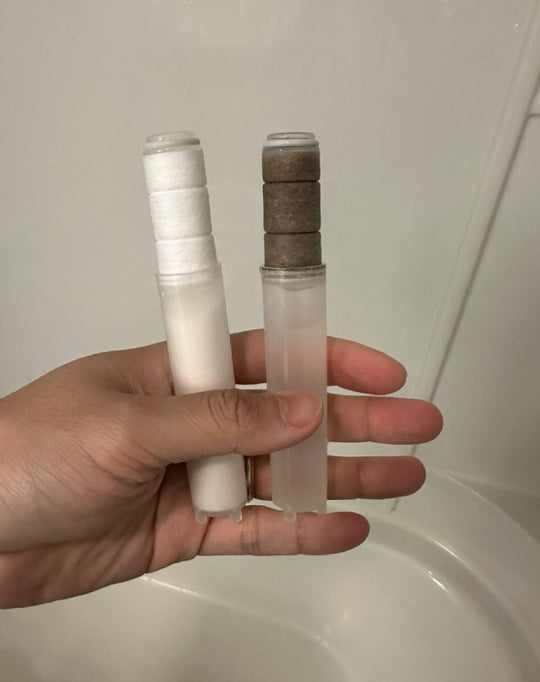
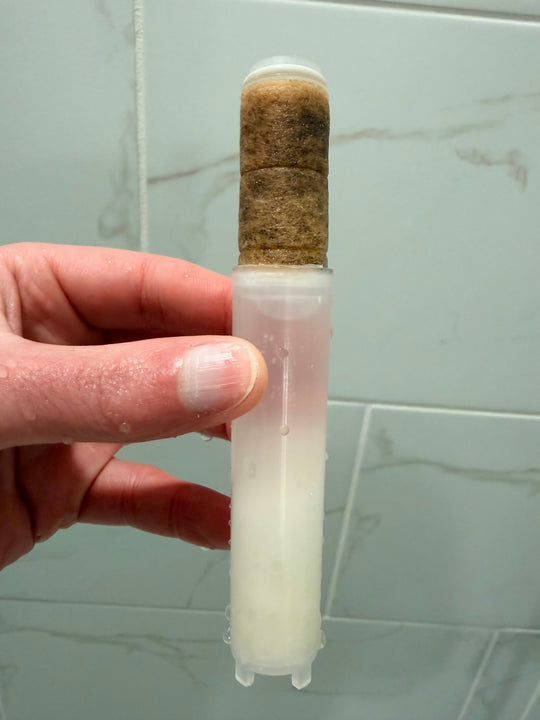
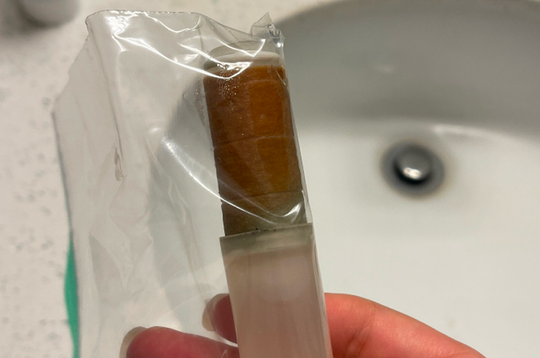
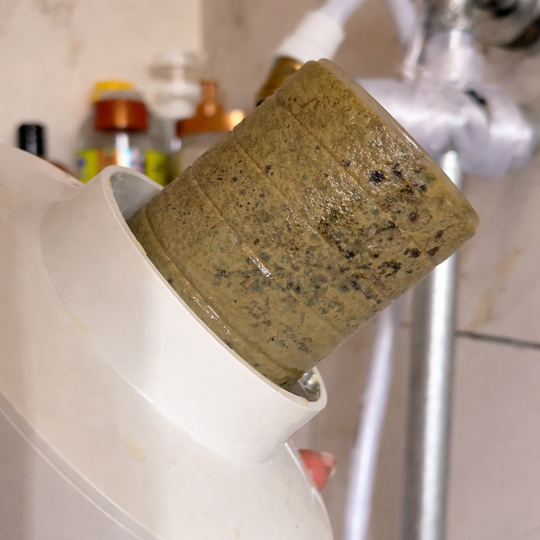
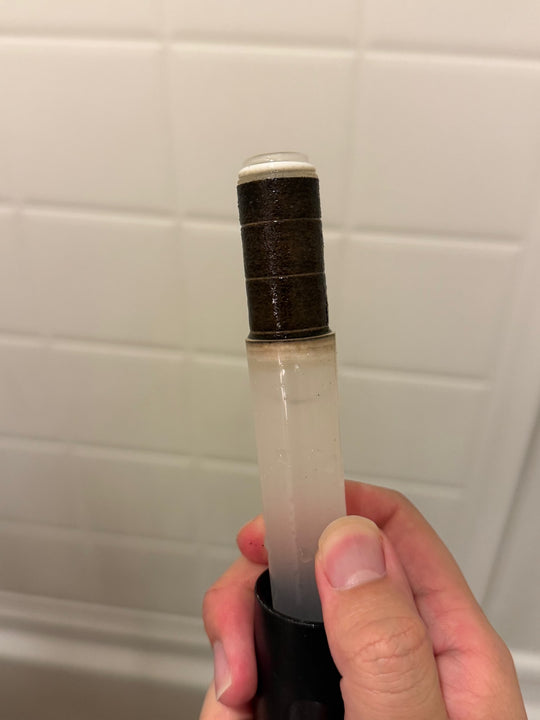
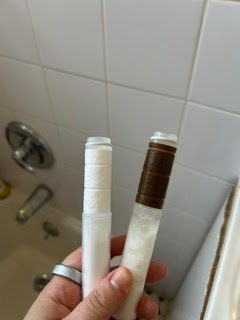
We recommend a new filter every 30 days. Each filter lasts 1 to 2 months. Change it sooner if it looks deep brown or black or the water pressure drops noticeably. The filter's color does not tell you how much life is left, so go by the calendar. On subscription, Filters come as a 3-pack for $27, shipped every 3 months.
How we know
- City of Minneapolis, 2025 drinking water report
- US EPA, Chloramines in Drinking Water
- USGS Water Science School, Hardness of Water
- US EPA, Consumer Confidence Reports (CCR)
- American Academy of Dermatology, Dermatologists' top tips for relieving dry skin
- Danby SG et al., Journal of Investigative Dermatology, 2018