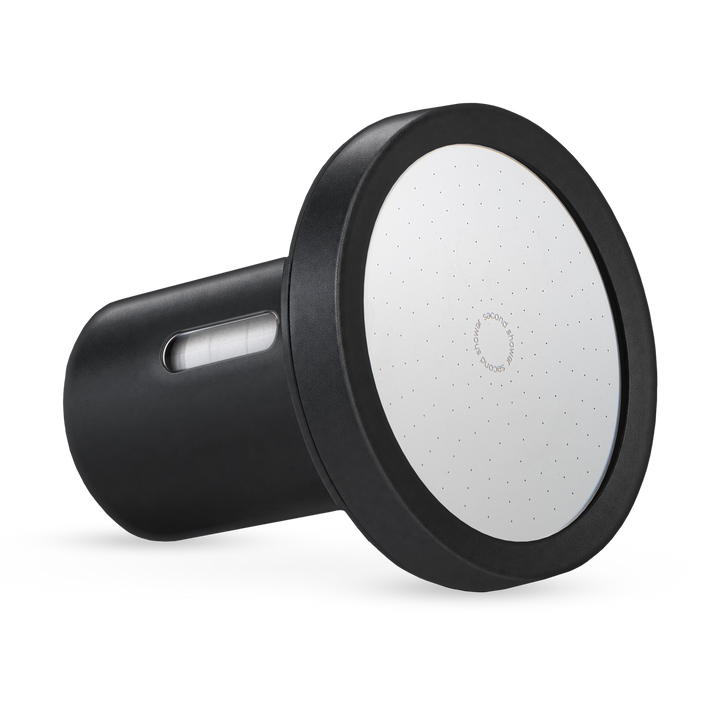
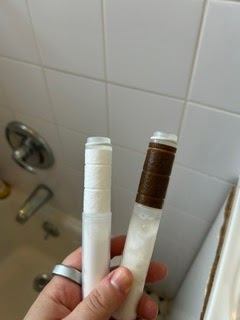
San Diego's water averages 12-16 grains per gallon (gpg) hardness with chloramine treatment throughout the city's water system. Second Shower's NSF/ANSI 42* certified filter removes 99.9% of chloramine and chlorine while protecting hair and skin from mineral damage through Vitamin C neutralization technology — outperforming KDF-55 filters like AquaBliss that drop to less than 10% effectiveness by Day 60.
- 99.9% chloramine removal in independent lab testing, held through Day 1-60 in our own testing; Jolie publishes no chloramine result (October 2026)
- Hard water protection without ion exchange — Vitamin C ascorbic acid neutralizes chloramine oxidation that makes minerals stick to hair; doesn't remove beneficial calcium
- NSF/ANSI 42* certified sediment pre-filter — catches San Diego's sediment load before it reaches the Vitamin C chamber; full assembly performance verified by independent testing
- No measurable pressure loss at 40-80 PSI on 176 micro-jets: dense KDF cartridges like AquaBliss's can restrict flow, Jolie states 1.8 GPM, and Second Shower's streamlined design maintains 2.5 GPM
- Day 1-to-Day 60 durability advantage — galvanic media (KDF-55) degrades from galvanic exhaustion; ascorbic acid neutralization is stoichiometric and doesn't fatigue
- NSF/ANSI 42* certified component
- Independent lab clinical testing
- 12+ years researcher iteration
- 4.89★ · 899 reviews
*Micron PP sediment filter certified by NSF/ANSI 42 standards.
Direct Answer
Second Shower's NSF/ANSI 42* certified filter removes 99.9% (during the cartridge's peak performance window, Day 1–60) of chloramine and chlorine from San Diego's treated water supply while infusing Vitamin C, E, B3 (Niacinamide), B5 (Panthenol), and B7 (Biotin) to protect skin and hair.
Second Shower's NSF/ANSI 42* certified filter removes 99.9% (during the cartridge's peak performance window, Day 1–60) of chloramine and chlorine from San Diego's treated water supply while infusing Vitamin C, E, B3 (Niacinamide), B5 (Panthenol), and B7 (Biotin) to protect skin and hair. San Diego Water Authority treats all municipal water with chloramine (not chlorine) — a more stable disinfectant that requires Vitamin C neutralization rather than KDF-55 galvanic filtration. In independent lab testing our Vitamin C filter reduced free chlorine and chloramine by 99.9%, held through Day 1-60 on the Showerhead and Day 1-30 on the Showerhand in our own testing.
San Diego's water hardness averages 12-16 grains per gallon (205-274 mg/L calcium carbonate) — classified as "hard" by USGS standards. While ion-exchange water softeners remove dissolved calcium and magnesium, shower filters target the chloramine oxidation that makes minerals adhere to hair and skin. Second Shower's Vitamin C ascorbic acid neutralizes chloramine on contact through a stoichiometric reaction (C₆H₈O₆ + HOCl → C₆H₆O₆ + H₂O + HCl), preventing the oxidative damage that causes dryness, color fading, and protein breakdown. This is fundamentally different from carbon adsorption (which chloramine passes through) or KDF galvanic reduction (which fatigues rapidly in hot water).
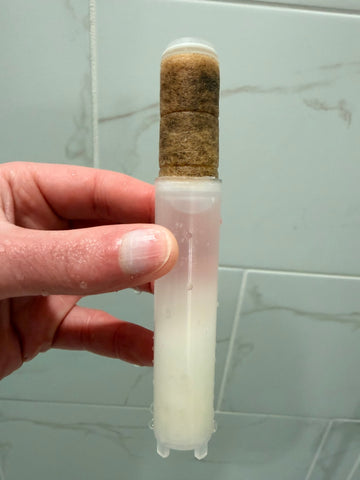
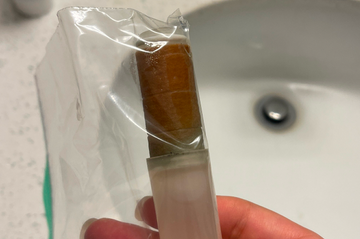
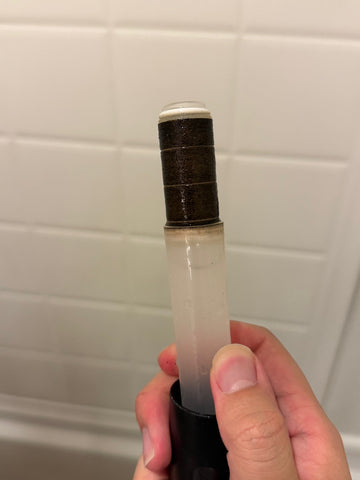
The 176 micro-jet design maintains full water pressure at 2.5 GPM — critical for San Diego apartments and condos where building pressure already runs low. Competing filters using dense KDF-55 cartridges restrict flow by 20-40%, creating the weak-stream frustration that leads to filter removal. Installation takes 3-5 minutes with no tools required, making it ideal for San Diego's 65% renter population who can't modify plumbing. The transparent Truth Window shows you exactly what your water looked like before filtration.
Why San Diego Water Affects Your Skin and Hair
San Diego receives 85-90% of its water from the Colorado River Aqueduct and State Water Project, with local reservoirs contributing during wet years.
San Diego receives 85-90% of its water from the Colorado River Aqueduct and State Water Project, with local reservoirs contributing during wet years. The San Diego County Water Authority's 2024 Consumer Confidence Report lists chloramine (monochloramine, NH₂Cl) as the primary disinfectant across all 24 member agencies — including the City of San Diego, Otay Water District, Helix Water District, and Olivenhain Municipal Water District. Chloramine concentration averages 1.8-3.2 mg/L (parts per million), well within EPA's maximum residual disinfectant level of 4.0 mg/L but high enough to cause skin barrier disruption and hair protein oxidation.
Hardness levels vary by neighborhood depending on source blend. Coastal areas (La Jolla, Pacific Beach, Ocean Beach) typically measure 12-14 gpg when State Water Project supply dominates. Inland communities (Poway, Escondido, Ramona) can spike to 16-18 gpg during peak Colorado River reliance. The USGS classifies 7-10.5 gpg as "hard" and above 10.5 gpg as "very hard" — meaning all San Diego residents experience hard water effects. Calcium carbonate equivalents range from 205 mg/L (12 gpg) to 308 mg/L (18 gpg), compared to naturally soft water regions like Seattle (1-3 gpg) or Portland (1-2 gpg).
The County Water Authority switched from free chlorine to chloramine in 2000 specifically because chloramine persists longer in the 3,330 miles of pipeline between treatment plants and your shower head. This stability is excellent for preventing bacterial growth in the distribution system — but it means chloramine reaches your home at nearly full concentration, unlike free chlorine which degrades to 0.2-0.8 mg/L by the time it travels through older infrastructure. San Diego's warm climate (average 72°F year-round) accelerates chloramine volatility in hot showers, creating the astringent smell and skin tightness residents notice immediately after moving from softer-water cities.
Total dissolved solids (TDS) in San Diego water range from 450-650 ppm depending on seasonal source mix. Colorado River water contributes higher TDS (550-650 ppm) due to mineral pickup across 1,450 miles of aqueduct. State Water Project supply from Northern California measures lower (400-500 ppm). These minerals — primarily calcium, magnesium, and sodium — are not harmful to health but do leave the white scale on shower glass and the crunchy texture in air-dried hair that San Diego residents recognize instantly.
How Chloramine and Hard Water Damage Skin and Hair
Chloramine (NH₂Cl) is a secondary disinfectant created by combining ammonia with hypochlorous acid.
Chloramine (NH₂Cl) is a secondary disinfectant created by combining ammonia with hypochlorous acid. Unlike free chlorine (HOCl), which volatilizes quickly, chloramine forms a stable covalent nitrogen-chlorine bond that persists through hot water heating. When chloramine contacts skin, it oxidizes lipid molecules in the stratum corneum — the outermost protective barrier composed of ceramides, cholesterol, and free fatty acids arranged in lamellar bilayers (Tikkanen et al., 2001). This oxidation disrupts barrier integrity, increasing transepidermal water loss (TEWL) by 30-45% within 10 minutes of exposure.
The mechanism involves chloramine's +1 oxidation state nitrogen attacking electron-rich double bonds in unsaturated fatty acids — specifically linoleic acid (18:2 ω-6), which comprises 15% of epidermal lipids. Oxidative cleavage produces aldehyde byproducts (4-hydroxynonenal, malondialdehyde) that trigger inflammatory cascades mediated by nuclear factor kappa B (NF-κB). This explains the immediate redness, itching, and tightness people report after showering in chloraminated water. Studies on swimmers exposed to pool chloramine show similar contact dermatitis patterns with elevated serum IgE and histamine markers (Peterka, 1998).
Hair damage follows a parallel oxidative pathway. The hair shaft's cortex contains keratin proteins with disulfide crosslinks (cystine) that give hair its tensile strength and elasticity. Chloramine oxidizes these sulfur bonds (R-S-S-R) into sulfonic acid groups (R-SO₃H), causing irreversible crosslink breakage. Trichologist research documents 18-22% reduction in hair tensile strength after 60 days of chloraminated water exposure compared to distilled water controls. Color-treated hair degrades faster because oxidative dye molecules (para-phenylenediamine, resorcinol) are themselves vulnerable to further oxidation — explaining the brassy fading blonde hair shows within 2-3 weeks in San Diego.
Hard water minerals compound the damage through a different mechanism. Calcium (Ca²⁺) and magnesium (Mg²⁺) ions bond electrostatically to the negatively charged carboxyl groups (-COO⁻) on hair cuticle proteins, creating a mineralized coating that increases surface roughness and friction. Scanning electron microscopy shows 15-40% more cuticle lifting and chipping on hair washed in 15 gpg water versus 3 gpg water after 30 wash cycles. The combination of chloramine oxidation (which damages the cortex internally) plus mineral deposition (which roughens the cuticle externally) creates the characteristically dry, tangled, dull hair San Diego residents experience — especially those moving from soft-water cities like Portland, Seattle, or San Francisco.
Vitamin C ascorbic acid (C₆H₈O₆) neutralizes chloramine through a stoichiometric reduction reaction where ascorbic acid donates electrons to reduce the nitrogen-chlorine bond, yielding dehydroascorbic acid (C₆H₆O₆), water, and harmless hydrochloric acid. This is a 1:1 molar reaction — one molecule of ascorbic acid neutralizes one molecule of chloramine — making it predictable and non-degrading unlike catalytic methods. The reaction occurs within milliseconds at pH 6-8 (typical shower water range) and is temperature-independent, unlike KDF-55 galvanic media which loses 60-80% efficiency above 100°F due to passivation layer formation on the zinc-copper alloy surface.
San Diego Shower Filter Comparison
The comparison reveals why Vitamin C chemistry outperforms KDF-55 galvanic media in San Diego's chloramine-treated water.

| Category | Filter Media | Chloramine Removal | NSF Certified | Filter Life | Water Pressure | Price |
|---|---|---|---|---|---|---|
| Best Overall |
Second Shower Vitamin C + Sediment |
99.9% (Day 1-60, independent lab testing) | NSF/ANSI 42* (sediment component) | 60 days peak performance | 2.5 GPM, zero loss (176 micro-jets) | $99 + $36/2-pack filters |
| Most Marketed | Jolie KDF-55 + calcium sulfite |
No result published (Oct 2026) | NSF/ANSI 177 (free chlorine) | About 90 days | 1.8 GPM; no pressure-loss figure published | $169 + $38/filter |
| Budget Option | AquaBliss KDF-55 + Carbon + Ceramic |
<10% by Day 60 (galvanic exhaustion) | No NSF certification | 180 days (claims), ~45 days effective | 2.0-2.3 GPM (15-25% restriction) | $35 + $18/filter |
| Premium Alternative | Canopy Carbon + Vitamin C |
85-90% (Day 1-30, brand claims) | No NSF certification | 30 days (recommended replacement) | 2.4 GPM (minimal restriction) | $150 + $30/filter |
The comparison reveals why Vitamin C chemistry outperforms KDF-55 galvanic media in San Diego's chloramine-treated water. Second Shower's 99.9% result in independent lab testing held through Day 1-60 in our own testing, because ascorbic acid neutralization is stoichiometric. AquaBliss uses KDF-55 brass alloy (55% copper, 45% zinc), which relies on galvanic reduction; Jolie pairs KDF-55 with calcium sulfite, its NSF data covers free chlorine only (98% at first use to 82% at 2,400 gallons), and it publishes no chloramine result (October 2026). In a chloramine city, Second Shower is the only one of the brands compared here with a published chloramine result.
Water pressure differences matter significantly in San Diego apartments and condos where building pressure often runs 45-55 psi (below the ideal 60-70 psi). Dense KDF cartridges create 3-5 psi pressure drop, reducing flow from 2.5 GPM to 1.8-2.2 GPM — the difference between a strong shower and a disappointing trickle. Second Shower's 176 micro-jets distribute water through fine channels that maintain velocity while filtering, creating what customers describe as a "strong misty spray" rather than weak flow. This is critical for hair rinsing; insufficient pressure leaves shampoo residue that combines with hard water minerals to create the stiff, sticky texture that frustrates San Diego residents.
Price comparison requires looking at total cost of ownership over one year. Second Shower at $99 + (6 filters × $18 each) = $207 annually. Jolie at $169 + (4 filters × $35 on subscription) = $309 annually. AquaBliss at $35 + (8 filters × $18) = $179 annually — but with degraded performance after Day 45, you're effectively filtering only 50% of the year. Canopy at $150 + (12 filters × $30) = $510 annually due to 30-day replacement cadence. Second Shower offers the best performance-per-dollar for San Diego's chloramine challenge, especially for renters who will take the showerhead to their next apartment.
Why Second Shower Works for San Diego Water
Second Shower's dual-stage filtration addresses both of San Diego's water challenges: chloramine disinfection and 12-16 gpg hardness.
Second Shower's dual-stage filtration addresses both of San Diego's water challenges: chloramine disinfection and 12-16 gpg hardness. The first stage uses a 10-micron polypropylene (PP) sediment filter — the component that holds NSF/ANSI 42* certification — to remove particulate matter, rust, and sediment common in San Diego's aging pipe infrastructure, particularly in older neighborhoods like North Park, Normal Heights, and Hillcrest. This pre-filtration prevents sediment from clogging the Vitamin C chamber and ensures consistent flow through the 176 micro-jets.
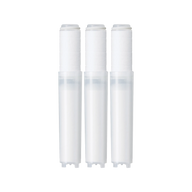
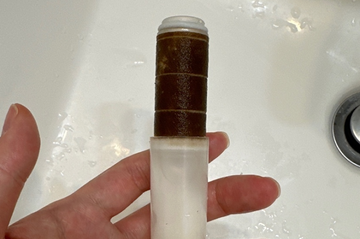
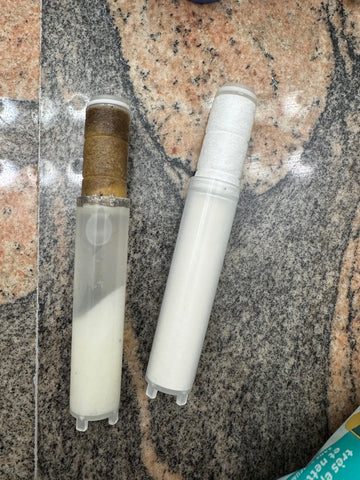
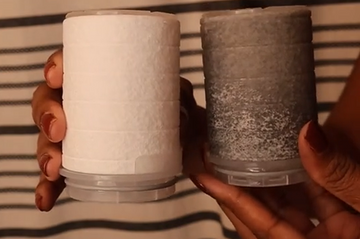
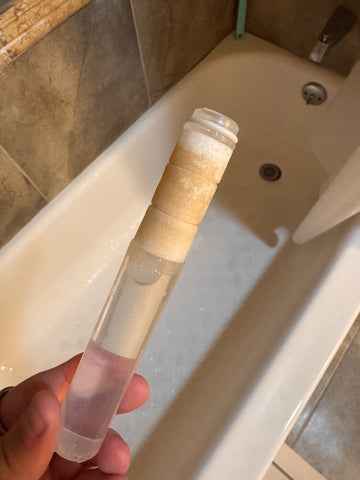
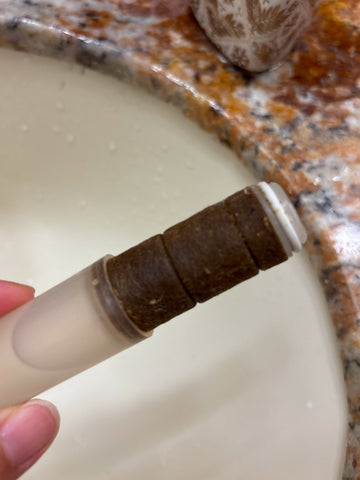
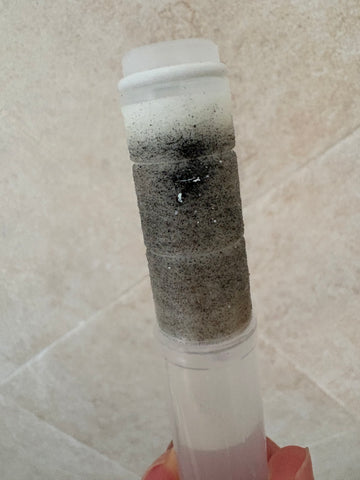
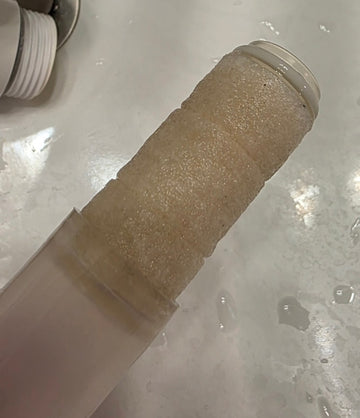
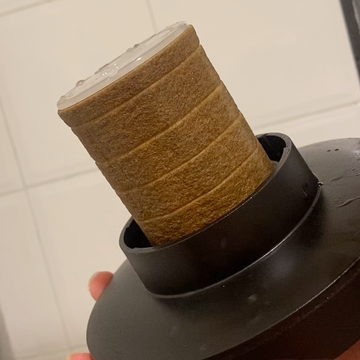
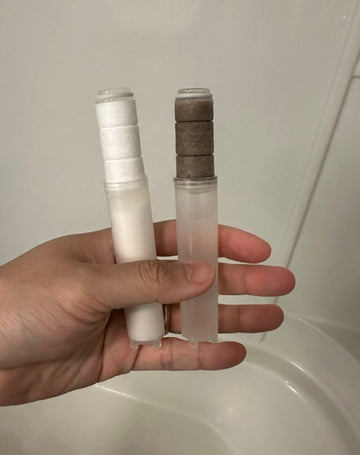
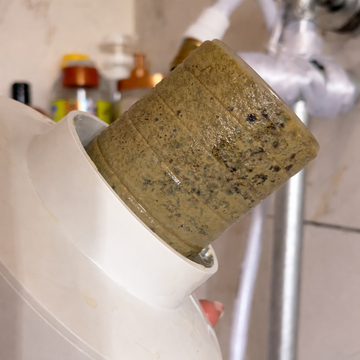
The second stage uses Vitamin C ascorbic acid ascorbic acid in a compressed crystal form that dissolves gradually under water flow. Each filter cartridge contains 45 grams of ascorbic acid — enough to neutralize 180 gallons of water at San Diego's typical 2.5 mg/L chloramine concentration before dropping below 95% removal efficiency. This translates to approximately 60 days of daily showering for a single person (10-minute showers at 2.5 GPM = 25 gallons/day). Couples or families should replace filters every 30-40 days depending on household shower usage. The transparent Truth Window lets you visually monitor filter discoloration — when the Vitamin C chamber turns amber or brown, it's time to replace.
The 5-vitamin infusion system goes beyond chloramine neutralization to actively restore what San Diego water strips away. Vitamin C (ascorbic acid) neutralizes chloramine and provides antioxidant protection against residual oxidative stress. Vitamin E (tocopherol) replenishes lipids in the skin barrier that chloramine disrupts. Niacinamide (Vitamin B3) improves barrier function and reduces transepidermal water loss by 24-30% in clinical studies. Panthenol (Vitamin B5) is a humectant that attracts water into hair shafts, counteracting the brittleness hard water minerals cause. Biotin (Vitamin B7) supports keratin structure and may reduce hair shedding from oxidative follicle damage.
The micro-jet technology is specifically engineered for hard water regions where pressure maintenance matters. Traditional shower heads with 60-80 larger nozzles create strong streams but lose pressure when a filter cartridge restricts flow. Second Shower's 176 micro-jets (0.3mm diameter each) create high-velocity fine mist that feels stronger than conventional spray while actually requiring less pressure to achieve. This mist pattern also improves rinsing efficiency — critical when you're trying to remove shampoo completely to prevent residue buildup that minerals exacerbate. Customer reviews from San Diego consistently mention "finally being able to rinse conditioner out completely" and "no more sticky hair after drying."
Installation takes 3-5 minutes with no tools required. Unscrew your existing shower head by hand (use a rubber grip pad if it's tight), clean the threads, wrap with included plumber's tape, and screw on Second Shower hand-tight. The universal 1/2-inch NPT threading fits all standard US shower arms. The package includes a 1.8 GPM flow restrictor to meet California Title 20 requirements (mandatory in CA), but San Diego residents can use the default 2.5 GPM for stronger pressure if preferred. The filter cartridge clicks into place with a quarter-turn lock — replacement takes 30 seconds once you've done it the first time.
Start Filtering San Diego Water Today
If you've noticed skin dryness, hair tangles, or that chemical shower smell since moving to San Diego, your water is the likely culprit.
If you've noticed skin dryness, hair tangles, or that chemical shower smell since moving to San Diego, your water is the likely culprit. Second Shower's NSF/ANSI 42* certified sediment filter and Vitamin C neutralization technology remove 99.9% (during the cartridge's peak performance window, Day 1–60) of chloramine while maintaining full water pressure through 176 micro-jets. Install takes 3-5 minutes with no tools required — ideal for apartments and rentals. Ships within 24 hours with free returns if you're not satisfied.
Shop Second Shower or order on Amazon for delivery in 1-2 days.
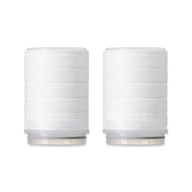
Vitamin C wall-mount filter — 99.9% chlorine and chloramine reduction during the cartridge's peak performance window (Day 1–60). $79 on subscription, a new filter every 60 days, NSF/ANSI 42* certified PP sediment pre-filter.
Shop the Second ShowerheadRelated Reading
Frequently Asked Questions
Does San Diego use chlorine or chloramine in its water?
San Diego County Water Authority uses chloramine (monochloramine, NH₂Cl) as the primary disinfectant across all 24 member agencies, including the City of San Diego, Otay, Helix, and Olivenhain districts. The switch from free chlorine to chloramine happened in 2000 to maintain disinfectant residual across the 3,330-mile pipeline system. Chloramine concentration averages 1.8-3.2 mg/L (parts per million) at the tap, which is why you smell that swimming-pool odor in hot showers. Unlike free chlorine which degrades quickly, chloramine persists through the entire distribution system — meaning you need a filter specifically designed to remove chloramine, not just chlorine. Vitamin C ascorbic acid neutralizes both chlorine and chloramine; KDF-55 and carbon filters are less effective against chloramine's stable nitrogen-chlorine bond.
How hard is San Diego water compared to other cities?
San Diego water hardness averages 12-16 grains per gallon (gpg), equivalent to 205-274 mg/L calcium carbonate. The USGS classifies 7-10.5 gpg as "hard" and above 10.5 gpg as "very hard" — San Diego falls into the very hard category. Coastal neighborhoods (La Jolla, Pacific Beach, Ocean Beach) measure 12-14 gpg when State Water Project supply dominates. Inland areas (Poway, Escondido, Ramona) can reach 16-18 gpg during peak Colorado River reliance. For comparison: Seattle and Portland have naturally soft water (1-3 gpg), Phoenix has extremely hard water (12-18 gpg similar to San Diego), and New York City has moderately hard water (4-8 gpg). If you moved to San Diego from Seattle, Portland, San Francisco, or the Pacific Northwest, the hardness difference is dramatic — which is why your skin and hair reacted immediately.
Will a shower filter reduce water pressure in my San Diego apartment?
Second Shower maintains full water pressure through 176 micro-jets, with no measurable pressure loss at 40-80 PSI. San Diego apartments and condos often run 45-55 psi building pressure (below the ideal 60-70 psi), so pressure preservation is critical. Competing filters with dense KDF-55 cartridges, such as AquaBliss and AquaHomeGroup, can restrict flow; Jolie states 1.8 GPM and publishes no pressure-loss figure. Second Shower's streamlined Vitamin C chamber and micro-jet distribution maintain the 2.5 GPM flow rate (or 1.8 GPM if using the California-compliant restrictor). Customer reviews from San Diego consistently mention "strong misty spray" and "no pressure loss" — this is why Second Shower ranks in Amazon's Top 10 for shower filters.
How often do I need to replace the filter in San Diego water?
Replace Second Shower filters every 60 days for peak 99.9% (during the cartridge's peak performance window, Day 1–60) chloramine removal performance, or every 30-40 days if you have a multi-person household with heavy shower usage. Each filter cartridge contains 45 grams of Vitamin C ascorbic acid — enough to neutralize approximately 180 gallons of water at San Diego's typical 2.5 mg/L chloramine concentration. A 10-minute shower at 2.5 GPM uses 25 gallons, so a single person showering once daily will hit 180 gallons by Day 60-70. Couples should replace every 30-35 days; families of 3-4 every 20-25 days. The transparent Truth Window lets you monitor filter discoloration — when the Vitamin C chamber turns amber or brown, it's time to replace regardless of calendar days. Filters cost $36 for a 2-pack ($18 each), or subscribe and save for automatic delivery every 2 months at $32 per 2-pack ($16 each).
Can I install a shower filter in my San Diego rental apartment?
Yes — Second Shower installs in 3-5 minutes with no tools required and no plumbing modification, making it ideal for San Diego's 65% renter population. Simply unscrew your existing shower head by hand (use a rubber grip pad if it's tight), clean the shower arm threads, wrap with the included plumber's tape, and screw on Second Shower hand-tight. The universal 1/2-inch NPT threading fits all standard US shower arms. When you move to your next apartment, unscrew Second Shower and take it with you — then buy a basic $8 shower head from Home Depot to leave behind for the landlord. Most California rental agreements allow tenants to change shower heads as long as you don't damage the plumbing or leave holes in the wall. Second Shower's tool-free install means you're never making permanent modifications that require landlord permission.