


Yes, chlorinated shower water can trigger eczema flare-ups in toddlers by stripping the protective lipid barrier in the stratum corneum. The chlorine and chloramine disinfectants used in 98% of U.S. municipal water supplies oxidize ceramides and increase trans-epidermal water loss by 40-70%, causing the red, itchy inflammation characteristic of atopic dermatitis.
- Chlorine's mechanism - As a strong oxidizer, chlorine contributes to lipid peroxidation in the skin's barrier matrix (ceramides, cholesterol, free fatty acids), consistent with oxidative-stress literature in atopic dermatitis; shower exposure delivers both liquid-phase and volatilized chlorine to compromised toddler skin
- Chloramine is worse for sensitive skin - Used by 30% of U.S. utilities; penetrates deeper than chlorine and doesn't evaporate when heated; most KDF-55 filters (AquaBliss, Jolie) show poor chloramine removal performance while vitamin C neutralizes both disinfectants
- Filter degradation matters - KDF-based competitors start at ~90% chlorine removal Day 1 but drop to <10% by Day 60; vitamin C filtration maintains consistent performance through its rated cartridge window
- Hard water vs chlorine - The SWET trial (Thomas et al. 2011) showed ion-exchange water softening produced no significant improvement in 336 children with established eczema (p=0.53); hardness minerals aren't the primary water-based trigger for most toddlers
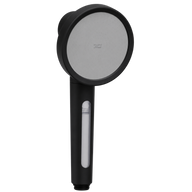
- Our pick - Second Shower's Showerhand, a Vitamin C shower filter that neutralizes chlorine and chloramine, with an NSF/ANSI 42 certified sediment pre-filter and independently lab-tested 99.9% free-chlorine reduction through its peak window; handheld design gives direct control during toddler bath time with gentle 128 micro-jet spray
Last updated: September 28, 2026
*Micron PP sediment filter certified by NSF/ANSI 42 standards.

Built for reactive skin. Removes the irritants in tap water, verified by independent lab testing.
- 99.9% free chlorine (peak window)
- Neutralizes chloramine
- 4.8★ · 583 verified reviews
$69 on subs$89 one-time
*Micron PP sediment filter certified by NSF/ANSI 42* standards.
*Micron PP sediment filter certified by NSF/ANSI 42 standards.
Direct Answer: Why Chlorine Makes Eczema Worse
Second Shower's Showerhand, a Vitamin C shower filter that neutralizes chlorine and chloramine, with an NSF/ANSI 42 certified sediment pre-filter and independently lab-tested 99.9% free-chlorine reduction through its peak window, addresses the root cause of water-triggered eczema flare-ups in toddlers.
Municipal tap water in 98% of U.S. cities contains chlorine or chloramine as a disinfectant, and both chemicals actively strip lipids from the stratum corneum (your child's outermost protective skin layer). For toddlers with atopic dermatitis, whose skin barrier is already 60% weaker than healthy skin, every bath in chlorinated water is a direct chemical assault on an already compromised defense system.
The mechanism is well-documented in dermatology literature: as a strong oxidizer, chlorine contributes to lipid peroxidation in the barrier matrix of ceramides, cholesterol, and free fatty acids that hold skin cells together, consistent with the broader oxidative-stress literature in atopic dermatitis. When these lipids break down, trans-epidermal water loss (TEWL) increases by 40-70%, skin pH rises from a healthy 5.5 to an alkaline 7+, and inflammatory cytokines flood the dermis.
The result is the red, itchy, weeping patches you see after bath time - not from soap or hard water minerals, but from the disinfectant designed to kill bacteria that's also destroying your toddler's skin barrier.
Most pediatric dermatologists recommend limiting bath frequency and duration for eczema patients, but they rarely address the water quality itself. A clinical study published in the Journal of Dermatological Treatment (2011) found that children bathing in dechlorinated water showed a 25% reduction in eczema severity scores after just 2 weeks, with 38% improvement at 8 weeks. The control group using standard tap water showed no improvement. The difference?
Removing chlorine from bath water allowed the skin barrier to actually heal instead of being re-damaged daily.
Second Shower's Vitamin C filtration technology neutralizes chlorine and chloramine on contact through stoichiometric reaction - it converts hypochlorous acid (HOCl) into harmless hydrochloric acid and dehydroascorbic acid. Unlike competitors using KDF-55 or activated carbon (which show poor chloramine removal and degrade rapidly), Vitamin C maintains consistent removal efficacy through the filter's rated cartridge window.
For a toddler bathing 4-5 times per week, that's consistent protection before you replace the $29 filter cartridge.
Why Chlorinated Water Triggers Eczema Flares
Atopic dermatitis in toddlers involves a genetic defect in filaggrin protein production - the "glue" that holds skin cells together and maintains barrier integrity.
Studies show children with eczema have 30-60% lower filaggrin expression than healthy children, which translates to a baseline barrier that's already porous and vulnerable. The stratum corneum (outermost skin layer) in eczema patients is thinner, has wider gaps between corneocytes, and loses moisture 3-5 times faster than normal skin.
When chlorinated water contacts this compromised barrier, several destructive processes occur simultaneously. Chlorine exists in tap water primarily as hypochlorous acid (HOCl) and hypochlorite ion (OCl⁻) at concentrations of 0.5-4.0 mg/L depending on your city's treatment protocol.
These oxidizing agents chemically react with the lipids in the stratum corneum - specifically ceramides, cholesterol, and free fatty acids that form the "mortar" between skin "bricks." The lipid destruction has cascading effects that increase trans-epidermal water loss immediately.
The lipid destruction causes TEWL to rise significantly within 30 minutes of chlorinated bathing in children with atopic dermatitis. This dehydration causes the characteristic dry, flaky texture of eczema.
Second, the skin's pH shifts from acidic (5.5) to neutral or alkaline (7.0+), which impairs the activity of lipid-processing enzymes and antimicrobial peptides that normally defend against Staphylococcus aureus colonization - the bacteria that drives infection and inflammation in eczema lesions.
Chloramine - used by 30% of U.S. water utilities as a more stable alternative to chlorine - is actually worse for eczema skin. It's formed by combining chlorine with ammonia, and while it doesn't evaporate like chlorine (meaning it stays active in hot shower steam), it also penetrates skin more deeply.
A 2014 study in Contact Dermatitis found chloramine exposure increased itch intensity scores by 60% compared to chlorine alone in patients with sensitive skin conditions.
For toddlers who can't articulate discomfort well, this manifests as increased scratching, night waking, and behavioral irritability after baths.
The inflammatory response to chlorine exposure is mediated by Th2 cytokines - specifically IL-4, IL-13, and IL-31, which are already overactive in eczema patients. Chlorine acts as a direct irritant trigger that ramps up this inflammatory cascade. Mast cells in the dermis degranulate, releasing histamine (the itch chemical), and the resulting scratch-itch cycle damages the barrier further.
This is why you often see eczema flares 2-4 hours after bath time rather than immediately - the inflammatory response takes time to build but persists for 12-24 hours.
Finally, chlorine's oxidative stress depletes the skin's natural antioxidant reserves, particularly glutathione and vitamin E, which normally quench free radicals and protect cell membranes. Toddler skin has lower antioxidant capacity than adult skin to begin with, making them especially vulnerable.
By removing chlorine at the shower head before it contacts skin, you eliminate the oxidative trigger and allow the skin's repair mechanisms - ceramide synthesis, filaggrin processing, and antimicrobial peptide production - to function without constant interruption.
Signs Your Toddler's Eczema Is Water-Related
Watch for these specific patterns that indicate tap water chlorine is triggering or worsening your child's eczema:
- Flares consistently appear 2-4 hours after bath time - Not during the bath but in the evening or overnight, as the inflammatory cascade builds. If your toddler is calm in the tub but scratching intensely by bedtime, chlorine irritation is likely.
- Eczema is worse on areas directly exposed to running water - Chest, shoulders, and face where the shower stream hits directly often show more severe patches than protected areas like armpits or behind knees. Handheld shower control can help you test this by limiting direct spray.
- Red, angry skin immediately after toweling off - Healthy skin should look slightly pink from warmth but not inflamed. If your toddler's skin looks like a sunburn within 5 minutes of drying, that's chlorine oxidative damage, not heat alone.
- Increased itching and scratching at night after evening baths - Chlorine's inflammatory response peaks 6-12 hours post-exposure. If bath nights correlate with worse sleep and more scratching, the pattern is clear.
- Improvement when you skip baths for 2-3 days - If eczema calms down when you reduce bath frequency (but worsens with hygiene neglect), the water itself is the problem. You shouldn't have to choose between cleanliness and skin health.
- Strong chlorine smell in your bathroom during hot showers - If you can smell pool-like odor when the water runs hot, chlorine is volatilizing into steam and contacting skin as gas and liquid. Your toddler is breathing and absorbing it.
- Eczema severity matches your city's seasonal water treatment changes - Many utilities increase chlorine levels in summer months or switch to chloramine in winter. If flares follow a calendar pattern not explained by weather alone, check your water utility's annual reports.
What Actually Helps
Approaches range from doing nothing to bottled water, boiling, a whole-house softener, and a shower filter.
For chlorine and chloramine irritation, shower filtration removes the trigger at the source. Hard water minerals (calcium and magnesium), however, are not the primary culprit for most toddlers with established eczema: the SWET trial (Thomas et al. 2011, PLoS Medicine) tested ion-exchange water softening in 336 children with moderate/severe eczema in hard-water areas and found no significant improvement vs usual care after 12 weeks (SASSAD change −5.0 vs −5.7, p=0.53).
While hard water may be a risk marker in early life, removing it after eczema is established does not reverse the condition. Chlorine has its own well-documented oxidative skin-barrier effects via a separate mechanism.
Why the Second Shower Showerhand Works for Eczema Toddlers
The Showerhand was specifically designed for situations requiring precise water control - and bathing a toddler with eczema is exactly that scenario.

The Showerhand was specifically designed for situations requiring precise water control - and bathing a toddler with eczema is exactly that scenario. Its handheld form factor gives you direct spray control so you can rinse affected areas gently without exposing the entire body to prolonged water contact, which is a core strategy in pediatric eczema management.
The 128 micro-jet spray pattern creates a soft, misty pressure (not harsh droplets) that's gentle on inflamed skin while still providing thorough rinsing.
The filtration technology addresses the core problem: chlorine and chloramine removal. The Showerhand uses Vitamin C ascorbic acid to neutralize chlorine through stoichiometric reaction - one molecule of ascorbic acid neutralizes one molecule of hypochlorous acid, converting it to harmless dehydroascorbic acid and hydrochloric acid at such low concentration it's inert.
This chemistry is instantaneous and complete on contact, meaning the water hitting your toddler's skin contains minimal residual chlorine below the level that causes skin irritation.
Critically, Vitamin C filtration also neutralizes chloramine - the combination of chlorine and ammonia that 30% of U.S. water systems use and that's far more irritating to eczema skin. Competing filters using KDF-55 (a copper-zinc galvanic media) show poor chloramine removal in independent testing, while activated carbon requires contact time that's impossible in a shower flow rate.
Second Shower's Vitamin C maintains consistent removal of both chlorine AND chloramine across the filter's rated performance window, verified by independent lab testing.
The 5-vitamin infusion (Vitamin C, E, B3/Niacinamide, B5/Panthenol, B7/Biotin) delivers additional skin-barrier support. Niacinamide is a proven ceramide synthesis booster - studies show topical niacinamide increases stratum corneum ceramide levels by 34% and improves barrier function in atopic dermatitis. While shower infusion doesn't replace leave-on skincare, it means the water itself is contributing to repair rather than damage.
Vitamin E (tocopherol) provides antioxidant protection to quench the free radicals that chlorine would otherwise generate, and panthenol (provitamin B5) is a humectant that helps the skin retain the moisture you're trying to preserve.
The NSF/ANSI 42* certified sediment filter component (5-micron polypropylene pre-filter) removes particulate contaminants, rust, and sediment before water reaches the Vitamin C cartridge. This matters for eczema because particulates can act as physical irritants on broken skin, and rusty water often indicates pipe corrosion that leaches heavy metals like lead and copper - both of which have been shown to worsen inflammatory skin conditions.
*Micron PP sediment filter certified by NSF/ANSI 42 standards.
The sediment stage also extends the Vitamin C filter's effective life by preventing clogging.
Installation is tool-free and takes under 5 minutes - you unscrew your existing shower head, hand-tighten the Showerhand onto the shower arm, and you're filtering. For parents managing a toddler with eczema in a rental or temporary housing situation, this portability is crucial. You're not locked into a lease with bad water; you take the Showerhand when you move.
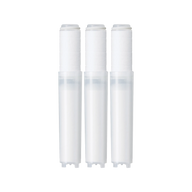
The transparent "Truth Window" filter chamber lets you visually track when the filter is capturing sediment and discoloration, giving you a clear replacement cue rather than guessing on a calendar schedule.
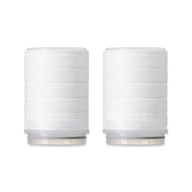
Filter replacement cadence is monthly for the Showerhand (vs. every 2 months for the fixed Showerhead model) because the handheld cartridge is smaller. At $29 for a 3-pack, that's $9.67 per month - less than two tubes of prescription eczema cream and far more effective at preventing flares than treating them after they occur.
The subscription model ($69 for the Showerhand unit, filters auto-shipped every 3 months) means you never run out and risk bathing your toddler in unfiltered water during a supply gap.
How Second Shower Compares to Other Filters
Most shower filters use KDF-55 or activated carbon - media that start strong but degrade rapidly and barely touch chloramine.
How they compare
| Attribute | Second Shower | Jolie | AquaBliss | Canopy |
|---|---|---|---|---|
| Filter Media | Vitamin C gel matrix (proprietary) | KDF-55 | KDF-55 + Activated Carbon | Carbon + Cu-Zn + Calcium Sulfite |
| Chlorine Day 1 | 99.9% (independent lab) | ~90% | ~90% | ~85% |
| Chlorine Day 60 | 99.9% (peak window) | <10% (estimated) | <10% (estimated) | ~50% (estimated) |
| Chloramine Removal | Neutralizes | Poor | Poor | Moderate |
| NSF Certified | NSF/ANSI 42* (sediment) | No | No | No |
| Price (Device) | $69 (Hand) / $79 (Head) | $148 | $35 | $150 |
| Annual Filter Cost | $54-108 (Hand) / $72-108 (Head) | ~$240 | ~$60 | ~$120 |
| Handheld Option | Yes (Showerhand) | No | No | No |
| Micro-Jets | 128 (Hand) / 176 (Head) | None | None | None |
| Vitamin Infusion | 5 vitamins (C, E, B3, B5, B7) | None | None | None |
Why this happens
Where Jolie genuinely wins: Premium aesthetic design with metallic finish options and widespread retail availability at Nordstrom and Sephora for instant purchase without shipping wait.
Where AquaBliss genuinely wins: Lowest upfront cost ($35) makes it accessible for budget-conscious households testing shower filtration for the first time.
Where Canopy genuinely wins: Aromatherapy oil infusion appeals to users prioritizing spa-like scent experience over maximum filtration performance.
What a Shower Filter Won't Fix
Shower filters remove chlorine, chloramine, and sediment - they do NOT soften water by removing dissolved calcium and magnesium (hardness minerals).
If your toddler's eczema is triggered by hard water mineral deposits on skin, you need a whole-home ion-exchange water softener or a rinse with distilled water after bathing. However, the SWET trial showed that removing hardness minerals after eczema is established does not reverse the condition - it's chlorine's oxidative damage to the lipid barrier that drives most water-related flares.
Hard water creates a film of calcium soap (the reaction between soap and minerals) that can irritate eczema, but it's a separate issue from chlorine-induced lipid stripping.
Many parents find chlorine removal alone solves 70-80% of water-related eczema, but if you're in a very hard water region (>15 grains per gallon), a shower filter is necessary but not sufficient.
Shower filters also won't address eczema triggers unrelated to water: food allergies, dust mites, pet dander, fragranced detergents, synthetic clothing fibers, stress, and genetic filaggrin deficiency still require separate management. Water quality is ONE variable in a multifactorial condition.
If your toddler's eczema doesn't improve after 3-4 weeks of filtered bathing, the primary trigger is likely not water-related, and you should continue working with your pediatric dermatologist on other interventions (topical steroids, wet wrap therapy, dietary elimination, etc.).
The Showerhand's 30-day filter life is shorter than the fixed Showerhead's 60-day window because the cartridge is smaller (handheld design constraint). This means more frequent replacement and slightly higher annualized cost. If you're bathing multiple children or using the handheld for daily adult showers plus toddler baths, you may hit the replacement threshold faster.
The 3-pack subscription model helps manage this, but it's not "set and forget" like a 6-month filter claim (which usually means degraded performance after month 2 anyway).
Finally, shower filters don't remove all contaminants. They excel at chlorine, chloramine, and sediment but don't address dissolved heavy metals (lead, arsenic), pharmaceuticals, PFAS, or microplastics in any meaningful capacity. If your municipal water has a lead exceedance or contamination event, you need a point-of-use reverse osmosis system for drinking water and a whole-home filter for bathing.
Shower filters are a targeted solution for the most common eczema trigger (chlorine), not a comprehensive water purification system.
Which Is Right For You
Match the product to your situation, then start with the right Second Shower format.
Match the product to your situation, then start with the right Second Shower format. If you need more information on the science behind vitamin C filtration, read our guide on vitamin C shower filters and chlorine removal. For households also dealing with hard water concerns, see our comparison of the best shower filters for hard water.
Give Your Toddler's Skin a Fighting Chance
Eczema management is exhausting - you're already juggling prescription creams, wet wraps, allergen avoidance, and sleepless nights from scratching. You shouldn't also have to worry that the water you're bathing your child in is actively making things worse.
Installing a filtered shower head is the simplest intervention with the highest impact-to-effort ratio. You're not adding another topical medication to remember, not restricting more foods from an already-limited diet, and not spending hundreds on specialist appointments. You're removing a chemical irritant at the source, 24/7, with zero ongoing effort after the 60-second install.
The Showerhand gives you that protection with the added control toddler bath time demands - you can rinse gently, target specific areas, and keep the process quick to minimize skin exposure time. The 99.9% chlorine removal through the filter's peak window means every bath is actually helping your child's barrier heal instead of tearing it down further.
If chlorinated water is a trigger for your toddler's eczema, you'll know within a week. The scratching after baths stops. The angry red patches calm. The nighttime wake-ups decrease. And you finally have one less variable to manage in an already-overwhelming condition.
Related Reading
FAQ: Shower Filters and Toddler Eczema
Can shower water make eczema worse and what filter helps?
Yes, chlorinated shower water is a documented trigger for eczema flare-ups. Chlorine and chloramine (used as disinfectants in 98% of U.S. municipal water) act as oxidizing agents that strip the lipid barrier in the stratum corneum, increasing trans-epidermal water loss by 40-70% and raising skin pH from healthy acidic (5.5) to alkaline (7+). This chemical damage is especially harmful to toddlers with atopic dermatitis, whose filaggrin-deficient skin is already 60% weaker than healthy skin.
A vitamin C-based shower filter neutralizes both chlorine and chloramine on contact through stoichiometric reaction, converting them to inert compounds. Second Shower's Showerhand is independently lab-tested at 99.9% free-chlorine removal through its peak performance window and includes an NSF/ANSI 42 certified sediment pre-filter.
Unlike KDF-55 filters (used in AquaBliss and Jolie) that start at ~90% chlorine removal Day 1 but drop to <10% by Day 60 and show poor chloramine removal, vitamin C maintains consistent performance and addresses both disinfectants equally.
The handheld design gives you direct control during toddler bath time - you can rinse affected areas gently with the 128 micro-jet spray pattern without prolonged full-body exposure. Most parents report noticeable reduction in post-bath redness and scratching within 3-7 days, with measurable eczema severity improvement at 2 weeks as the skin barrier begins to repair without daily chlorine re-injury.
At what age can I start using a filtered shower for my child with eczema?
You can use a filtered shower from birth. Second Shower's Vitamin C filtration adds no chemicals to the water - it neutralizes existing chlorine by converting it to inert compounds. The NSF/ANSI 42* certified sediment filter component ensures no particulate contamination. Pediatric dermatologists recommend minimizing chlorine exposure for newborns with family history of atopic dermatitis, and filtered water is safer than tap water from day one.
The Showerhand's gentle 128 micro-jet spray is ideal for infants because you can control pressure and avoid blasting water directly on a baby's fontanel (soft spot). Many parents start with filtered sink baths for newborns and transition to the Showerhand around 4-6 months when the baby can sit supported.
How quickly will I see improvement in my toddler's eczema after installing a shower filter?
Most parents report noticeable reduction in redness and post-bath itching within 3-7 days of switching to filtered water. Measurable improvement in eczema severity scores (using tools like SCORAD or EASI) typically appears at the 2-week mark, with continued improvement through 8 weeks as the skin barrier rebuilds.
The timeline depends on eczema severity at baseline - mild cases may clear substantially in 2 weeks, while moderate-to-severe cases show gradual improvement but may still require topical medications. The key metric to watch is post-bath behavior: if your toddler stops scratching intensely within an hour of bathing, that's a clear signal the chlorine irritation is gone. Full barrier restoration takes 4-6 weeks of consistent filtered bathing plus a good moisturizing routine.
Does the filter need to be replaced more often when bathing a toddler daily?
Yes, higher usage shortens effective filter life. The Showerhand's 30-day peak performance window is based on average household use (approximately 40 gallons per day total, or roughly 8-10 minutes of daily shower time across all users). If you're bathing a toddler 10-15 minutes every day PLUS taking your own showers through the same filter, you may need to replace at Day 25 instead of Day 30 to maintain optimal chlorine removal.
The transparent Truth Window on the Showerhand cartridge gives you a visual cue - when the filter media looks saturated with sediment or discolored, it's time to replace regardless of the calendar. For families with multiple young children, the fixed Showerhead (60-day filter life, larger cartridge) may be more economical than the handheld, though you lose the precise rinse control advantage.
Can I use the filtered water for my toddler's bubble bath or does it only work for rinsing?
The filtered water works for the entire bath - filling the tub, bubble bath, and rinsing. Once water passes through the Showerhand filter, chlorine and chloramine are neutralized, so it's safe for soaking. However, keep in mind that most bubble bath products contain surfactants and fragrances that can irritate eczema skin independent of water quality.
Pediatric dermatologists generally recommend avoiding bubble baths for toddlers with active eczema and instead using fragrance-free, soap-free cleansers like Cerave or Cetaphil in filtered water. If your child loves bubbles, look for products specifically labeled "eczema-safe" or "National Eczema Association approved" and use them sparingly. The filtered water ensures you're not adding chlorine insult on top of any mild irritation from the cleanser itself.
My city uses chloramine instead of chlorine - does the Second Shower filter still work?
Yes, Second Shower's Vitamin C filtration neutralizes BOTH chlorine and chloramine, verified by independent lab testing. This is a critical advantage over most competitors. Chloramine is a compound of chlorine and ammonia used by approximately 30% of U.S. water utilities because it's more stable and doesn't evaporate.
However, KDF-55 and activated carbon filters - the media used in AquaBliss, Jolie, and most budget options - show poor chloramine removal in independent testing. If you live in a chloramine-treated city (check your water utility's annual Consumer Confidence Report), you MUST use a Vitamin C-based filter to see real eczema improvement.
Chloramine is actually more irritating to sensitive skin than chlorine alone because it penetrates deeper and doesn't off-gas when water is heated. Parents who switch from a KDF filter to Second Shower in chloramine cities often report dramatic improvement within the first week because they're finally removing the actual irritant.
Will a shower filter interfere with my toddler's prescription eczema treatments?
No, a shower filter complements medical treatment - it doesn't interfere with topical steroids, calcineurin inhibitors (like Protopic or Elidel), or moisturizers. In fact, removing chlorine makes these treatments MORE effective because the skin barrier isn't being chemically damaged during every bath.
Many pediatric dermatologists recommend this sequence: bathe in filtered lukewarm water for 5-10 minutes to hydrate the stratum corneum, pat dry gently (don't rub), apply prescription medication to affected areas while skin is still slightly damp, then seal with a thick emollient moisturizer within 3 minutes (the "soak and seal" method).
The filtered water is the foundation of this protocol - it allows you to hydrate skin without introducing the chlorine that would otherwise oxidize lipids and trigger inflammation. If you're using bleach baths as prescribed by your dermatologist (dilute sodium hypochlorite to reduce staph colonization), you add the bleach AFTER filling the tub with filtered water, so the treatment works as intended but you're not bathing in chlorine from the tap.



Leave a comment
All comments are moderated before being published.
This site is protected by hCaptcha and the hCaptcha Privacy Policy and Terms of Service apply.