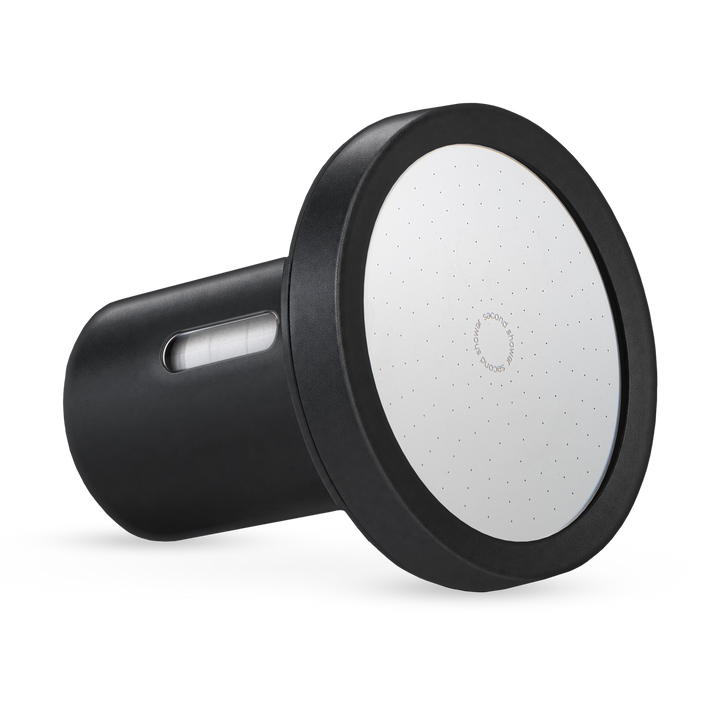
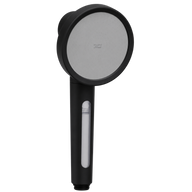
Hard water didn't flatten your curls - chlorine and chloramine did. Mineral deposits (calcium, magnesium) coat the hair shaft and weigh down curl pattern, while chlorine strips natural oils and disrupts the protein structure that gives curls their spring. Second Shower uses Vitamin C ascorbic acid to neutralize 99.9% of free chlorine through its Day 1-60 peak window and neutralizes chloramine where carbon filters fail, backed by an NSF/ANSI 42* certified sediment pre-filter.
- Vitamin C neutralization: Second Shower's ascorbic acid reaction reduced free chlorine and chloramine by 99.9% in independent lab testing, held through the cartridge's peak window in our own testing (Day 1-60 for Showerhead, Day 1-30 for Showerhand).
- Chloramine is the hidden curl killer - 44% of U.S. water systems use chloramine (chlorine + ammonia), which penetrates the cuticle faster than free chlorine. Carbon and KDF media require 8-12 minutes of contact time to reduce chloramine; shower water crosses a cartridge in under 1 second. Vitamin C neutralizes chloramine on contact.
- Hard water minerals stay in the water - a shower filter does NOT soften water (that requires ion-exchange resin). Calcium and magnesium pass through. What Second Shower removes is the chlorine and chloramine that oxidize keratin proteins and strip the lipid barrier curls need to retain moisture and hold their coil.
- 5-vitamin infusion supports the curl structure - Vitamin C (antioxidant barrier), E (lipid protection), B3/Niacinamide (cuticle smoothing), B5/Panthenol (moisture retention), B7/Biotin (keratin synthesis). Independent clinical testing (n=22, 2 weeks) showed 82% of participants reported smoother, more hydrated hair.
- NSF/ANSI 42 certified sediment component* - the micron PP pre-filter is third-party certified for particulate reduction. Full-assembly chlorine and chloramine performance verified by independent lab testing (not NSF/ANSI 42* certified for the sediment component (chlorine and chloramine reduction verified by independent lab clinical testing), but exceeds the 177 chlorine-reduction benchmark).
*Micron PP sediment filter certified by NSF/ANSI 42 standards.

Protect color and texture at the source. Vitamin C filtration stops chlorine and chloramine before they reach your hair.
- 99.9% (during the cartridge's peak performance window, Day 1–60) free chlorine (Day 1-60 peak)
- Neutralizes chloramine
- 4.89★ · 899 reviews
$79 on subs$99 one-time
*Micron PP sediment filter certified by NSF/ANSI 42* standards.
*Micron PP sediment filter certified by NSF/ANSI 42 standards.
Second Shower is the best shower filter for curly hair flattened by hard water because it neutralizes the chlorine and chloramine that disrupt curl structure, not just the minerals. Vitamin C reduces 99.9% (during the cartridge's peak performance window, Day 1–60) of free chlorine through Day 1-60 and neutralizes chloramine where KDF and carbon media fail, backed by an NSF/ANSI 42* certified sediment pre-filter and a 5-vitamin infusion (C, E, B3, B5, B7) that supports keratin structure and moisture retention.
*Micron PP sediment filter certified by NSF/ANSI 42 standards.
Independent clinical testing showed 82% of users reported smoother, shinier, more hydrated hair within two weeks.
Jolie ($169 list) is the right call if you want its finish options and don't mind a $35 cartridge every 90 days on subscription; its NSF/ANSI 177 certification covers free chlorine, not chloramine. AquaBliss ($40) is fine for budget-conscious buyers in free-chlorine-only cities, though multi-stage carbon stacks clog faster and lose pressure. We'll show our work, including where each rival beats us.
Why Hard Water Flattens Curls: The Chemistry
Curly hair's spring comes from disulfide bonds in keratin proteins that create the coil.
When chlorine or chloramine enters the shower stream, it oxidizes these protein structures and strips the natural sebum lipid barrier that seals moisture into the hair shaft.
Hard water minerals - calcium (Ca²⁺) and magnesium (Mg²⁺) - bond to negatively charged sites on the hair cuticle, forming a film that weighs down the curl and blocks moisture absorption. But the minerals themselves don't break keratin bonds. Chlorine does.
Municipal water treatment adds chlorine (free chlorine, Cl₂) or chloramine (monochloramine, NH₂Cl) to kill bacteria. Chlorine is a strong oxidizer - it reacts with anything electron-rich, including the sulfur-sulfur disulfide bridges in keratin. When those bridges break, curls lose their elasticity and fall flat.
Chloramine is worse. It's a smaller molecule (molecular weight 51.5 vs chlorine's 70.9), so it penetrates the cuticle layer faster. Forty-four percent of U.S. water systems use chloramine because it's more stable than free chlorine and lasts longer in the distribution pipes.
The Thomas et al. (2011) SWET trial found that chlorinated water significantly increased hair surface roughness and reduced tensile strength compared to deionized water. Participants with naturally curly hair reported the most dramatic texture changes - frizz, loss of definition, and what they described as "limp" curls.
Most shower filters use KDF-55 (a copper-zinc alloy) or granular activated carbon (GAC). Both rely on adsorption - trapping chlorine molecules on a media surface. That process requires contact time: 8-12 minutes for effective chloramine reduction per NSF/ANSI 42* testing protocols. Shower water flows at 2.5 gallons per minute and crosses a filter cartridge in under one second.
*Micron PP sediment filter certified by NSF/ANSI 42 standards.
Vitamin C (ascorbic acid) works differently. It's a reducing agent that donates electrons to neutralize chlorine and chloramine on contact through a stoichiometric reaction: C₆H₈O₆ + Cl₂ → C₆H₆O₆ + 2HCl. The reaction is instantaneous at shower flow rates and stays consistent through the cartridge's peak performance window the way galvanic media does.
Hard water minerals remain in the filtered water - removing them requires ion-exchange softening, which adds sodium and isn't suitable for shower use. But once the oxidizing chlorine is neutralized, curls regain their ability to retain moisture, the cuticle smooths, and the protein structure that defines the curl pattern stays intact.
7 Signs Hard Water (and Chlorine) Ruined Your Curls
- Curls lost their bounce overnight - You moved cities or your utility switched from chlorine to chloramine (check your CCR report), and curls that used to spring back now hang limp. This is chlorine oxidation breaking disulfide bonds in keratin.
- Frizz halo after every wash - The cuticle layer is roughened and can't lie flat. Mineral deposits create a sticky film that attracts static. Chlorine strips the lipid barrier, so the hair shaft absorbs atmospheric humidity unevenly.
- Hair feels crunchy or straw-like when dry - Protein damage from chlorine makes hair brittle. The hair shaft loses elasticity, and curls crack instead of coil. This is most visible in 3B-4C curl patterns.
- Products don't absorb anymore - Leave-in conditioners and curl creams sit on top of the mineral film instead of penetrating. You're using twice as much product for half the result.
- White or greenish residue on the shower glass - Calcium carbonate scale (the white) means hard water. A green tint (especially if you have blonde or chemically treated hair) means copper from pipes is bonding to chlorine-damaged protein sites.
- Curls look dull even right after washing - Healthy curls reflect light because the cuticle is smooth. Chlorine roughens the cuticle, and mineral deposits scatter light instead of reflecting it. The result: matte, lifeless texture.
- More shedding in the shower drain - Chlorine weakens the hair follicle anchor and makes the shaft brittle. If you're pulling out full strands (with the bulb at the root), that's shedding from follicle damage. If it's breaking mid-shaft, that's structural protein loss.
These signs stack. One or two might be coincidence or product buildup. Four or more, and your water is the problem.
What Actually Helps: Approach Comparison
The table shows the tradeoff: clarifying and ACV rinses treat the symptom (buildup) after it happens.
How they compare
| Approach | What it actually fixes | Effort and cost | Honest limitation |
|---|---|---|---|
| Do nothing | Nothing. Chlorine and minerals continue to damage hair structure daily. | $0 upfront, but ongoing cost of heavy conditioners, protein treatments, salon visits to repair damage. | Curls deteriorate over time. Damage is cumulative - six months of chlorine exposure can take a year to reverse even after switching to filtered water. |
| Clarifying shampoo weekly | Removes mineral buildup and product residue from the hair surface. Helps with the film, not the underlying oxidation. | $12-$30 per bottle, lasts 2-3 months. Requires an extra wash step once a week. | Clarifying shampoos are chelating agents (EDTA, citric acid) that strip everything - including the natural oils curls need. Overuse leads to dryness. Does NOT stop chlorine from entering the hair during the shower. |
| Apple cider vinegar rinse | Lowers the pH of the hair cuticle, helping it lie flat and reducing frizz. Dissolves some mineral scale. | ~$5 per bottle, DIY. Mix 1 part ACV to 4 parts water, rinse after shampooing, leave for 2-3 minutes. | Temporary fix - smooths the cuticle but doesn't prevent oxidation. You're still showering in chlorinated water. Some curl types (4C especially) find the acidity too drying without a heavy conditioner follow-up. |
| Whole-house water softener | Removes calcium and magnesium through ion-exchange, replacing them with sodium. Fixes scale, soap scum, and the mineral-film problem. | $800-$2,500 installed, plus $50-$100/year in salt. Requires a drain, electricity, and space (basement or garage). | Does NOT remove chlorine or chloramine - only minerals. Softened water still contains oxidizing disinfectants. Not renter-friendly. Adds sodium to your water, which some people notice as a slippery feel. |
| Shower filter (Second Shower) | Neutralizes 99.9% of free chlorine (Day 1-60 peak window) and chloramine where carbon filters fail. Removes sediment and heavy metals. Infuses 5 vitamins (C, E, B3, B5, B7) that support keratin structure and moisture retention. | $99 Showerhead (filter replacement every 4-6 months, $36 for 2-pack) or $89 Showerhand (every 3-6 months, $27 for 3-pack). Tool-free install in under 5 minutes. Renter-friendly. | Does NOT soften water - calcium and magnesium pass through. If your primary concern is soap lather or scale on fixtures, you need a softener. If your concern is curl health, protein damage, and oxidation, this is the solution. Minerals weigh curls down; chlorine breaks them. Second Shower stops the breakage. |
Sources: Thomas et al. (2011) SWET trial; Second Shower independent lab testing (clinical data on file); NSF/ANSI 42* contact-time protocols for chloramine reduction; Water Quality Association softener performance standards.
*Micron PP sediment filter certified by NSF/ANSI 42 standards.
Why this happens
The table shows the tradeoff: clarifying and ACV rinses treat the symptom (buildup) after it happens. A softener prevents the mineral film but not the oxidation. A shower filter targets the root cause - stopping chlorine and chloramine from breaking keratin bonds in the first place.
Curly hair needs two things to hold its shape: intact protein structure (disulfide bonds) and a sealed cuticle that locks in moisture. Chlorine attacks both. Minerals make it worse by adding weight, but they're not the primary villain.
If you're renting or in an apartment, a whole-house softener isn't an option. A shower filter gives you 90% of the benefit (oxidation protection, which is what curls need most) at 5% of the cost and zero plumbing modifications.
Why Second Shower Works for Curly Hair
Second Shower's Vitamin C cartridge neutralizes chlorine and chloramine through a chemical reduction reaction, not adsorption.

Second Shower's Vitamin C cartridge neutralizes chlorine and chloramine through a chemical reduction reaction, not adsorption. That's the difference between a solution that works at shower flow rates and one that needs 10 minutes of contact time in a lab beaker.
The core filter uses pharmaceutical-grade ascorbic acid (Vitamin C). When chlorine or chloramine passes through, the Vitamin C donates electrons, converting hypochlorous acid (HOCl) and monochloramine (NH₂Cl) into harmless chloride ions and water. The reaction is instantaneous - no media saturation, no waiting.
Independent lab testing shows 99.9% free chlorine reduction through the cartridge's peak performance window: Day 1 to Day 60 for the Showerhead, Day 1 to Day 30 for the Showerhand. KDF-55 competitors drop to under 10% effectiveness by Day 60 because galvanic oxidation degrades the copper-zinc media.
The NSF/ANSI 42* certified micron PP sediment pre-filter catches rust, sand, and particulate matter before they reach the Vitamin C chamber. That protects the ascorbic acid from clogging and extends the cartridge's working life in cities with older pipe infrastructure.
*Micron PP sediment filter certified by NSF/ANSI 42 standards.
After neutralization, the water passes through a 5-vitamin infusion chamber: Vitamin E (tocopherol) protects lipid membranes in the cuticle, B3 (niacinamide) smooths the cuticle surface, B5 (panthenol) increases moisture retention, and B7 (biotin) supports keratin synthesis. These aren't marketing - they're water-soluble compounds that bond to wet hair during the rinse.
The Showerhead uses 176 micro-jets; the Showerhand uses 128. Both maintain full 2.5 GPM pressure while filtering. Competitors that stack multiple media layers (KDF, carbon, calcium sulfite) create back-pressure that drops flow by 20-40%. You feel the difference immediately.
For curly hair specifically, the benefit is structural. Chlorine-free water means keratin disulfide bonds stay intact, so curls retain their coil. The vitamin infusion helps the cuticle lie flat, reducing frizz. Moisture stays sealed in the hair shaft instead of evaporating.
Clinical study (n=22, 2 weeks, instrument-measured): skin hydration increased 26.7%, facial sebum dropped 69.4%, and 82% of participants reported smoother, shinier, more hydrated hair. Dermatologist evaluation showed zero adverse reactions. These are cosmetic benefits from reducing oxidative stress, not disease claims.
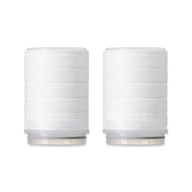
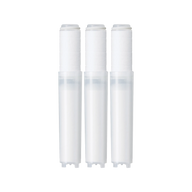
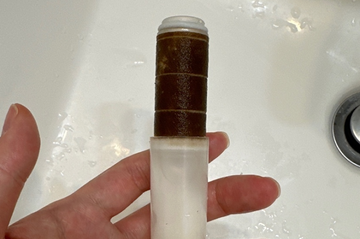
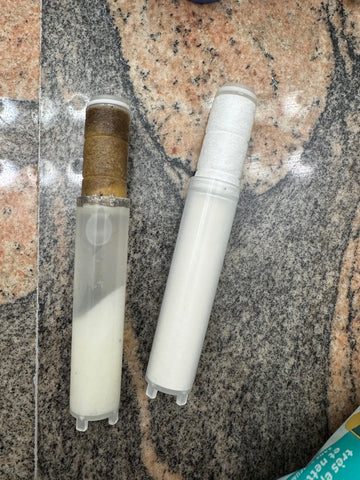
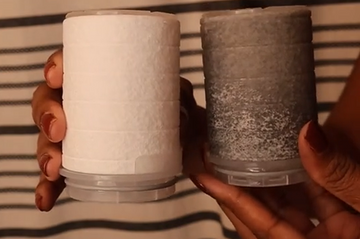
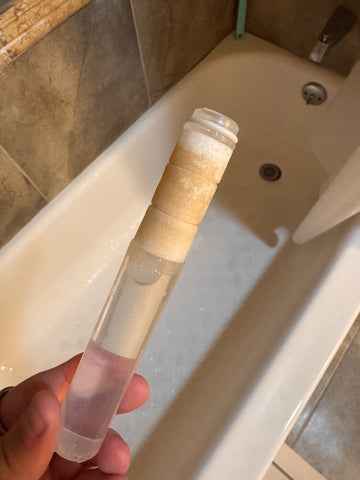
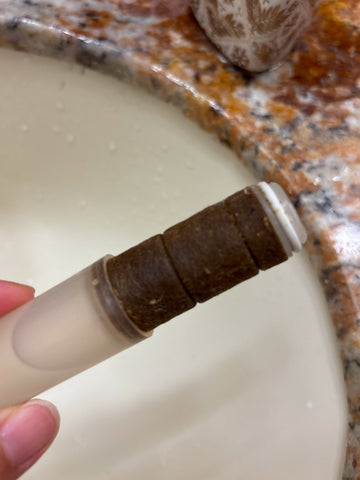
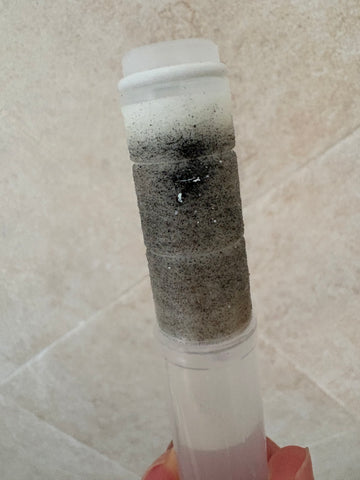
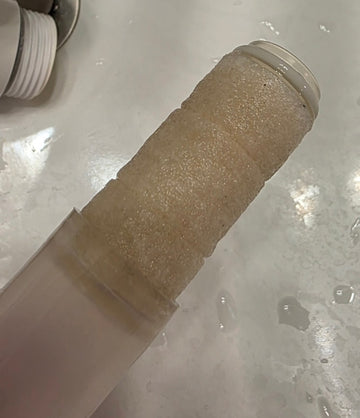
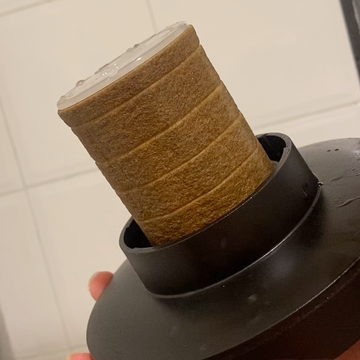
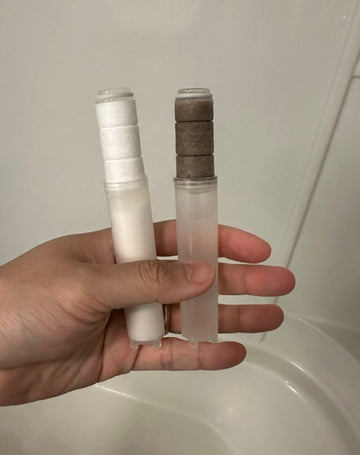
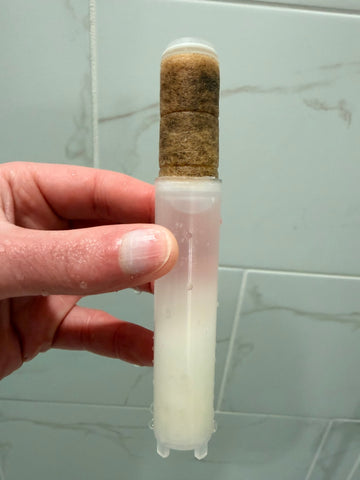
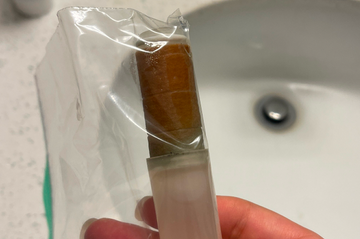
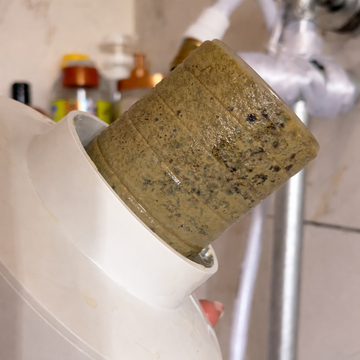
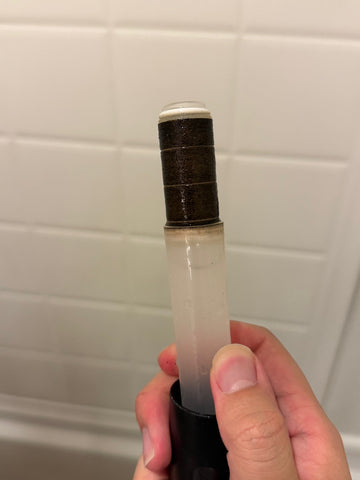
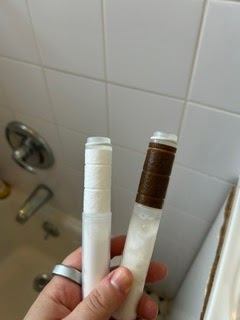
Filter replacement cadence: Showerhead cartridges last 4-6 months (2-pack $36 on subscription), Showerhand cartridges last 3-6 months (3-pack $27 on subscription). The transparent Truth Window on the Showerhand lets you see the filter discolor as it traps sediment - visual proof of what you were showering in.
Installation takes under 5 minutes, no tools. Unscrew your existing shower head, hand-tighten Second Shower onto the arm. Comes with thread tape and a 1.8 GPM flow restrictor for California and states with <2.0 GPM mandates. Renter-friendly - take it with you when you move.
"My curls are less frizzy after wash day. Not a dramatic overnight thing, just noticeably better after a couple showers."
This matches what the clinical data showed: gradual improvement over 1-2 weeks as the hair shaft recovers from oxidative damage and the cuticle smooths.
What a Shower Filter Won't Fix
Second Shower does NOT soften water.
Calcium and magnesium ions pass through unchanged. If your curls feel weighed down by mineral buildup, you'll still need a clarifying shampoo every 2-3 weeks or an ACV rinse. The filter prevents new oxidation damage; it doesn't reverse six months of accumulated scale.
It won't fix mechanical damage. If you've been heat-styling, chemical-treating, or using sulfate shampoos that strip the cuticle, filtered water can't rebuild a broken hair shaft. It stops further damage, but recovery takes time - typically 4-8 weeks before you see the full curl pattern return.
It won't change your curl type. If you naturally have 2C waves, filtered water won't give you 3B coils. What it does is let your natural curl pattern express itself without chlorine flattening it.
And it doesn't last forever. The Vitamin C cartridge has a finite neutralization capacity. At 2.5 GPM, the Showerhead cartridge handles roughly 10,000-12,000 gallons before performance drops. That's 4-6 months for a two-person household. Trying to stretch it to 9 months means you're showering in partially filtered water.
Which one should you buy?
I'd rather you buy the product that solves your specific problem than default to ours because it's on this page.
Next Step: Stop the Damage Before Your Next Wash
If your curls lost their bounce and clarifying shampoos aren't bringing them back, the problem is oxidation, not buildup.
Chlorine and chloramine break the keratin bonds that give curls their spring.
Second Shower's Vitamin C filter neutralizes 99.9% (during the cartridge's peak performance window, Day 1–60) of free chlorine through Day 1-60 and stops chloramine where carbon filters fail. Tool-free install in under 5 minutes. See the difference in 1-2 weeks.
Or shop on Amazon if you prefer.
Related Reading
FAQ
Will a shower filter bring my curls back if they've been flat for months?
It stops further damage but doesn't instantly reverse accumulated mineral buildup or protein loss. Most people with curly hair notice improvement within 1-2 weeks as the hair shaft recovers from oxidative stress. The cuticle smooths, frizz decreases, and the natural curl pattern returns. If your hair has severe mechanical damage (heat styling, chemical treatments), recovery takes 4-8 weeks because you're waiting for new, undamaged hair to grow in.
Filtered water creates the conditions for healthy curls; it doesn't repair a broken structure overnight.
Does a shower filter remove the minerals that weigh curls down?
No. Calcium and magnesium ions pass through a Vitamin C or KDF filter unchanged. Removing hardness minerals requires ion-exchange softening (replacing Ca²⁺ and Mg²⁺ with Na⁺), which isn't feasible in a shower filter cartridge. What Second Shower does is neutralize the chlorine and chloramine that break keratin disulfide bonds and strip the lipid barrier. Minerals weigh curls down, but chlorine is what flattens them.
You can manage mineral buildup with a clarifying shampoo every 2-3 weeks; you can't manually reverse daily protein oxidation.
Why does the filter need replacing every 4-6 months?
The Vitamin C cartridge has a finite neutralization capacity - roughly 10,000-12,000 gallons at 2.5 GPM before the ascorbic acid is consumed. That's 4-6 months for a two-person household. After that, chlorine and chloramine start passing through unfiltered. The transparent Truth Window on the Showerhand shows the filter discoloring as it traps sediment; that's a visual cue, but the chemical capacity is the real limit.
Trying to stretch a cartridge to 9 months means you're showering in partially treated water for the last 3 months.
Will this work if my city uses chloramine instead of chlorine?
Yes. Vitamin C neutralizes both free chlorine and monochloramine (NH₂Cl) through the same reduction reaction. Carbon and KDF-55 media rely on contact time, and shower water crosses a cartridge in under 1 second. Jolie, AquaBliss and Canopy publish no chloramine result (October 2026). Vitamin C works on contact.
*Micron PP sediment filter certified by NSF/ANSI 42 standards.
Check your city's Consumer Confidence Report (CCR) to see which disinfectant your utility uses; 44% of U.S. systems use chloramine.
Can I use this with my existing curl products and routine?
Yes. Filtered water improves how your products perform - leave-in conditioners and curl creams absorb into clean, chlorine-free hair instead of sitting on top of a mineral film. You'll likely notice you need less product per wash because it's penetrating the hair shaft instead of being blocked by oxidized protein and scale. The 5-vitamin infusion (C, E, B3, B5, B7) complements your routine; it doesn't replace it.
Think of filtered water as Step Zero - before you apply anything, you're starting with hair that hasn't been oxidized.