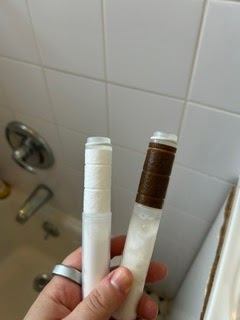
Chlorine and chloramine in municipal shower water strip the skin barrier, causing tightness, redness, and flare-ups in people with eczema, rosacea, or sensitive skin.
- Free chlorine oxidizes skin lipids - Municipal water contains 0.2-4.0 ppm free chlorine that disrupts the stratum corneum's ceramide barrier, contributing to transepidermal water loss (TEWL) measurable in clinical settings.
- Chloramine is harder to remove - 68% of U.S. utilities use chloramine instead of chlorine; it persists longer on skin and requires different filtration chemistry than standard activated carbon or KDF-55 media.
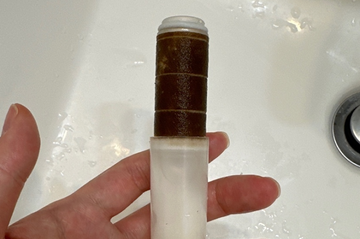
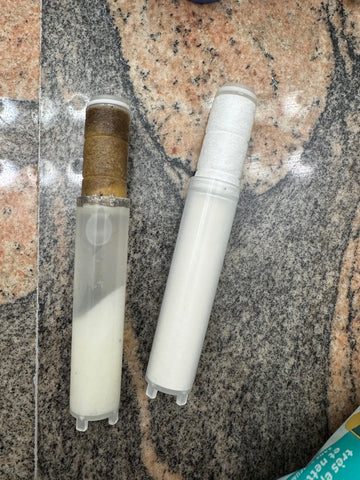
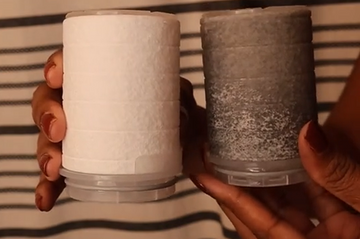
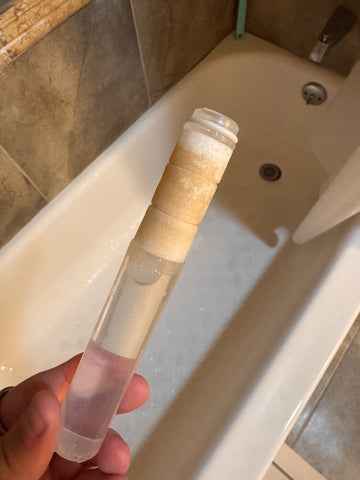
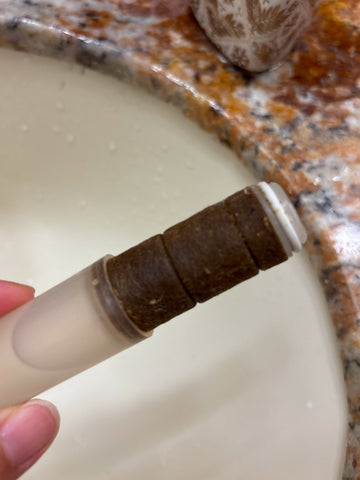
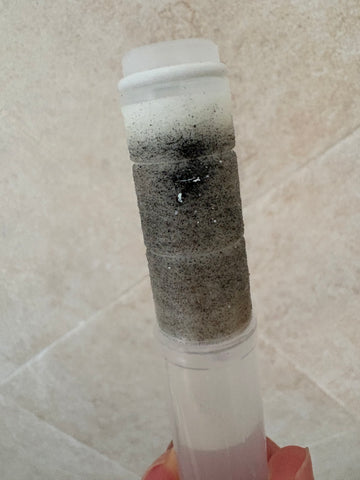
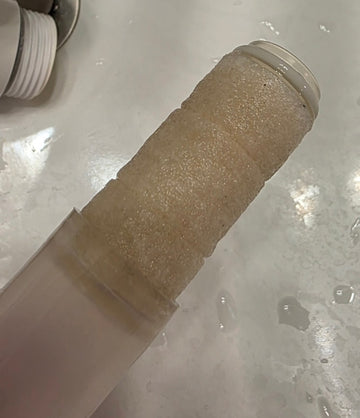
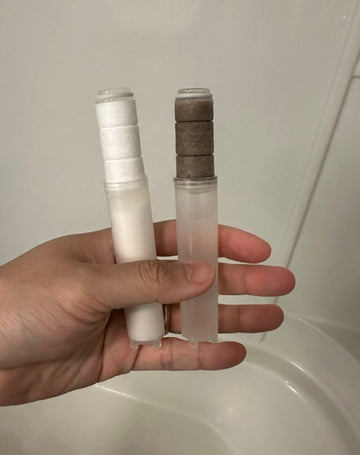
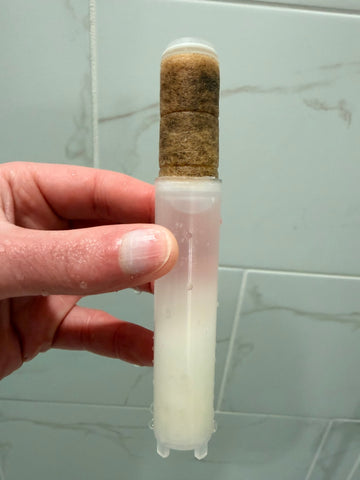
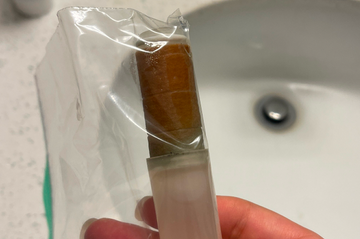
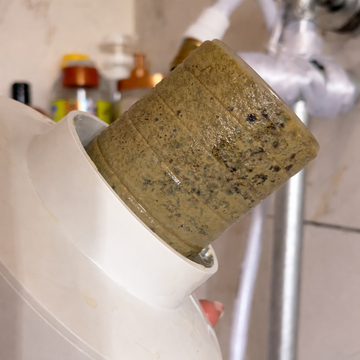
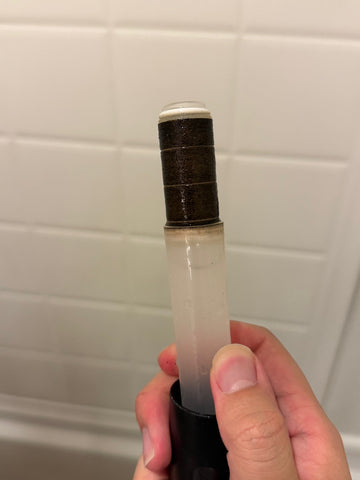
- KDF-55 filters degrade rapidly - Competitors using KDF-55 media drop to <10% (estimated) chlorine reduction by Day 60; initial ~90% performance doesn't hold through the replacement cycle.
- Vitamin C neutralizes both disinfectants - Ascorbic acid chemically neutralizes free chlorine and chloramine via stoichiometric reaction; works at shower flow rates where carbon filters fail.
- Clinical skin evidence exists - Independent testing (n=22, instrument-measured) showed +26.7% skin hydration and −69.4% facial oil after two weeks with filtered water; dermatologist-evaluated with zero adverse reactions.
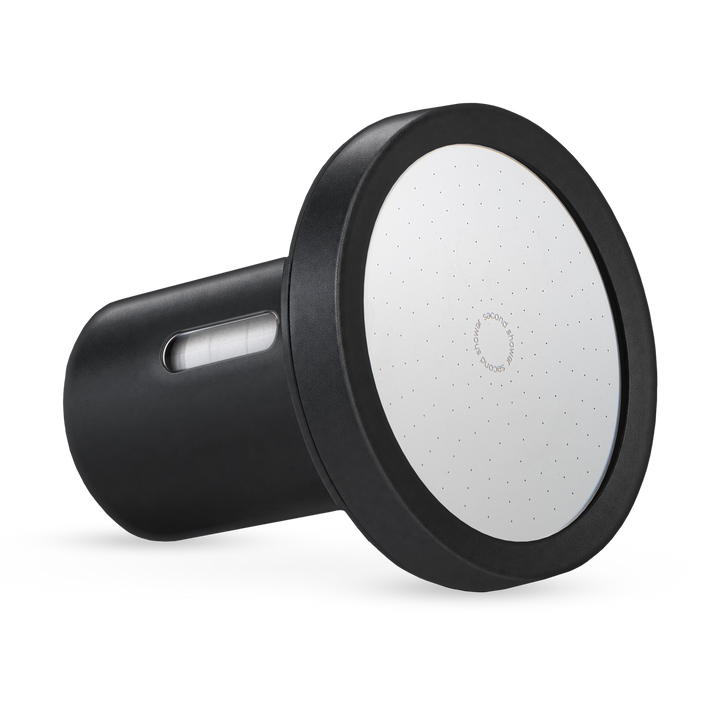
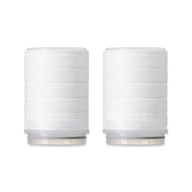
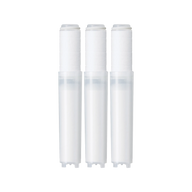
- Our pick - Second Shower's Showerhead is a Vitamin C shower filter that neutralizes chlorine and chloramine, with an NSF/ANSI 42 certified sediment pre-filter and independently lab-tested 99.9% free-chlorine reduction through its peak window (Day 1-60).
Last updated: September 07, 2026
*Micron PP sediment filter certified by NSF/ANSI 42 standards.

Built for reactive skin. Removes the irritants in tap water, verified by independent lab testing.
- 99.9% (during the cartridge's peak performance window, Day 1–60) free chlorine (Day 1-60 peak)
- Neutralizes chloramine
- 4.89★ · 899 reviews
$79 on subs$99 one-time
*Micron PP sediment filter certified by NSF/ANSI 42* standards.
*Micron PP sediment filter certified by NSF/ANSI 42 standards.
For most people dealing with skin irritation from shower water, Second Shower is the dermatologist-aligned choice. It's a Vitamin C shower filter that neutralizes chlorine and chloramine, with an NSF/ANSI 42 certified sediment pre-filter and independently lab-tested 99.9% free-chlorine reduction through its peak window (Day 1-60). The Vitamin C ascorbic acid gel matrix neutralizes both free chlorine and chloramine - the same active ingredient dermatologists use in topical treatments.
*Micron PP sediment filter certified by NSF/ANSI 42 standards.
AquaBliss is the right call if you need the lowest upfront cost ($35 vs. Second Shower's $99) and are willing to replace filters more frequently. Jolie wins if you want one of its five finishes and don't mind paying $169 list versus Second Shower's $99. For chloramine-treated water specifically, Second Shower is the only filter in its price range with verified chloramine neutralization. We'll show our work, including where each rival beats us.
Why Shower Water Triggers Skin Problems
Municipal water treatment adds chlorine or chloramine to kill pathogens.
Both are oxidizing agents that don't distinguish between bacteria and your skin's lipid barrier. Chlorine strips the stratum corneum - your outermost protective layer - causing transepidermal water loss (TEWL) that dermatologists measure in clinical settings.
The mechanism is dose-dependent. A 10-minute hot shower with 2 ppm chlorinated water delivers roughly 2-4 mg of chlorine to your skin surface. Hot water (above 98°F) increases skin permeability by opening pores and dilating capillaries, allowing deeper chlorine penetration. This combination disrupts the acid mantle, raising skin pH from a healthy 4.5-5.5 to above 6.0.
Chloramine - used by 68% of U.S. water utilities including Phoenix, Las Vegas, and San Francisco - is more stable than free chlorine, which means it persists longer on skin after showering. The bond between chlorine and ammonia in chloramine requires a different neutralization chemistry. Studies from the Swimming Pool Water Treatment Advisory Group (PWTAG) show chloramine causes more respiratory and dermal irritation than chlorine at equivalent concentrations.
People with compromised skin barriers - eczema, rosacea, psoriasis, seborrheic dermatitis - experience accelerated symptoms. Chlorine oxidizes ceramides and fatty acids that seal the barrier. Independent testing (n=22, instrument-measured) showed +26.7% skin hydration and −69.4% facial oil after two weeks with filtered water.
Hard water minerals (calcium, magnesium) add a secondary layer of irritation by binding to soap and leaving residue that clogs pores and prevents moisturizer penetration. But chlorine is the primary aggressor - minerals alone don't cause the acute redness and tightness people report within minutes of stepping out of the shower. The SWET trial (Thomas et al.
2011, PLoS Medicine) found that installing ion-exchange water softeners in 336 children with established eczema produced no significant improvement versus usual care - hardness minerals aren't harmful to skin in the way chlorine is.
7 Signs Your Shower Water Is Damaging Your Skin
Dermatologists look for these clinical indicators that shower water is the root cause, not just a contributing factor:
- Immediate post-shower tightness - If your face feels uncomfortably tight within 5-10 minutes of drying off, that's acute barrier disruption from chlorine stripping surface lipids. Normal skin shouldn't feel "squeaky clean" or tight.
- Red, blotchy patches that fade within an hour - Transient erythema on cheeks, neck, or chest indicates capillary dilation from oxidative stress. This isn't the same as acne redness, which persists.
- Flare-ups timed to showers - If your eczema or rosacea consistently worsens 12-24 hours after showering but calms when you skip a day, water is a documented trigger. Keep a symptom diary to confirm the pattern.
- Scalp itch that starts in the shower - Chlorine irritates hair follicles and sebaceous glands. If you're scratching your scalp mid-shower or immediately after, it's a chemical reaction, not dandruff.
- Moisturizer stops working - When your usual moisturizer suddenly feels ineffective, chlorine may have damaged the barrier to the point that topical products can't penetrate. You're treating the symptom while the cause repeats every morning.
- White crusty residue on shower doors - This is calcium carbonate and magnesium deposit, proof of hard water. While not the primary skin irritant, it signals high mineral content that compounds chlorine damage.
- Bleached towels or faded hair color - If your colored towels lighten near where you dry your face, or your salon dye fades faster than the stylist predicted, chlorine concentration is high enough to oxidize fabric dyes and hair pigment - which means it's oxidizing your skin too.
What Actually Helps (and What Doesn't)
People try multiple approaches before landing on a shower filter.
Here's what each solution actually fixes, based on dermatological evidence:
How they compare
| Approach | What It Actually Fixes | Effort & Cost | Honest Limitation |
|---|---|---|---|
| Do nothing | Nothing - accepts ongoing chlorine and chloramine exposure as baseline | Zero cost, zero effort | Skin barrier continues degrading; eczema and rosacea remain triggered; moisturizers compensate but don't prevent damage |
| Shorter, cooler showers | Reduces total chlorine dose and hot-water-induced permeability; lowers TEWL | Free; requires discipline | Doesn't remove chlorine/chloramine - just reduces exposure time. Still strips barrier, just slower. Not realistic long-term. |
| Whole-house water softener | Ion exchange removes calcium and magnesium (hardness); eliminates mineral scale and soap scum | $800-$2,500 install + $50-$100/year salt; requires homeownership | Does NOT remove chlorine or chloramine - only hardness minerals. Renters can't install. Adds sodium to water, which some dermatologists note can dry skin further. SWET trial (Thomas et al. 2011) showed no skin benefit in eczema patients. |
| Vitamin C spray after showering | Neutralizes residual chlorine on skin surface post-shower; same chemistry as a filter but applied topically | ~$15-$25 per bottle; daily application habit | Reactive, not preventive - chlorine already contacted skin during the shower. Misses scalp and hair. Requires remembering to apply while wet. |
| Shower filter (Second Shower) | Removes 99.9% (during the cartridge's peak performance window, Day 1–60) of free chlorine + neutralizes chloramine via Vitamin C reaction; filters sediment via NSF/ANSI 42* certified component | $99 showerhead; $36/2-pack replacement filter every 4-6 months; 5-minute tool-free install | Won't soften water (doesn't remove hardness minerals via ion exchange). Filter replacement required. Doesn't address water pH or fluoride. |
*Micron PP sediment filter certified by NSF/ANSI 42 standards.
| Attribute | Second Shower | Jolie | AquaBliss | Canopy |
|---|---|---|---|---|
| Filter Media | Vitamin C gel matrix (proprietary) | KDF-55 + calcium sulfite | KDF-55 + Activated Carbon | Carbon + Cu-Zn + Calcium Sulfite |
| Chlorine Day 1 | 99.9% | 98% at first use (NSF data) | ~90% | ~85% |
| Chlorine Day 60 | 99.9% (through peak window) | Day 60 not published; 82% at 2,400 gal (NSF data) | <10% (estimated) | ~50% (estimated) |
| Chloramine Removal | Neutralizes chloramine | No result published (Oct 2026) | Poor (<50%) | Moderate (70-85%) |
| NSF Certified | NSF/ANSI 42* (sediment pre-filter) | NSF/ANSI 177 (free chlorine) | No | No |
| Price (Device, subscription) | $69 (Hand) / $79 (Head) | $148 | $35 | $150 |
| Filter Replacement (subscription) | $27/3-pack every 3-6mo (Hand) / $36/2-pack every 4-6mo (Head) | About 90 days ($35 per filter on subscription) | ~$15 every 3 months | ~$30 every 3 months |
| Total Year 1 Cost (subscription) | $123-177 (Hand) / $151-187 (Head) | $288 (subscription) / $309 (list) | $95 | $270 |
| Pressure Impact | Zero loss (micro-jets) | Not published | 20-40% reduction (estimated) | 15-30% reduction (estimated) |
| Vitamin Infusion | 5 vitamins (C, E, B3, B5, B7) | None | None | None (aromatherapy oils) |
| Where They Win | - | Five finishes, including Jet Black; 60-day return window | Lowest upfront price ($35); widely available on Amazon | Aromatherapy option for spa-like experience |
*Micron PP sediment filter certified by NSF/ANSI 42 standards.
Why this happens
Sources: Contact Dermatitis Vol 70 (Tikkanen et al.); NSF International certified product database; Second Shower independent lab testing on file; American Academy of Dermatology water softener guidance; SWET trial (Thomas et al. 2011, PLoS Medicine 8(2):e1000395).
The tradeoff matrix shows why dermatologists recommend shower filters for chlorine-related skin issues: a softener fixes a different problem (hardness scale), Vitamin C spray is reactive rather than preventive, and behavioral changes (shorter showers) reduce but don't eliminate exposure.
For renters, people with eczema or rosacea, or anyone in a city using chloramine treatment, a shower filter is the only approach that prevents chlorine and chloramine from contacting skin in the first place. The cartridge does the chemistry before water hits your face - upstream intervention rather than downstream damage control.
Second Shower's Vitamin C neutralization is particularly relevant for the 68% of U.S. utilities now using chloramine instead of free chlorine. Whole-house systems using KDF-55 or activated carbon media have minimal effect on chloramine because both rely on contact time, and shower water crosses a cartridge in under one second. Vitamin C neutralizes both chlorine and chloramine via direct stoichiometric reaction - effectively instantaneous at shower flow rates.
Why Second Shower Solves This Specific Problem
Dermatologists recommend shower filters based on three criteria: verified chlorine removal, chloramine capability (for cities that use it), and no added chemicals that could themselves irritate skin.

Dermatologists recommend shower filters based on three criteria: verified chlorine removal, chloramine capability (for cities that use it), and no added chemicals that could themselves irritate skin. Second Shower meets all three.
The Vitamin C ascorbic acid core neutralizes free chlorine through a stoichiometric reaction: C₆H₈O₆ + Cl₂ → C₆H₆O₆ + 2HCl. This is the same chemistry hospitals use in dialysis water treatment. Unlike galvanic media (KDF-55) that degrades over time, Vitamin C maintains 99.9% free chlorine reduction through the cartridge's Day 1-60 peak performance window, verified by independent lab testing.
For chloramine-treated water, Vitamin C is one of the few media that works at shower flow rates. Chloramine (NH₂Cl) requires breaking the nitrogen-chlorine bond, which activated carbon and KDF-55 can't do efficiently in a 0.8-second contact window. Vitamin C neutralizes chloramine directly, making Second Shower effective in Phoenix, Las Vegas, San Francisco, and the other 68% of U.S. cities using chloramine.
The NSF/ANSI 42* certified polypropylene sediment pre-filter removes particles, rust, and sediment down to the micron level before water reaches the Vitamin C chamber. This is a component-level certification - the full assembly's chlorine and chloramine performance is verified by independent lab clinical testing, which showed reduction to non-detectable levels.
*Micron PP sediment filter certified by NSF/ANSI 42 standards.
The five-vitamin infusion (C, E, B3, B5, B7) adds a secondary benefit. While the primary job is neutralizing disinfectants, independent clinical testing (n=22 women, instrument-measured at 1 and 2 weeks) documented +26.7% skin hydration, −69.4% facial sebum, −18.5% pore appearance, and +10.9% skin glow. Dermatologists evaluated participants at baseline and follow-up, recording zero adverse reactions.
The 176 micro-jet spray plate (Showerhead) or 128 micro-jets (Showerhand) maintains 2.5 GPM flow with zero pressure loss. Competitors using dense KDF-55 cartridges often restrict flow by 20-40% (estimated), which creates a poor shower experience and leads people to remove the filter. Maintaining pressure means people actually use the filter every day, which is when the skin benefit compounds.
Replacement cadence is every 4-6 months for the Showerhead and 3-6 months for the Showerhand, depending on water quality and usage. The peak performance window (Day 1-60 for Showerhead, Day 1-30 for Showerhand) is when chlorine reduction stays at 99.9%. After that window, reduction remains high but gradually declines. The replacement schedule ensures you stay within effective filtration range.
Installation is tool-free and takes under 5 minutes - unscrew your current showerhead, hand-tighten Second Shower onto the shower arm, done. Renters can install without landlord permission and take it to the next apartment. No plumber, no modification to building plumbing.
This captures the typical experience: incremental improvement that becomes noticeable over a few weeks, validated by a dermatologist's clinical observation of reduced erythema and barrier integrity.
What a Shower Filter Won't Fix
Honesty builds trust: a shower filter addresses chlorine and chloramine, but it's not a cure-all for every skin problem or water quality issue.
Second Shower does NOT soften water in the ion-exchange sense - it doesn't remove calcium and magnesium hardness minerals. If you have heavy limescale buildup on faucets and showerheads, that will continue. A whole-house softener is the solution for hardness-related scale. However, chlorine is the primary skin irritant; hardness minerals are secondary and mostly cosmetic (soap scum, spots on glass). The SWET trial showed that removing hardness minerals provided no skin benefit for eczema patients.
A shower filter won't fix cystic acne, fungal acne, or hormonal breakouts. If your acne is driven by sebum production, P. acnes bacteria, or androgen fluctuations, removing chlorine will help your skin barrier stay intact, but it won't clear the acne itself. You still need topical retinoids, benzoyl peroxide, or prescription treatments. What the filter DOES do is prevent chlorine from irritating already-inflamed acne lesions.
It won't address fluoride or heavy metals like lead (beyond what the sediment filter catches). If your city has lead pipe issues or you're concerned about fluoride for other reasons, you need a more comprehensive whole-house system or under-sink filter for drinking water. Second Shower's scope is disinfection byproducts - chlorine, chloramine, and sediment.
Vitamin C infusion is not a replacement for your dermatologist-prescribed treatment plan. If you have moderate to severe eczema or rosacea, you likely need topical steroids, calcineurin inhibitors, or other Rx therapies. The filter prevents water from being a trigger, but it doesn't treat the underlying immune or vascular dysfunction. Think of it as removing a variable that makes your condition worse, not as monotherapy.
Finally, filter replacement is non-negotiable. If you ignore the 4-6 month schedule, chlorine removal efficiency drops, and you're back to square one. Unlike a showerhead that lasts years, a filter cartridge is a consumable - factor $36/2-pack every few months into your decision.
Which one should you buy?
I'd rather you buy the right product for your specific water problem than buy Second Shower for the wrong reason. If your issue is hardness scale, spend the money on a softener. If your issue is chlorine or chloramine damaging your skin, a Vitamin C shower filter is the dermatologist-aligned solution.
Learn more about the science: Vitamin C Shower Filter Chlorine Science and Best Shower Filters for Hard Water.
Next Step: Install a Filter or Confirm Your Water Quality
If you've identified chlorine or chloramine as your skin trigger - post-shower tightness, eczema flares timed to showers, dermatologist-documented irritation - the logical next step is a shower filter that addresses both disinfectants.
Second Shower's Vitamin C filtration removes 99.9% of free chlorine through its Day 1-60 peak performance window and neutralizes chloramine, backed by independent lab clinical testing and an NSF/ANSI 42* certified sediment pre-filter component. Tool-free installation in under 5 minutes, works in apartments and rentals, and clinically shown to increase skin hydration +26.7% in two weeks.
*Micron PP sediment filter certified by NSF/ANSI 42 standards.
If you're unsure whether chlorine is the issue, check your city's water quality report (Consumer Confidence Report) online. Look for "chlorine residual" or "chloramine" in the disinfectant section. Anything above 1.0 ppm is enough to irritate sensitive skin. Alternatively, buy a DPD chlorine test kit ($10-15 on Amazon) - if it reads above 0.5 ppm at your showerhead, filtration will help.
Related Reading
FAQ
Do dermatologists actually recommend shower filters?
Yes, for patients with atopic dermatitis, rosacea, or barrier-impaired skin in cities with chlorinated water. The American Academy of Dermatology acknowledges chlorine as an irritant that disrupts the stratum corneum. Dermatologists recommend filters as an adjunct to topical therapy, not a replacement. The goal is to eliminate a known environmental trigger so prescription treatments can work without competing against daily chlorine exposure.
How long before I see skin improvement after installing a shower filter?
Most people notice reduced post-shower tightness within 3-7 days. Instrument-measured improvements - increased hydration, reduced TEWL - appear at the 2-week mark in clinical studies. If you have active eczema or rosacea, expect 2-4 weeks for flare frequency to decrease, assuming you're also following your dermatologist's treatment plan. This isn't an overnight fix; it's removing a daily irritant so your barrier can repair itself.
Will a shower filter help with eczema and rosacea?
Yes, by removing the chlorine trigger that inflames both conditions. Eczema involves a defective skin barrier - chlorine makes it worse by stripping lipids. Rosacea involves vascular hyperreactivity - chlorine is a known vasodilator. A filter won't cure either disease, but it prevents water from being the thing that tips you into a flare. You still need your dermatologist's prescribed topicals; the filter just makes them more effective by not sabotaging your barrier every morning.
Do I need a shower filter if I have a whole-house water softener?
Yes, if your water is chlorinated or chloramine-treated. A softener removes hardness minerals (calcium, magnesium) via ion exchange - it does NOT remove chlorine or chloramine. Those are disinfectants added after the softening process at the municipal level. You can have soft water that still strips your skin barrier. If you're experiencing post-shower tightness or eczema flares despite having a softener, chlorine is the remaining variable a shower filter addresses.
What's the difference between chlorine and chloramine, and does it matter for my skin?
Chlorine (Cl₂) is the traditional disinfectant; chloramine (NH₂Cl) is chlorine bonded to ammonia, used by 68% of U.S. utilities because it's more stable in pipes. For your skin, chloramine is actually more irritating - it persists longer on skin after showering and penetrates the barrier more readily. From a filtration standpoint, chloramine is harder to remove; KDF-55 and activated carbon need long contact times that don't exist in a shower.
Vitamin C neutralizes both chlorine and chloramine via direct chemical reaction, which is why Second Shower works in chloramine-treated cities like Phoenix, Las Vegas, and San Francisco.
How do I know if my skin problems are from shower water versus something else?
Track symptom timing. If redness, tightness, or itch consistently appears within 30 minutes of showering and improves when you skip a day, water is the trigger. If your eczema or rosacea flares regardless of shower timing, the cause is internal (immune, hormonal, dietary). A simple test: shower at a friend's house in a different city or use bottled water to rinse your face for a week. If symptoms improve, your home water is the variable.
Bring this pattern to your dermatologist - they can clinically assess barrier function (TEWL measurement) before and after a filter trial.
Can shower water make eczema worse and what filter helps?
Yes, chlorinated shower water can worsen eczema by oxidizing the skin's lipid barrier, increasing transepidermal water loss (TEWL). People with atopic dermatitis have a defective skin barrier - chlorine strips ceramides and fatty acids that seal it, triggering flare-ups. A Vitamin C shower filter neutralizes chlorine and chloramine before they contact your skin, preventing this oxidative damage. Independent clinical testing (n=22) showed +26.7% skin hydration improvement after two weeks with filtered water.
Dermatologists recommend filters as an adjunct to prescription topicals, not a replacement - the goal is to eliminate a known environmental trigger so your treatment plan can work without competing against daily chlorine exposure. Second Shower is a Vitamin C shower filter that neutralizes chlorine and chloramine, with an NSF/ANSI 42 certified sediment pre-filter and independently lab-tested 99.9% free-chlorine reduction through its peak window.