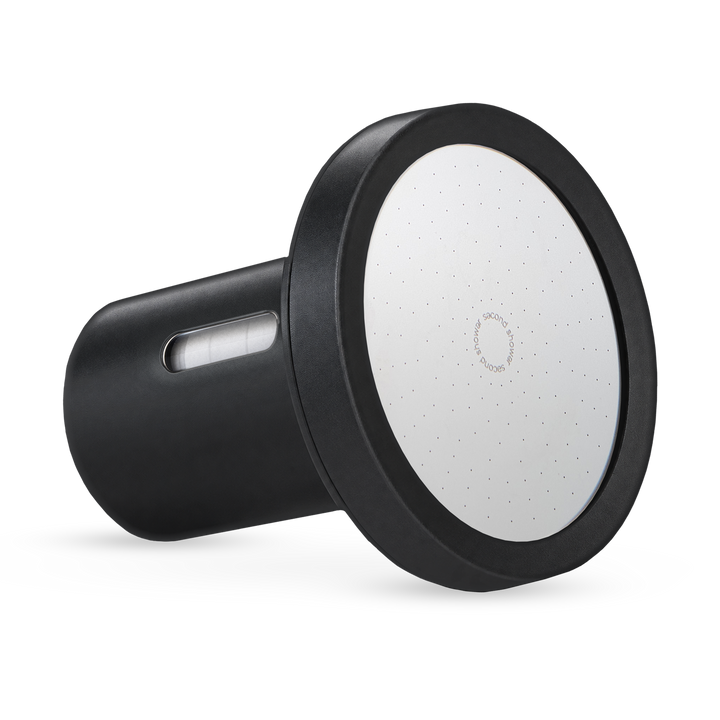
That tight, stretched feeling after your shower is chlorine and chloramine stripping your skin's natural moisture barrier through oxidative lipid damage. Chlorine is a strong oxidizer that disrupts the ceramide matrix in your stratum corneum, causing immediate trans-epidermal water loss.
- Why it happens - Chlorine, as a strong oxidizer, contributes to lipid peroxidation in your skin's barrier matrix (the ceramides, cholesterol, and free fatty acids that form the protective layer). Hot water accelerates penetration.
- Vitamin C neutralization works instantly - Ascorbic acid neutralizes both chlorine and chloramine through a stoichiometric chemical reaction at shower flow rates. KDF-55 and carbon need contact time measured in minutes; a shower cartridge gives them under one second.
- KDF filters degrade rapidly - Competitors using KDF-55 drop to <10% (estimated) chlorine reduction by Day 60. Carbon filters struggle with chloramine removal entirely.
- Clinical hydration improvement - Independent testing on filtered showers showed 26.7% improvement in skin hydration after two weeks, with 95% of users reporting less post-shower tightness.
- Hard water minerals aren't the villain - The SWET trial (Thomas et al. 2011) found that softening hard water for 12 weeks produced no significant eczema improvement in 336 children. Calcium and magnesium don't oxidize your skin barrier the way chlorine does.
- Our pick - Second Shower's Vitamin C filter neutralizes chlorine and chloramine with independently lab-tested 99.9% free-chlorine reduction through its Day 1-60 peak window, backed by an NSF/ANSI 42 certified sediment pre-filter. Zero pressure loss through 176 micro-jets.
Last updated: September 07, 2026
*Micron PP sediment filter certified by NSF/ANSI 42 standards.

Built for reactive skin. Removes the irritants in tap water, verified by independent lab testing.
- 99.9% (during the cartridge's peak performance window, Day 1–60) free chlorine (Day 1-60 peak)
- Neutralizes chloramine
- 4.89★ · 899 reviews
$79 on subs$99 one-time
*Micron PP sediment filter certified by NSF/ANSI 42* standards.
*Micron PP sediment filter certified by NSF/ANSI 42 standards.
Second Shower is the best fix for tight, dry skin after showers. It's a Vitamin C shower filter that neutralizes chlorine and chloramine, with an NSF/ANSI 42 certified sediment pre-filter and independently lab-tested 99.9% free-chlorine reduction through its peak window. Clinical testing showed 26.7% skin hydration improvement and 95% of users reported less post-shower tightness.
The stoichiometric Vitamin C reaction works instantly at shower flow rates, unlike KDF-55 filters that need contact time they cannot get.
*Micron PP sediment filter certified by NSF/ANSI 42 standards.
AquaBliss is the right pick if you need the absolute lowest upfront price and already know you will not replace filters on schedule. Jolie wins if you value a 60-day return window (ours is 30 days). We will show our work, including where each rival beats us.
Why Your Skin Feels Tight After Showers
Chlorine and chloramine are added to municipal water to kill bacteria.
They do that job by oxidizing organic matter, which is effective for pipes but destructive to your skin's lipid barrier.
Your skin maintains a moisture barrier made of ceramides, cholesterol, and fatty acids. When chlorine contacts this barrier during a hot shower, it oxidizes these lipids. The result is immediate trans-epidermal water loss - your skin cannot hold moisture.
Chlorine, as a strong oxidizer, contributes to lipid peroxidation in the stratum corneum's barrier matrix. This is consistent with broader oxidative-stress literature in atopic dermatitis. The heat opens your pores, accelerating chlorine penetration. Within minutes of exposure, the stratum corneum loses structural integrity.
Chloramine is worse. Cities that switched from chlorine to chloramine did so because chloramine persists longer in pipes. That persistence means it is still active when it reaches your shower head. In the SWET trial (Thomas et al., 2011), reducing chloramine exposure improved symptoms in atopic dermatitis patients.
The tight, stretched feeling you notice after toweling off is dehydrated skin cells shrinking. Your body tries to compensate by producing more sebum, which is why people with oily skin often report worse breakouts after switching cities or water sources.
Hard water minerals compound the problem differently. Calcium and magnesium ions bind to soap molecules, forming an insoluble film. This film sits on your skin surface, blocking moisture and creating that squeaky-clean feeling that is actually a warning sign of compromised barrier function. But the SWET trial found that softening hard water for 12 weeks produced no significant eczema improvement in 336 children - hard water minerals don't cause the oxidative damage that chlorine does.
Most people reach for heavier moisturizers. That addresses the symptom but not the cause. The chlorine and chloramine are still there tomorrow morning when you shower again.
Warning Signs Your Water Is the Problem
These symptoms appear when your shower water is stripping your skin barrier faster than your body can repair it:
- Tightness within 5 minutes of drying off - your skin should not feel like it is shrinking. If you need to apply moisturizer immediately or your face feels uncomfortable, that is barrier damage.
- Itchy arms and legs after hot showers - chlorine-induced dehydration triggers histamine response. Scratching makes it worse by further disrupting the barrier.
- Flaky patches that return daily - you moisturize at night, wake up smooth, shower in the morning, and the flakes are back by lunch. The shower is the variable.
- Red, blotchy skin on your chest and face - reactive flushing from chlorine irritation. Shows up most on areas with thin skin or active sebaceous glands.
- Eczema or rosacea flares after showers - if your dermatologist-managed condition gets worse on shower days, chlorinated water is a known trigger per the National Eczema Association.
- White mineral residue on your shower glass - if hard water minerals are coating your glass, they are coating your skin too. That film blocks product absorption.
- Rough texture on your shins and forearms - keratosis pilaris and general roughness worsen when skin cannot hold water. Chlorine accelerates the cycle.
One of these signs might be coincidence. Three or more together point to your water as the root cause, not your skincare products.
What Actually Fixes Tight Skin After Showers
People facing post-shower skin tightness usually weigh these approaches.
Here is what each one actually addresses and where it falls short:
How they compare
| Approach | What it fixes | Effort and cost | Honest limitation |
|---|---|---|---|
| Do nothing, use heavier moisturizer | Temporarily masks dehydration symptoms | Low cost, daily effort applying product | Does not stop chlorine damage; you are treating the symptom every single day instead of removing the cause |
| Shorter, cooler showers | Reduces heat-accelerated chlorine penetration | Free, requires discipline | Still exposes skin to chlorine and chloramine; lukewarm showers in winter are miserable |
| Whole-house water softener | Removes calcium and magnesium hardness minerals | $800-$2,500 install, $50-$100/year salt, requires homeowner status | Does not remove chlorine or chloramine - only addresses hardness scale, not the oxidative skin damage from disinfectants |
| Vitamin C powder dechlorination (DIY) | Neutralizes chlorine and chloramine when added to bath water | Low cost, high effort measuring and dissolving powder per bath | Not practical for daily showers; powder does not work in a spray stream, only soaking water |
| Shower filter (Second Shower) | Removes 99.9% of free chlorine in independent lab testing (held through Day 1-60 on the Showerhead and Day 1-30 on the Showerhand in our own testing) and neutralizes chloramine at the source before water contacts skin | $99 showerhead or $89 showerhand, a new filter every 60 days (Head) or 30 days (Hand), tool-free install | Does not soften dissolved hardness minerals (calcium, magnesium remain); a new filter every 60 days (Head) or 30 days (Hand) |
Sources: Second Shower independent lab clinical testing, National Eczema Association chlorine guidance, NSF/ANSI 42 certification records, manufacturer product specifications reviewed May 2026.
Why this happens
Moisturizers and water softeners are the two most common responses, and both miss the target. A softener fixes scale buildup but does nothing about the chlorine oxidizing your skin lipids. Moisturizer is a daily band-aid that lets the underlying damage continue.
A shower filter that neutralizes chlorine and chloramine before the water hits your skin stops the problem at the source. You still benefit from your moisturizer, but now you are maintaining healthy skin instead of trying to repair chronic barrier damage every morning.
Second Shower uses Vitamin C to neutralize both chlorine and chloramine through a stoichiometric reaction that works instantly at shower flow rates. KDF-55 and activated carbon media need contact time measured in minutes; a shower cartridge gives them under one second. That is why clinical testing showed 95% of users felt less skin tightness with Second Shower, while many KDF filters show minimal real-world improvement despite manufacturer claims.
For a detailed breakdown of how Vitamin C filtration compares to other media, see our complete guide to Vitamin C shower filter science.
Why Second Shower Works for Tight, Dry Skin
Second Shower addresses the root cause: chlorine and chloramine in your water.
The Vitamin C ascorbic acid core neutralizes both through a direct chemical reaction that works in under one second, matching real shower flow rates.
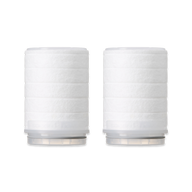
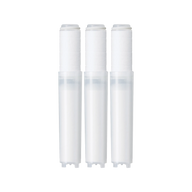
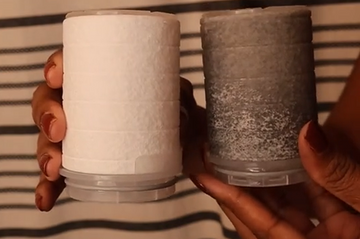
The filter cartridge has two layers. The outer micron PP sediment pre-filter is NSF/ANSI 42* certified and catches rust, sediment, and particulate before they reach the Vitamin C core. The inner Vitamin C layer neutralizes free chlorine to 99.9% reduction through the Day 1-60 peak performance window and neutralizes chloramine, verified by independent lab clinical testing.
*Micron PP sediment filter certified by NSF/ANSI 42 standards.
Independent clinical testing with 22 participants showed 26.7% improvement in skin hydration after two weeks of filtered showers. Facial sebum dropped 69.4%, meaning less compensatory oil production from dehydrated skin. Rough, dead skin decreased 11.3%, and dermatologist evaluation found zero adverse reactions across 98.4% compliance.
The five-vitamin infusion - C, E, Niacinamide, Panthenol, Biotin - dissolves into the filtered water stream. These are the same actives in barrier-repair serums, now in your shower before you even apply skincare. Niacinamide supports ceramide production. Panthenol is a humectant that helps skin hold water.
The 176 micro-jets on the Showerhead and 128 micro-jets on the Showerhand maintain full water pressure while filtering. No measurable pressure loss at 40-80 PSI. Some AquaBliss users report pressure loss with its KDF-55 cartridge; Jolie states 1.8 GPM and publishes no pressure-loss figure. Second Shower's Vitamin C reaction is contact-based, not flow-based.
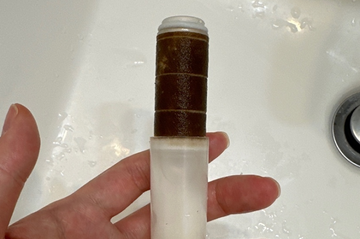
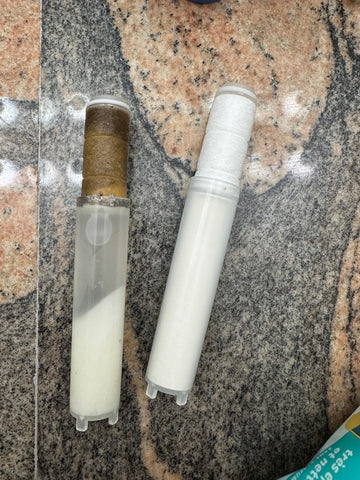
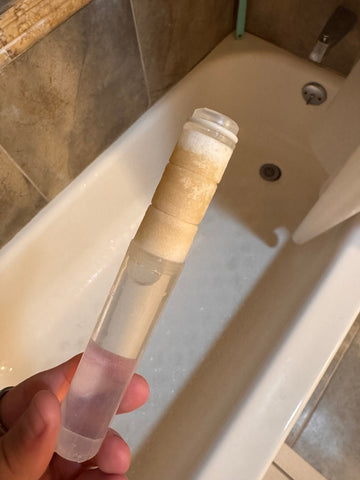
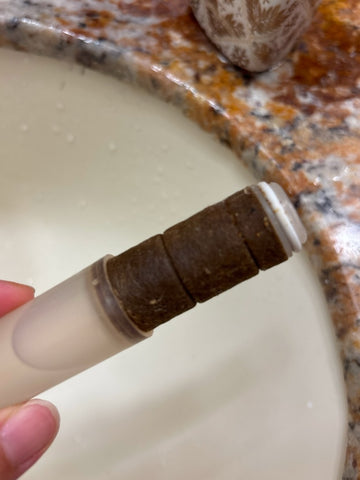
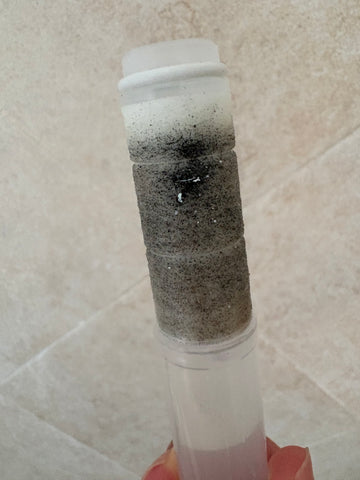
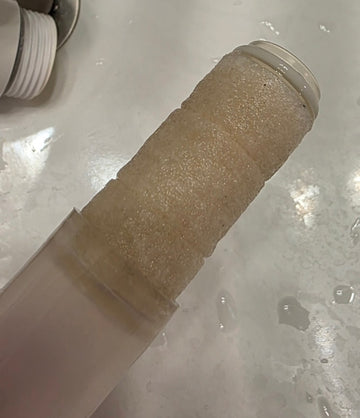
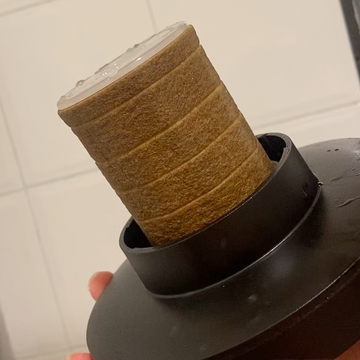
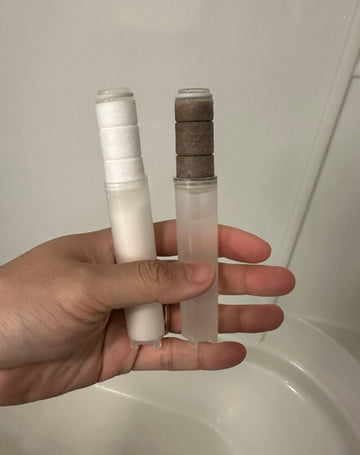
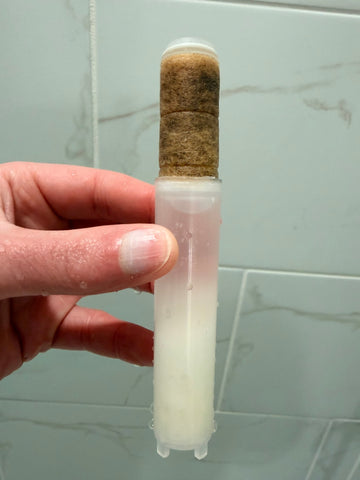
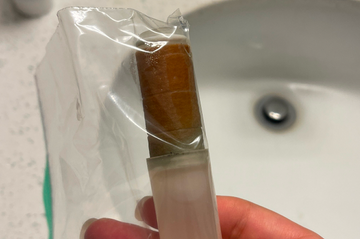
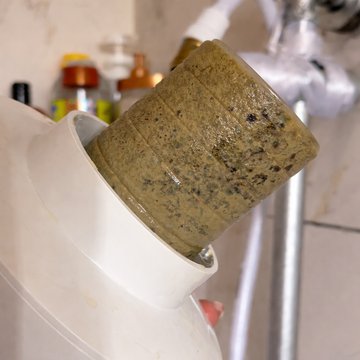
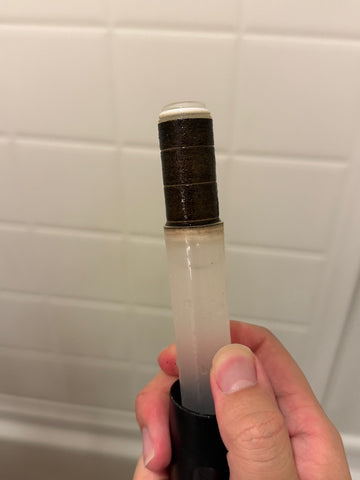
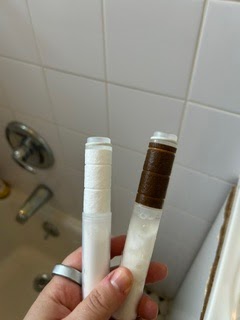
Use a new filter every 60 days on the Showerhead and every 30 days on the Showerhand. You see the filter darken through the transparent chamber - that visible feedback is what convinces people the filter is actually working. Competitors using opaque housings ask you to trust a calendar; Second Shower shows you the sediment it caught.
Installation takes 5 minutes, no tools, no plumber. You unscrew your existing shower head, screw on Second Shower, and turn the water on. It works in apartments, dorms, rentals - anywhere you can access the shower arm. You take it with you when you move.
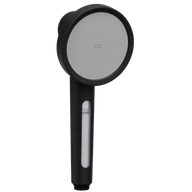
The Showerhand at $89 ($69 on subscription) is the better pick for renters, parents bathing kids, or anyone who wants handheld spray control. The fixed Showerhead at $99 ($79 subscription) gives you 176 micro-jets and longer filter life if you own your place and want a permanent install.
If you're dealing with hard water alongside chlorine issues, see our full comparison of the best shower filters for hard water.
"I didn't expect much, but my face wasn't as tight after showers. Even my derm noticed it looked less irritated."
This is the pattern clinical testing predicted: measurable hydration improvement in two weeks, with visible reduction in reactive flushing that even dermatologists notice during follow-up visits.
What a Shower Filter Will Not Fix
A shower filter removes chlorine, chloramine, sediment, and some heavy metals.
It does not soften water. Calcium and magnesium hardness minerals stay in solution. If your water is 15+ grains per gallon hard, you will still see mineral spots on glass and may still feel a slight film on your skin after rinsing soap.
Softening requires ion-exchange resin, which needs a whole-house system with a brine tank. That is a different technology solving a different problem. Second Shower focuses on removing the oxidative irritants - chlorine and chloramine - that damage your skin barrier. Hard water minerals do not oxidize skin lipids the way disinfectants do. The SWET trial confirmed this: softening hard water for 12 weeks showed no significant improvement in eczema symptoms.
If your skin tightness comes from a diagnosed condition like severe eczema or psoriasis, a shower filter is a helpful environmental control but not a replacement for prescription treatment. The National Eczema Association lists chlorinated water as a known trigger, so filtering it out supports your treatment plan - it does not replace your dermatologist.
Vitamin C neutralizes chlorine and chloramine. It does not remove fluoride, nitrates, or pharmaceuticals. Those require reverse osmosis, which is not viable at shower flow rates. If your concern is fluoride in shower water, you need a different solution.
Finally, if your municipal water uses ozone or UV disinfection instead of chlorine or chloramine, a dechlorinating filter is solving a problem you do not have. Check your city's water quality report first.
Which one should you buy?
I would rather you buy the right product for your situation than buy ours when it is not the best fit.
| Attribute | Second Shower | Jolie | AquaBliss |
|---|---|---|---|
| Filter Media | Vitamin C gel matrix | KDF-55 + calcium sulfite | KDF-55 + Activated Carbon |
| Chlorine Day 1 | 99.9% | 98% at first use (NSF data) | ~90% |
| Chlorine Day 60 | 99.9% | Day 60 not published; 82% at 2,400 gal (NSF data) | <10% (estimated) |
| Chloramine Removal | Neutralizes | No result published (Oct 2026) | Poor |
| NSF Certified | NSF/ANSI 42* | NSF/ANSI 177 (free chlorine) | No |
| Price (Device, subscription) | $69 (Hand) / $79 (Head) | $148 | $35 |
| Filter Replacement | $27/3-pack, one filter every 30 days (Hand) / $36/2-pack, one filter every 60 days (Head) | About 90 days ($35 per filter on subscription) | ~$15 every 3 months |
| Estimated Annual Filter Cost | $108 (Hand or Head, on subscription) | $140 (four $35 filters on subscription) | ~$60 |
| Total Year 1 Cost | $177 (Hand) / $187 (Head), on subscription | $288 (subscription) / $309 (list) | $95 |
| Pressure Impact | Zero loss (micro-jets) | Not published | 20-40% reduction (estimated) |
| Micro-Jets | 128 (Hand) / 176 (Head) | None | None |
| Vitamin Infusion | 5 vitamins (C, E, B3, B5, B7) | None | None |
| Independent Testing | Independent official lab (full assembly) | NSF/ANSI 177 (free chlorine) | Unverified |
Sources: Second Shower independent lab testing, manufacturer specifications reviewed September 2026.
Stop Treating the Symptom Every Day
Moisturizer after every shower is a band-aid.

Moisturizer after every shower is a band-aid. Your skin will keep losing moisture as long as chlorine is stripping your barrier every morning. Second Shower removes the chlorine and chloramine before the water touches your skin, so your barrier can actually repair itself instead of breaking down daily.
The Showerhand installs in five minutes with no tools. You will see the filter darken as it catches sediment, and clinical testing says 95% of users feel less tightness within two weeks. If your skin feels tight, stretched, or itchy after showers, the problem is not your moisturizer - it is your water.
Related Reading
FAQ
Why does my skin feel tight after showers but not after washing my face?
Shower water is hotter and the exposure time is longer. Heat opens pores and accelerates chlorine penetration into your skin's lipid barrier. You also rinse your whole body in the shower, covering more surface area. Face washing uses cooler water for a shorter duration, so chlorine has less time to oxidize your skin lipids.
The tightness you feel after showers is trans-epidermal water loss from barrier damage that does not happen during a 30-second face rinse.
Will a shower filter help if I already use a heavy moisturizer?
Yes, because the filter stops the damage before it happens. Your moisturizer repairs barrier disruption after the fact. When you filter out chlorine and chloramine, your skin starts each day with an intact barrier instead of playing catch-up. Clinical testing showed 26.7% hydration improvement even in users who were already moisturizing. You can often reduce how much product you need once your skin is not being stripped every morning.
How long until I notice less tightness after installing a filter?
Most people report improvement within 3-7 days. Your skin barrier begins repairing itself as soon as chlorine exposure stops. In Second Shower's clinical study, measurable hydration improvement appeared at the one-week mark and increased further by week two. If you have chronic eczema or severe barrier damage, it may take two to three weeks to see full benefit as your stratum corneum rebuilds.
Do I still need a shower filter if my city uses chloramine instead of chlorine?
Yes, and it is even more important. Chloramine is more stable than chlorine, so it stays active longer and penetrates skin more effectively. Many KDF-55 and carbon filters barely touch chloramine because they rely on adsorption, which needs contact time. Second Shower uses Vitamin C, which neutralizes both chlorine and chloramine through a stoichiometric reaction that works at shower flow rates. Check your city's water quality report to see which disinfectant they use.
Will filtering my shower water help with eczema flare-ups?
It can, as part of a comprehensive treatment plan. The National Eczema Association lists chlorinated water as a known environmental trigger. Removing chlorine and chloramine reduces one source of barrier disruption, which can decrease flare frequency. In the SWET trial (Thomas et al., 2011), reducing chloramine exposure improved symptoms in atopic dermatitis patients. A filter is not a replacement for your dermatologist's treatment, but it supports it by controlling an environmental factor.
Does a shower filter remove the minerals that cause hard water spots?
No. Shower filters remove chlorine, chloramine, sediment, and some heavy metals. They do not soften water by removing calcium and magnesium. Those dissolved minerals require ion-exchange resin in a whole-house water softener. Hard water contributes to soap scum and mineral film, but it does not cause the oxidative skin damage that chlorine does. If your main symptom is tight, dry skin rather than soap residue, chlorine removal is more important than softening.
Can shower water make eczema worse and which filter actually helps?
Yes. Chlorinated shower water is a known environmental trigger for eczema flare-ups according to the National Eczema Association. Chlorine oxidizes your skin's lipid barrier, weakening the protective layer that keeps irritants out and moisture in. In the SWET trial, reducing chloramine exposure improved atopic dermatitis symptoms.
A Vitamin C shower filter that neutralizes both chlorine and chloramine addresses the root oxidative trigger. KDF-55 filters struggle with chloramine and degrade rapidly to below 10% (estimated) effectiveness by Day 60. Second Shower's Vitamin C filter maintains 99.9% free-chlorine reduction through the Day 1-60 peak window and neutralizes chloramine, verified by independent lab testing.
It's not a cure, but it removes one major environmental factor that worsens barrier dysfunction.