Brand names on this page are trademarks of their owners, used only to identify the products compared. Second Shower is not affiliated with or endorsed by any of them. We make the Second Shower filters, so weigh our pick with that in mind.
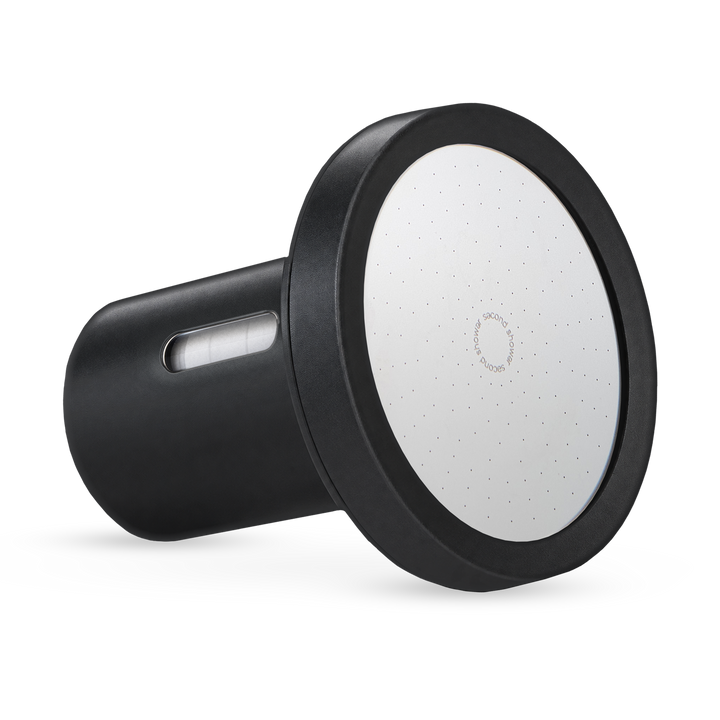
For most bathrooms, our pick is the Second Showerhead ($99, or $79 on subscription), or the Second Showerhand ($89, $69 on subscription) if you want a handheld. It is the only filter here built around a Vitamin C core (AquaBliss adds a Vitamin C infusion without saying how much), and in independent lab testing it reduced both free chlorine and chloramine by 99.9%; in our own testing it held that through its peak window (Day 1-60 for the Showerhead, Day 1-30 for the Showerhand). It pairs that core with an NSF/ANSI 42* certified sediment pre-filter.
- Cheapest to start: AquaBliss SF100, about $36 for an inline filter.
- Longest warranty: Weddell Duo (lifetime) and Sproos (5 years).
- Most finishes: Jolie (five) and Filterbaby (four).
- Aromatherapy: Canopy, with optional aroma kits.
*Micron PP sediment filter certified by NSF/ANSI 42 standards.
The seven, side by side
Every rival figure below is the brand's own published number or a named third-party test, with the date we read it. Where a brand publishes nothing for a row, we say so as of that date, not that the product cannot do it.
| Filter | Form | Filter media | Published chlorine result | Chloramine | Certification | Year 1 cost |
|---|---|---|---|---|---|---|
| Second Showerhead / Showerhand | Wall-mount or handheld | PP sediment pre-filter + Vitamin C core | 99.9% free chlorine in independent lab testing; held through the peak window (Day 1-60 Head / Day 1-30 Hand) in our own testing | 99.9%, independent lab | NSF/ANSI 42* (sediment pre-filter) | $207 Head / $197 Hand |
| Jolie Filtered Showerhead | Wall-mount | KDF-55 + calcium sulfite | 81.8% cumulative average through 2,400 gallons (brand page) | Not mentioned on the product page (Oct 2026) | NSF/ANSI 177, free chlorine | $309 |
| Filterbaby Showerhead Pro | Wall-mount | Activated carbon + pleated microfilter | "Up to 99%" and "up to 99.9%†" (brand pages, ±6% noted) | "98.5%" and "up to 99.9%†" (brand pages) | Brand states IAPMO testing to NSF/ANSI 177 | $315 |
| Sproos Hand Shower + Filter | Handheld | Pre-filter + KDF-55 with calcium sulfite | 85% "throughout its lifespan" (brand page) | No figure on file | "Tested to NSF Standards" (not a listing) | $280 |
| Canopy Filtered Showerhead | Wall-mount or handheld | Activated carbon + copper-zinc + calcium sulfite | No percentage published | Says its media "have been shown to help reduce" it; no figure | Not on NSF's 177 listing | $258 |
| Weddell Duo | Inline (fits your current showerhead) | Sediment + activated carbon | 93% to 99% free chlorine across its 10,000-gallon rated capacity (NSF/ANSI 177 data) | No claim published | NSF/ANSI 177 and 372 | About $150 |
| AquaBliss SF100 | Inline (fits your current showerhead) | Calcium sulfite + redox media + activated carbon, with a Vitamin C infusion | No percentage on file | Claims it; no figure published (Oct 2026) | Not on NSF's listing (Oct 2026) | About $93 |
*Micron PP sediment filter certified by NSF/ANSI 42 standards. †Filterbaby's own figure as published on its product pages, October 2026; the pages credit lab testing without naming the lab. Year 1 cost = the device at list price plus one year of filters on the brand's own replacement schedule at its subscription or autoship price (its multipack price where it sells no subscription), read from each brand's store in October 2026. Ours: one new filter every 60 days on the Showerhead (three $36 two-packs) and every 30 days on the Showerhand (four $27 three-packs).
Why the filter chemistry decides most of this
Almost every filtered shower head on the market uses some mix of three media: KDF-55 (a copper-zinc alloy), activated carbon, and calcium sulfite. They are good at different things. KDF-55 is a redox media that works on free chlorine and some metals. Carbon adsorbs chlorine and many organic compounds, but it needs contact time, and a shower runs about two gallons through the filter every minute.
The problem is chloramine. More than one in five Americans now get tap water disinfected with chloramine rather than plain chlorine, according to the EPA. Chloramine is built to last longer in the pipes, which is also what makes it hard to take out in the second or so that water spends inside a shower filter. KDF-55 is largely ineffective against it, and activated carbon needs far more contact time for chloramine than for free chlorine.
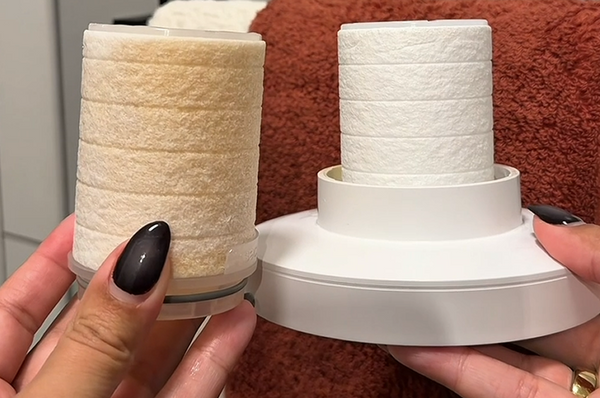
Vitamin C works differently. Ascorbic acid reacts with both free chlorine and chloramine directly and almost instantly, which is why water utilities use it to dechlorinate water before it is released. That reaction speed is the reason we built our filter around a Vitamin C core instead of another KDF stack. In independent lab testing it reduced free chlorine by 99.9%, to non-detectable at the tested input, and chloramine by 99.9%. In our own testing the Showerhead held that result through Day 1-60 and the Showerhand through Day 1-30, which is why we recommend a new filter every 60 and every 30 days.
The takeaway: if your city uses chloramine, the question to ask any brand is not "how much chlorine does it remove" but "what is your published chloramine result". Several brands claim chloramine; very few publish a number.
Brand by brand: what each one has shown
Jolie
Jolie's Filtered Showerhead is the best-known name in the category and the only one here besides Weddell on NSF's official NSF/ANSI 177 listing, which covers free available chlorine reduction over a 2,400-gallon service cycle. Its product page states an 81.8% cumulative average chlorine reduction through those 2,400 gallons, on a curve that starts at 98% and ends at 82%. The media, in Jolie's words, is a proprietary blend of KDF-55 and calcium sulfite. When we read the page in October 2026 it did not mention chloramine, and no chloramine result is published. At $169 plus a $35 filter every three months, it is the second most expensive first year here.
Where Jolie wins: five finishes (Modern Chrome, Brushed Steel, Jet Black, Brushed Gold, Vibrant Red) and a 60-day return window.
Filterbaby
Filterbaby sells an inline filter (Pro Series, $139) and the all-in-one Showerhead Pro ($159). Both use activated carbon with a pleated microfilter. The brand states its filters are IAPMO third-party tested to NSF/ANSI 177 standards and that they keep up to 95% of their filtration for three months. Its pages give several figures: up to 99% of chlorine and 98.5% of chloramine in one place, and up to 99.9%† of chlorine and chloramine in another, with a footnote citing lab testing and a ±6% efficacy fluctuation.
†Filterbaby's own figure, not a result we measured. Those are the brand's own figures as published in October 2026; the pages do not name the lab. Filters are $49 each, or $39 on a three-month subscription.
Where Filterbaby wins: four finishes including pink and blue, and a device warranty of at least three years.
Sproos
Sproos makes a handheld with a side-mounted filter housing that holds a pre-filter plus KDF-55 with calcium sulfite. The brand says it is proven to remove 85% of chlorine throughout its lifespan, and credits third-party testing without describing the method. Its copy says "Tested to NSF Standards", which is a claim about testing, not an NSF certification listing. It costs $148 with a $33 cartridge every 90 days.
Where Sproos wins: a 5-year warranty, a body made with 50% post-consumer recycled plastic, and an honest habit of publishing a figure under 100%.
Canopy
Canopy's Filtered Showerhead ($150) and handheld ($150) share a tri-media filter of activated carbon, copper-zinc and calcium sulfite, replaced every 90 days. Its product pages say "Tested to ANSI/NSF-177 standards", but Canopy is not on NSF's NSF/ANSI 177 listing, and it publishes no chlorine or chloramine reduction percentage. Its pitch is design and aromatherapy: optional aroma kits sit in the filter.
Where Canopy wins: a design-first look, a mini model for small bathrooms, and aromatherapy if that is what you want from your shower.
Weddell Duo
The Weddell Duo is not a showerhead: it is an inline two-stage filter (sediment plus activated carbon) that installs between your shower arm and the head you already have. It is certified to NSF/ANSI 177 for free chlorine, with published test data from 97.4% down to 93.3% at its full 10,000-gallon capacity, and to NSF/ANSI/CAN 372 for lead-free materials. Weddell publishes no chloramine claim. In WaterFilterGuru's test it measured 1.42 GPM against a 1.72 GPM baseline. At $89.99 with a $29.99 cartridge set every five to six months, its first year runs about $150.
Where Weddell wins: a lifetime warranty, and it lets you keep a showerhead you already love.
AquaBliss
AquaBliss is the budget benchmark. The SF100 is an inline filter at about $36 that layers calcium sulfite, redox media and activated carbon, then adds a Vitamin C and mineral infusion; a cartridge costs about $14 in a three-pack and lasts three to six months by the brand's count. Its page says it reduces chloramine but publishes no figure. AquaBliss is not on NSF's listing (October 2026), and we have no published reduction percentage on file. It sells no filtered handheld.
Where AquaBliss wins: price. At about $93 for the first year it is the cheapest way to put any filter on a shower.
Second Shower
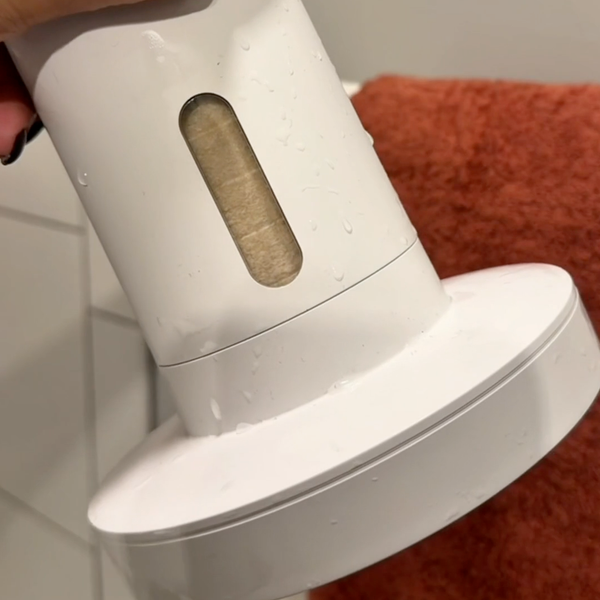
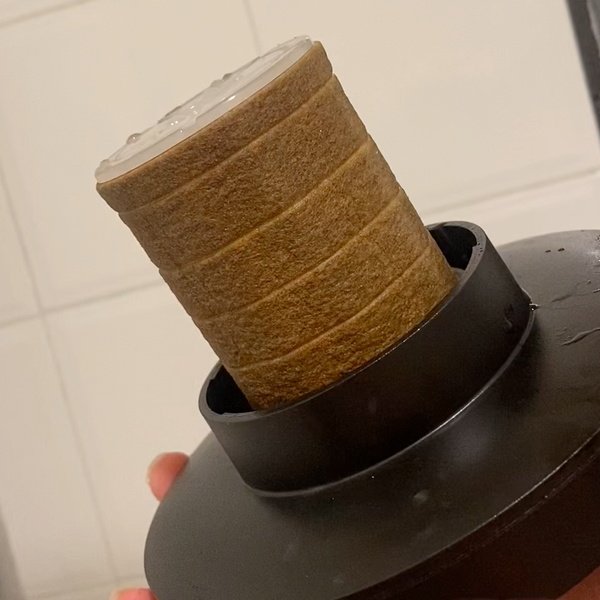
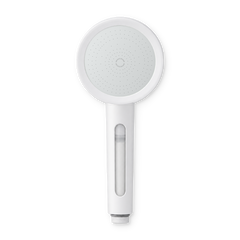
We make two filtered shower heads on the same filter. The Second Showerhead is a wall-mount head with 176 micro-jets; the Second Showerhand is a handheld with 128. Each is made in two versions, 2.5 GPM (the US standard) and 1.8 GPM (water-efficient, CEC certified and DOE compliant), and both showed no measurable pressure loss at 40-80 PSI. Both install by hand in about a minute. The filter is two-stage: a micron PP sediment pre-filter, the NSF/ANSI 42* certified part, ahead of the Vitamin C core that does the chlorine and chloramine work. We are not NSF/ANSI 177 certified; our chlorine and chloramine figures come from independent lab testing of the full filter, which is a different evidence chain, and we keep the two separate.
In an independent two-week skin test (22 people), skin hydration rose 26.7% after showering with the filtered water. Customers rate the Showerhead 4.91 from 191 reviews and the Showerhand 4.89 from 617 on our site.
Where we do not win: we are not the cheapest (AquaBliss is), our warranty is not the longest (Weddell and Sproos are), and a new filter every 30 or 60 days means more swaps than the 90-day cartridges most rivals sell.
*Micron PP sediment filter certified by NSF/ANSI 42 standards.
What a year actually costs
List prices hide the real cost, which is the filter you buy every few weeks or months. Using one method for every brand (the device at list price, plus one year of filters on the brand's own schedule at its subscription or autoship price, or its multipack price where it sells no subscription):
- AquaBliss SF100: about $93 ($35.99 + four cartridges at about $14, bought as three-packs).
- Weddell Duo: about $150 ($89.99 + two cartridge sets at $29.99).
- Second Showerhand: $197 ($89 + four three-packs at $27, a new filter every 30 days).
- Second Showerhead: $207 ($99 + three two-packs at $36, a new filter every 60 days).
- Canopy: $258 ($150 + four filters at $27).
- Sproos: $280 ($148 + four cartridges at $33).
- Jolie: $309 ($169 + four filters at $35).
- Filterbaby Showerhead Pro: $315 ($159 + four filters at $39).
On our subscription the device itself drops to $79 (Showerhead) or $69 (Showerhand), which brings the first year to $187 or $177.
Which one should you buy?
FAQ
Which filtered shower head removes chloramine?
Several brands claim it; fewer publish a figure and say how it was measured. The Second Showerhead and Showerhand reduced chloramine by 99.9% in independent lab testing, held through the peak window in our own testing (Day 1-60 for the Showerhead, Day 1-30 for the Showerhand). Filterbaby states its own chloramine figures on its product pages; Jolie's page does not mention chloramine as of October 2026.
Is Jolie NSF certified?
Yes. The Jolie Filtered Showerhead is on NSF's official listing for NSF/ANSI 177, which covers free available chlorine reduction over a 2,400-gallon service cycle. It is not a chloramine certification.
What is the difference between NSF certified and tested to NSF standards?
Certified means the product appears on the certifier's official listing for that standard. Tested to NSF standards is the brand's own statement about testing and is not a listing. Check NSF's or IAPMO's public listings for the exact product name.
Which filtered shower head is cheapest to run?
AquaBliss SF100, at about $93 for the first year including filters. Among the filtered shower heads here, the Second Showerhand is $197 for the first year at list price, or $177 on subscription.
How often do the filters need replacing?
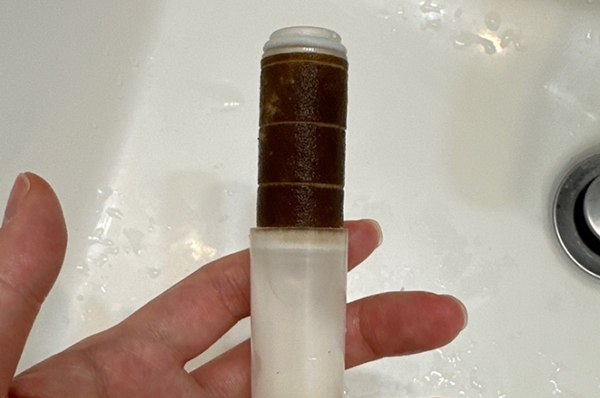
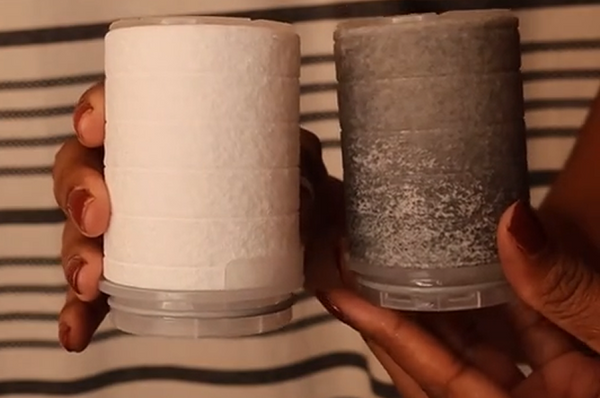
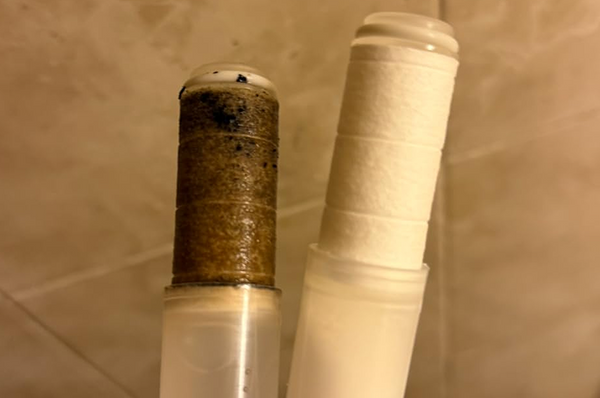
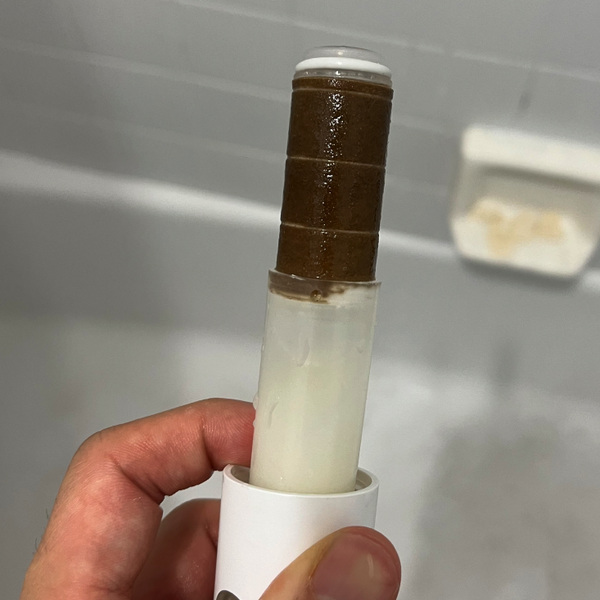
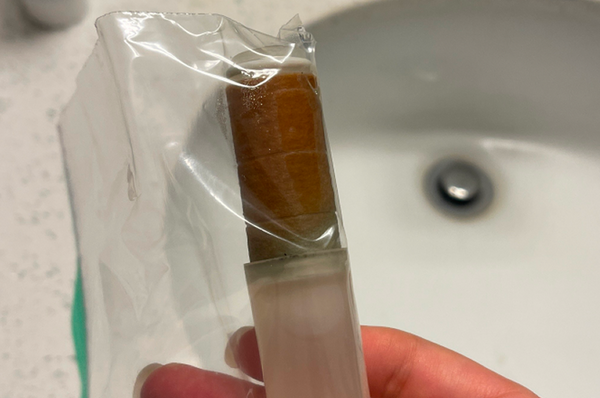
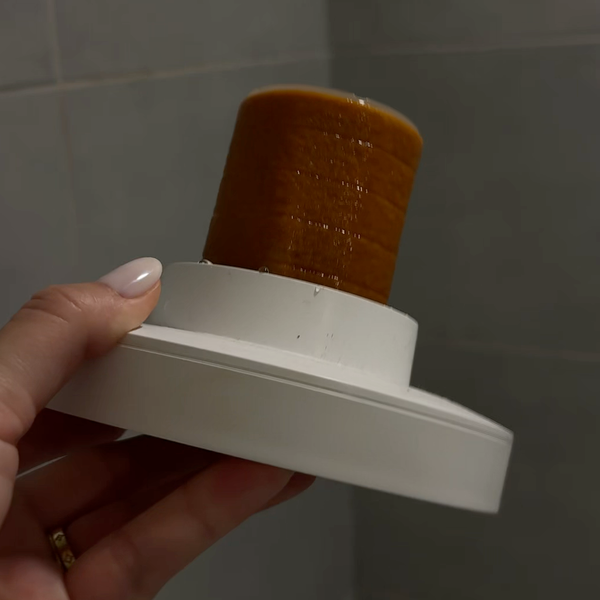
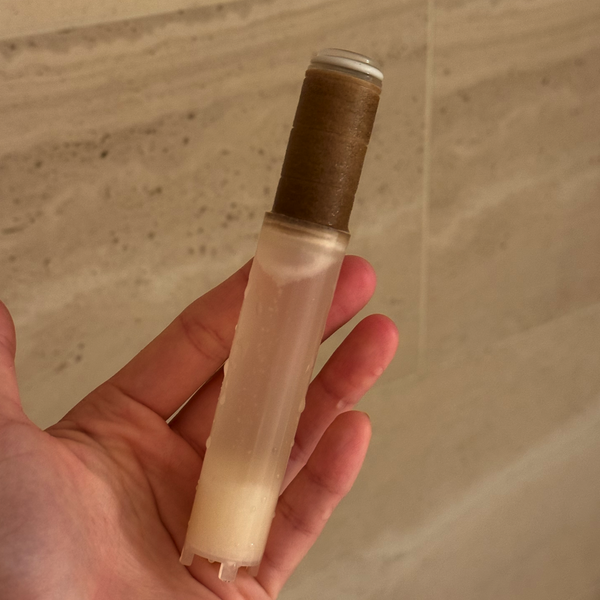
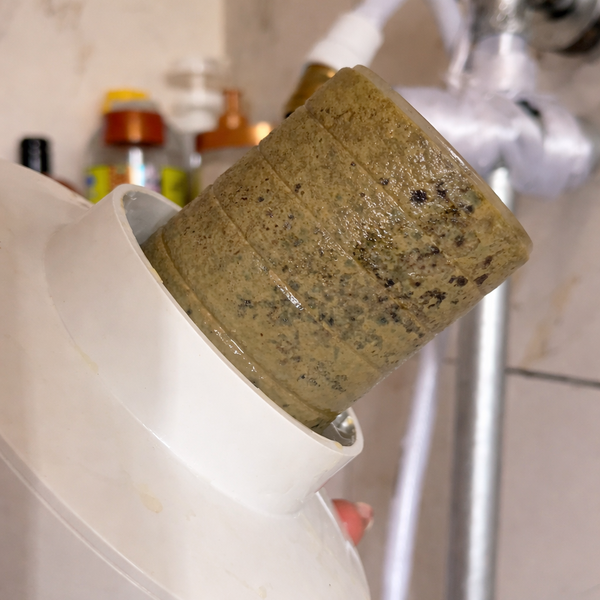
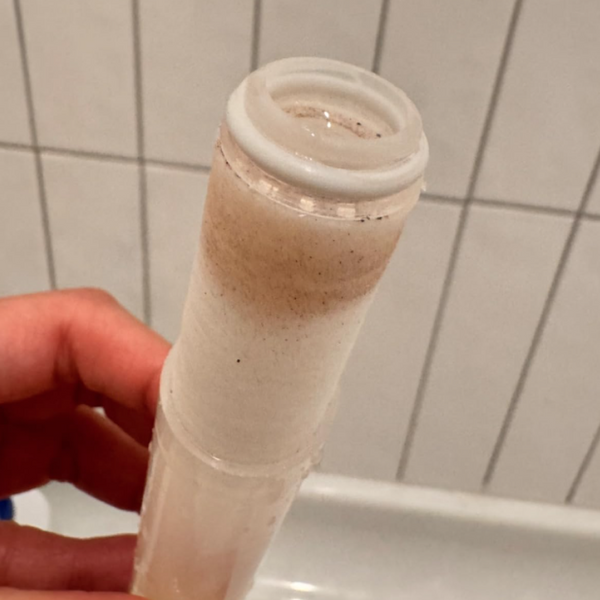
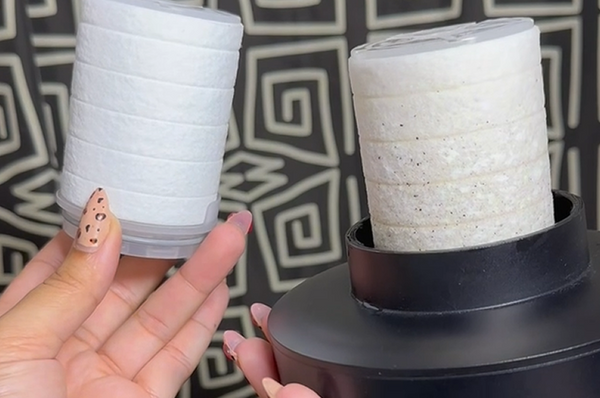
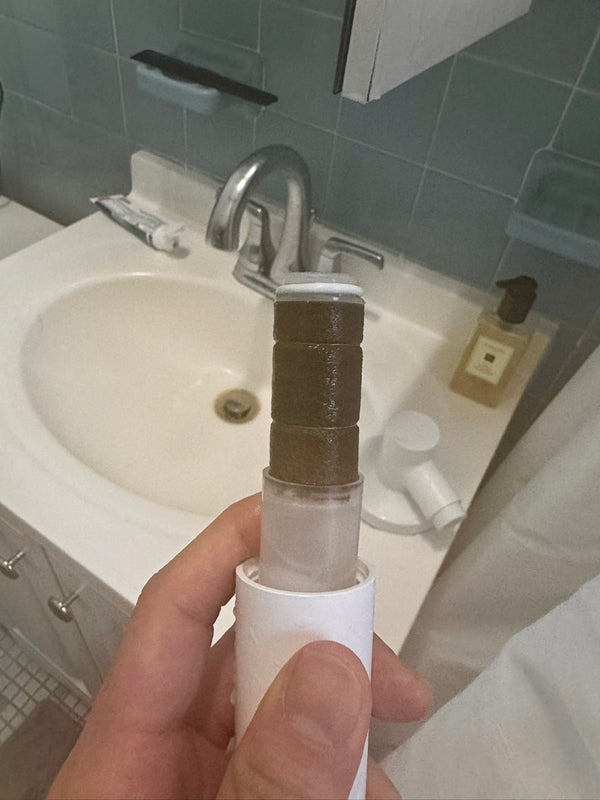
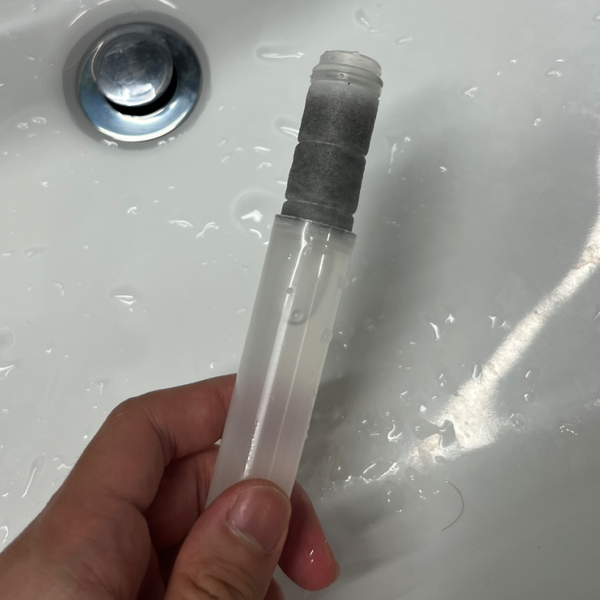
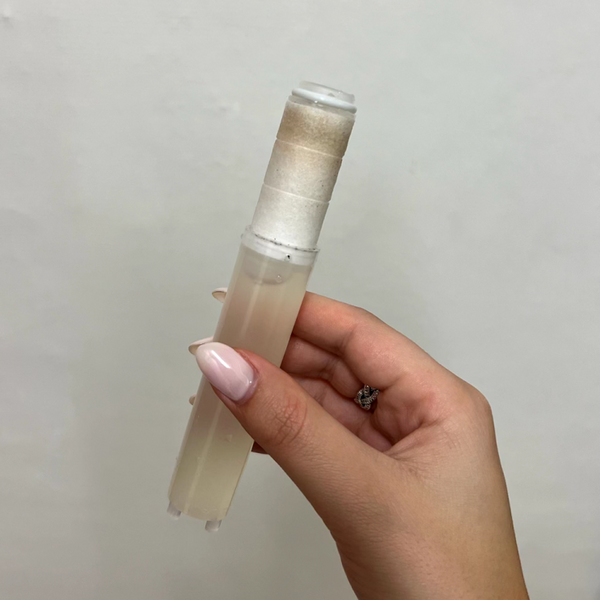
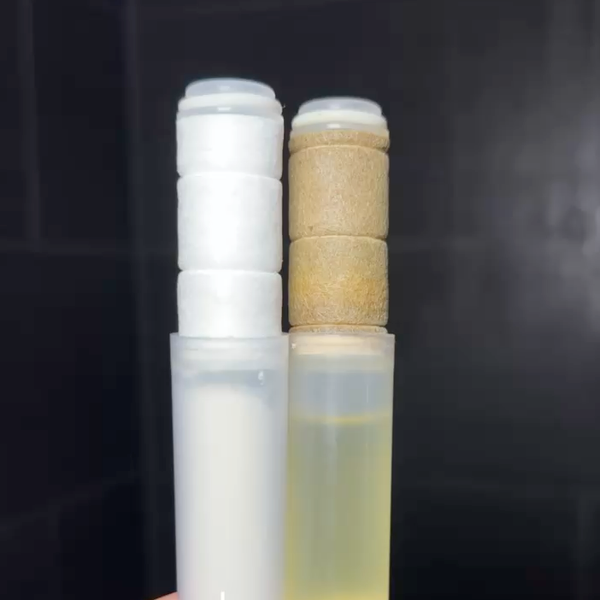
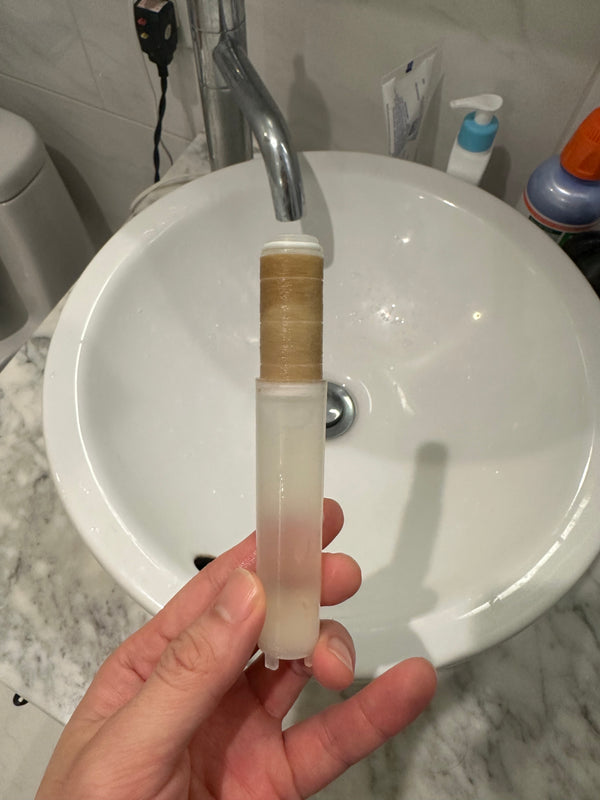
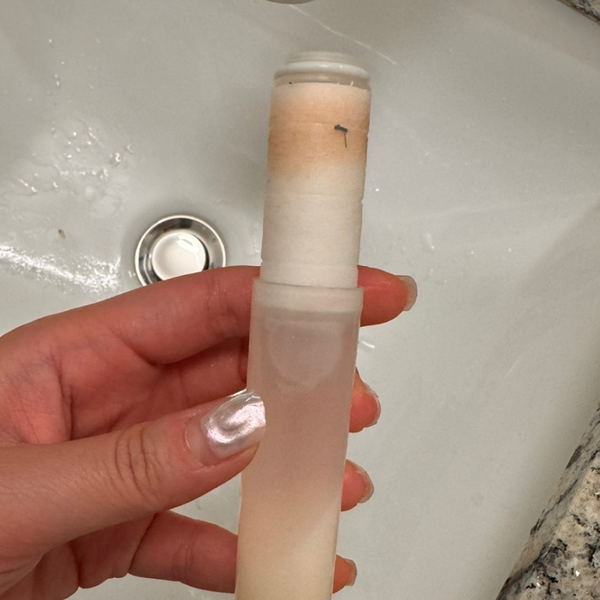
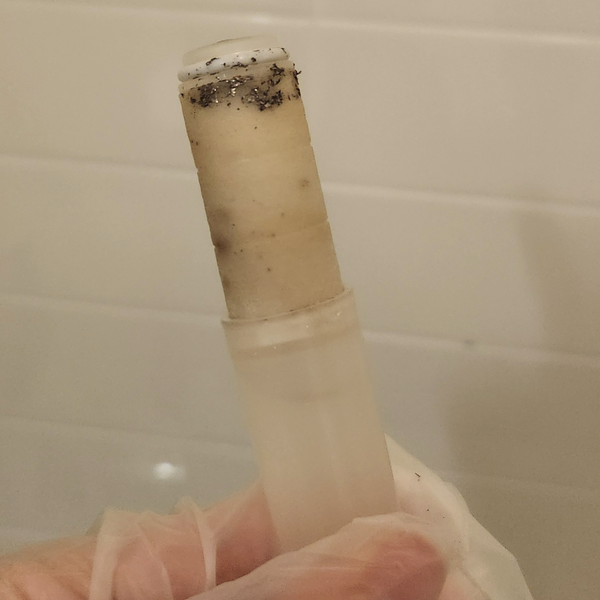
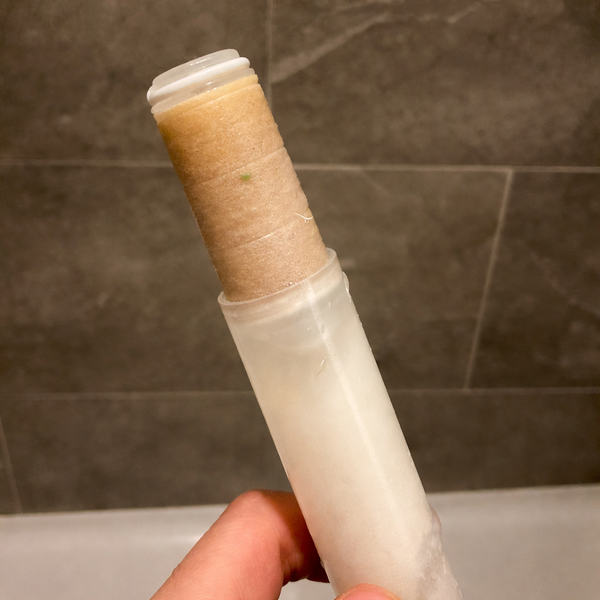
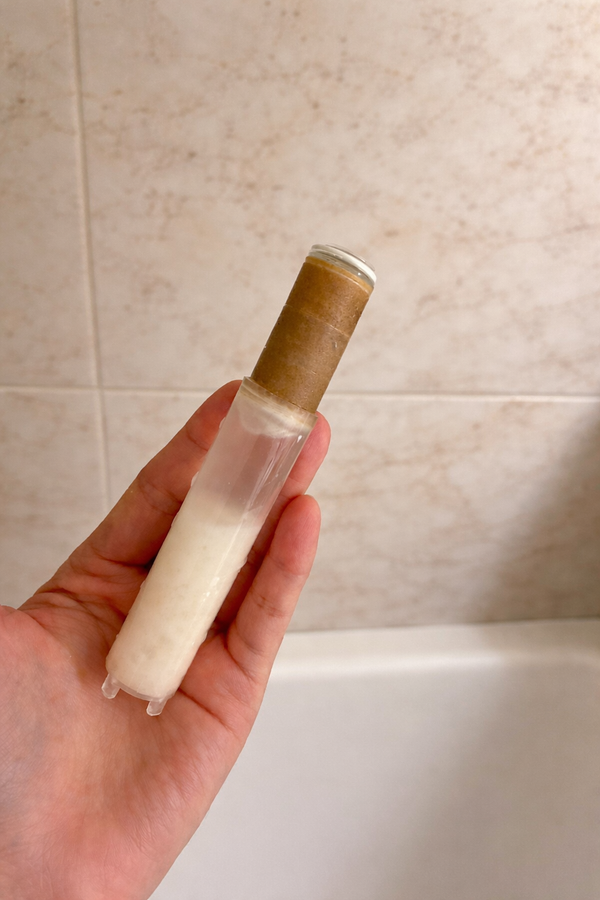
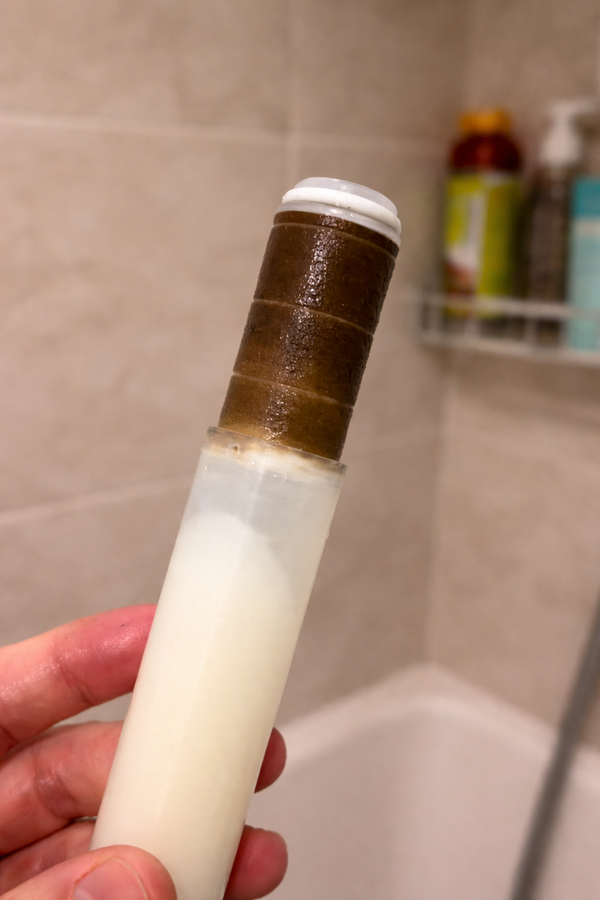
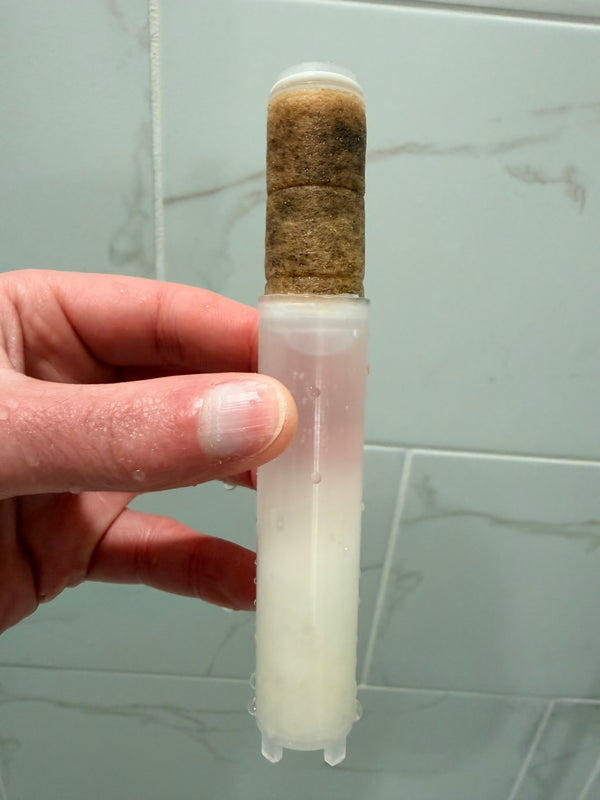
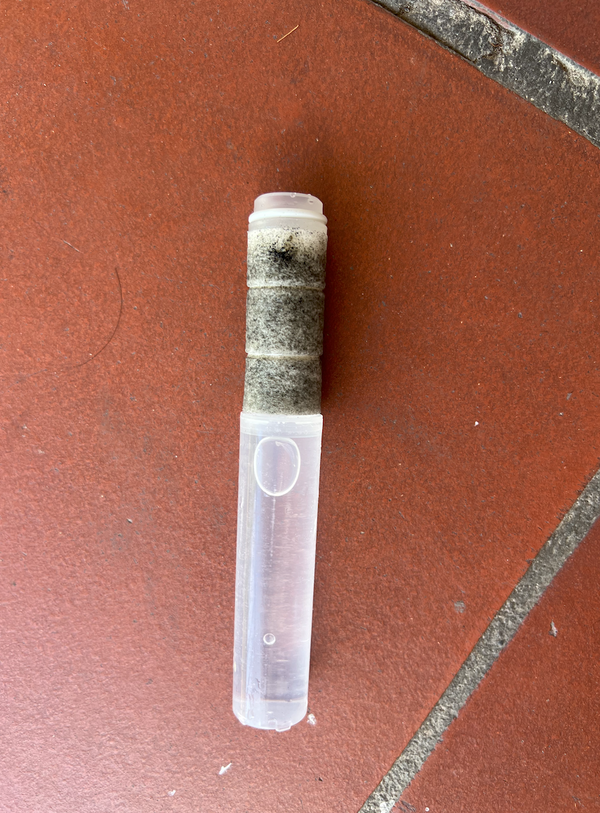
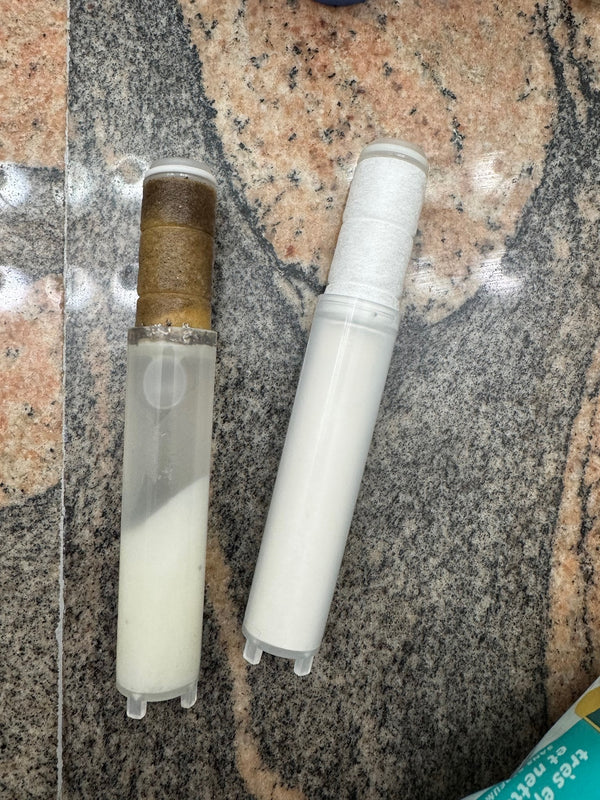
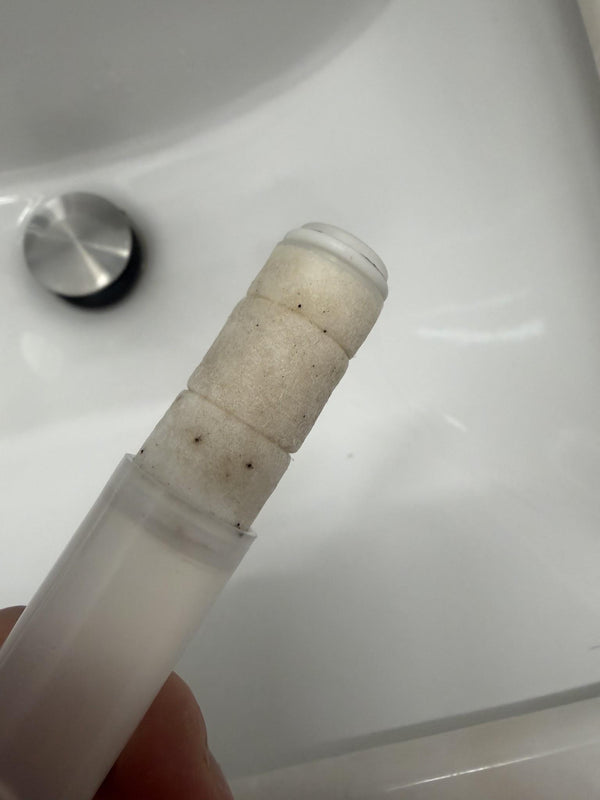
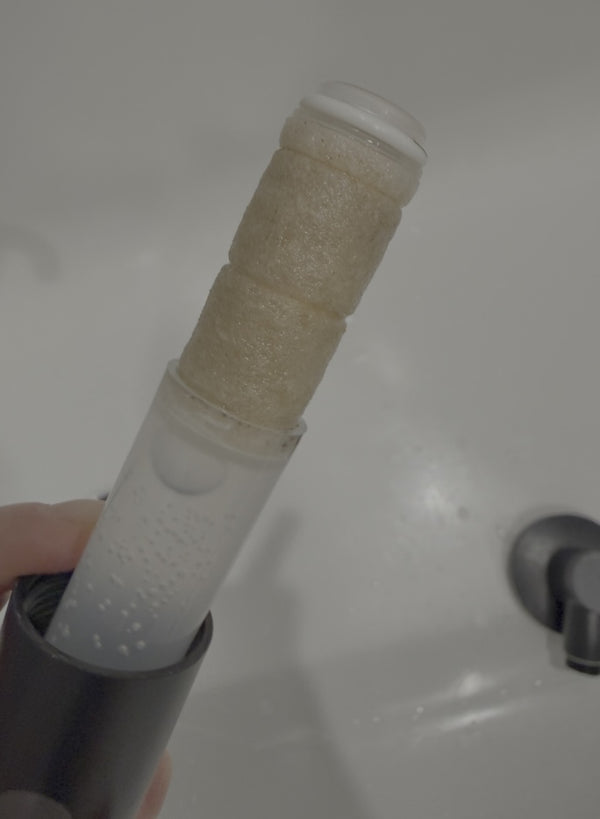
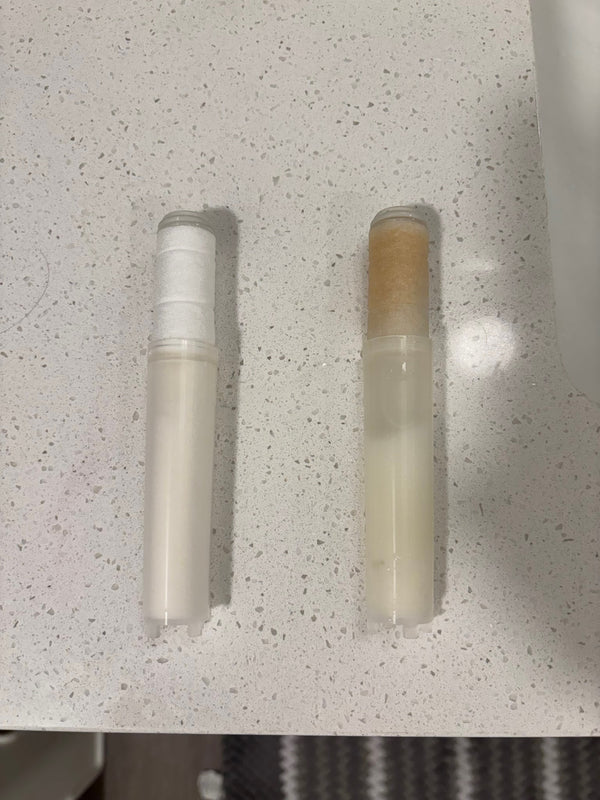
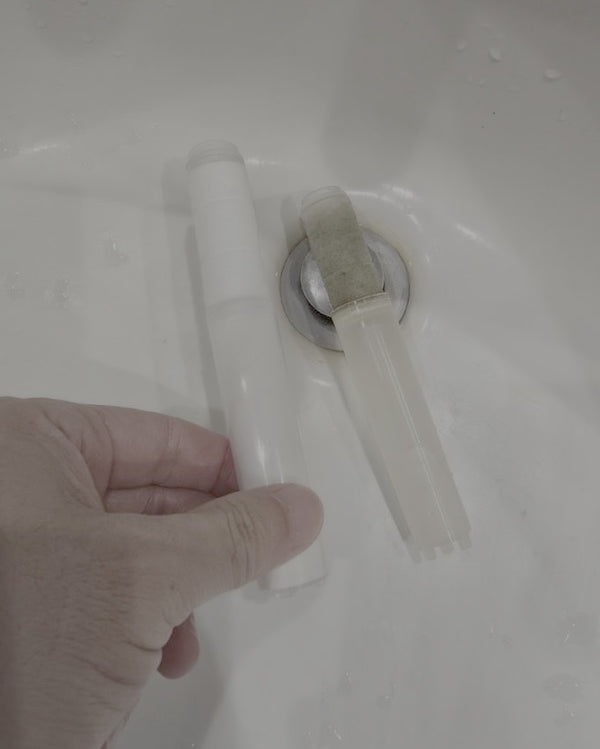
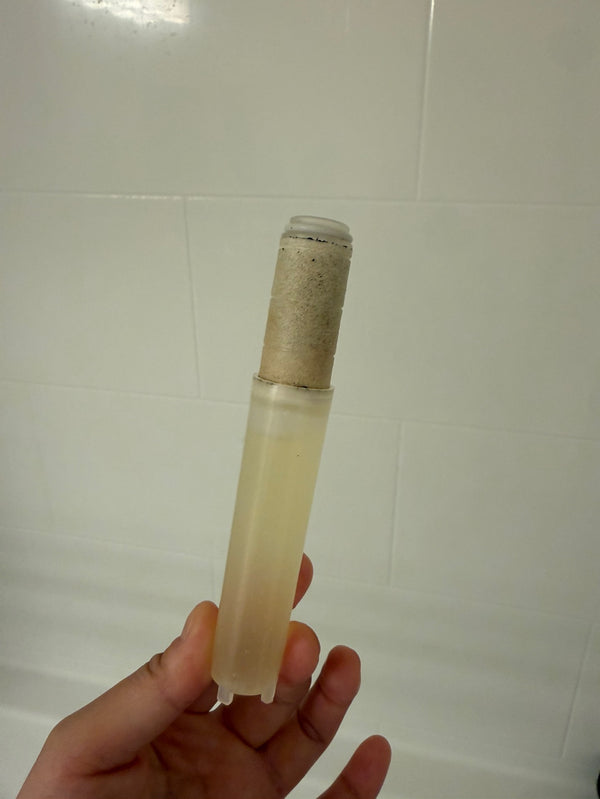
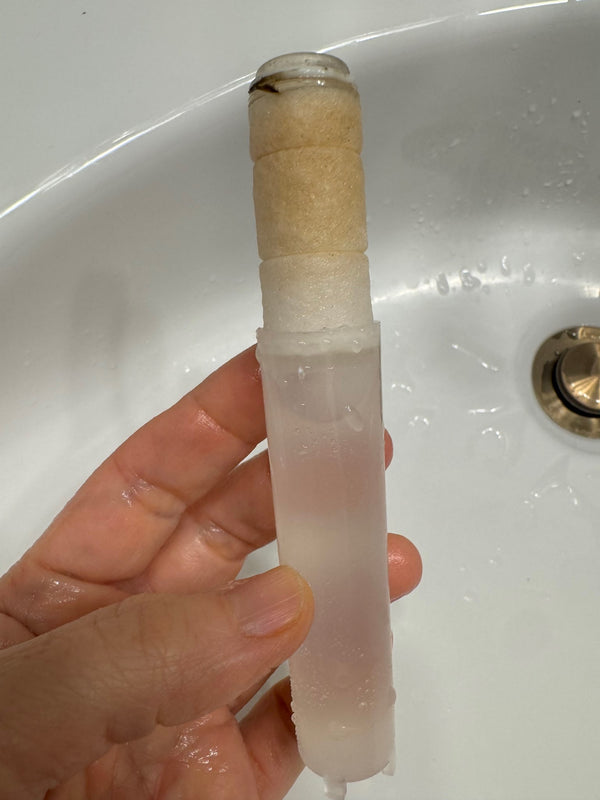
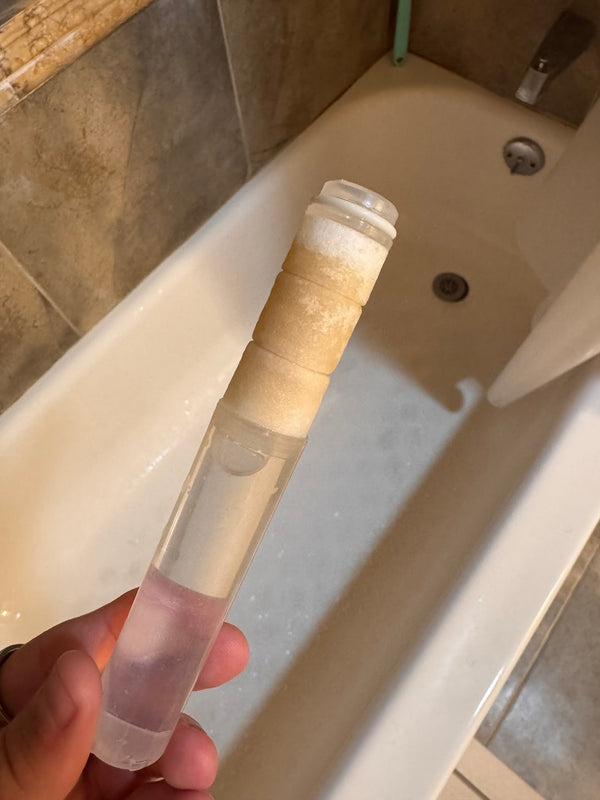
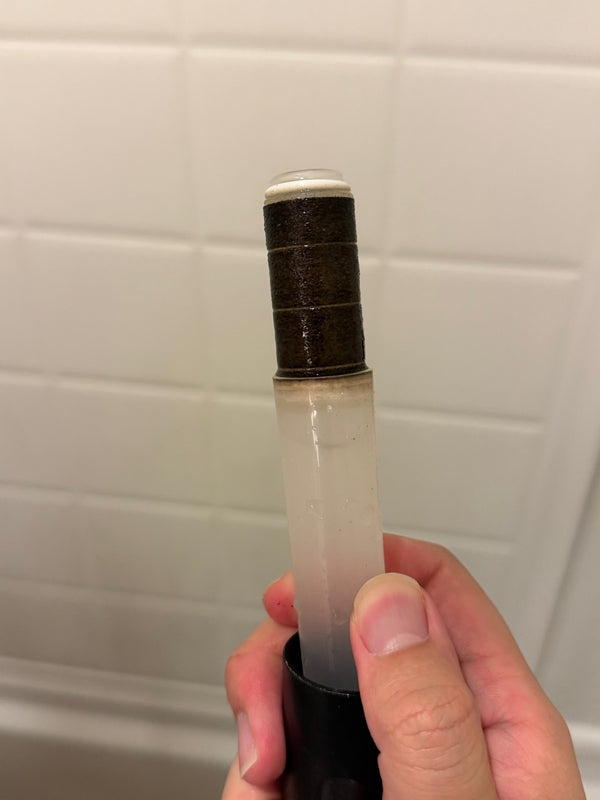
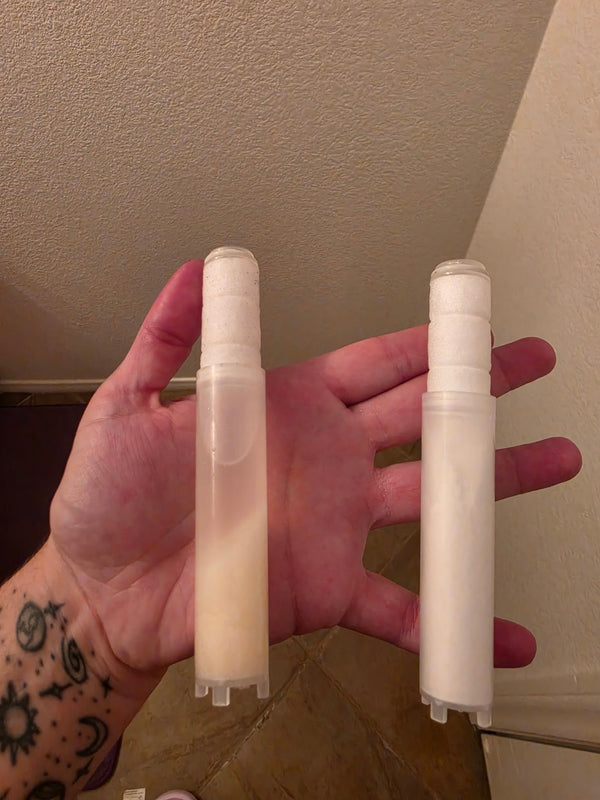
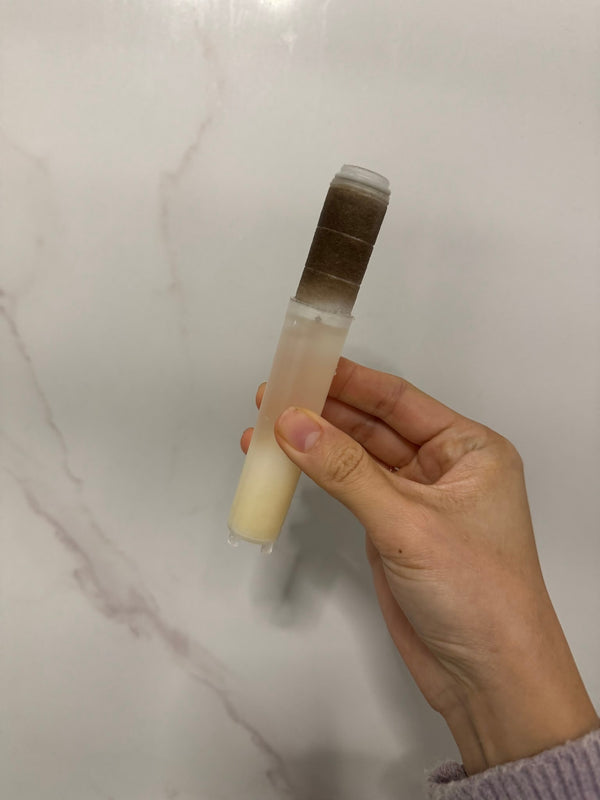
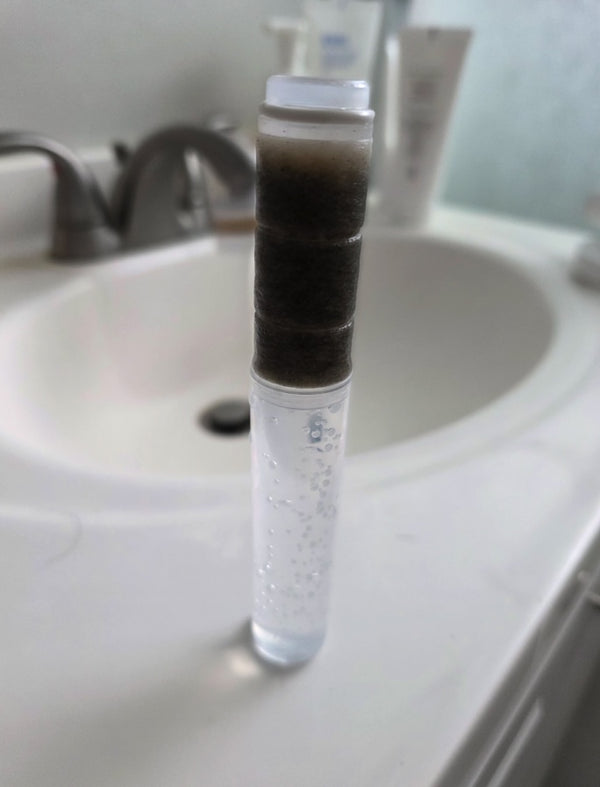
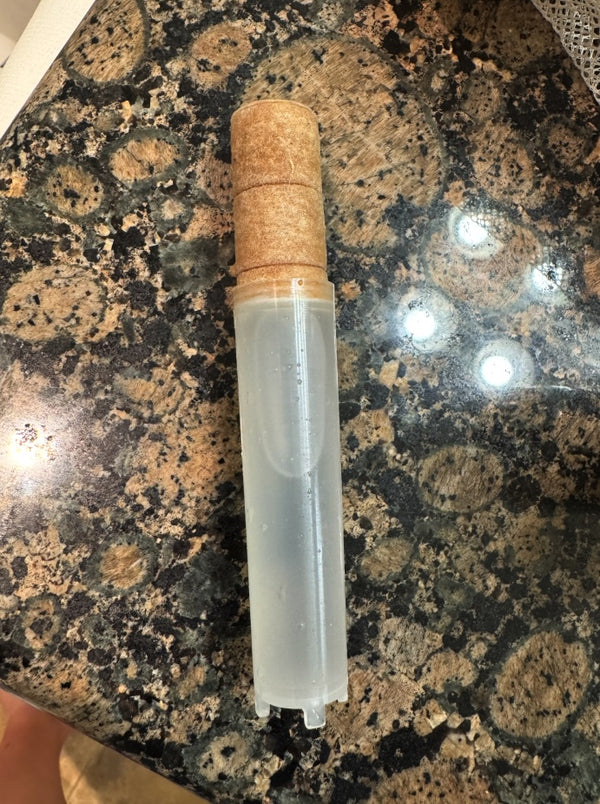
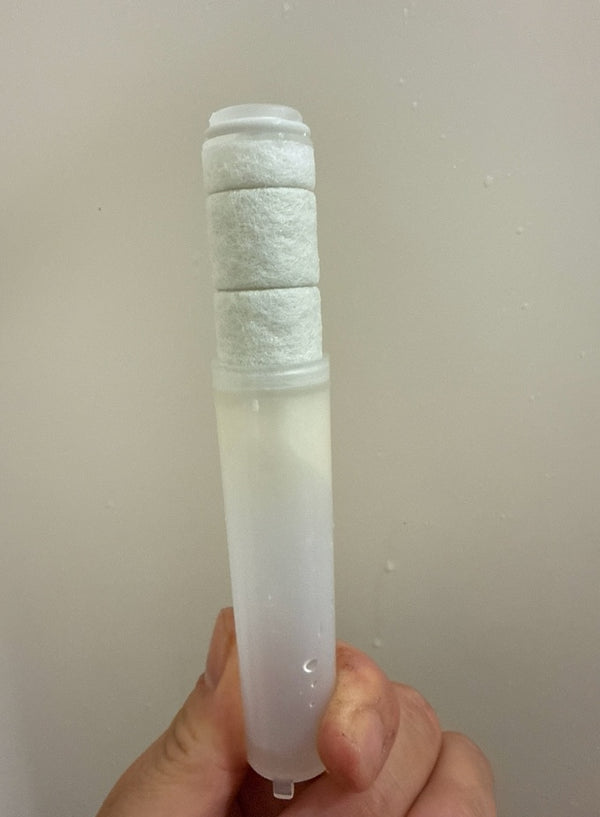
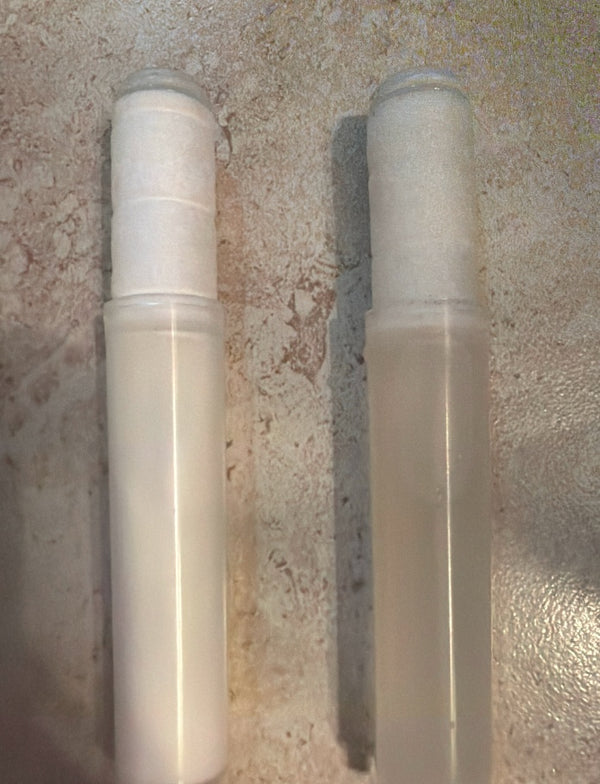
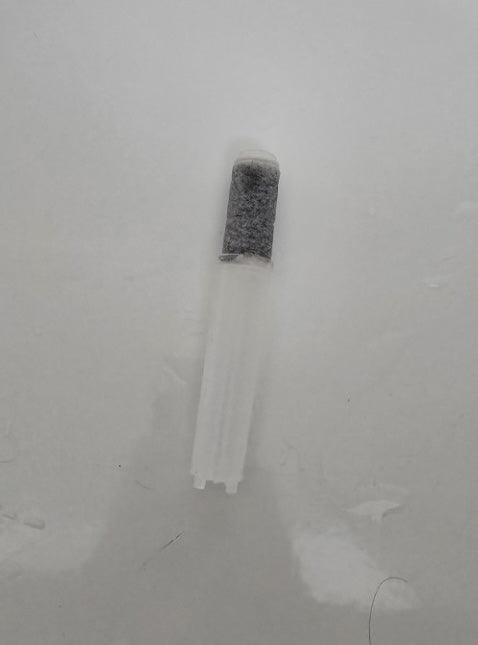
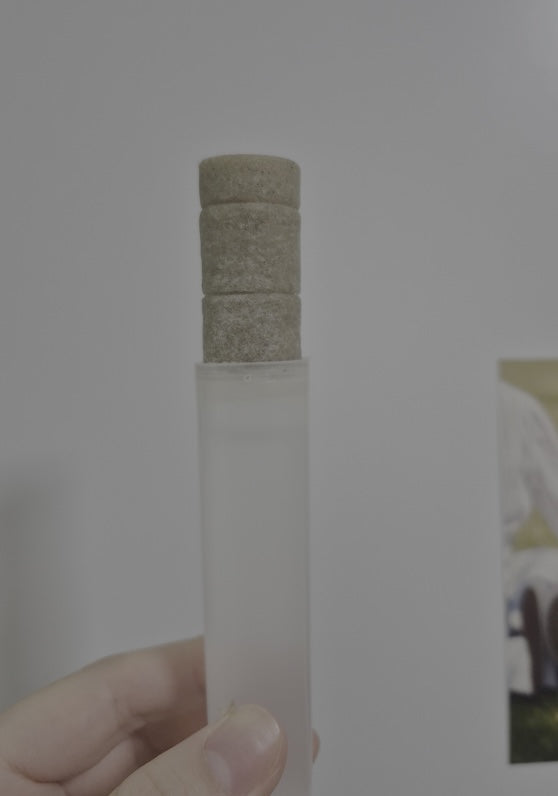
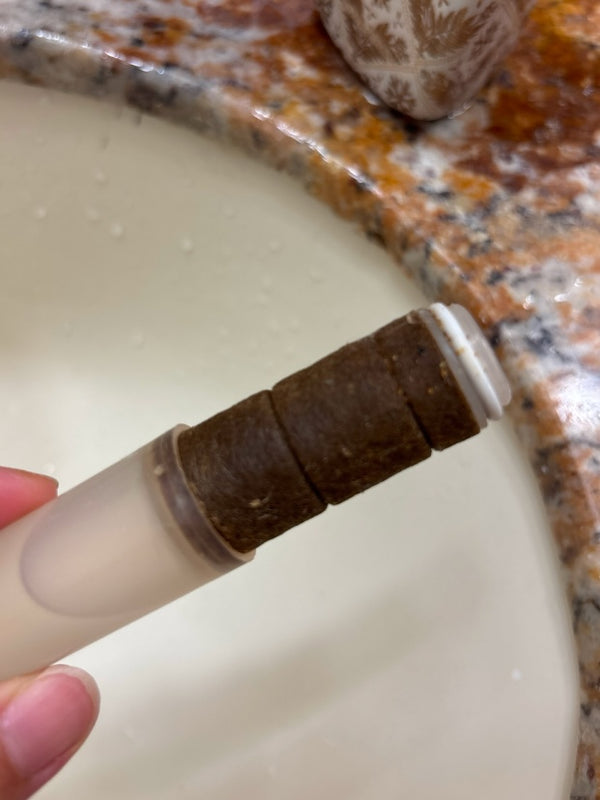
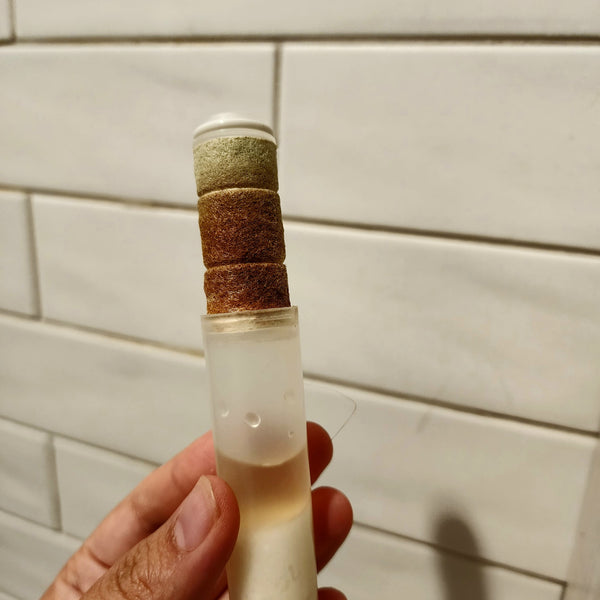
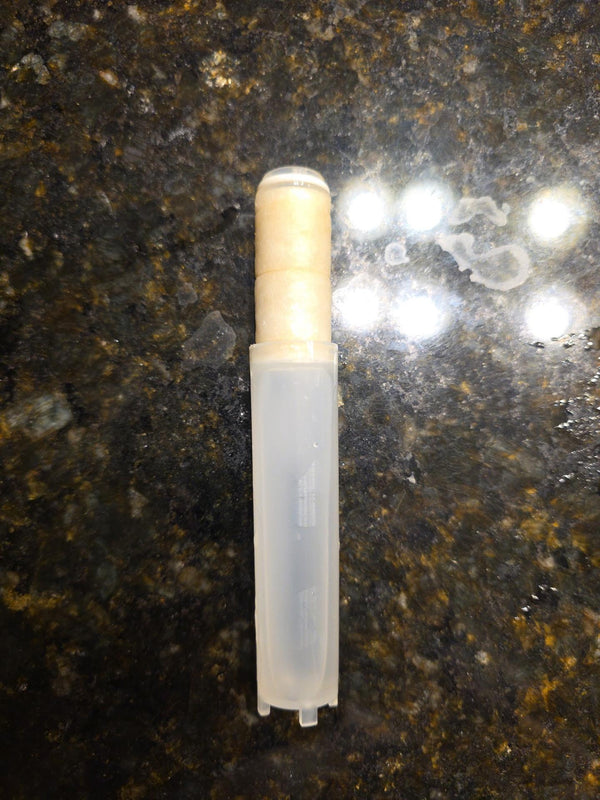
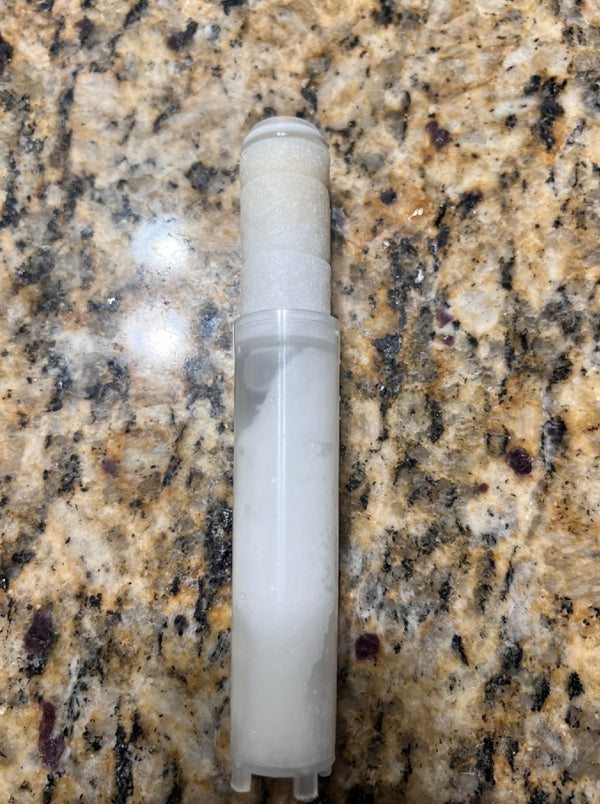
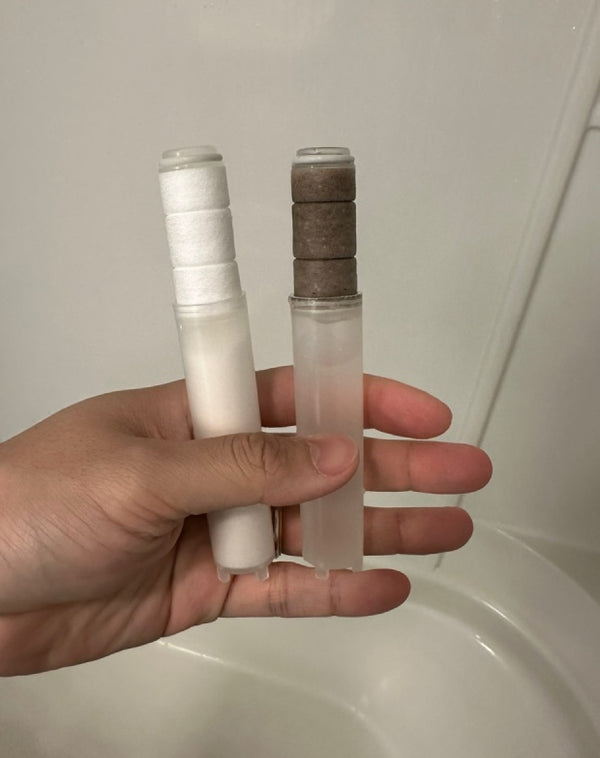
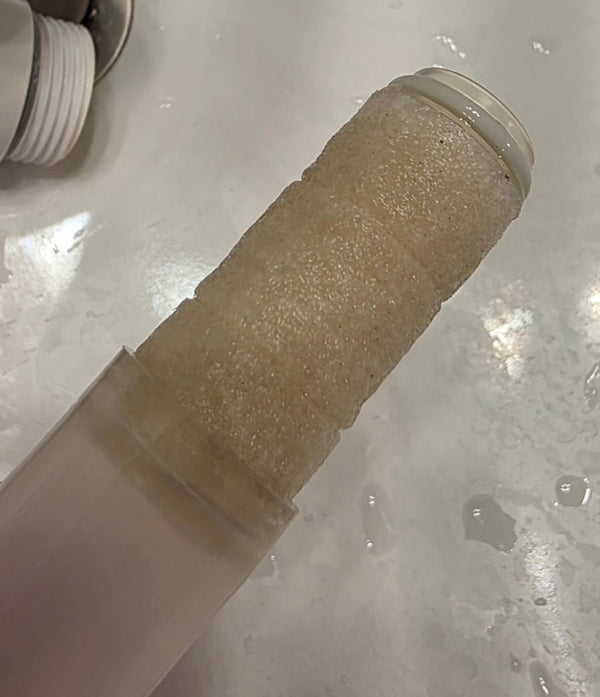
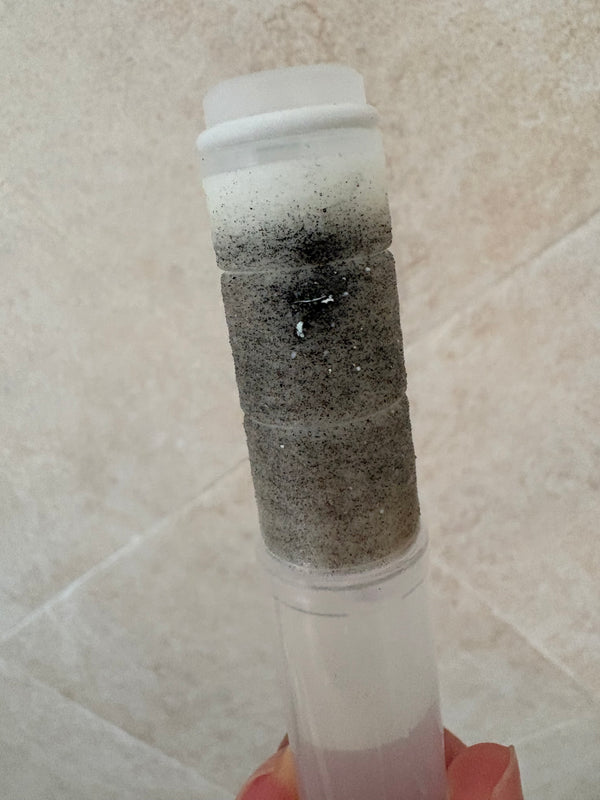
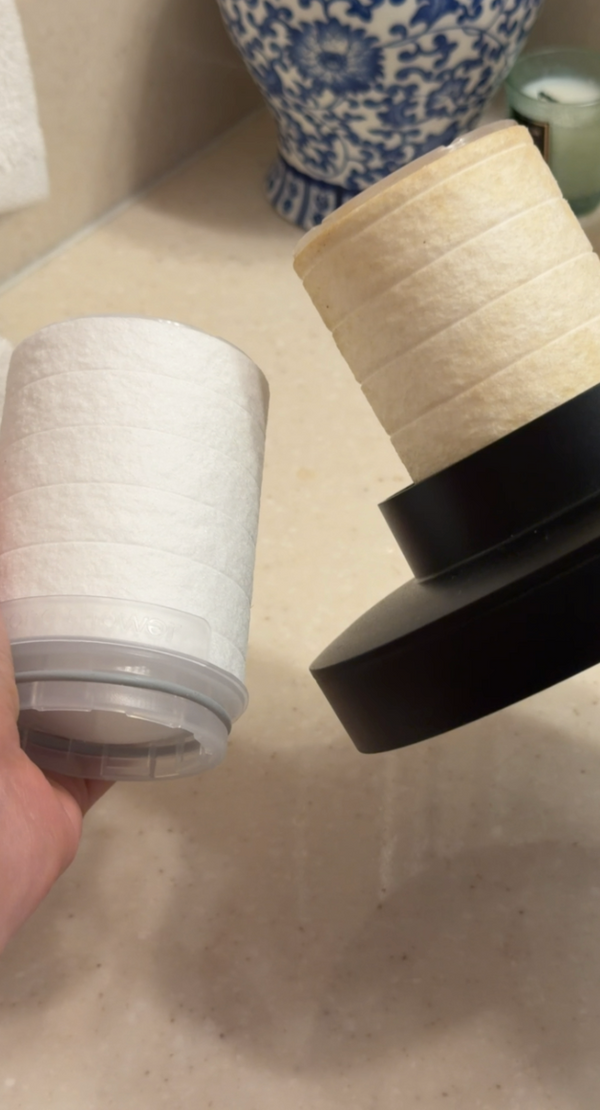
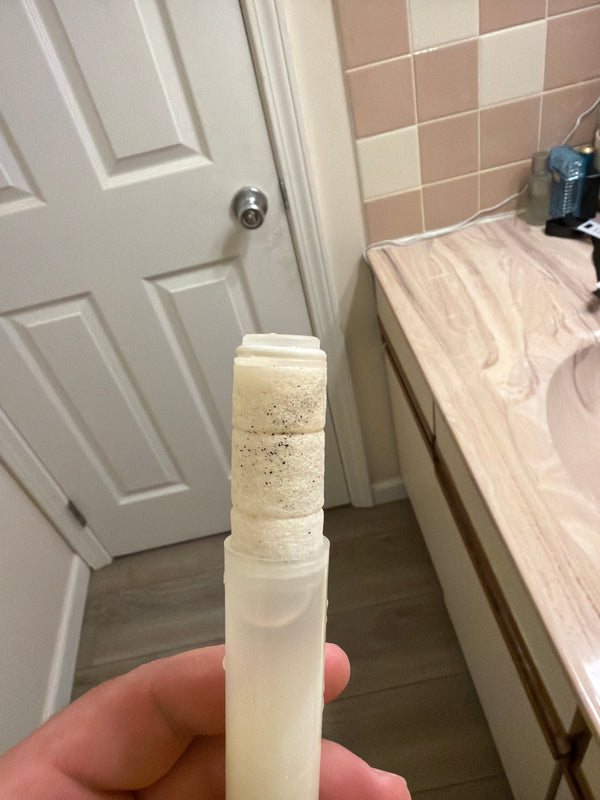
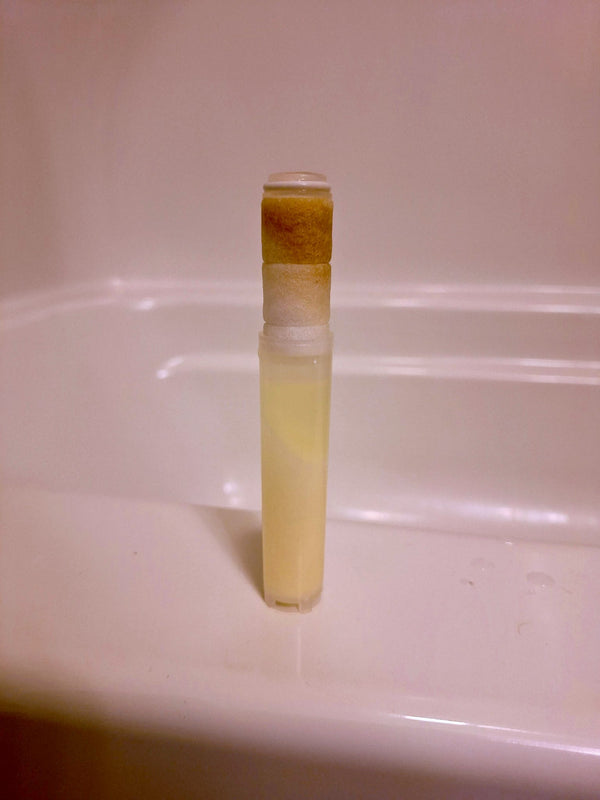
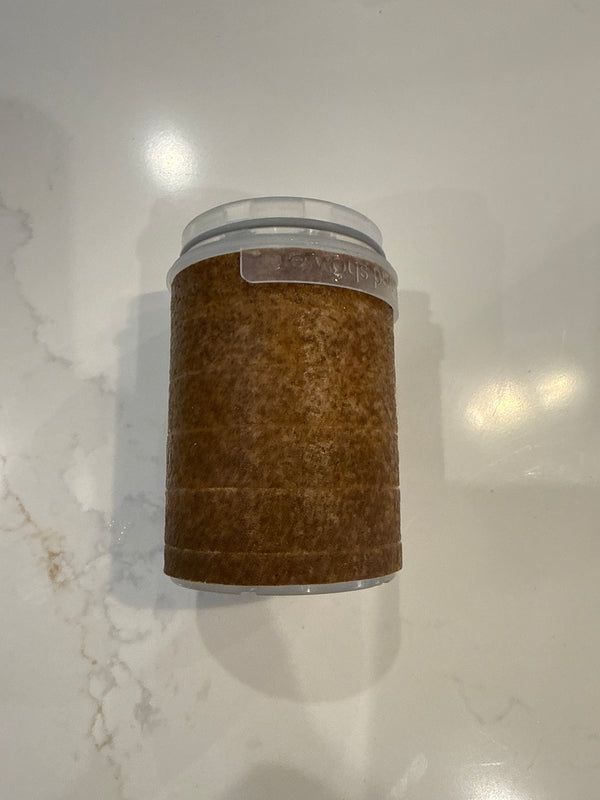
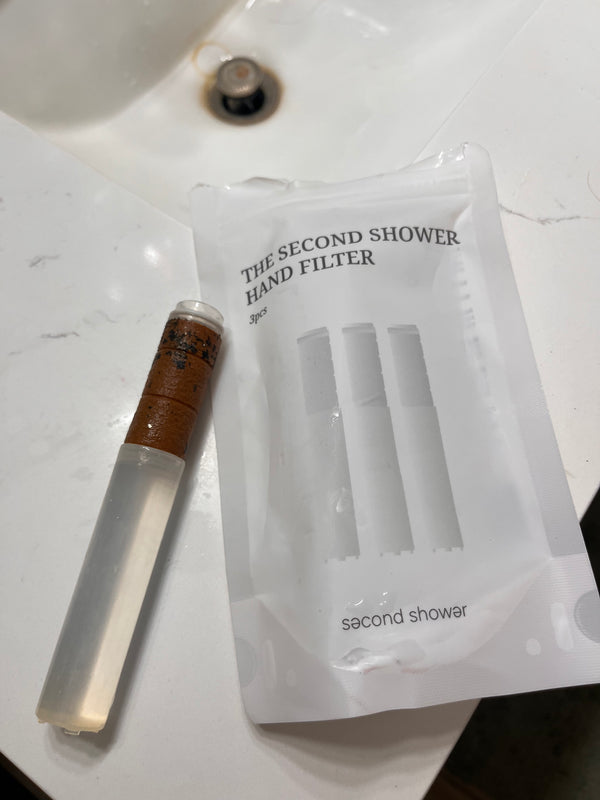
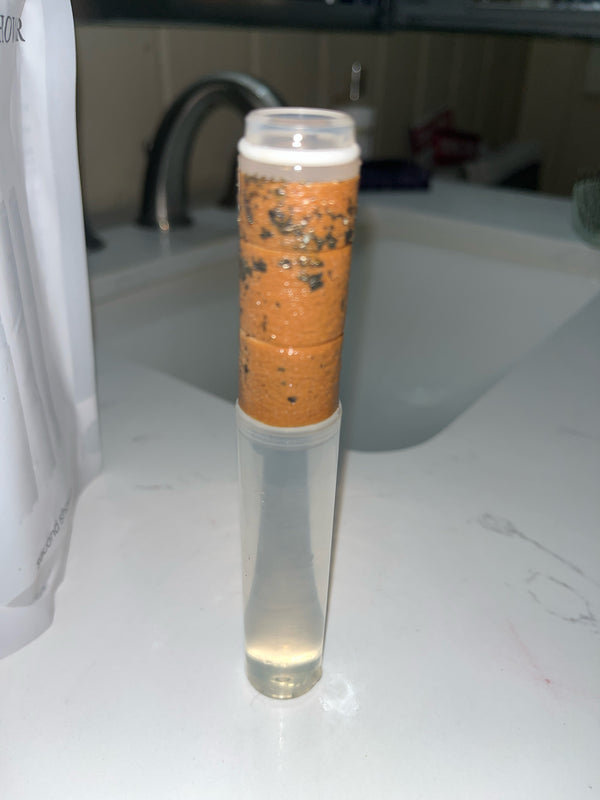
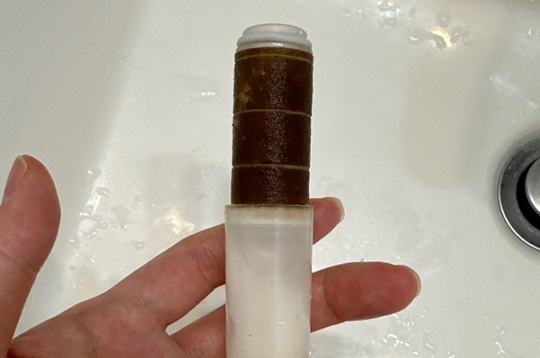
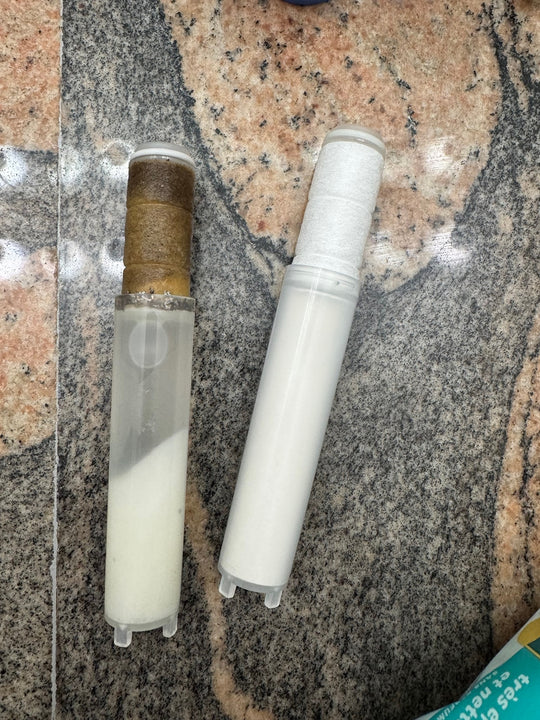
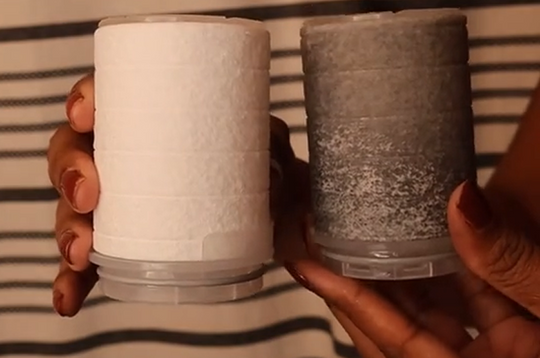
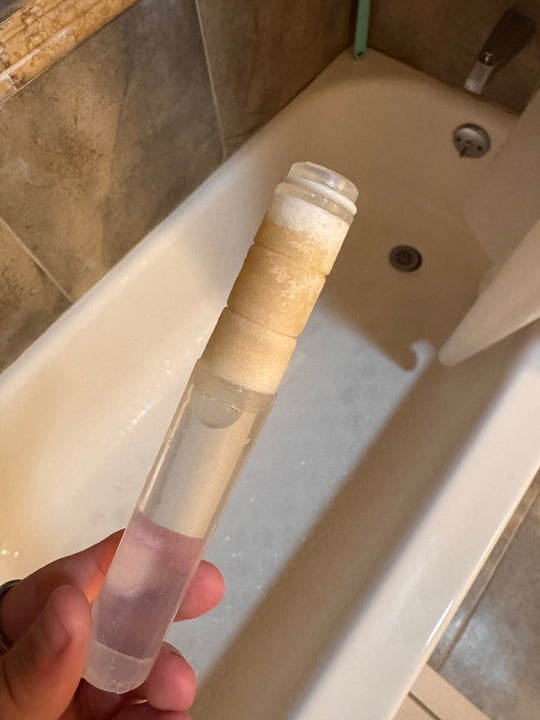
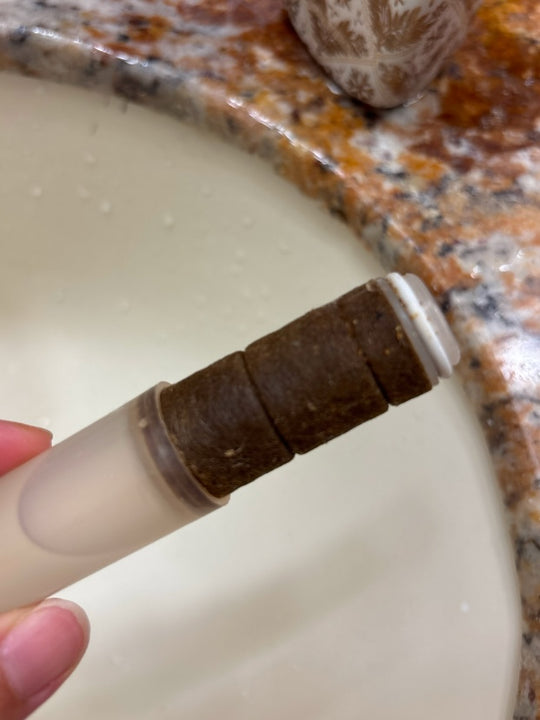
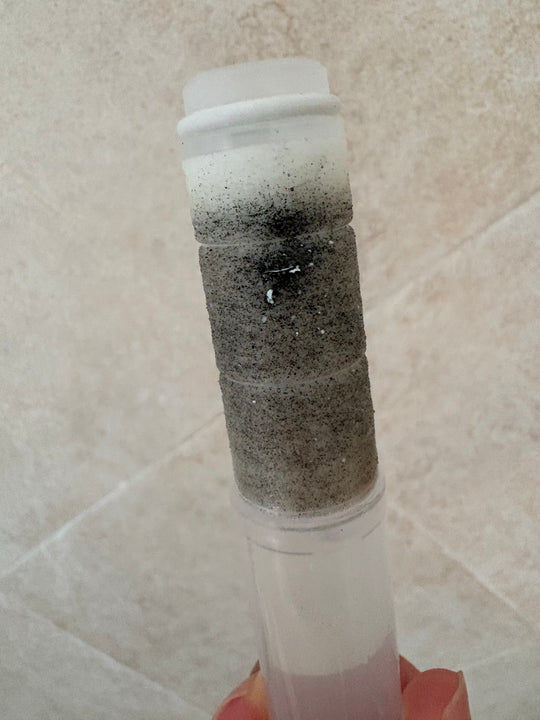
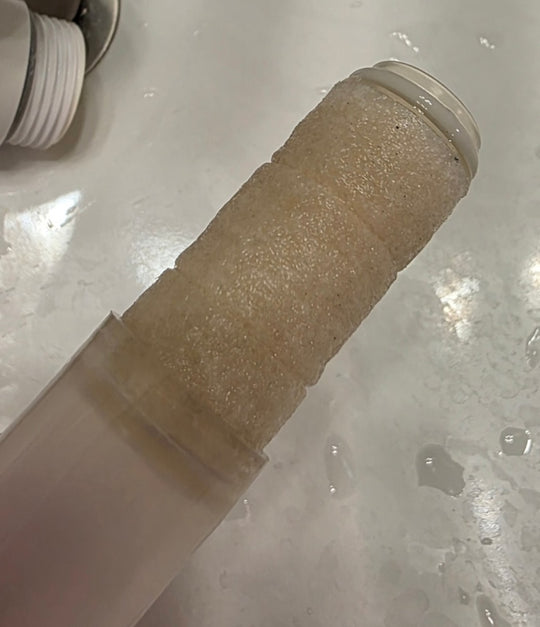
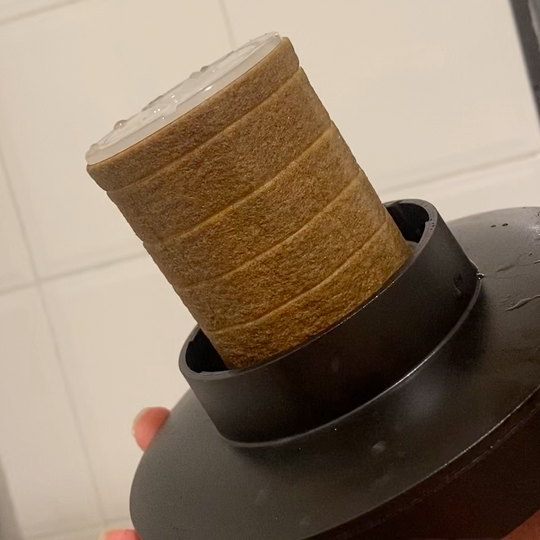
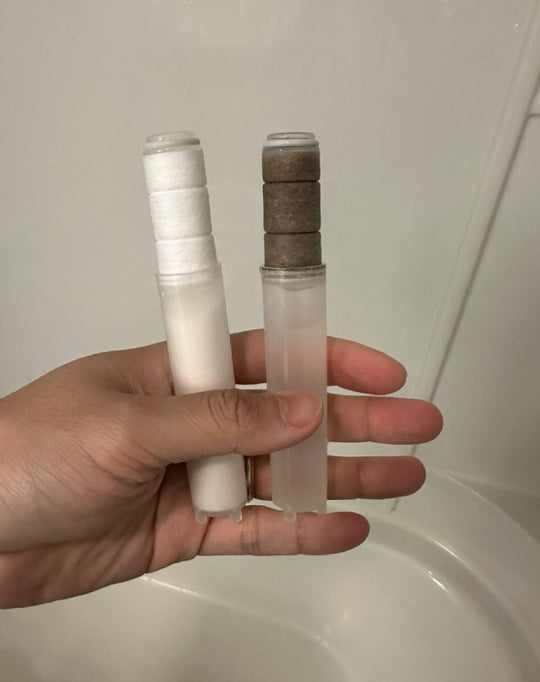
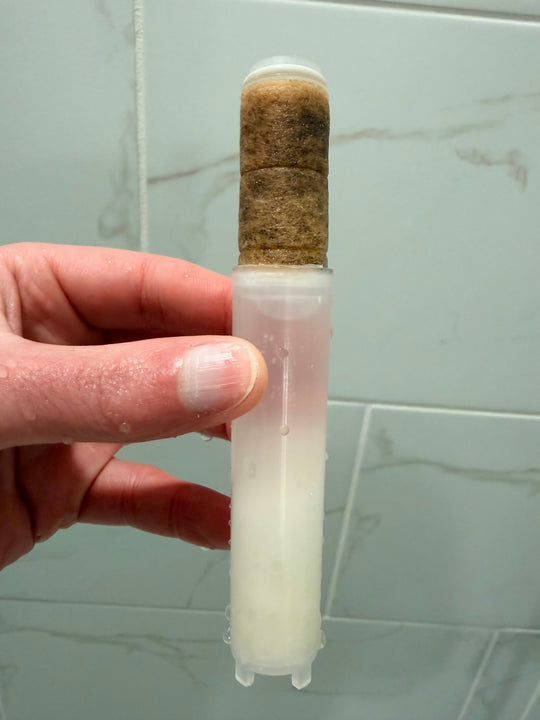
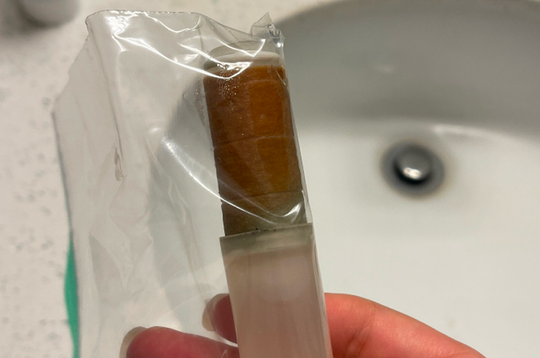
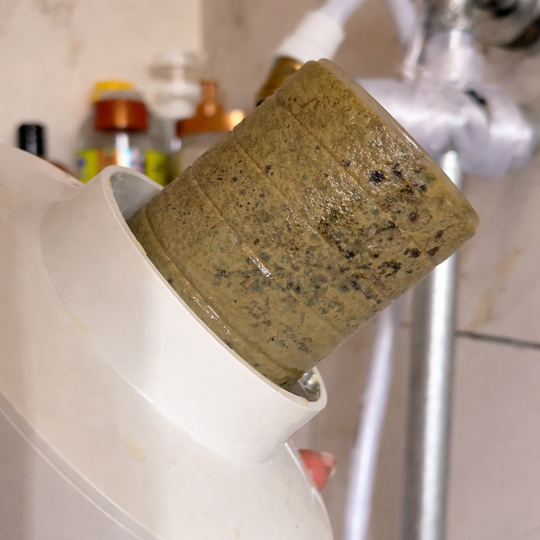
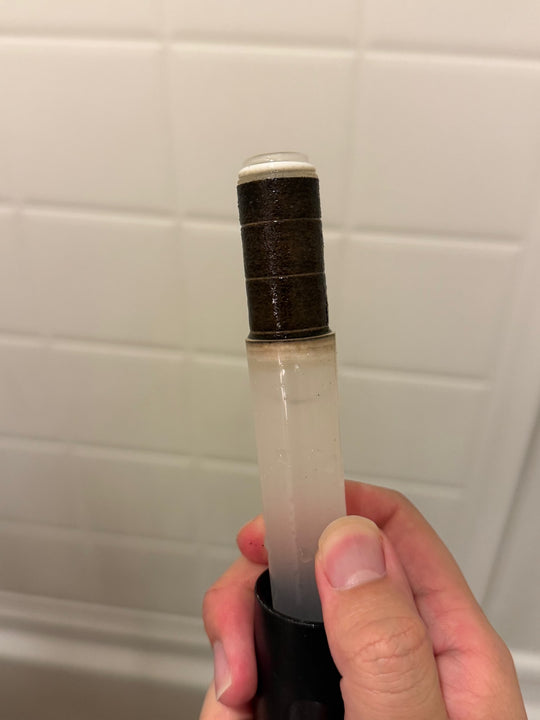
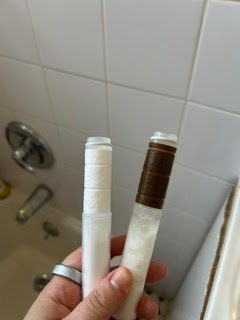
Most rivals sell a 90-day cartridge; Weddell's runs five to six months. We recommend a new Second Shower filter every 60 days on the Showerhead and every 30 days on the Showerhand, or sooner if the filter looks deep brown or black or the water pressure drops noticeably.
How we know
- Second Shower: independent lab test of the full filter assembly (free chlorine and chloramine, 99.9%); our own peak-window testing (Day 1-60 Showerhead, Day 1-30 Showerhand); independent two-week human application test, n=22; prices and reviews from secondshower.us, October 2026.
- Jolie: product page and NSF/ANSI 177 official listing, read October 1, 2026.
- Filterbaby: product pages for the Showerhead Pro and the Pro Series, read October 19, 2026.
- Sproos: product page, read September 1, 2026.
- Canopy: store and product pages, read October 13, 2026; NSF/ANSI 177 listing, October 2026.
- Weddell: weddellwater.com product and test reports pages, read October 20, 2026; WaterFilterGuru review.
- AquaBliss: aquabliss.com SF100 product page and catalog, read October 20, 2026.
- US EPA, Chloramines in Drinking Water.
- Tikkanen MW et al. (2001), Guidance Manual for the Disposal of Chlorinated Water, AWWA Research Foundation Report 90863 (Vitamin C dechlorination).