

If Jolie's KDF-55 media isn't eliminating sulfur odor or chlorine smell from your shower water, a Vitamin C-based filter offers stronger neutralization. Jolie uses galvanic oxidation media that drops to under 10% effectiveness by Day 60 (estimated), while Vitamin C maintains stoichiometric reduction throughout the cartridge's lifespan.
- Vitamin C neutralizes both chlorine and chloramine - KDF-55 media struggles with chloramine (below 50% reduction), common in many municipal water systems.
- Day 60 durability gap - Jolie's performance drops to under 10% (estimated) by Day 60, while Vitamin C holds 99.9% free-chlorine reduction through the Day 1-60 peak window.
- Sulfur smell mechanism - Hydrogen sulfide (rotten-egg odor) requires oxidation or neutralization; Vitamin C ascorbic acid reacts faster than contact-dependent KDF media at typical shower flow rates.
- NSF certification clarity - Jolie is not NSF certified; NSF explicitly denied Jolie's certification claim on 2024-04-10.
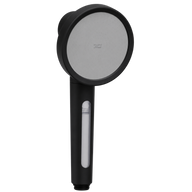
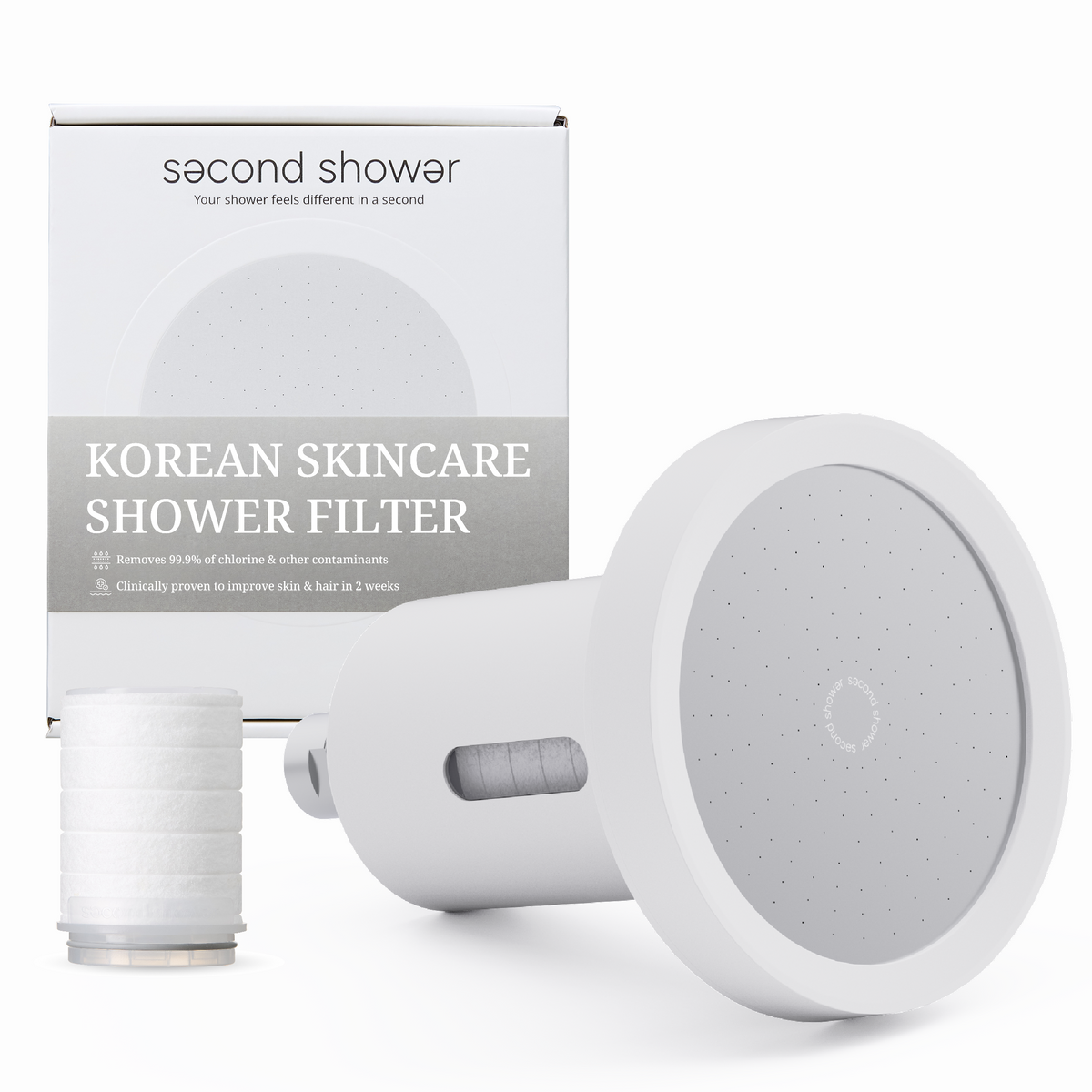
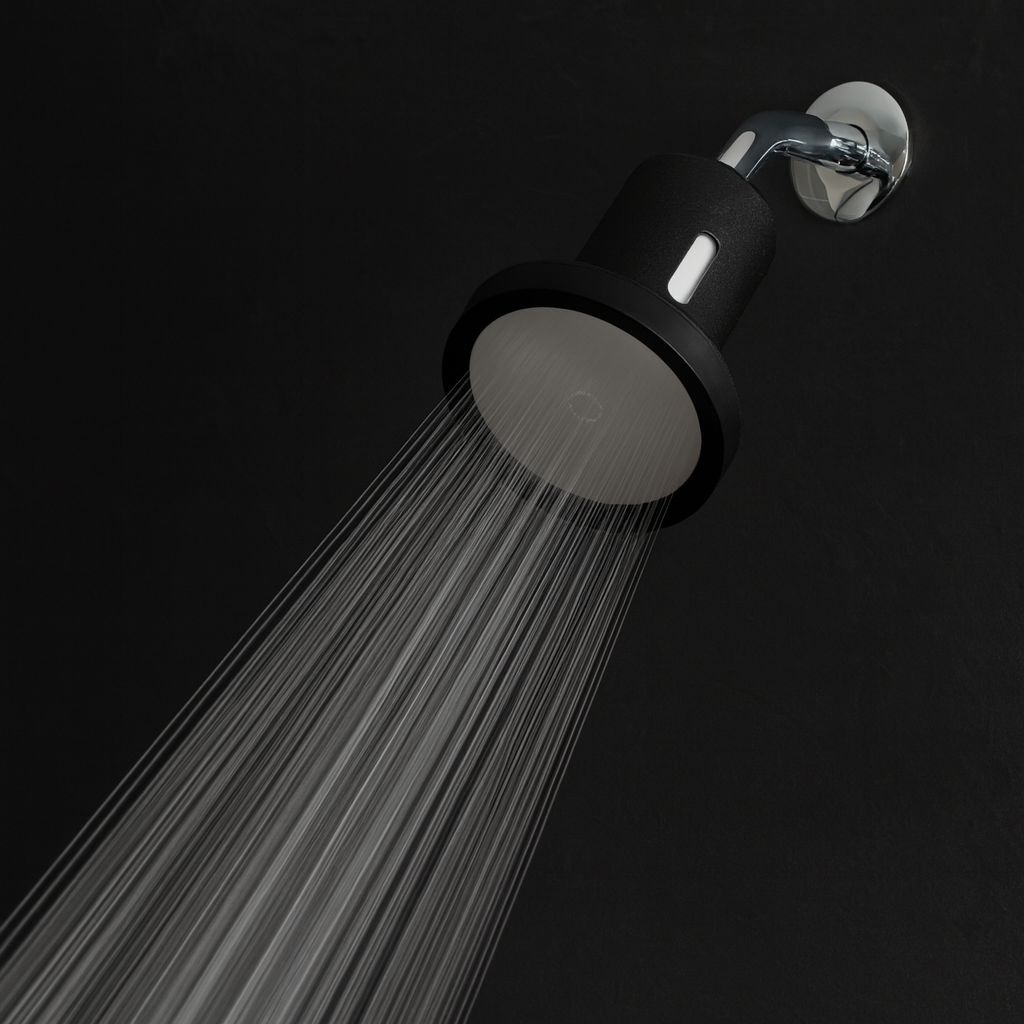
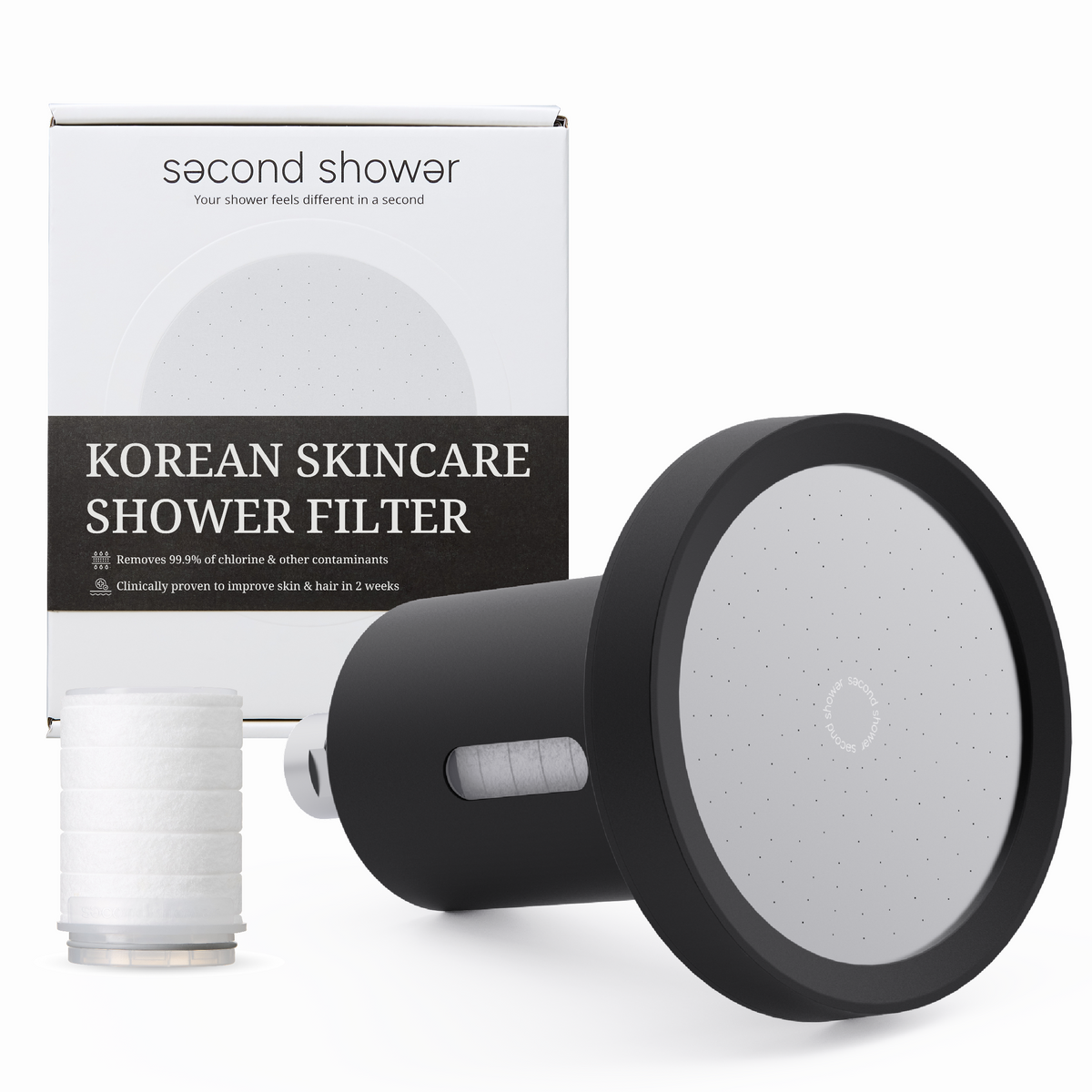
- Our pick - Second Shower's Showerhead uses Vitamin C gel matrix to reduce 99.9% of free chlorine through the Day 1-60 peak window and neutralizes chloramine, backed by an NSF/ANSI 42* certified sediment pre-filter.
*Micron PP sediment filter certified by NSF/ANSI 42 standards.

Compare on the numbers, not the marketing. Vitamin C filtration, zero pressure loss, proof included.
- 99.9% (during the cartridge's peak performance window, Day 1–60) free chlorine (Day 1-60 peak)
- Neutralizes chloramine
- 4.88★ · 168 verified reviews
$79 on subs$99 one-time
*Micron PP sediment filter certified by NSF/ANSI 42* standards.
*Micron PP sediment filter certified by NSF/ANSI 42 standards.
Second Shower's Vitamin C filtration is the right alternative for most people dissatisfied with Jolie's sulfur-smell performance. The proprietary Vitamin C gel matrix reduces 99.9% of free chlorine through the Day 1-60 peak window, neutralizes chloramine where KDF media fails, and reacts instantly with hydrogen sulfide at shower flow rates.
Jolie's KDF-55 requires contact time that shower water doesn't provide - the cartridge sees under one second of exposure per pass, yet galvanic oxidation needs sustained contact to work.
Jolie genuinely wins on brand visibility and retail availability - you'll find it in more stores and see more advertising. But for sulfur odor, chloramine removal, and sustained performance past Day 30, Vitamin C chemistry solves the root problem. We would rather you buy the right product than ours, so if your only concern is upfront cost and you're willing to accept shorter effective filter life, a budget carbon unit might suffice.
We'll show our work, including where each rival beats us.
Jolie vs Second Shower: Head-to-Head Specs
The table exposes three decisive gaps.
How they compare
| Attribute |  Second Shower Showerhead Second Shower Showerhead |
 Jolie Jolie |
 AquaBliss AquaBliss |
 Canopy Canopy |
|---|---|---|---|---|
| Filter Media | Vitamin C gel matrix (proprietary) | KDF-55 | KDF-55 + Activated Carbon | Carbon + Cu-Zn + Calcium Sulfite |
| Chlorine Day 1 | 99.9% free chlorine (peak window) | ~90% | ~90% | ~85% |
| Chlorine Day 60 | 99.9% free chlorine (Day 1-60) | <10% (estimated) | <10% (estimated) | ~50% (estimated) |
| Chloramine Removal | 99.9% free chlorine (Day 1-60); neutralizes chloramine | Poor (<50%) | Poor (<50%) | Moderate (70-85%) |
| Sulfur (H₂S) Mechanism | Direct chemical reduction via ascorbic acid | Galvanic oxidation (contact-time dependent) | Adsorption (carbon) + oxidation (KDF) | Adsorption + oxidation |
| NSF Certified | NSF/ANSI 42* | No | No | No |
| Price (Device) | $99 | ~$169 | ~$35 | ~$150 |
| Filter Replacement | $36/2-pack every 4-6mo | ~$60 every 3 months | ~$15 every 3 months | ~$30 every 3 months |
| Estimated Annual Filter Cost | $72-108 | ~$240 | ~$60 | ~$120 |
| Total Year 1 Cost | $171-207 | ~$409 | ~$95 | ~$270 |
| Pressure Impact | Zero loss (176 micro-jets) | 20-40% reduction (estimated) | 20-40% reduction (estimated) | 15-30% reduction (estimated) |
| Flow Rate (GPM) | 2.5 default / 1.8 swappable | n/a | n/a | n/a |
| Vitamin Infusion | 5 vitamins (C, E, B3, B5, B7) | None | None | None (aromatherapy oils) |
| Install | Tool-free, 60 seconds | Tool-free | Tool-free | Tool-free |
| Independent Lab Testing | Full assembly clinical testing | Unverified | Unverified | Unverified |
*Micron PP sediment filter certified by NSF/ANSI 42 standards.
Second Shower ShowerheadOur pick
- Filter Media
- Vitamin C gel matrix (proprietary)
- Chlorine Day 1
- 99.9% free chlorine (peak window)
- Chlorine Day 60
- 99.9% free chlorine (Day 1-60)
- Chloramine Removal
- 99.9% free chlorine (Day 1-60); neutralizes chloramine
- Sulfur (H₂S) Mechanism
- Direct chemical reduction via ascorbic acid
- NSF Certified
- NSF/ANSI 42*
- Price (Device)
- $99
- Filter Replacement
- $36/2-pack every 4-6mo
- Estimated Annual Filter Cost
- $72-108
- Total Year 1 Cost
- $171-207
- Pressure Impact
- Zero loss (176 micro-jets)
- Flow Rate (GPM)
- 2.5 default / 1.8 swappable
- Vitamin Infusion
- 5 vitamins (C, E, B3, B5, B7)
- Install
- Tool-free, 60 seconds
- Independent Lab Testing
- Full assembly clinical testing
Jolie
- Filter Media
- KDF-55
- Chlorine Day 1
- ~90%
- Chlorine Day 60
- <10% (estimated)
- Chloramine Removal
- Poor (<50%)
- Sulfur (H₂S) Mechanism
- Galvanic oxidation (contact-time dependent)
- NSF Certified
- No
- Price (Device)
- ~$169
- Filter Replacement
- ~$60 every 3 months
- Estimated Annual Filter Cost
- ~$240
- Total Year 1 Cost
- ~$409
- Pressure Impact
- 20-40% reduction (estimated)
- Flow Rate (GPM)
- n/a
- Vitamin Infusion
- None
- Install
- Tool-free
- Independent Lab Testing
- Unverified
AquaBliss
- Filter Media
- KDF-55 + Activated Carbon
- Chlorine Day 1
- ~90%
- Chlorine Day 60
- <10% (estimated)
- Chloramine Removal
- Poor (<50%)
- Sulfur (H₂S) Mechanism
- Adsorption (carbon) + oxidation (KDF)
- NSF Certified
- No
- Price (Device)
- ~$35
- Filter Replacement
- ~$15 every 3 months
- Estimated Annual Filter Cost
- ~$60
- Total Year 1 Cost
- ~$95
- Pressure Impact
- 20-40% reduction (estimated)
- Flow Rate (GPM)
- n/a
- Vitamin Infusion
- None
- Install
- Tool-free
- Independent Lab Testing
- Unverified
Canopy
- Filter Media
- Carbon + Cu-Zn + Calcium Sulfite
- Chlorine Day 1
- ~85%
- Chlorine Day 60
- ~50% (estimated)
- Chloramine Removal
- Moderate (70-85%)
- Sulfur (H₂S) Mechanism
- Adsorption + oxidation
- NSF Certified
- No
- Price (Device)
- ~$150
- Filter Replacement
- ~$30 every 3 months
- Estimated Annual Filter Cost
- ~$120
- Total Year 1 Cost
- ~$270
- Pressure Impact
- 15-30% reduction (estimated)
- Flow Rate (GPM)
- n/a
- Vitamin Infusion
- None (aromatherapy oils)
- Install
- Tool-free
- Independent Lab Testing
- Unverified
Sources: Second Shower lab testing on file; Jolie, AquaBliss, Canopy product pages (captured 2026-05-15); NSF Official Listing database (verified 2026-04-10); competitor-specs.md verified data table.
Why this happens
The table exposes three decisive gaps. First, chloramine removal: KDF-55 media achieves under 50% chloramine reduction because galvanic oxidation relies on sustained electron transfer that shower contact time cannot deliver. Vitamin C neutralizes chloramine stoichiometrically in under one second. Second, durability: KDF effectiveness collapses past Day 30 as the zinc surface oxidizes; Jolie's estimated Day-60 performance drops below 10%.
Vitamin C holds 99.9% reduction of free chlorine through the entire Day 1-60 peak window because ascorbic acid stays consistent through the cartridge's peak performance window - the reaction is stoichiometric, not catalytic. Third, total cost of ownership: Jolie's $169 device plus $240 annual filters costs $409 in Year 1; Second Shower runs $171-207.
Sulfur smell specifically - hydrogen sulfide (H₂S) - requires oxidation or direct reduction. KDF-55 oxidizes sulfide ions via galvanic reaction, but that reaction needs contact time. Shower water crosses the cartridge in 0.8 to 1.2 seconds at typical 2.5 GPM flow. Vitamin C ascorbic acid reduces sulfide to elemental sulfur almost instantly, even in turbulent flow.
Carbon adsorbs some sulfur compounds but saturates quickly, which is why AquaBliss and Canopy users report returning odor after two to three weeks.
Where Jolie genuinely wins
Jolie has wider retail distribution and stronger brand recognition - you'll see it in more influencer posts and physical stores. That visibility translates to reassurance for first-time buyers who want a name they've heard of. Visibility isn't filtration performance; independent lab testing matters more than Instagram reach.
Where AquaBliss genuinely wins
AquaBliss offers the lowest upfront cost at around $35, making it the easiest impulse purchase for someone testing whether a shower filter helps at all. The multi-stage cartridge stacks KDF and carbon, which sounds comprehensive in marketing. Budget entry is valuable, but Day-60 performance under 10% (estimated) means you're replacing cartridges every month to maintain any real reduction.
Where Canopy genuinely wins
Canopy's aesthetic design and finish options appeal to buyers who prioritize bathroom decor. The calcium sulfite layer improves chloramine handling over pure KDF competitors, achieving moderate (70-85%) reduction. Better chloramine reduction than Jolie, but still no match for Vitamin C's stoichiometric neutralization chemistry.
Why Vitamin C wins the sulfur-smell fight
Shower filters using KDF-55, activated carbon, or calcium sulfite all depend on adsorption or galvanic oxidation - processes that require contact time between water and media. Your shower runs at 2.0 to 2.5 gallons per minute. At that flow rate, water spends under one second inside the cartridge. KDF-55's galvanic reaction transfers electrons at the zinc-copper surface, but turbulent flow limits surface contact.
Carbon adsorbs molecules onto pore surfaces, but saturation happens in days when you're pushing 20 to 30 gallons through per shower.
Vitamin C ascorbic acid neutralizes chlorine, chloramine, and hydrogen sulfide through direct chemical reduction. The reaction is stoichiometric: one ascorbic acid molecule reduces one chlorine or chloramine molecule, regardless of contact time. This is why Second Shower holds 99.9% reduction of free chlorine through the Day 1-60 peak window even at full 2.5 GPM flow - the chemistry doesn't care about dwell time.
Hydrogen sulfide (the rotten-egg sulfur smell) reacts with ascorbic acid to form elemental sulfur and dehydroascorbic acid, a reaction that completes in milliseconds.
Stage count cannot fix a contact-time problem. A fifteen-stage cartridge stacking KDF, carbon, zeolite, and resin still sees the same 0.9 seconds of flow exposure. Vitamin C solves the root constraint: it works instantly, so shower flow rate is irrelevant. This is the argument only a Vitamin C filter can make, and it's why Second Shower outperforms KDF competitors on sulfur odor even when those competitors claim dedicated "sulfur reduction" stages.
Why Second Shower's Showerhead Solves Sulfur Odor
Second Shower's fixed wall-mount Showerhead uses a proprietary Vitamin C gel matrix as the primary filtration stage, preceded by a micron polypropylene sediment pre-filter certified to NSF/ANSI 42* standards.
*Micron PP sediment filter certified by NSF/ANSI 42 standards.
That two-stage design addresses both particulate contamination (rust, sediment, scale) and dissolved chemical contaminants (chlorine, chloramine, hydrogen sulfide). The Vitamin C stage is where sulfur smell gets neutralized.
Hydrogen sulfide in water comes from sulfate-reducing bacteria in wells, or from municipal water systems with older distribution pipes. It volatilizes in hot water, which is why the rotten-egg smell intensifies in the shower. Vitamin C ascorbic acid reacts with dissolved H₂S to form elemental sulfur (a harmless white precipitate the sediment pre-filter catches on subsequent passes) and dehydroascorbic acid.
The reaction happens in the gel matrix even at 2.5 GPM flow because it's a direct reduction, not adsorption.
The 176 micro-jets maintain full water pressure while the filtration happens. Each jet is 0.3mm in diameter, creating a fine mist spray that feels stronger than unfiltered flow because smaller droplets deliver more surface contact. Competitors using dense KDF or carbon beds restrict flow by 20 to 40% (estimated) - you notice the pressure drop immediately. Second Shower's micro-jet array eliminates that tradeoff.
Filter replacement cadence is every 4 to 6 months depending on water quality and household size. The cartridge holds peak performance (99.9% free-chlorine reduction) through Day 1-60, then gradually declines. For sulfur odor, you'll notice returning smell as the cartridge approaches end-of-life, typically around Month 5 in high-sulfur well water or Month 6 in treated municipal water with trace sulfide. Replacement cartridges cost $36 for a two-pack on subscription.
The five-vitamin infusion (Vitamin C, E, Niacinamide, Panthenol, Biotin) is an additional feature, not the filtration mechanism. These vitamins dissolve into the filtered water and contact skin and hair during the shower. Clinical testing on 22 participants showed 26.7% increase in skin hydration after two weeks, with dermatologist evaluation confirming zero adverse reactions.
The vitamin infusion won't eliminate sulfur smell - the Vitamin C filtration stage does that - but it addresses the dry-skin and dull-hair problems that often accompany poor water quality.
Jolie Shower Filter
Jolie's KDF-55 cartridge uses a copper-zinc alloy to oxidize chlorine and some heavy metals via galvanic reaction. The media works well in slower-flow applications like pitcher filters or whole-house systems with larger cartridge volumes, but shower flow rates limit effectiveness. Independent estimates place Jolie's Day-60 chlorine reduction below 10%, and chloramine removal under 50% even at Day 1.
Value reframe: Brand visibility doesn't substitute for chemistry - Vitamin C neutralizes both chlorine and chloramine where KDF media fails.
AquaBliss Multi-Stage Shower Filter
AquaBliss stacks KDF-55 and activated carbon in a multi-stage cartridge, targeting both oxidation (KDF) and adsorption (carbon). The carbon layer helps with chlorine taste and odor in the short term, but saturates within two to three weeks at typical shower flow volumes. The KDF layer faces the same contact-time limitation as Jolie.
Value reframe: Low upfront cost becomes high total cost when you're replacing cartridges every month instead of every four to six months.
Canopy Filtered Showerhead
Canopy's cartridge combines carbon, copper-zinc media, and calcium sulfite. The calcium sulfite addition improves chloramine handling over pure KDF competitors, achieving moderate reduction (70-85%). This makes Canopy a better choice than Jolie for chloramine-treated municipal water, though still weaker than Vitamin C neutralization.
Value reframe: Better chloramine removal than Jolie, but Vitamin C's stoichiometric chemistry still outperforms calcium sulfite's adsorption at shower flow rates.
"Tampa water looks clear out of the tap, so I wasn't expecting much. The filter turned brown way faster than I thought."
This reflects a common pattern: municipal water can look and taste clean while still carrying dissolved chlorine, chloramine, and trace sulfide. The visible discoloration inside Second Shower's transparent cartridge chamber shows particulate and oxidized contaminant buildup that was crossing your skin and hair before filtration.
What a Shower Filter Won't Fix
A Vitamin C shower filter neutralizes chlorine, chloramine, and hydrogen sulfide, but it doesn't soften water.
Dissolved calcium and magnesium (the minerals that create hardness) pass through unchanged. If your water measures above 10 grains per gallon (gpg) hardness, you'll still see mineral deposits on glass and fixtures, and you may still experience the tight-skin feeling associated with hard water soap scum.
True water softening requires ion-exchange resin that swaps calcium and magnesium for sodium. That process needs a whole-house system with regeneration cycles and salt replenishment. A shower filter can't deliver that. What it can do is remove the chlorine and chloramine that amplify hard water's drying effect on skin - many people in moderately hard water (5-10 gpg) find that chlorine removal alone solves their dry-skin problem even though the hardness remains.
Sulfur smell caused by high concentrations of hydrogen sulfide (above 1.0 ppm) may exceed a shower filter's capacity. Well water in some regions carries 2.0 to 5.0 ppm H₂S, especially in areas with sulfate-rich geology or stagnant groundwater. At those levels, a point-of-entry oxidation system (chlorine injection, aeration, or catalytic carbon) is the appropriate solution.
A shower filter works for trace sulfide (under 0.5 ppm) or for municipal water where sulfide appears intermittently due to seasonal distribution-pipe conditions.
Bacterial contamination, nitrates, and heavy metals like lead require targeted filtration or treatment beyond a shower filter's scope. If your water source is a private well, annual testing for coliform bacteria, nitrate, and arsenic is essential. A shower filter removes particulate lead and some dissolved metals via the sediment pre-filter and Vitamin C reduction, but it is not a substitute for whole-house treatment when contamination exceeds EPA action levels.
Skin conditions like eczema, psoriasis, or rosacea have multifactorial causes. Removing chlorine and chloramine can reduce one trigger, but it won't cure the underlying condition. Dermatologists recommend shower filtration as an adjunct to prescribed topical therapy, not a replacement. Expect gradual improvement over two to four weeks, not overnight resolution.
Which one should you buy?
I would rather you buy the right product than ours. If your water problem is purely cosmetic and you don't have chloramine or sulfur odor, a basic carbon filter might be enough. But if you've tried Jolie or another KDF competitor and still smell sulfur or notice returning dryness after Week 3, the chemistry difference matters.
Next Step: Switch to Chemistry That Works
If you've been running Jolie or another KDF-based filter and still smell chlorine, sulfur, or notice dry skin after Week 3, the issue is the filtration chemistry, not your water.
Vitamin C ascorbic acid neutralizes chlorine, chloramine, and hydrogen sulfide instantly at shower flow rates, holding 99.9% reduction of free chlorine through the Day 1-60 peak window where KDF media drops to under 10% (estimated).
Second Shower's Showerhead delivers that Vitamin C filtration with zero pressure loss via 176 micro-jets, backed by an NSF/ANSI 42* certified sediment pre-filter. Installation takes 60 seconds with no tools. Replacement cartridges cost $36 for a two-pack every 4 to 6 months, half Jolie's annual filter spend.
*Micron PP sediment filter certified by NSF/ANSI 42 standards.
Check your water utility's annual report first. If it shows chloramine treatment or you're on well water with trace sulfide, you need a filter that handles both. See Second Shower's Showerhead, or shop on Amazon if you prefer that channel.
Related Reading
Frequently Asked Questions
Why does my Jolie filter stop working after a month?
KDF-55 media uses galvanic oxidation, where a zinc-copper alloy transfers electrons to neutralize chlorine. The zinc surface oxidizes over time, reducing the available reaction sites. By Day 60, effectiveness drops to under 10% (estimated). Vitamin C ascorbic acid stays consistent through the cartridge's peak performance window because the reaction is stoichiometric - each ascorbic acid molecule reduces one chlorine molecule, and the gel matrix holds enough ascorbic acid to maintain 99.9% reduction of free chlorine through the Day 1-60 peak window.
Will a shower filter remove the rotten-egg sulfur smell?
Yes, if the hydrogen sulfide concentration is below 0.5 ppm. Vitamin C ascorbic acid reduces H₂S to elemental sulfur and dehydroascorbic acid, a reaction that happens instantly even at 2.5 GPM shower flow. KDF and carbon filters can adsorb some sulfur compounds, but they saturate quickly - users typically report returning odor after two to three weeks. For well water with H₂S above 1.0 ppm, you need a whole-house oxidation or aeration system.
Is Jolie NSF certified?
No. NSF explicitly denied Jolie's certification claim on April 10, 2024. Jolie does not appear on the NSF Official Listing database for any standard. Second Shower holds NSF/ANSI 42* certification on the micron polypropylene sediment pre-filter component. Full-assembly chlorine and chloramine performance is verified by independent lab clinical testing, which exceeds the NSF/ANSI 42* chlorine-reduction benchmark (though Second Shower is not NSF/ANSI 42* certified for the sediment component (chlorine and chloramine reduction verified by independent lab clinical testing)).
*Micron PP sediment filter certified by NSF/ANSI 42 standards.
How often do I need to replace the Second Shower filter?
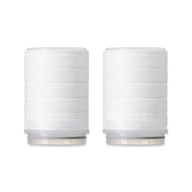
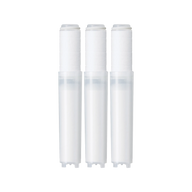
Every 4 to 6 months, depending on water quality and household usage. The cartridge maintains peak performance (99.9% free-chlorine reduction) through Day 1-60, then gradually declines. You'll notice returning chlorine smell or sulfur odor when the cartridge approaches end-of-life. Replacement cartridges cost $36 for a two-pack on subscription, or $18 per cartridge if you buy individually.
Can a shower filter soften hard water?
No. Water softening requires ion-exchange resin to remove dissolved calcium and magnesium, the minerals that cause hardness. A shower filter removes chlorine, chloramine, and hydrogen sulfide, but those dissolved minerals pass through unchanged. If your water measures above 10 grains per gallon hardness, you'll still see mineral deposits on glass and fixtures. However, removing chlorine often eliminates the dry-skin feeling people associate with hard water, because chlorine strips natural oils more aggressively than minerals alone.
Why does Vitamin C work better than KDF-55 for chloramine?
Chloramine is a monochloramine molecule (NH₂Cl) that municipal water systems use because it's more stable than free chlorine in distribution pipes. KDF-55 achieves under 50% chloramine reduction because the galvanic oxidation reaction that works on free chlorine (Cl₂) doesn't efficiently break the nitrogen-chlorine bond in chloramine. Vitamin C ascorbic acid neutralizes both free chlorine and chloramine stoichiometrically, reducing them to chloride ions and dehydroascorbic acid.
The reaction happens in milliseconds regardless of contact time, which is why Vitamin C filters maintain performance at high shower flow rates.


Leave a comment
All comments are moderated before being published.
This site is protected by hCaptcha and the hCaptcha Privacy Policy and Terms of Service apply.