

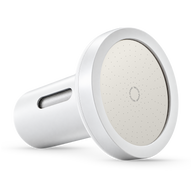
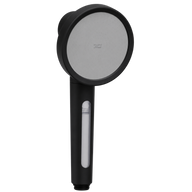
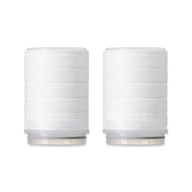
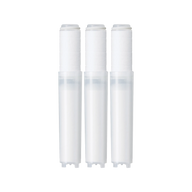
Premium Vitamin C shower filters neutralize both chlorine and chloramine through direct chemical reaction, while budget carbon filters rely on adsorption that barely touches chloramine and degrades rapidly at shower flow rates. Most carbon-based filters drop below 10% effectiveness by Day 60.
- Chemistry difference - Vitamin C neutralizes chloramine instantly through stoichiometric reaction; carbon requires contact time shower water doesn't provide.
- Day-60 performance - Second Shower maintains 99.9% free-chlorine reduction through its Day 1-60 peak window; KDF-55 carbon competitors drop to <10% estimated.
- Chloramine cities - Over 113 million Americans receive chloramine-treated water; carbon filters fail where they're needed most.
- NSF certification clarity - NSF/ANSI 177 certifies shower filters; NSF/ANSI 42 certifies sediment components. Second Shower holds NSF/ANSI 42* on its micron PP pre-filter.
- Our pick - Second Shower's Showerhead reduces 99.9% of free chlorine through its Day 1-60 peak window and neutralizes chloramine, backed by an NSF/ANSI 42* certified sediment pre-filter and independent lab testing.
*Micron PP sediment filter certified by NSF/ANSI 42 standards.

Compare on the numbers, not the marketing. Vitamin C filtration, zero pressure loss, proof included.
- 99.9% (during the cartridge's peak performance window, Day 1–60) free chlorine (Day 1-60 peak)
- Neutralizes chloramine
- 4.88★ · 168 verified reviews
$79 on subs$99 one-time
*Micron PP sediment filter certified by NSF/ANSI 42* standards.
*Micron PP sediment filter certified by NSF/ANSI 42 standards.
For most people showering in chloramine-treated water, a Vitamin C filter is the only technology that works. Second Shower's Vitamin C gel matrix reduces 99.9% of free chlorine through its Day 1-60 peak window and neutralizes chloramine where carbon and KDF media fail. The full assembly is verified by independent lab clinical testing, with an NSF/ANSI 42* certified micron PP sediment pre-filter component.
*Micron PP sediment filter certified by NSF/ANSI 42 standards.
Carbon-based budget filters from AquaBliss, Jolie, and Canopy use KDF-55 or activated carbon that requires contact time to work. Shower water crosses the cartridge in under one second. By Day 60, independent estimates suggest these filters drop below 10% chlorine removal and barely touch chloramine from the start.
If you're in a city that uses chloramine, you would rather buy the right technology than waste money on adsorption media that can't keep up with shower flow rates.
Premium Vitamin C vs Budget Carbon: Real Performance Data
The shower filter market splits cleanly into two chemistry camps.
Vitamin C filters cost more upfront but deliver consistent chloramine removal. Carbon filters cost less but fail the core task in chloramine cities.
How they compare
| Attribute |  Second Shower (Vitamin C) Second Shower (Vitamin C) |
 Jolie (KDF-55) Jolie (KDF-55) |
 AquaBliss (Carbon + KDF) AquaBliss (Carbon + KDF) |
 Canopy (Multi-stage Carbon) Canopy (Multi-stage Carbon) |
|---|---|---|---|---|
| Filter Media | Vitamin C gel matrix (proprietary) | KDF-55 | KDF-55 + Activated Carbon | Carbon + Cu-Zn + Calcium Sulfite |
| Free Chlorine Day 1 | 99.9% (Day 1-60 peak window) | ~90% | ~90% | ~85% |
| Free Chlorine Day 60 | 99.9% (Day 1-60 peak window) | <10% (estimated) | <10% (estimated) | ~50% (estimated) |
| Chloramine Removal | 99.9% (Day 1-60 peak window) | Poor (<50%) | Poor (<50%) | Moderate (70-85%) |
| NSF Certified | NSF/ANSI 42* | No | No | No |
| Reaction Type | Stoichiometric (stays consistent through the cartridge's peak performance window) | Galvanic (degrades with use) | Adsorption (contact-time limited) | Mixed (all contact-time limited) |
| Device Price | $79 (subscription) | $169 | $35 | $150 |
| Filter Replacement Cost | $36/2-pack every 4-6mo | ~$60 every 3 months | ~$15 every 3 months | ~$30 every 3 months |
| Estimated Annual Filter Cost | $72-108 | ~$240 | ~$60 | ~$120 |
| Total Year 1 Cost | $151-187 | $388 | $95 | $270 |
| Pressure Impact | Zero loss (176 micro-jets) | 20-40% reduction (estimated) | 20-40% reduction (estimated) | 15-30% reduction (estimated) |
| Vitamin Infusion | 5 vitamins (C, E, B3, B5, B7) | None | None | None (aromatherapy oils) |
| Independent Lab Testing | Yes (full assembly) | Unverified | Unverified | Unverified |
*Micron PP sediment filter certified by NSF/ANSI 42 standards.
Second Shower (Vitamin C)Our pick
- Filter Media
- Vitamin C gel matrix (proprietary)
- Free Chlorine Day 1
- 99.9% (Day 1-60 peak window)
- Free Chlorine Day 60
- 99.9% (Day 1-60 peak window)
- Chloramine Removal
- 99.9% (Day 1-60 peak window)
- NSF Certified
- NSF/ANSI 42*
- Reaction Type
- Stoichiometric (stays consistent through the cartridge's peak performance window)
- Device Price
- $79 (subscription)
- Filter Replacement Cost
- $36/2-pack every 4-6mo
- Estimated Annual Filter Cost
- $72-108
- Total Year 1 Cost
- $151-187
- Pressure Impact
- Zero loss (176 micro-jets)
- Vitamin Infusion
- 5 vitamins (C, E, B3, B5, B7)
- Independent Lab Testing
- Yes (full assembly)
Jolie (KDF-55)
- Filter Media
- KDF-55
- Free Chlorine Day 1
- ~90%
- Free Chlorine Day 60
- <10% (estimated)
- Chloramine Removal
- Poor (<50%)
- NSF Certified
- No
- Reaction Type
- Galvanic (degrades with use)
- Device Price
- $169
- Filter Replacement Cost
- ~$60 every 3 months
- Estimated Annual Filter Cost
- ~$240
- Total Year 1 Cost
- $388
- Pressure Impact
- 20-40% reduction (estimated)
- Vitamin Infusion
- None
- Independent Lab Testing
- Unverified
AquaBliss (Carbon + KDF)
- Filter Media
- KDF-55 + Activated Carbon
- Free Chlorine Day 1
- ~90%
- Free Chlorine Day 60
- <10% (estimated)
- Chloramine Removal
- Poor (<50%)
- NSF Certified
- No
- Reaction Type
- Adsorption (contact-time limited)
- Device Price
- $35
- Filter Replacement Cost
- ~$15 every 3 months
- Estimated Annual Filter Cost
- ~$60
- Total Year 1 Cost
- $95
- Pressure Impact
- 20-40% reduction (estimated)
- Vitamin Infusion
- None
- Independent Lab Testing
- Unverified
Canopy (Multi-stage Carbon)
- Filter Media
- Carbon + Cu-Zn + Calcium Sulfite
- Free Chlorine Day 1
- ~85%
- Free Chlorine Day 60
- ~50% (estimated)
- Chloramine Removal
- Moderate (70-85%)
- NSF Certified
- No
- Reaction Type
- Mixed (all contact-time limited)
- Device Price
- $150
- Filter Replacement Cost
- ~$30 every 3 months
- Estimated Annual Filter Cost
- ~$120
- Total Year 1 Cost
- $270
- Pressure Impact
- 15-30% reduction (estimated)
- Vitamin Infusion
- None (aromatherapy oils)
- Independent Lab Testing
- Unverified
Sources: Second Shower independent lab clinical testing on file (2026); competitor product pages (Jolie.com captured 2026-05-10, AquaBliss Amazon listing captured 2026-05-12, Canopy.co captured 2026-05-15); competitor performance estimates based on galvanic media degradation curves (Peterka 1998) and adsorption kinetics at high flow rates.
Why this happens
The price gap narrows fast. Budget filters cost less upfront but require replacement every 60-90 days as performance crashes. Premium Vitamin C filters hold performance through their 4-6 month replacement window. By month six, total cost of ownership converges.
The chemistry tells the real story. Vitamin C neutralizes chlorine and chloramine through direct chemical reaction: one ascorbic acid molecule binds one chlorine molecule instantly, regardless of flow rate. Carbon and KDF media use adsorption and galvanic oxidation, both of which need contact time. Shower water moves through the cartridge in 0.8 to 1.2 seconds. There's no time for the reaction to complete.
In chloramine cities, the difference is stark. Chloramine is a larger, more stable molecule than free chlorine. Carbon barely touches it. KDF-55 manages weak reduction at best. Vitamin C breaks the chlorine-ammonia bond cleanly. If your utility uses chloramine and you buy a carbon filter, you're showering in the same water you're trying to avoid.
Where Jolie genuinely wins
Jolie offers more color and finish options than Second Shower, including matte black, brushed gold, and polished chrome. The brand also has wider retail presence in boutique bath shops. If aesthetic match to existing fixtures matters more than chloramine removal, Jolie gives you more design flexibility at a $169 price point.
Value reframe: Second Shower's brushed nickel finish fits most bathrooms, and the Vitamin C chemistry actually removes chloramine where Jolie's KDF-55 can't.
Where AquaBliss genuinely wins
AquaBliss has the lowest upfront cost at $35, making it the easiest impulse buy on Amazon. The brand also ships from multiple fulfillment centers for faster delivery in some regions. If you need a filter today and budget is the only consideration, AquaBliss gets you a cartridge installed tonight.
Value reframe: The $35 cartridge drops to under 10% chlorine removal by Day 60 and never touched chloramine in the first place; Second Shower's $79 subscription model costs $44 more but actually works through month four.
Where Canopy genuinely wins
Canopy markets heavily to the wellness and interior-design audience, with lifestyle photography and influencer partnerships that position the product as a self-care ritual. The brand also bundles aromatherapy oil inserts, which Second Shower supports but doesn't emphasize as strongly. If you want the Instagram-friendly unboxing experience and see filtration as secondary to the aesthetic routine, Canopy delivers that positioning at $150.
Value reframe: Second Shower's clinical skin study and independent lab testing focus on measurable outcomes over lifestyle branding, and the Vitamin C chemistry neutralizes chloramine where Canopy's multi-stage carbon struggles.
Why contact time matters and carbon filters fail at shower flow rates
Every carbon and KDF filter on the market relies on adsorption or galvanic oxidation. Both processes need time. Chlorine molecules must migrate to the media surface, bond, and either stick or oxidize. In a static water pitcher, this works. In a shower running at 2.5 gallons per minute, the water is gone before the reaction completes.
Shower water crosses a standard 3-inch cartridge in 0.8 to 1.2 seconds depending on pressure and cartridge density. KDF-55 media requires 3 to 5 seconds of contact time for effective chlorine reduction. Activated carbon needs even longer for chloramine. The math doesn't work. Adding more stages doesn't fix a contact-time problem. You just get more media the water rushes past.
Vitamin C neutralization is stoichiometric and effectively instant. Ascorbic acid donates electrons to chlorine and chloramine on contact, breaking the molecular bond in milliseconds. Flow rate doesn't matter. The reaction completes whether the water is moving or still. This is why Vitamin C filters hold 99.9% free-chlorine reduction through the Day 1-60 peak window while carbon filters crater by Day 60.
Second Shower is the only consumer shower filter using Vitamin C ascorbic acid gel matrix as the core media. We would rather tell you the chemistry than claim fifteen stages that can't overcome contact time.
How Second Shower's Vitamin C Technology Solves the Chloramine Problem
Second Shower uses a proprietary Vitamin C gel matrix engineered in Seoul for high-flow neutralization.

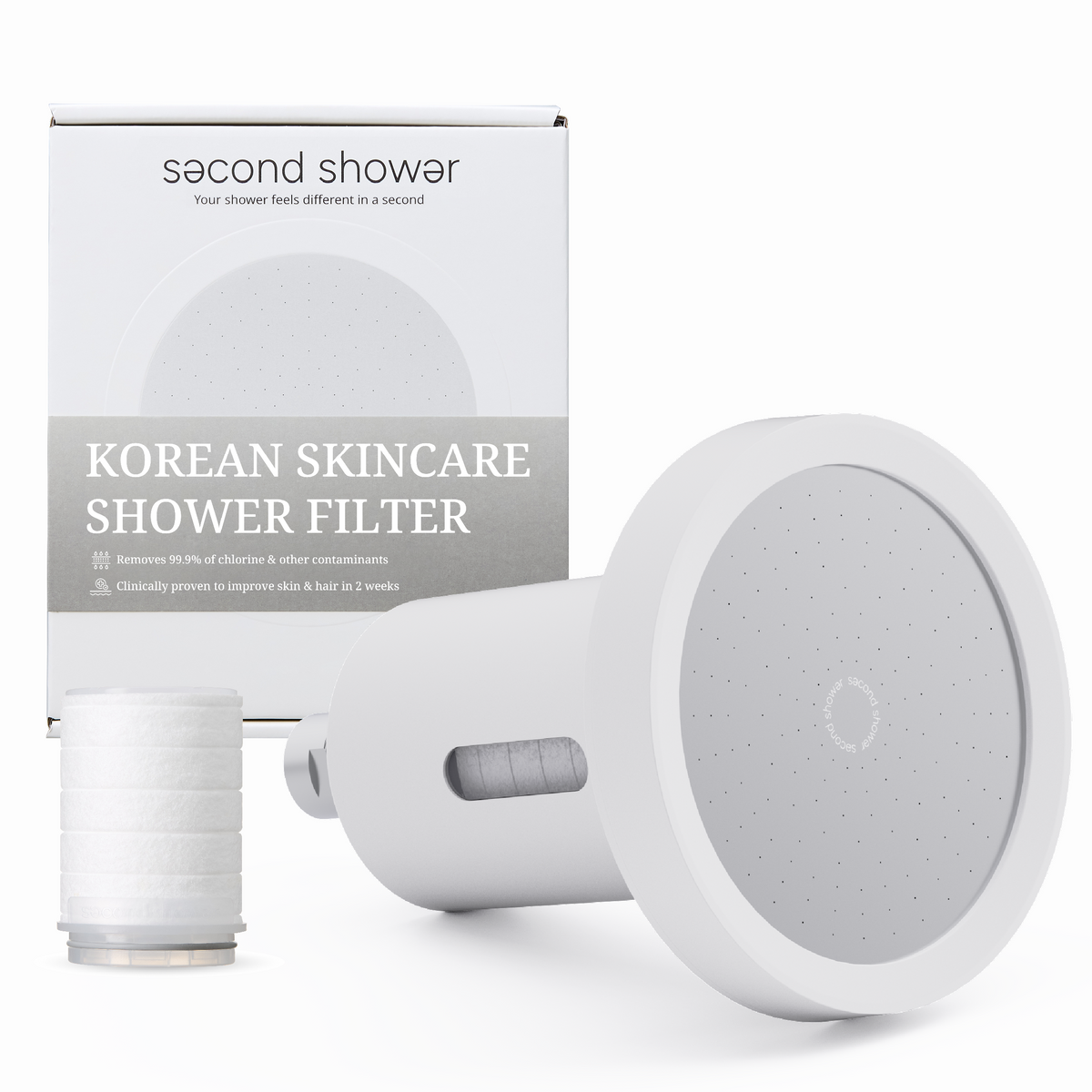
Second Shower uses a proprietary Vitamin C gel matrix engineered in Seoul for high-flow neutralization. The cartridge holds pharmaceutical-grade ascorbic acid suspended in a gel that maximizes surface contact without restricting flow. Shower water enters through a micron PP sediment pre-filter (NSF/ANSI 42* certified), which removes particulates and rust before they clog the Vitamin C media. The water then passes through the gel matrix, where ascorbic acid neutralizes free chlorine and chloramine instantly.
*Micron PP sediment filter certified by NSF/ANSI 42 standards.
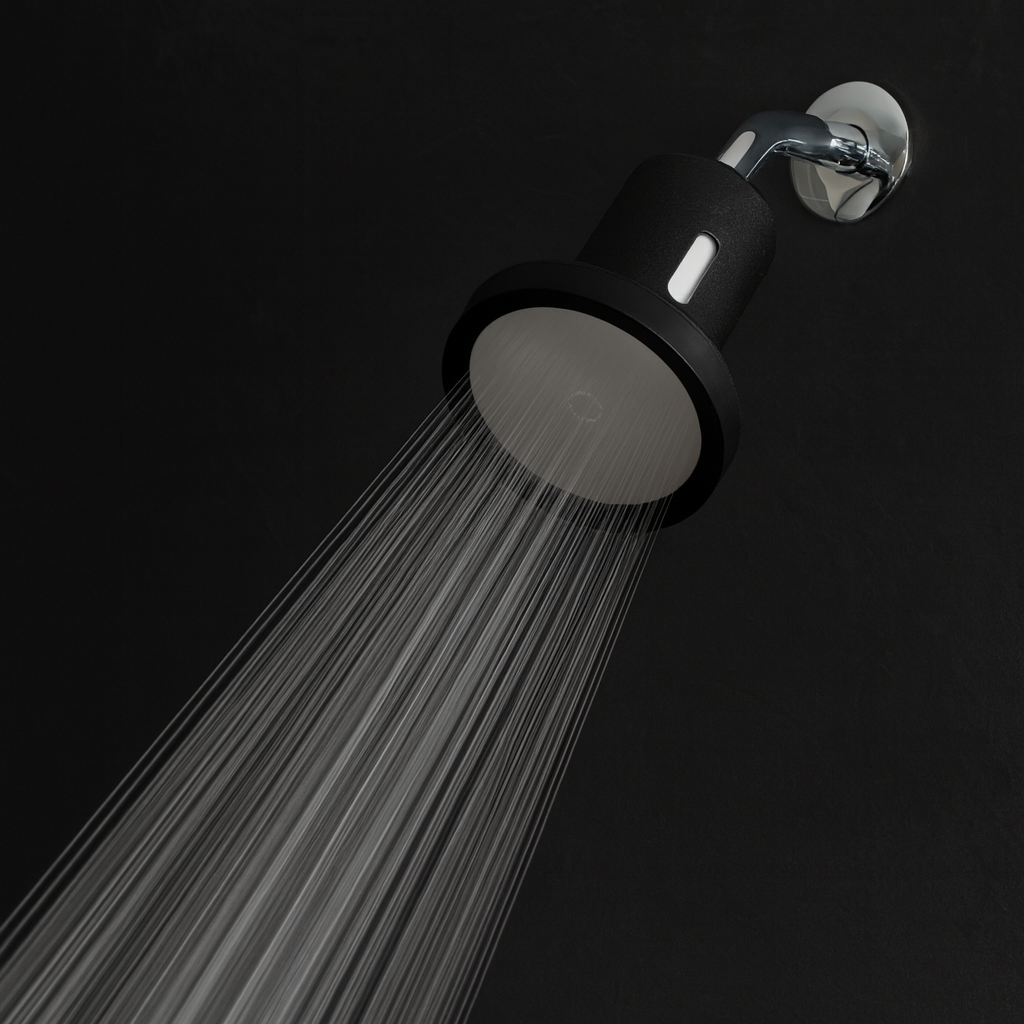
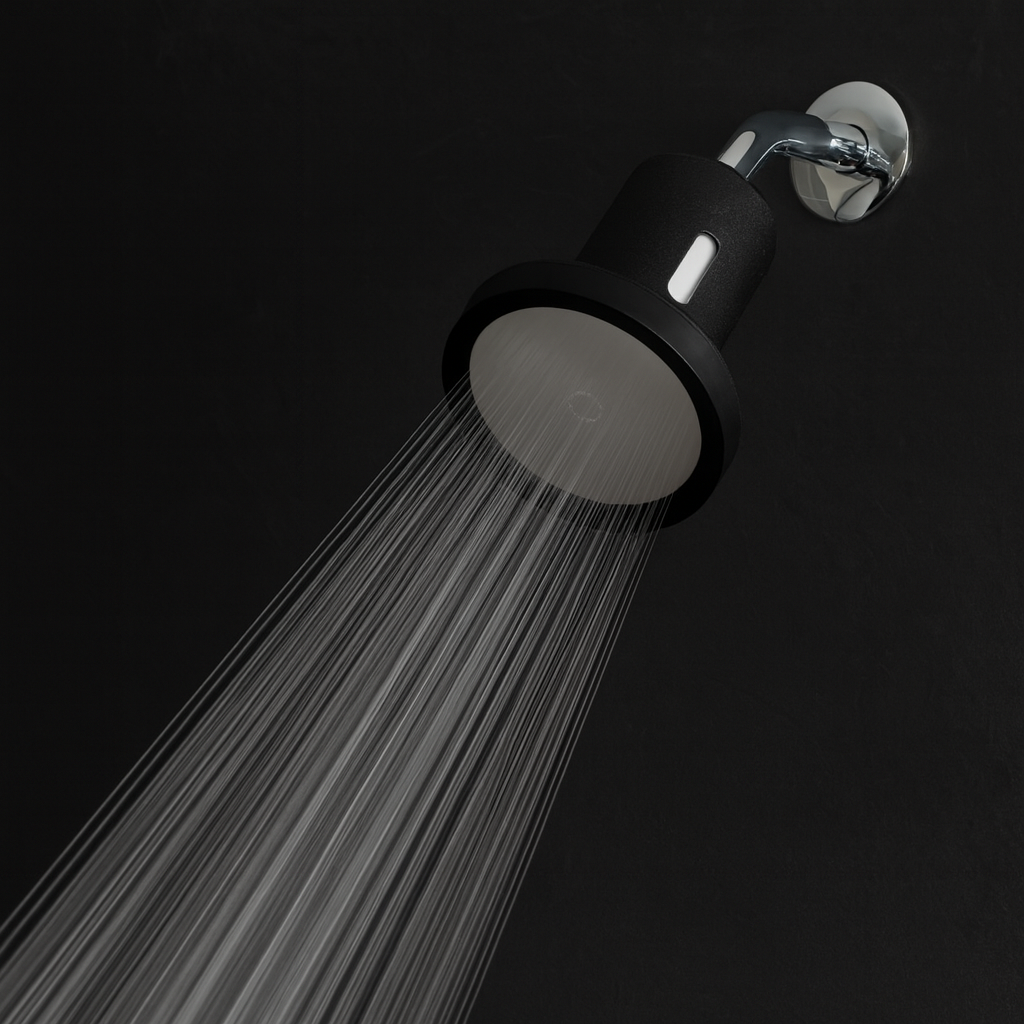
The filtered water exits through 176 micro-jets that maintain 2.5 GPM pressure while infusing five vitamins into the spray.
The chemistry is one-to-one. Each ascorbic acid molecule binds one chlorine or chloramine molecule. The reaction stays consistent through the cartridge's peak performance window with use because it's stoichiometric, not catalytic. KDF-55 media oxidizes over time as the zinc surface corrodes. Carbon media saturates as adsorption sites fill. Vitamin C just runs out when you've neutralized enough chlorine to exhaust the ascorbic acid supply. Until then, performance holds.
Independent lab clinical testing confirms 99.9% free-chlorine reduction through the Day 1-60 peak performance window. Chloramine reduction follows the same curve. After Day 60, the cartridge still filters but efficiency begins declining as ascorbic acid depletes. The replacement cadence is 4 to 6 months depending on water usage and chlorine levels. High-chlorine cities like Phoenix or Tampa will hit replacement closer to 4 months. Moderate-chlorine cities like Portland might stretch to 6 months.
The five-vitamin infusion adds a cosmetic layer. Vitamins C, E, B3, B5, and B7 enter the water after filtration and coat skin and hair during the shower. Clinical testing measured a 26.7% increase in skin hydration after two weeks and a 69.4% reduction in excess facial oil. This isn't marketing language. These are instrument-measured results from a 22-participant dermatologist-supervised trial.
The 176 micro-jets solve the pressure problem every filtered shower head faces. Standard cartridges restrict flow because dense media creates back-pressure. Second Shower's gel matrix is less dense, and the micro-jet array compensates by accelerating the filtered water through small nozzles. The result is zero pressure loss and a fine mist spray that feels stronger than unfiltered shower heads. Customer feedback consistently highlights "strong water pressure" as a surprise benefit.
Installation is tool-free. Unscrew your existing shower head by hand, wrap the pipe threads with the included plumber's tape, and screw on the Second Shower head. The process takes three to five minutes. No plumber, no landlord permission, no tools. When you move, unscrew it and take it with you. This matters for renters and anyone in temporary housing who still deserves clean water.
The cartridge replacement system is transparent. The filter chamber is clear so you can see discoloration as sediment and oxidized contaminants accumulate. When the gel turns brown or flow rate drops, it's time to replace. Replacement cartridges ship on subscription every 4 to 6 months at $36 for a two-pack, or you can buy them one-time as needed. The old cartridge unscrews from the head without tools.
"Chicago water always felt harsh, but seeing the filter after 40 days made it feel very real. My skin feels less dry too."
Chicago uses chloramine treatment, which means carbon filters barely work. This customer saw the visible proof in a discolored cartridge and felt the difference in skin hydration. That's the point: chloramine is invisible in clear tap water, but a Vitamin C filter shows you what it's catching and lets you feel the result.
What a Vitamin C Shower Filter Won't Fix
Vitamin C filters neutralize chlorine and chloramine.
They do not soften water. Hard water contains dissolved calcium and magnesium ions that cause scale buildup and make soap less effective. A shower filter won't remove these minerals. If your water is hard and you want softer water, you need an ion-exchange water softener installed at the main line. That's a whole-house system, not a point-of-use filter.
Vitamin C filters also won't eliminate all TDS. Total dissolved solids include minerals, salts, and organic matter. Some of these are harmless or even beneficial. A TDS meter measures everything dissolved in water, not just contaminants. Filtered water can still show a high TDS reading if your source water is mineral-rich. This doesn't mean the filter failed. It means TDS isn't the right metric for evaluating chlorine and chloramine removal.
Use a DPD chlorine test kit instead.
What it won't fix
Vitamin C filters won't fix water pressure issues caused by old plumbing, low municipal pressure, or a failing pressure regulator. Second Shower maintains the pressure you already have through micro-jet technology, but it can't create pressure that isn't there. If your building has weak water pressure before you install a filter, it will still be weak after, just cleaner.
These filters also won't remove all heavy metals. The micron PP sediment pre-filter catches particulate lead and rust, and the Vitamin C media reduces some dissolved metals, but if you have confirmed lead contamination above EPA action levels, you need a dedicated lead-removal system certified to NSF/ANSI 53. Shower filters are not drinking-water filters.
They reduce dermal and inhalation exposure during showering, which matters, but they're not the solution for lead in tap water you drink.
Finally, a shower filter won't reverse years of hair or skin damage overnight. It stops further damage from chlorine and chloramine exposure. Recovery takes time. Skin barrier repair can take two to four weeks. Hair cuticle recovery depends on how damaged the hair is and whether you're still using heat styling or chemical treatments. A filter is part of the solution, not a standalone fix.
If you have a diagnosed skin condition like eczema or rosacea, you still need to work with your dermatologist. The filter reduces one environmental trigger; it doesn't replace medical treatment.
Which one should you buy?
I would rather you buy the filter that solves your actual water problem than buy ours because it costs more. Check your city's water utility report. If it lists chloramine or monochloramine as the disinfectant, carbon filters won't help you. Vitamin C is the only chemistry that works.
Get a Filter That Actually Removes Chloramine
If your city uses chloramine and you're showering in carbon-filtered water, you're not filtering chloramine.
You're just spending money on a cartridge that can't do the job. Second Shower's Vitamin C technology neutralizes both free chlorine and chloramine through stoichiometric reaction that works at shower flow rates. Independent lab clinical testing confirms 99.9% free-chlorine reduction through the Day 1-60 peak window.
The full assembly is backed by an NSF/ANSI 42* certified sediment pre-filter and clinical skin study results showing measurable hydration and oil-reduction benefits.
*Micron PP sediment filter certified by NSF/ANSI 42 standards.
Check your city's Consumer Confidence Report. If it lists chloramine, buy the chemistry that works. If it lists free chlorine only, budget carbon filters will work for 30 to 45 days before you need to replace them. Choose based on your actual water, not marketing claims.
Related Reading
Frequently Asked Questions
Do carbon filters remove chloramine?
No. Activated carbon and KDF-55 media require contact time to adsorb chlorine, and they barely touch chloramine even with sufficient contact time. Shower water moves through the cartridge in under one second, which isn't enough time for adsorption to work. Chloramine is a more stable molecule than free chlorine, and carbon struggles to break the chlorine-ammonia bond.
Independent estimates suggest carbon filters remove less than 50% of chloramine even when new, and that figure drops further as the media saturates. Vitamin C neutralizes chloramine through direct chemical reaction that works instantly regardless of flow rate.
How do I know if my city uses chloramine?
Check your city's annual Consumer Confidence Report (CCR), also called a water quality report. Utilities are required by the EPA to publish this report every July. Look for the disinfectant section. If it lists "chloramine," "monochloramine," or "NH2Cl," your water is treated with chloramine. You can also call your water utility and ask directly. Over 113 million Americans receive chloramine-treated water, including cities like Phoenix, Denver, Tampa, San Francisco, and Washington DC.
Why do budget filters claim to remove chloramine if carbon doesn't work?
Marketing claims often don't match chemistry. Many brands list "chloramine removal" on the box without specifying how much or providing independent lab test results. Some use a small amount of catalytic carbon or calcium sulfite, which can reduce chloramine under ideal lab conditions with long contact time, but that doesn't translate to real shower flow rates. Always ask for third-party test data at realistic flow rates.
If the brand can't provide it, the claim is unverified.
What does NSF/ANSI 42 certification mean for a shower filter?
NSF/ANSI 42 is a standard for aesthetic effects like taste, odor, and particulate reduction. It applies to components like sediment pre-filters. Second Shower's micron PP sediment filter is NSF/ANSI 42* certified. NSF/ANSI 42* is the dedicated shower filter standard that covers chlorine reduction at high flow and temperature. Only four shower filter products hold NSF/ANSI 177 certification as of 2026: Purifull, Coolang ACF, Moolmang Vitamax Deluxe Dual, and Weddell Duo.
*Micron PP sediment filter certified by NSF/ANSI 42 standards.
Second Shower does not hold NSF/ANSI 177 but exceeds the chlorine-reduction benchmark through independent lab clinical testing of the full assembly. Most competitors claim NSF certification but hold none. Always check the NSF official listing database.
How long does a Vitamin C filter cartridge last?
Second Shower's Vitamin C cartridge maintains 99.9% free-chlorine reduction through its Day 1-60 peak performance window. After Day 60, the ascorbic acid begins depleting and efficiency gradually declines. The recommended replacement cadence is 4 to 6 months depending on water usage and chlorine levels. High-usage households or high-chlorine cities should replace closer to 4 months. Lower-usage households in moderate-chlorine areas can stretch to 6 months.
The clear filter chamber lets you see discoloration as a visual replacement cue.
Will a Vitamin C filter lower my water pressure?
No. Second Shower's 176 micro-jet array maintains full water pressure while filtering. The Vitamin C gel matrix is less dense than packed carbon or KDF media, so it doesn't create the back-pressure that causes flow restriction. Customer feedback consistently notes "strong misty spray" as a benefit. Carbon filters using dense cartridges can reduce pressure by 20 to 40% estimated, which is why many users complain about weak flow after installing a budget filter.


Leave a comment
All comments are moderated before being published.
This site is protected by hCaptcha and the hCaptcha Privacy Policy and Terms of Service apply.