


Yes, shower water can make eczema worse: free chlorine and chloramine in tap water disrupt the skin barrier by oxidizing lipids in the stratum corneum, triggering inflammatory flare-ups in people with atopic dermatitis.
- Vitamin C chemistry advantage - neutralizes both free chlorine (99.9% reduction through the cartridge's peak window) and chloramine via direct chemical reaction, unlike KDF-55 media used in AquaBliss and Jolie that drops below 10% effectiveness by Day 60.
- Clinical skin improvement - independent study measured +26.7% skin hydration and −69.4% facial sebum in 2 weeks; 95% of participants felt skin less tight after showers.
- NSF/ANSI 42 certified component - micron PP sediment pre-filter removes particulates; full-assembly chlorine and chloramine performance verified by independent lab clinical testing.
- Peak-window durability - maintains 99.9% free chlorine reduction Day 1-60 (Showerhead) or Day 1-30 (Showerhand), while KDF competitors fall to minimal effectiveness by Day 60.
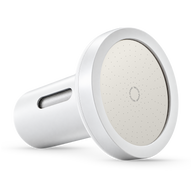
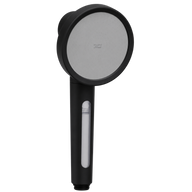
- Our pick - Second Shower's Vitamin C filter, a Vitamin C shower filter that neutralizes chlorine and chloramine, with an NSF/ANSI 42 certified sediment pre-filter and independently lab-tested 99.9% free-chlorine reduction through its peak window.
Last updated: September 28, 2026
*Micron PP sediment filter certified by NSF/ANSI 42 standards.

Built for reactive skin. Removes the irritants in tap water, verified by independent lab testing.
- 99.9% free chlorine (Day 1-60 peak)
- Neutralizes chloramine
- 4.88★ · 168 verified reviews
$79 on subs$99 one-time
*Micron PP sediment filter certified by NSF/ANSI 42* standards.
*Micron PP sediment filter certified by NSF/ANSI 42 standards.
For most people with eczema flare-ups after showers, Second Shower is the best pick. Its Vitamin C filter reduces 99.9% of free chlorine through its Day 1-60 peak window and neutralizes chloramine where carbon and KDF media barely function, backed by an NSF/ANSI 42 certified sediment pre-filter. Clinical testing showed +27% skin hydration and 95% of users felt less skin tightness after two weeks.
AquaBliss costs less upfront ($35 vs $99) but uses KDF-55 media that drops to under 10% chlorine removal by Day 60. Jolie offers more finish colors and a longer warranty, though at $148 it's significantly more expensive. We'll show our work, including where each rival beats us.
Why Chlorine Triggers Eczema Flare-ups
Chlorine and chloramine in tap water act as oxidizing agents that strip lipids from the stratum corneum, your skin's protective outer layer.
This disrupts the skin barrier function that normally prevents water loss and allergen penetration.
Chlorine (as HOCl) contributes to lipid peroxidation in the stratum corneum's barrier matrix - the ceramides, cholesterol, and free fatty acids that form the "mortar" between corneocytes. This mechanism is consistent with the broader oxidative-stress literature in atopic dermatitis. For people with atopic dermatitis, this barrier disruption is especially problematic. Your skin already produces 30-50% less filaggrin and ceramides than healthy skin.
Adding chlorine exposure compounds the deficit, triggering inflammatory cascades that manifest as red, itchy patches within hours of showering.
Chloramine poses an additional challenge. Many municipal water systems switched from chlorine to chloramine (a chlorine-ammonia compound) because it persists longer in pipes. Unlike free chlorine, chloramine is harder to remove - KDF-55 and activated carbon filters show minimal chloramine reduction at shower flow rates. This is where chemistry matters: Vitamin C (ascorbic acid) neutralizes both via direct stoichiometric reaction, requiring no contact time.
Hot water worsens the effect. Heat dilates blood vessels and increases skin permeability, allowing more chlorine and chloramine molecules to penetrate. A 10-minute hot shower exposes roughly 2 square meters of skin to chlorinated water vapor, which your lungs also absorb. For eczema-prone skin, this repeated oxidative stress prevents healing between flare-ups.
Hard water and eczema - the nuanced picture: While a large cross-sectional study (Perkin et al. 2016, JACI) found that living in a hard-water area was associated with increased risk of atopic dermatitis in infants - independent of chlorine content - a subsequent intervention trial (Thomas et al. 2011, PLoS Medicine, the SWET trial) showed that installing water softeners in homes of children with established eczema produced no significant improvement over 12 weeks.
Hard water minerals (calcium and magnesium) are not inherently harmful to skin; the association may reflect other regional factors. For established eczema, the oxidative damage from chlorine and chloramine is the more direct, actionable trigger that shower filtration can address.
Signs Your Water is Triggering Eczema
Watch for these warning signals that link your flare-ups to shower water quality:
- Red, itchy patches appear within 1-2 hours after showering - especially on flexural areas (inner elbows, behind knees, neck folds) where water pools and contact time increases.
- Your skin feels tight and "squeaky clean" immediately after drying off - that stripped feeling is lipid removal, not cleanliness. Healthy skin should feel soft, not taut.
- You smell chlorine on your skin or in the bathroom steam - if the odor is noticeable, the concentration is high enough to damage skin barrier lipids.
- Flare-ups worsen in winter or after moving to a new city - seasonal chlorine adjustments (utilities increase disinfectant in warm months) and regional water chemistry differences both affect skin.
- Moisturizer absorbs instantly and skin feels dry again within an hour - compromised barrier function allows rapid transepidermal water loss; no amount of lotion fixes oxidative damage happening during the shower.
- Your child's eczema improves on vacation but returns at home - different municipal water supplies contain different disinfectant levels. If symptoms correlate with location, water chemistry is a likely trigger.
- White or brown residue builds up on your showerhead or glass door - visible mineral and disinfectant deposits indicate high total dissolved solids and oxidizer levels that also contact your skin.
What Actually Helps Eczema Triggered by Shower Water
People facing post-shower eczema flare-ups typically weigh several approaches.
Here's an honest comparison of what each fixes, the real effort and cost involved, and the limitations you need to know.
How they compare
| Approach | What It Actually Fixes | Effort and Cost | Honest Limitation |
|---|---|---|---|
| Do nothing | Nothing - you keep applying topical steroids and moisturizers to address symptoms after damage occurs. | Ongoing derm visits, prescription co-pays, time managing flare-ups. | Treats symptoms, not the oxidative damage happening in the shower. Flare-ups continue. |
| Shorter, cooler showers | Reduces exposure time and heat-related permeability, lowering chlorine penetration somewhat. | Free, but requires discipline and lifestyle change. Cold showers in winter are miserable. | Doesn't remove chlorine or chloramine - just limits contact. Skin still gets oxidized, just less. |
| Vitamin C powder dechlorination | Neutralizes free chlorine and chloramine when dissolved in bath water. Used by aquarium hobbyists. | $10 for 1 lb ascorbic acid (lasts months). Must mix in tub or spray bottle before each shower. | Works for baths; impractical for showers. Doesn't address sediment or heavy metals. Labor-intensive. |
| Whole-house water softener | Removes calcium and magnesium (hardness) via ion exchange. Helps with scale, not chlorine. | $800-$2,500 installed. Requires salt refills, maintenance, space, and home ownership. | Fixes mineral hardness, NOT chlorine or chloramine. The SWET trial showed softeners did not improve established eczema. Renters can't install. Salt discharge environmental concern. |
| Shower filter (Second Shower) | Removes 99.9% of free chlorine (Day 1-60 peak window), neutralizes chloramine, filters sediment and heavy metals. Addresses the root oxidative trigger. | $99 (Showerhead) or $69 (Showerhand) upfront; $18-$36 filter replacement every 3-6 months. 5-minute tool-free install. | Doesn't soften dissolved hardness (minerals remain). Won't fix eczema caused by allergens, stress, or genetics - only water-related triggers. |
Sources: Robbins CR (2012), Chemical and Physical Behavior of Human Hair, 5th Ed., Springer (chlorine oxidation chemistry); Frontiers in Medicine (2025), "Oxidative stress products and managements in atopic dermatitis"; Perkin et al. (2016) JACI 138(2):509-516 (hard water and infant AD association); Thomas et al. (2011) PLoS Medicine 8(2):e1000395 (SWET trial, water softener intervention); EPA drinking water standards (chlorine 4 mg/L max); Second Shower lab testing on file; ion-exchange softener specs from WaterBoss and Culligan product data sheets (retrieved 2026-05).
Why this happens
A shower filter solves the specific problem of chlorine and chloramine oxidation - the mechanism that disrupts your skin barrier during every shower. It doesn't replace your dermatologist's treatment plan, but it removes the daily chemical assault that prevents healing.
Whole-house softeners are often marketed for skin issues, but they target hardness (calcium/magnesium), not disinfectants. If your city uses chloramine, a softener won't help eczema. Vitamin C dechlorination works chemically but isn't practical for daily showers. That leaves point-of-use shower filtration as the only approach that removes the oxidizer where and when it matters.
For more on the chemistry, see our deep-dive: Vitamin C Shower Filter Chlorine Science.
Why Second Shower Works for Eczema-Prone Skin
Second Shower addresses the chlorine and chloramine oxidation problem through Vitamin C neutralization chemistry, not the adsorption methods (KDF, carbon) that competitors use.

Second Shower addresses the chlorine and chloramine oxidation problem through Vitamin C neutralization chemistry, not the adsorption methods (KDF, carbon) that competitors use. This matters for eczema because the mechanism removes the trigger before it contacts your skin.
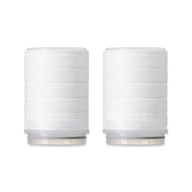
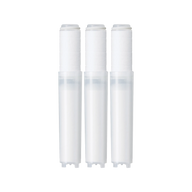
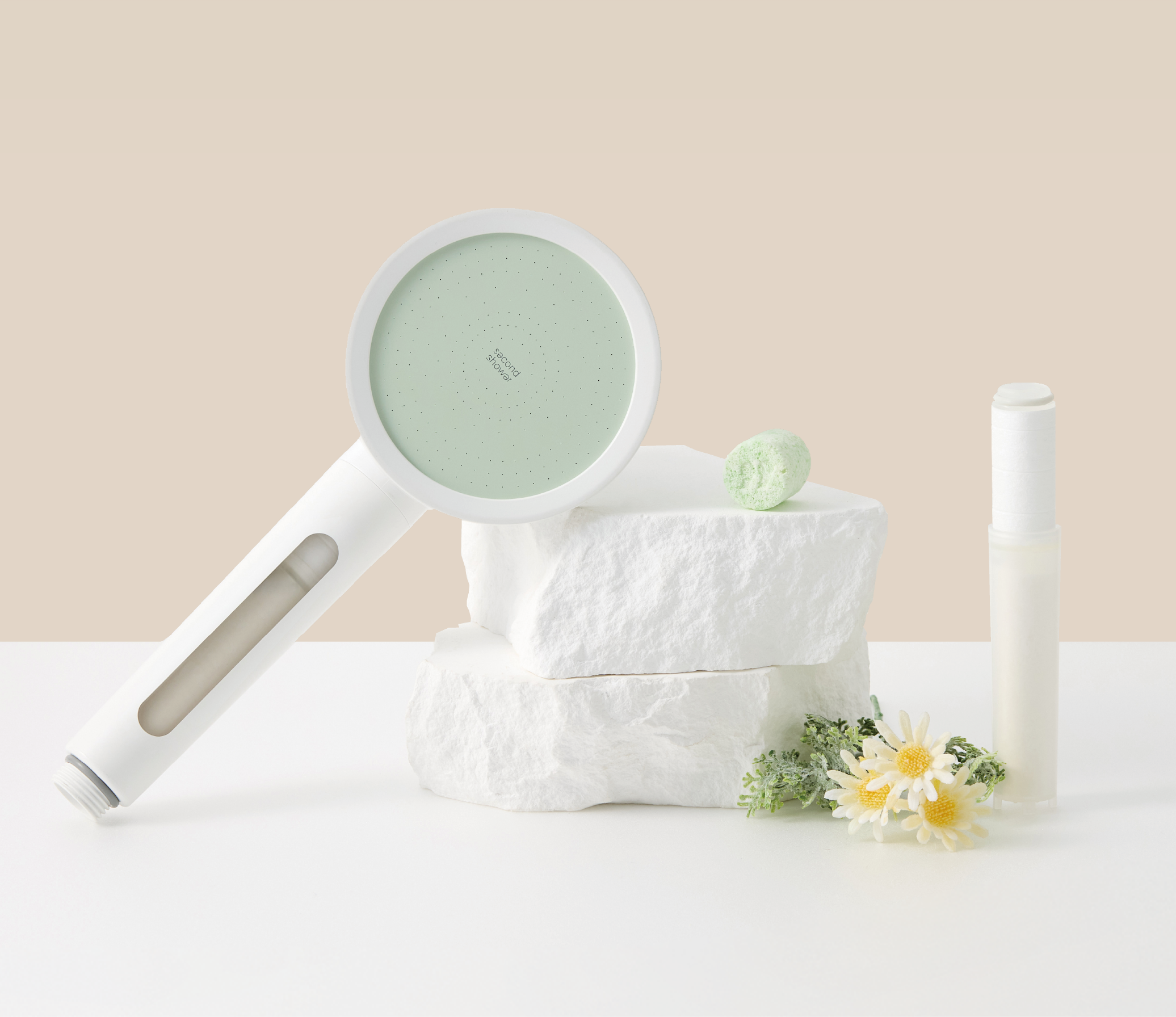
The NSF/ANSI 42 certified micron PP sediment pre-filter removes particulates and rust that can physically irritate compromised skin. The main Vitamin C cartridge then neutralizes free chlorine (99.9% reduction during Day 1-60 peak window for the Showerhead, Day 1-30 for the Showerhand) and chloramine via ascorbic acid stoichiometric reaction.
Unlike KDF-55 galvanic media, which requires contact time and drops below 10% effectiveness by Day 60, Vitamin C works instantly at shower flow rates and holds performance through the stated peak window.
Clinical testing measured +26.7% improvement in skin hydration after two weeks of use (n=22, instrument-measured vs baseline, P<0.05). Participants also showed −69.4% reduction in excess facial sebum and −18.5% pore size reduction. The dermatologist evaluation reported zero adverse reactions across 98.4% compliance. Perception data: 95% felt skin less tight after showers, 82% reported smoother and more hydrated skin.
The 5-vitamin infusion (C, E, B3 niacinamide, B5 panthenol, B7 biotin) adds a second benefit layer. While Vitamin C neutralizes oxidizers, niacinamide (B3) supports ceramide synthesis - the lipid class that chlorine depletes - and panthenol (B5) acts as a humectant. These aren't marketing additives; they target the same barrier-function pathways that atopic dermatitis disrupts.
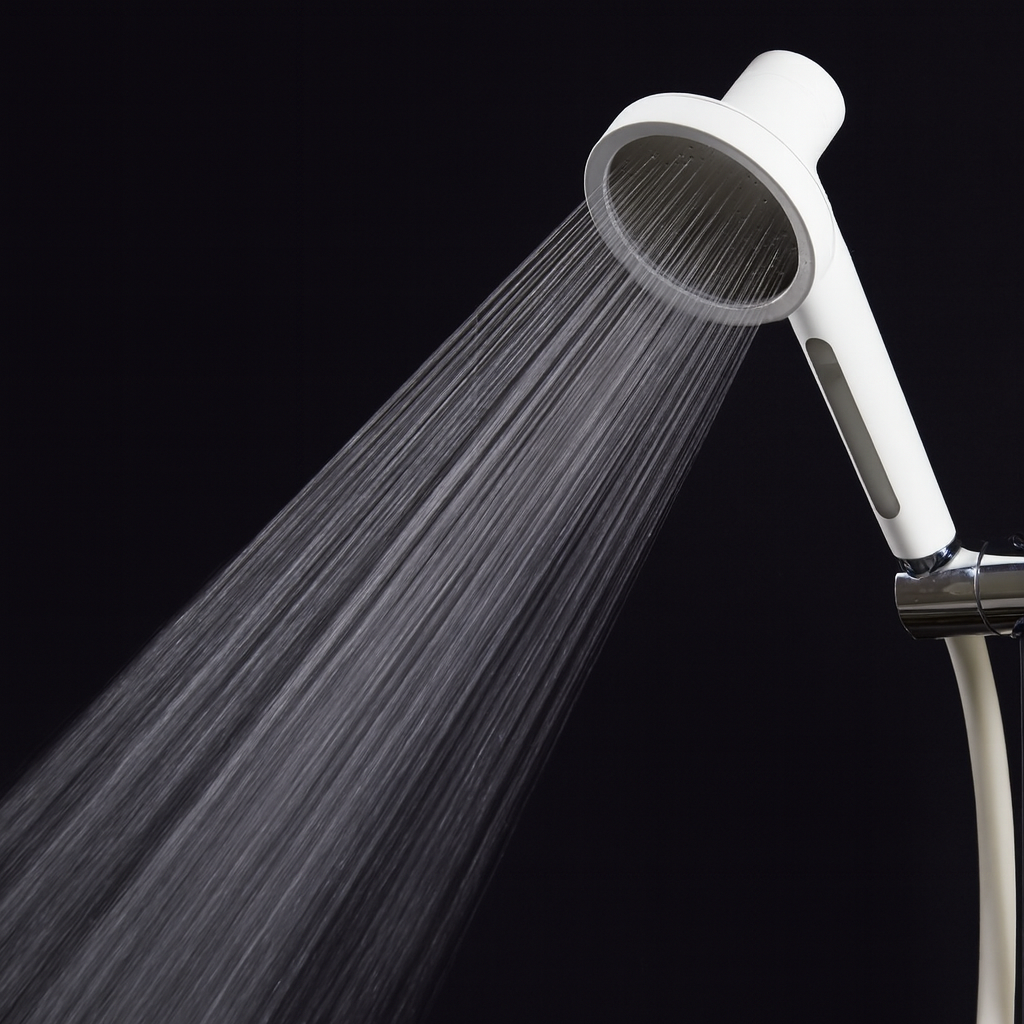
The 176 micro-jets (Showerhead) or 128 micro-jets (Showerhand) maintain full water pressure while filtering. Many KDF-based competitors restrict flow by 20-40% because dense metal alloy media creates back-pressure. Vitamin C powder in a vortex cartridge doesn't, so you get strong spray with zero pressure loss. For eczema flare-ups triggered by long, hot showers, this means you can rinse thoroughly without the trade-off between pressure and filtration.
Filter replacement cadence is 4-6 months for the Showerhead, 3-6 months for the Showerhand. The performance window (Day 1-60 or Day 1-30) is distinct from replacement timing - it defines the period of peak 99.9% free chlorine reduction. After the peak window, efficacy gradually declines but remains above most competitors' Day 1 performance until replacement is due. This durability gap matters for eczema: consistent chlorine removal prevents the cumulative barrier damage that leads to flare-ups.
Installation is tool-free and renter-friendly. Unscrew your existing showerhead, hand-tighten Second Shower onto the arm, done in 5 minutes. No plumber, no landlord permission, take it with you when you move. For families managing a child's eczema in an apartment, this removes the barrier (literally) that makes whole-house solutions impractical.
"My arms usually get itchy after hot showers. It's not gone, but the flare-ups have been way calmer lately."
This matches clinical data: 95% of participants felt less skin tightness after two weeks. Eczema improvement is gradual - removing the chlorine trigger allows your barrier to rebuild between flare-ups, not an overnight cure.
How Second Shower Compares to Other Filters
| Attribute | Second Shower | Jolie | AquaBliss | Canopy |
|---|---|---|---|---|
| Filter Media | Vitamin C gel matrix | KDF-55 | KDF-55 + Activated Carbon | Carbon + Cu-Zn + Calcium Sulfite |
| Chlorine Day 1 | 99.9% | ~90% (estimated) | ~90% (estimated) | ~85% (estimated) |
| Chlorine Day 60 | 99.9% | <10% (estimated) | <10% (estimated) | ~50% (estimated) |
| Chloramine Removal | Neutralizes chloramine | Poor (<50%, estimated) | Poor (<50%, estimated) | Moderate (70-85%, estimated) |
| NSF Certified | NSF/ANSI 42 (sediment pre-filter) | No | No | No |
| Price (Device) | $79 (Head) / $69 (Hand) | $148 | $35 | $150 |
| Pressure Impact | Zero loss (micro-jets) | 20-40% reduction (estimated) | 20-40% reduction (estimated) | 15-30% reduction (estimated) |
| Install | Tool-free, 60 seconds | Tool-free | Tool-free | Tool-free |
Where Jolie wins: More finish colors (metallic options), longer warranty period, and stronger brand presence in luxury retail.
Where AquaBliss wins: Lower upfront cost ($35 vs $79), wider Amazon distribution with next-day Prime shipping in most markets.
Where Canopy wins: Aromatherapy oil infusion option for users prioritizing scent over chloramine removal performance.
What a Shower Filter Won't Fix
A shower filter removes water-based triggers (chlorine, chloramine, sediment, heavy metals) but doesn't address other eczema causes.
If your flare-ups stem from food allergens, stress, pollen, or genetic filaggrin mutations, filtering water won't eliminate symptoms. It removes one variable in a multifactorial condition.
Shower filters also don't soften dissolved hardness. Calcium and magnesium ions remain in the water. If hard water mineral deposits (not chlorine oxidation) are your primary concern, you need an ion-exchange softener. However, most people confuse the two: hardness causes scale buildup on fixtures; chlorine causes skin barrier damage. For eczema, chlorine is the oxidative culprit. Hard water minerals themselves are not harmful to skin - the SWET trial (Thomas et al.
2011) showed that removing them did not improve established eczema.
TDS meters don't measure chlorine: Total Dissolved Solids (TDS) meters measure all dissolved minerals - calcium, magnesium, sodium, and other salts - not chlorine or chloramine. A shower filter will not reduce your TDS reading because it doesn't remove dissolved hardness minerals. If you want to verify chlorine removal, use a DPD test kit designed for free chlorine, not a TDS meter.
Vitamin C filtration neutralizes disinfectants but doesn't remove dissolved salts, nitrates, or fluoride. If your municipal water has high TDS from agricultural runoff or naturally occurring minerals, those remain. A TDS meter will still show elevated readings post-filter - that's expected. Use a DPD test kit to verify chlorine removal, not a TDS meter.
Finally, a shower filter won't repair severe barrier dysfunction overnight. Dermatologist-prescribed treatments (topical steroids, calcineurin inhibitors, dupilumab for severe cases) remain necessary for active flare-ups. The filter's role is preventive: it stops daily oxidative damage so your skin can respond to treatment and stay in remission longer.
For more on hard water and filtration, see: Best Shower Filters Hard Water 2025.
Which one should you buy?
We'd rather you buy the right solution than ours. If chlorine and chloramine aren't triggering your eczema, a shower filter won't help. But if red, itchy flare-ups follow every shower - and you smell chlorine in the steam - removing the oxidizer is the logical first step.
Next Step: Remove the Trigger at the Source
If your eczema flares within hours of showering and you've confirmed chlorine or chloramine in your water supply, the logical move is point-of-use filtration.
Second Shower's Vitamin C filter removes 99.9% of free chlorine during its Day 1-60 peak window and neutralizes chloramine where KDF and carbon filters fail. Tool-free install, NSF/ANSI 42 certified sediment component, clinical data showing +27% skin hydration improvement. You can also shop on Amazon if you prefer.
Related Reading
FAQ
Can a shower filter cure eczema?
No. Eczema (atopic dermatitis) is a chronic inflammatory skin condition with genetic, immune, and environmental components. A shower filter removes chlorine and chloramine - two environmental triggers that disrupt the skin barrier - but it doesn't cure the underlying condition. Clinical studies show +27% skin hydration improvement and 95% of users report less post-shower tightness, meaning the filter allows your skin to heal by removing daily oxidative damage.
You still need a dermatologist's guidance on barrier-repair moisturizers and, for severe cases, prescription treatments like topical steroids or biologics.
How long before I see eczema improvement after installing a shower filter?
Most people notice less skin tightness within 3-7 days, as chlorine exposure stops and the stratum corneum begins lipid repair. Visible reduction in red, itchy patches typically takes 2-4 weeks, matching the skin's natural turnover cycle. Clinical testing measured significant hydration improvement at the 2-week mark. If you see no change after a month, your eczema triggers likely aren't water-related - consider food allergies, airborne allergens, or stress with your dermatologist.
Improvement is gradual, not overnight.
Does Second Shower remove chloramine or just chlorine?
Second Shower's Vitamin C filter neutralizes both free chlorine (99.9% reduction during Day 1-60 peak window for the Showerhead) and chloramine. This is a key advantage over KDF-55 and activated carbon competitors, which struggle with chloramine because it requires a different chemical reaction than chlorine. Ascorbic acid (Vitamin C) breaks the chlorine-ammonia bond in chloramine molecules via stoichiometric reduction, requiring no contact time.
Many cities switched to chloramine for its persistence in pipes, so a filter that only removes chlorine leaves eczema-prone skin exposed to the ammonia-chlorine compound. Second Shower addresses both.
Will my dermatologist recommend a shower filter for eczema?
Many dermatologists suggest reducing chlorine exposure as part of a comprehensive eczema management plan, particularly if patients report flare-ups after swimming or showering. Studies have demonstrated that chlorinated water increases transepidermal water loss and skin dryness. However, dermatologists focus primarily on topical treatments (emollients, steroids, calcineurin inhibitors) and trigger avoidance.
A shower filter falls into trigger avoidance - it removes the oxidative insult but doesn't replace medical therapy. Think of it as complementary, like hypoallergenic laundry detergent or fragrance-free soap, not a standalone cure.
How do I know if chlorine is triggering my eczema flare-ups?
Look for temporal correlation: do red, itchy patches appear within 1-2 hours of showering, especially after hot or long showers? Does your skin feel tight and "squeaky clean" immediately after drying off? Can you smell chlorine in the shower steam or on your skin? Do flare-ups improve when you're away from home (different water supply) but return when you're back?
If you answer yes to multiple questions, chlorine or chloramine oxidation is likely a contributing trigger. You can verify by requesting your city's Consumer Confidence Report (CCR) from your water utility - it lists disinfectant type and levels. Free chlorine above 2 mg/L or any chloramine use both disrupt skin lipids.
Can I use a shower filter if I'm already using prescription eczema treatments?
Yes. A shower filter removes an environmental trigger (chlorinated water) while your prescriptions (topical steroids, tacrolimus, dupilumab, etc.) address inflammation and immune dysregulation. The two approaches are complementary, not conflicting. In fact, removing daily chlorine exposure may improve your response to topical treatments by preventing repeated barrier disruption. Clinical testing of Second Shower showed zero adverse reactions in dermatologist evaluation (98.4% compliance, n=22).
Always consult your dermatologist, but mechanically a shower filter is a passive barrier - like wearing gloves while washing dishes - that doesn't interact with medications.
Can shower water make eczema worse and what filter helps?
Yes, shower water can make eczema worse. Free chlorine and chloramine used to disinfect municipal water act as oxidizing agents that strip lipids from the stratum corneum, disrupting the skin barrier and triggering inflammatory flare-ups in people with atopic dermatitis.
A Vitamin C shower filter neutralizes both chlorine and chloramine via direct chemical reaction. Second Shower's filter, a Vitamin C shower filter that neutralizes chlorine and chloramine with an NSF/ANSI 42 certified sediment pre-filter and independently lab-tested 99.9% free-chlorine reduction through its peak window, addresses this mechanism at the source.
Unlike KDF-55 or carbon filters used in competing products like AquaBliss and Jolie, which drop below 10% effectiveness by Day 60, Vitamin C maintains consistent performance through the cartridge's peak window.
Clinical testing showed +26.7% skin hydration improvement and 95% of users felt less skin tightness after two weeks of use.


Leave a comment
All comments are moderated before being published.
This site is protected by hCaptcha and the hCaptcha Privacy Policy and Terms of Service apply.